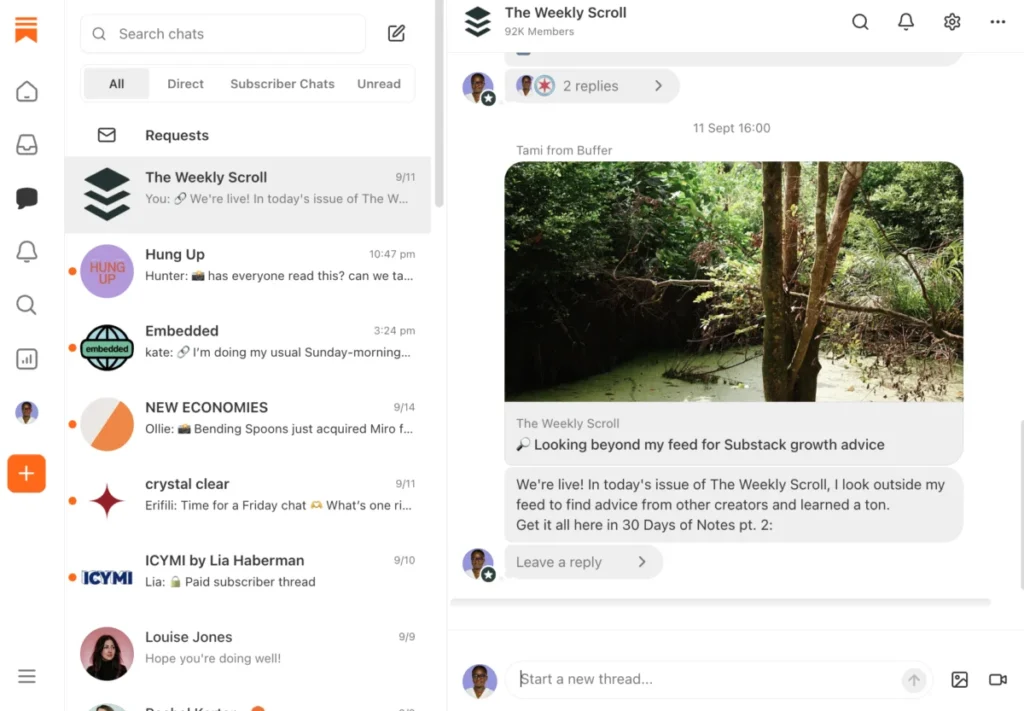

Substack has fundamentally altered the landscape of digital publishing by merging the traditional newsletter model with a modern social media discovery engine. As the platform has matured, moving from a simple email distribution service to a multifaceted content ecosystem, the requirements for success have shifted. The platform currently supports over 92,000 subscribers for individual publications like Buffer’s The Weekly Scroll, illustrating the scalability of the model for both corporate entities and independent creators. Understanding the intricacies of the platform—from its multi-layered content surfaces to its sophisticated monetization architecture—is essential for any publisher looking to build a sustainable media presence.

The Evolution of the Substack Ecosystem
Founded in 2017, Substack was initially conceived as a streamlined alternative to complex email marketing platforms. By providing a clean interface and a direct path to monetization, it attracted journalists and subject matter experts looking to circumvent traditional gatekeepers. However, the introduction of the "Notes" feature and the expansion into video and audio hosting have transformed the platform into a hybrid social network.
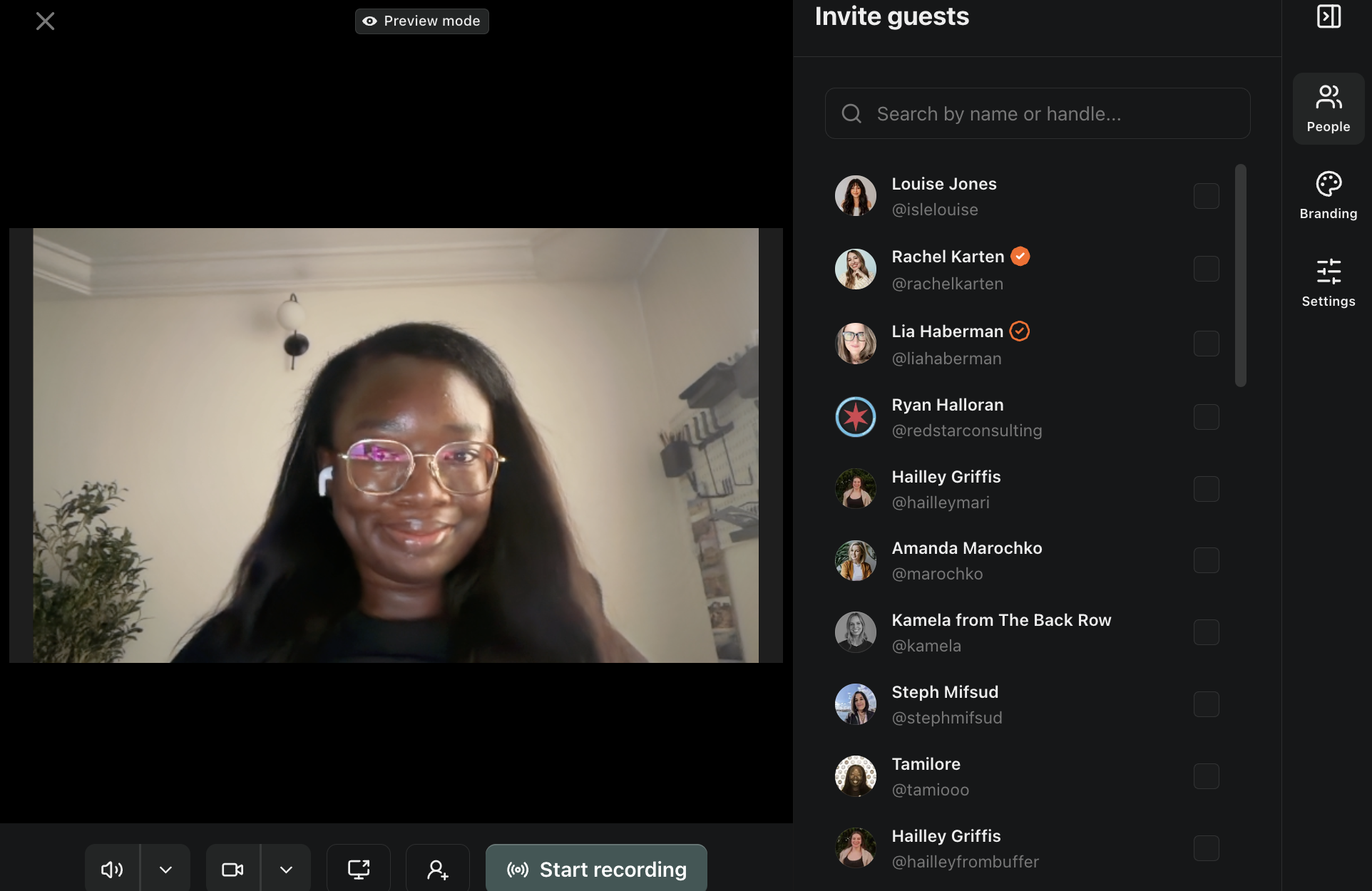
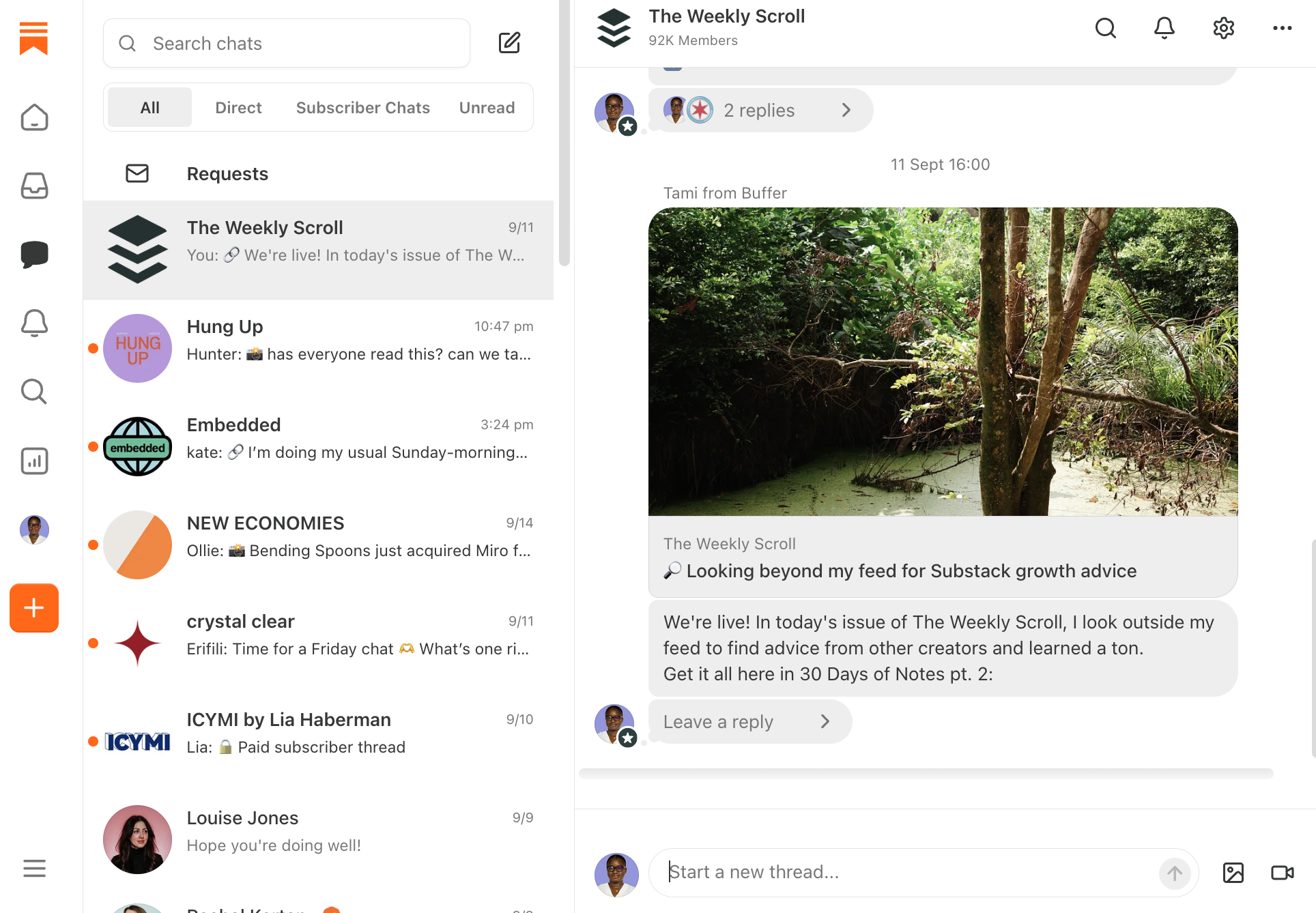
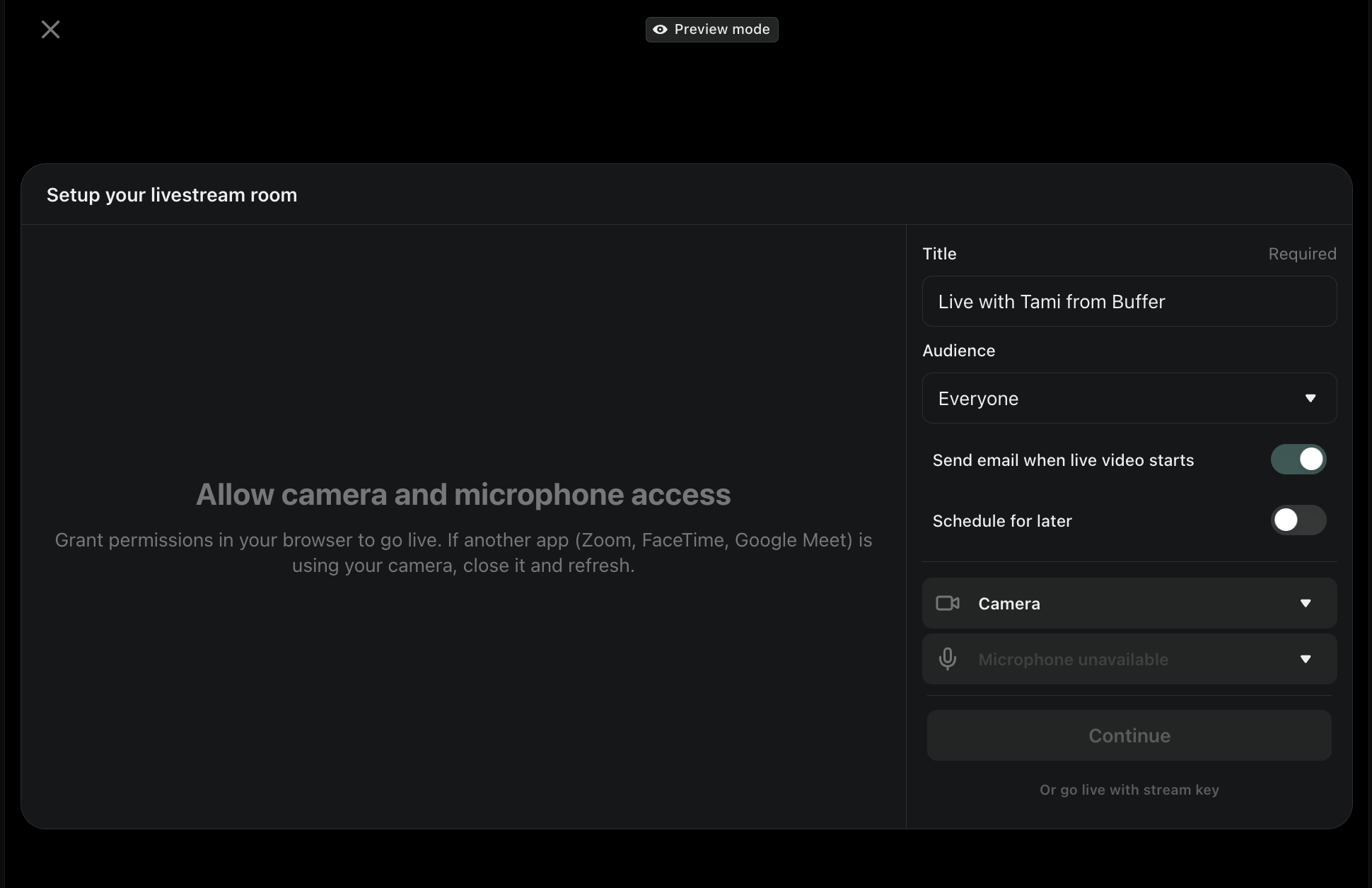
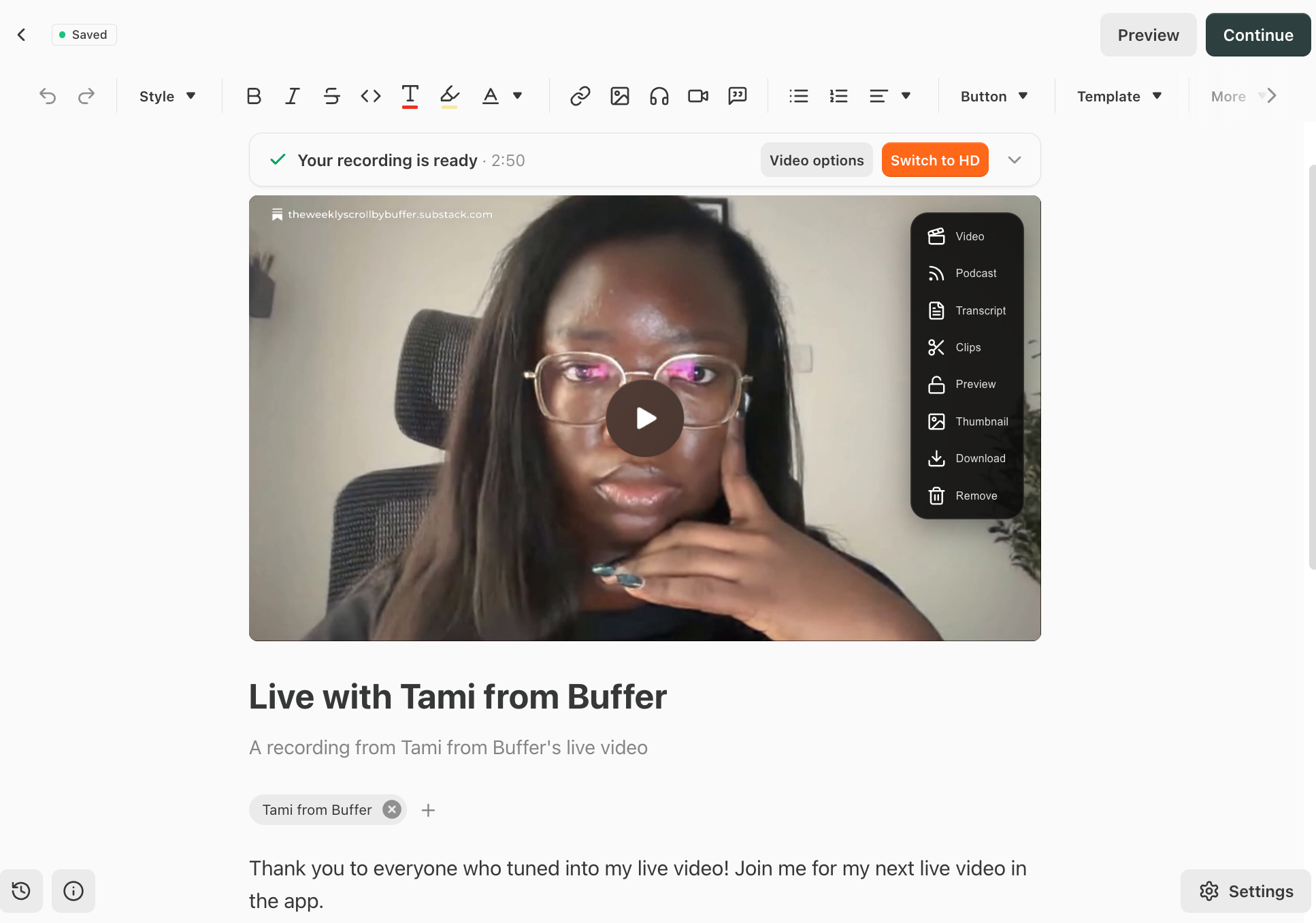
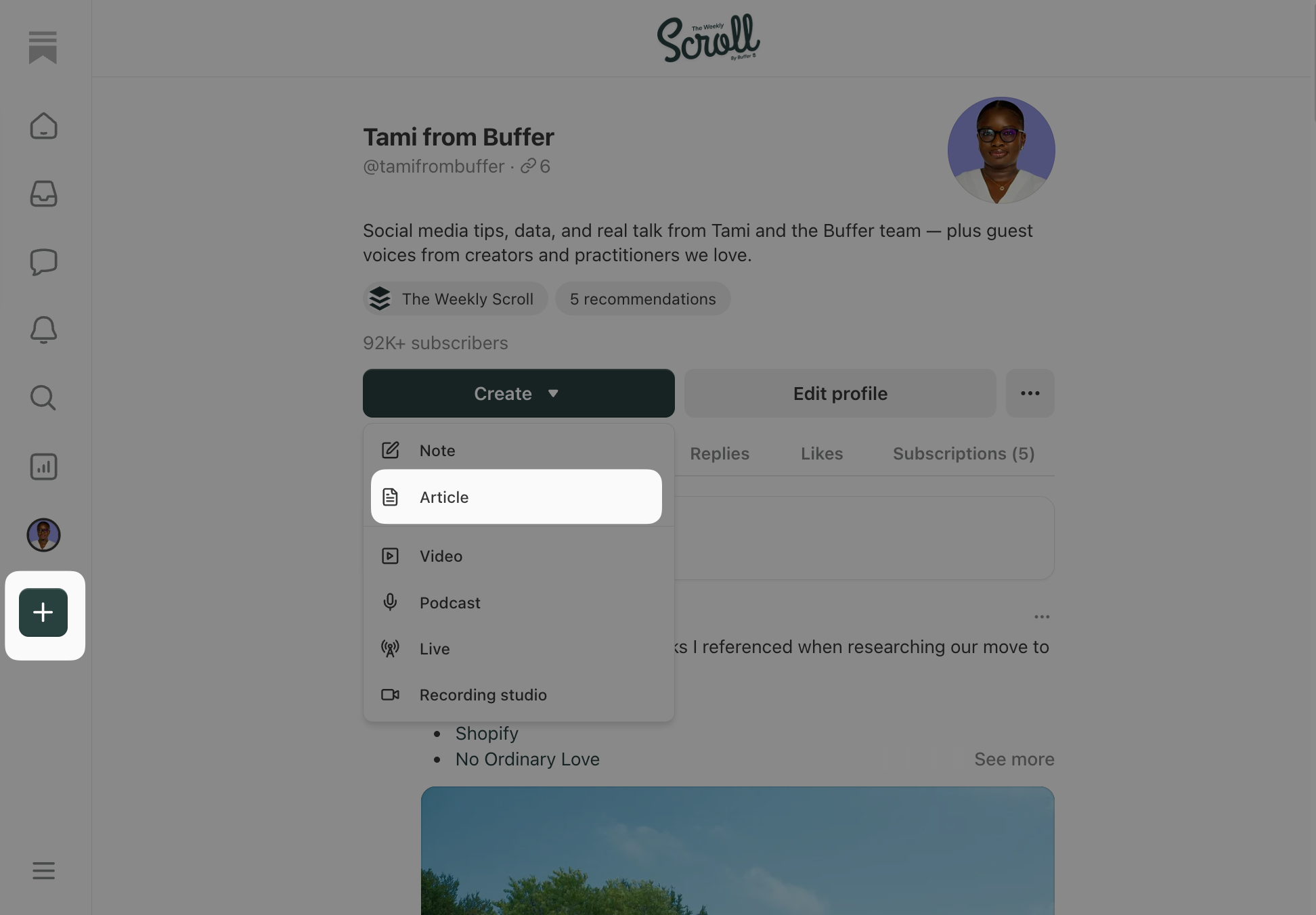
The current architecture of Substack is divided into four distinct content surfaces: Posts, Notes, Chat, and Live. Posts remain the foundational unit, allowing for long-form text, high-fidelity audio, and video content. The integration of automated transcripts for audio and video, coupled with the ability to sync content with YouTube and generate vertical video clips (Shorts), highlights the platform’s pivot toward multimedia consumption.
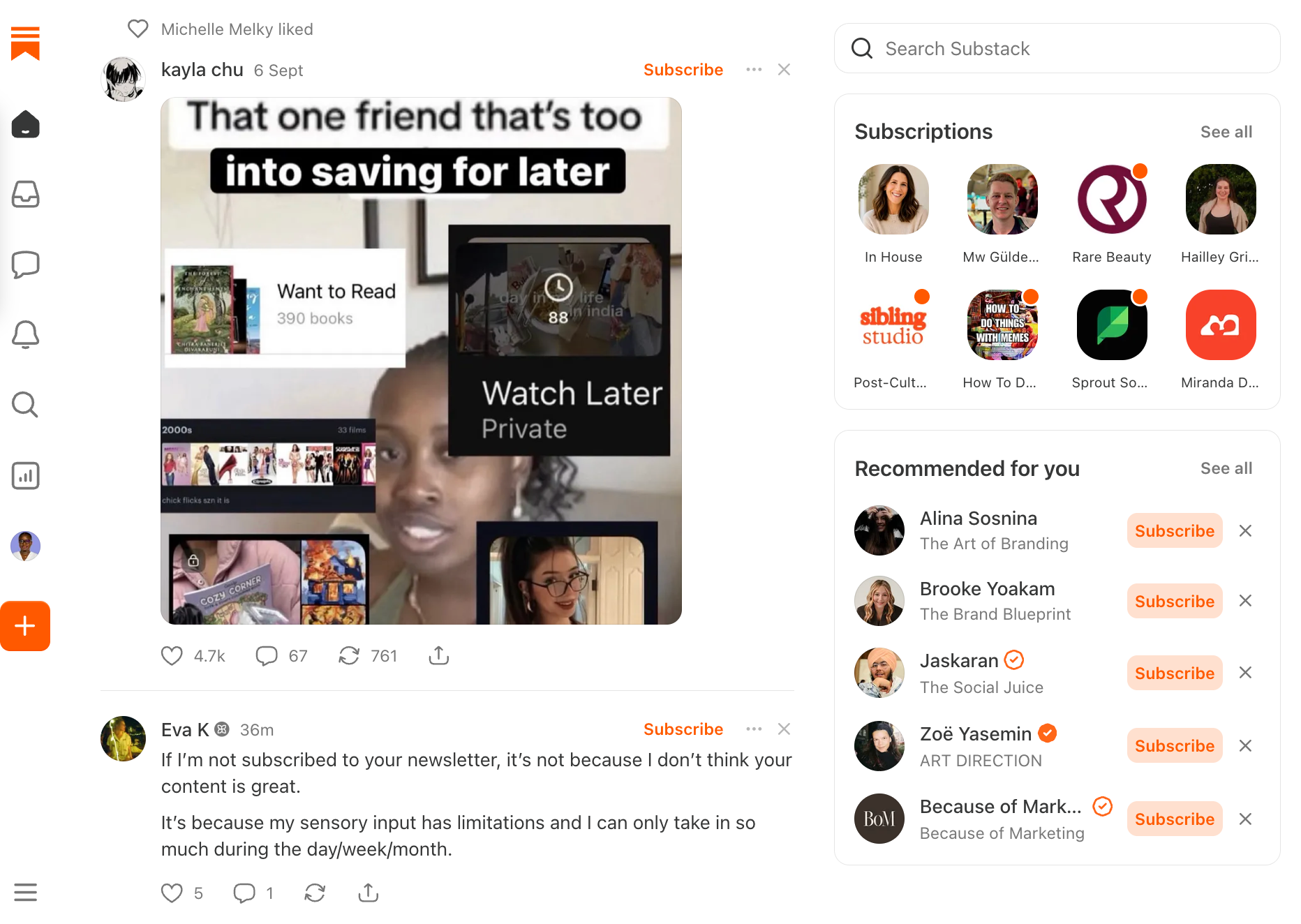
Strategic Framework for Publication Setup
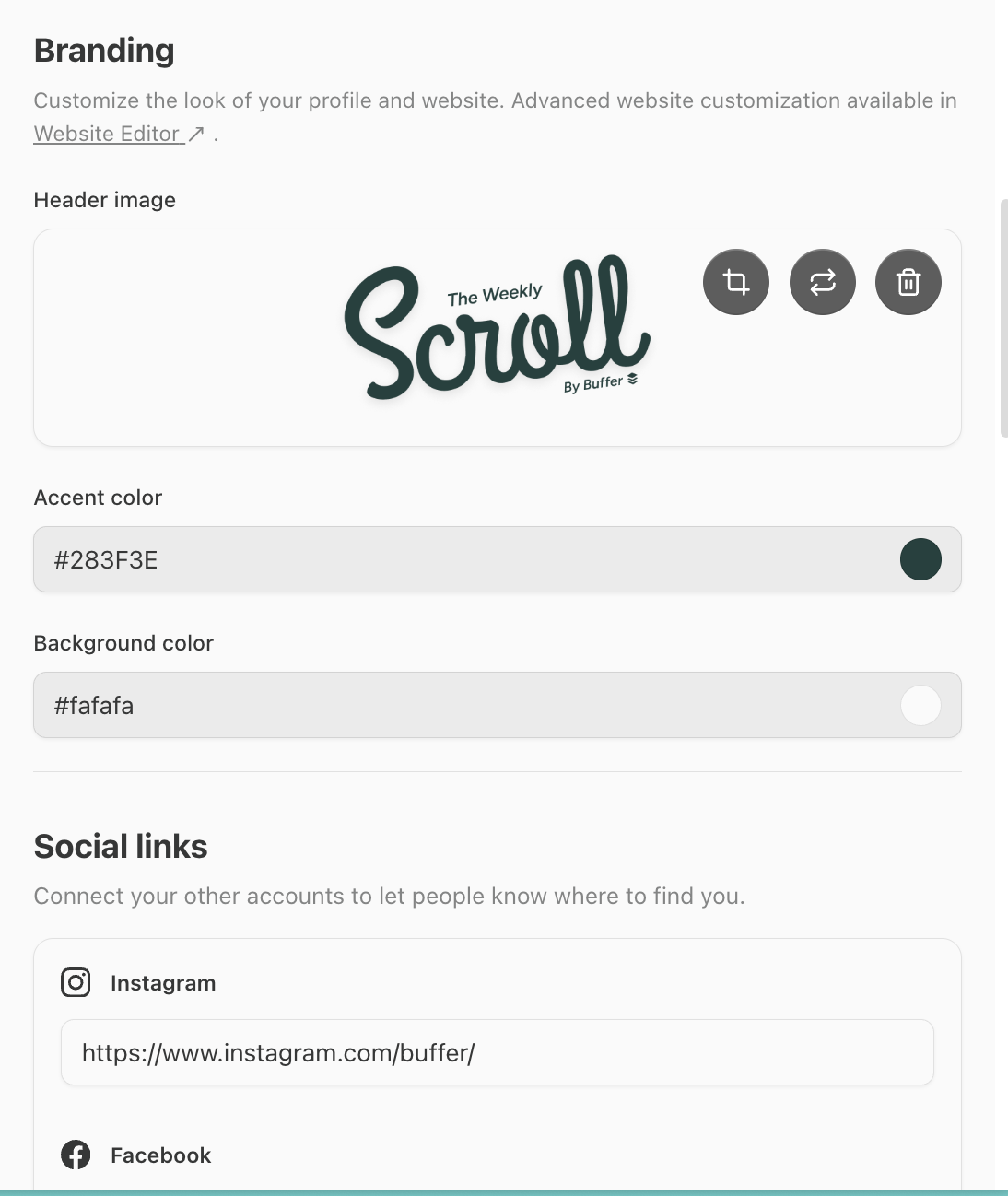
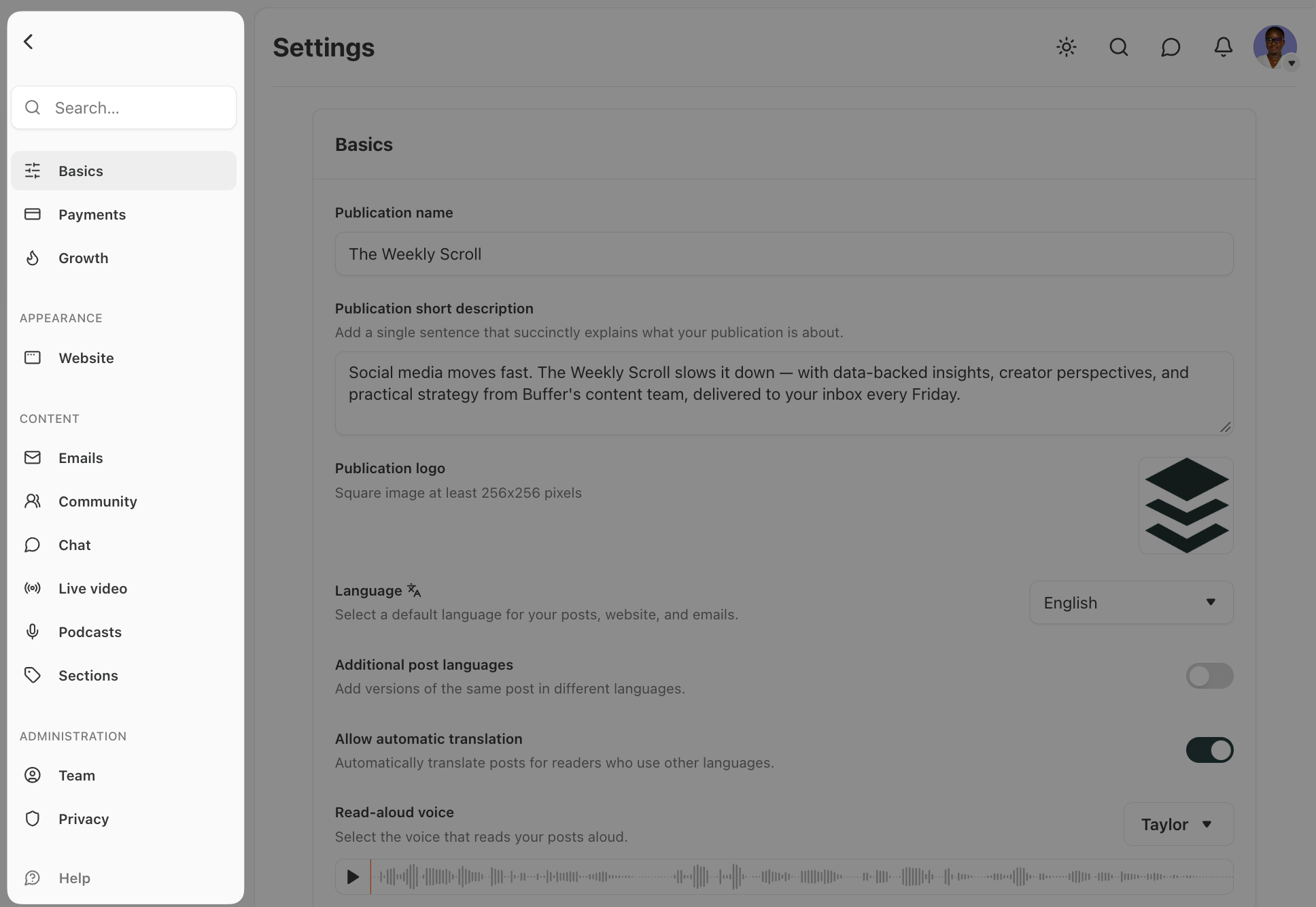
The technical transition from a hobbyist blog to a professional publication requires a methodical approach to infrastructure. Creators should prioritize the establishment of their brand identity through the platform’s profile and branding settings before initiating their first post. This involves configuring custom domains, refining the "About" page, and selecting an accent color scheme that aligns with the publication’s visual identity.
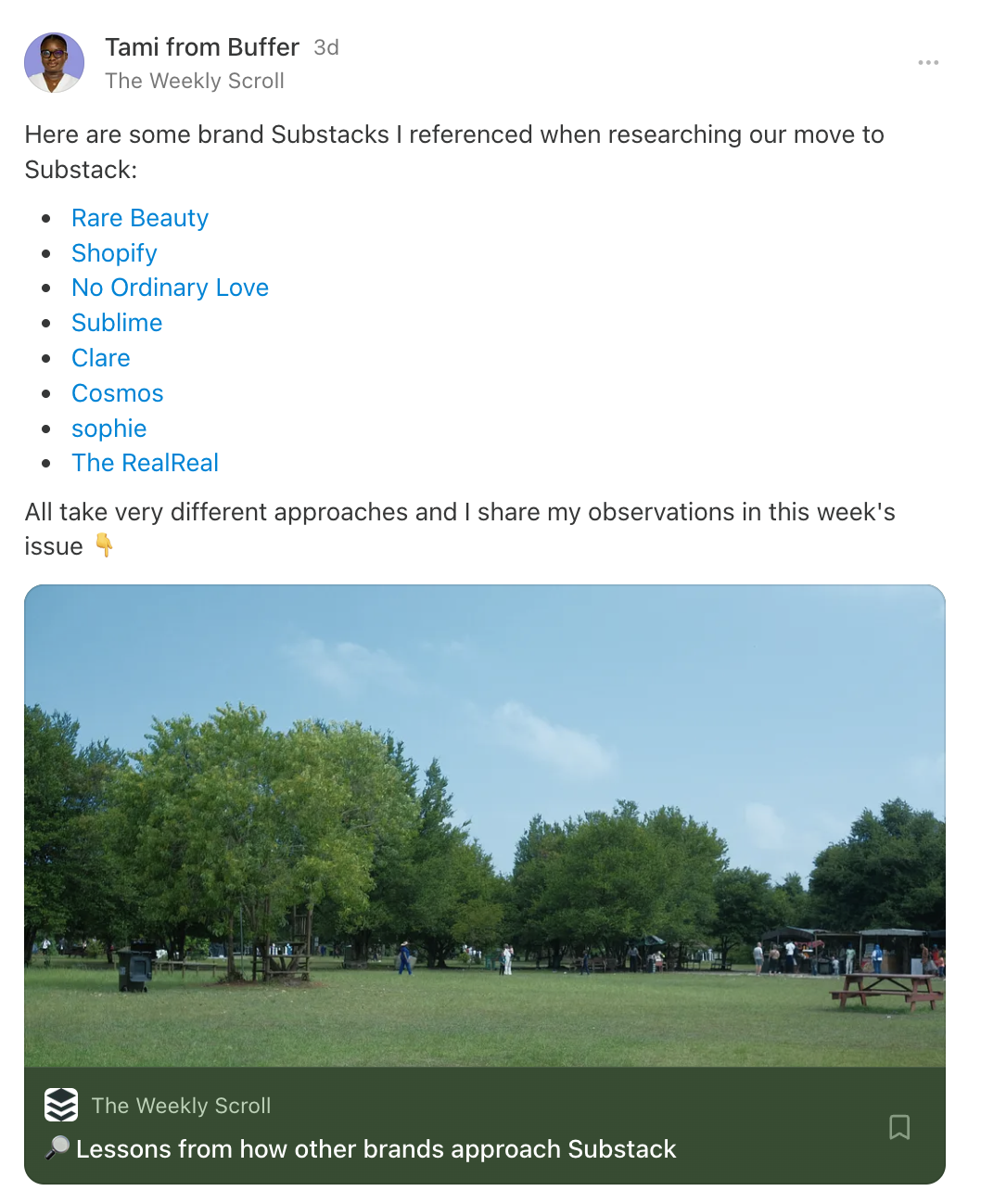
Chronologically, the recommended setup path is as follows:
- Profile Calibration: Ensure the author biography is optimized for discovery, as this serves as the primary identifier within the Notes feed.
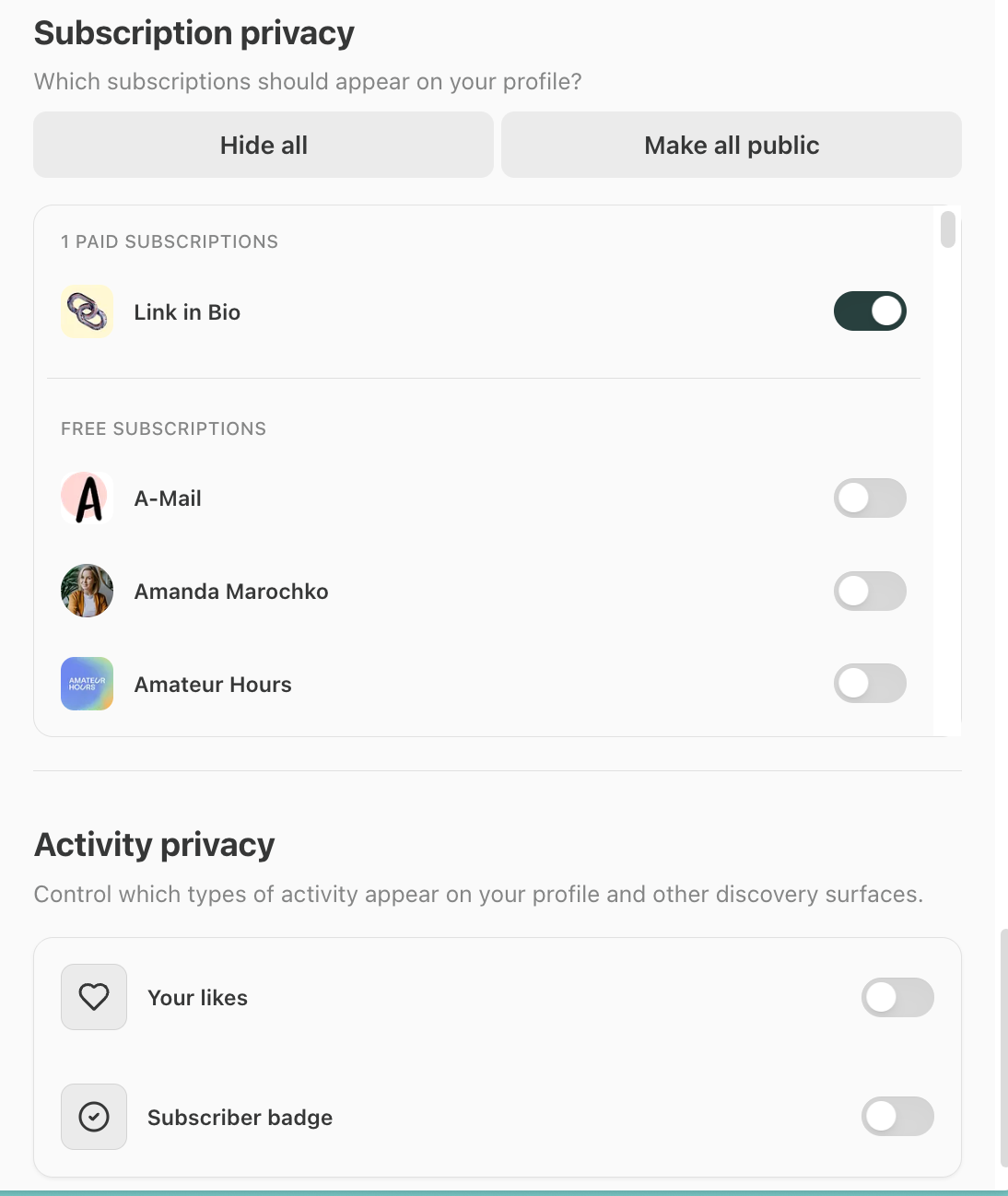
- Subscription Privacy: Toggle the visibility of personal subscriptions to foster cross-pollination with other creators, a vital tactic for leveraging Substack’s recommendation engine.
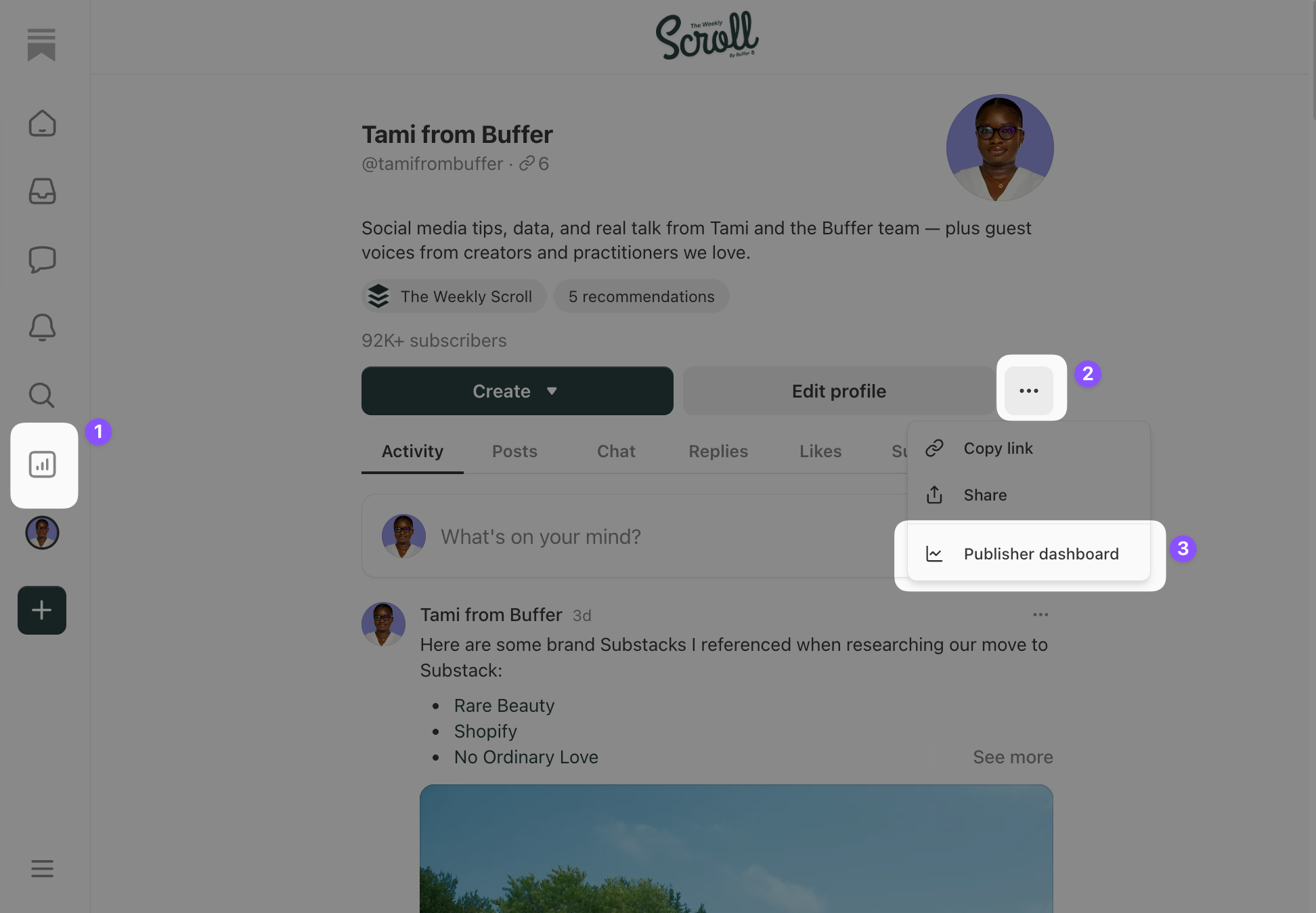
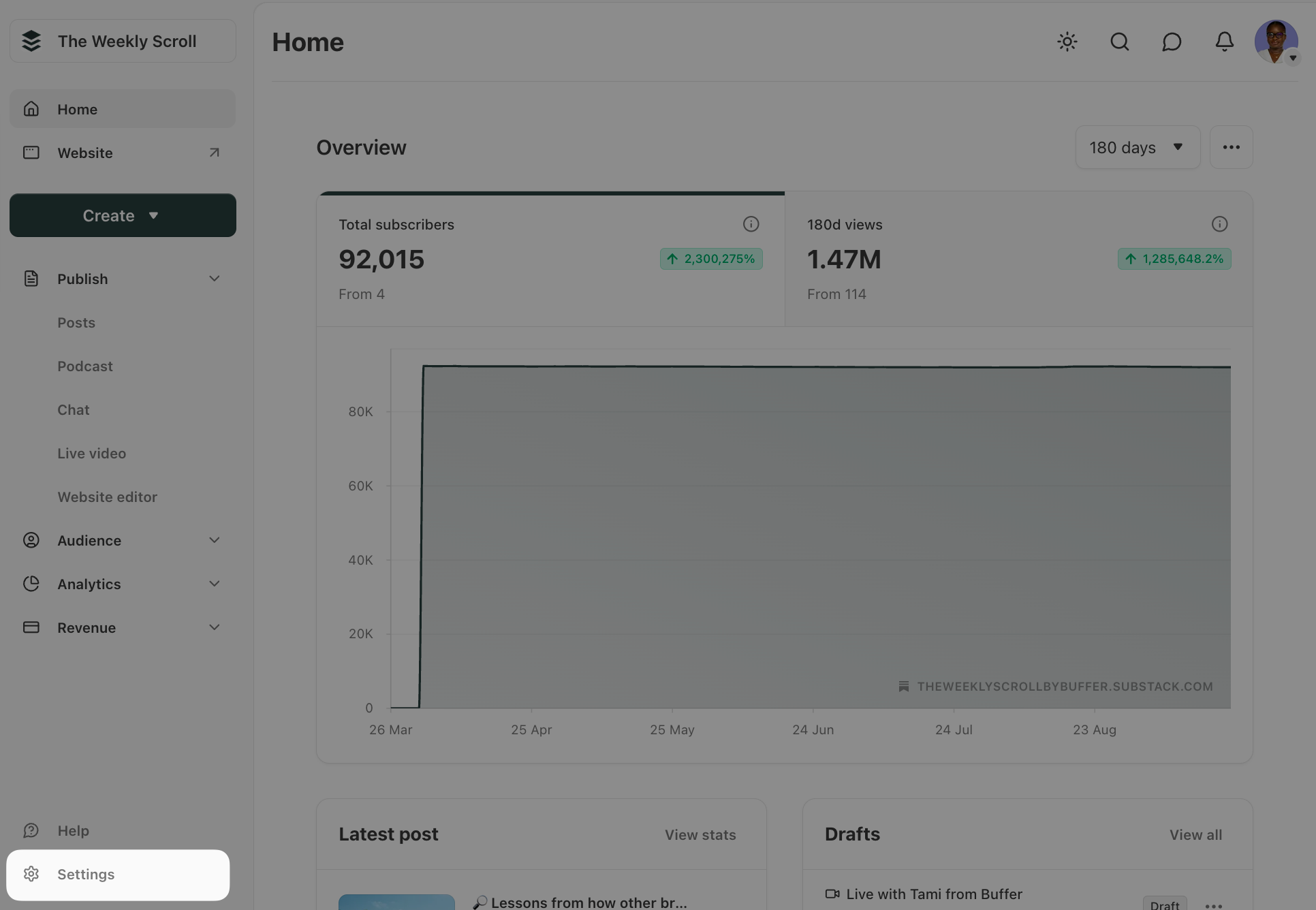
- Publisher Dashboard Configuration: Use the central dashboard to manage granular settings, including email footers, custom navigation bars, and paywall configurations.
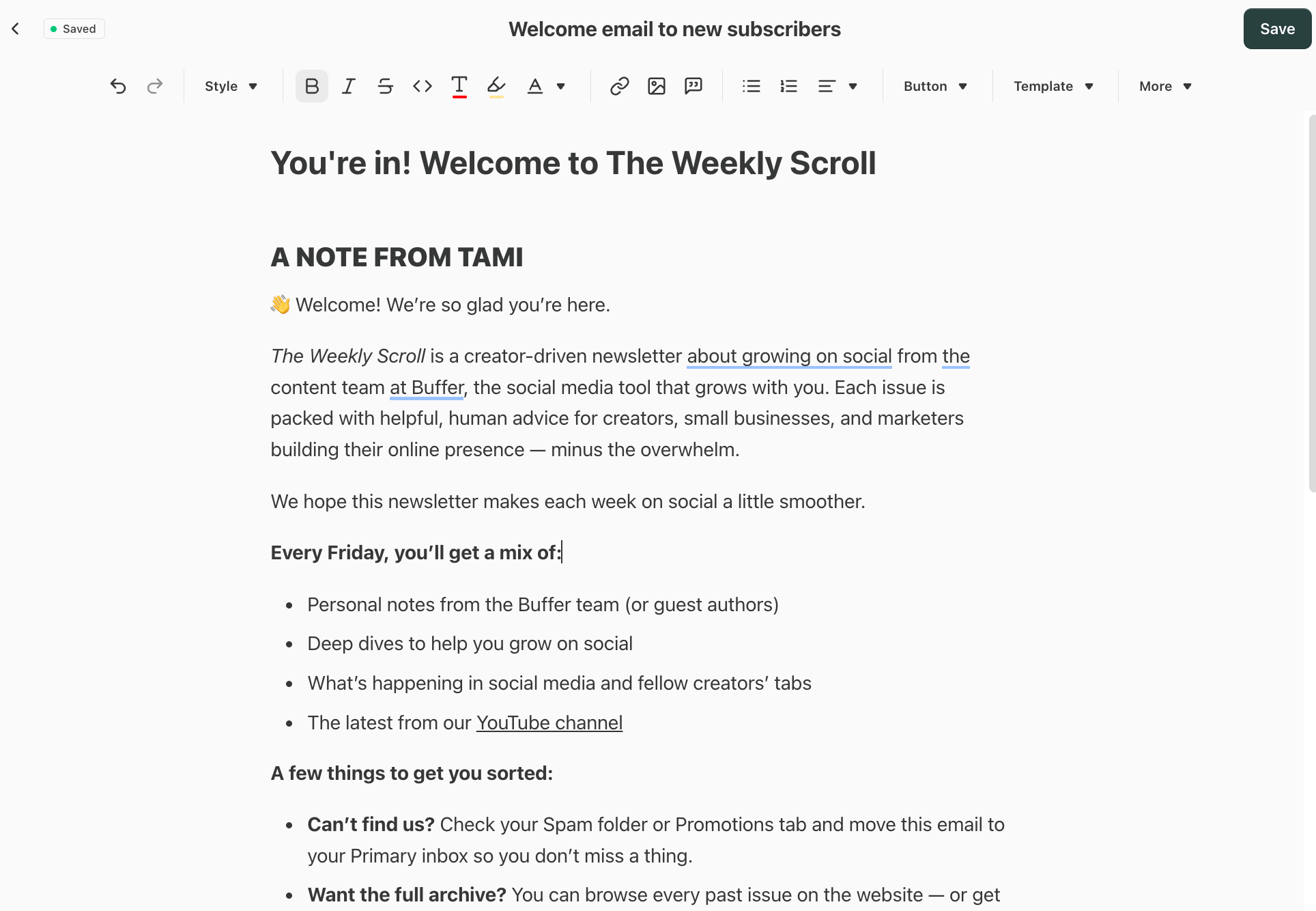
- Welcome Automation: Implement a robust welcome email sequence. Research indicates that welcome emails enjoy significantly higher open rates than standard newsletters, making them the most effective touchpoint for converting new subscribers into loyal readers.
- Stripe Integration: Even for publications starting with a free model, the integration of Stripe is a proactive necessity. This allows for seamless transitions to a paid model once a sufficient subscriber base is established.
Data-Driven Content and Growth Strategies
Growth on Substack is distinct from traditional social media marketing. While platforms like X or LinkedIn rely on viral algorithms, Substack’s growth is driven by the internal "Recommendation" system and the "Notes" feed. Data suggests that publications that actively recommend other newsletters see an average increase in subscriber acquisition of 20-30% within their first six months.
The most successful creators on the platform share three common traits: a clearly defined niche, a sustainable publishing cadence, and a high degree of reader interaction. A niche does not need to be hyper-specific at the outset, but it must be coherent enough for potential subscribers to understand the value proposition immediately.
SEO optimization is a frequently overlooked aspect of Substack growth. By populating the SEO title and description fields for every post, creators can ensure their content is discoverable via organic search queries. This is particularly important for evergreen content, which can continue to drive traffic and sign-ups long after the initial publication date.

Monetization and Revenue Models
Substack’s monetization model is built on a direct-to-consumer subscription architecture. The platform extracts a 10% fee on all revenue, with additional transaction costs processed through Stripe. As of late 2026, the fee structure for Stripe includes a 2.9% processing fee plus a $0.30 transaction cost, alongside a 0.7% billing fee for new subscribers.
Creators generally adopt one of three monetization strategies:
- The Freemium Model: Offering a core set of content for free to build an audience, while restricting "deep dives," archive access, or community features (like Chat and Live) to paid subscribers.
- The Full Paywall: Reserving all content for paid members, typically employed by established experts with pre-existing audiences.
- The Hybrid Model: Providing free weekly newsletters while utilizing the "Founding Member" tier to offer exclusive perks, such as direct access to the author or specialized reports.
The shift toward "Paid-Only Chat" and "Paid-Only Live" sessions reflects a broader industry trend where subscribers are increasingly paying for access to community and direct interaction, rather than just information.
Addressing the Subscriber vs. Follower Distinction
A common point of confusion for new users is the difference between a "subscriber" and a "follower." Subscribers are the core of the publication; they receive emails and are the only individuals who can be exported to other platforms, ensuring the creator maintains ownership of their mailing list. Followers, by contrast, are social media-style connections who interact with the author through the Notes feed within the app.
This distinction is crucial for strategic planning. While followers are valuable for discovery, the long-term objective of every publisher must be the conversion of these followers into subscribers. This is best achieved by providing consistent value in the Notes feed that acts as a bridge to the full-length, email-based content.
Implications for the Future of Independent Media
The trajectory of Substack suggests that the barrier to entry for professional-grade media publishing has reached an all-time low. By providing the tools for hosting, distribution, monetization, and community building, the platform has effectively unbundled the traditional media house.
However, the implications are twofold. First, the saturation of the market means that "content quality" is no longer the sole differentiator; community management and the ability to foster genuine dialogue have become the primary drivers of retention. Second, the reliance on a single platform creates a dependency that requires careful risk management. While Substack allows for the export of subscriber data, the loss of discovery tools if one were to move to an independent site remains a significant concern for large-scale publishers.
Ultimately, the most successful Substack publications function less like traditional news outlets and more like decentralized, community-led organizations. As the platform continues to iterate, the ability to balance technical setup with authentic reader engagement will remain the definitive benchmark for success. For those considering a launch, the guidance is clear: establish a sustainable rhythm, leverage the internal recommendation network, and prioritize the individual reader relationship above all else. Success on Substack is rarely a result of overnight viral growth, but rather the cumulative effect of consistent, high-value publishing and a commitment to the community that sustains it.