
The global landscape of digital marketing has undergone a radical transformation over the past decade, shifting from a focus on sheer volume to a sophisticated reliance on actionable data. As social media platforms become increasingly saturated, the ability to discern why certain content resonates while other posts fail has become the primary differentiator between successful brands and those struggling for visibility. While native dashboards provided by platforms like LinkedIn, Instagram, and X offer basic metrics, they often lack the depth, historical context, and cross-platform synthesis required for a comprehensive modern strategy. Consequently, a robust ecosystem of third-party social media analytics tools has emerged to fill these critical gaps, offering everything from AI-driven sentiment analysis to deep competitive benchmarking.

The Evolution of Social Media Data Analysis
Social media analytics are defined as the collection and interpretation of metrics that illustrate content performance across various digital platforms. These metrics typically include reach, impressions, engagement rates, click-through rates (CTR), and follower growth. However, the industry has transitioned from "social media analytics"—the raw numbers—to "social media data analysis," which involves the active interrogation of those numbers to identify patterns and inform future strategy.
Historically, social media management relied on trial and error. In the early 2010s, "vanity metrics" such as likes and follower counts were the primary focus. By the early 2020s, the focus shifted toward "meaningful social interactions" and conversion data. Today, in 2026, the integration of Artificial Intelligence (AI) has introduced predictive and prescriptive analytics, allowing marketers to forecast trends and receive automated recommendations for content optimization.
The Limitations of Native Platform Insights
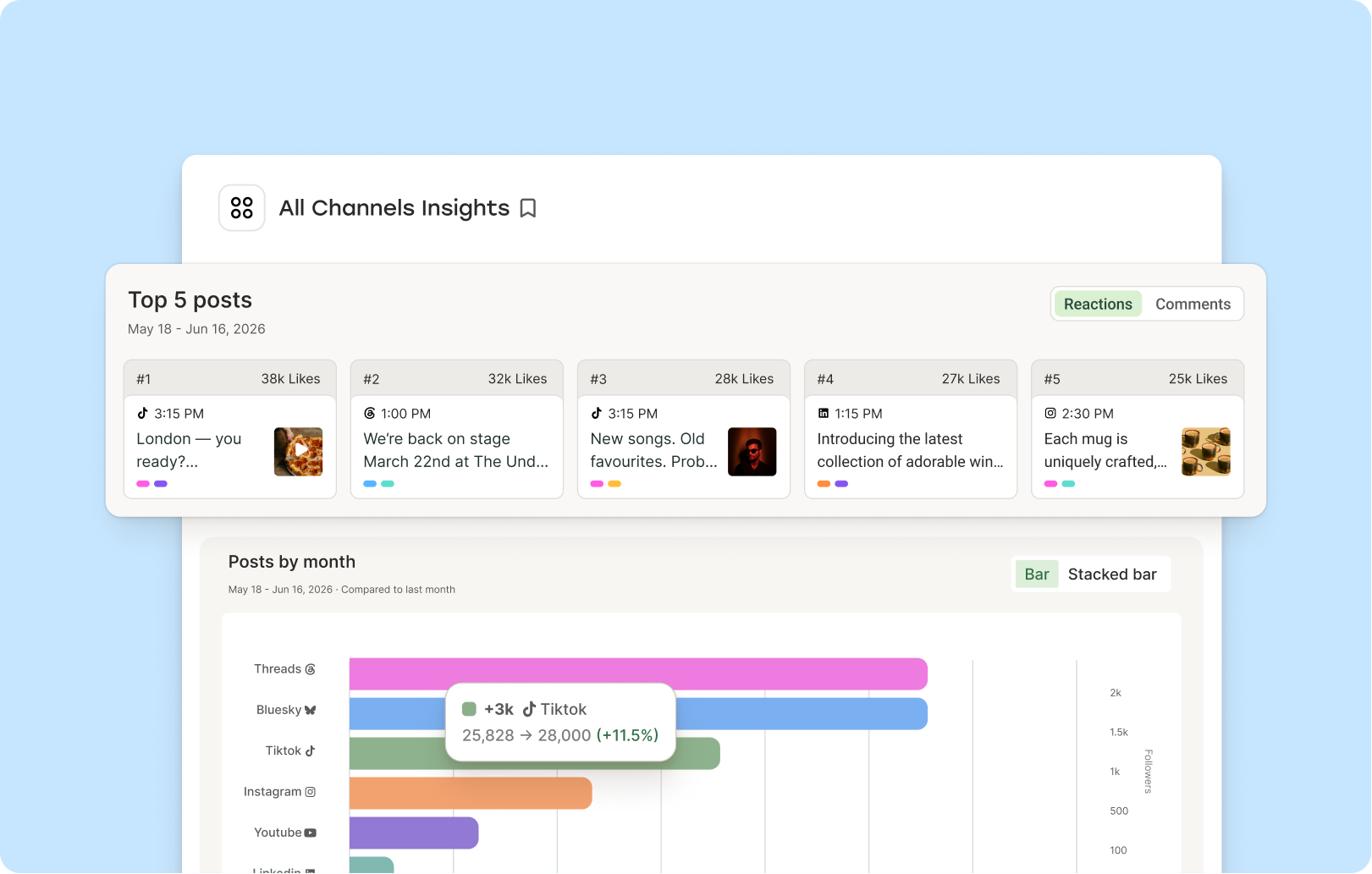
Despite the accessibility of native insights, professional marketers frequently cite significant blind spots that necessitate third-party intervention. For example, LinkedIn famously omits timestamps on historical posts, making it nearly impossible for users to manually determine their optimal posting times. Furthermore, native tools are siloed; a marketer running a multi-channel campaign must manually aggregate data from five or six different dashboards to understand the total campaign impact.
Third-party tools solve this "time sink" by consolidating data into a single pane of glass, providing a unified view of a brand’s digital footprint. They also offer "white-label" reporting, which is essential for agencies that must present polished, branded data to clients without the manual labor of data entry.
A Comparative Analysis of the Top 11 Social Media Analytics Tools
The following tools have been identified as the industry leaders for 2026, categorized by their specific strengths and target demographics.
1. Buffer: The Versatile Solution for Growing Teams
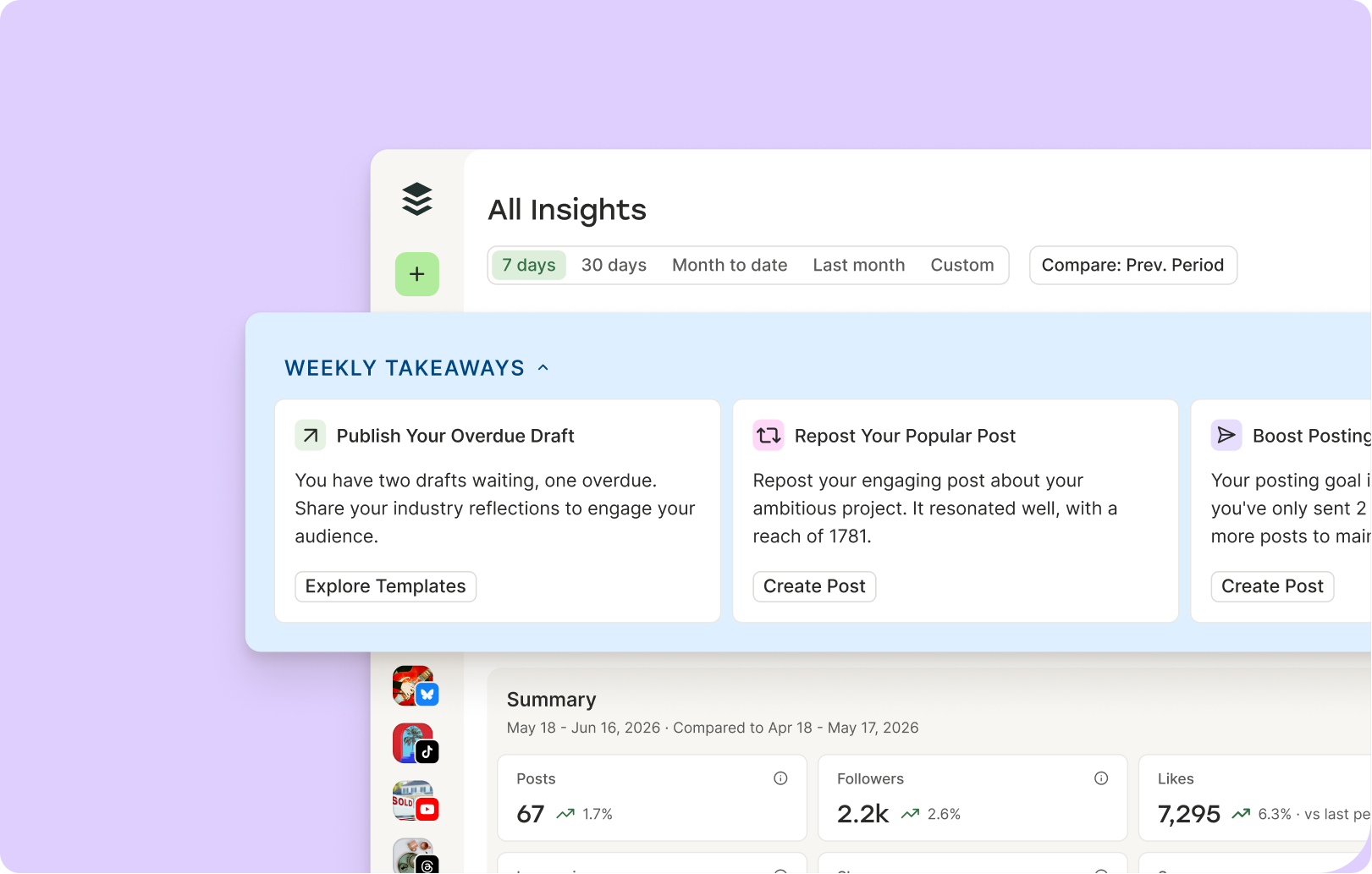
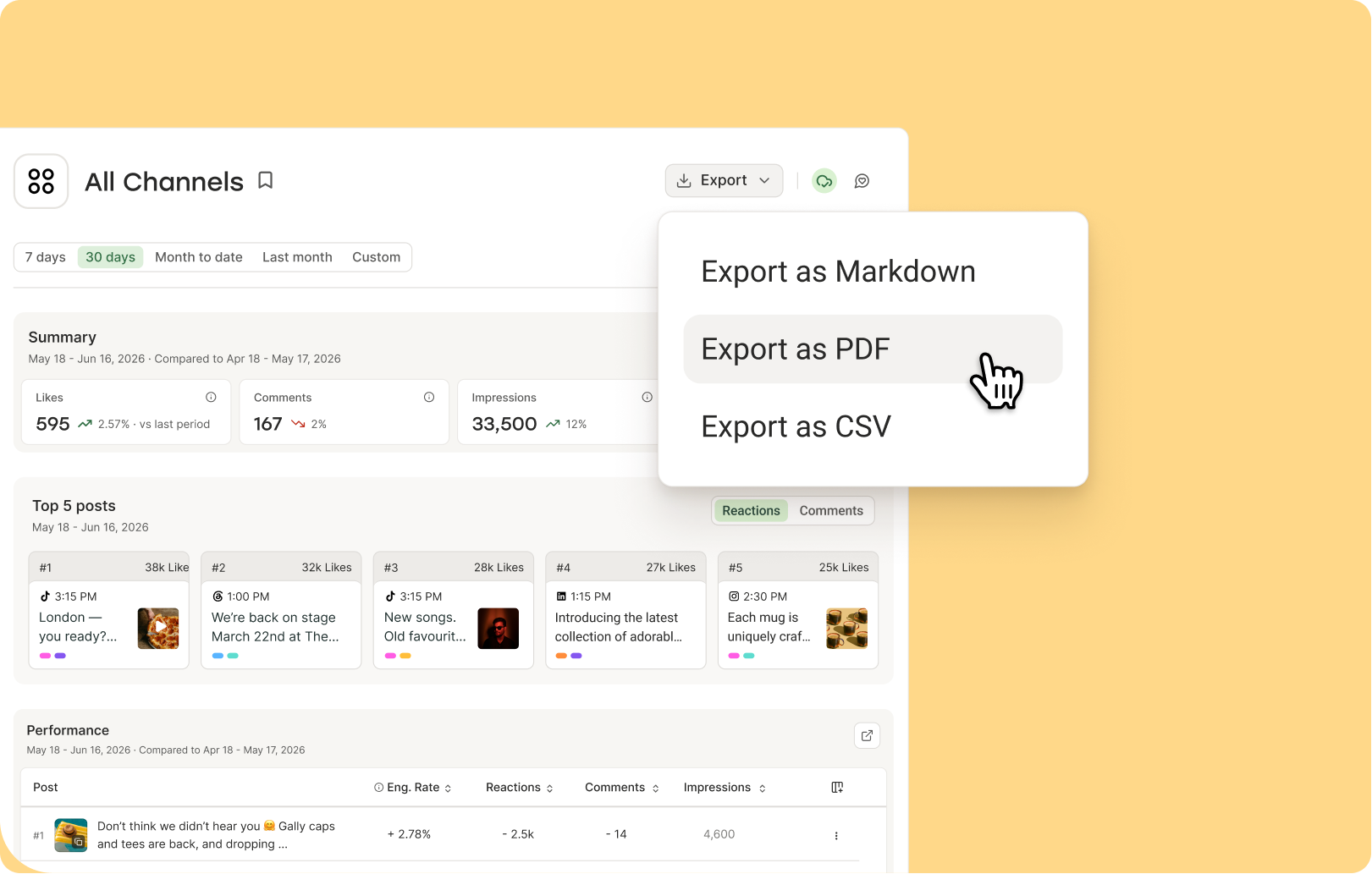
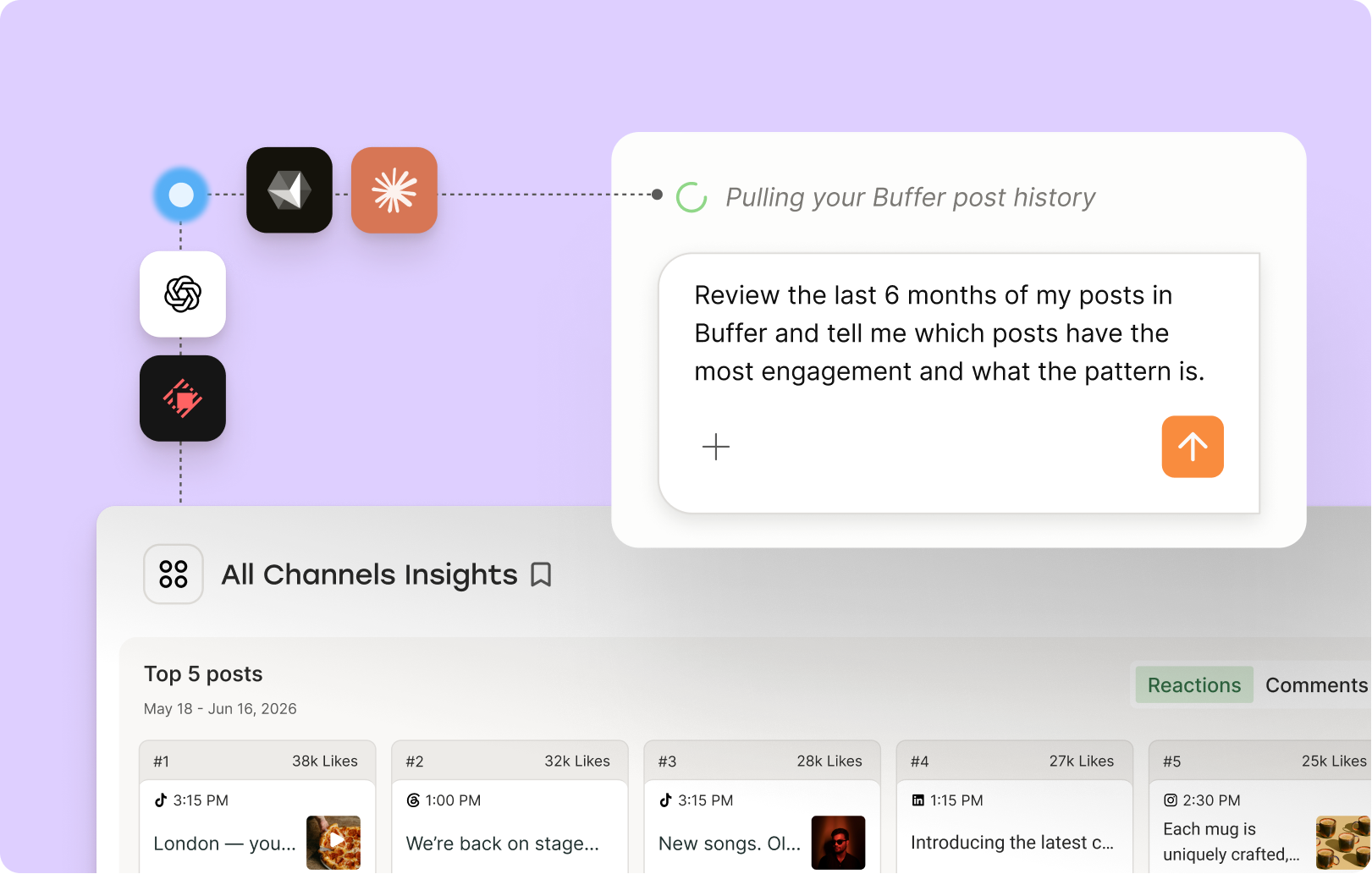
Buffer remains a top contender for creators and agencies due to its balance of simplicity and depth. Its "Insights" dashboard prioritizes clarity over complexity. A standout feature in 2026 is its AI-powered "Takeaways," which automatically flags high-performing content and suggests older posts for resharing. Buffer supports a wide array of platforms, including emerging networks like Bluesky and Mastodon, alongside staples like Instagram and TikTok.
- Best for: Creators and small-to-medium agencies.
- Pricing: Free tier available; paid plans from $6/month.
2. Rival IQ: Competitive Benchmarking for Large Agencies
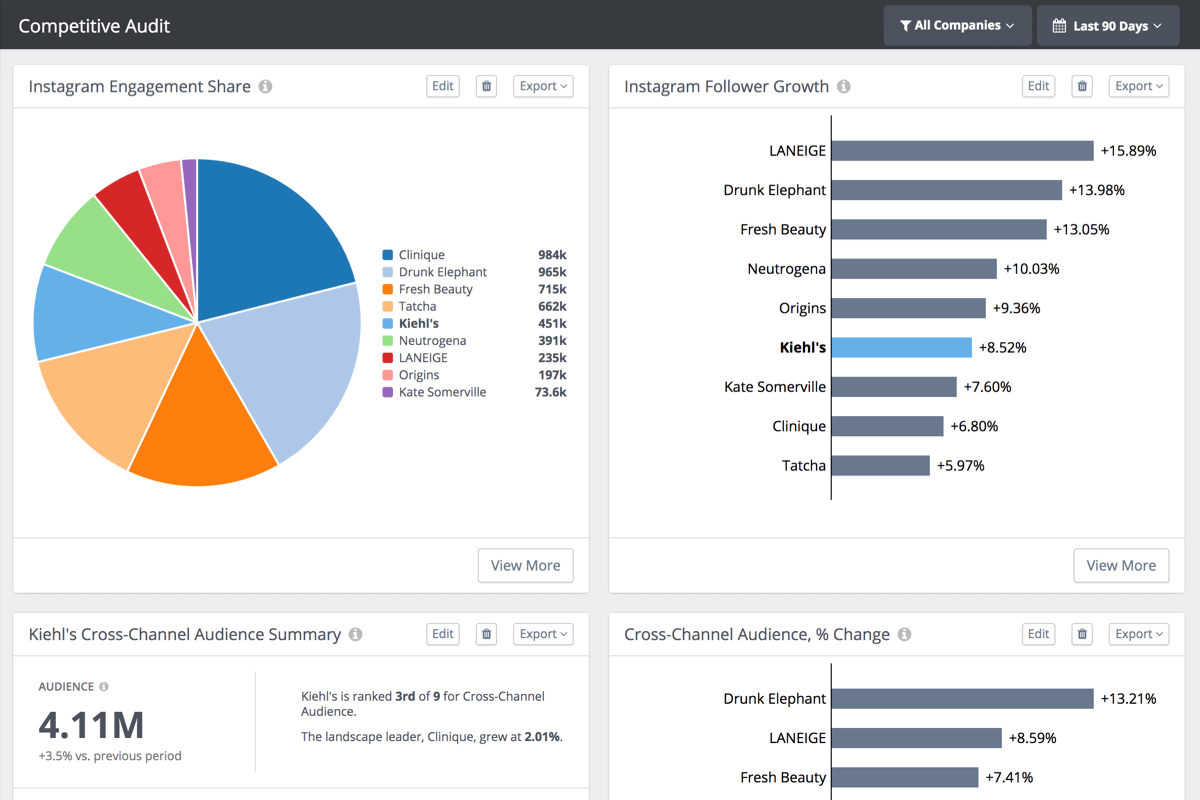
Rival IQ focuses on the "social listening" and competitive side of the spectrum. It allows agencies to track not just their clients’ performance, but also the performance of their clients’ competitors. It can detect when a competitor’s post has likely been "boosted" with paid spend, providing a clearer picture of the organic vs. paid landscape.
- Best for: Large agencies requiring deep competitive intel.
- Pricing: From $239/month.
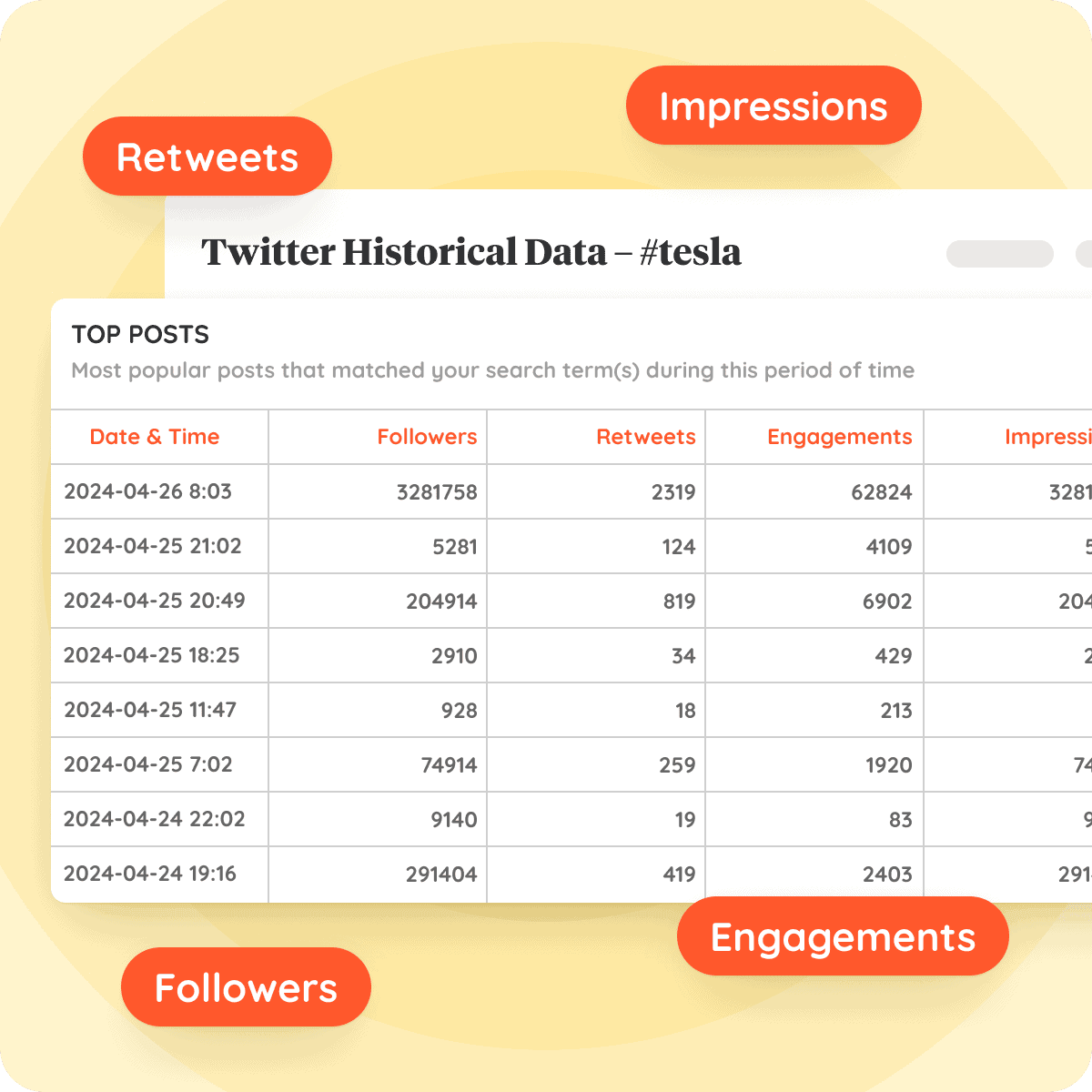
3. Keyhole: Historical Data and Market Research
Keyhole is distinguished by its ability to provide long-range historical insights, particularly on X (formerly Twitter). It can access data from up to a decade ago, allowing researchers to track how public sentiment on specific topics has evolved over time. Its machine-learning systems also identify emerging trends in real-time.
- Best for: Market researchers and enterprise-level strategy.
- Pricing: Custom pricing available upon request.
4. Social Status: Paid and Influencer Tracking
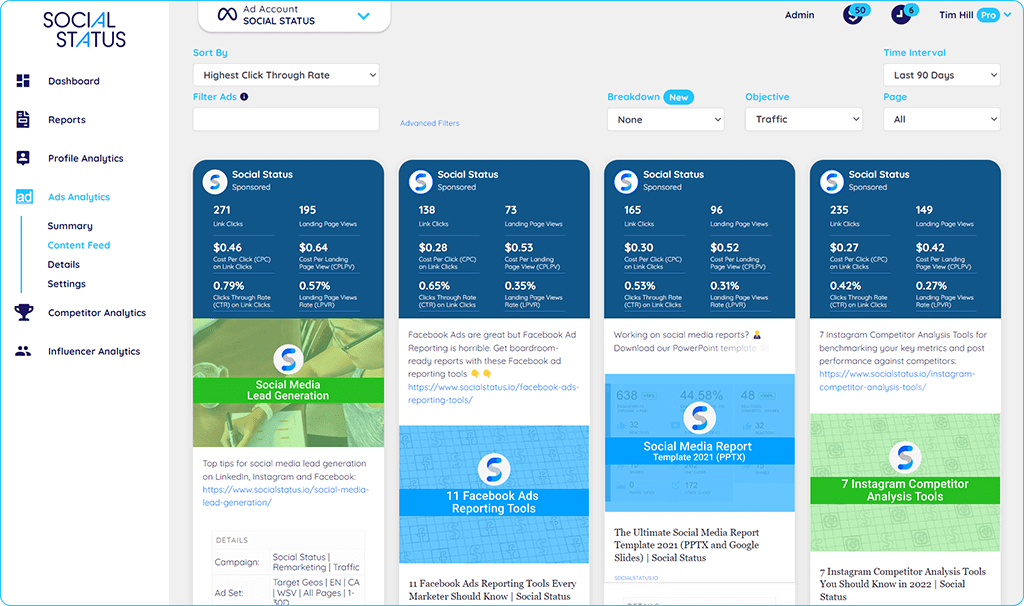
For businesses heavily invested in the "pay-to-play" model, Social Status offers specialized tracking for ad performance and influencer partnerships. It streamlines the process of calculating the Return on Investment (ROI) for paid campaigns, which is often difficult to extract from organic-focused tools.
- Best for: Small businesses running ads and influencer campaigns.
- Pricing: From $99/month (Free tier available).
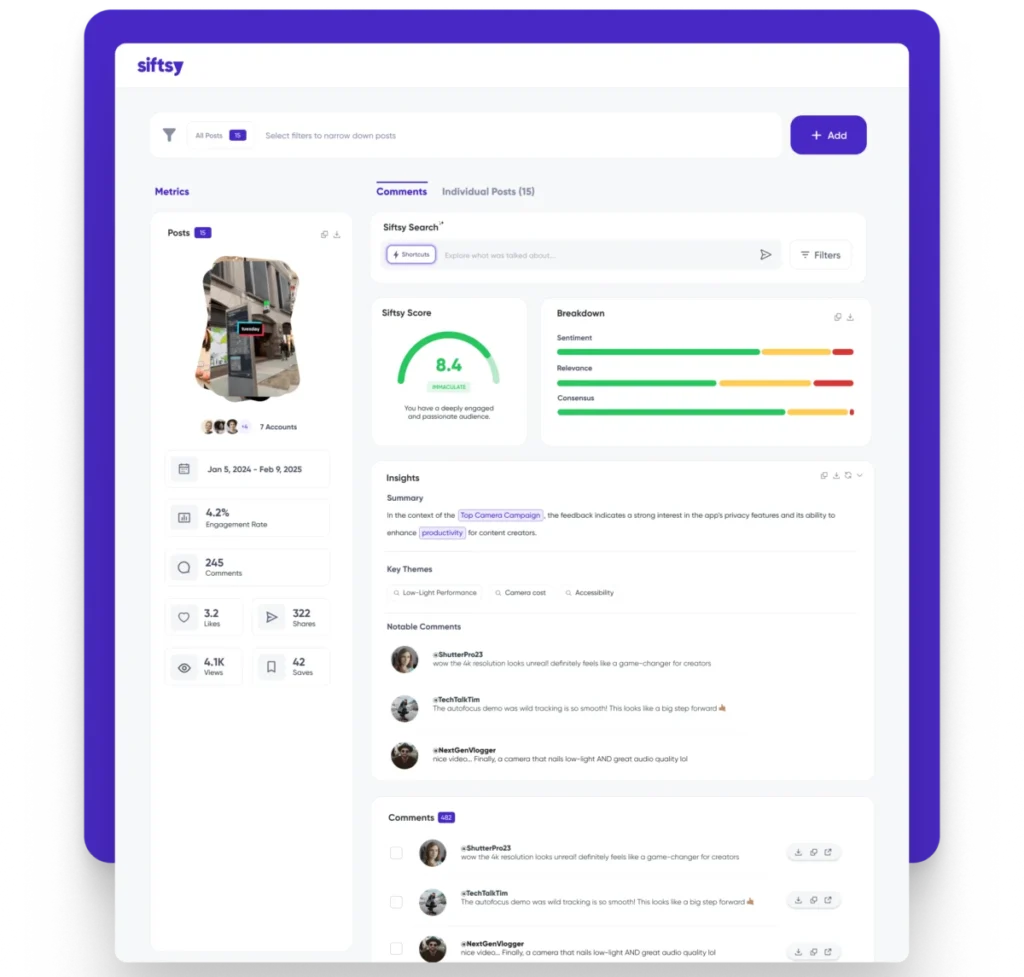
5. Siftsy: Advanced Comment Sentiment Analysis
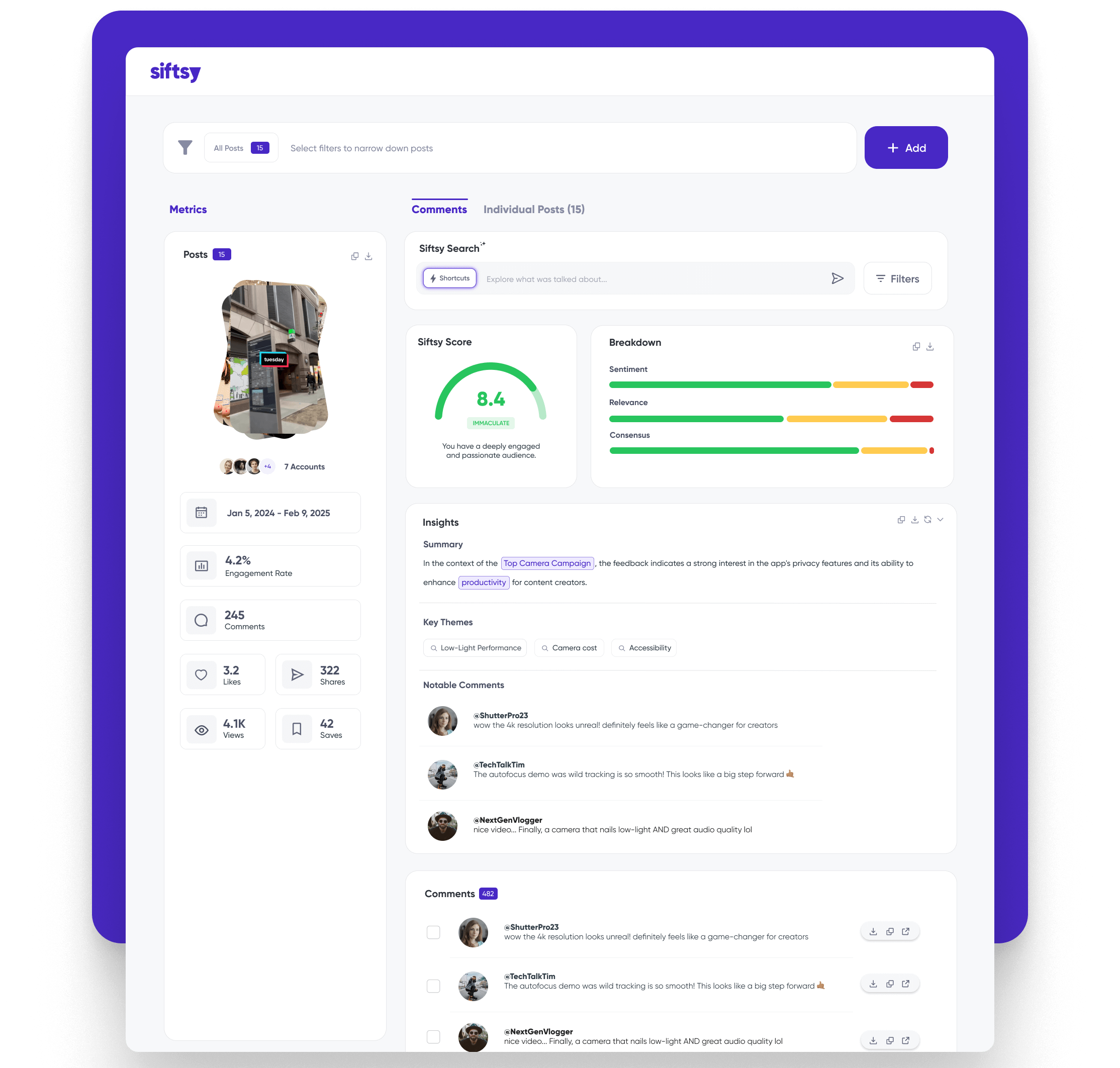
Siftsy addresses the "qualitative" side of social media. While other tools count comments, Siftsy uses AI to analyze the sentiment within those comments. This is vital for crisis management or product launches, where understanding the tone of the conversation is more important than the volume.
- Best for: Brand reputation management.
- Pricing: Contact sales.
6. Vista Social: Reputation and Review Management
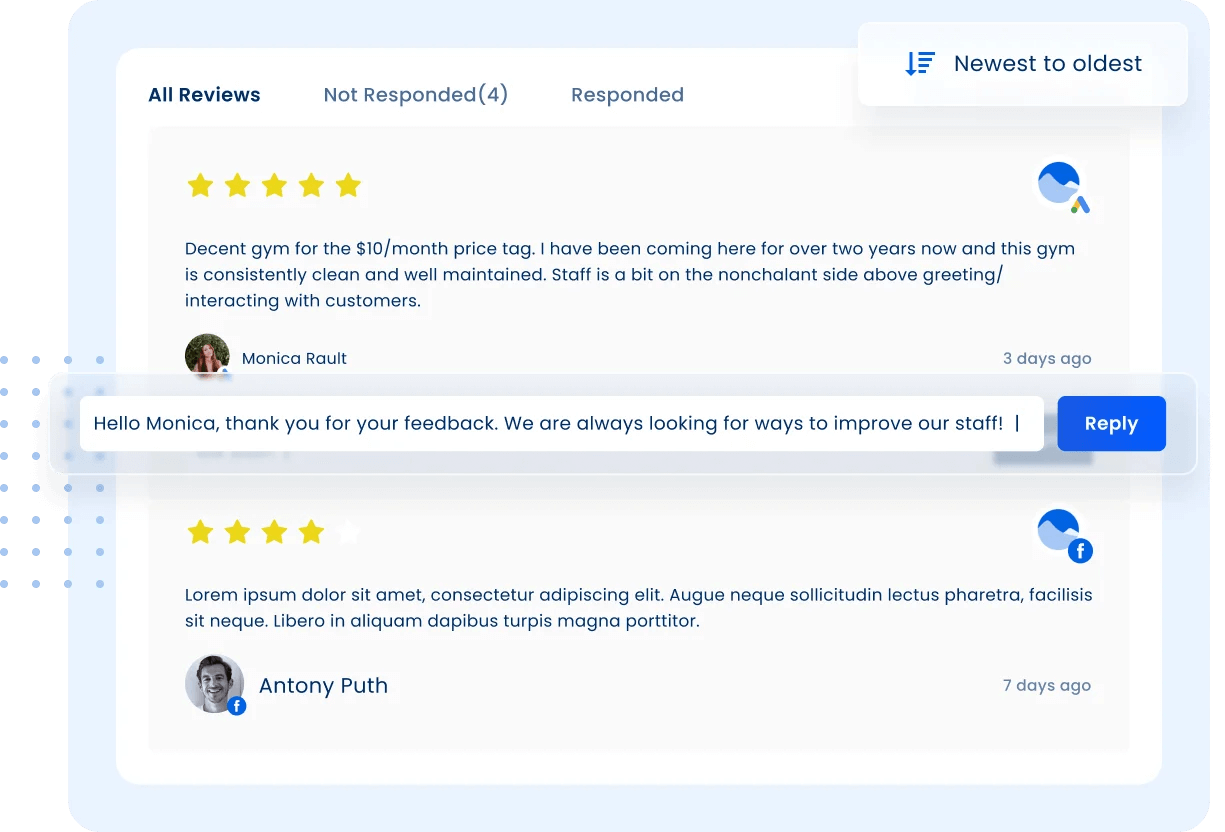
Vista Social expands the definition of social media analytics to include review sites like Yelp, TripAdvisor, and OpenTable. It allows businesses to monitor their online reputation and response times across social and review platforms simultaneously.
- Best for: Hospitality and service-based businesses.
- Pricing: From $79/month.
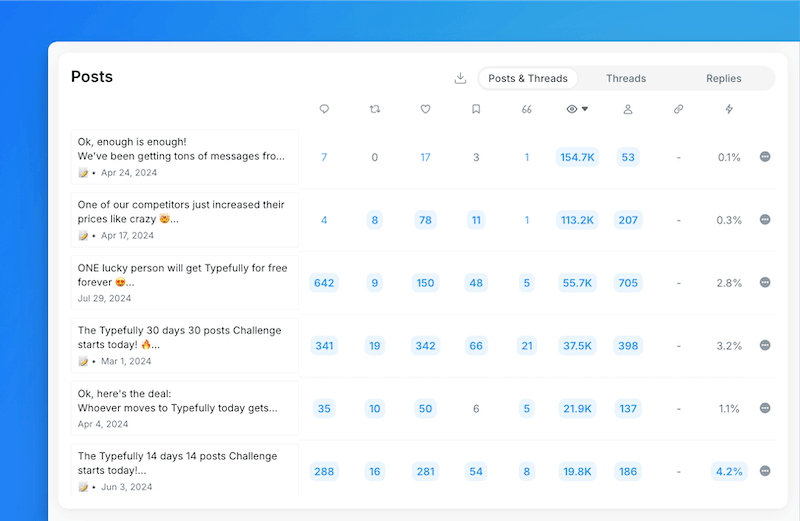
7. Typefully: Specialized X (Twitter) Growth
Typefully is a niche tool that excels in the X ecosystem. It offers unique metrics such as "profile conversion rate," which calculates the percentage of profile visitors who eventually follow the account. This data is crucial for optimizing bios and "pinned" content.
- Best for: X-focused creators and thought leaders.
- Pricing: Free tier; paid from $16/month.
8. Tailwind: Pinterest Traffic Optimization
Because Pinterest operates more like a search engine than a social network, Tailwind integrates with Google Analytics to show exactly which "Pins" are driving website traffic. It provides "Board-level" analytics, helping users identify which content categories are most effective for long-term growth.
- Best for: E-commerce and lifestyle bloggers.
- Pricing: From $29.99/month.
9. DashThis: The All-in-One Marketing Dashboard
DashThis is not a dedicated social tool but a comprehensive marketing reporting platform. It integrates with over 30 data sources, including Google Analytics, Ahrefs, and HubSpot. It is the ideal solution for marketing managers who need to show how social media fits into the broader sales funnel.
- Best for: Marketing managers and data analysts.
- Pricing: From $49/month.
10. Socialinsider: AI-Driven Content Pillar Insights
Socialinsider uses AI to group posts into "content pillars," allowing brands to see which themes (e.g., educational vs. promotional) perform best over time. This high-level strategic view helps teams move away from individual post analysis and toward long-term brand building.
- Best for: Content strategists and mid-sized brands.
- Pricing: From $99/month.
11. Talkwalker: Deep Audience Demographics
Now integrated with Hootsuite, Talkwalker provides enterprise-level audience segmentation. It can pull data from customer calls and support tickets to create a 360-degree view of the customer. Its AI assistant, "Yeti," allows users to query their data using natural language.
- Best for: Global brands and enterprises.
- Pricing: Custom enterprise pricing.
Chronology of Social Media Analytics Development
The development of these tools follows a clear chronological path:
- 2004–2010 (The Wild West): Platforms launched without formal analytics. Marketers relied on manual tallies.
- 2010–2015 (The Rise of Native Insights): Facebook and Twitter introduced basic dashboards. Third-party tools like Buffer and Hootsuite began as scheduling apps.
- 2015–2022 (The API Era): Platforms opened their APIs, allowing third-party tools to pull detailed data. Competitive benchmarking became the "gold standard."
- 2023–2026 (The AI Revolution): The focus shifted from "What happened?" to "What will happen?" Tools now offer predictive modeling and automated content generation based on historical performance.
Industry Implications and Strategic Framework
The shift toward these sophisticated tools has profound implications for the digital economy. According to industry analysts, companies that utilize data-driven social strategies see a 20-30% higher engagement rate than those that do not. Furthermore, the ability to prove ROI is essential for maintaining marketing budgets in a volatile economic climate.
To effectively implement an analytics strategy, experts recommend a five-step framework:
- Goal Alignment: Match metrics to business objectives (e.g., use CTR for sales goals, Reach for brand awareness).
- Centralization: Use a dashboard to view all channels simultaneously to avoid data fragmentation.
- Qualitative Inquiry: Look for the "why" behind the numbers, such as sentiment and comment themes.
- Consistent Cadence: Perform weekly reviews for tactical adjustments and monthly reviews for strategic shifts.
- Automated Reporting: Build repeatable templates to save time and ensure consistency in stakeholder communication.
Official Responses and Market Outlook
While platform giants like Meta and LinkedIn continue to update their native tools, the market for third-party analytics is projected to continue its upward trajectory. "The value of a third-party tool isn’t just in the data it provides, but in the time it saves and the context it adds," noted one industry analyst during the 2025 Digital Marketing Summit.
As privacy regulations like GDPR and CCPA evolve, these tools are also becoming essential for ensuring data compliance. By 2027, it is expected that AI-driven "prescriptive" analytics—where the tool essentially writes and schedules the optimal post on behalf of the user—will become the new industry standard. For now, the 11 tools listed above represent the cutting edge of social media intelligence, providing the necessary bridge between raw data and strategic success.