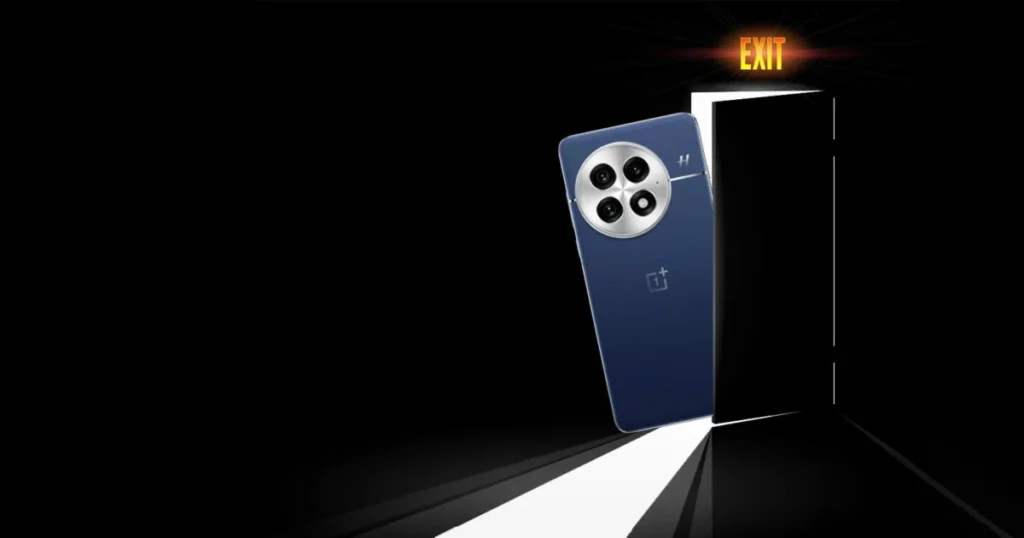

OnePlus, the consumer electronics brand that rose to prominence as a disruptive "flagship killer," has officially announced its withdrawal from the North American and European smartphone markets. This strategic retreat marks a significant shift in the global mobile landscape, signaling the end of a decade-long attempt to challenge the entrenched dominance of Apple, Samsung, and Google in Western territories. While the brand will continue to operate in other regions, including China and India, its departure from the United States, Canada, and the European Union represents a contraction of choice for consumers and a consolidation of market power among a handful of legacy players.

The decision comes after several years of organizational restructuring and shifting corporate priorities following the formal merger between OnePlus and its sister company, Oppo, in 2021. Although the brand initially maintained a distinct identity characterized by its "Never Settle" slogan and enthusiast-focused OxygenOS software, the integration with Oppo’s supply chain and administrative hierarchy gradually diluted the qualities that once set OnePlus apart. The exit is widely viewed by industry analysts as a move to streamline operations under the Oppo umbrella, focusing resources on markets where the brand retains a stronger foothold and more favorable retail conditions.
A History of Disruption and Growth
Founded in December 2013 by Pete Lau and Carl Pei, OnePlus entered the market with a unique business model designed to bypass traditional retail costs. Its debut device, the OnePlus One, launched in 2014 with high-end specifications—including a Qualcomm Snapdragon 801 processor and 3GB of RAM—at a price point roughly half that of contemporary flagships like the Samsung Galaxy S5. To manage demand and cultivate an aura of exclusivity, the company utilized an invite-only purchase system, a move that fostered a dedicated community of tech enthusiasts and early adopters.

For several years, OnePlus successfully navigated the transition from a niche startup to a mainstream contender. The company’s timeline of innovation includes several key milestones that forced larger competitors to adapt:
- 2014: The OnePlus One introduces the "flagship killer" concept.
- 2018: The OnePlus 6T becomes the first OnePlus device to be sold through a major U.S. carrier (T-Mobile), signaling a push into the mainstream.
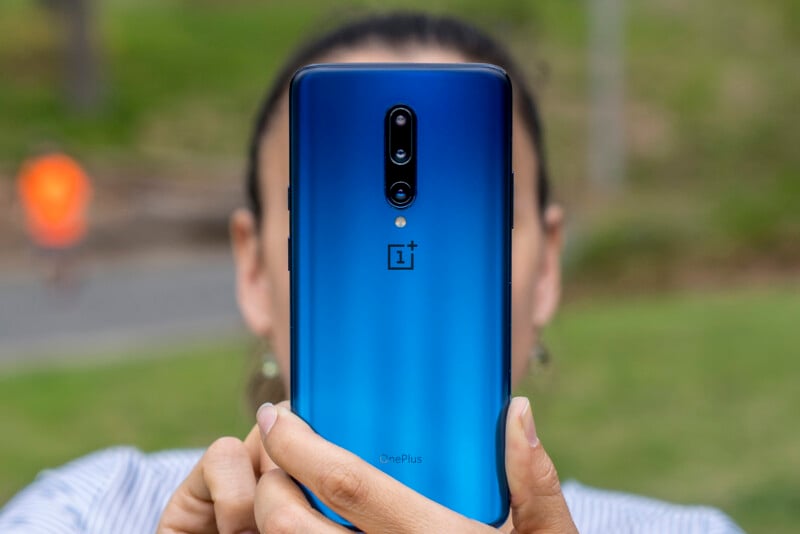
- 2019: The OnePlus 7 Pro debuts with a 90Hz fluid AMOLED display and a motorized pop-up camera, setting a new standard for screen technology and "all-screen" design.
- 2021: A multi-year partnership with Hasselblad is announced to improve mobile imaging capabilities, starting with the OnePlus 9 series.
- 2023: The OnePlus Open, the brand’s first foldable smartphone, receives critical acclaim for its hardware design and camera system, rivaling the Samsung Galaxy Z Fold series.
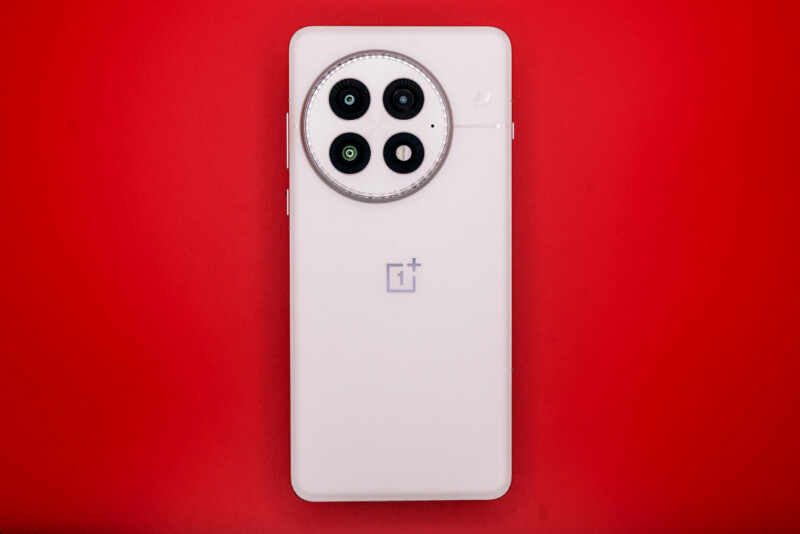
- 2025: The OnePlus 13 launches with advanced MagSafe-compatible charging and industry-leading RAM configurations, representing the brand’s technical peak in Western markets.
The Challenges of the North American and European Markets
Despite its technical achievements, OnePlus faced systemic hurdles in the West that proved insurmountable in the long term. In North America, the smartphone market is heavily gatekept by telecommunications carriers. According to market research data, over 80% of smartphones in the United States are purchased through carrier contracts or subsidy programs. While OnePlus secured brief partnerships with T-Mobile and Verizon, it failed to achieve the "shelf space" necessary to compete with Apple and Samsung.
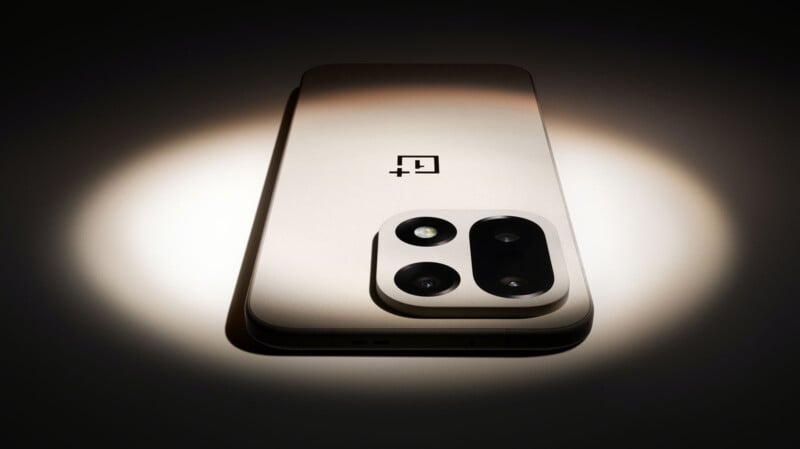
In Canada, the situation was even more restrictive, with no major carriers ever carrying OnePlus devices in their inventory. This forced consumers to purchase devices at full retail price through the company’s website or third-party retailers like Amazon and Best Buy. While this model works in parts of Europe and Asia where SIM-only plans are common, the North American consumer’s reliance on monthly installment plans through carriers created a significant barrier to entry for a brand attempting to sell premium-priced flagships.
In Europe, the brand faced a different set of challenges, including patent litigation and a fragmented regulatory environment. Legal disputes with companies like Nokia over wireless patents led to temporary sales bans in Germany and other regions, disrupting the brand’s momentum. Furthermore, as Oppo expanded its own "Find" series of flagship phones into Europe, the internal competition between the two brands became increasingly redundant.
The Impact of the Oppo Merger and Strategic Realignment
The 2021 merger with Oppo is frequently cited as the turning point for OnePlus. Initially presented as a way to "pool resources" and provide faster software updates, the merger led to the departure of co-founder Carl Pei and a noticeable shift in the brand’s philosophy. The integration of OxygenOS with Oppo’s ColorOS codebase was met with resistance from the core enthusiast community, who valued the clean, near-stock Android experience that had been a hallmark of the brand.
By late 2025, signs of a retreat were becoming apparent. The OnePlus 15, launched only ten months after the highly successful OnePlus 13, notably lacked the Hasselblad branding and imaging optimizations that had defined the previous three generations. This led to speculation that Oppo was reserving its high-end partnerships and "Pro" hardware features for its own branded devices, relegating OnePlus to a mid-range or "value flagship" role.

The decision to pull out of North America and Europe suggests that Oppo has determined that maintaining two separate flagship brands in low-growth Western markets is no longer financially viable. By withdrawing OnePlus, Oppo can focus on its own brand’s expansion in Europe while conceding the North American market—a region where Chinese manufacturers have faced increasing political and regulatory scrutiny.
Official Response and Transition Plan for Existing Users
In an official statement addressed to its community, OnePlus emphasized that it is not "abandoning" its current customers. The company has outlined a comprehensive support plan to ensure that those who recently purchased devices are not left without recourse:
- Software Support: OnePlus has committed to honoring its original promises for software longevity. This includes up to four years of major Android updates and five years of security patches for flagship models like the OnePlus 13 and 15.
- Warranty and Repairs: The company’s support website will remain operational. Warranties will be honored through third-party repair partners, although the specific logistics for mail-in repairs in North America remain under finalization.
- Retail Availability: Existing stock at retailers like Amazon and Best Buy will continue to be sold until inventory is exhausted. No new models, including the rumored OnePlus 16 or future foldables, will be released in these regions.
- Software Transition: In certain European markets, users may be offered the option to transition their devices from OxygenOS to ColorOS to ensure better integration with local Oppo service networks.
Broader Implications for the Smartphone Industry
The exit of OnePlus is a sobering reminder of the "stagnant" nature of the premium smartphone market in the West. For years, OnePlus acted as a catalyst for innovation, forcing larger manufacturers to adopt features like high-refresh-rate screens, ultra-fast wired charging (up to 100W), and physical alert sliders.
Without a strong "third-way" competitor, the market risks further entrenchment. Apple and Samsung currently command the vast majority of the premium segment in the U.S., with Google’s Pixel lineup serving as the primary alternative. The loss of OnePlus removes a key player that prioritized hardware specifications and enthusiast-grade performance over the "gimmicks" often found in mainstream marketing.

Furthermore, the withdrawal highlights the difficulty of disrupting the status quo in an industry where carrier relationships and massive marketing budgets often outweigh product merit. As OnePlus shifts its focus back to the high-growth markets of India and the domestic Chinese market, the Western mobile landscape becomes less diverse, leaving a void that other "upstart" brands, such as Carl Pei’s Nothing, may attempt to fill, albeit on a much smaller scale.
The legacy of OnePlus in the West will likely be remembered as a decade-long experiment in whether a community-driven, specs-heavy brand could survive the transition to the corporate mainstream. While the "Never Settle" era has come to an end in the U.S. and Europe, the brand’s influence on the features we now take for granted in modern smartphones remains undeniable. For now, the "flagship killer" has left the building, leaving the remaining titans of the industry with one less rival to worry about.