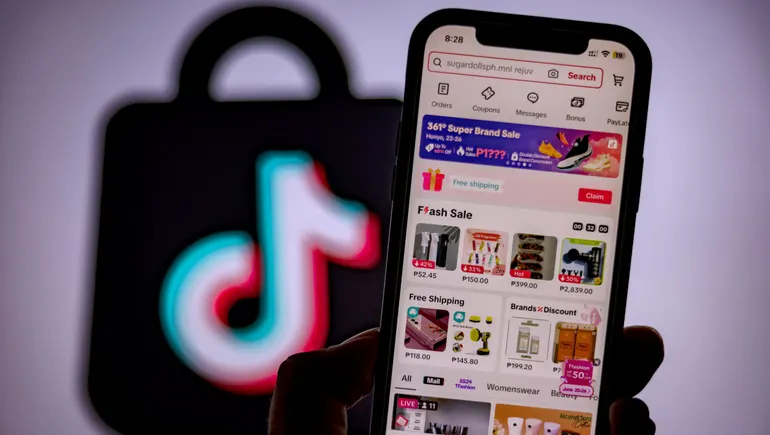

The global food and beverage industry is undergoing a fundamental shift in how products are discovered, marketed, and sold, with TikTok Shop emerging as the newest critical frontier for multi-billion-dollar enterprises. As traditional retail landscapes face stagnation, legacy brands including PepsiCo, Mars, and The Hershey Company have significantly intensified their engagement with TikTok’s integrated e-commerce ecosystem. This strategic pivot comes as the social media platform reports a dramatic surge in its food category, with sales more than doubling year-over-year. The platform is no longer merely a venue for viral dance challenges; it has evolved into a sophisticated "discovery commerce" engine that is shortening the distance between consumer inspiration and financial transaction.
According to internal data recently shared by TikTok, the platform’s transition into a major e-commerce player is backed by staggering engagement metrics. In 2025, U.S. users conducted more than 103 billion searches with specific purchase intent. This surge in search behavior suggests that TikTok is beginning to challenge established giants like Amazon and Google as the primary starting point for product discovery. Total transaction volume on the platform has risen by nearly 80% year-over-year, while sales for enterprise-level brands—those with established global footprints—have climbed by an unprecedented 97%. For food manufacturers, these figures represent a lucrative emerging growth channel that offers direct access to the highly coveted Gen Z and Millennial demographics.
The Rise of Discovery Commerce and the Accelerated Innovation Cycle
At the heart of TikTok’s retail success is a concept the company defines as "discovery commerce." Unlike traditional e-commerce, where a consumer typically visits a site with a specific item in mind, discovery commerce relies on the platform’s algorithm to surface products based on content relevance and community trends. Amanda Parker, TikTok Shop’s Head of Food, notes that the system creates a "closed-loop" environment where inspiration and purchase happen simultaneously.
This ecosystem is fundamentally altering the traditional product innovation cycle. Historically, large food companies required 18 to 24 months to move a product from concept to supermarket shelves. However, the speed of TikTok trends is forcing a radical acceleration of this timeline. A primary example of this shift is the recent "freeze-dried" or "popped" candy phenomenon. The trend began organically through independent creators and small, TikTok-native startups that commercialized freeze-dried versions of popular candies. Recognizing the viral momentum, Mars-owned Skittles accelerated its own research and development to launch a legitimate "popped" version of its product, choosing TikTok Shop as the exclusive platform for its debut.
This feedback loop—where content trends inform commercialization, which then leads to large-scale brand innovation—is becoming the new standard. Retailers are now monitoring TikTok trends to predict inventory needs, creating a "halo effect" where a product’s success on the app directly correlates to its performance in physical brick-and-mortar stores.
Strategic Engagement: How Legacy Brands are Adapting
For established companies like PepsiCo and Hershey, the appeal of TikTok Shop lies in its ability to lower the barrier to trial. While these brands have dominated grocery store endcaps for decades, TikTok Shop allows them to find new audiences for legacy products or test experimental flavors without the massive overhead of a nationwide retail rollout.
Amanda Parker highlights that the platform serves different roles depending on the brand’s maturity. For emerging Consumer Packaged Goods (CPG) companies, TikTok Shop provides a direct path to market that bypasses the need for traditional retail partnerships. For legacy brands, it offers a "renewed interest" in staple products. The strategy for success on the platform, however, differs significantly from traditional television or digital advertising.
"We’re a visual medium," Parker explains. "Products that work well tend to be visually compelling—everything from packaging to usage occasions." This has led to a focus on "sensory-adjacent" marketing. Since consumers cannot taste or smell products through a screen, brands are focusing on textures that can be demonstrated visually, such as the "pull" of a protein bar, the "crunch" of a viral chocolate bar, or the reaction to extreme flavors like "super spicy" or "super sour" snacks.
The Creator Economy vs. Traditional Advertising
One of the most significant shifts for enterprise brands is the move away from highly polished, high-production-value advertisements in favor of creator-led content. TikTok’s data suggests that authentic, direct-relationship content from individual creators consistently outperforms traditional ads.
The "living room-type recommendation" experience creates a level of trust that corporate marketing often struggles to achieve. When a creator shares a "candy salad" or a review of the "Dubai chocolate" trend, users perceive it as a peer recommendation rather than a sales pitch. Brands that succeed on TikTok Shop are those that lean into this authenticity, providing creators with products that are easy to demonstrate and visually engaging.
Furthermore, the assortment strategy on TikTok Shop requires a specialized approach. Industry experts and TikTok leadership suggest that brands should focus on a "hero product" supported by variety packs and bundles. This strategy encourages discoverability; a consumer might be drawn in by a viral flavor but ultimately purchases a variety pack to sample the entire brand portfolio.
Chronology of TikTok’s E-Commerce Evolution
The current dominance of TikTok Shop in the food sector is the result of a multi-year strategic expansion:
- 2021-2022: TikTok begins testing shopping features in limited markets, primarily focusing on "shoppable ads" that directed users to external websites.
- Late 2023: TikTok Shop officially launches in the United States, integrating the checkout process directly into the app. This removes the friction of external links, which previously caused significant drop-off in conversion rates.
- Early 2024: The "Dubai Chocolate" and "Freeze-Dried Candy" trends explode, proving that food and beverage products are among the most viral-ready categories on the platform.
- Mid-2024: Major enterprise brands like Skittles and PepsiCo begin using TikTok Shop for exclusive product launches, signaling a shift from experimental use to core strategy.
- 2025: Internal metrics show search intent surpassing 100 billion queries, cementing the platform as a search and discovery giant.
Analysis of Implications for the Food Industry
The rise of TikTok Shop carries profound implications for the broader food and beverage industry. First, it democratizes the path to market. A small startup with a compelling visual product can achieve the same "digital shelf space" as a global conglomerate, provided their content resonates with the algorithm.
Second, it is redefining "omnichannel" retail. The distinction between online and offline shopping is blurring. Data suggests that when a brand invests in TikTok Shop, it sees a "cascade effect" across all sales channels. A consumer might discover a product on their phone, purchase it through the app for convenience, and then look for it during their next weekly trip to a physical grocery store.
However, the platform also presents unique risks. The speed of the "trend-to-obsolescence" cycle is faster than ever. A brand that invests too heavily in a passing fad may find itself with excess inventory once the algorithm moves on to the next viral sensation. Additionally, the requirement for constant content creation places a new kind of operational strain on marketing departments, which must now operate at the speed of social media rather than the speed of traditional quarterly campaigns.
Conclusion and Future Outlook
As TikTok Shop enters its next phase of growth, the integration of commerce and content appears permanent. For food and beverage companies, the platform represents a high-stakes environment where the rewards for agility and authenticity are substantial. The doubling of food category sales and the near-doubling of enterprise brand revenue indicate that the "discovery commerce" model is not a temporary trend but a structural change in consumer behavior.
In the coming years, the industry can expect to see even more sophisticated uses of the platform, including AI-driven personalized storefronts and deeper integrations between creator networks and corporate R&D departments. For the giants of the food world, the message is clear: the next billion-dollar product will likely be found not in a focus group, but in a viral video.