
The landscape of Southeast Asian skincare advertising has historically mirrored global beauty ideals, often prioritizing flawless, temperate-climate aesthetics that bear little resemblance to the punishing environmental conditions faced by consumers on the ground. However, a paradigm shift is underway in Thailand, spearheaded by a groundbreaking collaborative campaign between creative agency Wolf BKK and local skincare titan Jula’s Herb. Titled Anti-Beauty Country, this campaign has redefined how beauty brands communicate with their audiences by anchoring its narrative not in unattainable perfection, but in the gritty, humorous, and deeply relatable resilience required to maintain healthy skin in Thailand.
By blending surreal girl-power storytelling with striking visuals and an unapologetically local premise, Wolf BKK has successfully elevated Jula’s Herb as the definitive authority on Thai skin needs. The campaign moves past conventional marketing tropes to celebrate "T-Beauty"—a rising cultural counterweight to global phenomena like K-Beauty—championing products formulated specifically by locals who endure the country’s intense climate daily.
The Genesis of Anti-Beauty Country: Confronting Thailand’s Environmental Extremes
At the heart of the campaign is a universal rhetorical question posed by modern Thai consumers: “How am I supposed to stay beautiful when I have to go through all this?!”
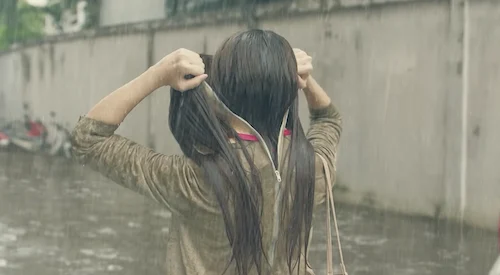
The creative premise of Anti-Beauty Country is built on the premise that Thailand is an exceptionally difficult environment for skincare maintenance. The country’s tropical climate subjects the skin to a relentless barrage of environmental stressors. Within the span of a single day, a resident might experience searing ultraviolet radiation from a punishing sun, followed immediately by torrential monsoon rains that flood urban streets.
Furthermore, the daily commute introduces layers of compounding adversity. Exhaust fumes, fine particulate dust, and relentless traffic grind down patience while urban pollution settles heavily onto exposed skin. High relative humidity compounds the issue, instantly leaving faces slick, wilted, and prone to breakouts the moment one steps outdoors. Beyond physical elements, the campaign cleverly incorporates the modern psychological toll of living in a hyper-connected society: the endless cycle of national-scale headlines, political drama, and digital chaos that induces mental stress, which in turn manifests physically on the skin.
Jula’s Herb positions itself precisely at this intersection of environmental hardship and emotional resilience. Born in Thailand and utilizing native natural ingredients, the brand argues that if skincare can successfully protect and nourish complexions under these extreme domestic conditions, it can survive anywhere. This foundational narrative establishes a profound emotional connection with consumers, framing Jula’s Herb not merely as a commercial product, but as an empathetic ally that truly understands the trials endured by Thai women and men in pursuit of personal care.
Creative Execution and Production Vision
Directed by Teerapol Suneta of Suneta House, the flagship commercial for Anti-Beauty Country leans heavily into comedic timing and surrealism while maintaining a core message of national pride. The visual language is vibrant, fast-paced, and cinematic, using exaggerated cinematic sequences to depict the daily battles against weather, traffic, and urban grime.
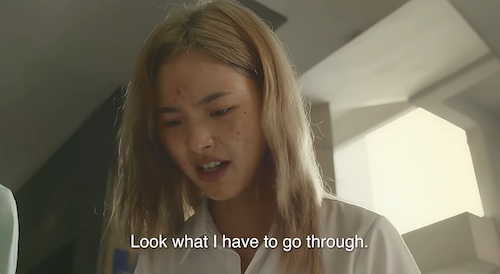
Rather than casting models in sterile, air-conditioned studio environments, the production places characters directly into the chaotic theater of everyday Thai life. This approach dismantles the traditional, aspirational aesthetic of the beauty industry—which often alienates consumers by showcasing unattainable lifestyles—and replaces it with an inclusive, empowering narrative.
The campaign marks Jula’s Herb’s first major brand initiative executed in partnership with Wolf BKK, signaling a strategic evolution for the homegrown brand as it seeks to solidify its market dominance against both regional and international competitors. By championing T-Beauty, the brand taps into a growing consumer sentiment that favors authenticity, local sourcing, and formulations designed explicitly for regional physiology over generic, imported formulas.
Industry Implications and the Rise of T-Beauty
The launch of Anti-Beauty Country arrives at a pivotal time for the Southeast Asian beauty and personal care market. According to recent industry analyses, Thailand remains one of the most lucrative and fiercely competitive beauty markets in the ASEAN region. As consumer awareness grows, buyers are increasingly scrutinizing product efficacy, ingredient transparency, and brand relevance.
For years, the Asian skincare narrative was dominated by South Korean and Japanese beauty philosophies, which emphasized multi-step regimens optimized for temperate or four-season climates. However, brands operating in tropical zones are increasingly realizing that these imported regimens do not always translate effectively to high-humidity, high-pollution environments.
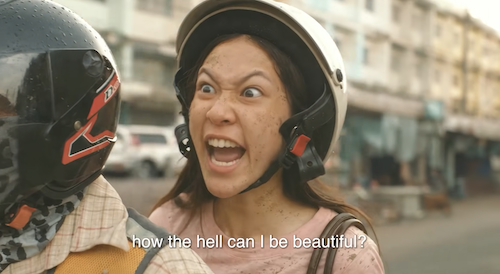
By flipping the script and framing environmental adversity as a badge of honor, Jula’s Herb and Wolf BKK have introduced a strategic blueprint for regional marketing. The campaign demonstrates that local brands possess an inherent competitive advantage over multinational conglomerates: hyper-local empathy. When a brand acknowledges the specific trauma inflicted by a Bangkok motorbike commute or a sudden tropical downpour, it establishes a level of trust that international giants struggle to replicate.
Furthermore, the campaign’s emphasis on T-Beauty aligns with broader cultural shifts across Southeast Asia, where consumers are taking immense pride in local innovations, indigenous botanicals, and homegrown enterprises. This cultural resonance not only drives immediate sales conversion but also builds long-term brand equity and customer loyalty.
Campaign Credits and Production Team
The success of Anti-Beauty Country is the result of a meticulously coordinated effort between the client and a seasoned creative collective at Wolf BKK. The official campaign credits highlight the collaborative framework that brought the vision to life:
- Client: Jula’s Herb
- Agency: Wolf BKK, Thailand
- Chief Creative Officer: Torsak Chuenprapar
- Managing Director: Natdhee Sopondhitipun
- Creative Group Heads: Pandarie Somjit & Panupong Putong
- Copywriter: Poomrapee Ongardvanish
- Art Director: Narada Kittikunokorn
- Group Communications Director: Sansuda Chuaphanich
- Communications Manager: Thananya Piyacharoenwattana
- Senior Graphic Designer: Vanvisa Wangbamrungsak
- Agency Producer: Chanoknan Wongwises
- Production Company: Suneta House
- Director: Teerapol Suneta
Conclusion: Setting a New Standard for Skincare Advertising
As the beauty industry continues to evolve, campaigns like Anti-Beauty Country serve as a reminder that creativity thrives when brands embrace authentic human truths. By transforming the daily struggles of living in a harsh climate into a celebration of resilience, Wolf BKK and Jula’s Herb have established a new benchmark for skincare advertising.
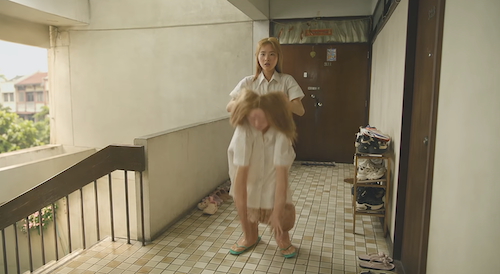
The campaign proves that effective marketing does not require masking reality with perfection. Instead, by looking the harsh realities of daily life square in the eye—and offering a reliable, locally crafted solution—brands can build deeper, more enduring relationships with their audiences. As Jula’s Herb continues to champion T-Beauty, the brand has firmly positioned itself not just as a protector of skin, but as a proud champion of the everyday resilience defining modern Thai society.