
The global digital landscape has evolved into a complex web of non-verbal cues and emotional subtexts woven into the billions of data points generated by consumers every hour. As businesses transition toward the latter half of the decade, the ability to decode these emotions—collectively known as sentiment analysis—has moved from a luxury marketing metric to a core operational necessity. Sentiment analysis, or opinion mining, leverages artificial intelligence (AI) and natural language processing (NLP) to identify, extract, and quantify subjective information from text, video, and audio data. In an era where a single viral post can dictate a brand’s stock price or reputation, the demand for sophisticated sentiment analysis tools has reached an all-time high.

The Evolution of Market Sentiment Technology
The trajectory of sentiment analysis technology has followed the broader evolution of the internet. In the early 2010s, "social listening" was largely limited to keyword tracking—simple counts of brand mentions without regard for context. By the early 2020s, machine learning models introduced basic polarity, allowing software to categorize mentions as positive, negative, or neutral.
As we approach 2026, the industry has entered a phase of "Deep Emotional Intelligence." Modern tools no longer just look for "good" or "bad" words; they analyze sarcasm, cultural slang, and the specific emotional intent behind a message. This shift is driven by the massive growth of the NLP market, which analysts project will exceed $40 billion by 2027. For enterprises, this means the ability to process thousands of real-time conversations across fragmented platforms—including TikTok, Reddit, specialized forums, and customer support logs—with the same nuance as a human analyst, but at a scale that was previously impossible.
Core Functionalities of Modern Sentiment Engines
The current generation of sentiment analysis tools is built on three pillars of technology:
- Natural Language Processing (NLP): This allows software to understand human language as it is spoken and written, accounting for grammar, context, and intent.
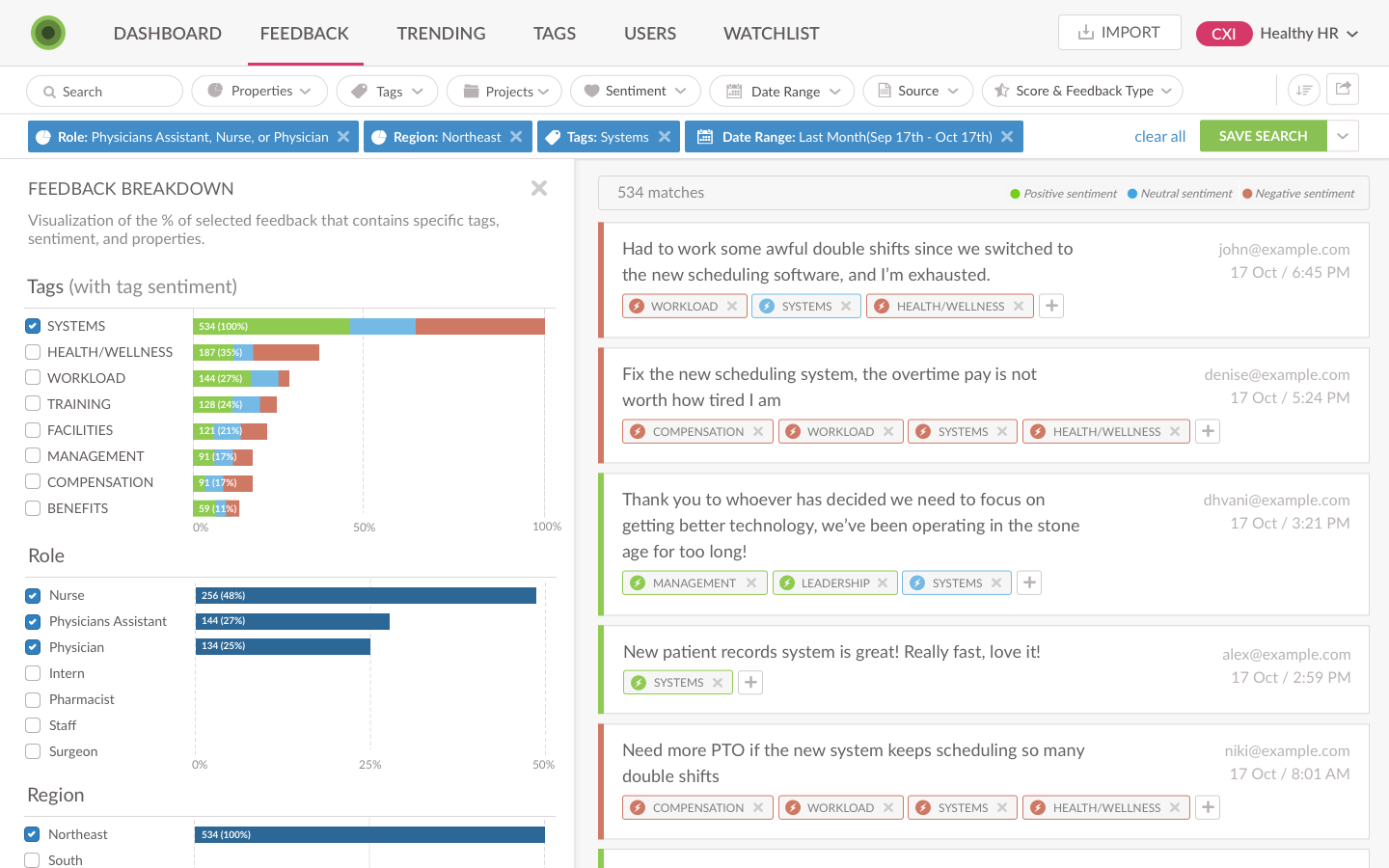
- Machine Learning (ML) Models: These models are trained on vast datasets to improve their accuracy over time. They are particularly vital for identifying "aspect-based sentiment," where a customer might praise a product’s design but criticize its price in the same sentence.
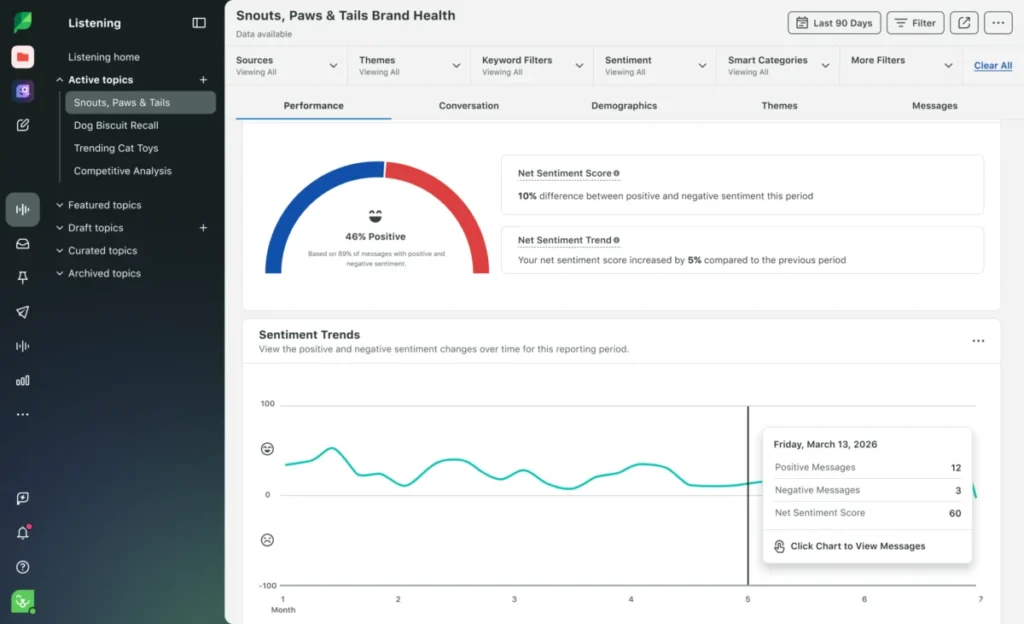
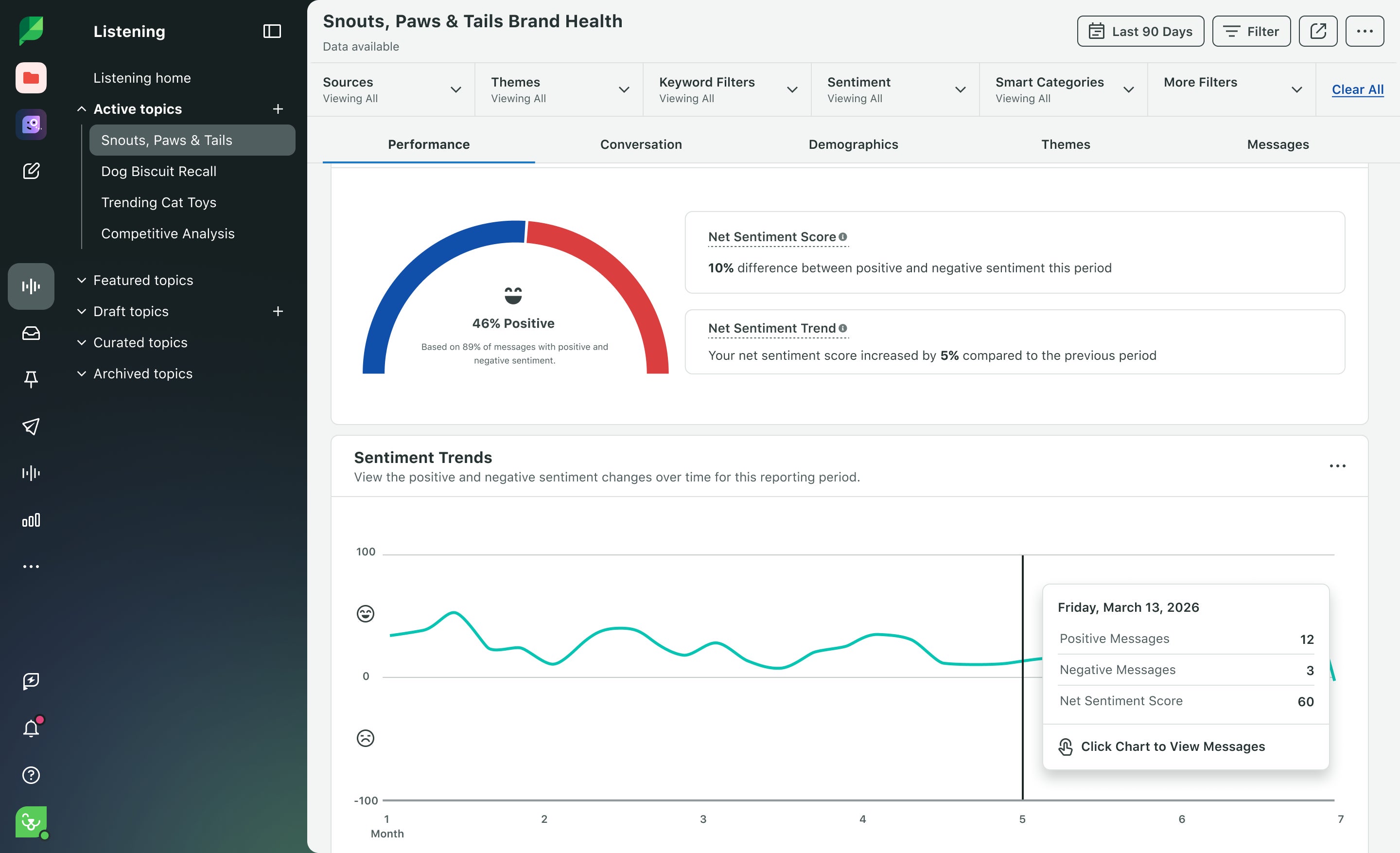
- Real-Time Polarity Scoring: Tools assign numerical values to emotions, allowing brands to visualize shifts in public mood through heat maps and trend lines.
By combining these capabilities, businesses can calculate an "Average Sentiment Score," a benchmark that provides a clearer picture of brand health than traditional sales data alone.
Strategic Applications in the Modern Enterprise
The utility of sentiment analysis extends far beyond the marketing department. Organizations are increasingly integrating these insights into every facet of their operations:
- Crisis Management and PR: By identifying "emotional sparks" before they ignite, PR teams can pivot messaging or address grievances before a minor complaint becomes a full-blown brand crisis.
- Product Development: Sentiment tools allow R&D teams to analyze feedback on specific features. If sentiment analysis reveals that "battery life" is a recurring negative theme in reviews, engineers can prioritize that specific improvement in the next iteration.
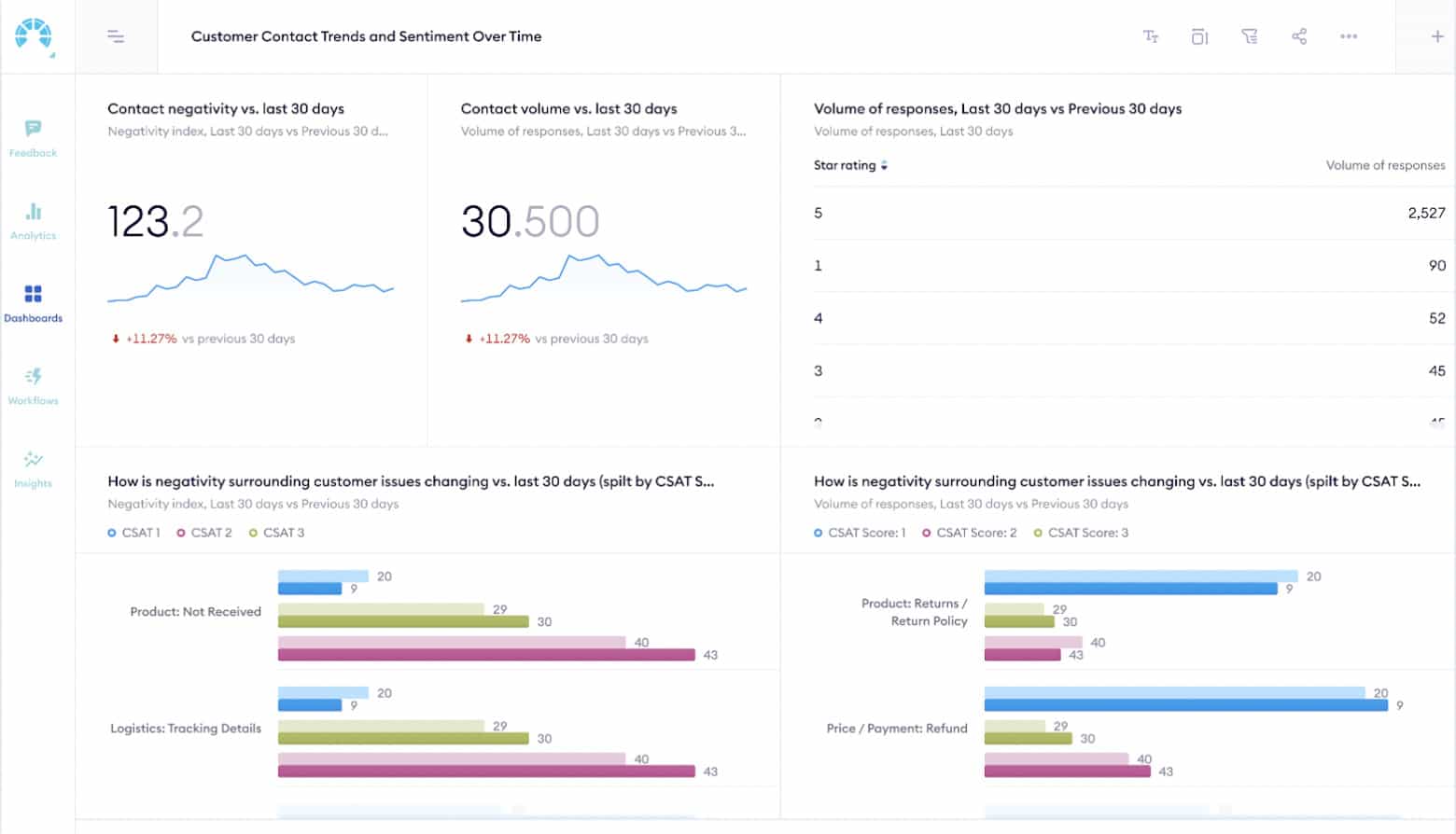
- Customer Experience (CX) Optimization: Advanced platforms can route "high-negativity" support tickets to senior agents automatically, ensuring that the most frustrated customers receive the fastest and most skilled intervention.
- Competitor Benchmarking: Brands no longer operate in a vacuum. Sentiment tools allow companies to track the "Share of Sentiment" relative to their rivals, identifying gaps in the market where competitors are failing to meet emotional needs.
Leading Sentiment Analysis Platforms for 2026
The market for sentiment analysis is divided into four primary categories: full-stack platforms, social-focused tools, news-monitoring services, and developer-centric APIs.

Full-Stack Intelligence Platforms
These platforms are designed for large-scale enterprises that require deep integration across multiple data sources.
- Sprout Social: Recognized as a leader in all-in-one social management, Sprout Social utilizes proprietary AI to provide granular sentiment analysis. Its "Listening" tool scans platforms for brand mentions, keywords, and even emojis to uncover the true intent behind the noise. Its automated analysis allows teams to spend less time digging through data and more time on strategy.
- InMoment: This platform specializes in "Integrated CX," pulling feedback from surveys, social media, and even voice-to-text transcripts from call centers. It focuses on breaking down data silos to provide a "single source of truth" for customer emotion.
- Medallia: Medallia is notable for its ability to analyze sentiment in non-text formats, including video feedback and speech-to-text. It is widely used by global hospitality and retail brands to monitor real-time feedback across thousands of physical and digital touchpoints.
- Qualtrics (Clarabridge): Leveraging advanced NLP, Qualtrics’ Text iQ can automatically categorize feedback into themes. It is particularly effective for multi-language environments, assigning sentiment scores across dozens of different dialects and languages.
- Chattermill: This unified intelligence platform focuses on the "customer journey." By merging cross-channel data, it identifies exactly which touchpoint—be it the checkout process or the delivery experience—is driving customer frustration.
Social Media and News-Centric Tools
These tools are optimized for the high-velocity nature of social media and the 24-hour news cycle.
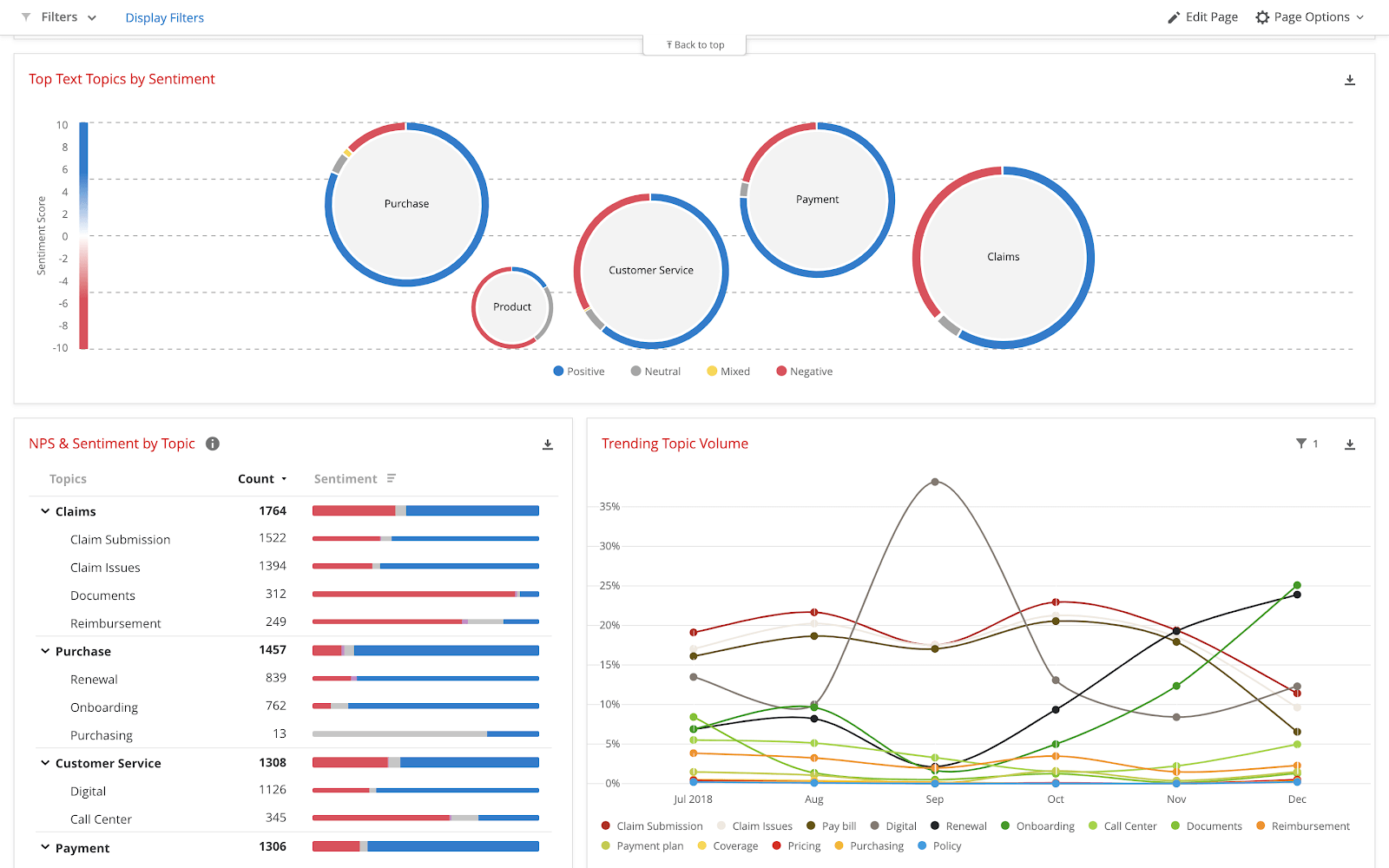
- Brandwatch: A titan in social research, Brandwatch allows for deep historical analysis, helping brands see how sentiment has shifted over years, not just days.
- Buffer and Agorapulse: These tools offer more streamlined, accessible sentiment tagging for small to medium-sized businesses, focusing on inbox management and basic polarity labels.
- Brand24: This tool is essential for PR teams, offering a "Volume Chart" that overlays mention spikes with sentiment shifts. This allows users to see if a surge in traffic is a cause for celebration or a sign of a looming crisis.
- Meltwater: Utilizing deep-learning technology, Meltwater monitors global news outlets in over 100 languages, making it a staple for international corporations and government entities.
Developer-Centric APIs
For organizations building their own internal software, these APIs provide the raw "brainpower" for sentiment analysis.
- Google Cloud NLP API: This tool is designed to extract insights from documents, chats, and emails. It integrates seamlessly with Google’s other AI services, such as Speech-to-Text, to analyze audio files.
- Amazon Comprehend: Amazon’s service is geared toward data privacy and scale. It can identify and redact Personally Identifiable Information (PII) while simultaneously uncovering sentiment trends in massive datasets like customer support logs.
Case Study: The Sports Industry Paradigm
The effectiveness of these tools is perhaps most visible in the high-stakes world of professional sports. The Atlanta Hawks utilized Sprout Social’s sentiment analysis to optimize their engagement with a younger fan base. By monitoring real-time conversations around content pillars and jersey launches, the Hawks’ marketing team was able to confirm a 99% positive sentiment for a specific initiative. This data-backed approach led to a 127.1% increase in video views and a 170.1% growth in their Facebook audience.
Similarly, the Chicago Bulls leverage sentiment data to ensure their digital interactions feel personal rather than scripted. By understanding the "electric" mood of fans during a winning streak or the frustration during a slump, the Bulls can adjust their voice to match the community’s heartbeat, fostering a deeper level of brand trust.
Navigating the Challenges of AI Sentiment
Despite the technological leaps, sentiment analysis is not without its hurdles. The primary challenge remains the "Nuance Gap." Sarcasm, irony, and local slang can still trip up less sophisticated models. For example, the phrase "Thanks a lot" can be a genuine expression of gratitude or a biting sarcastic remark depending on the context of the interaction.

To combat this, the industry is moving toward "Contextual AI," which looks at the history of a user’s interactions to determine their likely intent. Furthermore, data privacy remains a significant concern. As businesses collect more "emotional data," they must adhere to evolving regulations like GDPR and CCPA, ensuring that sentiment analysis does not infringe on individual privacy rights.
Conclusion: The Data-Driven Path Forward
As we move toward 2026, sentiment analysis has solidified its role as a critical component of the modern business toolkit. By transforming raw, unstructured text into actionable intelligence, these tools allow brands to move with agility and empathy. Whether it is a PR team managing a crisis or a product manager refining a feature, the ability to "read the room" at a global scale is the ultimate competitive advantage. In a marketplace driven by human emotion, the businesses that listen the loudest will be the ones that lead.