
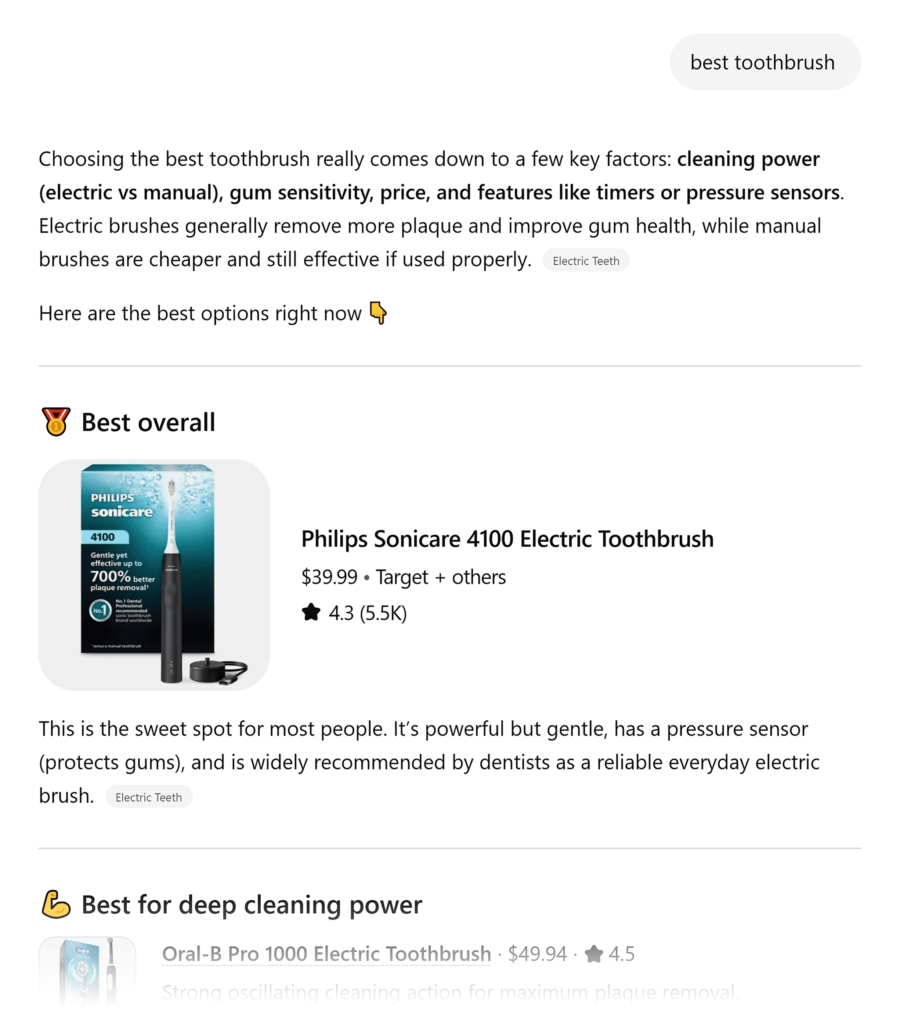

The digital marketing landscape is currently undergoing a fundamental transformation as artificial intelligence systems redefine the relationship between content creation and information retrieval. For decades, the primary objective of Search Engine Optimization (SEO) was to secure a position on the first page of Google’s search results. However, recent data and technological shifts indicate that a high Google ranking no longer guarantees visibility within the ecosystem of Large Language Models (LLMs). Emerging research suggests that content can hold the top spot on traditional search engine results pages (SERPs) and yet remain entirely ignored by AI platforms like ChatGPT, Perplexity, and Claude. This discrepancy is driven by a sophisticated background process known as query fan-out, a mechanism that AI systems use to deconstruct user inquiries and synthesize comprehensive answers from a diverse array of sources.
The Mechanics of Query Fan-Out
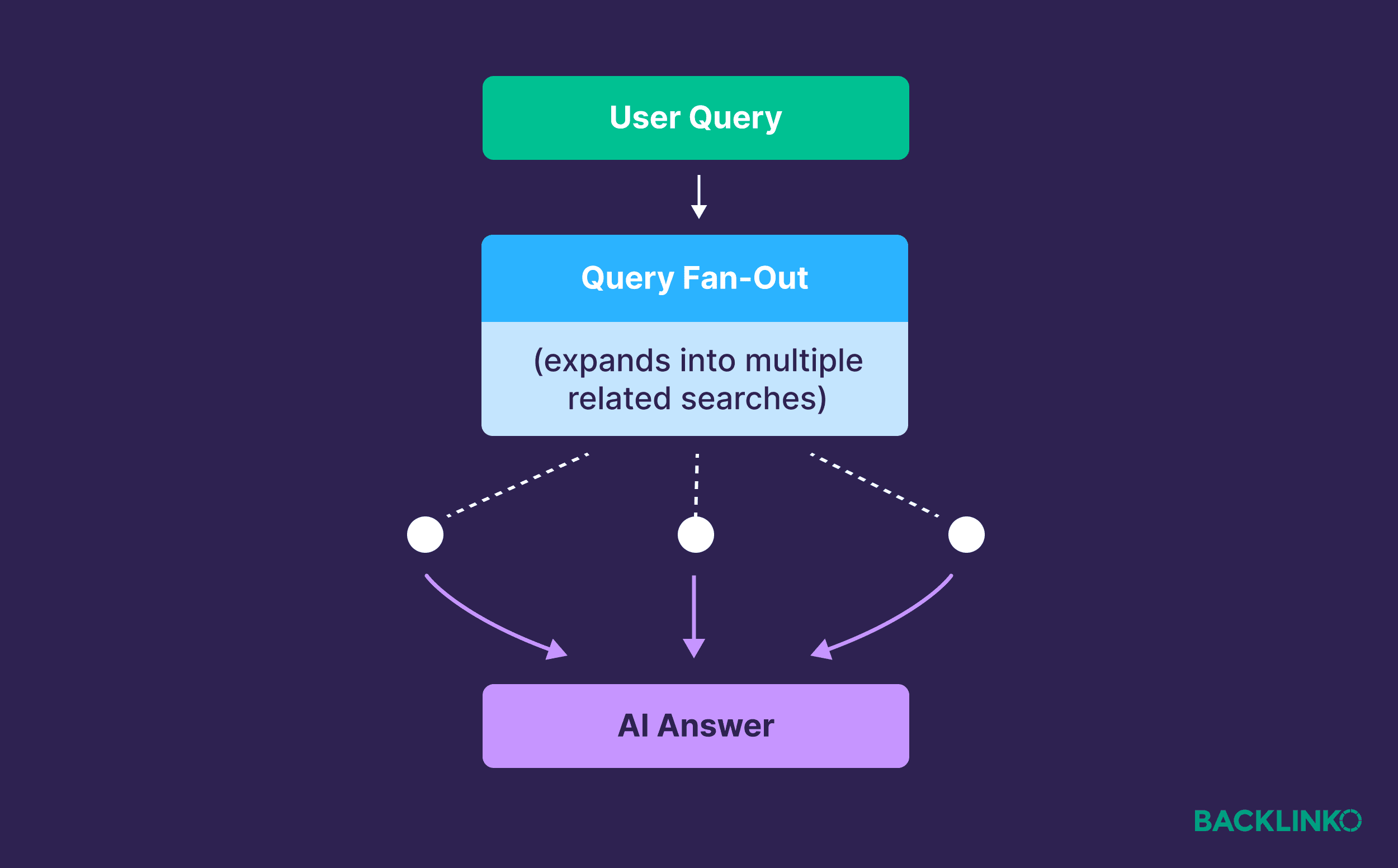
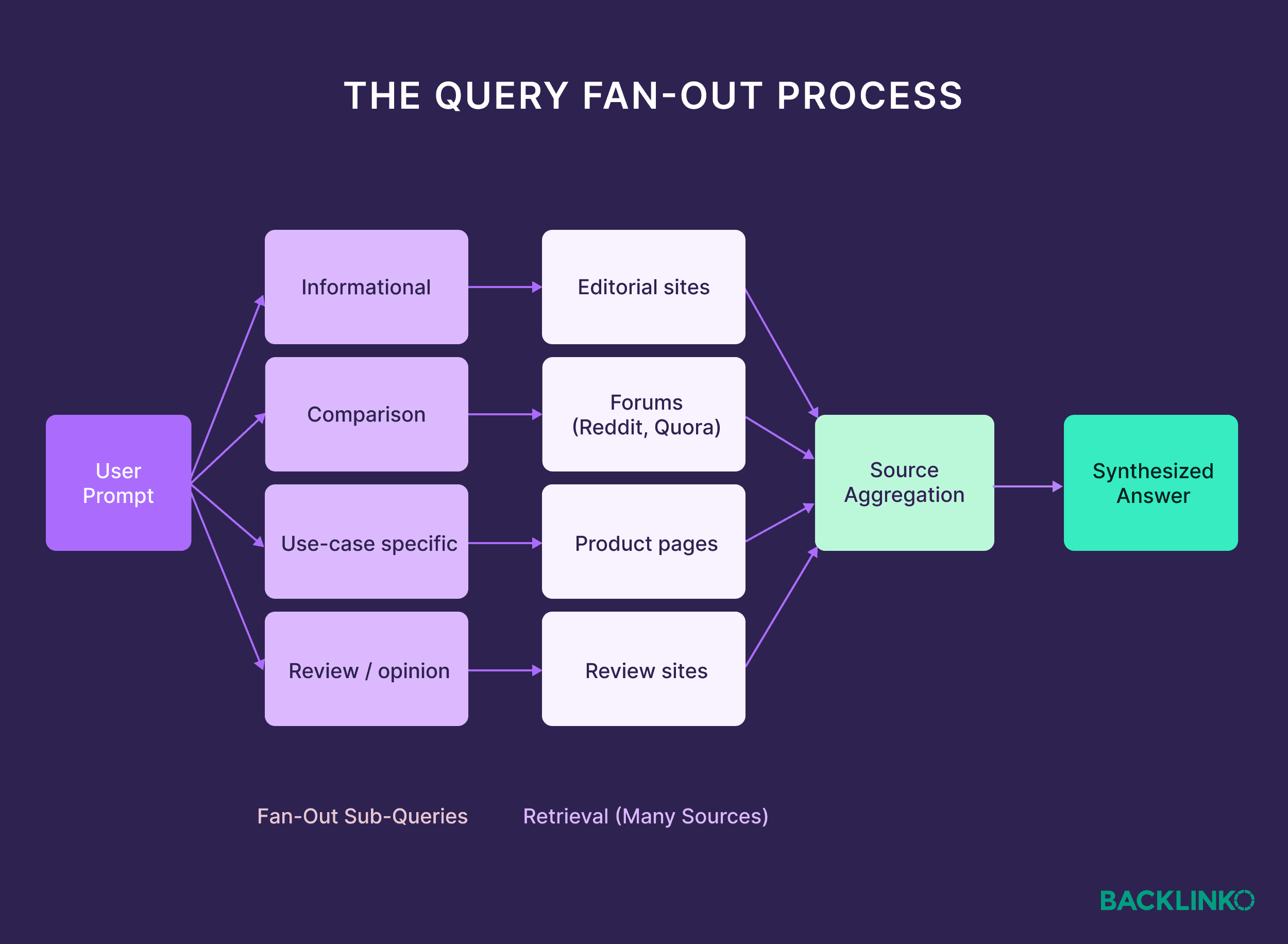
Query fan-out is the procedural method by which an AI search system takes a single, often simplified user prompt and "fans" it out into multiple, more specific sub-queries. This process allows the AI to build a multi-dimensional understanding of a topic before generating a final response. Rather than relying on a single "best" page—the traditional goal of a Google search—the AI executes several related searches behind the scenes. These sub-queries are designed to capture various facets of an inquiry, including editorial consensus, use-case recommendations, pricing data, and head-to-head comparisons.
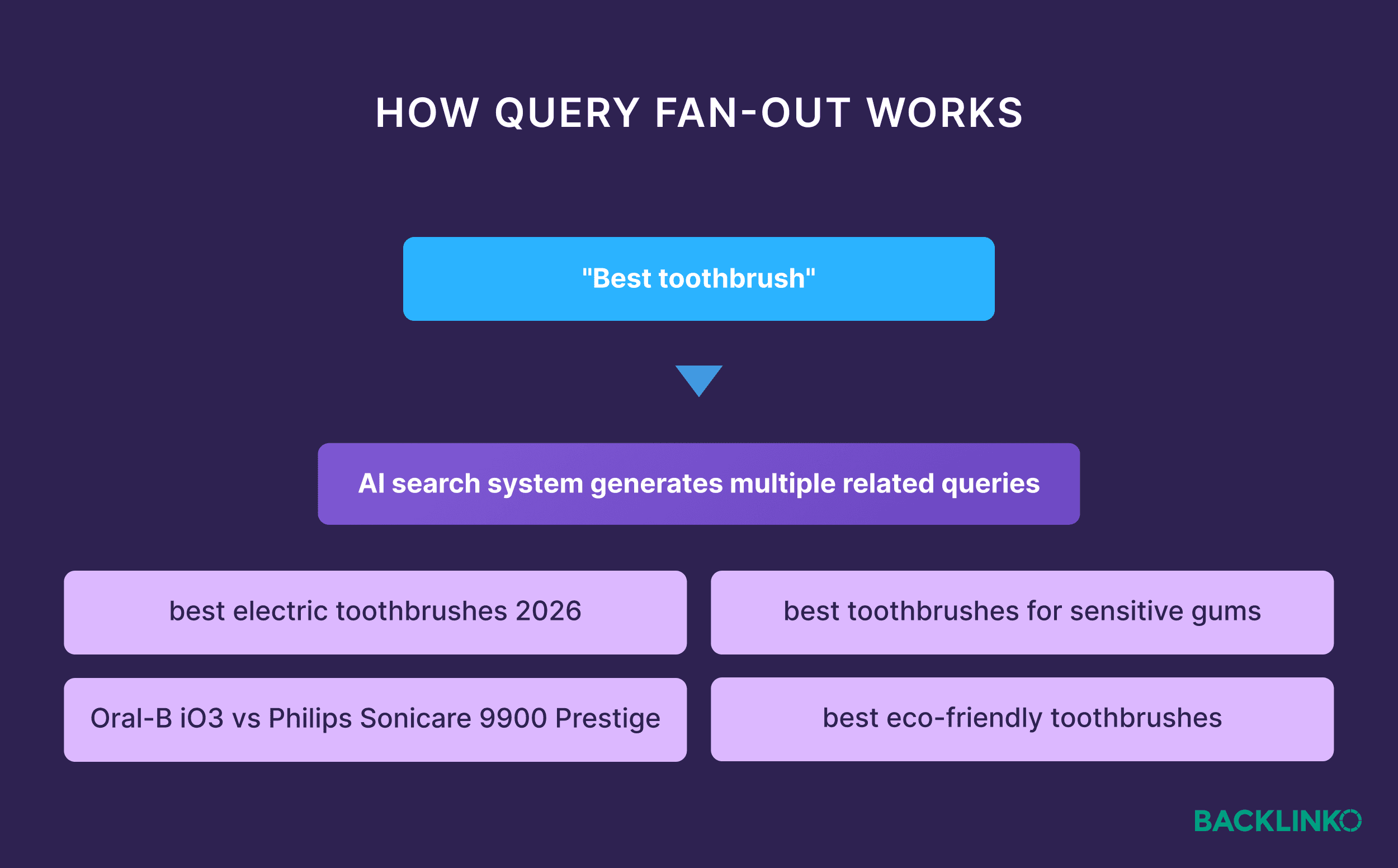
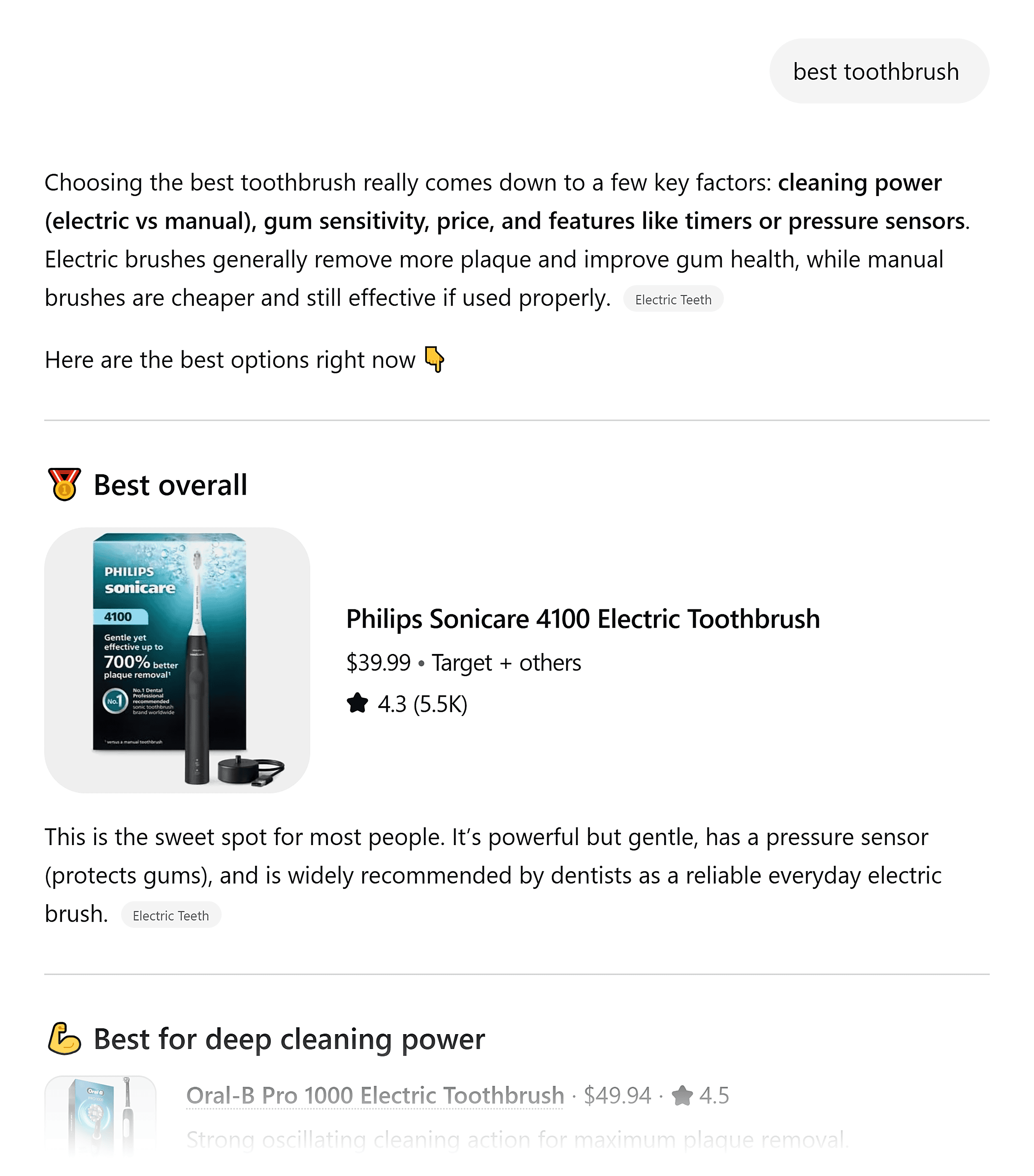
For example, a user asking for the "best toothbrush" might trigger an internal fan-out process that includes separate searches for "best electric toothbrushes 2024," "top-rated toothbrushes for sensitive gums," and "Oral-B vs. Philips Sonicare comparison data." By pulling information from a variety of sources, including editorial reviews, Reddit threads, and technical product pages, the AI can synthesize a response that anticipates the user’s needs before they are even explicitly stated. This transition from "keyword matching" to "intent synthesis" represents a paradigm shift for digital strategists.
Supporting Data: The Death of the Top-Rank Hegemony
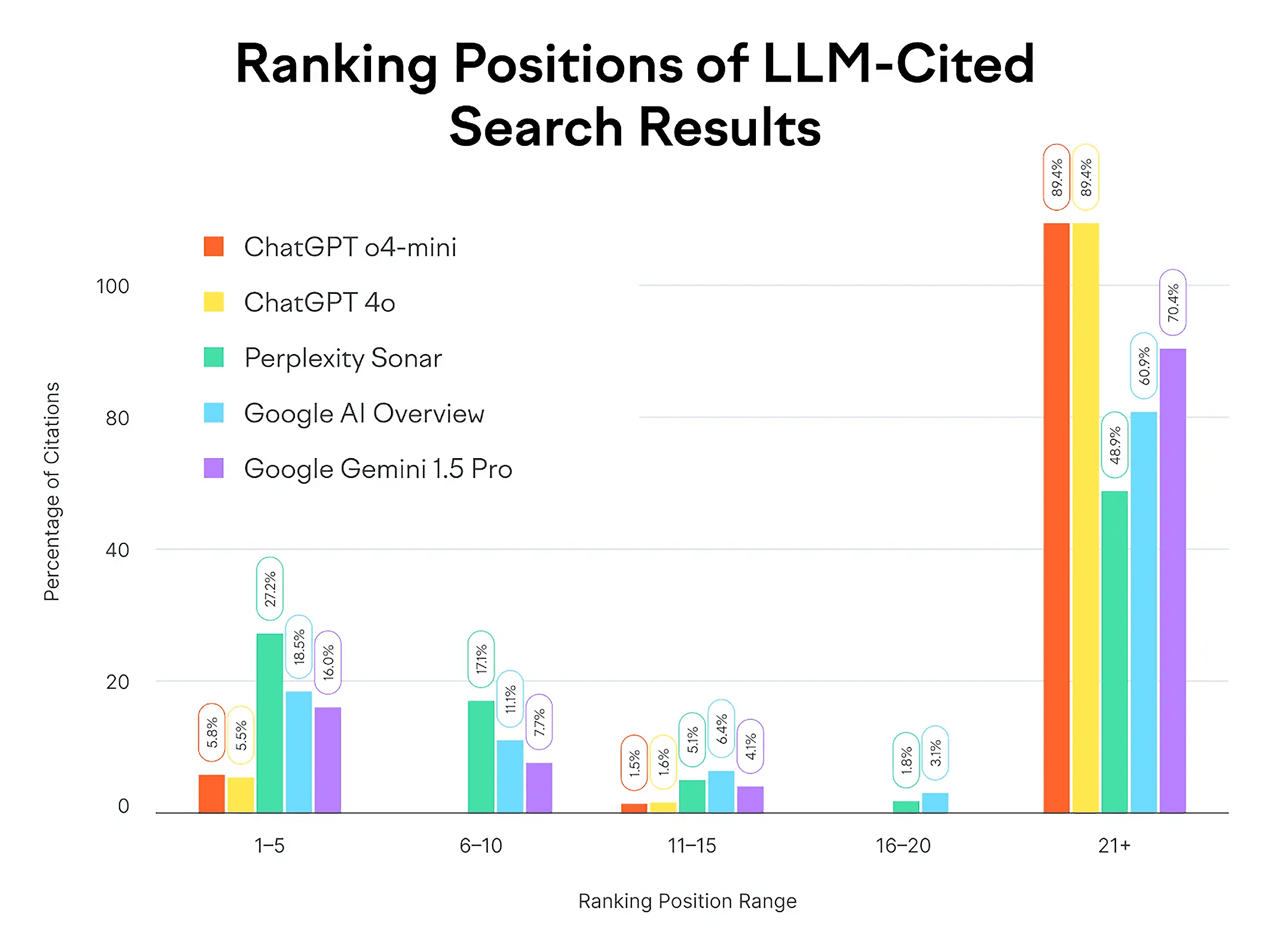
Recent empirical studies provide startling evidence that traditional ranking positions are becoming less relevant in the age of AI discovery. A comprehensive study conducted by Semrush into the impact of AI search on SEO traffic revealed that ChatGPT cites pages appearing in Google position 21 or lower nearly 90% of the time. This suggests that AI systems prioritize "retrievability" and "relevance" over the traditional authority metrics used by Google’s algorithms.
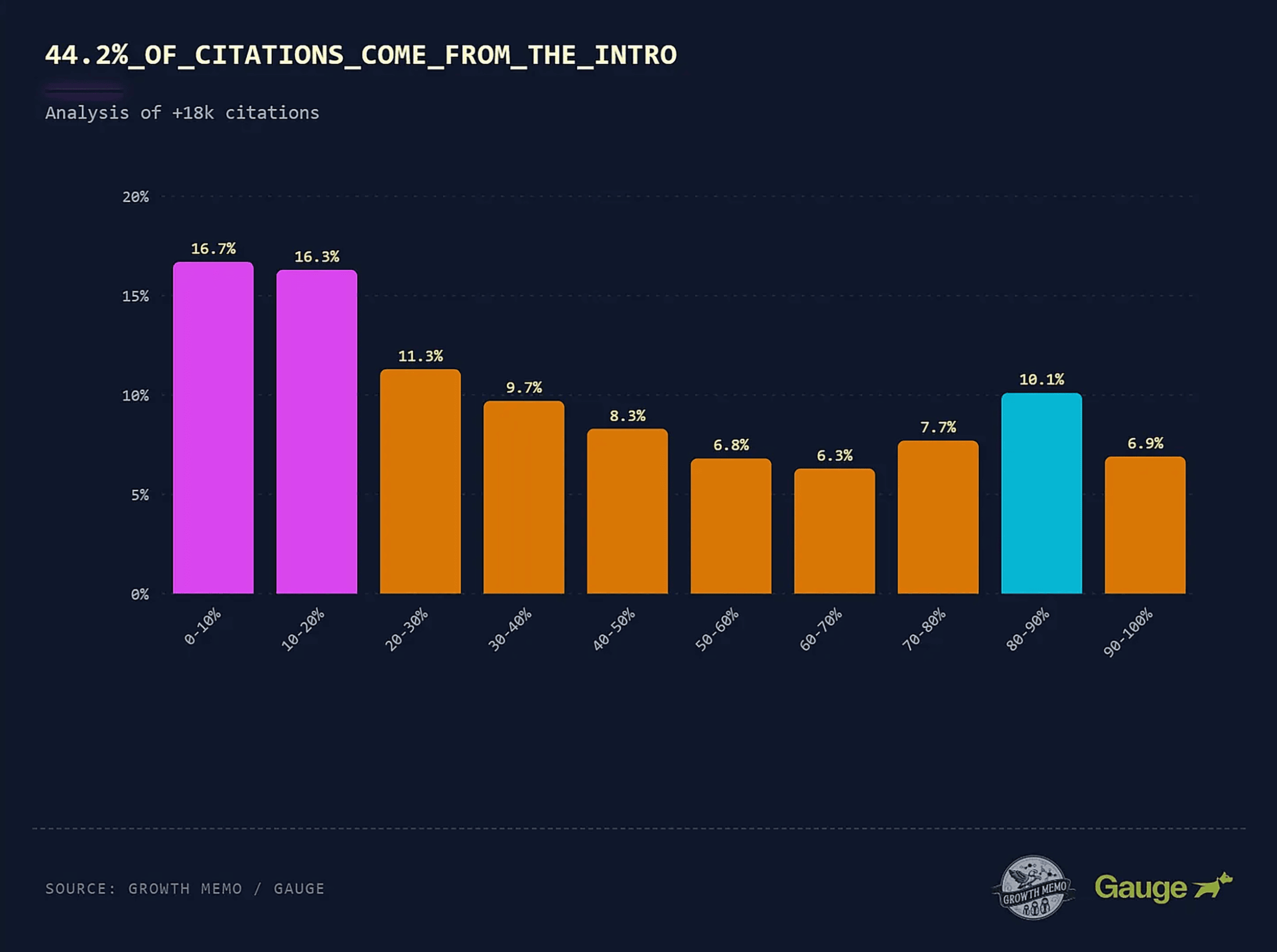
Furthermore, an analysis of 1.2 million ChatGPT responses by growth advisor Kevin Indig highlighted the importance of content structure. The study found that 44.2% of all AI citations are pulled from the first 30% of a web page. In contrast, only 24.7% of citations come from the final third of the content. This data underscores a critical requirement for modern content strategy: the "front-loading" of essential information. If an AI system cannot quickly extract a self-contained answer from the introductory sections of a page, that page is significantly less likely to be cited in the final LLM response.
The Evolution of Search: A Chronology of Discovery
The journey to query fan-out has been a decade-long evolution in how machines interpret human language.
- The Keyword Era (Pre-2013): Search was primarily about exact-match keywords. Content was optimized for specific strings of text.
- The Semantic Era (2013-2022): With Google’s Hummingbird and BERT updates, search engines began to understand the "meaning" behind words and the context of a query.
- The Generative Era (2023-Present): The rise of Retrieval-Augmented Generation (RAG) allowed LLMs to bridge the gap between their training data and the live web. Query fan-out emerged as the primary tool for RAG systems to ensure that the information retrieved is current, multifaceted, and accurate.
As this chronology suggests, we have moved from a system where the user does the work of comparing results to a system where the AI performs the "labor of search" on behalf of the user.
Strategic Implementation: The Workflow for AI Visibility
To maintain relevance in an AI-driven environment, brands must adopt a repeatable workflow that aligns with the query fan-out process. This involves six distinct stages of optimization:
Identifying "Money Prompts"
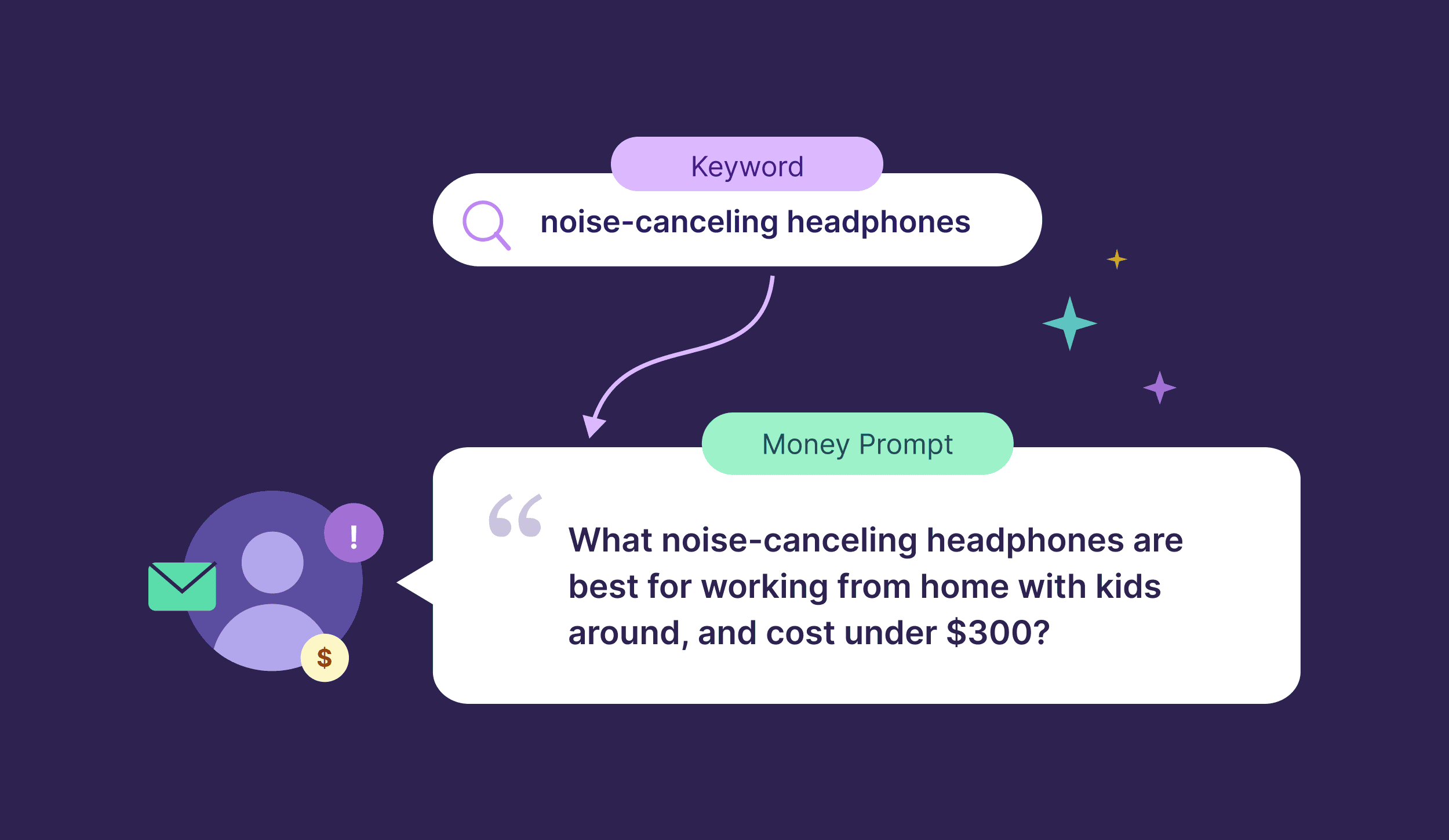
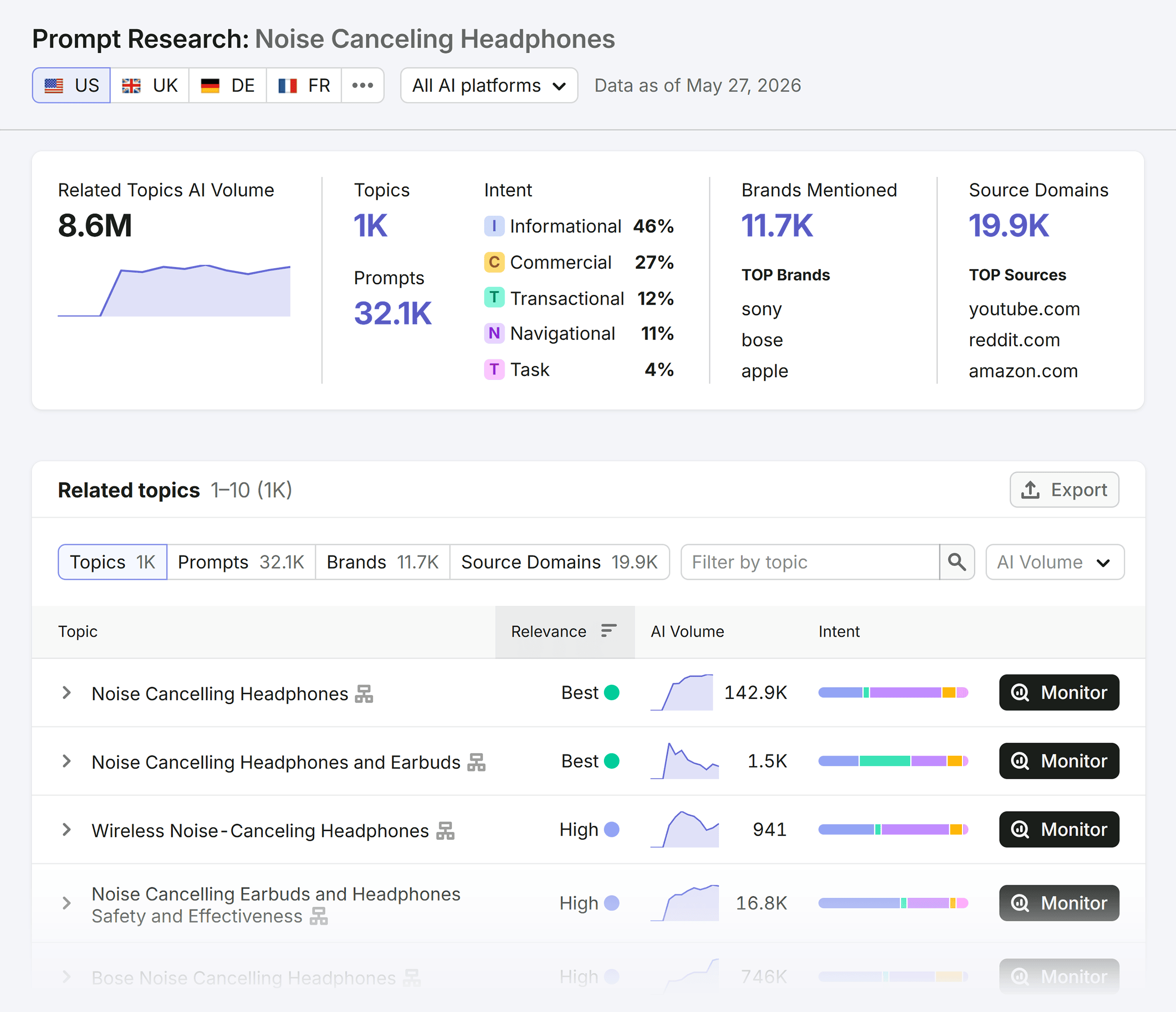
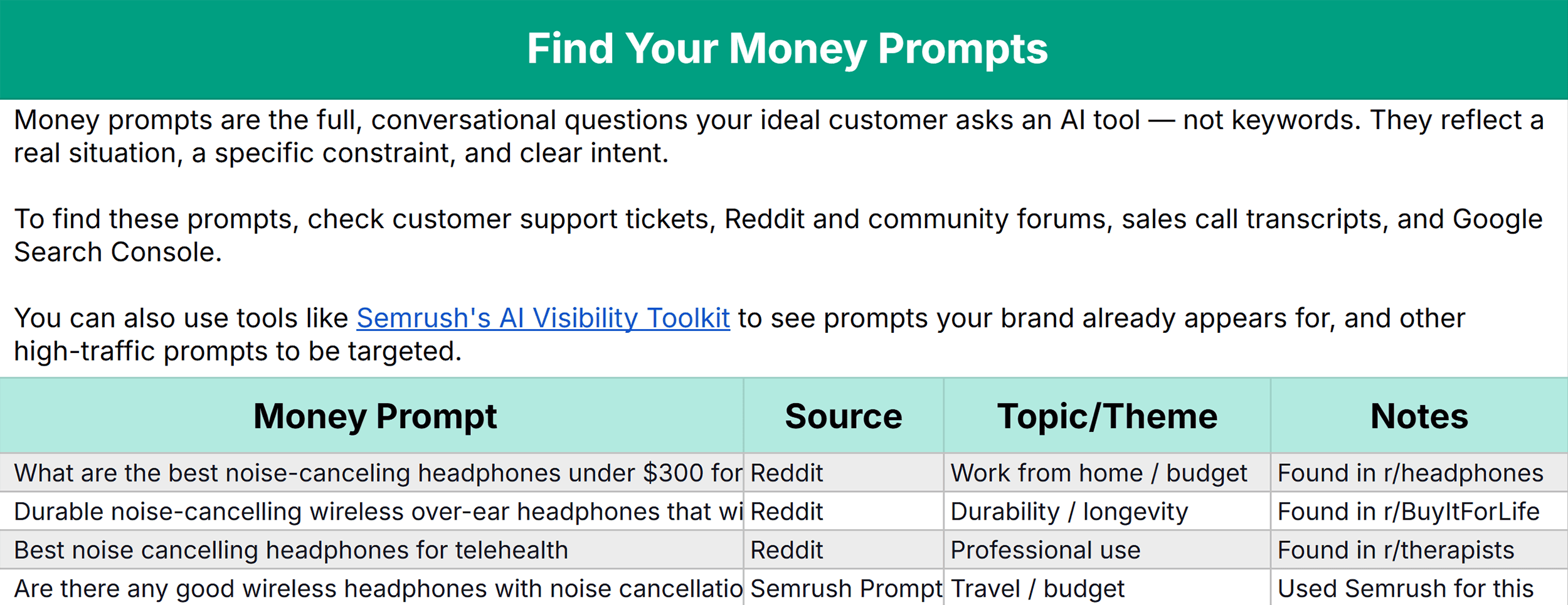
Traditional SEO focuses on "money keywords"—terms with high commercial intent. In the AI era, these are replaced by "money prompts." These are the conversational phrases or complex questions a customer would actually type into an AI tool. For a headphone manufacturer, a money keyword might be "noise-canceling headphones," but a money prompt would be: "What are the most durable noise-canceling headphones for a frequent traveler on a $300 budget?"
Generating Fan-Out Sets
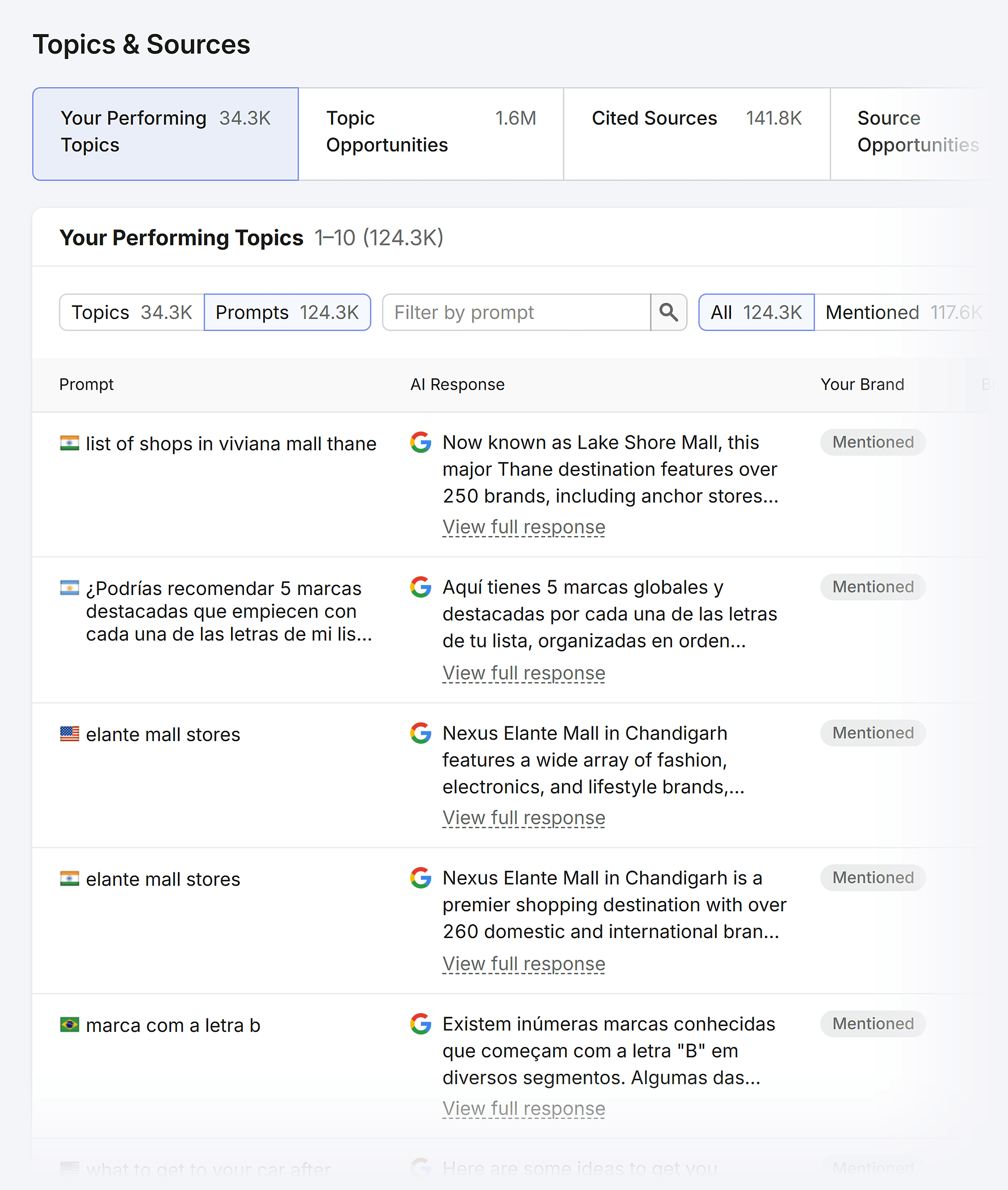
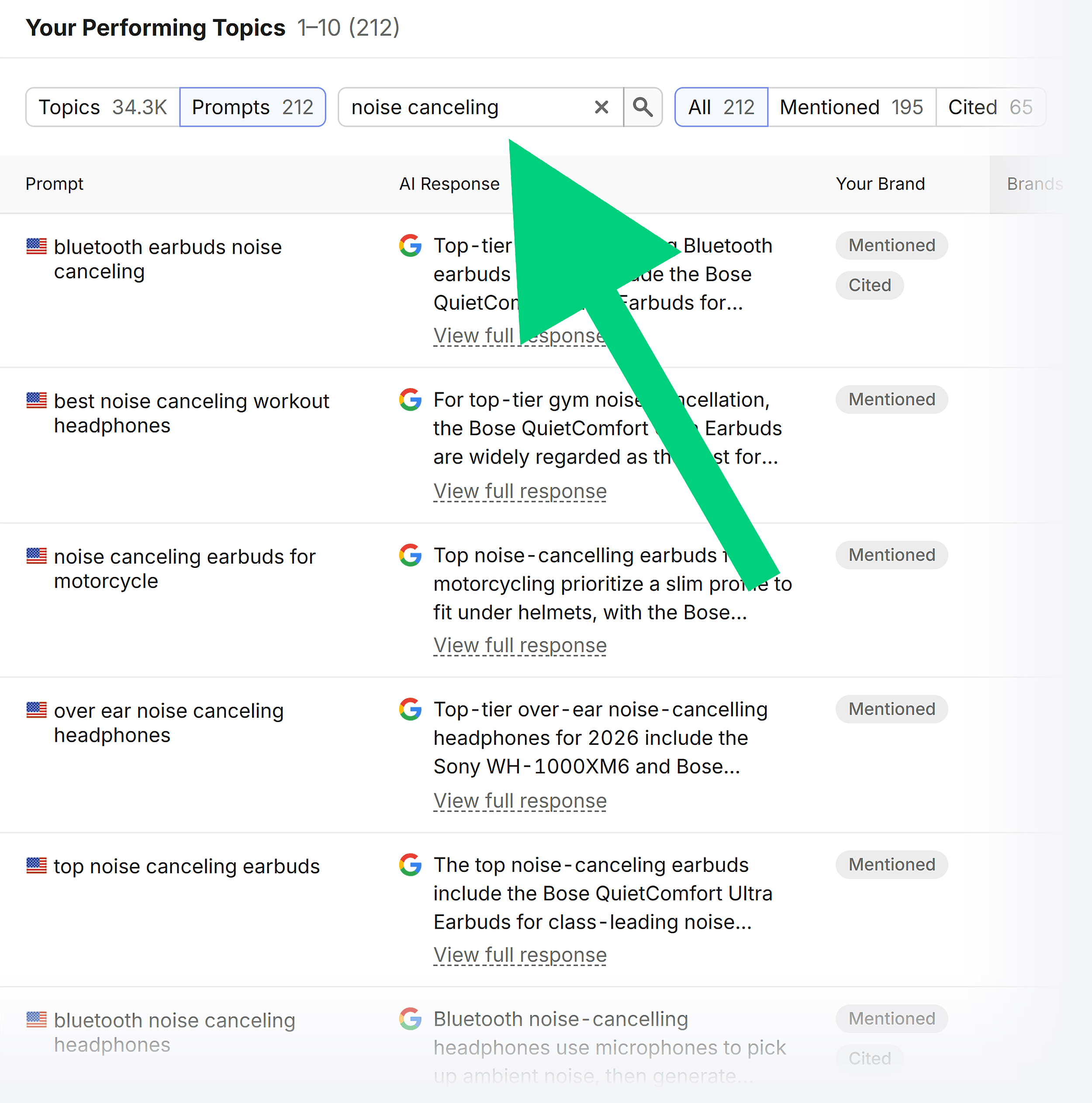
Once a money prompt is identified, marketers must determine how an AI will deconstruct it. This can be done manually by prompting an AI to "list the sub-queries you would run to answer this question" or through technical forensic methods. By examining the network response in a browser’s developer tools while using ChatGPT, marketers can see the exact internal searches the system executes.

Intent Bucketing and Content Auditing
Sub-queries generally fall into specific intent buckets: definitions, comparisons, use-case recommendations, troubleshooting, or social proof. A content audit must then be performed to see if the brand’s website provides clear, extractable answers for each bucket. If a brand only has a general product page but lacks a "vs." comparison page or a "how it works" explainer, they are leaving gaps that the AI will fill with a competitor’s content.

Structural Optimization for Extraction
AI systems do not read pages; they extract passages. Content must be structured to facilitate this. This includes using descriptive H2 and H3 subheadings that mirror sub-queries, utilizing bulleted lists for technical specifications, and ensuring that each section is a "self-contained" answer that makes sense even if the rest of the page is ignored.
Platform Variations: How Different AIs Navigate Fan-Out
The way query fan-out is handled varies significantly across different AI platforms, requiring a nuanced approach to optimization:
- ChatGPT: Uses a "reasoning" phase to determine if a live web search is necessary. It often pulls from high-authority editorial sites and community forums like Reddit to provide a balanced view.
- Perplexity: Operates as a "search-first" AI, combining conversational context with real-time web retrieval. It often runs personalized fan-outs based on a user’s previous interactions.
- Claude: Prioritizes clarifying the user’s intent. It may ask the user questions to narrow down the scope before executing its internal searches, resulting in highly targeted citations.
- Google AI Overviews: Synthesizes Google’s existing web index into condensed summaries. It relies heavily on structured data and "featured snippet" style content.
Broader Implications: The Collapse of the Marketing Funnel
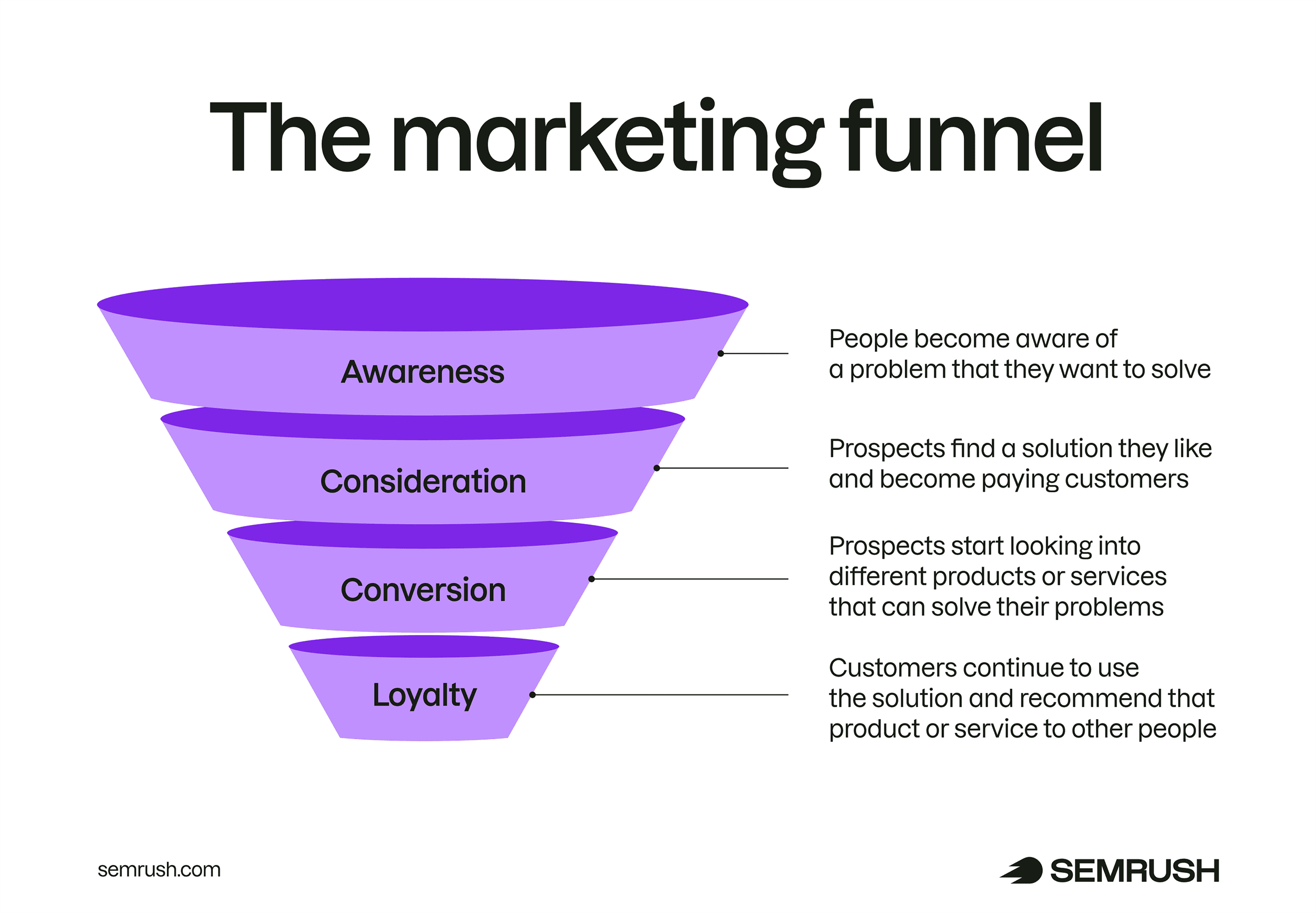
The most significant implication of query fan-out is the collapse of the traditional marketing funnel. For decades, marketers treated the buyer’s journey as a linear path from awareness to consideration to decision. Content was created specifically for each stage.
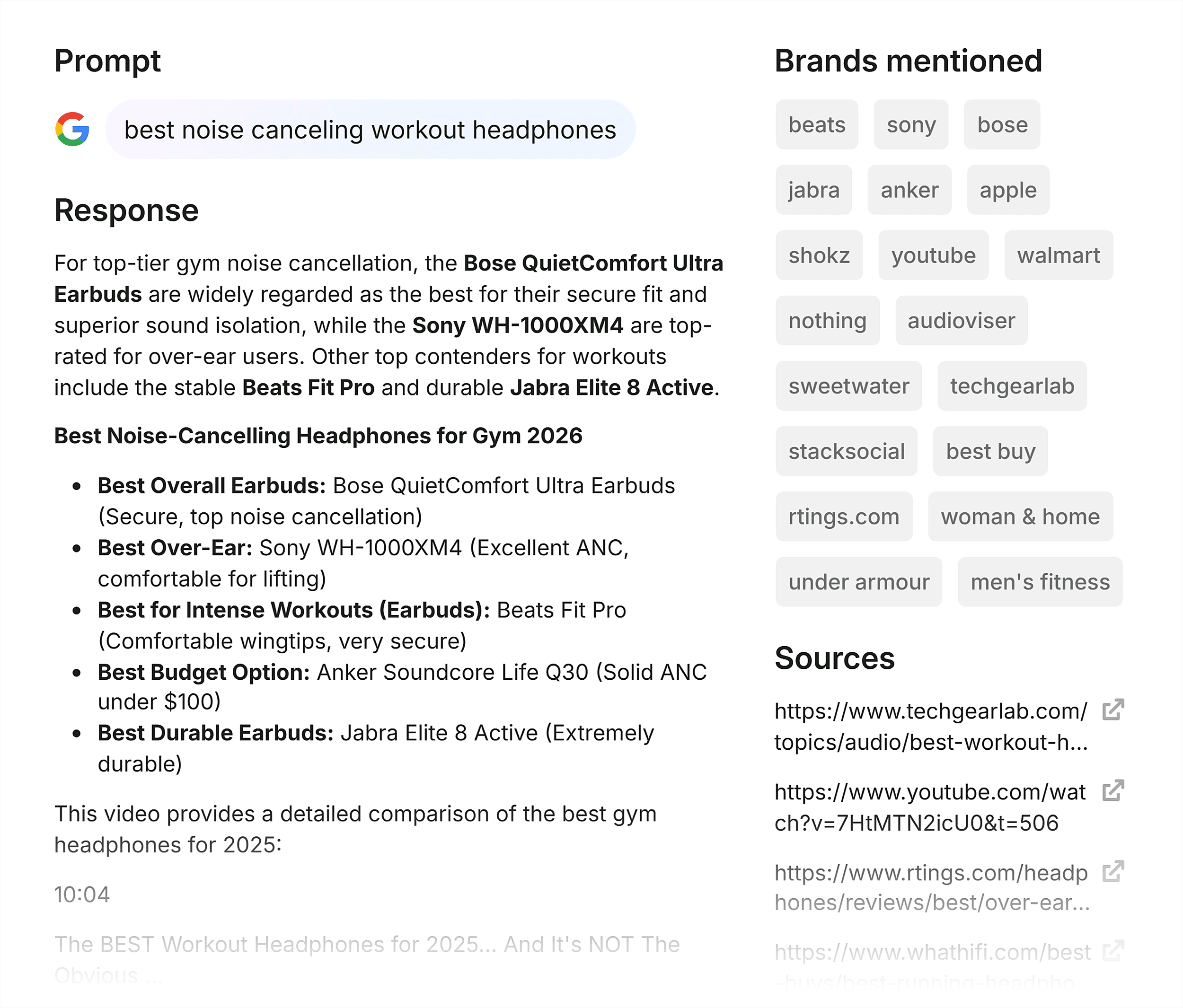
In the AI search environment, these stages occur simultaneously. A single high-intent money prompt triggers a fan-out that pulls awareness-level context, consideration-level comparisons, and decision-level pricing into one single interaction. The entire journey can be completed in seconds within a single AI interface. Consequently, content can no longer afford to be "top-funnel" or "bottom-funnel" exclusively; it must be interconnected and comprehensive to ensure the brand is represented throughout the AI’s synthesized response.
Industry Reactions and Future Outlook
The SEO community has reacted to these developments with a mixture of urgency and strategic pivots. Industry experts suggest that the "10 blue links" era of the internet is effectively ending for commercial and informational queries. The consensus among digital strategists is that "coverage and retrievability" have replaced "rank and authority" as the primary pillars of digital success.
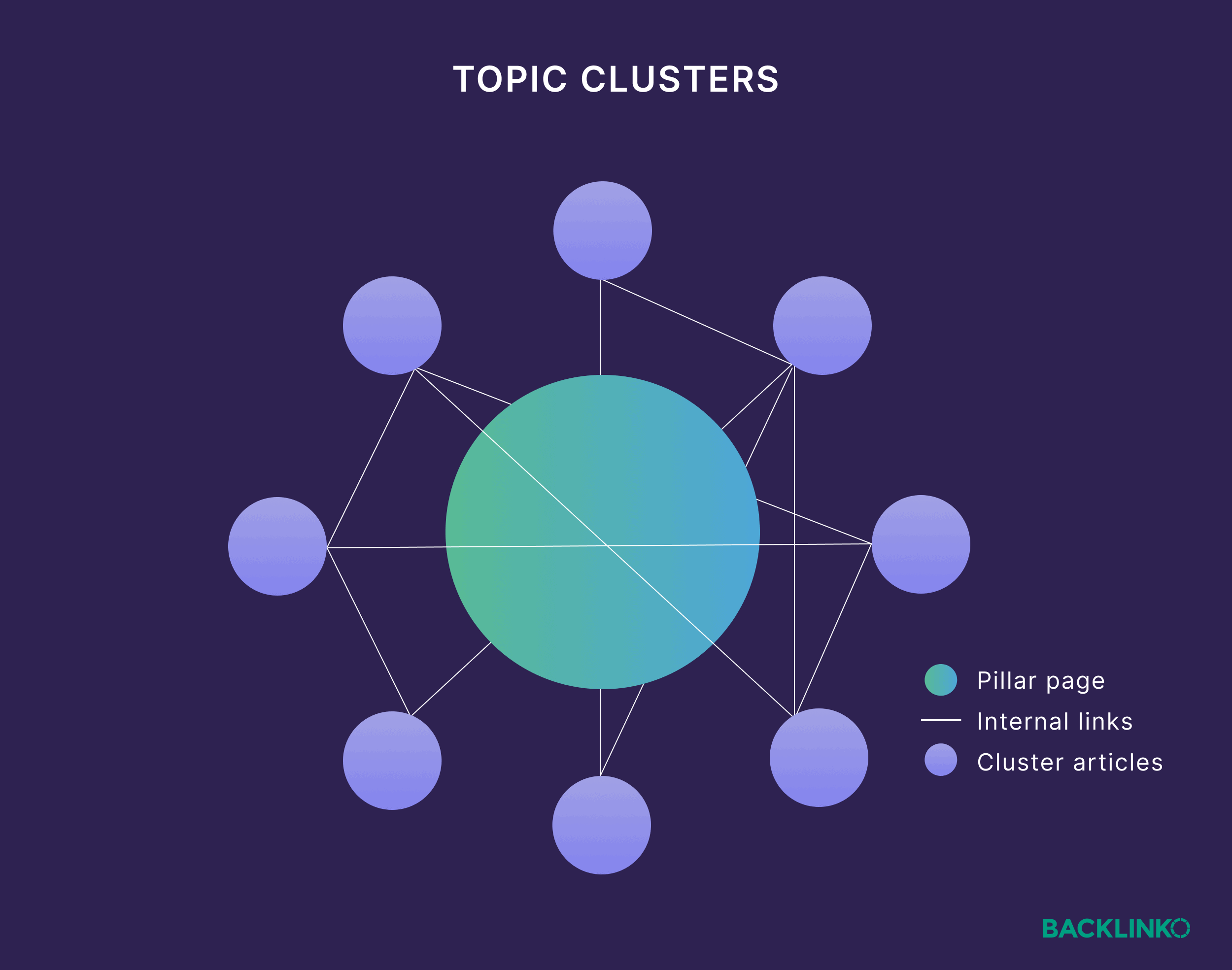
The future of search will likely see an even deeper integration of user intent and machine reasoning. As AI models become more adept at "thinking" before searching, the window for brand visibility will narrow to those who provide the most direct, well-structured, and honest answers to the web’s most complex questions. For businesses, the message is clear: to be mentioned by the AI of tomorrow, you must provide the answers the AI is looking for today. This requires a move away from keyword-stuffing and toward a philosophy of "topical authority," where a brand seeks to own the entirety of a conversation within their niche.