
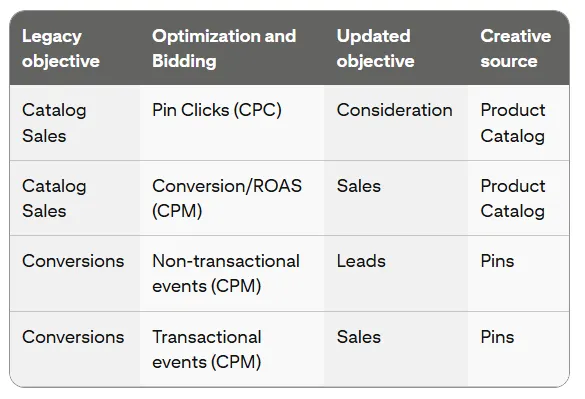
Pinterest has officially implemented a series of nomenclature updates within its Ads Manager platform, renaming several key campaign objectives to provide clearer alignment between marketing expenditures and tangible business goals. The modifications primarily impact how advertisers select and structure their campaigns around conversions and catalog sales, transitioning generic terminology into distinct performance categories such as Leads, Sales, and Consideration.
This strategic pivot is designed to eliminate ambiguity for both seasoned media buyers and brands newly venturing onto the visual discovery platform. By shifting toward outcome-oriented phrasing, Pinterest aims to reduce the learning curve associated with campaign setup, ensuring that marketing teams can intuitively map their overarching corporate goals directly to the platform’s technical ad infrastructure.
Understanding the Structural Shifts in Campaign Terminology
The core of the update centers on how Pinterest categorizes user actions and business outcomes. Previously, terms such as conversions and catalog sales encapsulated a broad spectrum of user behaviors, sometimes requiring secondary analysis to discern whether a campaign was optimized for high-funnel engagement or bottom-funnel revenue generation.
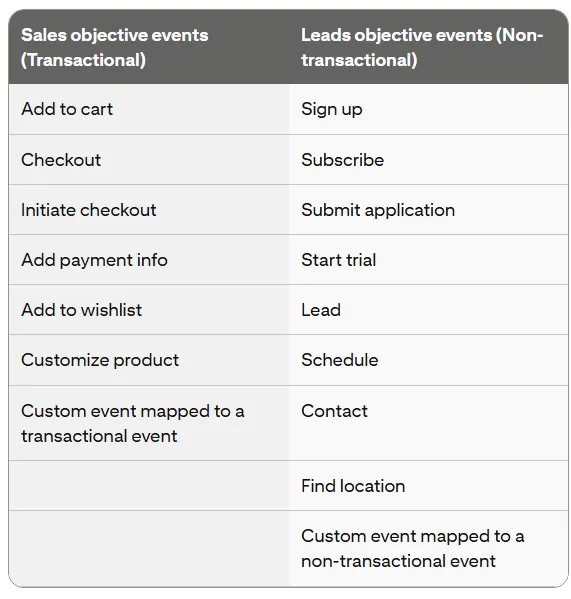
Under the revised framework, the platform has crystallized these definitions into actionable categories. According to official guidelines provided by Pinterest, Leads campaigns are now explicitly designated to drive non-transactional outcomes, encompassing actions such as user sign-ups, newsletter subscriptions, and lead generation form submissions. Conversely, Sales campaigns are dedicated to driving transactional outcomes, explicitly targeting behavior such as add-to-carts, checkouts, and completed online purchases.
By clearly demarcating these objectives, Pinterest is aligning its platform nomenclature with industry-standard digital advertising terminology utilized across competing ecosystems like Meta, Google, and TikTok. This standardization benefits enterprise-level brands and agencies that manage multi-channel campaigns, as it reduces cognitive friction when translating master media plans into platform-specific ad sets.

Timeline and Migration Strategy for Advertisers
To ensure a seamless transition and prevent disruption to ongoing marketing efforts, Pinterest has structured the rollout with a phased migration timeline. Crucially, the platform has confirmed that the structural renaming will not alter ad delivery, optimization algorithms, or performance metrics. Advertisers will not experience artificial performance fluctuations or extended learning phases simply due to the vocabulary shift.
Existing campaigns that were originally built under the legacy "Conversions" and "Catalog Sales" objectives will not be instantly terminated. Pinterest has instituted a generous grace period to allow brands and agencies sufficient time to audit and update their active media assets. According to platform documentation, existing campaigns under the older naming convention will remain fully editable until April 30, 2027. Following this date, any remaining legacy campaigns will be automatically archived by the system.
This extended runway underscores Pinterest’s commitment to enterprise stability, acknowledging that large-scale retail operations often maintain complex, evergreen campaign architectures that require methodical auditing rather than abrupt overhauls.
Contextualizing the Update within Pinterest’s Broader E-Commerce Evolution
The decision to streamline Ads Manager objectives does not occur in a vacuum; it represents the latest milestone in Pinterest’s multi-year evolution from a digital inspiration board into a powerhouse performance marketing and social commerce platform.
Over the past several years, Pinterest has systematically rolled out advanced merchant features, ranging from automated catalog ingestion and verified merchant programs to shoppable video formats and dynamic retargeting. As the platform successfully attracted performance-driven retailers and direct-to-consumer (DTC) brands, the sophistication of its ad inventory grew exponentially. However, this rapid technological expansion occasionally resulted in a complex user interface within Ads Manager.
By refining campaign objectives, Pinterest is addressing common feedback from the digital marketing community regarding platform usability. Small-to-medium-sized businesses (SMBs), which form a substantial portion of Pinterest’s advertising base, often lack dedicated programmatic media buying teams. Simplified, goal-oriented labeling lowers the barrier to entry for these smaller enterprises, enabling them to allocate budgets with greater confidence and less reliance on specialized agency support.
Industry Implications and Strategic Analysis
From an analytical perspective, this update reflects a broader industry trend toward simplification and automation in digital advertising. As platforms incorporate more machine learning into ad delivery—such as Pinterest’s automated bidding and target CPA features—the role of the human media buyer is shifting away from manual mechanical setup and toward high-level strategic alignment.
When a platform clearly labels an objective as "Leads" or "Sales," it reinforces the psychological connection between the invested ad dollar and the expected business return. This clarity is particularly vital as brands face tighter marketing budgets and increased scrutiny over return on ad spend (ROAS). By removing semantic confusion, Pinterest helps advertisers build more accurate attribution models and communicate campaign value more effectively to internal stakeholders and executive leadership.
Furthermore, as privacy regulations continue to transform the digital marketing landscape, platforms that rely heavily on first-party data signals and contextual discovery—such as Pinterest—must make their monetization tools as frictionless as possible. Encouraging advertisers to accurately categorize their intent ensures that Pinterest’s machine learning models receive cleaner signal data, which in turn enhances overall ad relevance for the end consumer.
Best Practices for Advertisers Moving Forward
As media buyers adapt to the updated Ads Manager interface, digital marketing professionals recommend taking proactive steps to update standard operating procedures, internal naming conventions, and client reporting templates.
- Audit Active Campaigns: Review all currently running campaigns to identify those utilizing the legacy Conversions or Catalog Sales naming conventions. While these will remain editable until April 2027, transitioning them to the new objective structures proactively can prevent future confusion during quarterly optimizations.
- Update Creative Briefs and Media Plans: Ensure that internal agency teams and external partners are utilizing the updated terminology—Leads, Sales, and Consideration—in all strategic documentation and performance reviews.
- Leverage Updated Documentation: Utilize Pinterest’s newly published objective listing guides within the Ads Manager help center to ensure junior team members understand which objective best aligns with specific campaign Key Performance Indicators (KPIs).
Ultimately, while the renaming of Pinterest’s ad objectives is a minor technical update on the surface, it represents a thoughtful refinement in platform design. By prioritizing clarity, consistency, and user experience, Pinterest continues to fortify its position as an indispensable channel for brands seeking to convert user inspiration into measurable commercial success.