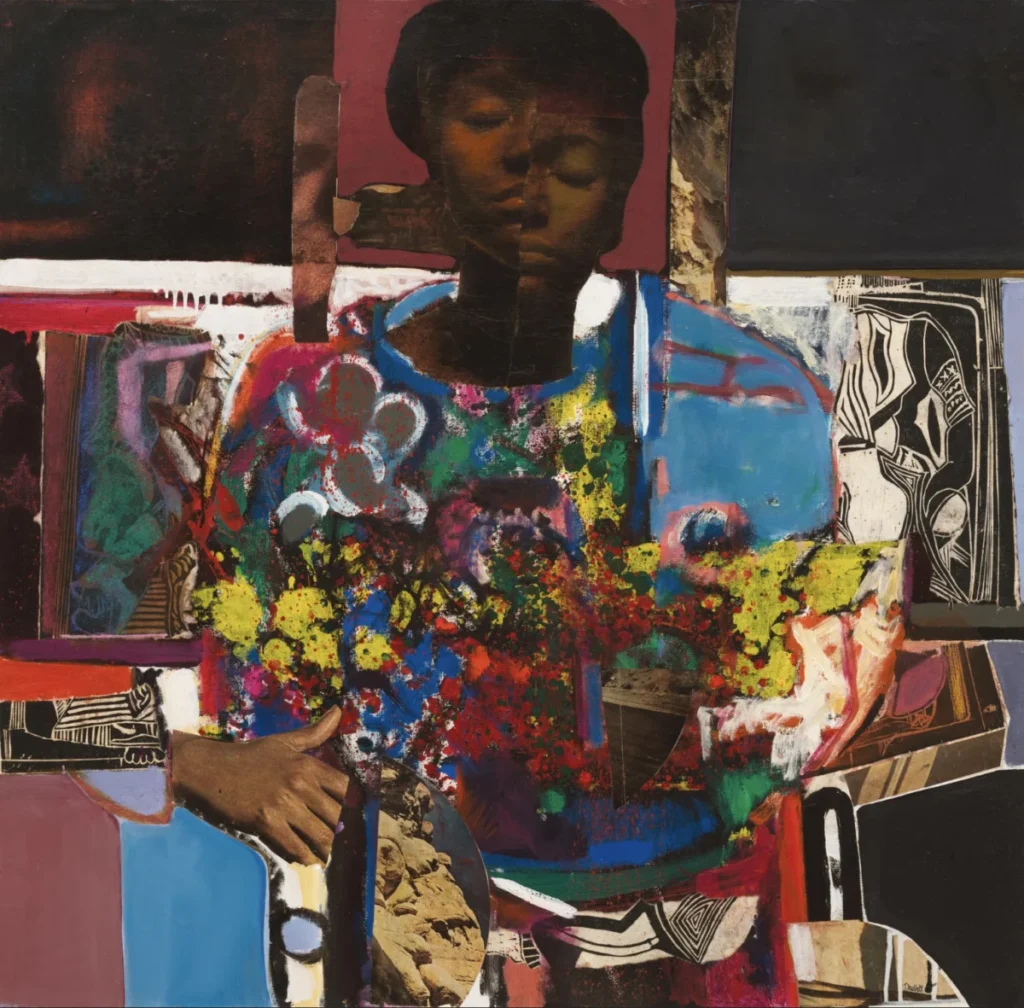

The intersection of visual art, sociopolitical mobilization, and cultural identity takes center stage in a landmark exhibition currently on view at the Getty in Los Angeles. Titled Photography and the Black Arts Movement, 1955–1985, the comprehensive retrospective assembles approximately 150 works that trace the evolution, trajectory, and lasting influence of the Black Arts Movement across three pivotal decades.
Curated by Philip Brookman, a photography curator at the National Gallery of Art in Washington, D.C., and Deborah Willis, a renowned cultural historian, curator, and professor at New York University, the exhibition bridges the gap between historical documentation and avant-garde artistic expression. To better understand the monumental effort behind the showcase, assistant curator Mazie Harris recently discussed the genesis of the project, its curatorial methodology, and its profound contemporary resonance.
A Historical Retrospective of Resilience and Liberation
The exhibition spans a critical thirty-year window in modern history, commencing in 1955—a year marked by the Montgomery bus boycott and the emergence of institutionalized civil rights organizing—and concluding in 1985, a period that laid the groundwork for contemporary Black visual culture. Rather than treating photography merely as an objective tool of record-keeping, the exhibition argues that the lens played an active, catalytic role in shaping the ideology and aesthetic of the Black liberation movement.

According to Harris, the foundational premise of the exhibition was to challenge the traditional marginalization of photography as a secondary medium. Co-curators Brookman and Willis approached the project with the understanding that photographic images were central to advancing Black art and culture, actively redefining how Black life, beauty, and systemic resistance were visualized globally. The installation interweaves works by African, British, Nuyorican, and Caribbean artists, highlighting a sprawling, interconnected diaspora united by a shared pursuit of self-determination.
Chronology and Scope: From Document to Fine Art
The exhibition’s curation reflects a deliberate blend of iconic imagery, lesser-known archival artifacts, and works produced explicitly for political mobilization. Visitors encounter a diverse spectrum of visual production, ranging from documentary photographs capturing the brutality and heroism of the Civil Rights Movement to conceptual pieces focused on interiority, spiritual cosmology, and community self-fashioning.

Key historical touchstones are anchored by works from legendary practitioners. Among them is Ernest C. Withers’s searing 1968 gelatin silver print documenting the Memphis sanitation workers’ strike, bearing the iconic slogan "I Am a Man." Similarly, Moneta Sleet Jr.’s 1965 photograph of two teenage supporters of the Selma March—printed around 1970 and preserved through the Johnson Publishing Company Archive—captures the youthful resolve that drove legislative victories like the Voting Rights Act.
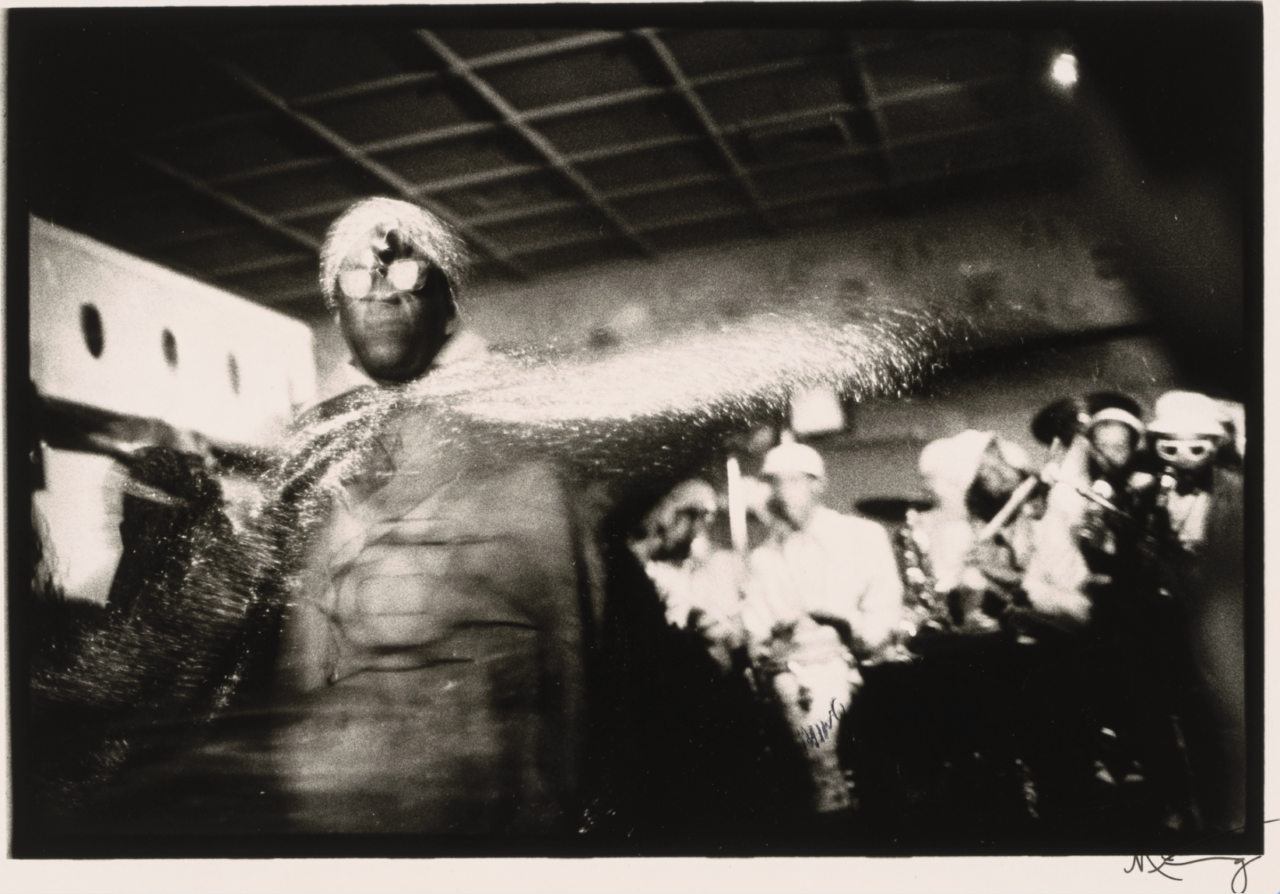
The chronology also emphasizes the rich intersection between photography and other artistic disciplines, such as music and literature. A prominent feature of the exhibition is Ming Smith’s 1978 gelatin silver print, Sun Ra Space II, New York, New York. Utilizing an extended exposure, Smith captured the avant-garde jazz pioneer radiating light amidst a swirling cosmic backdrop, translating Sun Ra’s distinctive brand of Afrofuturist philosophy into a timeless visual vocabulary.

Curatorial Methodology and Thematic Focus
Developing an exhibition of this magnitude required years of meticulous archival research and collaboration with institutional partners, including the National Gallery of Art, the Gordon Parks Foundation, and various university library collections. The curatorial team established a multi-layered framework, selecting works based on their capacity to spotlight Black beauty, document community resilience, and support grassroots political organizing.
While the historical realities of racial violence and structural oppression are necessarily addressed, the overarching curatorial ethos prioritizes celebration, self-fashioning, and storytelling. This approach counters historical erasure by foregrounding the agency of Black artists and activists who controlled their own narratives during a tumultuous period of global decolonization and domestic upheaval.

The inclusion of multidisciplinary works—such as Barbara McCullough’s 1980 experimental video Shopping Bag Spirits and Freeway Fetishes: Reflections on Ritual Space, which features prominent artists like David Hammons, Betye Saar, and Senga Nengudi—demonstrates the fluidity between photography, performance, and conceptual art within the Black Arts Movement.
Broader Impact and Contemporary Relevance
In an era marked by renewed debates over civil rights, historical memory, and the politics of representation, the exhibition serves as both a historical anchor and a call to action. Harris points to Darryl Cowherd’s 1960s photograph The Time is Now, featuring the eponymous phrase graffitied onto a door, as the thematic heartbeat of the retrospective.

The sentiment underscores a core analytical takeaway: the structural inequalities and social fractures documented by mid-century photographers maintain an urgent, ongoing relevance. As mainstream media channels expand exponentially through digital platforms, the challenge of cutting through ambient noise to achieve meaningful social awareness remains as formidable today as it was during the civil rights era.
Furthermore, the exhibition underscores photography’s enduring capacity to foster solidarity, challenge dominant media narratives, and preserve human dignity in the face of systemic adversity.

Exhibition Itinerary and Future Outlook
Following its critically acclaimed run at the Getty in Los Angeles through mid-June, Photography and the Black Arts Movement, 1955–1985 will embark on a national tour. The exhibition is scheduled to open at the Mississippi Museum of Art, where it will be on view from July 25 through November 8, 2026, introducing its vital historical narrative and powerful visual archive to new audiences in the American South.