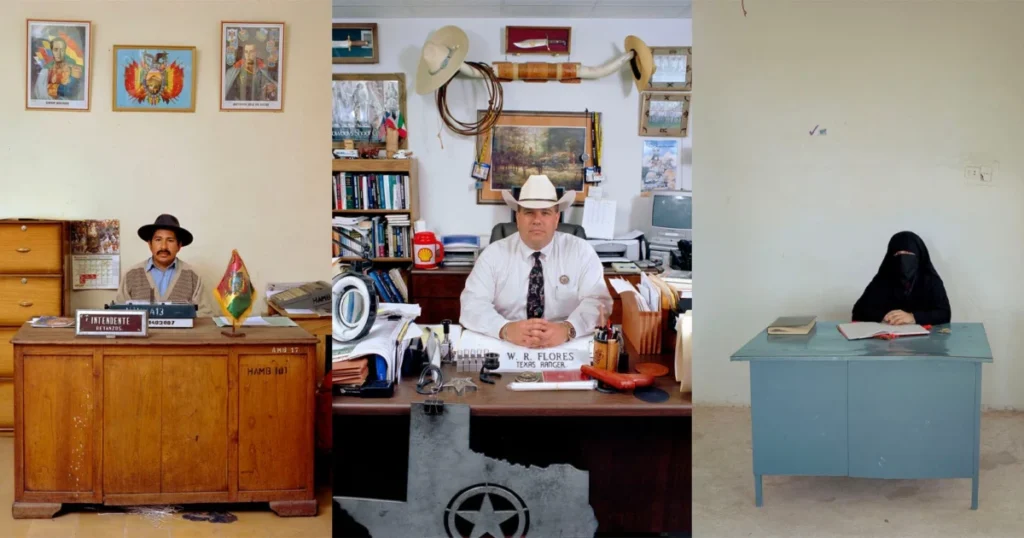

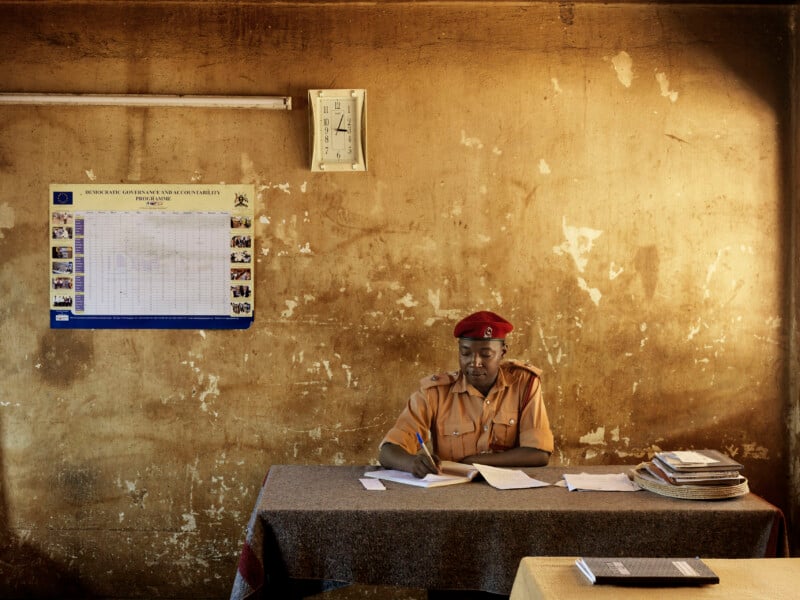
For over two decades, Dutch photographer Jan Banning has engaged in an exhaustive, globe-spanning examination of the administrative apparatuses that dictate the rhythm of modern society. His latest project, Bureaucratics Revisited, serves as an expansive update to his seminal 2008 work, Bureaucratics. By revisiting his vast archive and incorporating new, previously unseen imagery, Banning offers an unflinching, deadpan look at the individuals who operate within the machinery of the state. These environmental portraits, captured across eight countries—ranging from the high-security archives of Uganda to the provincial offices of rural India and the police stations of Siberia—strip away the abstraction of "government" to reveal the human beings who inhabit it.
A Chronology of a Global Administrative Study
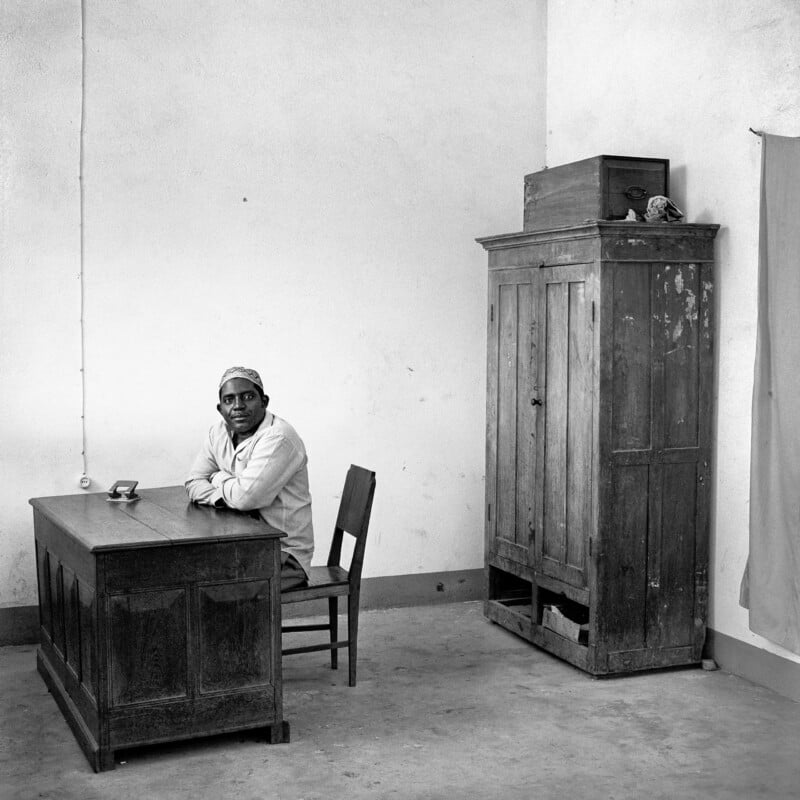
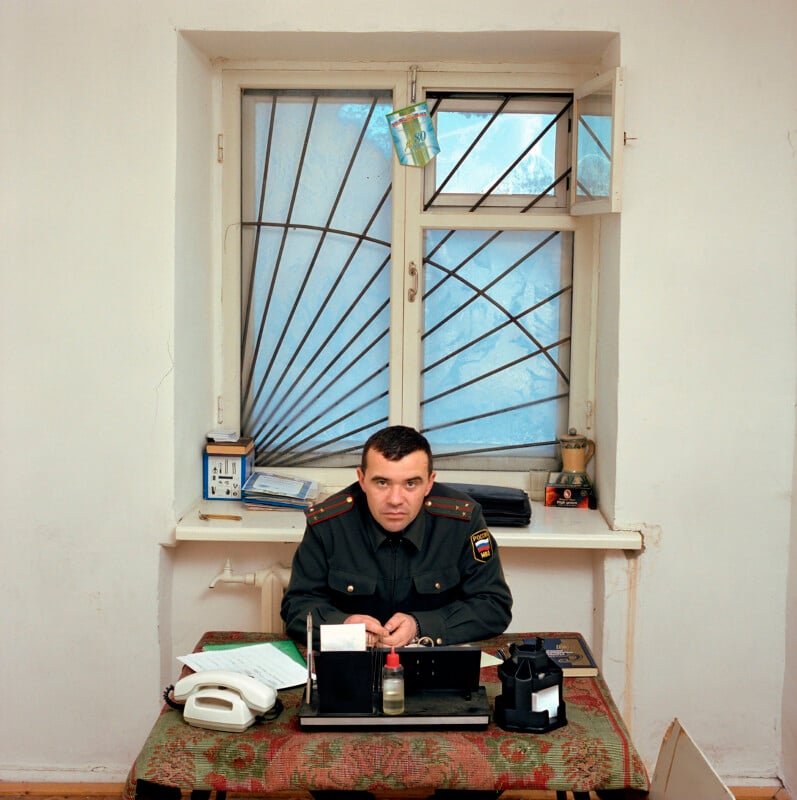
The genesis of this project traces back to 2002, a period characterized by a growing global interest in the reach of governmental institutions. Banning’s methodology remained consistent throughout his five-year initial journey: he photographed his subjects in their offices, utilizing a square format and a fixed, frontal perspective. By positioning his camera at the eye level of a citizen entering the office to conduct business, Banning democratized the viewpoint, placing the viewer in the position of the governed rather than the governor.
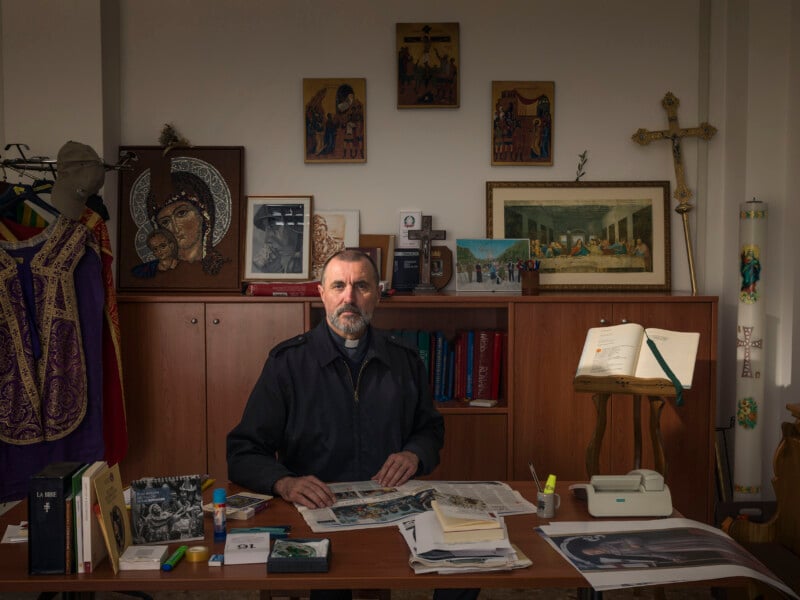
The 2008 publication of the original Bureaucratics book established a new standard for ethnographic photography. It was not merely a collection of images but a comparative sociological study. In the years that followed, Banning continued to refine his collection, eventually curating the Revisited edition to bridge the gap between his earlier work and the contemporary landscape of state management. The project covers a diverse range of regions, including India, Yemen, Bolivia, China, Colombia, France, Liberia, Mozambique, Russia, Uganda, and the United States, providing a rare look at the functional and aesthetic commonalities of bureaucratic space across wildly different political systems.
The Aesthetics of Authority and Personality
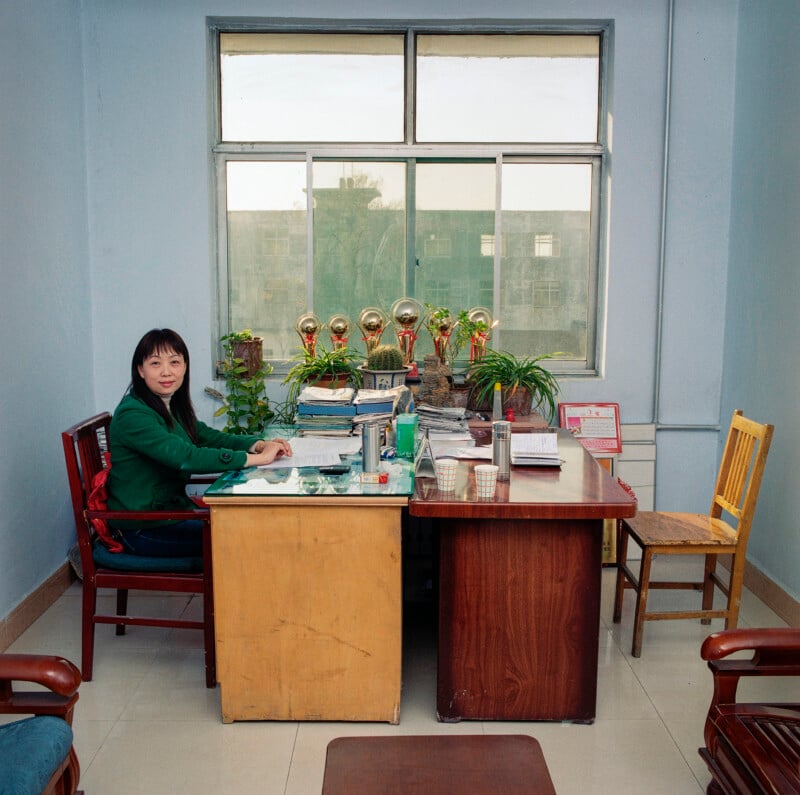
A core component of Banning’s work is the dialogue between the rigid formality of state office and the idiosyncrasies of the individual worker. The offices captured in these portraits often function as a performative representation of authority, yet they are simultaneously intimate, personal workspaces.
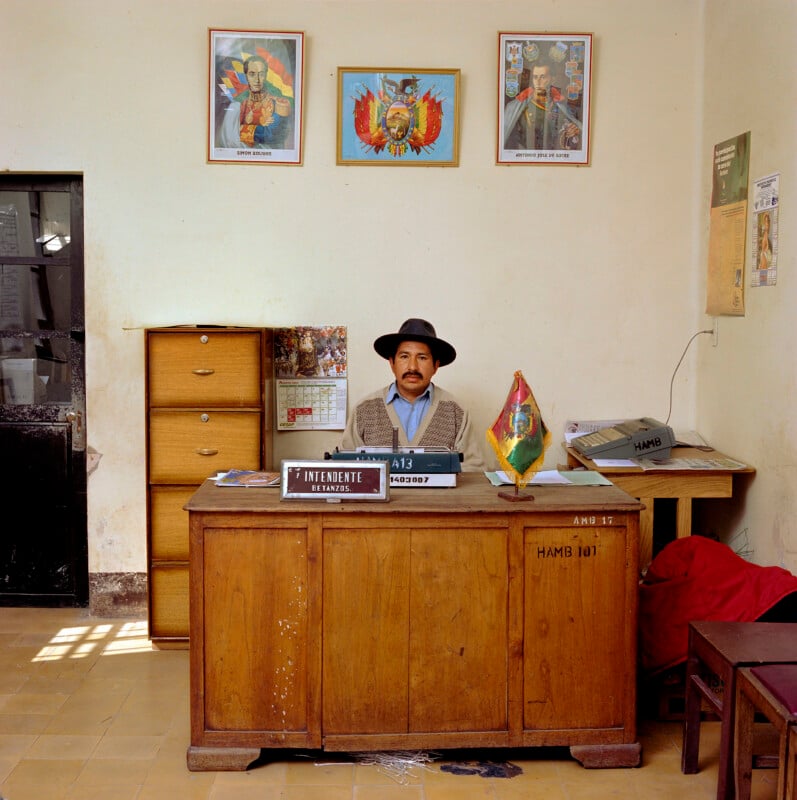
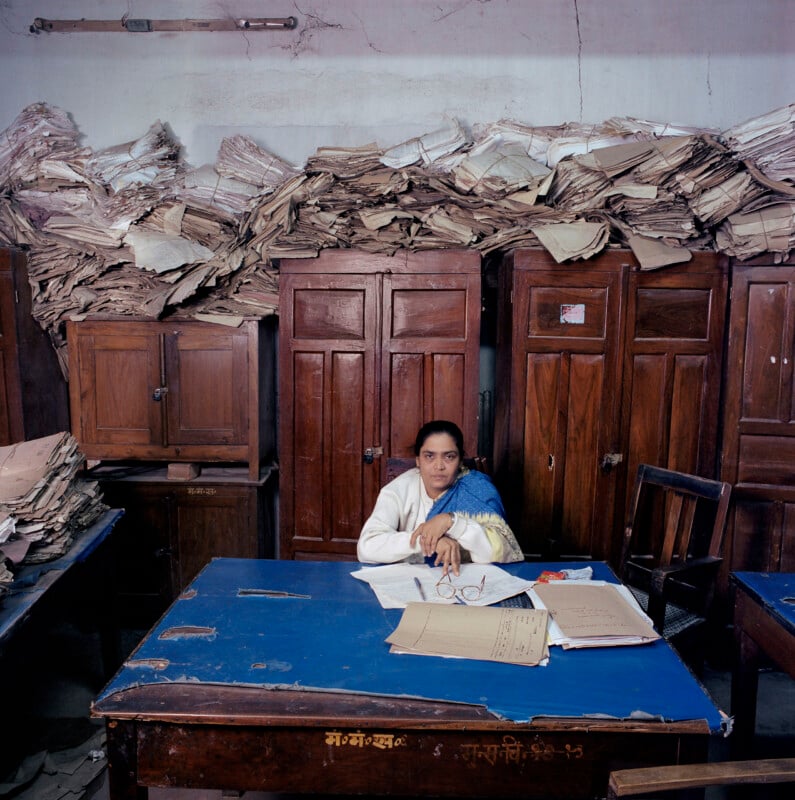
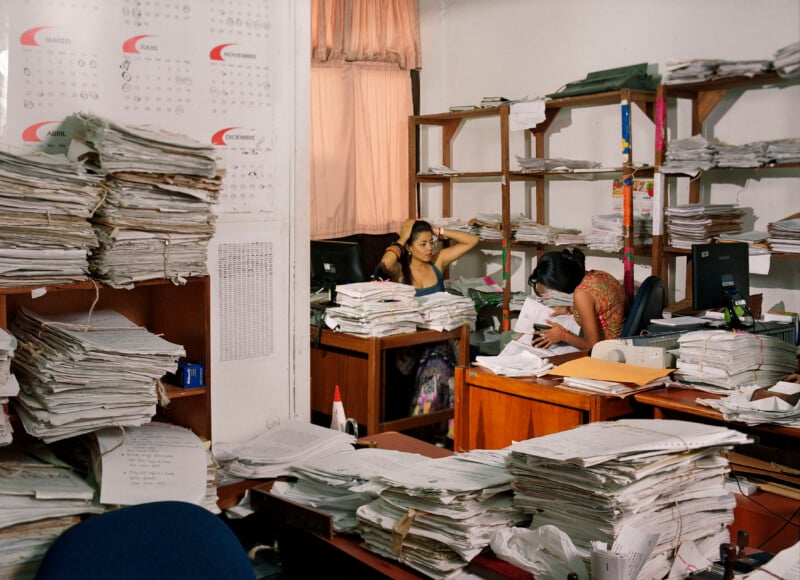
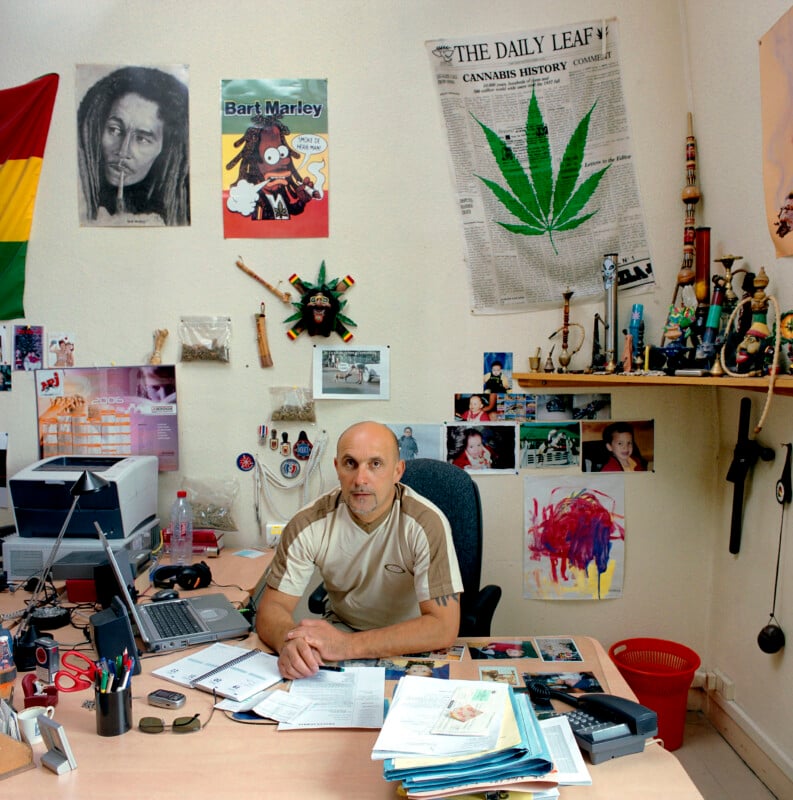
For instance, the portrait of Sushma Prasad, an assistant clerk in Bihar, India, presents a workspace overwhelmed by the physical weight of paper documentation—an evocative symbol of the slow-moving, paper-heavy nature of state administration. In stark contrast, other images show office walls adorned with personal memorabilia: a Texas Ranger’s office featuring western iconography or a French narcotics agent surrounded by pop culture posters. These details serve as a reminder that behind the veneer of institutional neutrality, the state is sustained by people with personal histories, varying levels of access to resources, and distinct cultural influences.
The logistical difficulty of this project cannot be overstated. As noted by renowned photographer Martin Parr in the book’s foreword, gaining access to photograph these spaces is a significant achievement in its own right. Negotiating the permission to document offices in countries with varying degrees of political transparency required immense persistence and diplomacy.
Comparative Data and Regional Realities
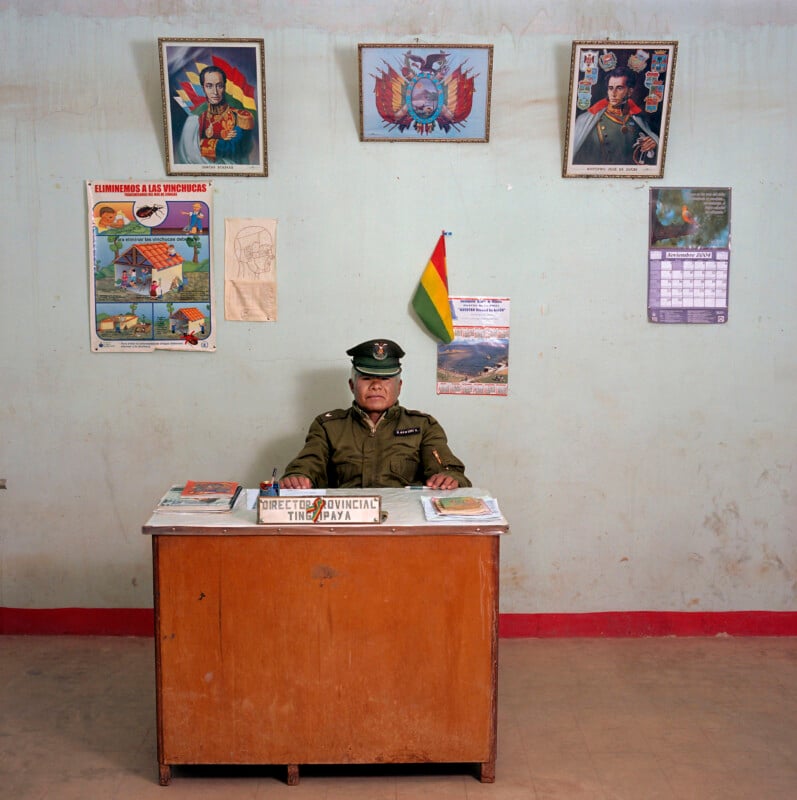
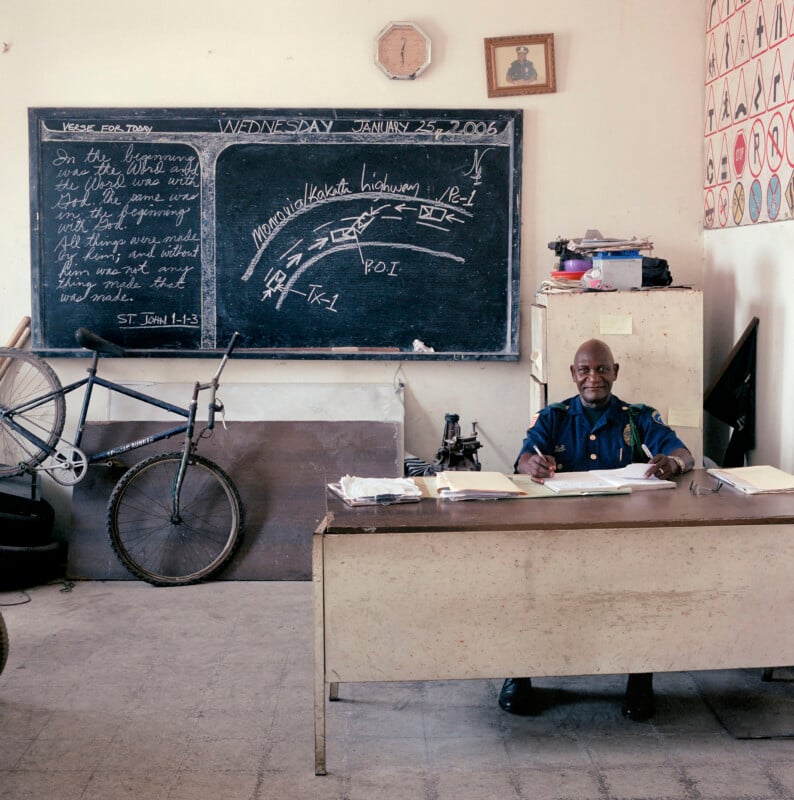
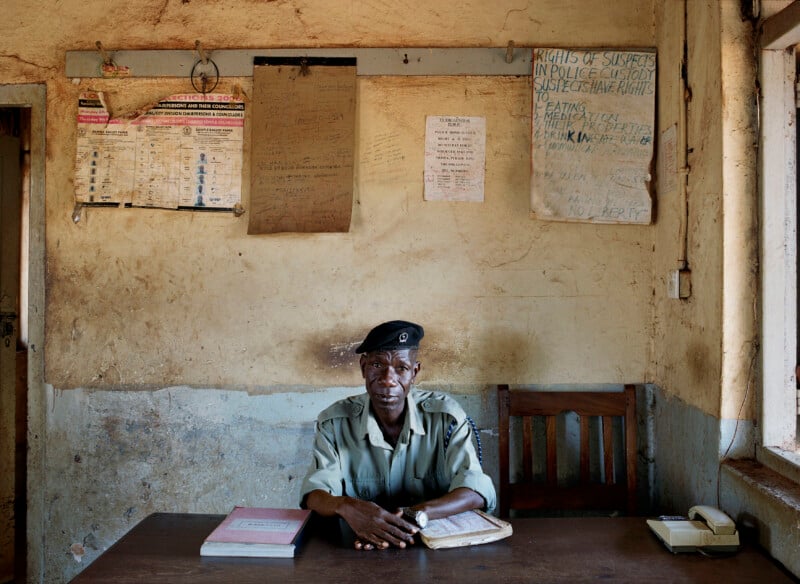
Banning’s work highlights the vast disparities in administrative resources globally. In the municipality of Tinguipaya, Bolivia, his documentation of police officer Constantino Aya Viri Castro reveals a station lacking basic amenities such as telephones, vehicles, or even typewriters. Similarly, the documentation of police in Siberia and rural Uganda underscores how state authority is often projected through sheer presence rather than modern infrastructure.
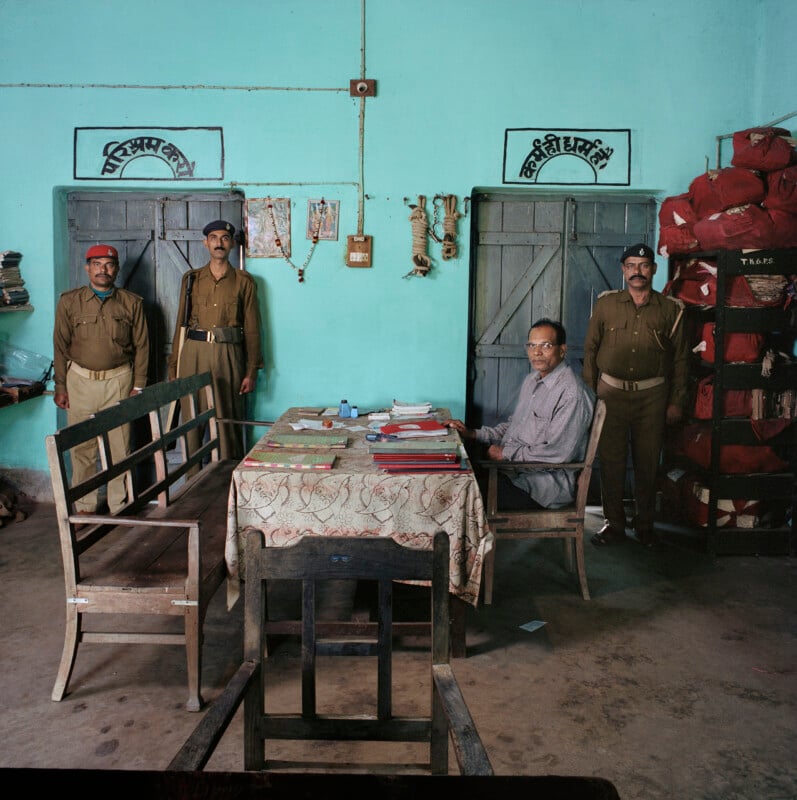
In these instances, the "bureaucrat" is not an anonymous cog in a high-tech machine, but a person managing the state with limited tools. The data presented in the accompanying captions—such as population figures for the regions served and the specific titles of the civil servants—provides a sobering look at the scale of responsibility held by these individuals. For example, the Chief Jailor at the Kirinya Main Prison in Uganda oversees a facility operating far beyond its designed capacity, a fact that speaks volumes about the challenges of the justice system in the region.
The Role of Technology in Documentation
Technologically, Banning’s journey tracks the evolution of medium-format photography. His work began with the Bronica SQ-Ai, a film-based camera known for its reliability and square-format capabilities. As the project progressed, he transitioned to the Fuji GX-680III, and eventually, the Hasselblad H5. This progression toward higher-resolution, more precise digital capture has allowed for the "deadpan clarity" that defines the Revisited collection. The consistency in his aesthetic choices—despite the shift in hardware—serves to emphasize the uniformity of the bureaucratic experience regardless of the tools used or the decade in which the photo was taken.
Broader Implications and Societal Impact
The publication of Bureaucratics Revisited invites a deeper analysis of the relationship between the state and the citizen. While we often interact with the "state" as an abstract entity, Banning’s work re-centers the focus on the individuals who serve as the point of contact. This has profound implications for how we view public service, institutional efficacy, and the persistence of traditional, paper-based systems in an increasingly digitized world.
The archival nature of the work also serves as a historical document. By capturing the state of these offices in the early 2000s and comparing them with more recent images, Banning inadvertently maps the technological transition of global administration. In some regions, the move toward digital record-keeping is evident, while in others, the stacks of physical files remain a testament to the enduring reliance on manual, bureaucratic processes.
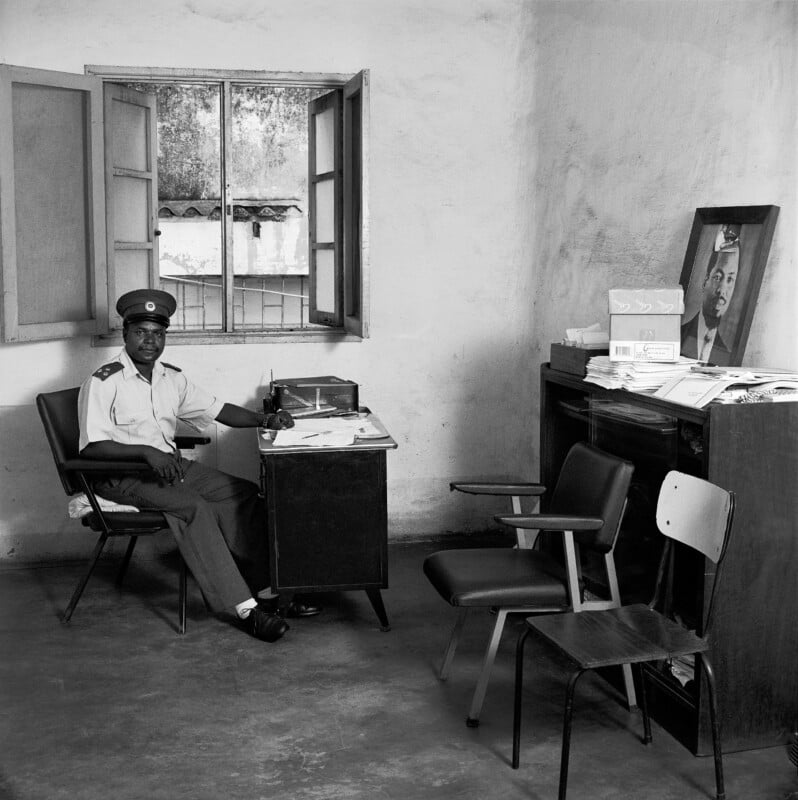
Furthermore, the "performative" aspect of the offices is a subject of ongoing academic interest. Anthropologists have long debated the power dynamics inherent in office layout and decor. By systematically documenting these spaces, Banning provides a visual database for analyzing how power is curated and maintained. The use of flags, portraits of political leaders, and certificates of merit on the walls is a universal language of institutional legitimacy, one that Banning captures with surgical precision.
Conclusion
Bureaucratics Revisited is more than a photography book; it is a profound anthropological study. By shifting the lens away from the politicians who set policy and toward the clerks, constables, and jailors who implement it, Banning offers a unique perspective on the true reach of the state. The project acts as a mirror, forcing the viewer to confront the invisibility of the infrastructure that governs our daily lives.
As global societies continue to debate the future of governance and the role of the state, Banning’s collection serves as a vital record of the "human face" of authority. It is an ironic, humane, and deeply necessary exploration of the administrative machinery that remains, for the most part, completely hidden from the public eye. The work is currently available through the artist’s official platform, offering a comprehensive look at the archive that has defined Banning’s career and challenged our perception of state power.
Through his consistent, rigorous approach, Banning has succeeded in doing what few have attempted: making the invisible visible, and in doing so, humanizing the cold, hard logic of the bureaucracy. The revisited edition stands as a definitive volume, capturing the evolution of a project that remains as relevant today as it was when the first shutter clicked in 2002.