
The digital marketing landscape is currently undergoing its most significant transformation since the inception of the search engine. As Large Language Models (LLMs) such as ChatGPT, Perplexity, and Claude become primary interfaces for information retrieval, the traditional metrics of search engine optimization (SEO) are being challenged. Recent industry analysis reveals a startling paradox: a website can rank on the first page of Google and yet remain completely invisible to AI-driven answer engines. The mechanism responsible for this shift is a background process known as "query fan-out," a sophisticated method AI systems use to decompose user intent and synthesize comprehensive responses from across the web.
The Mechanics of Query Fan-Out
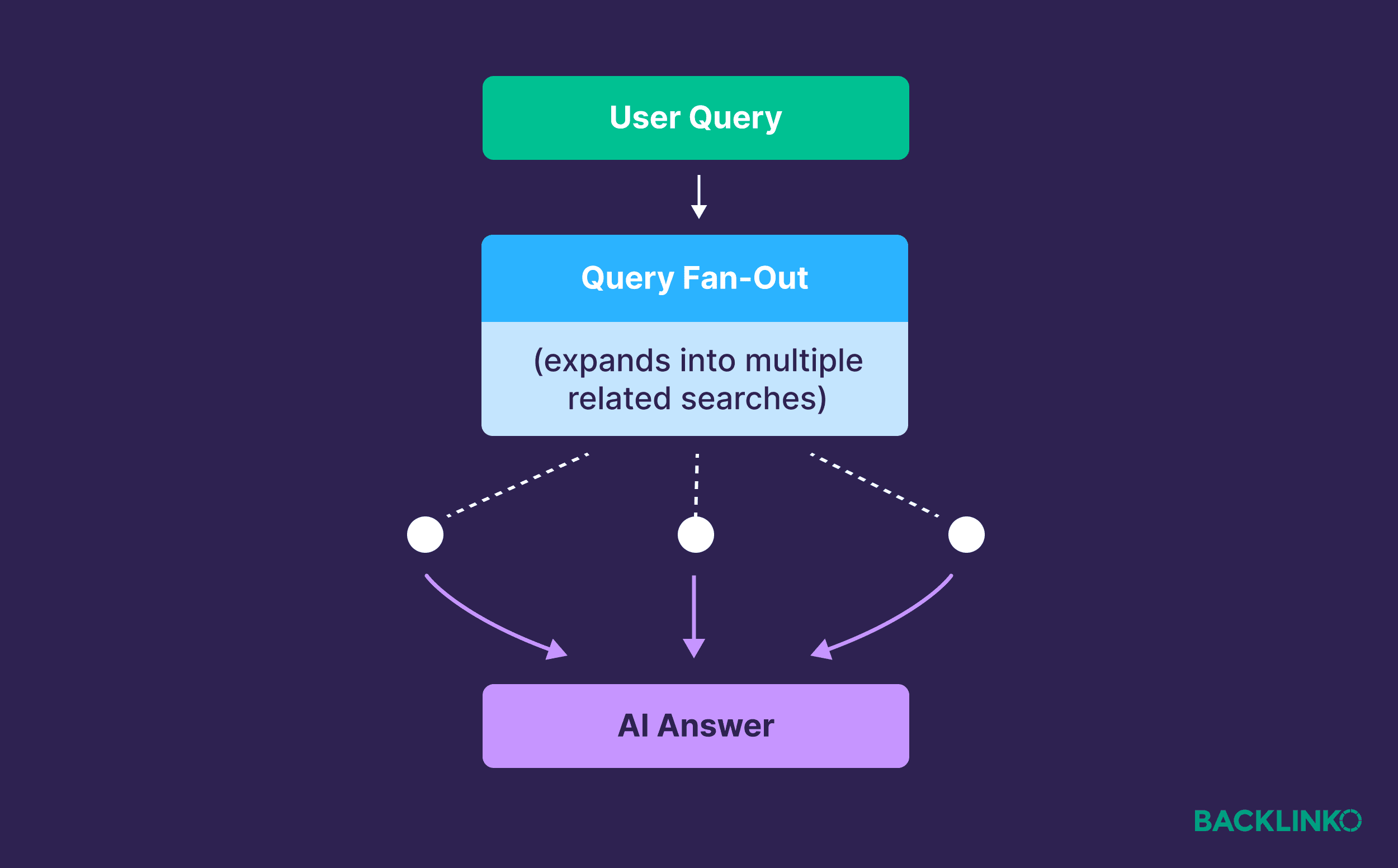
Query fan-out is the technical process by which an AI search system takes a single, often brief, user prompt and expands it into a series of related sub-queries. When a user asks a question, the AI does not simply look for a "best-ranking" page; instead, it "fans out" the original query to build a multi-dimensional understanding of the topic. This allows the system to pull from various relevant and reliable sources, regardless of their traditional search engine results page (SERP) position.
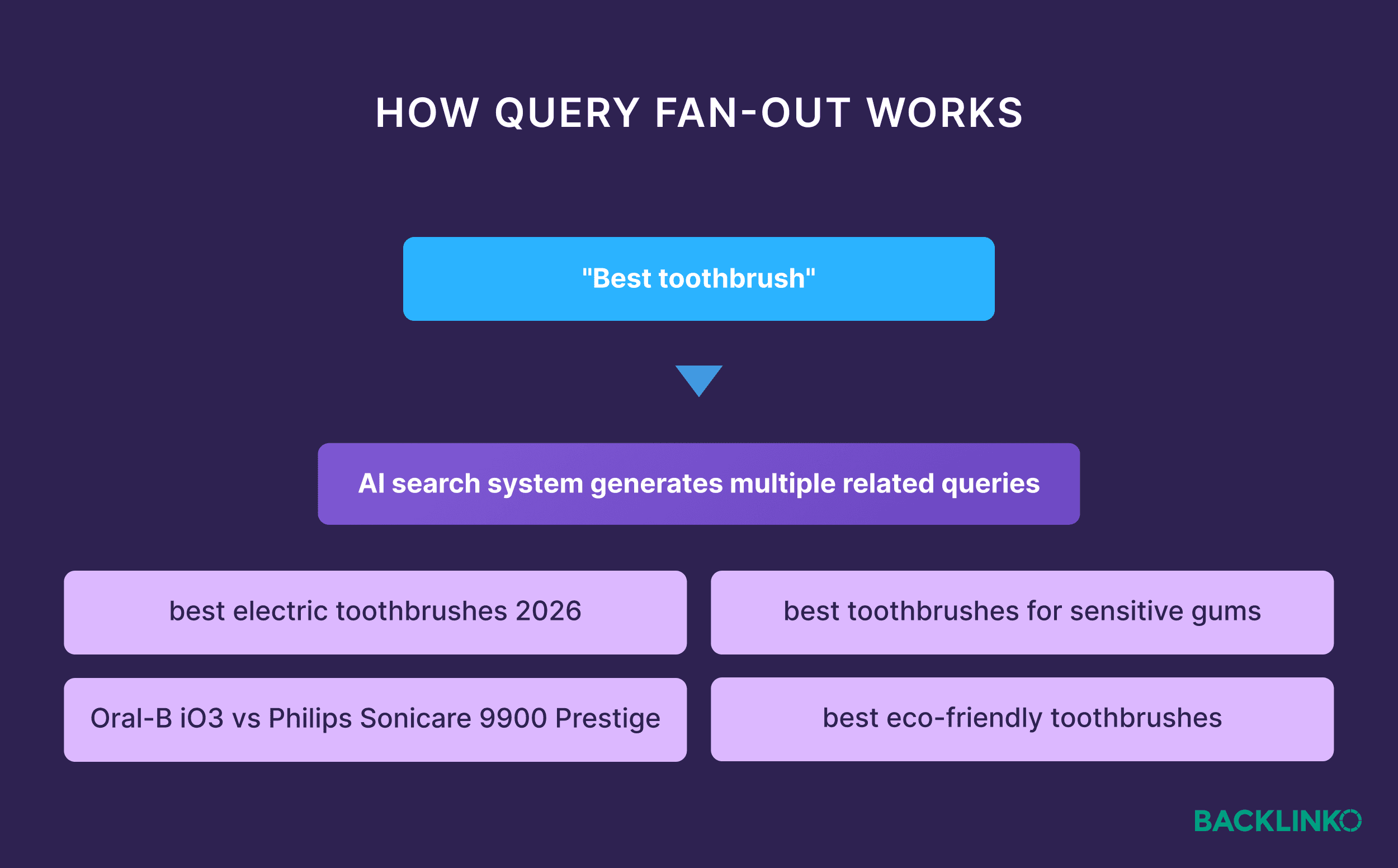
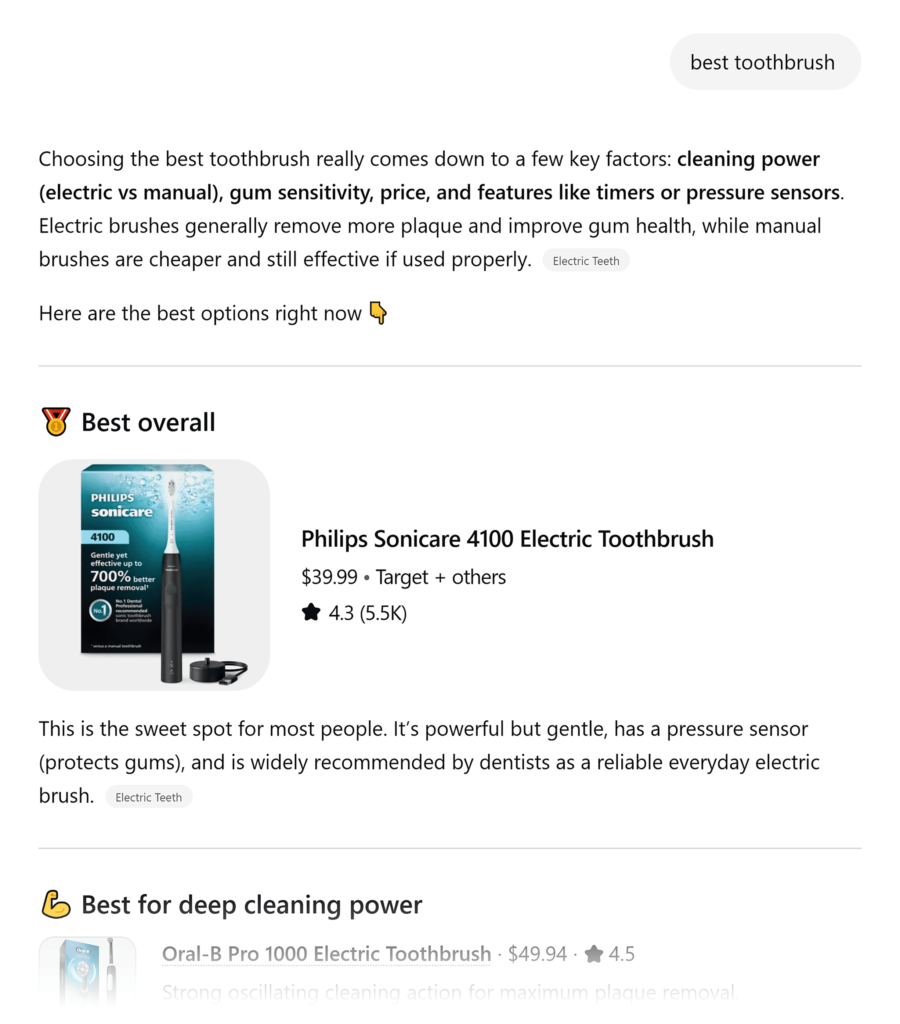
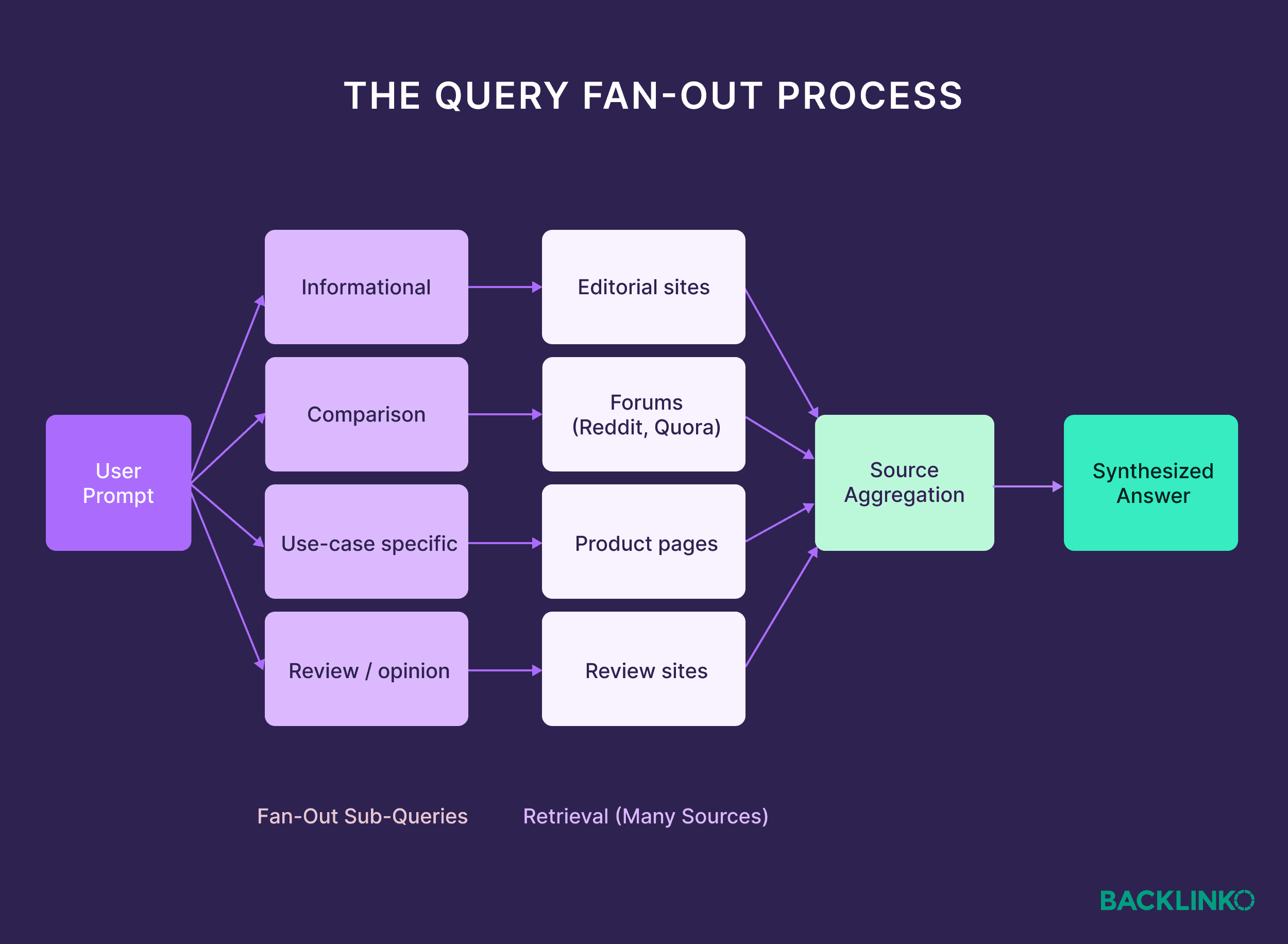
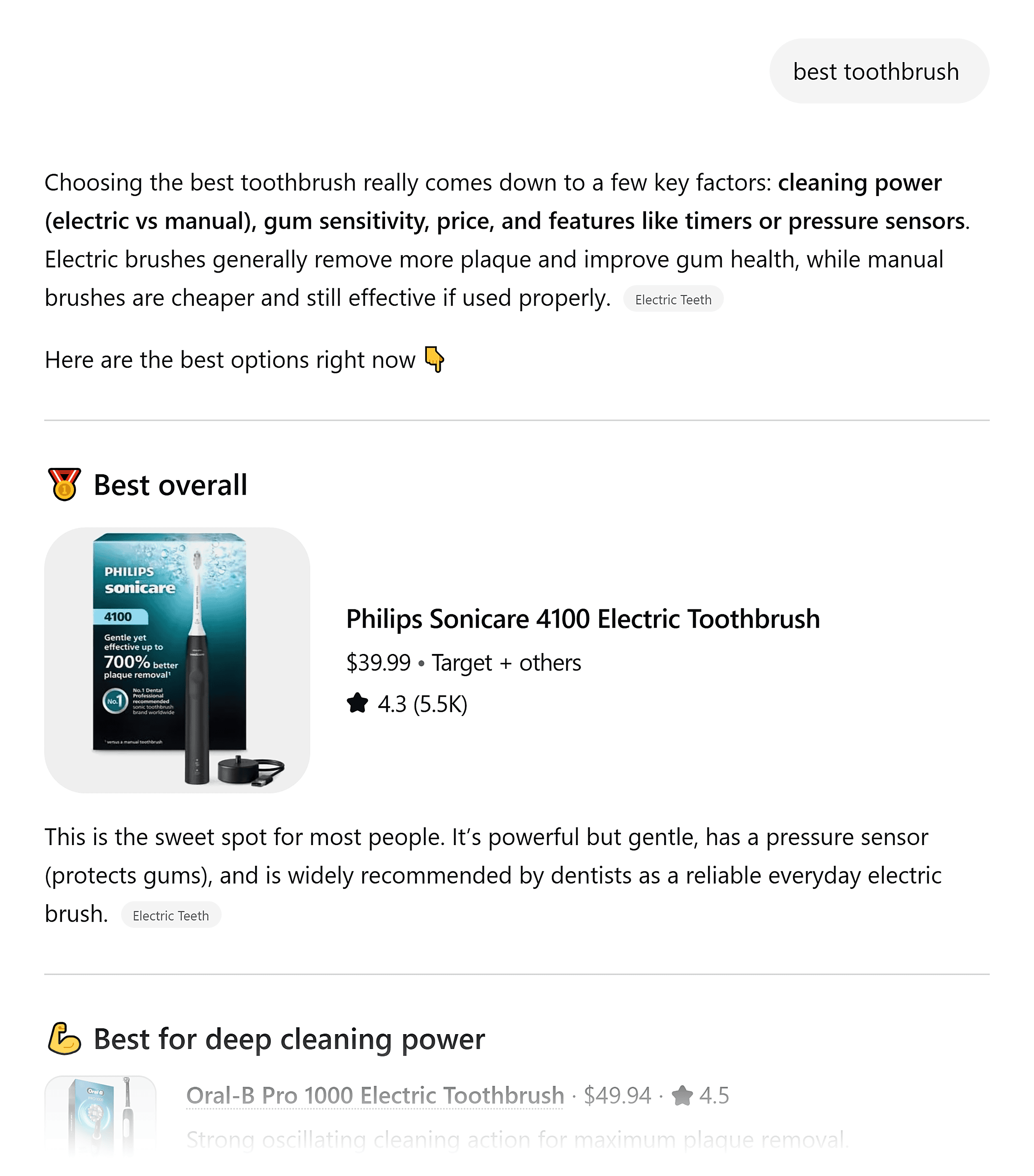
For example, a search for "best toothbrush" triggers the AI to run internal searches for "best electric toothbrushes 2024," "toothbrushes for sensitive gums," and "eco-friendly oral care options." By synthesizing data from editorial reviews, Reddit discussions, and technical product pages, the AI creates a comprehensive answer that anticipates the user’s next several questions. This process shifts the priority from "ranking" to "retrievability" and "coverage."
A Chronology of Search Evolution
To understand the impact of query fan-out, one must look at the timeline of search technology. For over two decades, the "Ten Blue Links" model defined the internet. Users entered keywords, and Google provided a list of relevant URLs. The introduction of the Knowledge Graph in 2012 began the transition toward "entities" rather than just strings of text.
By 2022, with the public release of ChatGPT, the paradigm shifted toward Retrieval-Augmented Generation (RAG). In this current era, search is no longer a linear path from query to link. It is a conversational synthesis. The timeline of this evolution suggests that we have moved from "indexing the web" to "reasoning about the web." Query fan-out is the operational engine of this reasoning phase, allowing AI to act as a researcher rather than a simple librarian.
The Statistical Disconnect: Rankings vs. Citations
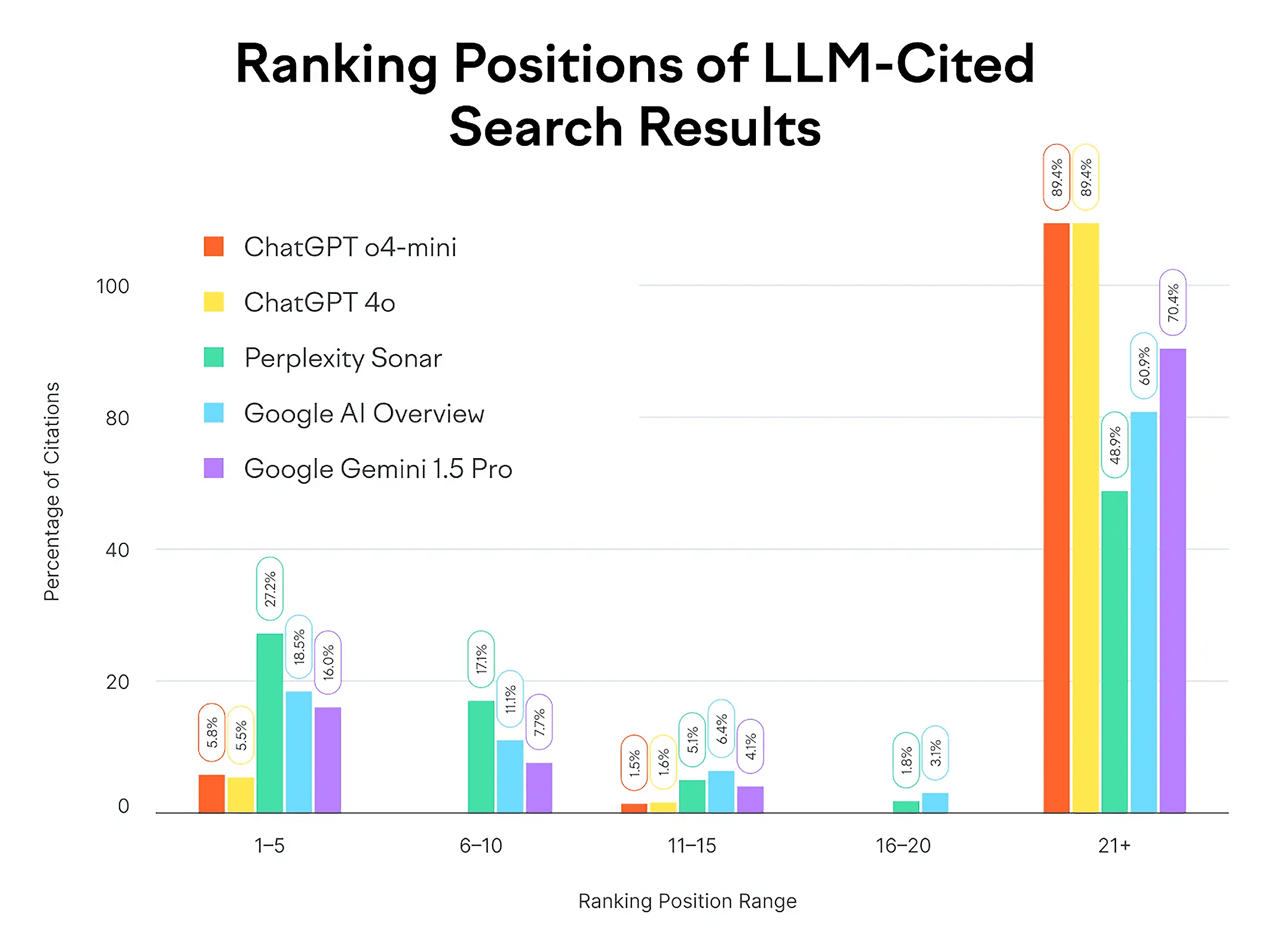
Data provided by industry leaders like Semrush and Backlinko highlights a growing gap between traditional rankings and AI citations. A comprehensive study of the impact of AI search on SEO traffic found that ChatGPT cites pages in position 21 or lower nearly 90% of the time. This suggests that the AI’s selection criteria are based on the specific relevance of a passage to a sub-query, rather than the overall domain authority or backlink profile that dictates traditional rankings.
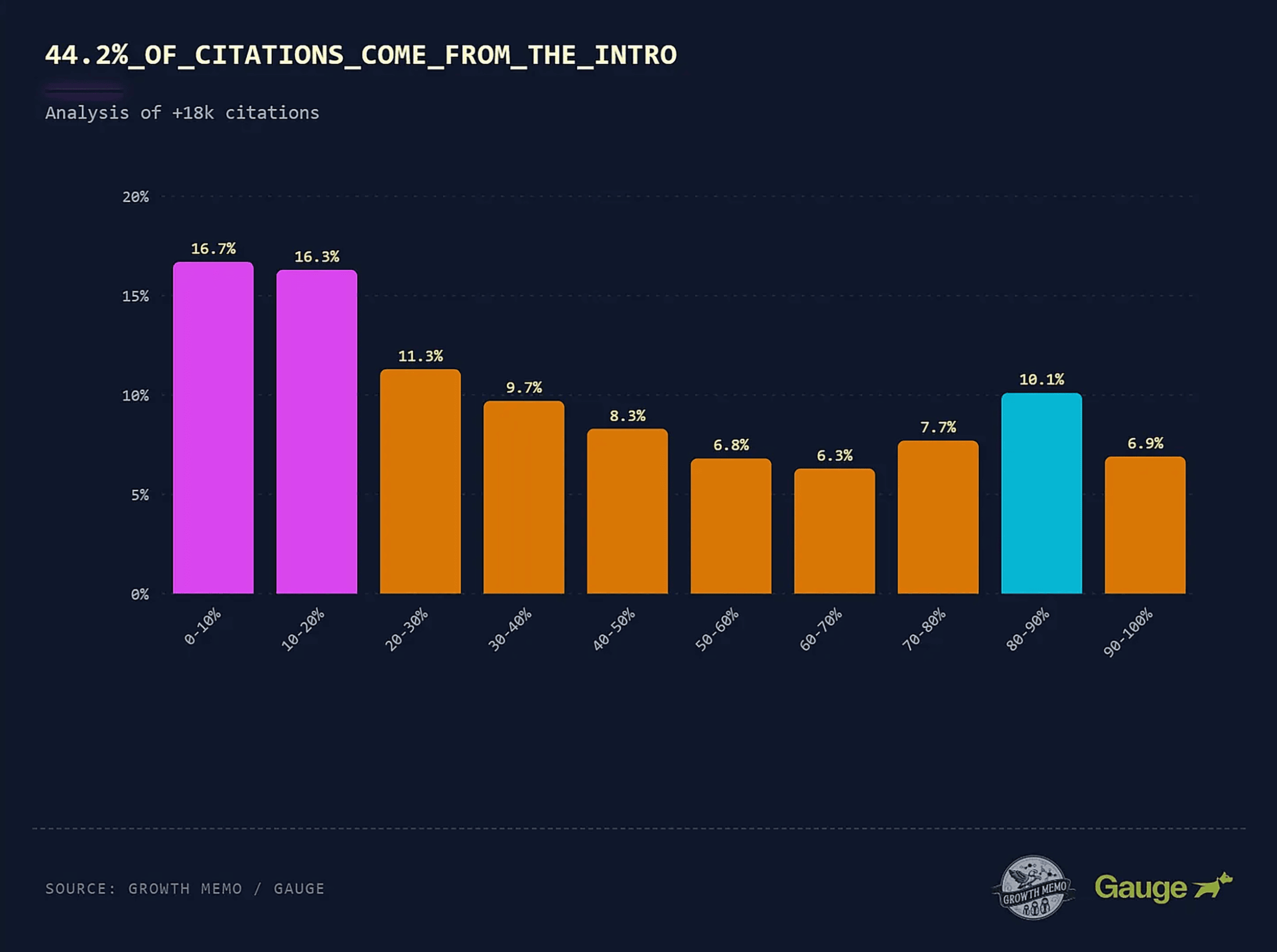
Furthermore, the "science of attention" in AI systems reveals that the location of information on a page is critical. Analysis of 1.2 million ChatGPT responses indicates that 44.2% of citations are extracted from the first 30% of a webpage. This "front-loading" of information is essential for AI visibility, as the models prioritize efficiency in scanning and extracting data to satisfy the fan-out process.
The Strategic Workflow for AI Visibility
In response to these changes, digital strategists are adopting a six-step workflow designed to align content with the query fan-out process. This methodology moves beyond keyword research and into the realm of "money prompts"—the specific, high-intent questions that lead a consumer to a purchasing decision.
Step 1: Identifying Money Prompts
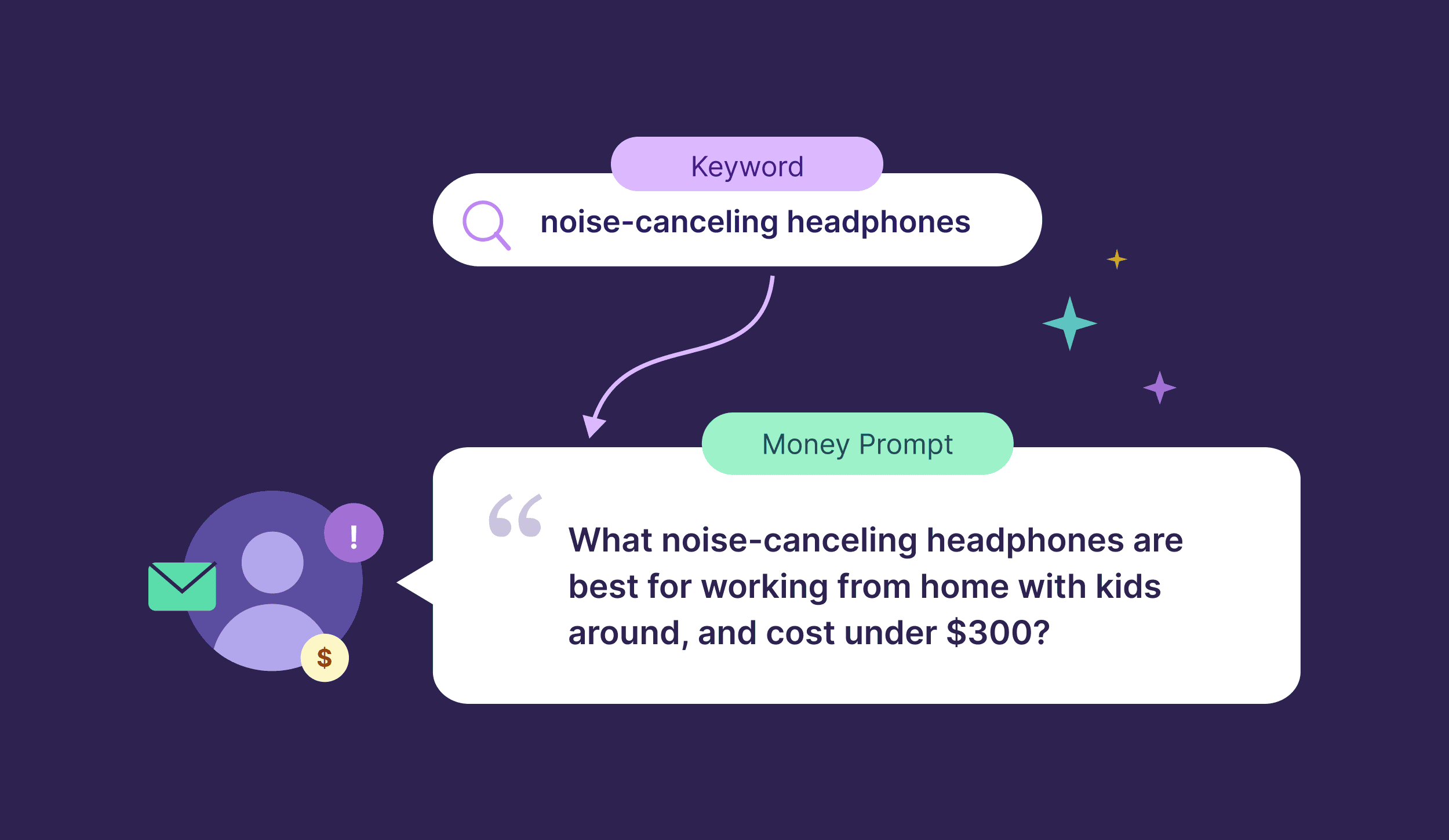
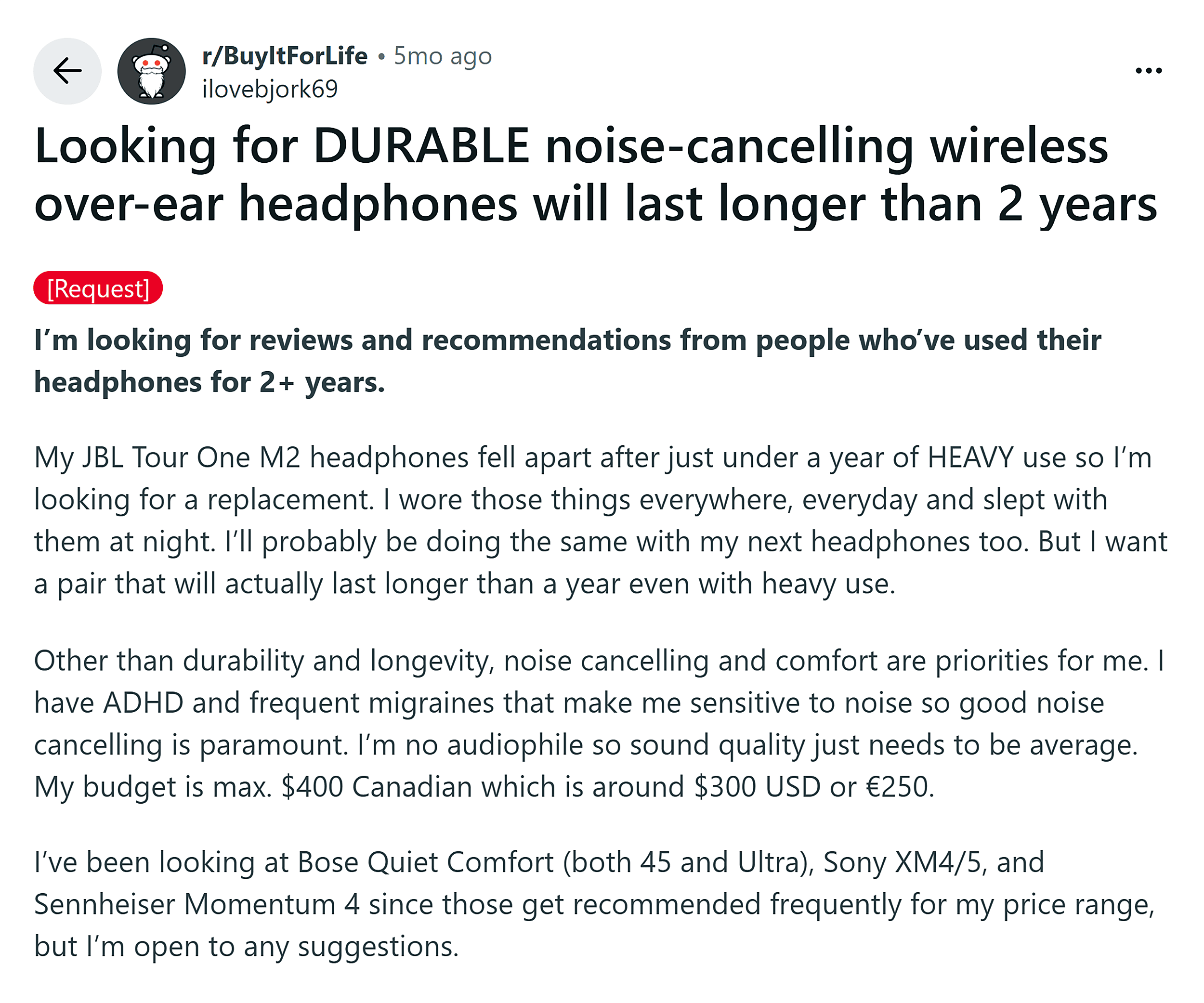
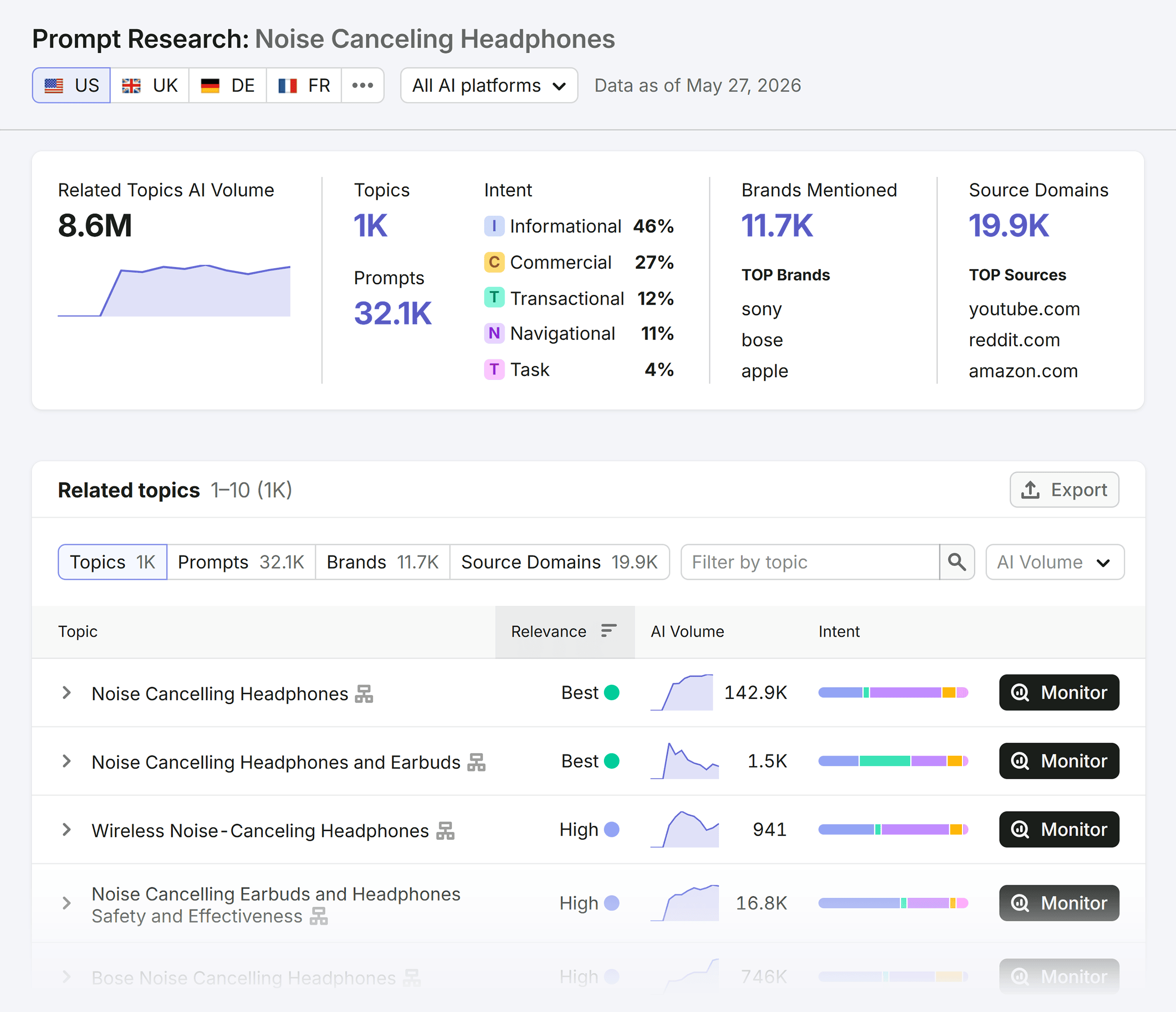
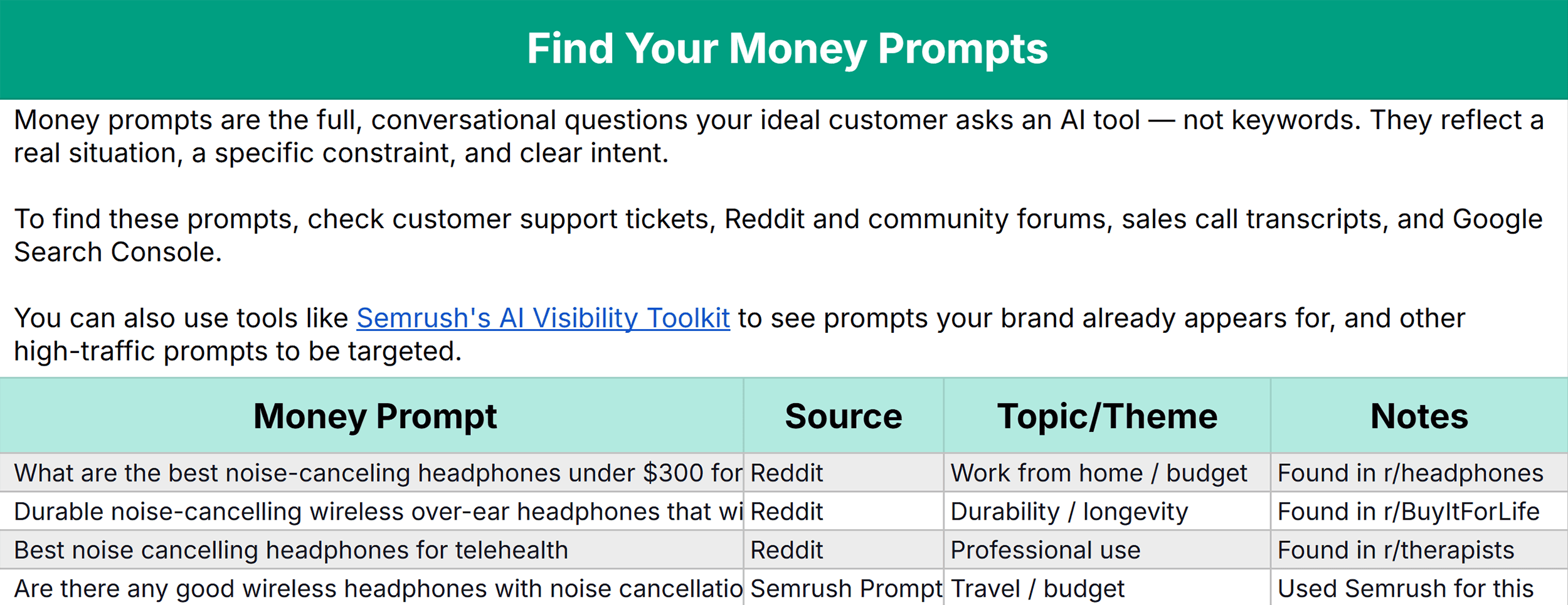
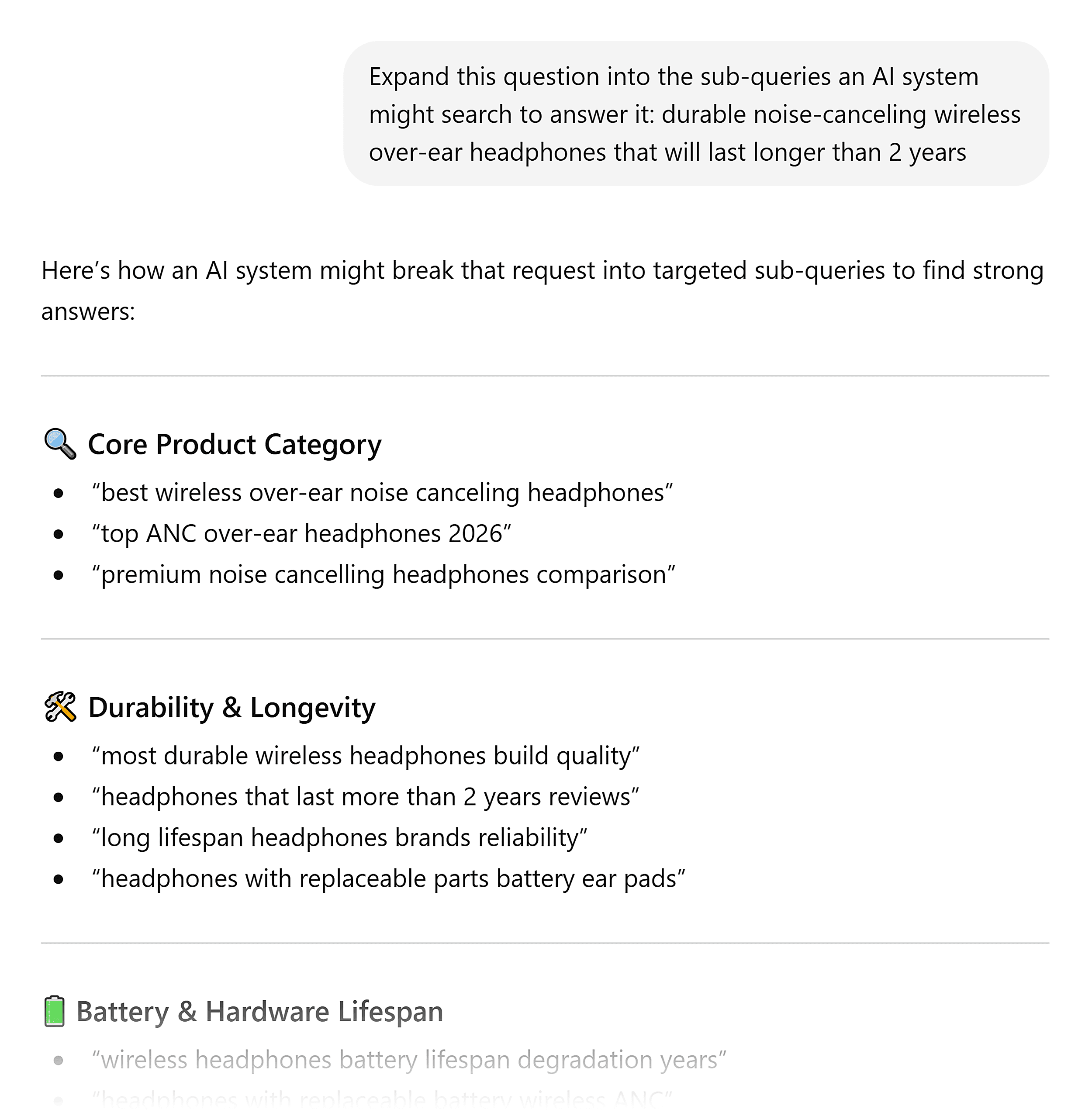
Money prompts are conversational phrases that represent high commercial intent. Unlike a keyword like "headphones," a money prompt might be: "What are the most durable noise-canceling headphones for a frequent traveler under $300?" Identifying these requires analyzing community forums, Reddit threads, and AI visibility tools to see what users are actually asking.
Step 2: Generating the Fan-Out Set
Once a primary prompt is identified, strategists use AI tools to predict how the query will be expanded. This involves running the prompt through various LLMs to see the sub-queries they generate behind the scenes. This "fan-out set" serves as a roadmap for the content that needs to be created or optimized.

Step 3: Intent Bucketing
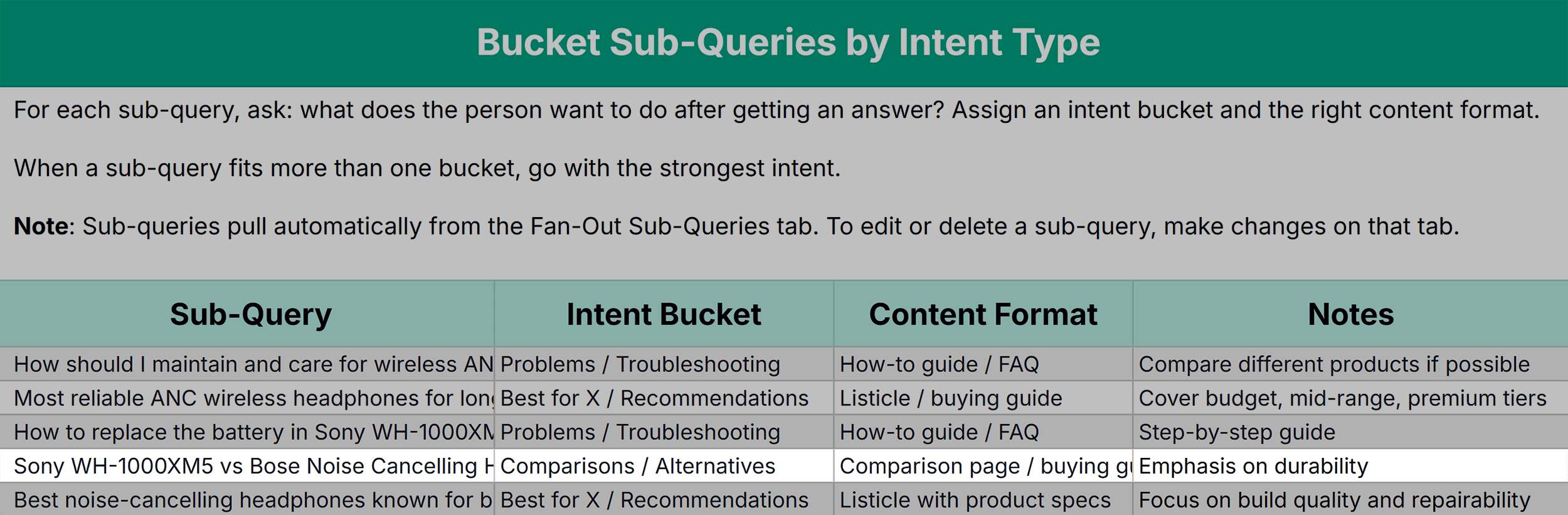
Sub-queries are then categorized by intent: Definitions, Comparisons, Troubleshooting, or Pricing. Each bucket requires a different content format. A "comparison" sub-query is best served by a structured table, while a "troubleshooting" query requires a concise, step-by-step guide.
Step 4: Gap Analysis
Organizations must audit their existing content to see where it fails to address the fan-out set. If a brand is mentioned in a broad AI answer but lacks the specific data to satisfy a "personalized" sub-query (e.g., "best for small apartments"), that represents a critical gap in AI visibility.
Step 5: Structuring for Extraction
AI systems do not read pages; they extract passages. To be cited, content must be "scannable" for an LLM. This includes using descriptive H2 and H3 subheadings, front-loading answers in the first paragraph of a section, and utilizing structured data or comparison tables that allow the AI to pull facts without needing the surrounding context.
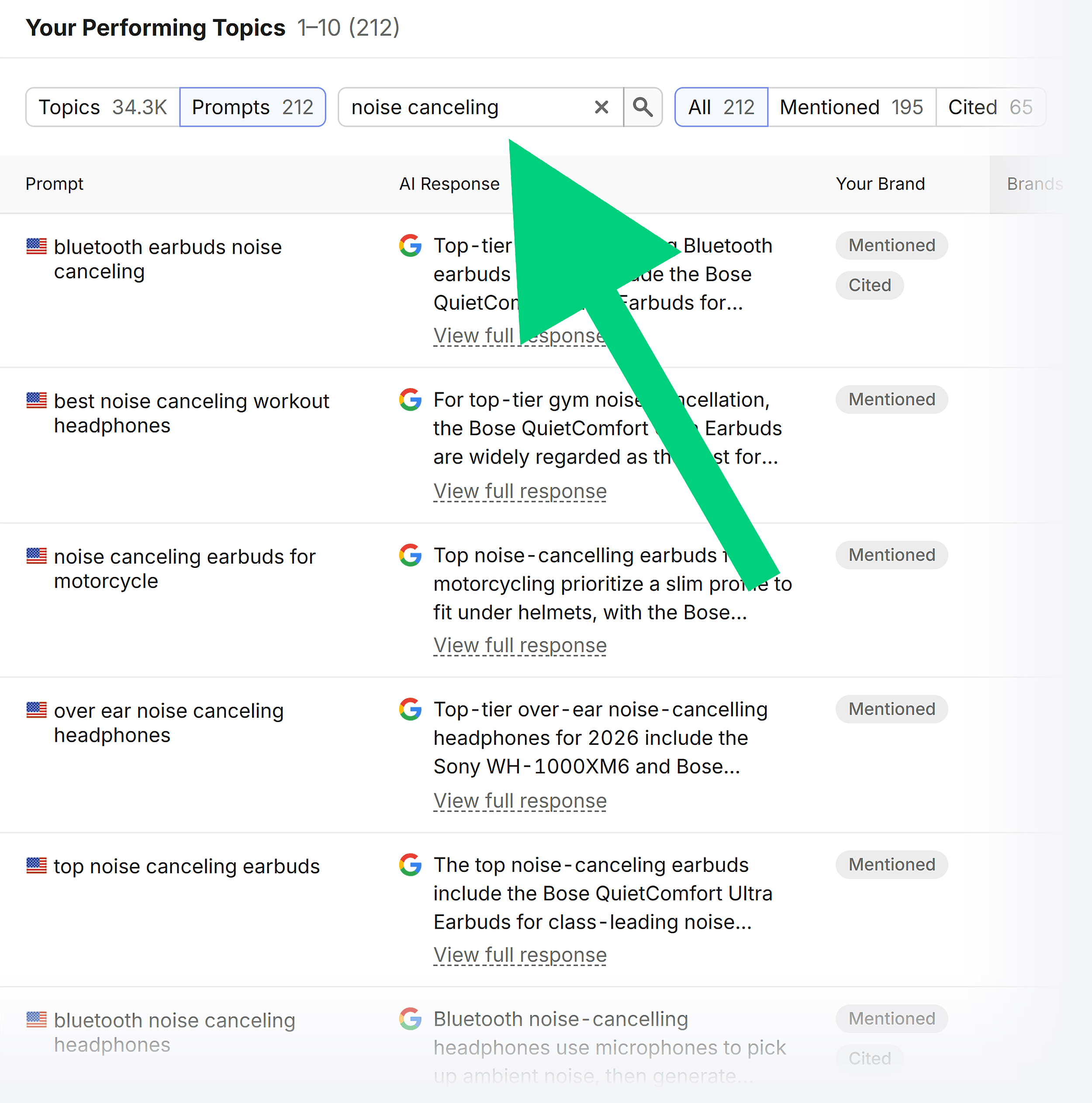
Step 6: Performance Measurement
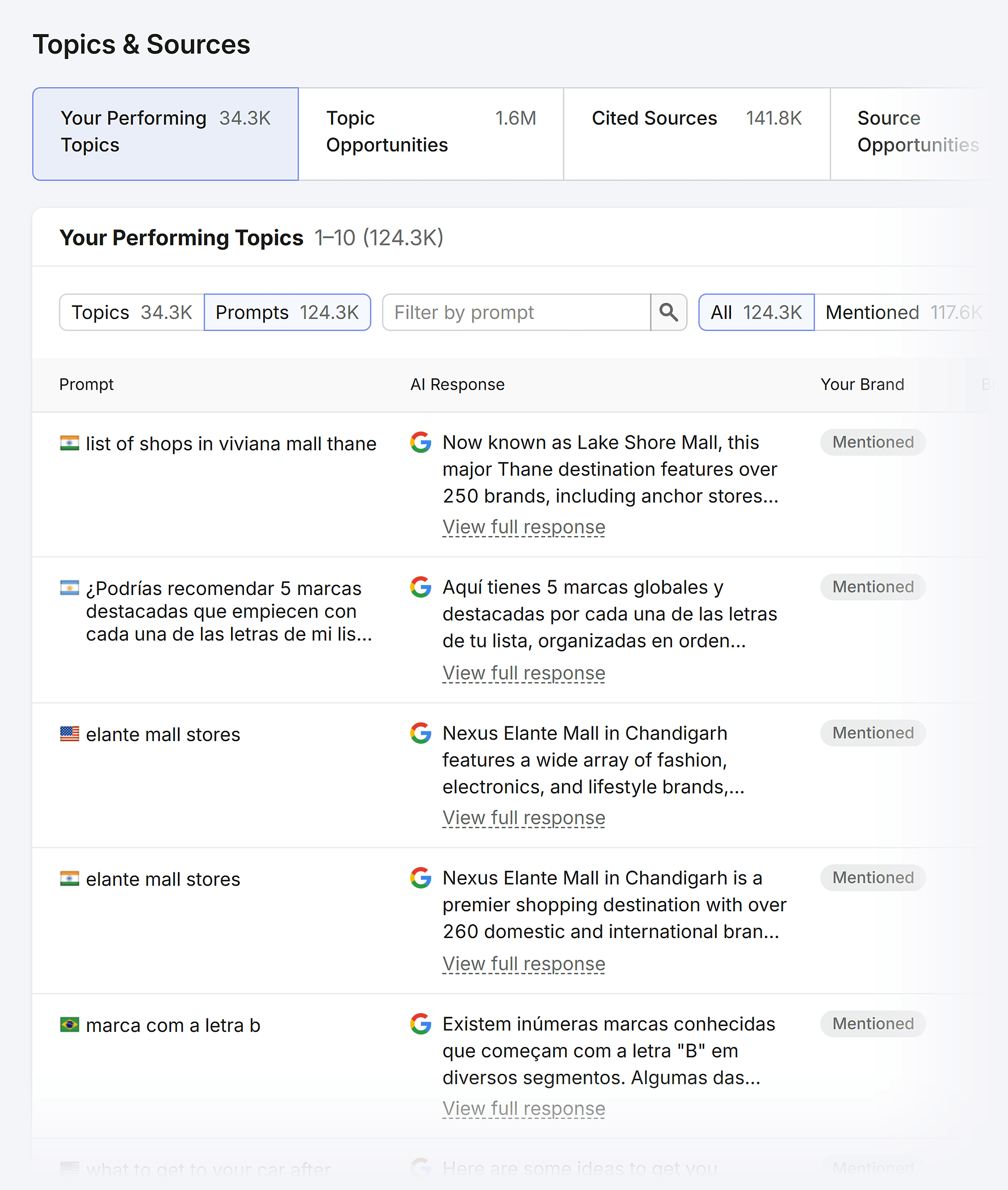
Finally, brands are beginning to track "AI Visibility Scores"—a metric that measures how often a brand appears in LLM responses compared to its competitors. This involves monitoring sentiment and the "drivers" of that sentiment, such as whether an AI describes a product as "high quality" or "overpriced."
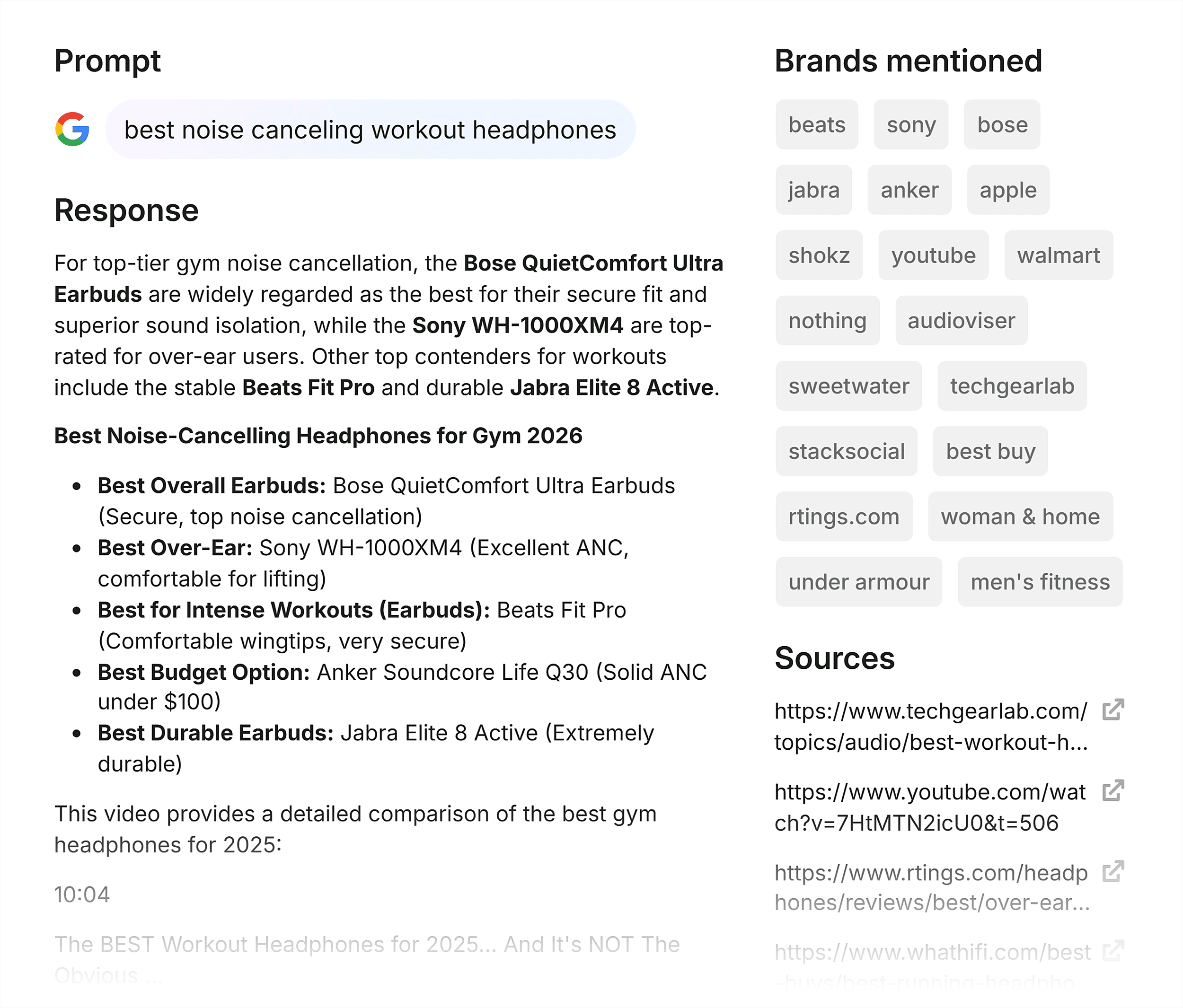
Platform-Specific Behaviors
The application of query fan-out varies across platforms, requiring a nuanced approach to optimization.
- ChatGPT: Uses internal reasoning and live web searches for fresh data. It often pulls from third-party sources like Reddit, making "topical authority" across the web vital.
- Perplexity: Combines conversational context with real-time search, often pairing a page with a user’s past search history.
- Claude: Prioritizes clarifying intent before searching, leading to fewer but more targeted sub-queries.
- Google AI Overviews: Synthesizes Google’s existing index into condensed summaries, rewarding content that is highly structured and factual.
Broader Impact and Industry Implications
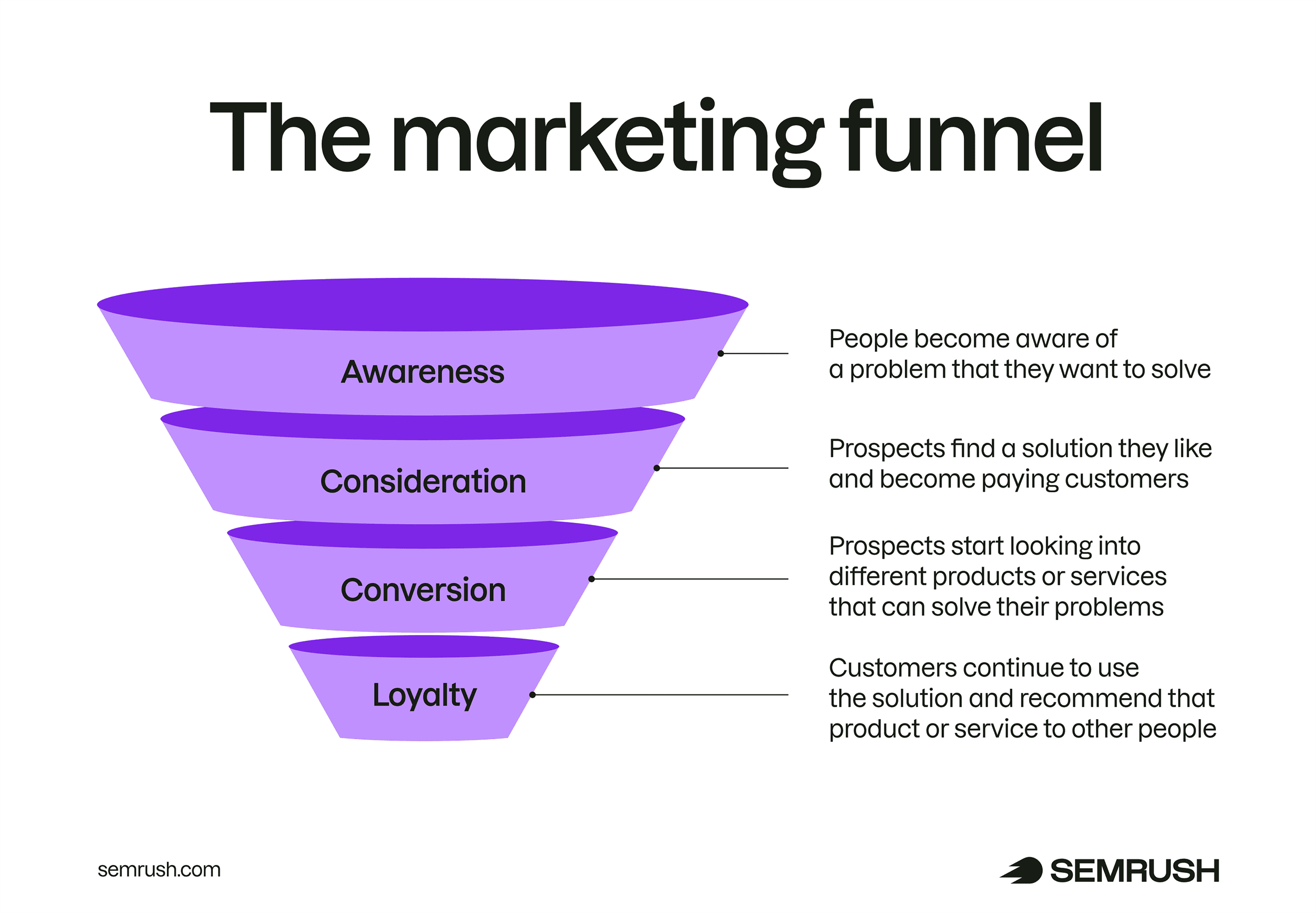
The rise of query fan-out signals the "collapse of the buying journey." Traditionally, marketers viewed the funnel as a linear progression from awareness to consideration to decision. AI search collapses these stages into a single interaction. A user can move from a broad question to a specific product comparison and a final recommendation within a single conversational thread.
For brands, this means that content must work across the entire funnel simultaneously. A product page can no longer just be a sales tool; it must also function as an informational resource and a comparison guide. This shift is forcing a move away from "keyword stuffing" toward "comprehensive topic coverage."
Industry experts suggest that the future of digital presence will depend on "retrievability." If a brand’s information is buried in PDFs, hidden behind logins, or obscured by creative but vague marketing copy, it will fail to be captured by the fan-out process. The emerging consensus among search professionals is that visibility in the age of AI is a matter of being the most "useful" source for the smallest sub-question.
As AI systems continue to evolve with "thinking" models that can reason through complex problems over longer periods, the depth of query fan-out will only increase. Organizations that fail to adapt their content strategies to this multi-dimensional search reality risk becoming invisible to a generation of users who no longer "Google" for links, but "ask" for answers. In this new era, coverage and structure are not just SEO tactics; they are the prerequisites for existence in the digital consciousness.