
In the contemporary digital marketplace, the line between a brand’s website and its social media presence has effectively dissolved. As of March 2024, data indicates that the most successful businesses are those that treat these channels not as disparate silos, but as a unified ecosystem designed to shepherd consumers through a seamless conversion funnel. The historical approach—which treated social media as a mere broadcasting tool and websites as static repositories for information—is no longer viable in an era where consumers demand hyper-personalized, consistent, and frictionless brand experiences.
The evolution of digital marketing from 2010 to 2024 has been marked by a transition toward integrated commerce. In the early 2010s, brands focused on establishing a presence on social platforms; today, the focus has shifted toward the technological integration of these platforms into the core architecture of the website. This shift is driven by the reality that nearly 60% of global internet traffic now originates from mobile devices, a statistic that necessitates a mobile-first design strategy that mirrors the UI/UX patterns users encounter on platforms like Instagram, TikTok, and LinkedIn.
The Mechanism of Brand Cohesion
Consistency is the bedrock of brand equity. A fragmented identity, where the tone, color palette, and visual language of a brand’s social media feed clash with the aesthetic of its website, creates cognitive dissonance for the consumer. When a user transitions from a high-energy, video-rich Instagram reel to a static, dated website, the loss of momentum often results in higher bounce rates and abandoned shopping carts.

Marketing analysts emphasize that the "owned" channel (the website) and "earned/shared" channels (social media) must function as a circular loop. According to industry metrics, brands that maintain a high degree of visual and thematic alignment across all digital touchpoints see an average increase in brand recognition by up to 33%. This alignment is not merely aesthetic; it is structural. It involves the integration of APIs that allow for real-time data flow, such as live social feeds on landing pages, which provide the "freshness" algorithms reward and users crave.
Strategic Advantages of Channel Integration
The integration of social media into web design offers five critical business advantages that go beyond surface-level branding:
- Brand Identity Reinforcement: A unified visual identity ensures that a user’s perception of the brand remains constant. By utilizing consistent typography and imagery, a business anchors itself in the consumer’s memory, reducing the cognitive load required to recognize the brand during the purchase decision process.
- Expansion of Customer Discovery: Social media serves as the "top of the funnel" discovery mechanism. When that discovery is seamlessly transitioned to a website optimized for conversion, the path to purchase is shortened.
- Institutionalized Social Proof: The modern consumer is inherently skeptical of traditional advertising. User-generated content (UGC), such as customer testimonials and organic product videos, serves as the modern equivalent of word-of-mouth marketing. Integrating this content directly into the website adds a layer of third-party validation that traditional copy cannot achieve.
- Content Scalability: Resource-strapped marketing teams can leverage the "repurposing" model. By embedding a company’s Instagram or TikTok feed into their website, businesses generate dynamic, fresh content without the recurring cost of manual site updates.
- Enhanced User Experience (UX): A cohesive digital presence feels professional and reliable. When a user can move from a social media post to a website and find the exact product they were viewing, the sense of friction is minimized, leading to higher retention rates.
Data-Driven Implementation Strategies
To achieve this level of synergy, designers and marketers must move beyond rudimentary social media icons. Modern best practices involve the following technical and strategic implementations:
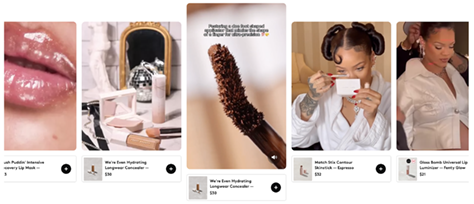
- Social Commerce Integration: Brands like Fenty Beauty have demonstrated the efficacy of displaying product carousels that feature social media video content. By allowing users to click a video thumbnail and purchase the item directly from that interaction, the brand creates a high-conversion, interactive experience.
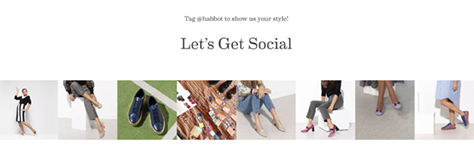
- Leveraging User-Generated Content: Athleisure brands, including Outdoor Voices, have pioneered the use of hashtags like #DoingThings to curate customer content directly onto their homepages. This serves two purposes: it creates a community feel and provides potential customers with a realistic view of how products perform in real-world scenarios.
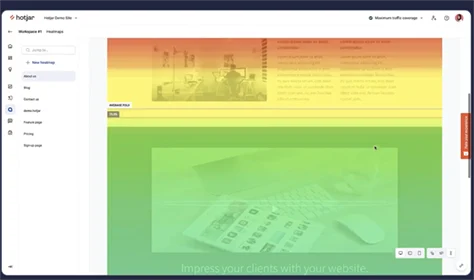
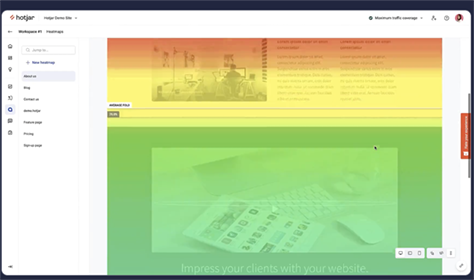
- Analytics and Iterative Design: Integration is not a "set it and forget it" task. Through heatmaps and A/B testing, companies can observe which social elements drive the most engagement. Data from tools like Hotjar reveals that users are significantly more likely to engage with social proof sections that appear "in the flow" of the shopping experience rather than as isolated galleries.
The Role of Social Proof in Consumer Psychology
The influence of social proof on purchasing behavior is supported by empirical data. Research from Trustpilot indicates that websites featuring UGC experience a 20% increase in returning visitors and a staggering 90% increase in time-on-site metrics. This is attributed to the "social contagion" effect, where prospective buyers feel more comfortable with a purchase if they see evidence of others having already made that choice.

Furthermore, the 2024 landscape of consumer reviews—driven by platforms like Google Reviews and TripAdvisor—has made the integration of external feedback into a business’s own website a standard requirement for legitimacy. Brands that fail to show their reviews on their own platforms risk losing the trust of the 98% of consumers who consult online feedback before completing a transaction.
Implications for Future Digital Strategy
The broader implication of this integration is the move toward a "headless" and highly interconnected digital strategy. In the future, the distinction between a "website" and a "social app" will continue to blur as commerce capabilities become embedded within social platforms and social content becomes a standard component of web architecture.
For UX designers, the challenge lies in maintaining performance. Embedding multiple social feeds can negatively impact site load times, which is detrimental to search engine optimization (SEO) and user retention. Consequently, high-performance integration requires the use of lazy-loading scripts and optimized image delivery systems to ensure that the site remains fast and accessible across mobile networks.
As businesses continue to navigate an increasingly crowded marketplace, the integration of web design and social media is no longer an optional optimization; it is a fundamental requirement for survival. By focusing on the continuity of the brand story and the seamless transition of the customer experience from discovery to transaction, businesses can cultivate the trust and loyalty necessary to thrive in a digital-first economy. The companies that succeed will be those that effectively leverage their social capital to enhance the functional utility of their web presence, ultimately creating a cohesive, reliable, and high-converting digital storefront.