
For content creators, social media managers, and small business owners, the TikTok landscape remains a high-stakes environment where visibility is determined by a complex, rapidly evolving algorithm. While content quality, creative hooks, and audience resonance remain the primary drivers of success, the strategic timing of a post has emerged as a critical variable in maximizing reach. A recent extensive analysis conducted by Buffer, which examined over 7.1 million videos, carousels, and text-based posts, provides a clear roadmap for navigating the platform’s peak engagement windows throughout 2026.
Understanding the mechanics of the TikTok algorithm is essential to interpreting this data. The platform’s recommendation engine relies on a series of immediate behavioral signals to determine the viability of a post. Metrics such as watch time, completion rate, likes, comments, and shares are aggregated within the first hour of publication. If a post garners significant interaction during this initial window, the algorithm categorizes the content as high-value, subsequently pushing it to a broader audience via the "For You Page" (FYP). Conversely, content published during periods of low user activity risks being sidelined before it can gain the necessary momentum, effectively capping its reach.
Chronology of Peak Engagement: A Weekly Breakdown
The data analysis reveals that while no singular "magic" hour exists for every account, specific patterns emerge when aggregated across millions of posts. The following schedule represents the most effective time slots for maximizing engagement based on the 2026 dataset:
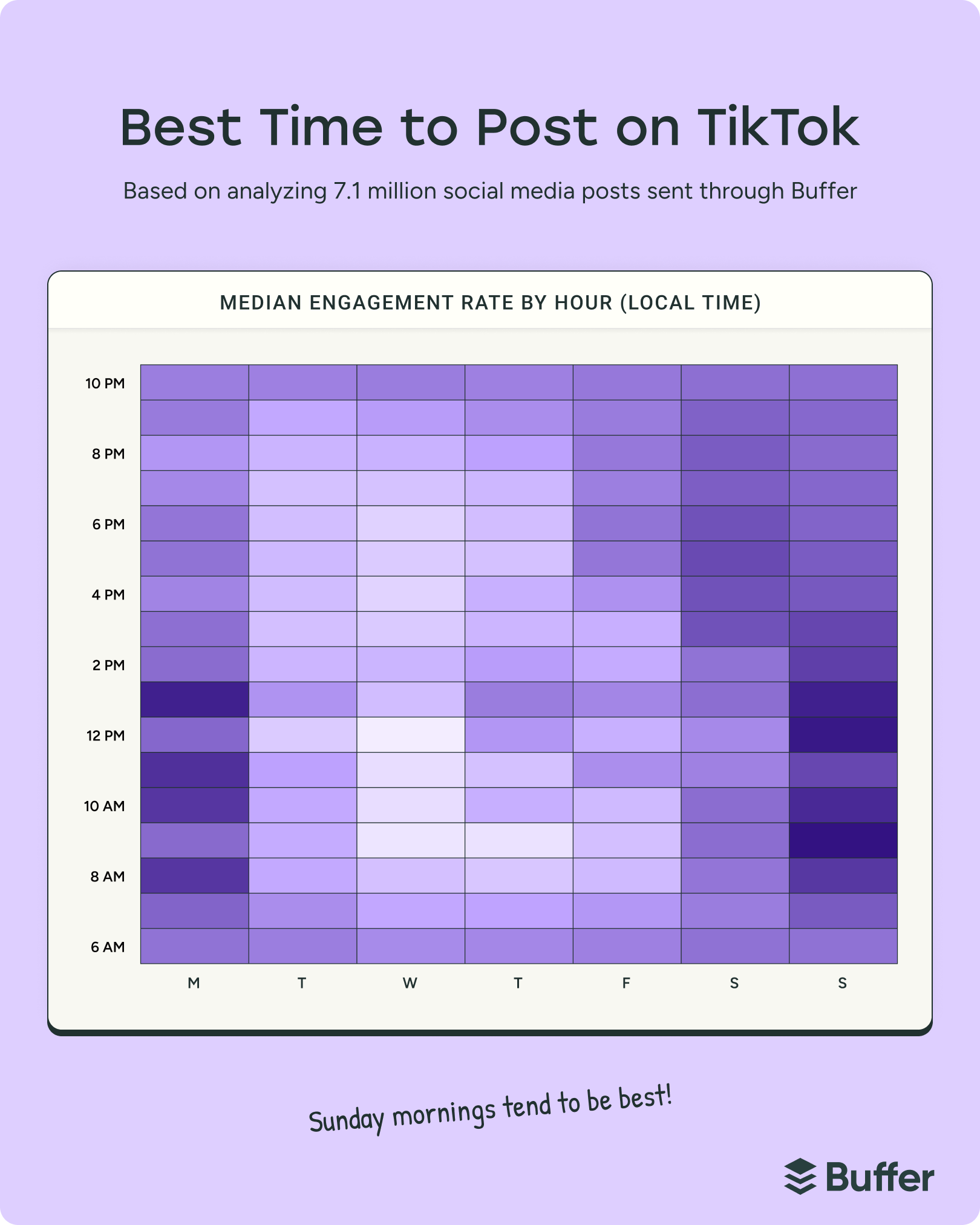
- Monday: The most effective window is 1 p.m., with secondary opportunities at 11 a.m. and 8 a.m.
- Tuesday: Early morning activity is pronounced, with 6 a.m. serving as the primary peak, followed by 10 p.m. and 7 a.m.
- Wednesday: Peak engagement shifts to the late evening at 10 p.m., with earlier spikes at 6 a.m. and 9 p.m.
- Thursday: Midday performance dominates, with 1 p.m. as the primary slot, followed by 10 p.m. and 6 a.m.
- Friday: Evening engagement is highest, particularly at 6 p.m., with subsequent activity at 10 p.m. and 8 p.m.
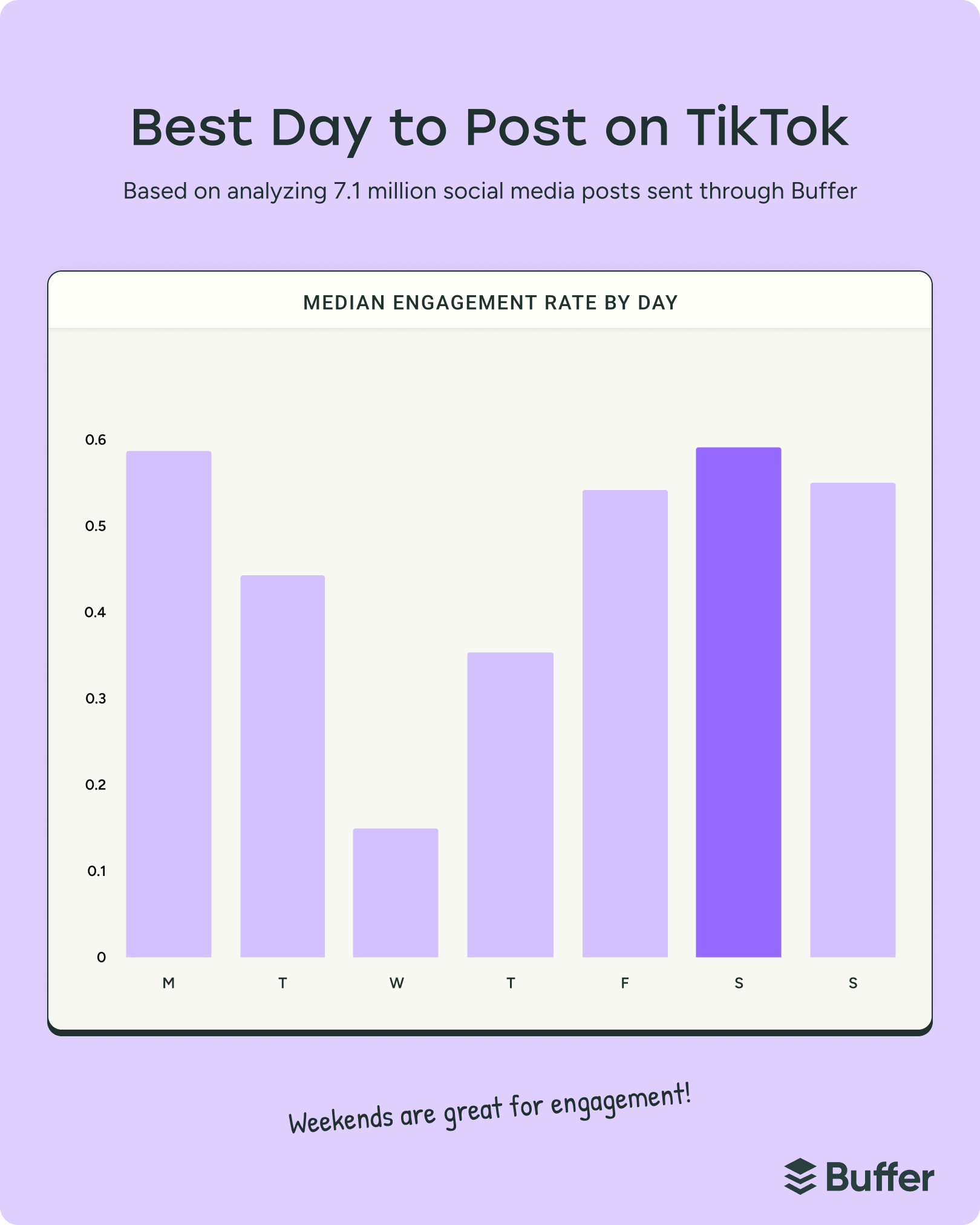
- Saturday: As the top-performing day of the week, the primary window is 5 p.m., supported by 4 p.m. and 3 p.m.
- Sunday: The week’s most significant peak occurs at 9 a.m., with secondary engagement periods at 1 p.m. and 12 p.m.
Data-Driven Insights and Market Implications
The correlation between specific hours and engagement rates suggests a shift in how audiences interact with short-form video. The data shows that while afternoons (12 p.m. to 5 p.m.) generally experience lower engagement, there are distinct "pockets" of activity. The prominence of evening slots (6 p.m. to 11 p.m.) reinforces the notion that TikTok is increasingly treated as a primary form of entertainment during post-work hours, requiring "sound-on" attention that users are less likely to provide during the workday.
The identification of Sunday at 9 a.m. as the highest-performing slot of the week is a notable finding, suggesting that the "weekend scroll" begins earlier than on other days. For brands, this represents a unique opportunity to capture a captive audience before the typical Sunday afternoon lull.
However, experts caution that this data serves as a framework rather than a universal rule. The influence of an audience’s geographic location and specific time zones can significantly alter these patterns. Furthermore, the nature of the content—whether educational, entertainment-based, or promotional—dictates the ideal timing. Educational content may see higher performance in the morning when users are in a "learning mindset," whereas entertainment content naturally aligns with the evening wind-down period.
Strategic Adjustments and Algorithmic Alignment
For creators seeking to refine their approach, the transition from manual posting to data-informed scheduling is recommended. The use of scheduling tools allows for the consistent deployment of content at optimal times, removing the burden of manual operation and ensuring that the posting frequency remains high.
Beyond timing, the "three-second rule"—a widely recognized industry standard—remains the most critical factor for retention. Regardless of the posting time, if a video fails to capture attention within the first three seconds, the algorithm is unlikely to promote it further. The combination of optimal timing and high-retention content creates a "force multiplier" effect. Timing ensures the content reaches the right eyes at the right time, while content quality ensures those eyes remain fixed on the screen.
Practical Steps for Optimization
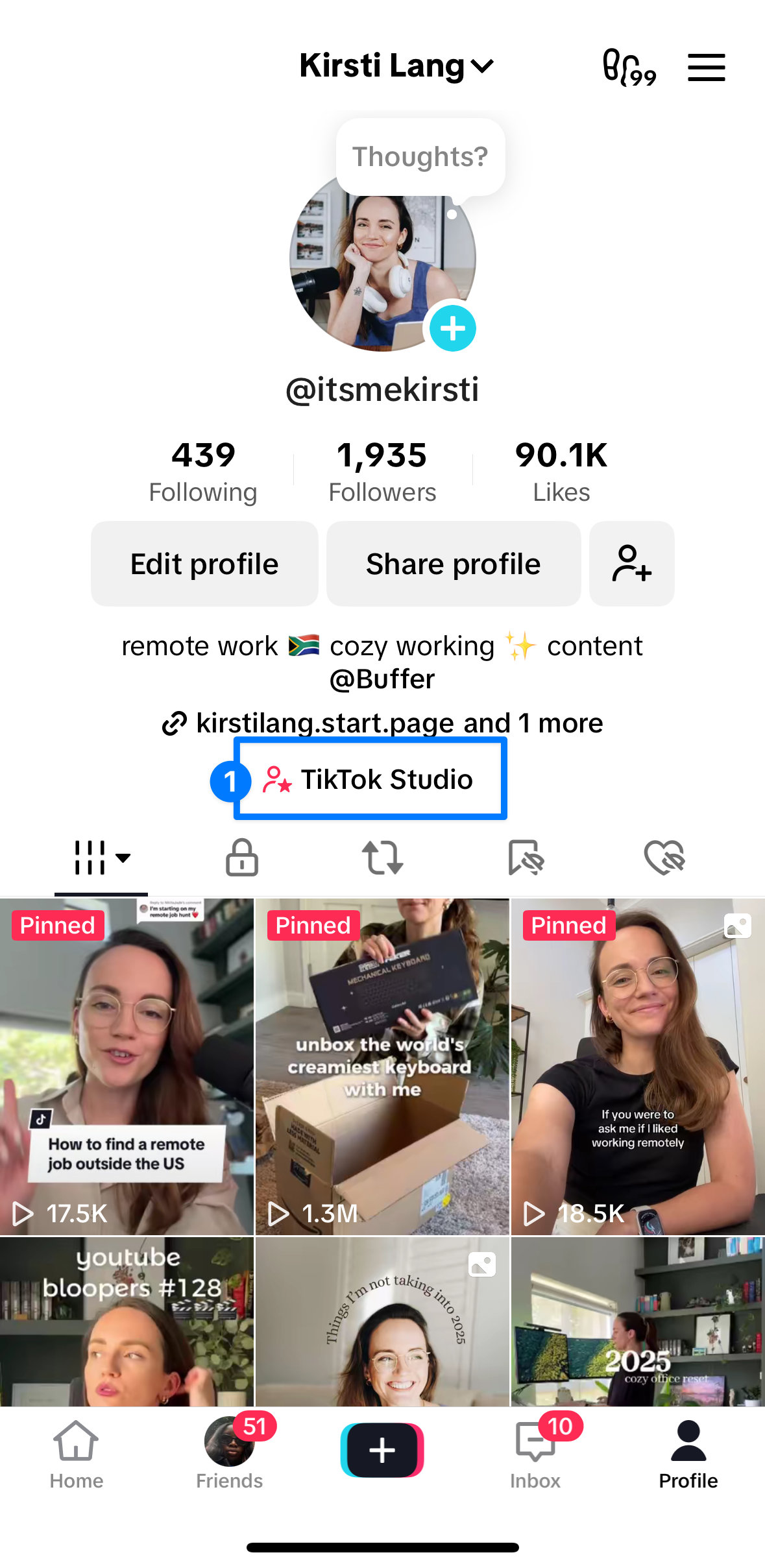
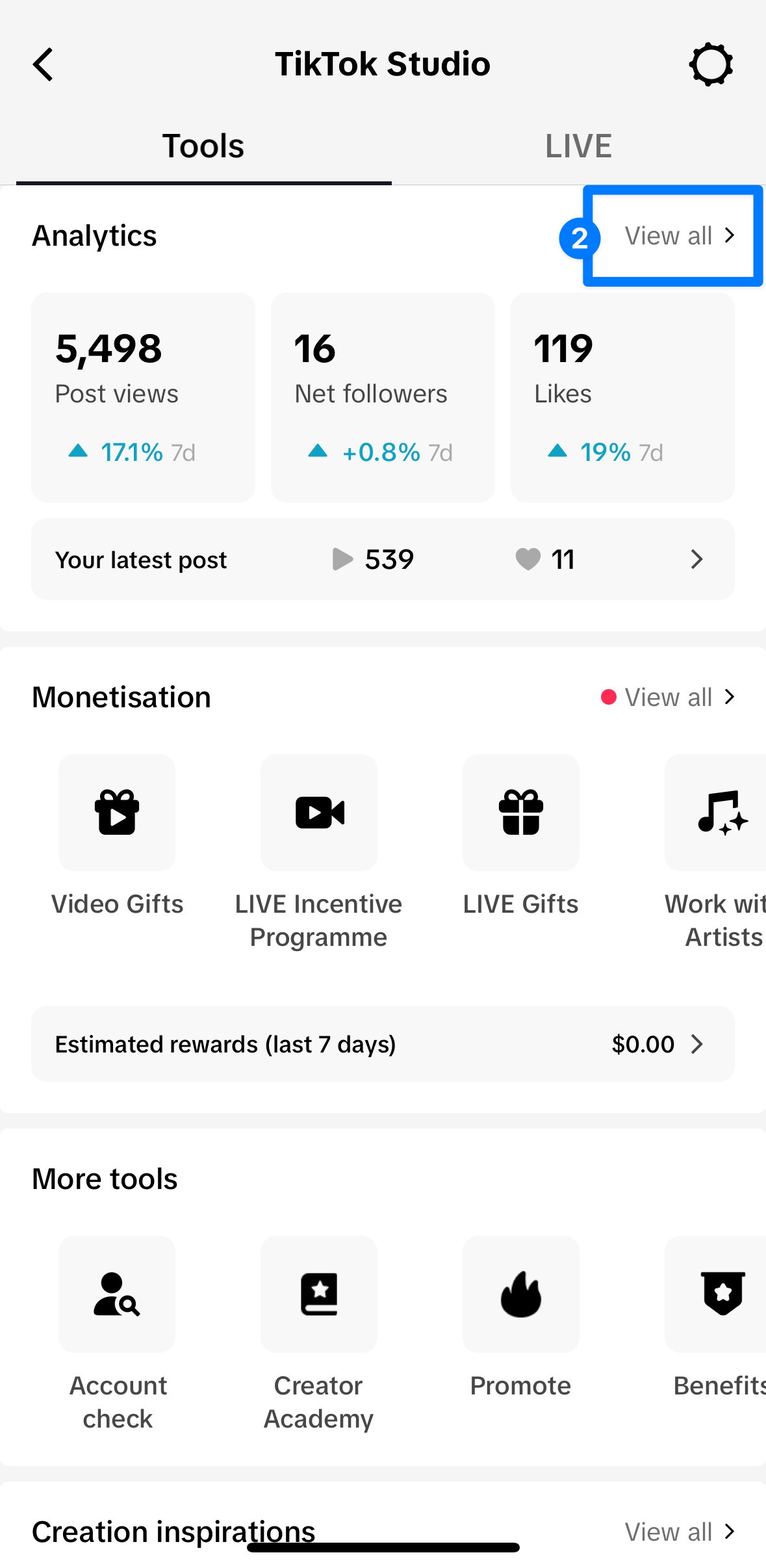
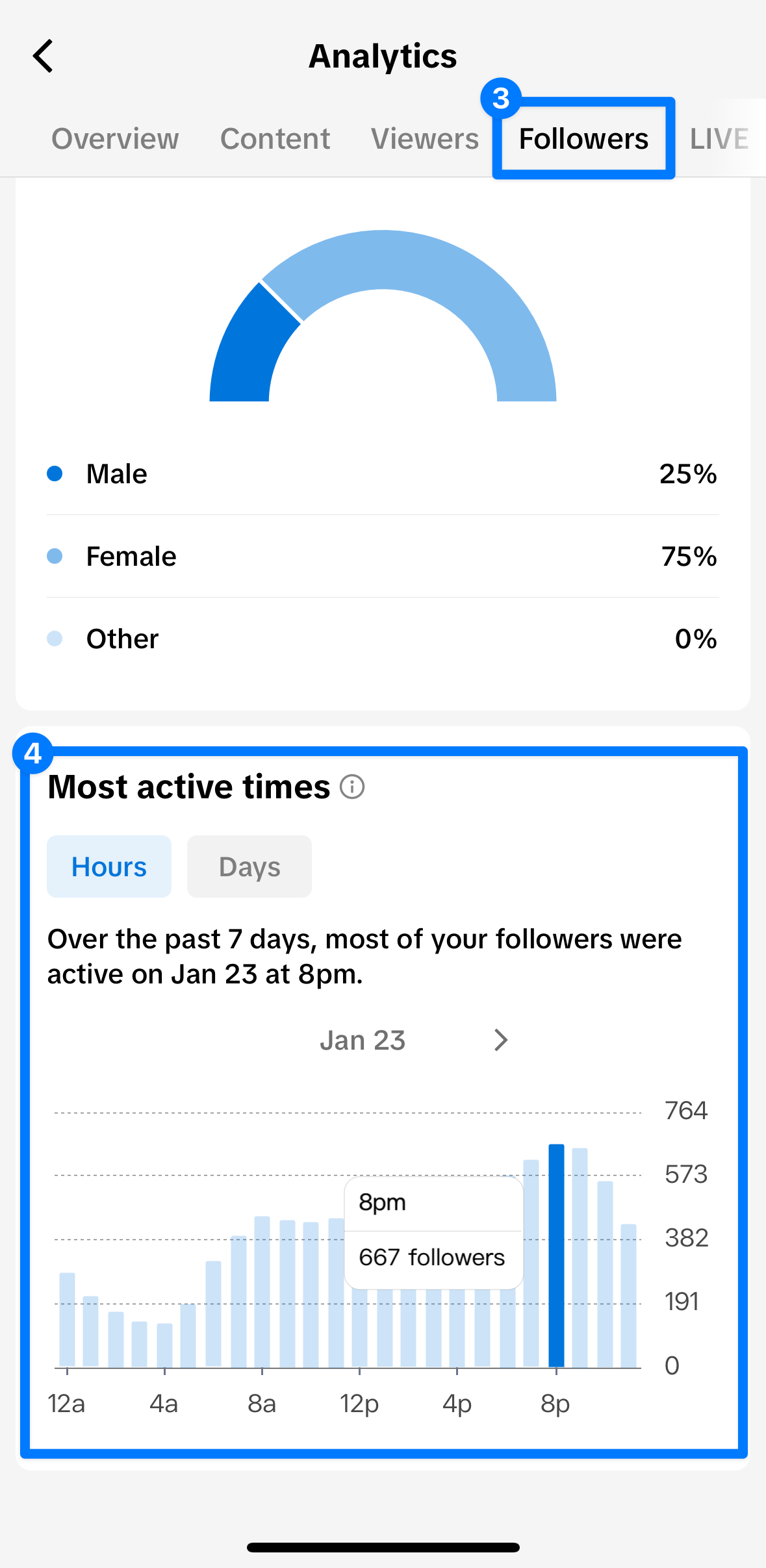
To implement these findings, creators should utilize the "Followers" tab within the TikTok Analytics dashboard. This tool provides a retrospective view of when a specific account’s audience is most active. By cross-referencing this personalized data with the industry-wide trends identified by the study, creators can develop a bespoke posting calendar.
- Baseline Testing: Utilize the recommended time slots for two to three weeks to establish a performance baseline.
- Iterative Adjustment: If initial results are stagnant, shift the posting time by one to two hours to determine if a slight delay or advancement yields better engagement.
- Audience Segmentation: For accounts with a global following, analyze the primary geographic regions of followers. If an audience is split between, for example, the U.S. East Coast and Europe, targeting the early afternoon (EST) serves as an effective bridge, hitting the morning or early evening for both groups.
- Consistency over Frequency: While posting every day can be beneficial, maintaining a consistent, sustainable schedule is more vital for long-term growth. Algorithms prioritize accounts that provide regular, predictable content.
Future-Proofing Content Strategies
As TikTok’s algorithm evolves, the reliance on static posting times must remain flexible. Trends are ephemeral, and what works in early 2026 may be superseded by late 2026. Therefore, a successful long-term strategy involves continuous monitoring of content performance and regular updates to the posting schedule.
The implication of this research is clear: timing is a facilitator, not a substitute for value. The most effective strategy involves using timing as a tactical advantage to ensure that high-quality, well-researched content is positioned to succeed. By aligning a robust content production schedule with the empirical patterns identified in this analysis, creators can significantly improve their odds of appearing on the For You Page, ultimately fostering a more engaged and loyal community.
In conclusion, while the search for the perfect posting time is a valid endeavor, it must be balanced with the realities of content creation. The best approach is to treat timing as a strategic variable—one that is tested, measured, and refined over time. For those struggling to find traction, a disciplined review of analytics, coupled with the strategic use of scheduling tools, offers the most reliable path to maximizing reach and engagement in the competitive digital ecosystem of 2026.