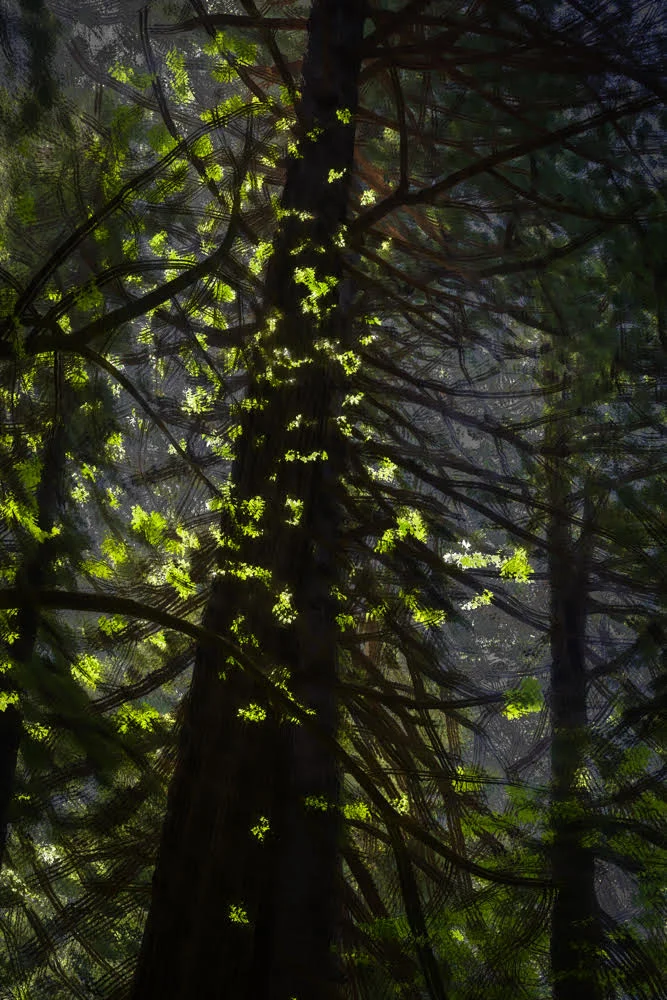

The intersection of spirituality, nature, and visual art has long captivated human imagination, yet few contemporary artists explore this boundary with the nuance of photographer, film, and television director Lev L. Spiro. Best known for his extensive work in television and his contemplative landscape photography, Spiro has captured widespread attention through his latest series, Elemental, and his immensely popular workshop, Thin Places: Photography and the Sacred in Nature, offered through the prestigious Santa Fe Workshops.
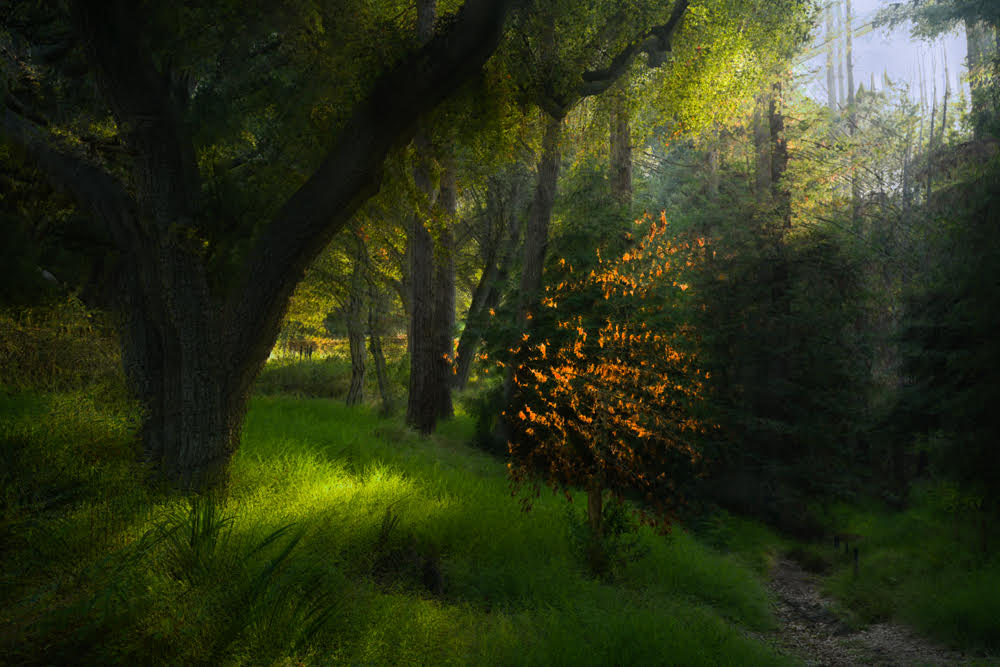
Rooted in ancient Celtic spiritual tradition, the concept of a "thin place" refers to geographic or atmospheric locations where the perceived barrier between the ordinary physical world and the sacred or otherworldly realm grows remarkably porous. While historically tied to folklore, literature, and mythology—echoing the Arthurian legends where knights frequently stumble upon enchanted clearings in the woods—Spiro approaches these phenomena through the rigorous, mindful practice of modern fine-art photography.
Background and Evolution of a Visual Philosophy

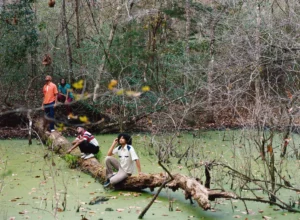
Spiro’s fascination with liminal landscapes is not a recent development. Reflecting on his formative years, the photographer traces his foundational experiences back to his youth. Between his eleventh and thirteenth summers, he attended an Outward Bound-style wilderness camp in Vermont. Immersed in deep nature far removed from urban and suburban environments, he frequently encountered profound moments of awe on mountaintops and deep within forested valleys. Although he lacked the formal terminology at the time, these immersive wilderness encounters planted the seeds for his future artistic explorations.
Over decades spent navigating a successful career in film and television direction, Spiro maintained a parallel dedication to still photography. His artistic philosophy was heavily shaped by legendary masters of the medium, drawing specific inspiration from Minor White, Paul Caponigro, and Sam Abell. From White and Caponigro, Spiro absorbed the vital importance of heightened perception, emotional receptivity, and allowing the photographic subject to reveal itself organically. From Abell, he learned the discipline of letting oneself be stopped by the environment—a sudden shift in light, a glimpse of a waterfall through dense timber, or a fleeting play of shadows—long before consciously understanding the mechanics of the impending shot.

Decoding the Mechanics of Thin Places
In professional practice, Spiro distinguishes between actively seeking out liminal spaces and happening upon them serendipitously. While majestic landscapes and dramatic canyon vistas often command immediate attention, Spiro argues that the most compelling photographic encounters are frequently unplanned.

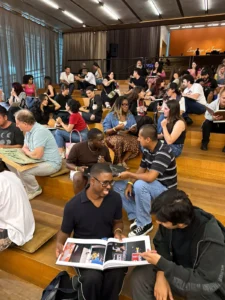
His pedagogical approach begins in the classroom by teaching students how to transition from ordinary, functional seeing to a state of hyper-awareness in the field. This methodology requires photographers to slow down, quiet their internal dialogue, and open all five senses to subtle environmental shifts: the trajectory of light, the movement of a breeze, organic textures, color palettes, and temporal transitions.
When executing his craft, Spiro tailors his technical approach to the specific emotional resonance of his series. His previous body of work, titled Thin Places, relied heavily on the atmospheric conditions found during the golden hours—the two hours immediately following sunrise and the two hours preceding sunset—when natural light carries the most evocative and dramatic weight. Conversely, his ongoing project, Elemental, utilizes long-exposure techniques, requiring precise planning around moving water and cloud formations. Despite such meticulous preparation, Spiro frequently encounters unexpected visual stimuli that force him to abandon his initial technical setup, swap lenses, adjust neutral density filters, and embrace spontaneity.

The Intersection of Art, Ethics, and Indigenous Respect
As public interest in wilderness photography and ecotourism surges, the ethical dimensions of accessing sacred or fragile environments have taken center stage. Environmental ethics and responsible outdoor practices dictate that modern photographers operating in remote or ecologically sensitive areas adhere to rigorous "Leave No Trace" principles.

Spiro emphasizes that true thin places exist fundamentally in the reciprocal relationship between the observer and the environment. Consequently, his fieldwork is guided by strict ethical boundaries: avoiding physical disturbance to flora and fauna, ensuring no trace of human presence is left behind, and honoring the cultural and spiritual significance that specific landscapes hold for Indigenous communities and local populations. This harmonious coexistence between artistic extraction and environmental preservation forms a core tenet of his instruction.
Impact, Popularity, and Industry Implications

The commercial and critical success of Spiro’s educational initiatives underscores a broader cultural shift within contemporary photography. His Santa Fe Workshops offering, Thin Places: Photography and the Sacred in Nature, sold out its initial enrollment periods rapidly, maintaining an extensive waitlist of photographers eager to refine their skills.
Industry analysts and arts educators note that this popularity reflects a growing fatigue with purely clinical, high-resolution digital documentation. As technological accessibility makes pristine landscape capture increasingly common, photographers are actively seeking pathways to elevate their craft from mere topographical description to deeply evocative storytelling. By prioritizing mood, emotional resonance, and psychological connection over technical perfection, artists like Spiro are forging stronger, more empathetic bonds between viewers and the natural world.

Ultimately, Spiro’s work challenges both students and admirers to reconsider how they interact with their surroundings. The core takeaway from his teaching is clear: the sacred is not a geographic secret locked away in inaccessible, far-flung corners of the globe. Rather, it emerges naturally through sustained human attention, unhurried curiosity, deep environmental presence, and the willingness to remain open long enough for the natural world to leave an indelible mark upon the observer.