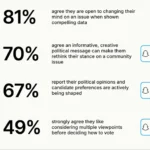

The traditional model of website marketing—centered almost exclusively on driving search traffic to a landing page—is undergoing a profound transformation. As of 2026, the customer journey has decentralized. Consumers no longer rely solely on a brand’s website to form an impression; instead, they synthesize information from AI search summaries, niche community discussions on platforms like Reddit, and social media validation before ever clicking a primary domain link. This shift marks a transition from "destination-first" marketing to "reputation-first" marketing.
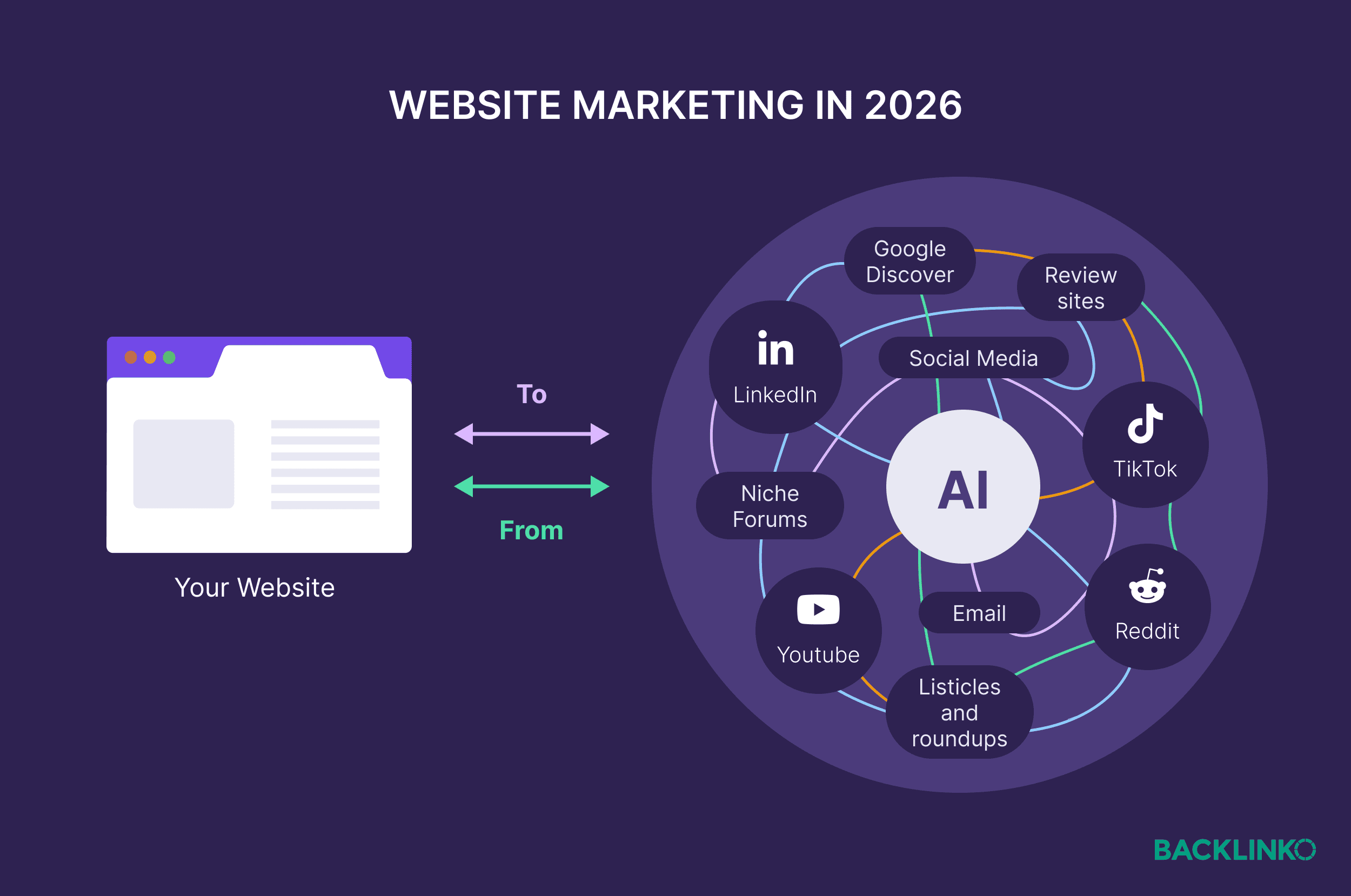
For businesses to remain competitive, they must engineer their digital footprint to be visible and credible in the environments where buyers spend their time. When a user eventually lands on your website, they should be arriving with existing context and a baseline of trust, which significantly increases conversion intent. The following strategies provide a roadmap for adapting to this decentralized environment, ensuring that your website acts as the final, high-converting stage of a much broader discovery funnel.
1. Mastering AI and Human Discovery
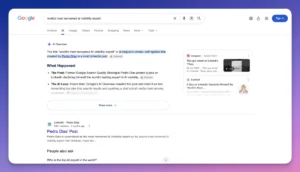
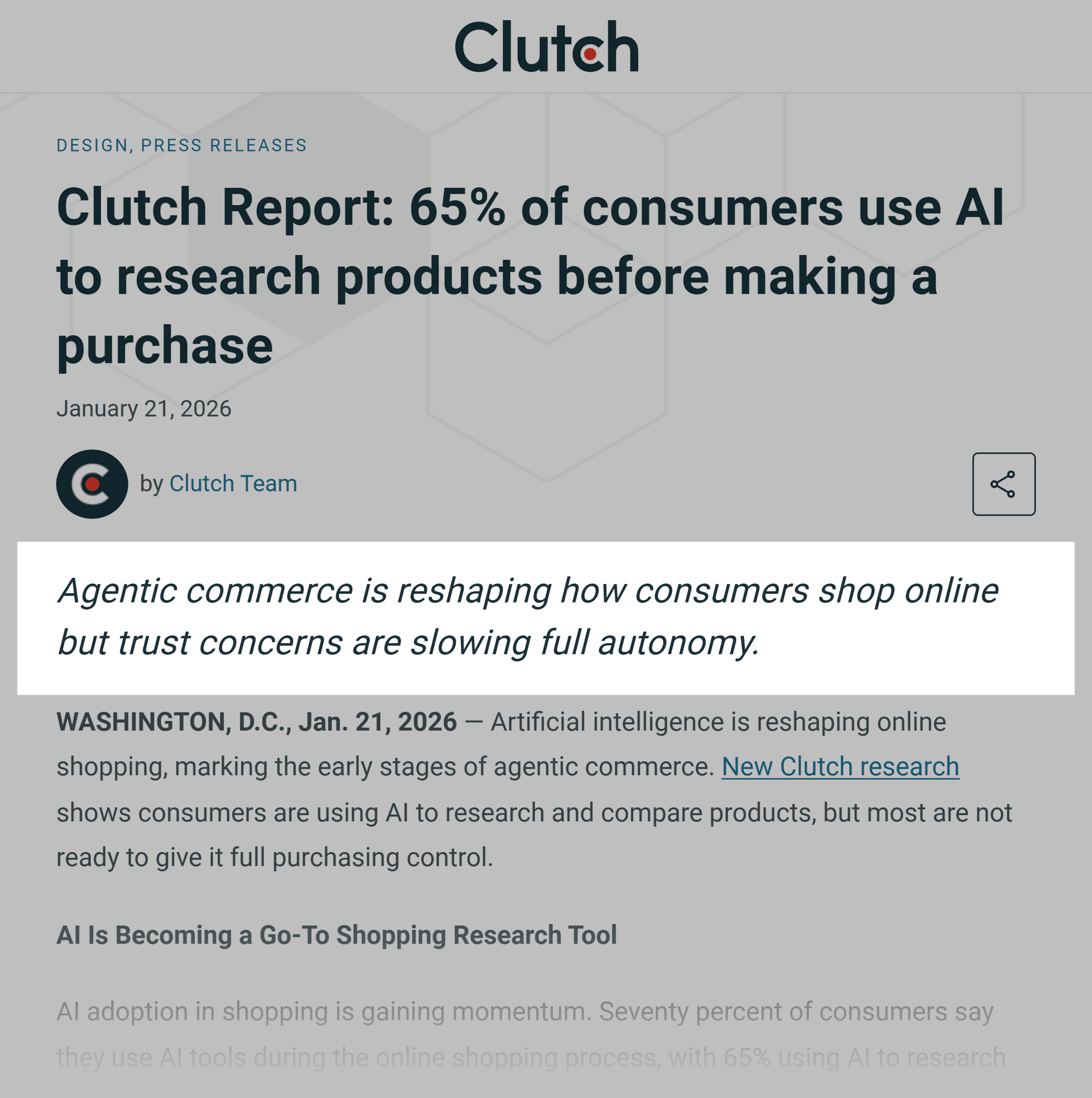
Recent data from the Clutch Research Group indicates that over 65% of modern buyers now utilize AI-powered tools to conduct initial product research. This means the first interaction a potential customer has with your brand is likely mediated by a large language model (LLM). These systems aggregate information from across the web to provide summaries, which effectively act as a gatekeeper for your site.

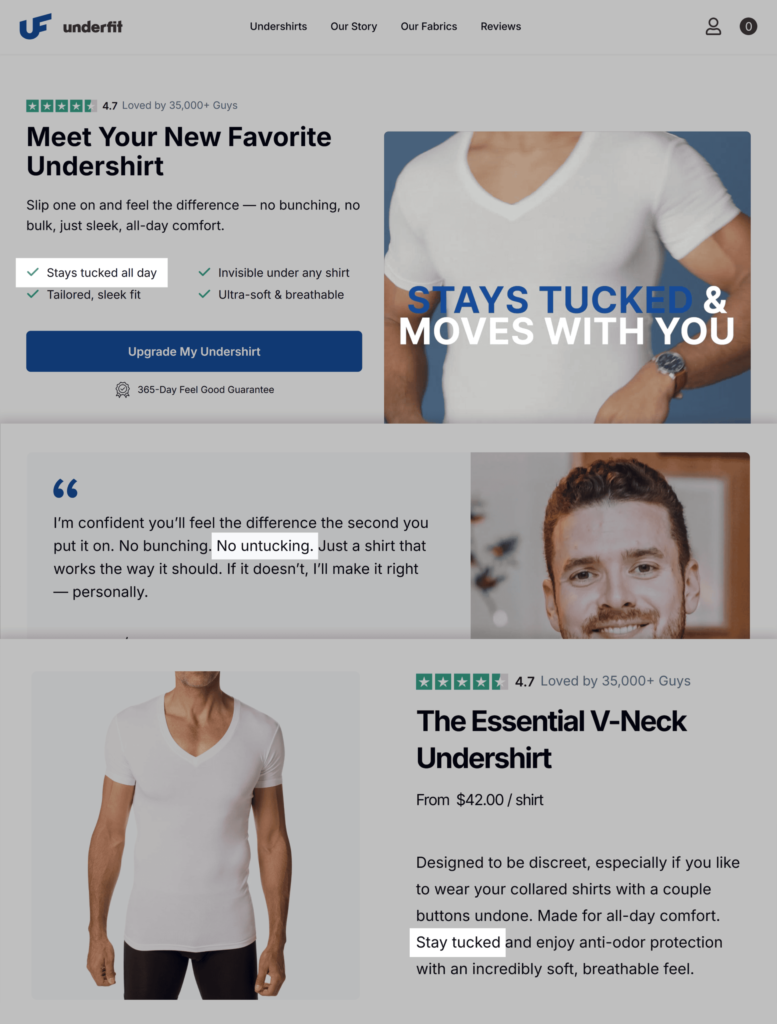
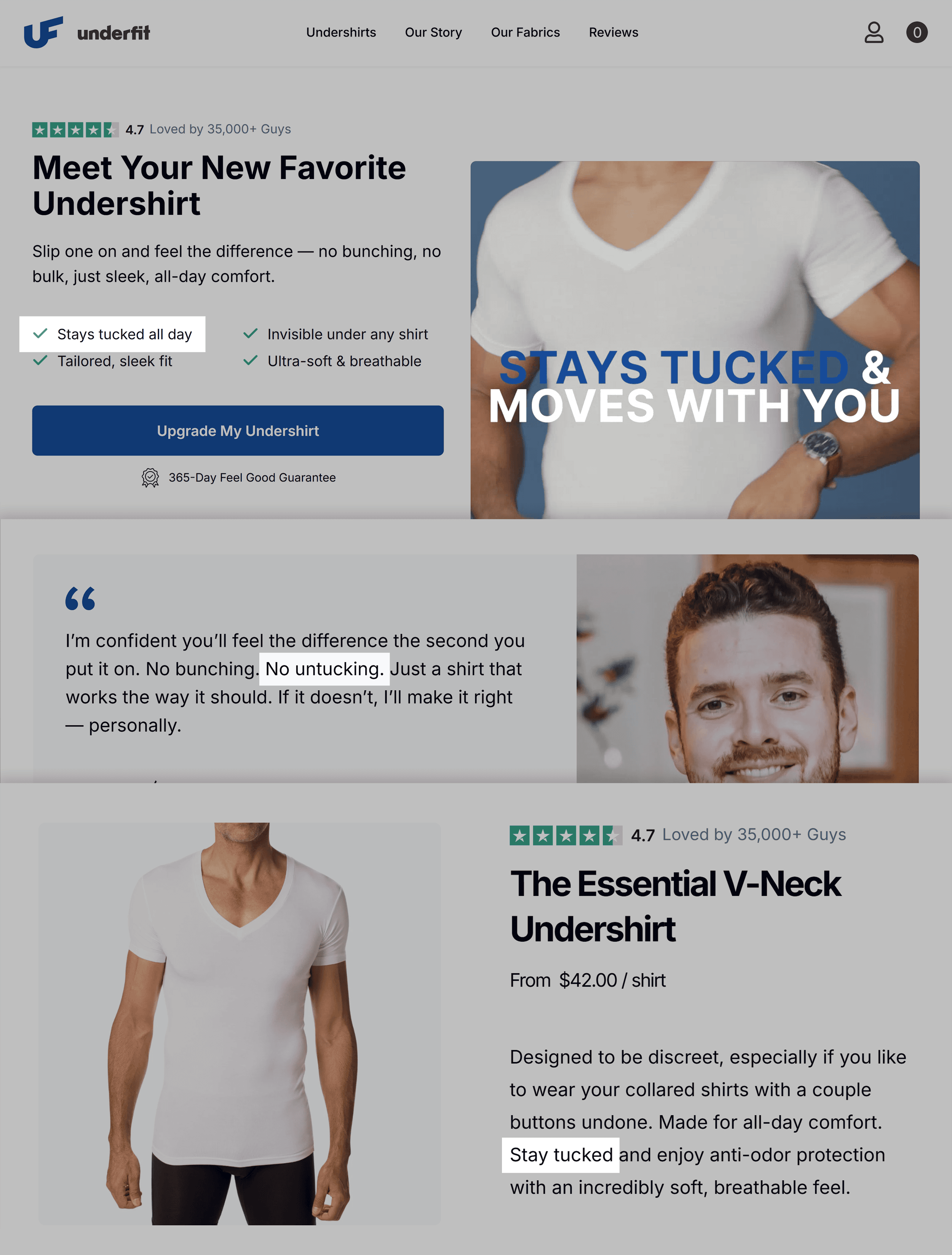
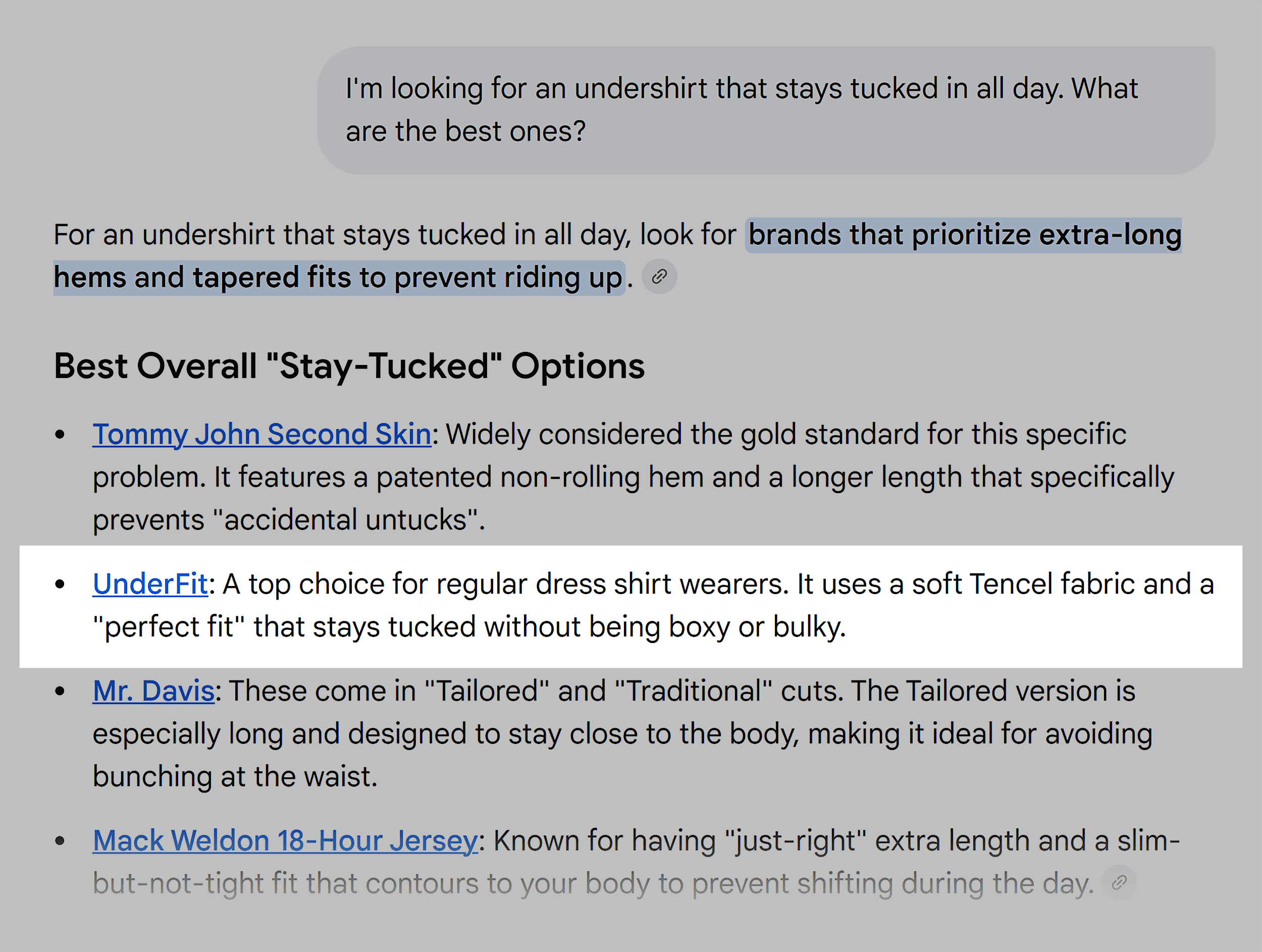
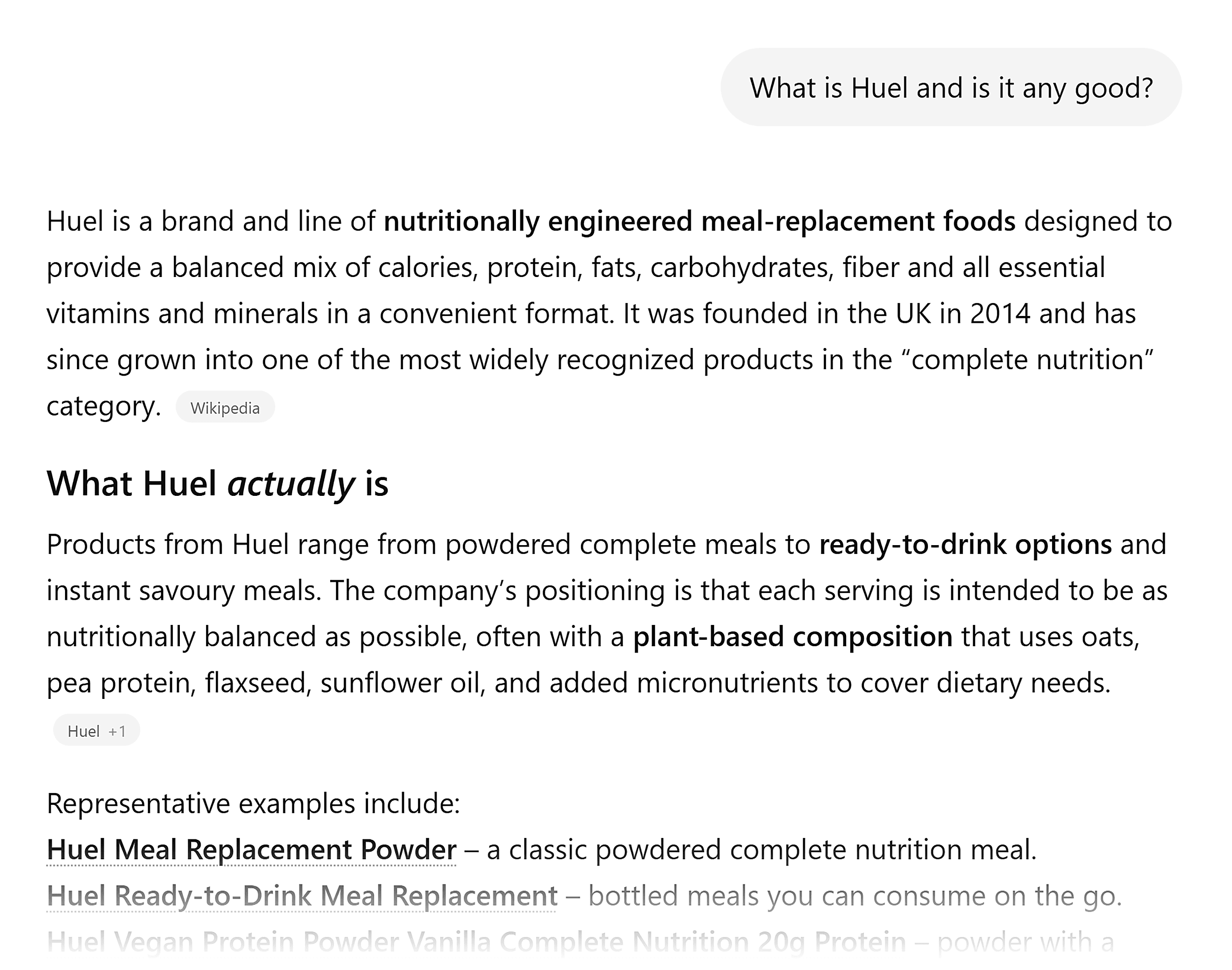
To remain relevant, brands must move beyond traditional SEO and focus on "AI discovery." This requires a documented brand messaging strategy that defines your unique value proposition, tone, and the specific problems your product solves. Consistency is paramount; when your messaging is uniform across your website, social media, and third-party review sites, it creates a "repetition bias" that AI models are trained to prioritize. By auditing your brand’s presence in LLMs—by asking the same questions your prospects ask—you can identify discrepancies and manually reinforce the narrative you want these systems to associate with your business.
2. Architectural Integrity for Humans and Machines
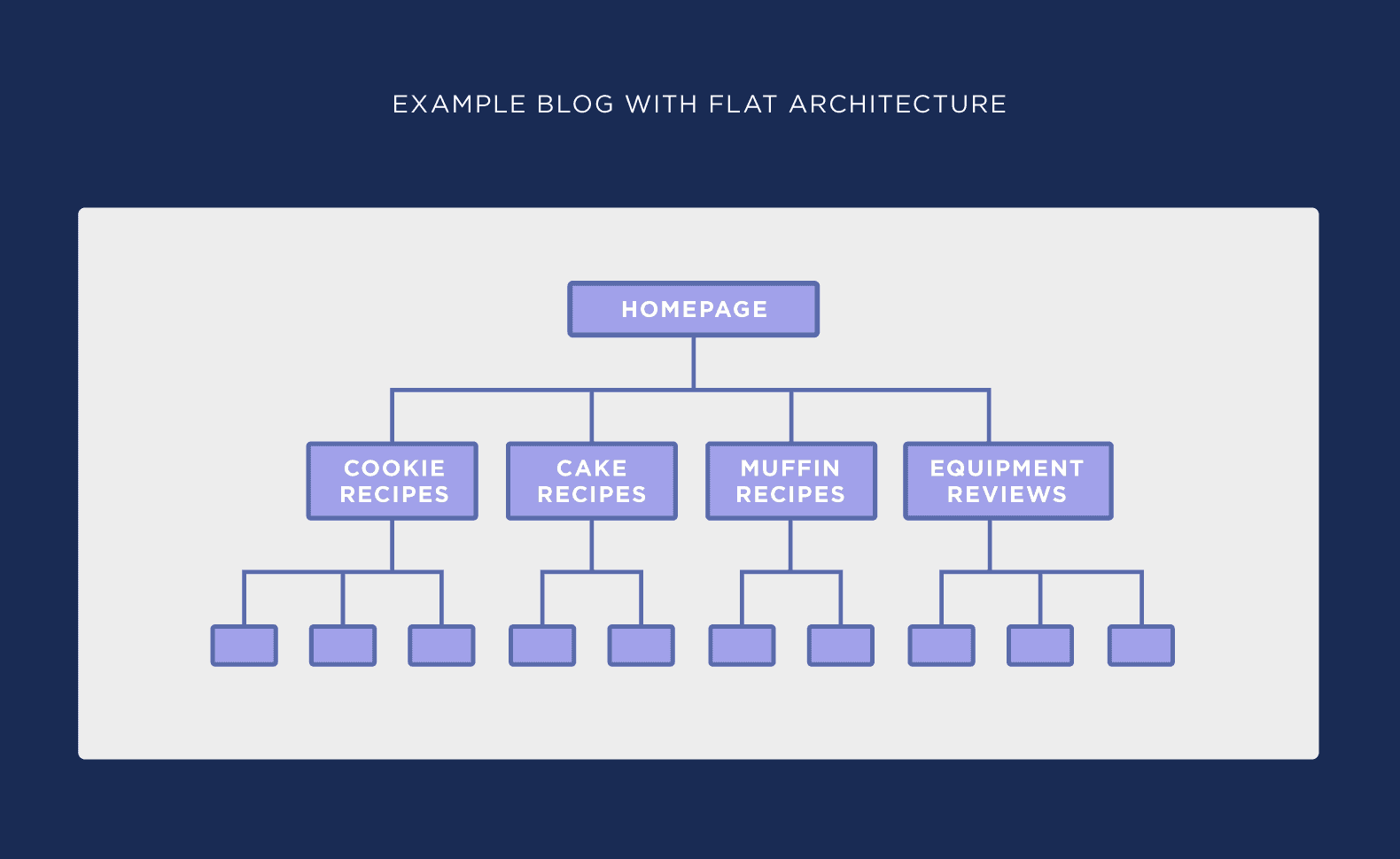
While off-site visibility is critical, your website’s internal structure must be optimized for both human readability and machine parsing. A flat, logical site architecture is no longer optional; it is a structural necessity for indexability. By ensuring that your content hierarchy is reflected in your URL structure and internal linking, you provide the signals that search engines and AI crawlers need to categorize your pages accurately.
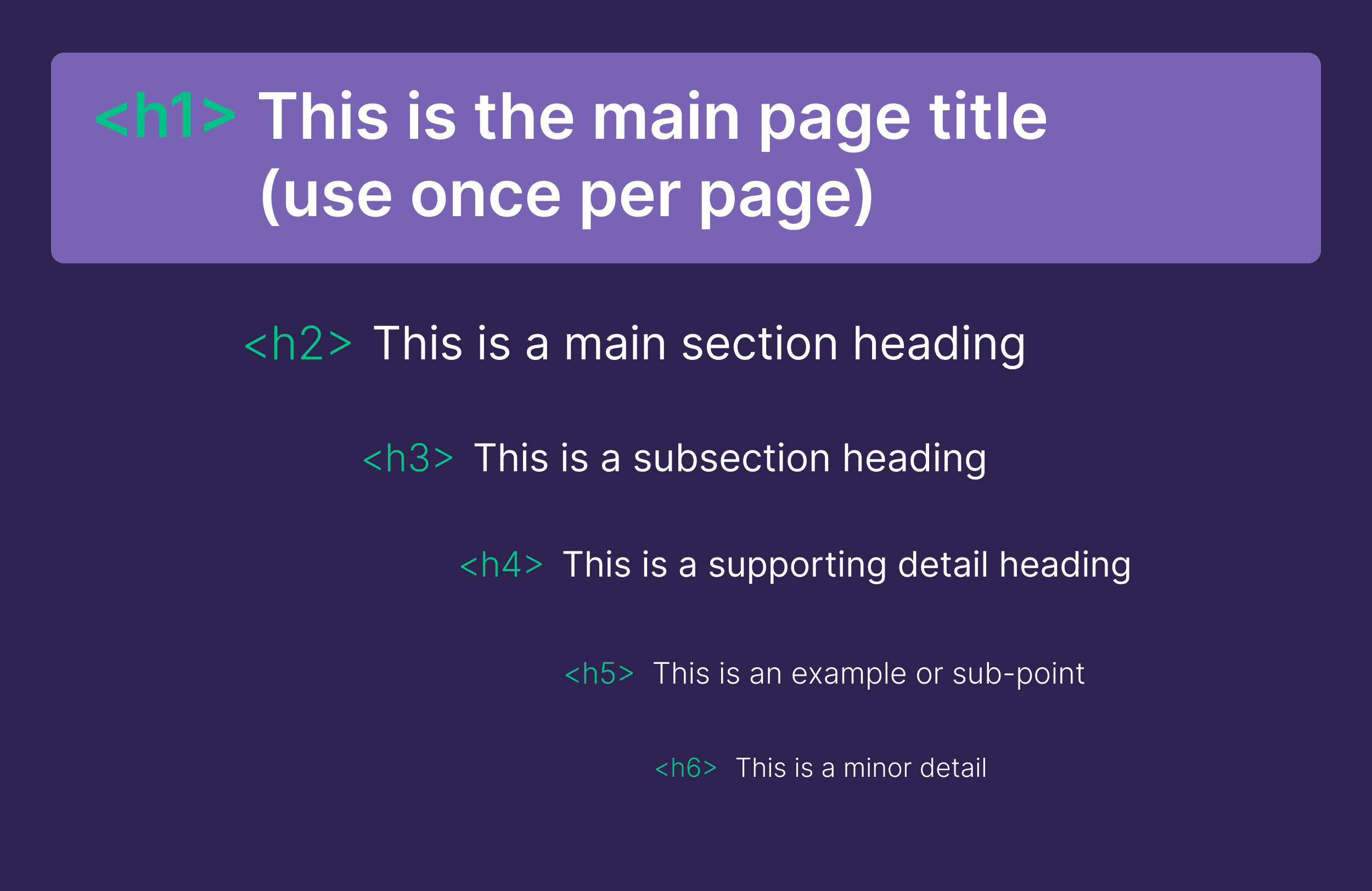
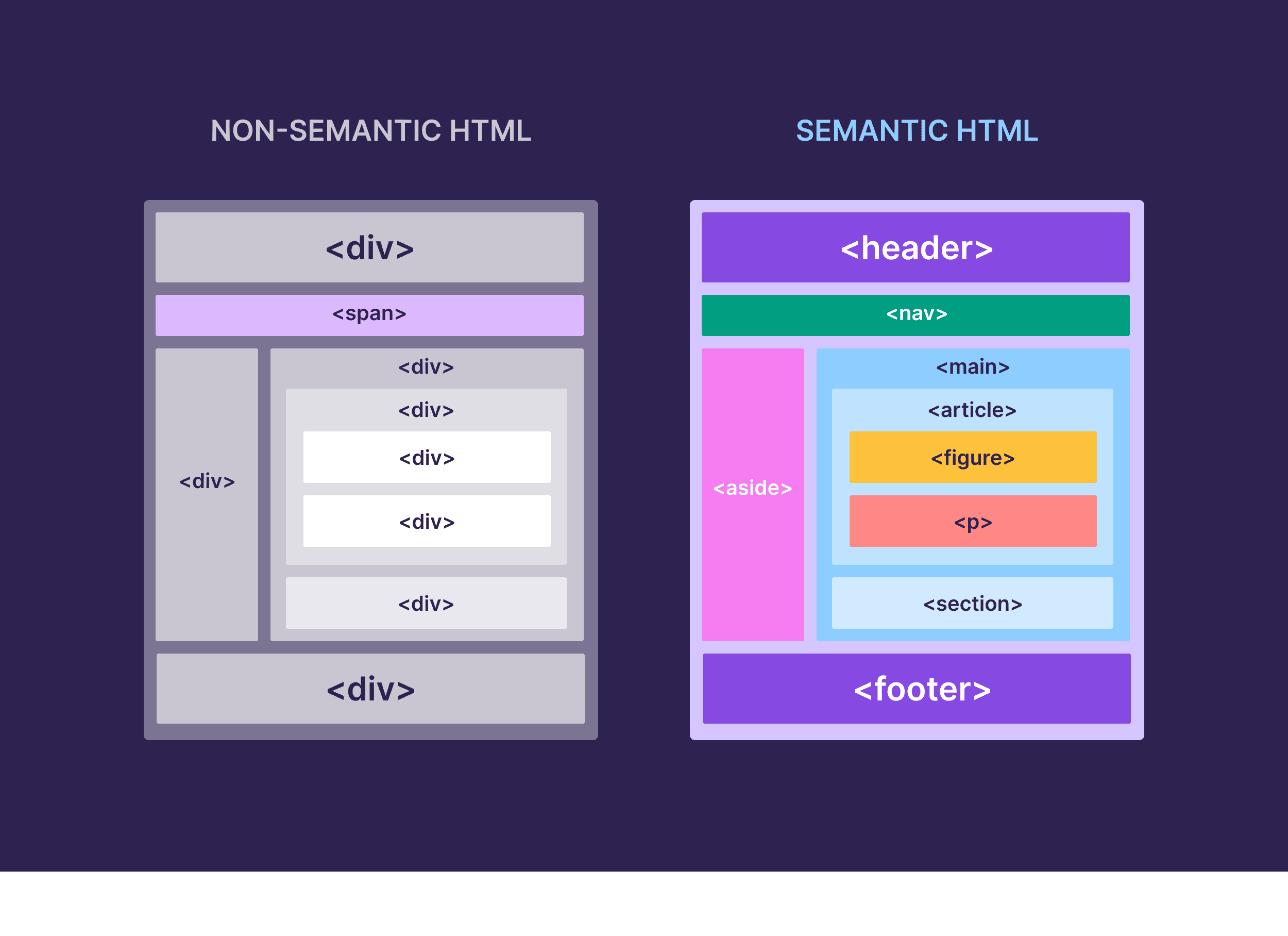
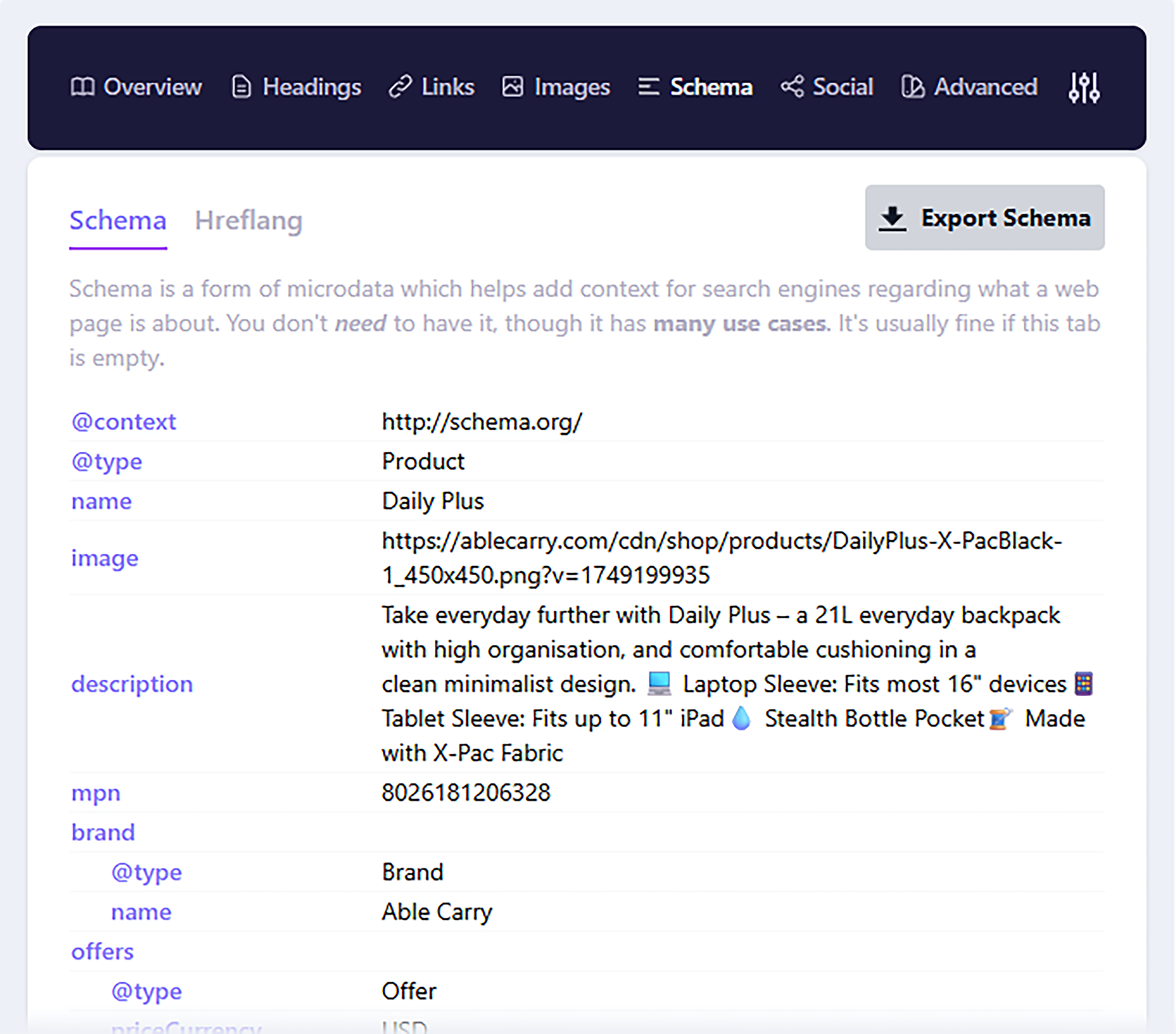
The technical implementation of semantic HTML—using proper header tags (H1 through H6), list elements, and section tags—serves as the backbone of this architecture. These tags allow AI systems to understand the relationship between different sections of a page. Combined with structured data (schema markup), this approach ensures that search engines can easily extract your product details, pricing, and availability, even if they choose not to send the user directly to your site.
3. The Role of Evidence in Building Authority
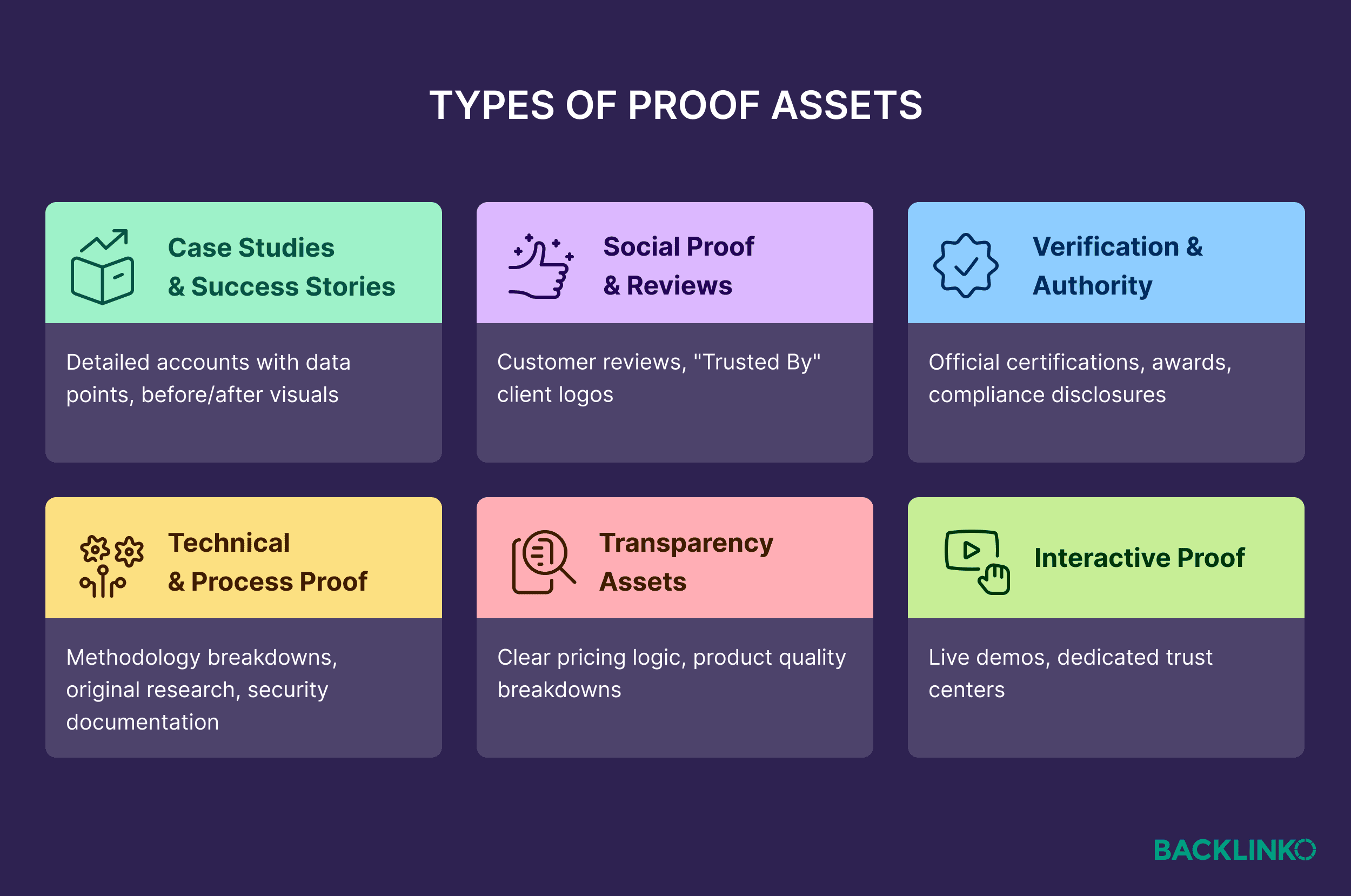
In a digital ecosystem saturated with synthetic content, "proof assets" have become the most valuable currency. These are the verifiable evidence points that substantiate your marketing claims: case studies with quantifiable metrics, transparent security documentation, and objective third-party reviews.
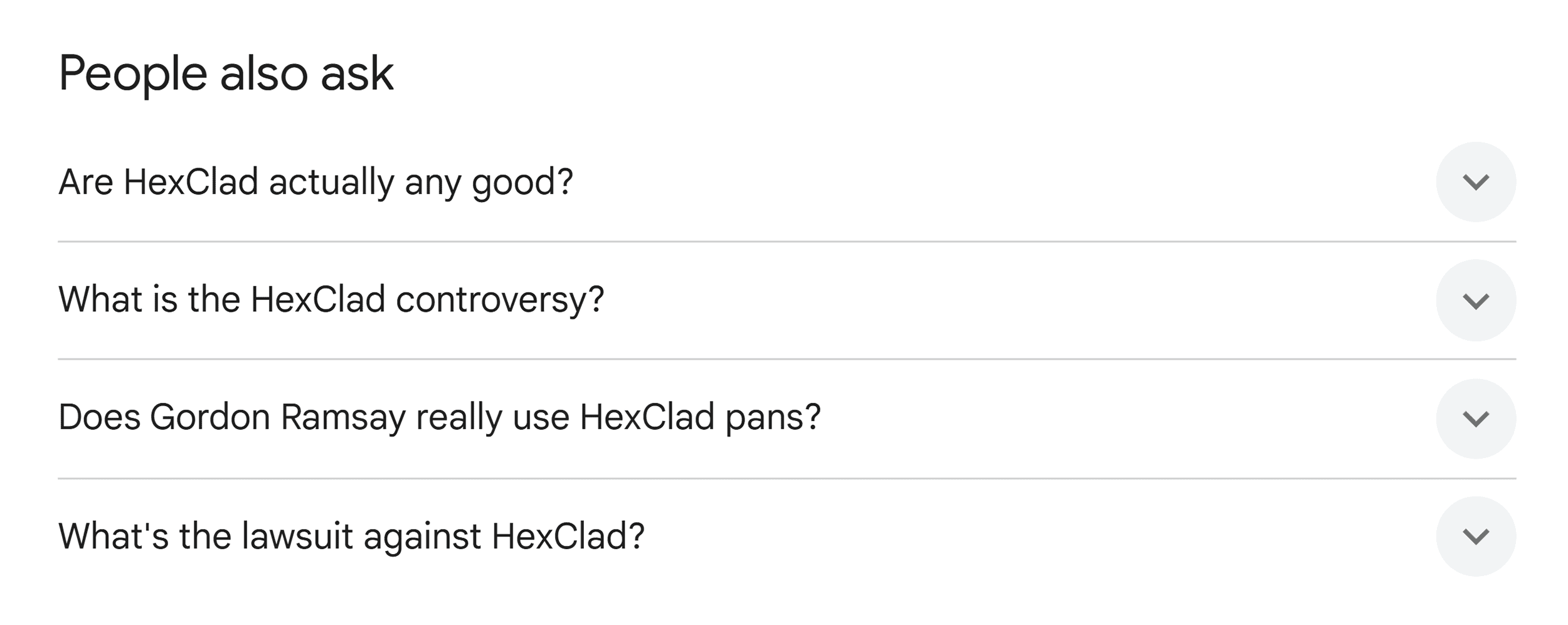
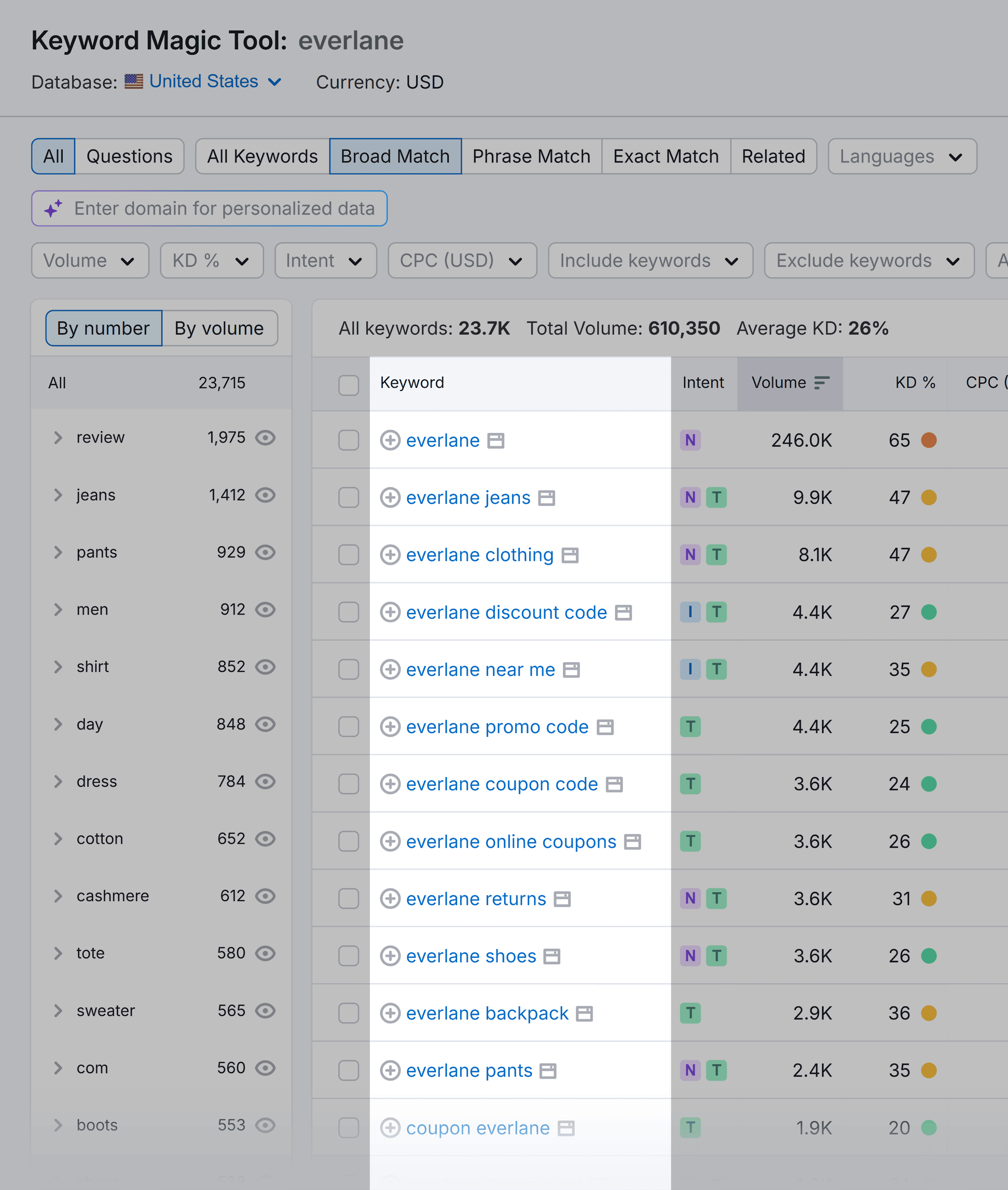
The strategy here is to align your proof with the specific "People Also Ask" (PAA) queries associated with your brand on Google. By proactively publishing content that answers these high-intent questions, you remove the barriers to trust. Using tools like Semrush, marketers can map out the recurring questions in their niche and build a content library that serves as the definitive source of truth, making your site the inevitable destination for researchers who need more detail than an AI summary can provide.
4. Video as a Trust Catalyst
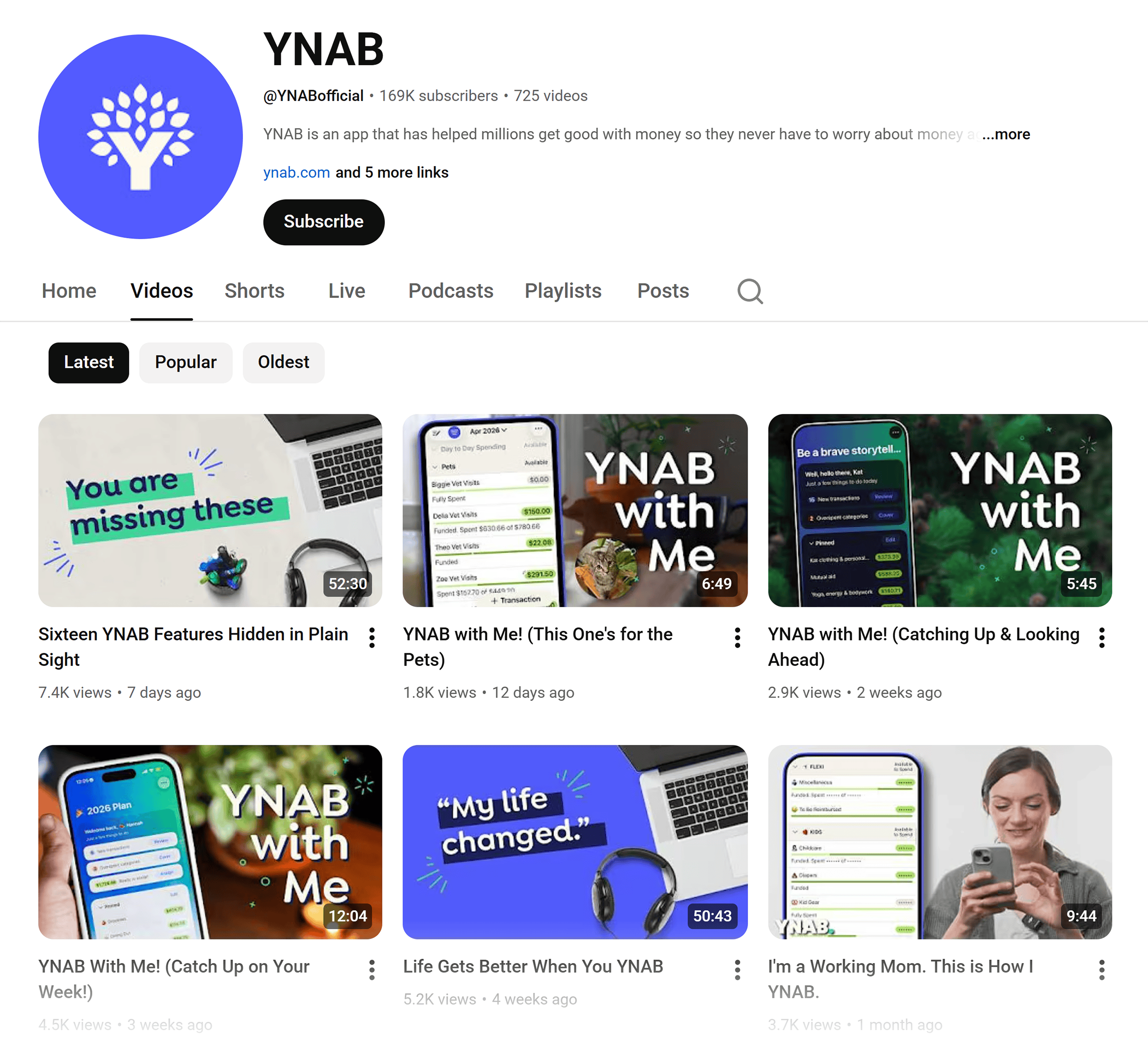
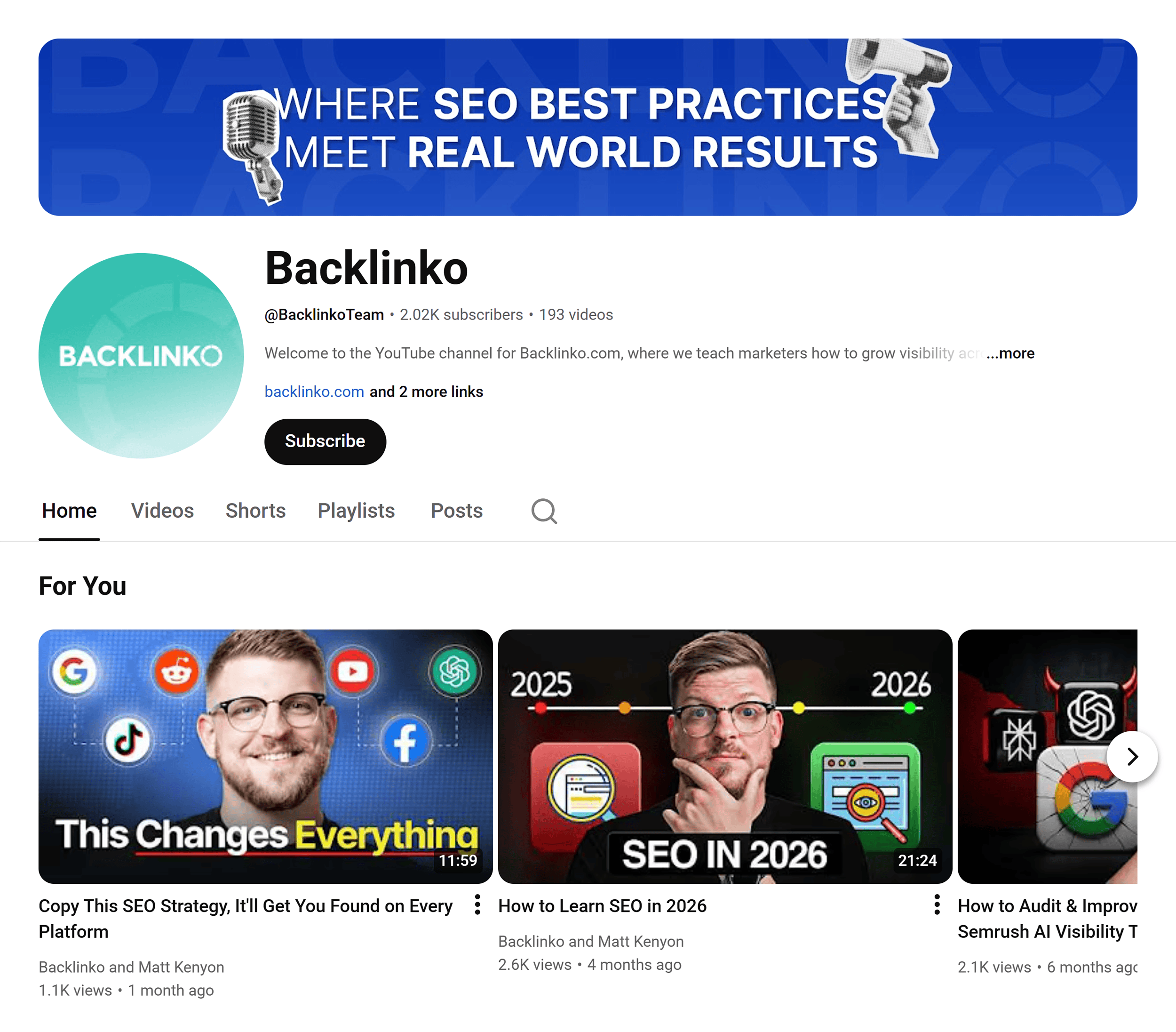
The rise of video content is not merely a trend; it is a fundamental shift in how trust is established. Long-form video, particularly on YouTube, serves as a cornerstone for building authority. Educational tutorials, deep-dive explainers, and product demonstrations allow prospects to experience the human side of your brand, creating a sense of familiarity that text cannot replicate.
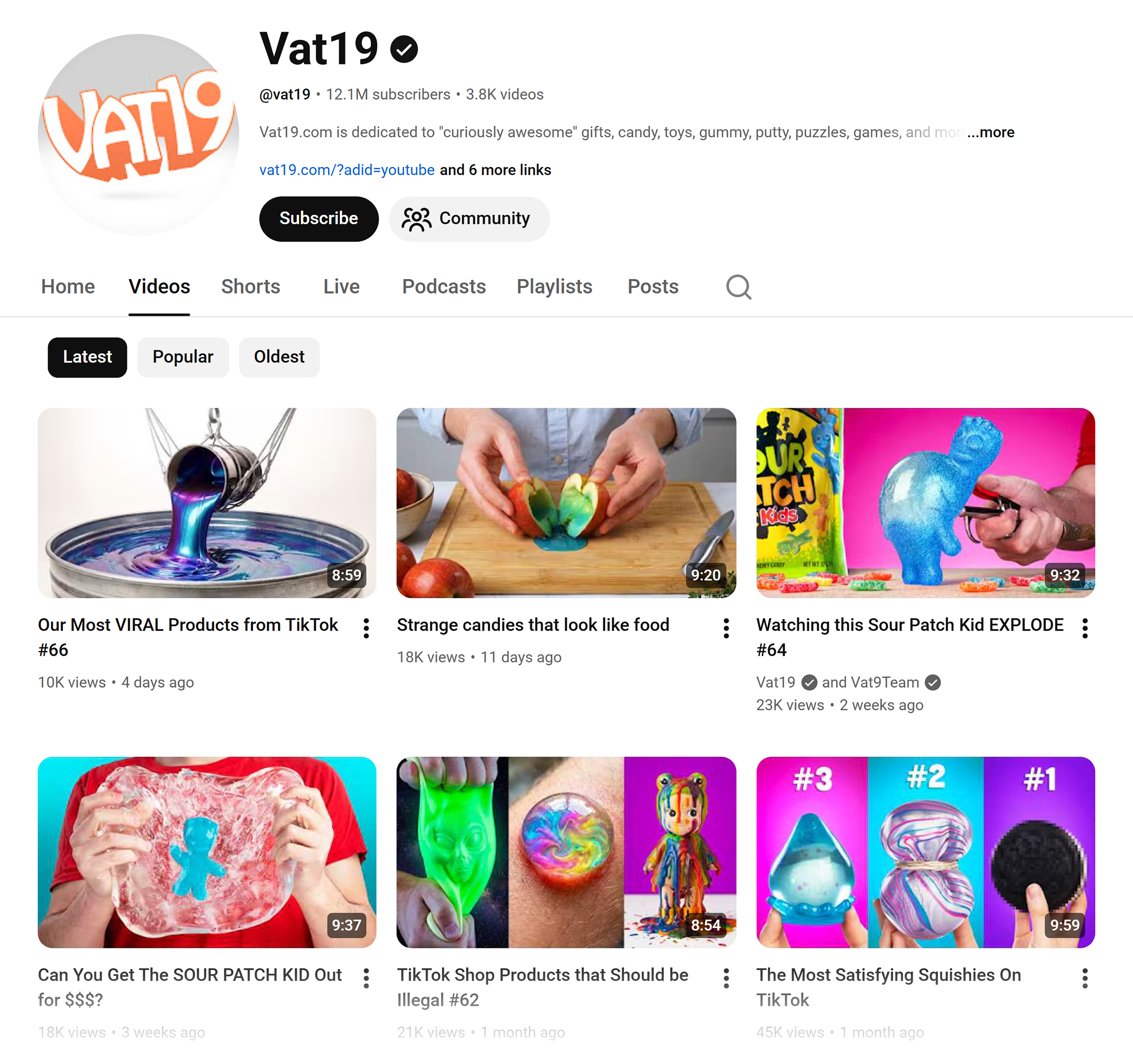
For SaaS companies, the focus should remain on tutorials that assist in the evaluation phase of the buyer journey. For e-commerce, the approach shifts toward visual, high-engagement content that highlights utility. Regardless of the format, the goal remains the same: to create a seamless link between the video content and your website. Descriptions, pinned comments, and on-screen calls-to-action should guide viewers directly to relevant high-intent pages on your site.
5. Capturing Google Discover Traffic
Google Discover, the personalized content feed integrated into mobile devices, offers a unique opportunity for high-volume, interest-based traffic. Unlike search, which is reactive, Discover is proactive. To leverage this, content teams must implement a "Discover lane" in their editorial calendar. This content should be timely, emotionally resonant, and framed with a "why now" angle.
Success in Discover is heavily dependent on packaging. Headlines must convey urgency or stakes, and featured images must be high-resolution (at least 1,200px wide) with a clear focal point that stands out in a visually cluttered feed. By conducting an audit of your existing content to see if it can be reframed to address current industry trends or breaking news, you increase the likelihood of being curated by Google’s recommendation engine.
6. Conversion Rate Optimization in a Zero-Click Era
As AI platforms increasingly provide answers directly, the traffic that does reach your website will be smaller in volume but significantly higher in quality. This necessitates a laser focus on conversion rate optimization (CRO). Every visitor who bypasses an AI answer to reach your site is signaling a high level of intent; the goal is to eliminate any remaining friction or anxiety that could prevent a transaction.
Auditing your site for conversion barriers—such as slow load times, unclear calls-to-action, or lack of trust signals—is now a core component of marketing. Furthermore, behavioral targeting via email has become essential. By triggering specific email sequences based on site activity (e.g., visiting a pricing page or abandoning a cart), you can maintain engagement with prospects who are in the middle of a buying decision. This strategy utilizes the psychological principle of reciprocity, offering value to the prospect that encourages them to complete the conversion.
7. The Human Premium: Leadership and Community
Finally, as the internet becomes more automated, the "human premium" will continue to rise. Brands that put a visible, authoritative human voice behind their operations will consistently outperform those that remain faceless. This involves publishing thought leadership that articulates a distinct point of view, and empowering employees or executives to serve as brand advocates in niche communities.
Whether on Reddit, Discord, or industry-specific forums, the most successful brands participate as contributors rather than advertisers. By observing community sentiment, answering questions without an immediate sales pitch, and providing genuine value, you build a foundation of trust that carries over to your primary domain.
In 2026, website marketing is no longer about the website alone. It is about building a cohesive, multi-channel narrative that confirms your expertise and reliability before the user ever arrives. By embracing this decentralized reality, you ensure that your website remains not just a destination, but a vital, high-trust conclusion to the modern customer journey.