
In the rapidly evolving landscape of digital marketing, maintaining a consistent brand presence across multiple social media channels is no longer an optional strategy; it is a fundamental requirement for growth. As businesses, creators, and agencies navigate an increasingly fragmented ecosystem of platforms, the selection of a robust social media management tool has become a critical operational decision. Among the most prominent contenders in this space are Buffer and Later, two platforms that have carved out distinct niches by addressing the needs of different user segments through varying technical architectures, pricing models, and feature sets.
The evolution of these tools reflects the broader shift in how content is produced and consumed. Initially designed as simple scheduling utilities, both platforms have transformed into comprehensive management suites. Buffer, which launched in 2010, initially gained traction by simplifying the act of queuing posts. Over the subsequent 15 years, it has matured into a multi-channel hub. Later, which emerged later in the decade as a visual-first solution, prioritized the aesthetic needs of the influencer economy, particularly those operating on platforms like Instagram and Pinterest.
Architectural Differences and Strategic Focus
The fundamental divergence between Buffer and Later lies in their core design philosophies. Buffer operates on a philosophy of "platform-agnostic" utility. Its interface is built to facilitate cross-platform publishing with a focus on efficiency, bulk management, and accessibility. By supporting 11 distinct platforms—including newer networks like Bluesky, Mastodon, and Threads—Buffer caters to power users who manage diverse digital footprints.
Later, conversely, is built upon a "visual-first" workflow. Its hallmark feature remains the drag-and-drop calendar, which allows users to map out a visual grid before publishing. This design choice is tailored to brand managers and creators who prioritize the visual cohesion of their profiles. While both tools allow for scheduling and analytics, the underlying workflows differ significantly: Buffer’s architecture favors rapid, bulk, and data-driven posting, while Later’s architecture favors curated, visual-centric content planning.
Pricing Models and Market Positioning
Pricing structures serve as the most immediate point of contention for potential users. Buffer utilizes a modular, channel-based pricing model. This approach is highly granular, allowing users to pay specifically for the channels they utilize. By pricing at a lower entry point—starting at $6 per month—Buffer targets individual creators and small teams who require a lean, cost-effective solution. A significant aspect of Buffer’s value proposition is the inclusion of "Unlimited" user access on its Team plans, which removes the financial friction typically associated with scaling a marketing department.
Later employs a "social set" pricing model. A social set is a bundled collection of accounts across different platforms. While this simplifies management for agencies that serve a single client across multiple channels, it can prove cost-prohibitive for users who only require specific, non-bundled services. For instance, a user seeking to manage multiple LinkedIn pages without the need for Instagram or TikTok support may find the bundled pricing structure less efficient than Buffer’s a la carte approach. Furthermore, Later’s reliance on credit-based systems for AI tools and higher-tier pricing for team-based engagement features highlights its focus on the enterprise and agency market segment.
Feature Comparison and Operational Capabilities
The operational capabilities of these platforms reveal how they address the daily pain points of content creators.
Content Scheduling and Bulk Management
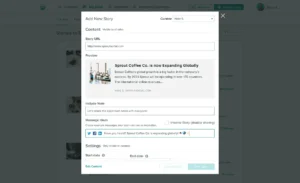
Buffer offers a distinct advantage for high-volume publishers through its support for CSV-based bulk scheduling. This feature allows users to upload up to 100 posts at once, a capability that is currently absent in Later. For organizations that plan their content calendars in spreadsheets, this represents a significant time-saving mechanism.
AI-Assisted Content Generation
In the era of Generative AI, both platforms have integrated machine learning tools. However, the implementation differs. Buffer provides unlimited access to its AI Assistant across all tiers, including its free plan. This democratization of AI suggests a commitment to supporting creators regardless of their budget. Later, in contrast, utilizes a token-based credit system. Users are allocated a specific number of credits per month, and generating content—whether captions or ideation prompts—consumes these resources. This model is typical of enterprise software intended to manage operational costs, but it may prove restrictive for high-output creators.
Community Engagement and Social Listening
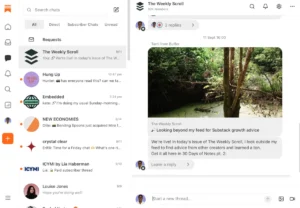
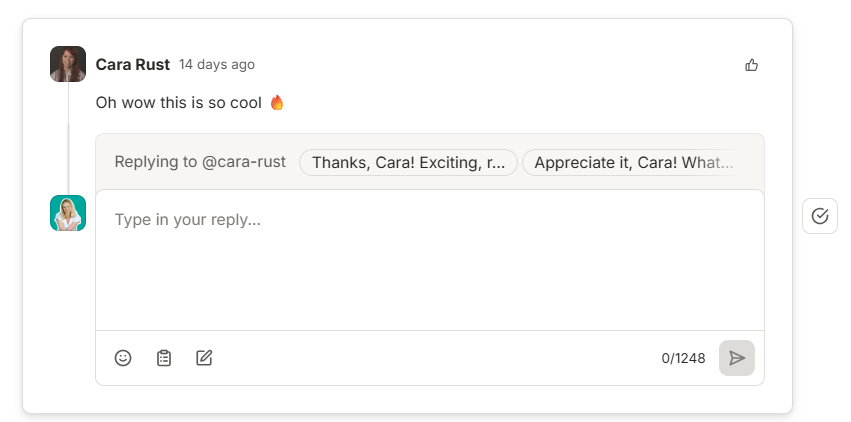
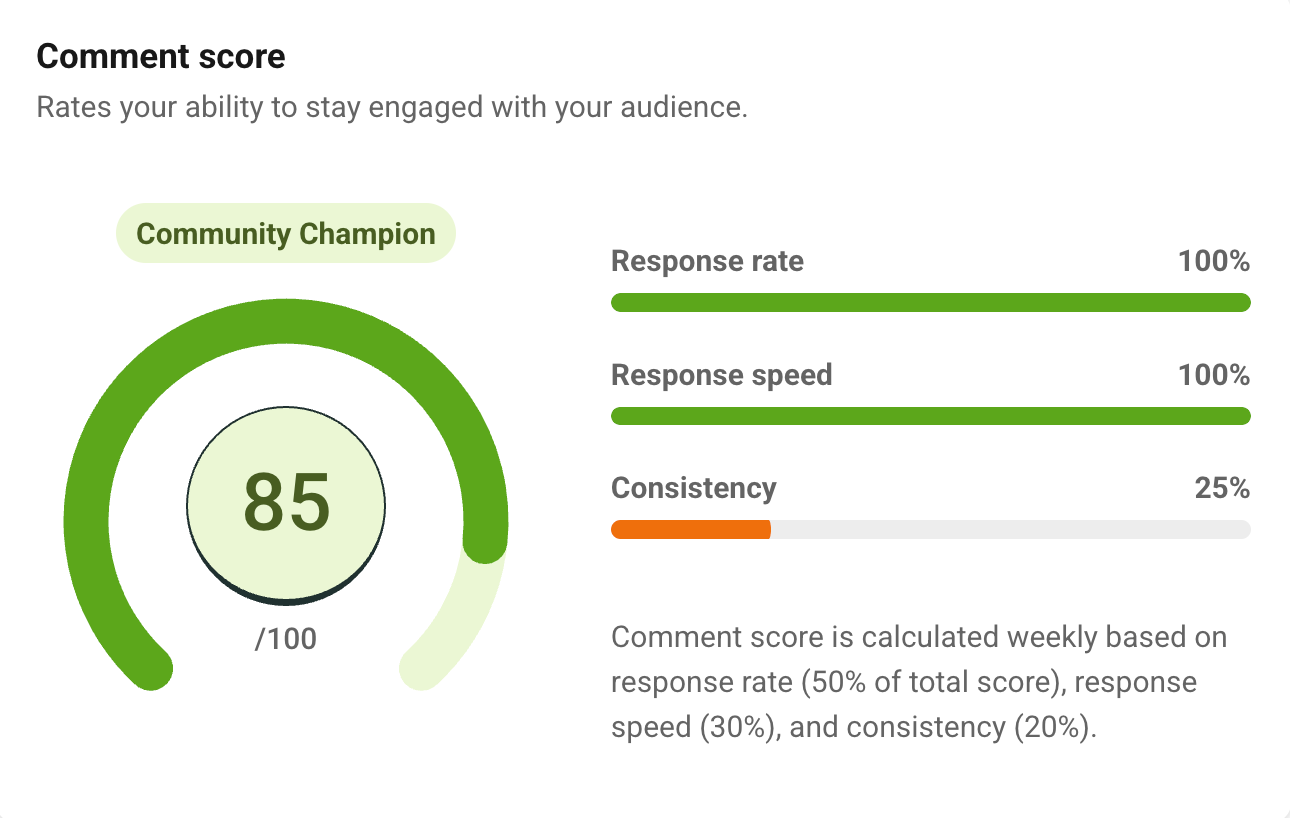
Engagement is a crucial pillar of modern social strategy. Buffer’s "Community" feature is integrated into every plan, including the free version, and includes tools to track response times and consistency. This emphasis on "community health" encourages active interaction. Later’s social inbox is reserved for paid, team-focused tiers. While Later offers an advanced "social listening" add-on for brand sentiment analysis and competitive benchmarking, this feature is restricted to their most expensive plans and involves additional costs, making it a specialized tool for larger organizations rather than general users.
The Impact of Platform API Limitations
It is important to note that both platforms operate within the constraints imposed by social networks themselves. Platforms like Instagram, for instance, limit the degree to which third-party tools can automate the publishing of certain media formats. Consequently, both Buffer and Later occasionally require users to utilize "notification-based" publishing—where the app sends a push notification to the user’s mobile device to trigger the final post manually. This is a universal constraint for third-party social media management software, and users should expect similar limitations regardless of which tool they choose.
Analytics and Reporting Capabilities
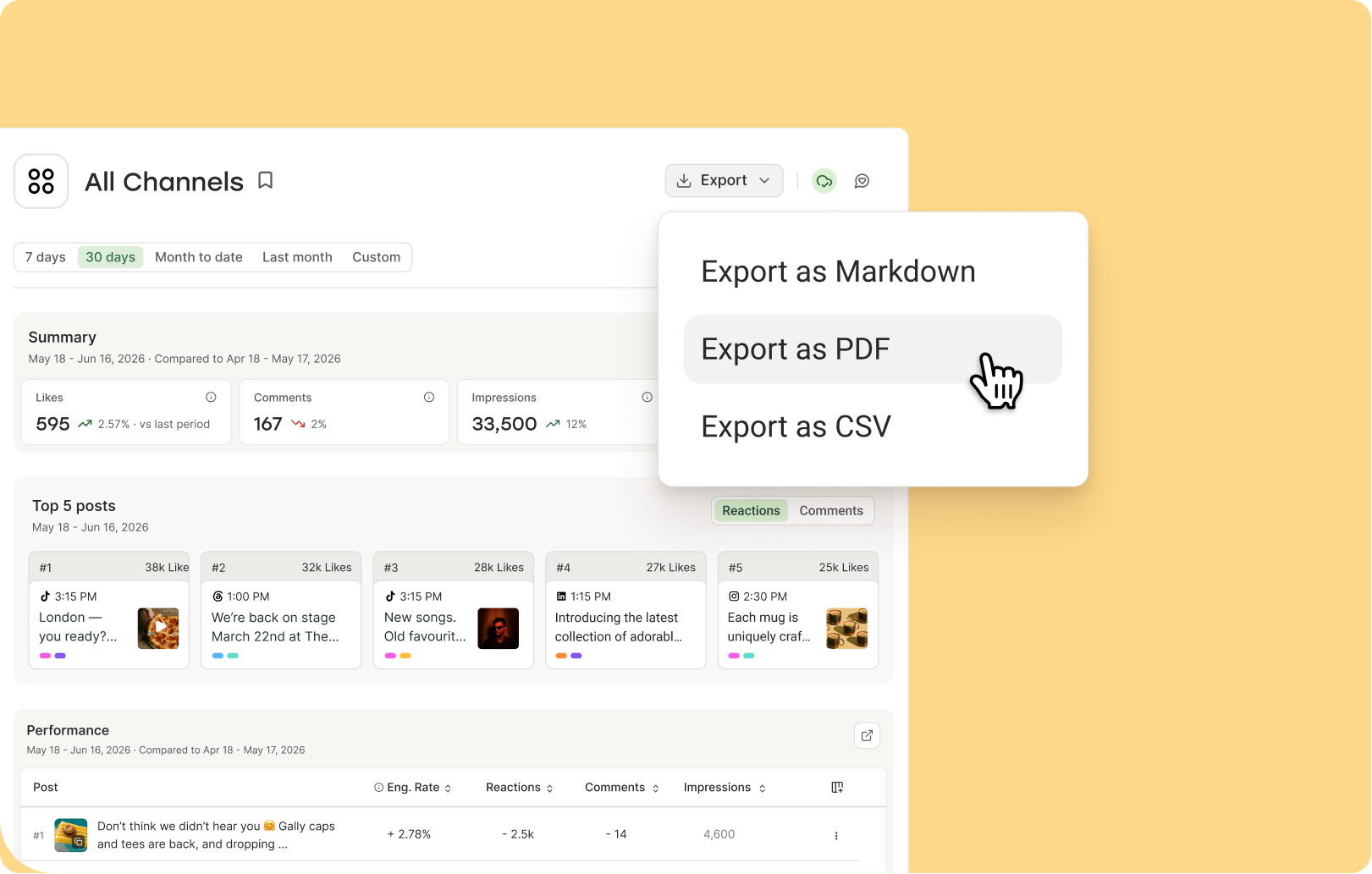
Data-driven decision-making requires accurate, actionable analytics. Buffer’s "Insights" feature is available on all plans, providing a unified dashboard that tracks performance across platforms. The tool’s AI-powered "Takeaways" feature is a notable differentiator, as it synthesizes complex data into human-readable suggestions for future content.
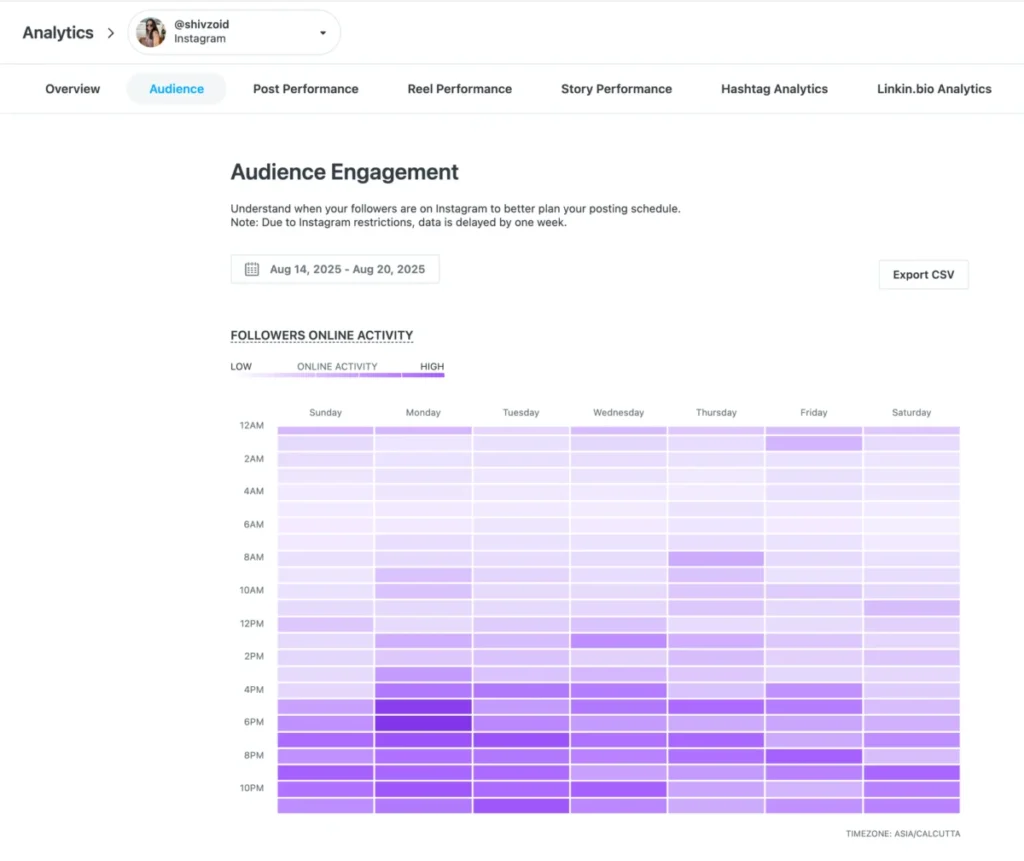
Later’s analytics suite is deeply integrated with the platform’s visual focus. It provides highly detailed demographic breakdowns, including age, gender, and geographic location, and offers "best time to post" heatmaps. These features are exceptionally useful for Instagram and TikTok creators looking to optimize engagement windows. However, the restriction of cross-platform, multi-account analytics to high-tier plans limits its utility for users managing a large, diverse portfolio of accounts on a lower budget.
Future Implications and Strategic Selection
The decision to adopt either Buffer or Later depends heavily on the user’s specific goals. If the objective is to build a scalable, multi-platform presence with a focus on efficiency, bulk publishing, and budget predictability, Buffer provides a more agile and cost-effective foundation. Its focus on unlimited team access and channel-based pricing makes it an ideal candidate for growing startups and independent creators who need to maintain a presence on many platforms simultaneously.
Conversely, if the user’s strategy is heavily reliant on visual storytelling, specifically on platforms like Instagram and Pinterest, Later offers a more specialized environment. Its drag-and-drop planning, visual grid preview, and sophisticated influencer marketing tools provide a tailored experience for brands that prioritize aesthetic consistency and campaign-based influencer collaborations.
As the social media landscape continues to consolidate and evolve, the competition between these two providers underscores the maturation of the software-as-a-service (SaaS) market for digital marketing. With the integration of AI, the expansion of cross-platform compatibility, and the increasing demand for robust analytics, both Buffer and Later have moved well beyond their original functions. The ultimate implication for the market is a more professionalized social media landscape where even small-scale creators have access to high-tier management capabilities, provided they select the tool that aligns with their specific operational DNA.