

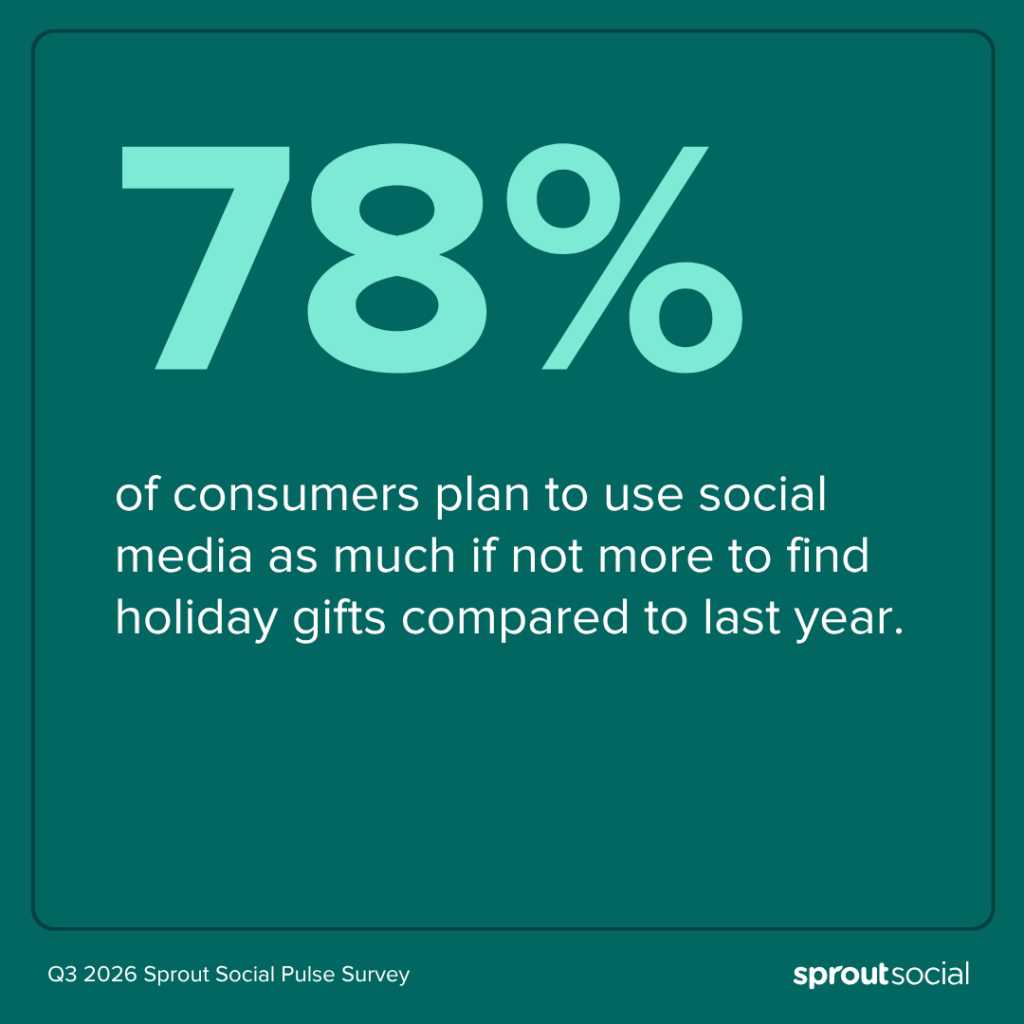
As the seasonal retail window edges earlier into the calendar year, the mechanics of holiday shopping are undergoing a profound structural shift driven by digital platforms. The convergence of tightening household budgets, impending tariff concerns, and the maturation of social commerce has redefined how consumers discover products, interact with brands, and finalize purchases. According to data from the Q3 2026 Pulse Survey conducted by Panoplai on behalf of Sprout Social—which surveyed 2,286 consumers across the United States, the United Kingdom, and Australia between August 11 and August 18, 2026—social media has entrenched itself as an indispensable utility for the upcoming retail cycle. More than three-quarters of respondents (78%) indicated they plan to utilize social media channels as much as, or more than, they did in previous years to source holiday gifts.
This digital migration is not merely a matter of convenience; it reflects a broader behavioral evolution. Social networks have transitioned from auxiliary branding spaces into comprehensive shopping ecosystems. Today’s consumers approach platforms like TikTok, Instagram, and Facebook as multi-functional destinations capable of fulfilling three distinct retail requirements: product discovery, deal aggregation, and customer service resolution. For modern retailers and brands, understanding this paradigm is essential to navigating a complex economic landscape defined by cautious spending and shifting timelines.

The Disconnect Between Campaign Timing and Consumer Intent
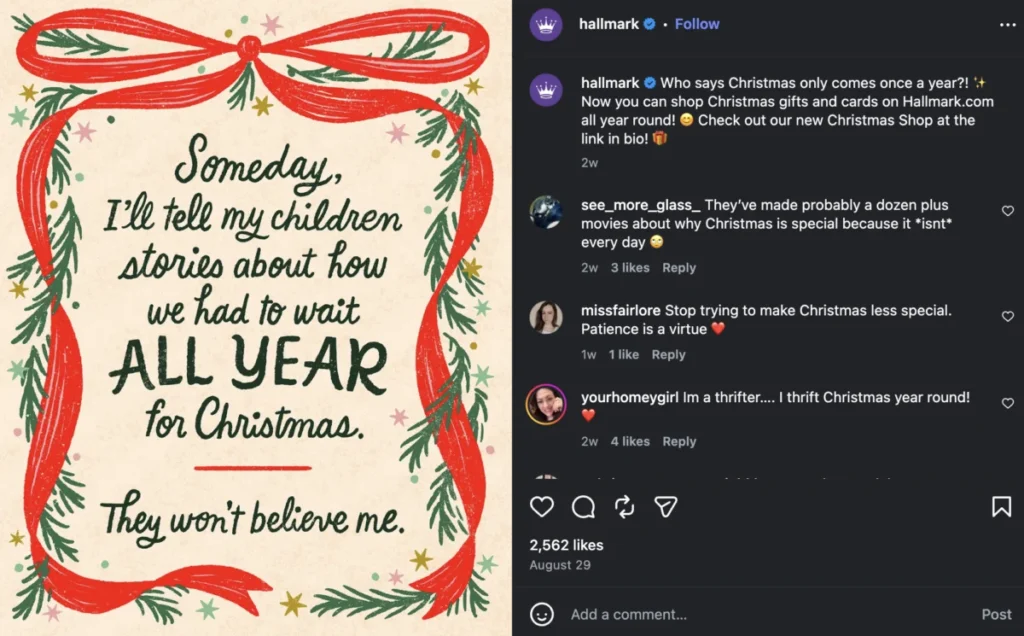
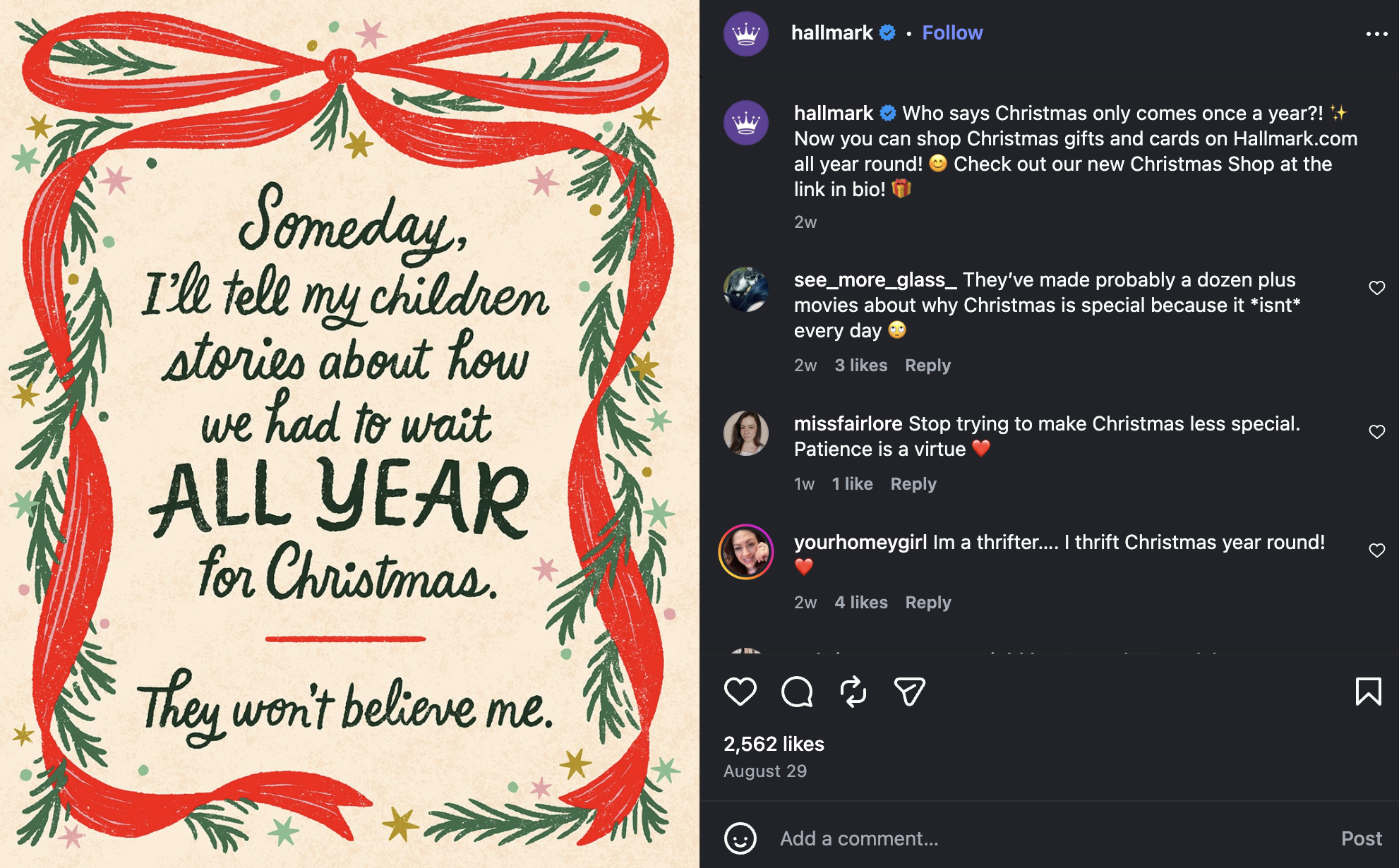
A central tension in modern holiday marketing involves the ongoing phenomenon of calendar creep. Over recent years, commercial entities have systematically accelerated their holiday rollouts. Retail milestones that traditionally occupied the final quarter of the year now infiltrate the summer months—evidenced by social trends such as "Summerween" in June, early autumn beverage rollouts in August, and preliminary digital storefront launches from heritage brands like Hallmark.
However, consumer sentiment regarding these early activations reveals a distinct divergence between stated preferences and actual purchasing behavior. Survey data indicates that exactly half of consumers (50%) believe brands should initiate holiday advertising in October, representing a notable shift away from the late-summer preferences observed in 2025, when August and September were favored.
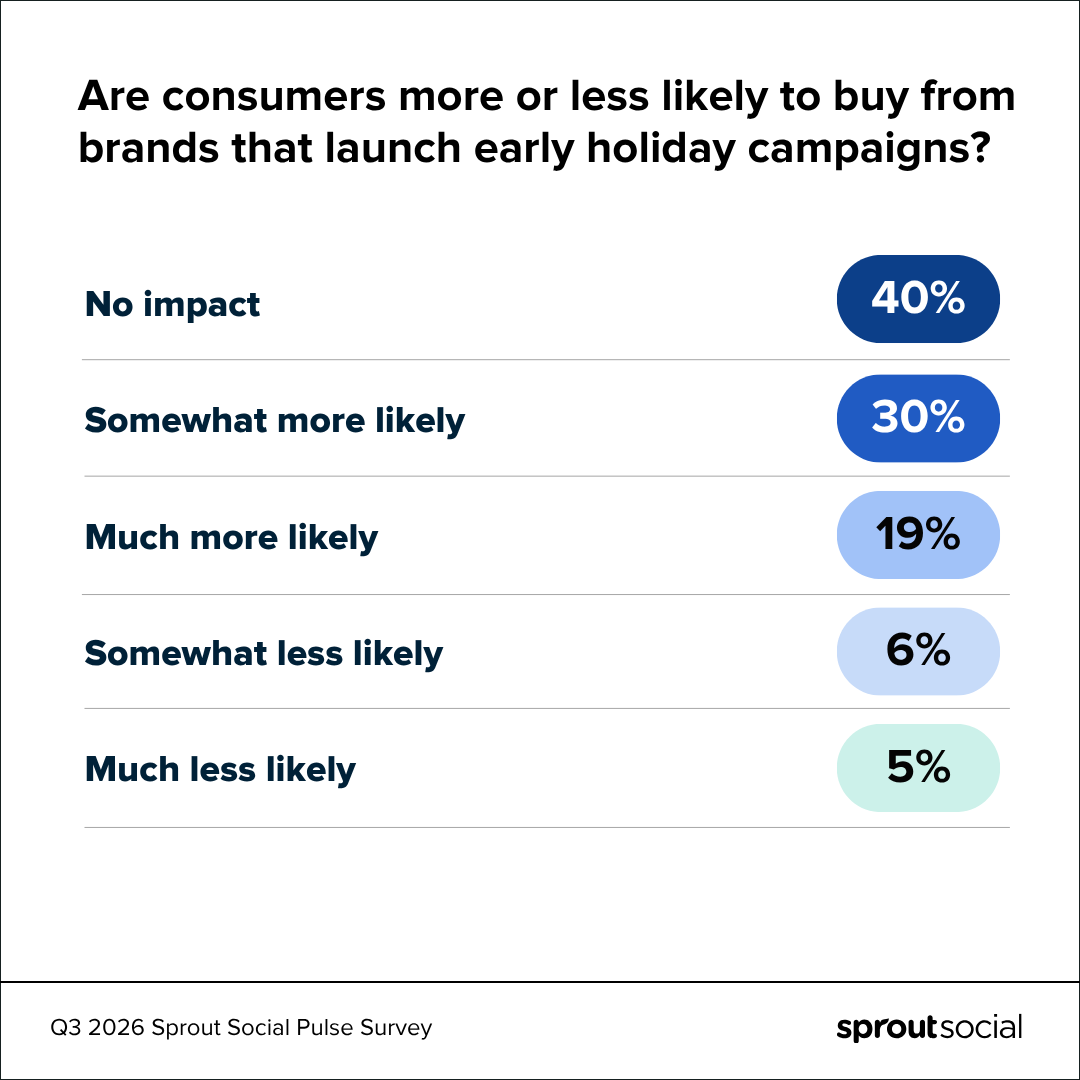
Despite this stated preference for a traditional October kickoff, actual consumer spending habits tell a different story. When evaluating early campaigns launched as early as August, 40% of surveyed shoppers reported that early marketing had no net impact on their decision to buy. Crucially, nearly 50% stated they were either somewhat more likely or much more likely to patronize a brand that advertises in August. This behavioral data suggests that while consumers may intellectually resist the premature commercialization of the seasons, the timing of an ad campaign is rarely a dealbreaker. Consequently, marketing executives are increasingly advised to pivot their strategic focus away from calendar optimization and toward the qualitative resonance of their creative messaging.
Economic Pressures, Tariffs, and the Acceleration of Budgets
While campaign timing exerts minimal influence on final purchasing decisions, macroeconomic factors and trade policy are proving to be decisive variables for the 2026 holiday season. Inflationary pressures, combined with widespread consumer anxiety regarding potential tariff-induced price increases, have fundamentally altered shopping timelines and budgetary allocations.
The survey data highlights profound economic apprehension among global consumers. Over two-thirds of respondents (69%) expressed concern over potential price hikes resulting from new tariffs. In response to these fiscal pressures, 36% of shoppers indicated an intention to begin their holiday purchasing earlier than usual to preempt future cost escalations. On an aggregate level, 56% of consumers plan to scale back their total holiday spending compared to previous years.
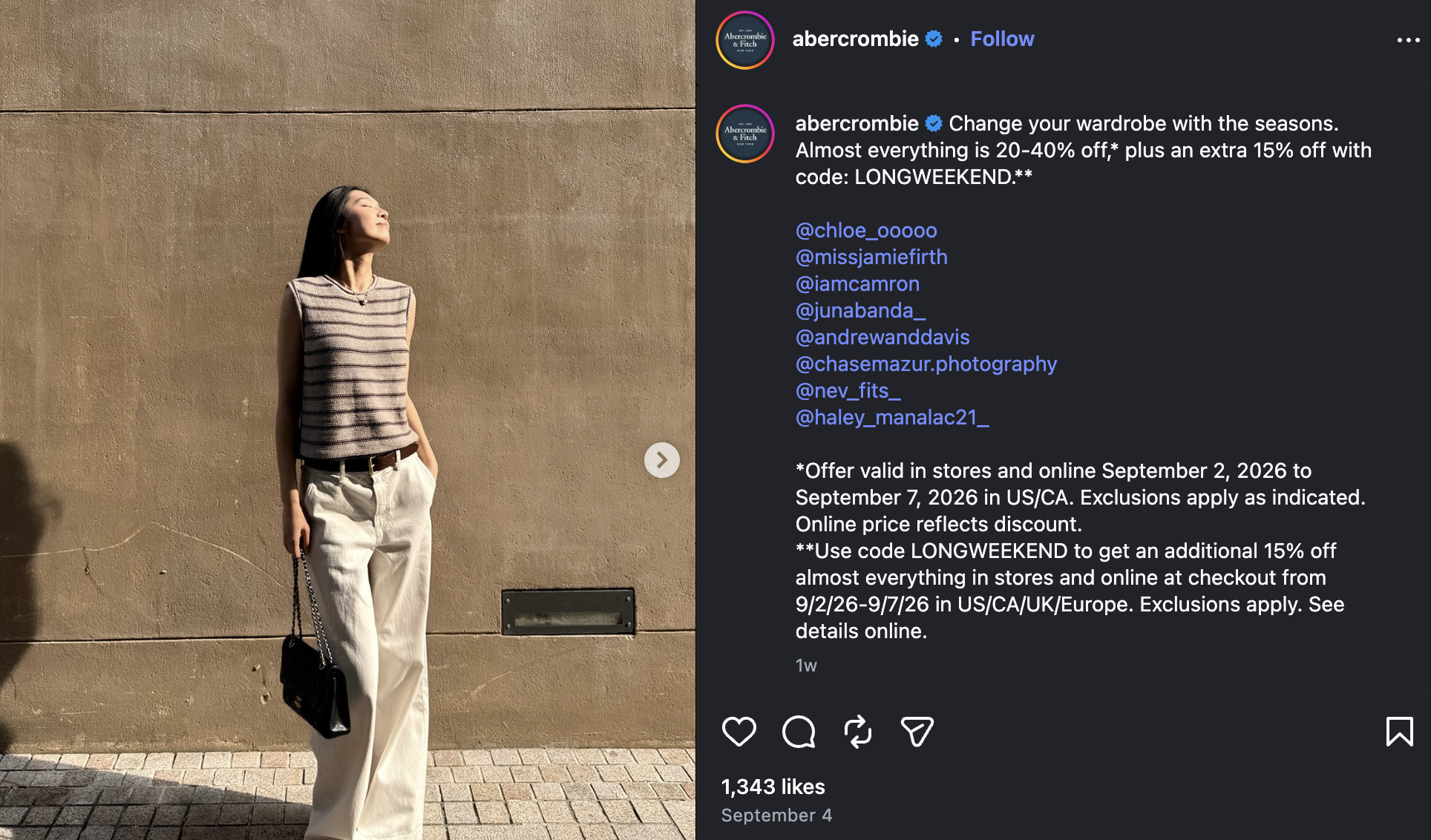
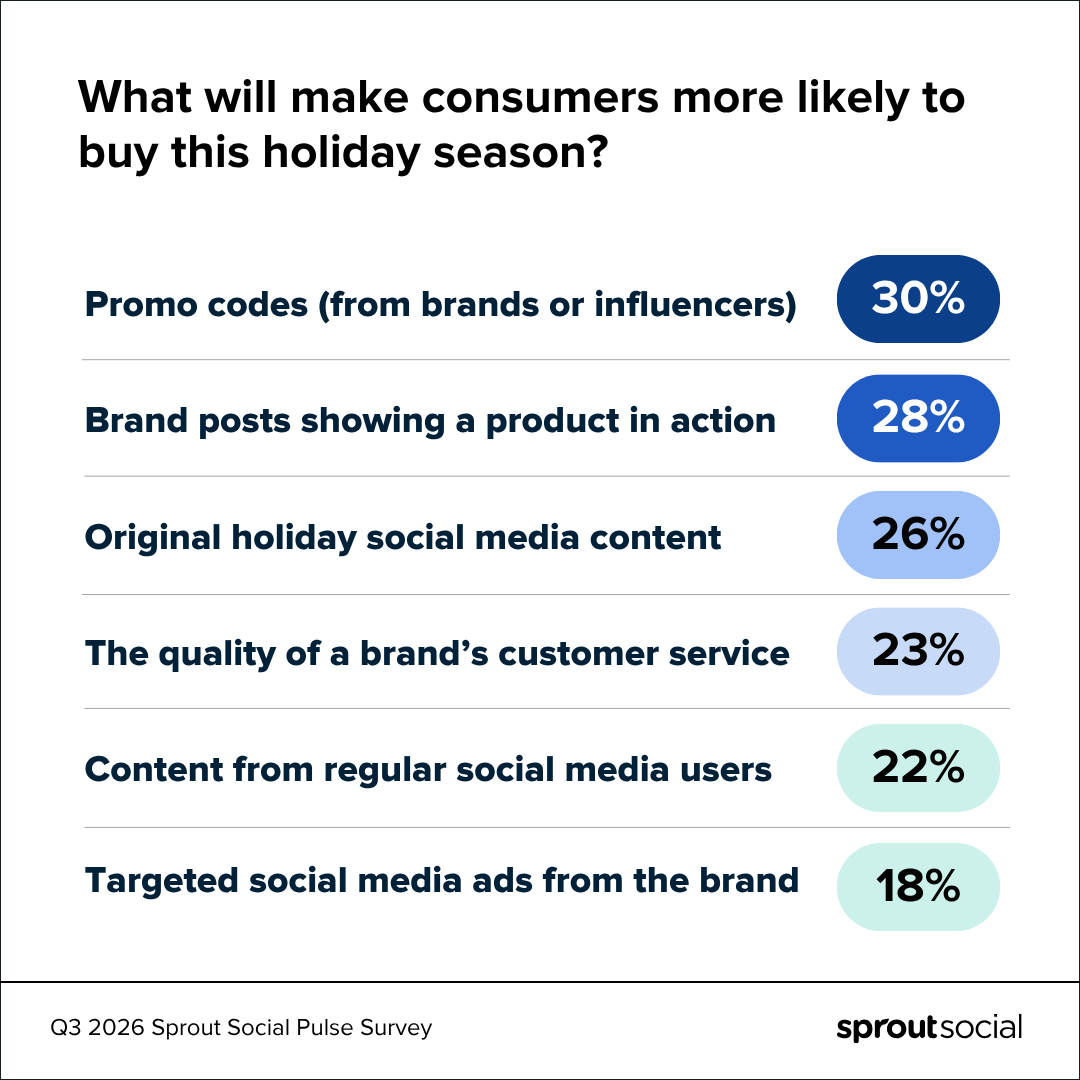
Faced with constrained capital, shoppers are aggressively seeking out value-driven incentives. Promo codes have emerged as the single most effective tool for capturing consumer attention, with 30% of respondents identifying discounts—whether sourced directly from the brand or via influencer marketing partnerships—as the primary catalyst capable of persuading them to complete a purchase. This emphasis on financial pragmatism represents a marked departure from previous years, placing the onus on brands to structure their campaigns around demonstrable value.
Beyond discounts, consumers are demanding transparency regarding product functionality. Twenty-eight percent of shoppers reported that seeing products demonstrated in action makes them more likely to buy, while 23% prioritize original, holiday-specific creative content. This represents a significant shift from 2025, when customer service quality and user-generated content served as the primary drivers of purchase intent. For brands, successful execution in 2026 requires robust influencer collaborations that simultaneously deliver discount codes, functional product demonstrations, and engaging seasonal narratives.
Social Search and the Rise of Direct-to-Consumer Social Commerce
The integration of social media into the foundational stages of the buyer journey is no longer a nascent trend. Building upon findings from earlier in the year—which showed social platforms outpacing traditional search engines for experiential, highly visual, or peer-led inquiries—social media has achieved parity with physical retail spaces for holiday gift discovery.
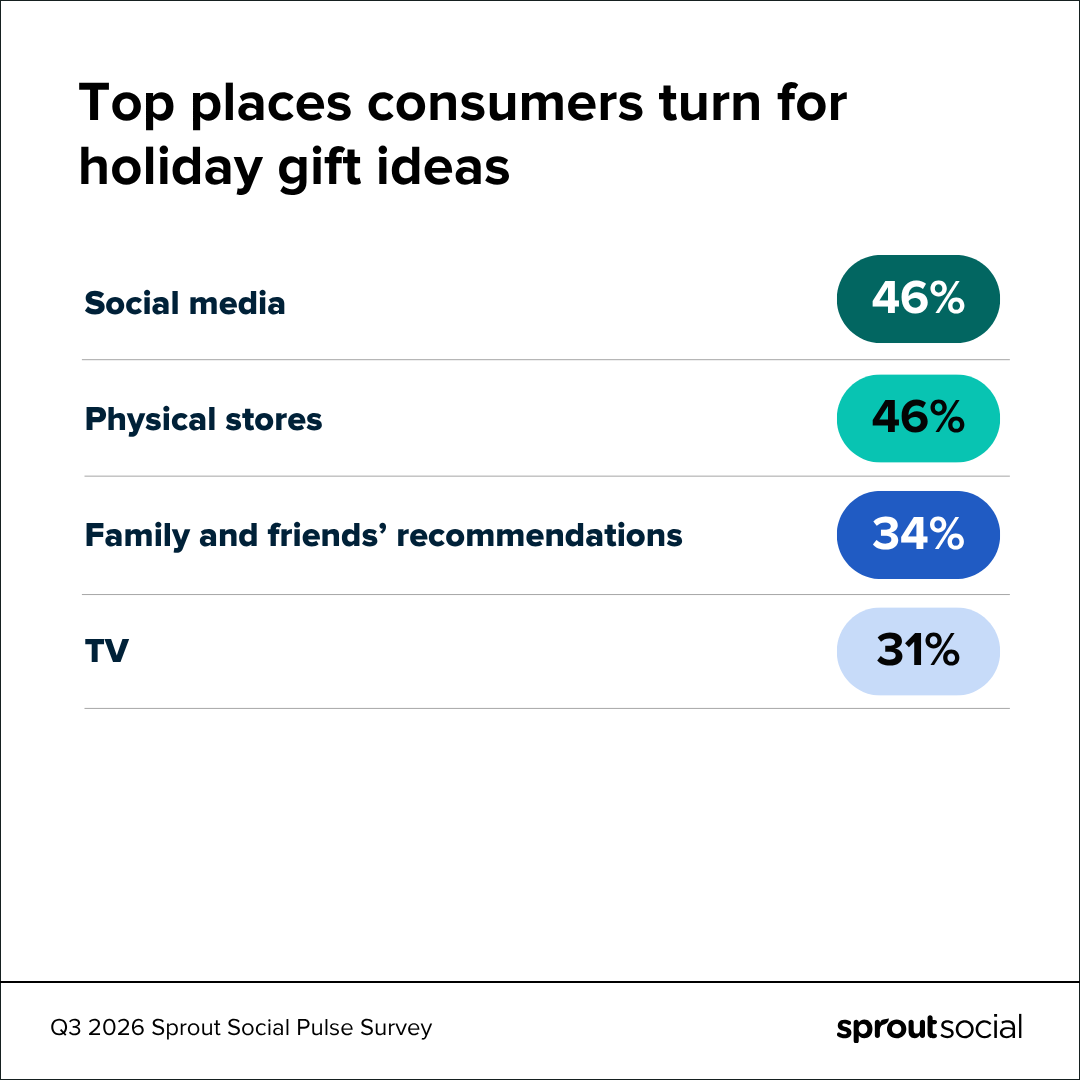
In 2026, social platforms tied for the number-one spot in holiday gift discovery, with 46% of consumers turning to these networks for inspiration, matching the percentage of shoppers planning to visit traditional brick-and-mortar stores. Among younger demographics, particularly Gen Z and Millennials, social media claims the absolute top spot, with at least half of these cohorts relying on digital feeds to curate their gift lists.
Furthermore, consumer engagement with social ecosystems extends well beyond passive discovery. More than half of all shoppers reported a willingness to execute transactions directly within social applications. The growing maturity of native checkout infrastructures—such as TikTok Shop, Facebook Shops, and Instagram Checkout—allows brands to streamline the path to purchase, reducing friction by keeping consumers within a single digital environment from the initial impression to the final payment.
Customer Service Dynamics and the Integration of Artificial Intelligence
As transactional volume shifts toward digital platforms, the demand for responsive, high-quality customer support on social media has escalated correspondingly. The data indicates that 86% of users plan to utilize social channels for customer service inquiries as much as, or more than, they did during the 2025 holiday season.
Preferred communication channels vary across platforms, with TikTok leading at 50%, followed by Facebook (46%), Instagram (44%), X (28%), and WhatsApp (17%). Direct messaging remains the preferred modality for 55% of consumers across all generations; however, public comment sections are gaining traction as a primary customer service touchpoint, with 31% of users stating they utilize comments to seek assistance from brands.
This public exposure introduces significant reputational stakes for retailers. With 89% of consumers stating that brand response time directly influences their perception of a company, speed is paramount. Seventy percent of shoppers expect a formal response within twenty-four hours of reaching out.
To manage the anticipated surge in customer inquiries during the holiday rush without compromising response times, many retail organizations are turning to artificial intelligence. AI-powered tools assist customer support teams by triaging incoming messages, evaluating consumer sentiment, and drafting preliminary responses. Consumer receptivity to this technological integration is notably high: 70% of shoppers express comfort with brands offloading routine support tasks to AI, a figure that rises to 77% among Gen Z consumers.
Industry analysts emphasize, however, that technological efficiency must be balanced with human oversight. While AI can successfully expedite background sorting and initial triage, maintaining a human-in-the-loop framework is essential to preserve the nuance and personalization that consumers expect when resolving purchase issues. Organizations that combine rapid, AI-enabled triage with knowledgeable human support teams—while proactively publishing robust self-help resources and FAQs—are best positioned to protect their brand equity during peak trading periods.
Strategic Implications for Retailers
The 2026 holiday shopping season underscores a permanent transformation in consumer behavior. Driven by economic pragmatism, tariff anxieties, and a structural reliance on digital networks, shoppers are approaching the retail calendar with heightened scrutiny and altered timelines.
Brands that succeed in this environment will be those that recognize social media not merely as an advertising billboard, but as a holistic infrastructure encompassing search, discovery, commerce, and support. By aligning marketing strategies with the demand for tangible value, functional product transparency, and responsive digital customer care, organizations can effectively engage price-conscious consumers and establish a resilient foundation for the year ahead.