
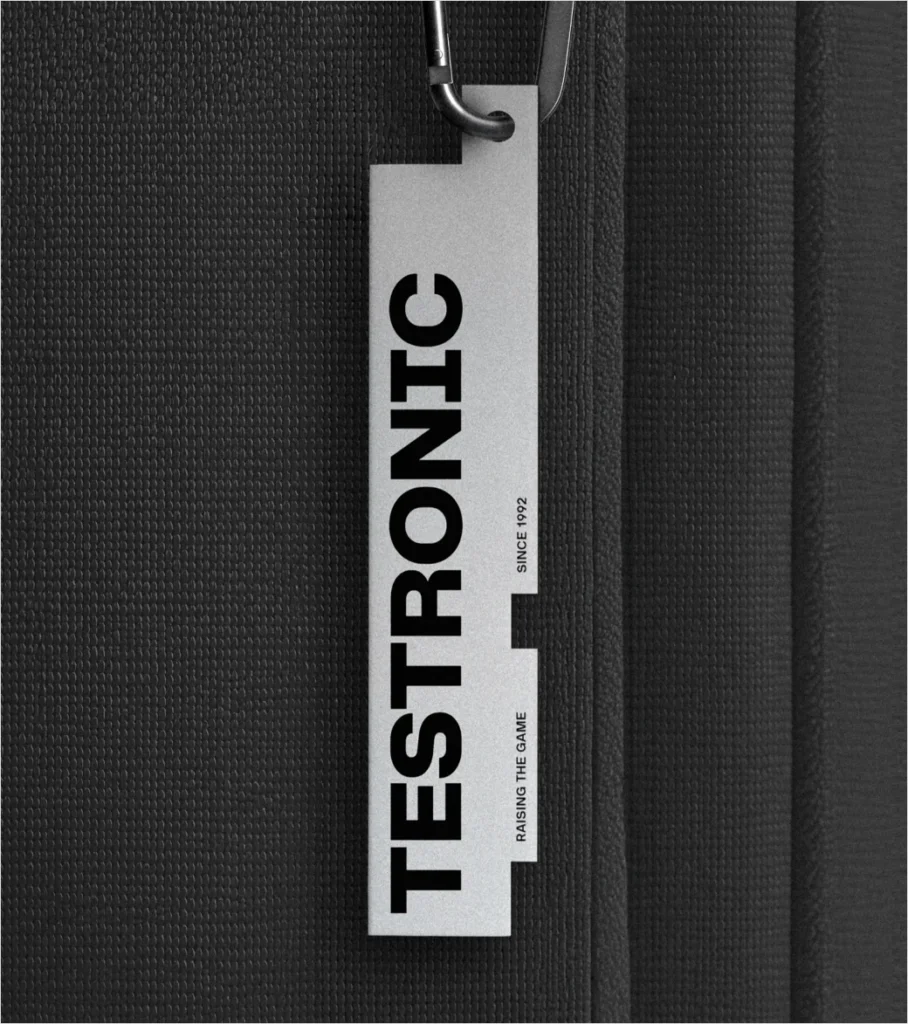

The contemporary video game industry is characterized by unprecedented scales of production, increasingly complex game engines, and towering consumer expectations. Behind every polished, blockbuster release lies an exhaustive, meticulous process of quality assurance (QA) and localization designed to ensure that sprawling digital worlds function seamlessly before reaching millions of players worldwide. At the forefront of this critical, yet frequently unseen, industry sector stands Testronic, a globally recognized authority in video game testing. In a decisive move to align its outward-facing image with its rigorous, high-precision internal operations, Testronic has unveiled a comprehensive brand overhaul executed by renowned design and strategy agency Studio Output.
The extensive rebranding initiative encompasses far more than a superficial aesthetic touch-up. Studio Output was tasked with redefining Testronic’s core brand strategy, overhauling its visual identity, refining its verbal communications, and engineering a completely new digital home via a modern website. This transformation marks a significant milestone for the testing specialist, updating a corporate identity that has guided the company through decades of profound technological evolution within the interactive entertainment sector.
Translating the Unseen into a Visual Language
One of the primary strategic challenges faced by Studio Output was how to visually represent a business model largely defined by confidentiality and invisible labor. Much of the exhaustive analytical scrutiny, bug tracking, compliance testing, and telemetry analysis conducted by Testronic remains shielded under strict non-disclosure agreements, occurring long before a title is ever publicly announced or showcased. Rather than viewing this inherent limitation as a creative roadblock, the design team at Studio Output leaned directly into it, transforming the mystery of the QA process into the central pillar of the new brand identity.
"Much of what Testronic does can never be shown, so rather than seeing that as a limitation, we made it part of the identity," the design team at Studio Output explained. "Instead of showing the finished games themselves, the brand gets beneath the surface, revealing the layers of scrutiny, precision and expertise that go into a game from build to launch."
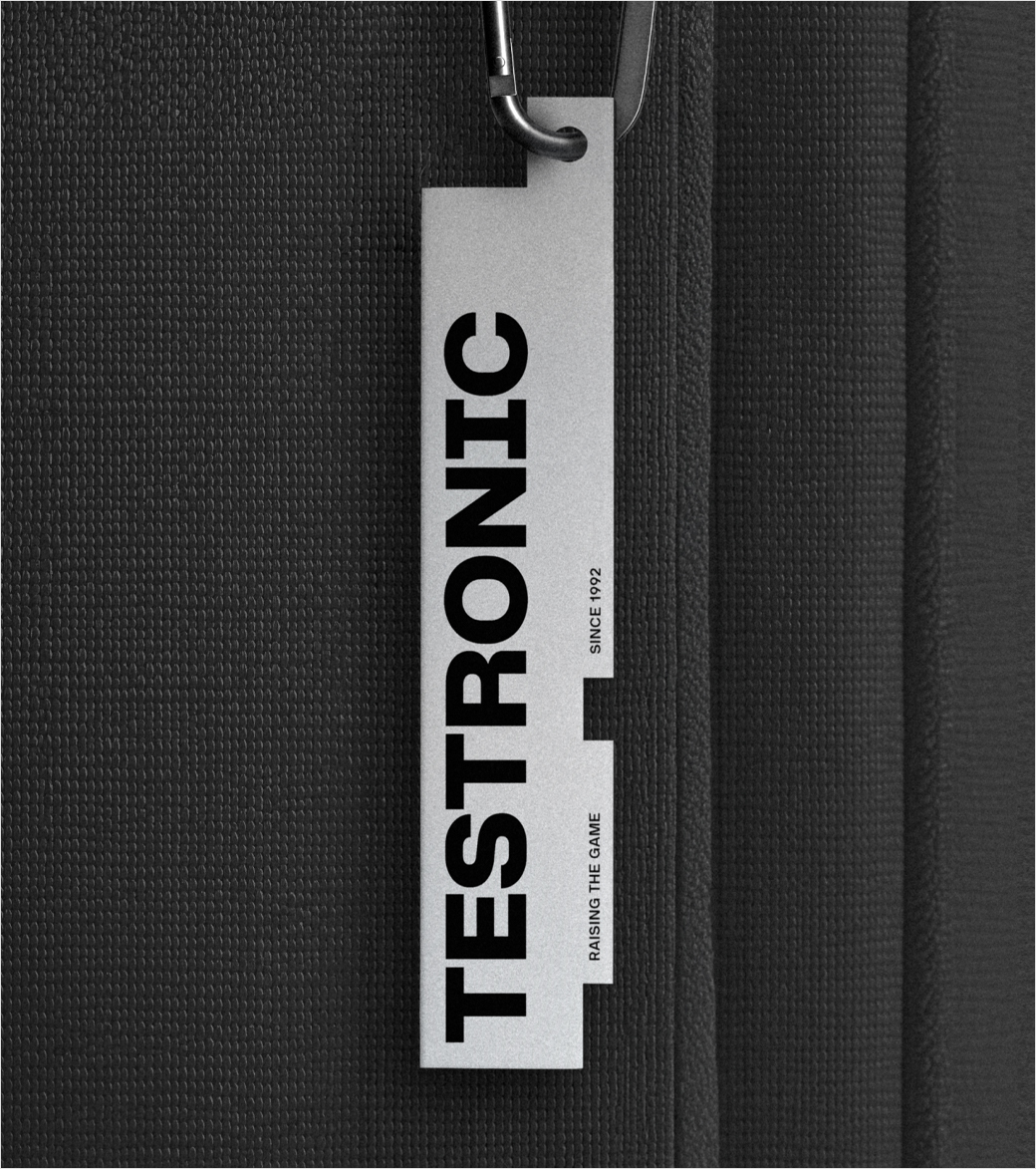
This conceptual philosophy manifest visually through a sophisticated, multi-layered design system. The underlying processes, analytical frameworks, and meticulous craft that typically happen behind closed doors were abstracted into the building blocks of the new visual language. This layered structural approach directly mirrors the methodical workflow of Testronic’s testing labs, where every line of code, physics interaction, and UI element is subjected to rigorous, multi-tiered inspection.

Furthermore, the project involved a careful auditing and refinement of Testronic’s legacy logo mark. Instead of discarding the existing equity built over decades, the core mark was subjected to functional stress tests, refined, and structurally reduced to ensure high legibility and impact across modern digital platforms, motion graphics, and physical collateral.
A Legacy of Quality Assurance: The History of Testronic
To fully appreciate the significance of this corporate rebrand, it is necessary to examine the historical trajectory of Testronic within the broader ecosystem of the video game industry. Founded in 1998, Testronic established its operations during an era when the video game market was transitioning from cartridge-based media to optical discs, accompanied by a sudden exponential leap in software complexity.
In the late 1990s, video game testing was frequently decentralized, handled entirely in-house by software developers, or relegated to rudimentary, ad-hoc procedures. Testronic recognized an emerging industry requirement for independent, third-party quality assurance. By positioning itself as an objective, highly specialized evaluation partner, the company provided developers and publishers with an invaluable external perspective capable of identifying critical flaws that internal teams might overlook due to project fatigue or familiarity bias.
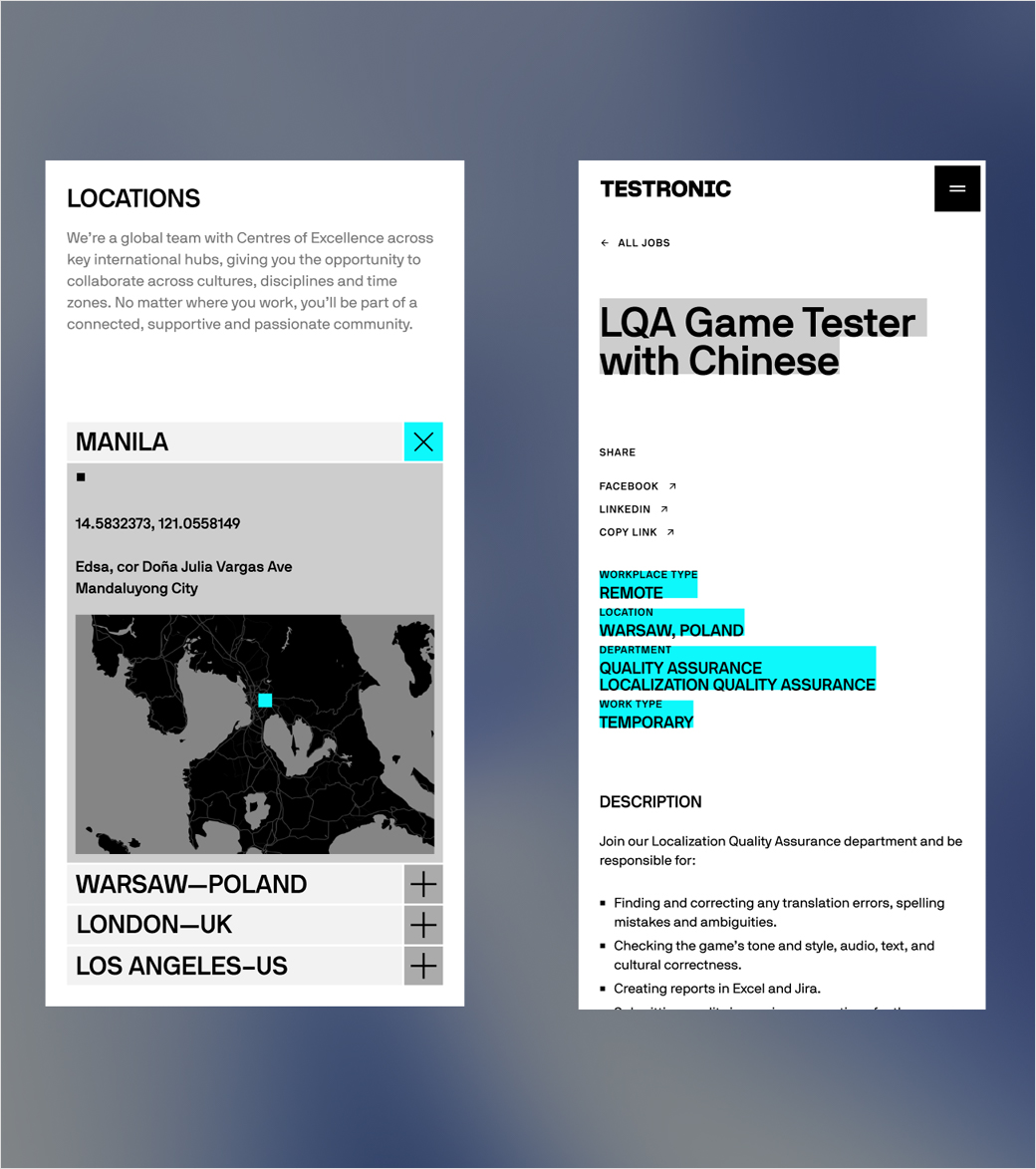
Over the subsequent two and a half decades, Testronic expanded its geographical footprint to strategically mirror the globalized nature of game development. Today, the company operates state-of-the-art facilities across pivotal international hubs, including Warsaw, Poland; London, United Kingdom; New Orleans, United States; and Manila, Philippines. This multi-continental presence enables Testronic to offer round-the-clock testing cycles, localized cultural compliance assessments, and localized language testing tailored to regional markets across North America, Europe, and Asia.

Over its 26-year operating history, Testronic has evolved from a boutique testing outfit into an official quality assurance and testing partner for major studios and independent publishers alike, contributing to the successful launch of some of the world’s most commercially successful and critically acclaimed video game franchises.
The Chronology and Scope of the Studio Output Collaboration
The partnership between Testronic and Studio Output represents a strategic alignment between a veteran technical service provider and a creative agency celebrated for its digital-first branding capabilities. While specific financial details of the contract have remained confidential, industry insiders note that the project required an extended developmental timeline to ensure that the newly forged brand architecture accurately captured the nuanced demands of contemporary software development.
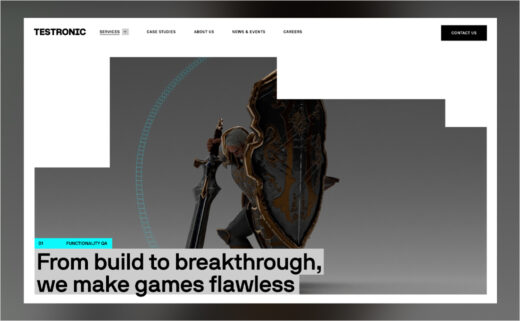
The collaboration began with an extensive discovery phase, wherein Studio Output conducted stakeholder interviews, internal audits, and competitive benchmarking within the localization and QA sector. This analytical foundation informed the creation of the new brand strategy, which sought to pivot Testronic’s market positioning from a functional utility provider to an indispensable strategic partner in the game development pipeline.
Following the strategic alignment, the project transitioned into visual and verbal prototyping throughout 2025 and early 2026. The verbal identity was rewritten to project absolute authority, technical competence, and collaborative reliability—key attributes sought by executive producers and technical directors managing multimillion-dollar game budgets. The visual identity was subsequently stress-tested across a variety of mediums, ranging from responsive digital web layouts to corporate presentations and exhibition materials. The culmination of this exhaustive timeline is the public rollout of the refreshed brand identity alongside the launch of Testronic’s overhauled corporate web portal.
Industry Implications: The Maturation of Game QA Branding
The decision by Testronic to invest in a high-level corporate rebrand highlights a broader trend within the video game support services sector. As game development budgets increasingly rival or exceed those of Hollywood blockbusters—with AAA titles regularly surpassing hundreds of millions of dollars in production costs—the stakes for launch-day stability have never been higher.
In the modern gaming landscape, software bugs, performance bottlenecks, and day-one optimization failures can inflict catastrophic damage on a studio’s stock value, brand reputation, and long-term player retention. Consequently, the perception of quality assurance has shifted from an administrative afterthought to a vital pillar of risk management.
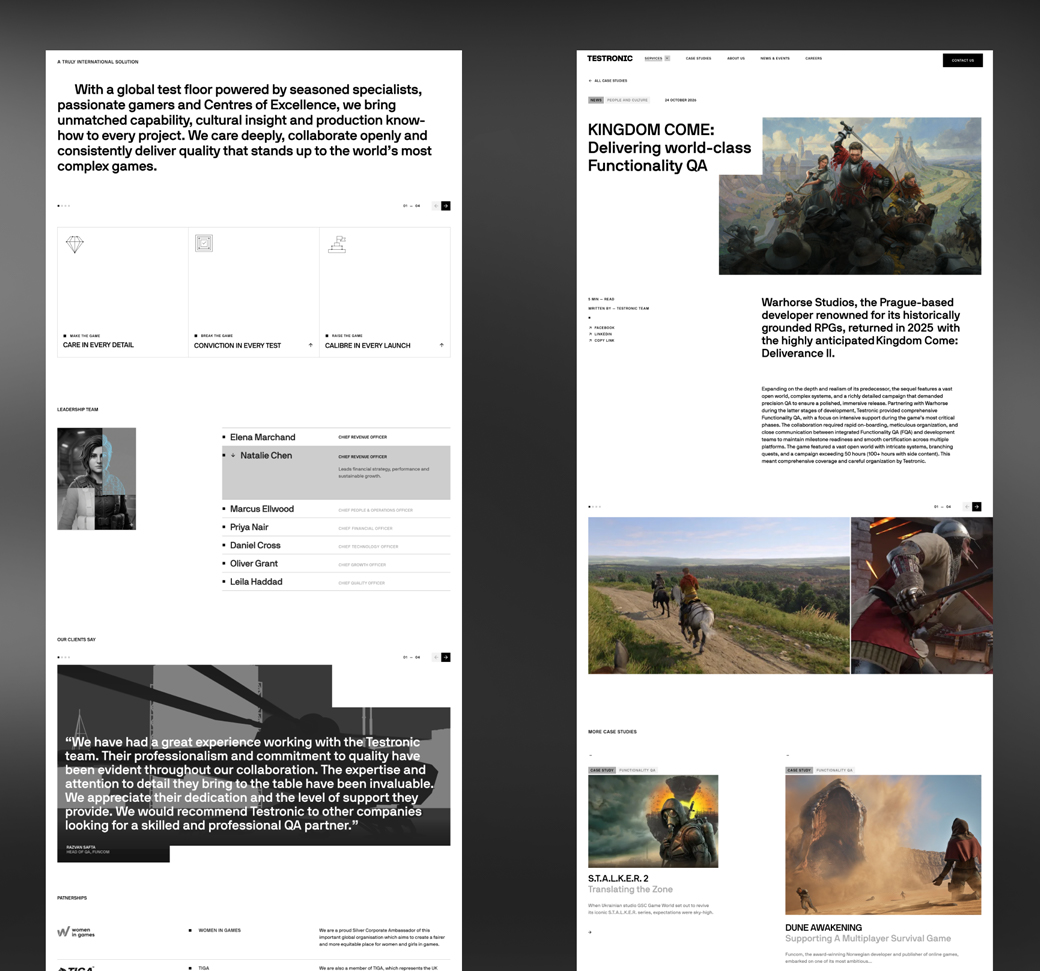
By partnering with Studio Output to craft a sophisticated, design-forward identity, Testronic is actively signaling its evolution alongside the industry it serves. The rebrand successfully elevates QA from an invisible, mechanical utility into a visible symbol of intellectual rigor, artistic respect, and technical excellence.
As Testronic deploys its new visual identity across its international offices in London, Warsaw, New Orleans, and Manila, the company reinforces its foundational mission: ensuring that the complex, multifaceted digital worlds created by developers are delivered to players in their most pristine, stable, and immersive forms possible. Through this modernization effort, Testronic not only honors its 28-year heritage in the interactive entertainment sector but also establishes a confident aesthetic benchmark for the future of technical game evaluation.