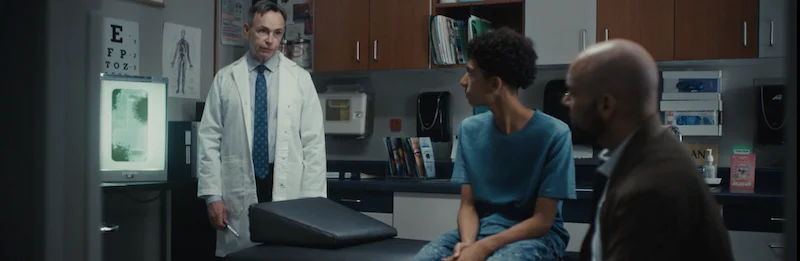

In the contemporary digital ecosystem, a growing public health and sociological concern is quietly taking root among the younger demographic, driven largely by the invisible architecture of modern technology. Algorithms, designed to maximize user retention and engagement metrics, are increasingly stepping into the role of modern mentors for young boys. In doing so, these automated recommendation systems frequently shepherd vulnerable youth down harmful, radicalizing, and extreme online pathways.
To combat this phenomenon, White Ribbon—recognized globally as the largest movement dedicated to engaging men and boys in the active prevention of gender-based violence—has partnered with creative agency Broken Heart Love Affair. Together, they have launched a comprehensive, multi-channel public awareness and intervention campaign titled Algorithm Sickness. Rather than resorting to traditional, generalized warnings about the perils of excessive screen time or social media use, the initiative tackles the problem directly on its own turf. It urges young men to actively reclaim control over their digital diets by systematically reshaping their feeds, equipping them with practical, user-friendly tools to recognize, block, and counteract toxic online influences before those influences solidify into worldview-shaping ideologies.
The Mechanics of Algorithm Sickness and the Digital Echo Chamber
To understand the urgency behind Algorithm Sickness, one must examine the fundamental design principles governing major social media platforms. Algorithms are structurally optimized to identify what captures and holds human attention. Because negative emotional states—such as outrage, insecurity, fear, and superiority—reliably generate higher engagement rates than positive or neutral content, recommendation engines often default to serving increasingly extreme material.
For young men and boys who are actively navigating the complex psychological terrain of identity formation, peer belonging, and self-worth, this loop can be profoundly dangerous. These digital pipelines frequently exploit adolescent insecurities, promoting toxic ideals of dominance, hyper-masculinity, and rigid hierarchies that ultimately reinforce hateful and misogynistic attitudes.
The scope of this issue is no longer theoretical; it is actively disrupting physical environments, most notably educational institutions. According to extensive research conducted by White Ribbon under their Boys Are At Risk initiative, an alarming 80 percent of educators report having personally witnessed open misogynistic attitudes and behaviors within their classrooms. This empirical data underscores the direct pipeline from unchecked digital consumption to real-world social regression, transforming online algorithms into major drivers of offline behavioral shifts.
A Comprehensive Multi-Channel Intervention Strategy
The Algorithm Sickness campaign moves past passive awareness by deploying an aggressive, multi-pronged counter-strategy spanning digital video, social media platforms, physical out-of-home (OOH) advertising, and an educational web portal.
At the core of the strategy is the concept of active algorithmic curation. The campaign calls upon men, boys, and society at large to consciously "treat" their digital feeds by systematically replacing toxic material with constructive content rooted in strength, empathy, integrity, and healthy interpersonal relationships.
To bridge the gap between abstract advice and daily habit, the campaign utilizes social media content engineered for seamless sharing. Short-form videos touching upon universal adolescent interests—such as sports, gaming, music, and everyday hobbies—are embedded with subtle yet impactful messaging and hashtags promoting healthy masculinities. This approach ensures that positive perspectives are seamlessly integrated into existing digital consumption habits rather than being perceived as heavy-handed lectures.
Furthermore, the campaign has launched a dedicated digital hub at www.algorithmsickness.ca. This platform serves as a deep-dive educational resource, offering visitors clear explanations of how social media algorithms operate under the hood, how these systems subtly alter human cognition and behavior, and actionable step-by-step guides for maintaining a safer online presence. Crucially, the web portal also provides specialized toolkits and resources designed for parents, educators, and primary caregivers, empowering them to initiate constructive, non-judgmental conversations with children regarding digital safety and media literacy.
The Creator Economy and Practical Digital Hygiene
Recognizing that modern youth consume media primarily through digital creators and influencers rather than traditional institutions, Algorithm Sickness actively enlists online creators to model healthy digital hygiene.
Influencers across gaming, sports, and lifestyle verticals are embedding the #AlgorithmSickness framework into their regular content streams. These creators demonstrate real-time, practical methods for sanitizing one’s social media feed. This includes utilizing native platform features such as the "Not Interested" button, strategically blocking harmful accounts, recognizing engagement bait—such as provocative "rage-bait" designed to manufacture outrage rather than foster constructive dialogue—and consciously engaging with content that promotes positive social values. By showing audiences what a healthy algorithm looks like in practice, the campaign demystifies the process of digital detoxing and makes feed-curation an accessible, routine practice.
Leadership Perspectives on Modern Masculinity and Digital Responsibility
The launch of Algorithm Sickness has drawn widespread attention from advocacy groups, educators, and communication professionals alike, prompting critical discussions regarding the cultural narrative surrounding young men.
Humberto Carolo, Chief Executive Officer of White Ribbon, emphasized the necessity of shifting the societal narrative from condemnation to constructive empowerment. "Too often, the conversation about men and boys focuses on what’s wrong rather than what’s possible," stated Carolo. "We want to change that. Men and boys can be a powerful force for care, respect, and equality. They can build others up, challenge misogyny, and help create relationships, communities, and workplaces where everyone can thrive. Countless men are already leading by example. We want their actions to inspire the next generation."

Echoing this sentiment, Marty Hoefkes, Creative Director at Broken Heart Love Affair, highlighted the passive complacency that characterizes modern media consumption and the urgent need for structural self-defense. "These days, most of us take a backseat on social media and just let our algorithms drive, and that can end up sending us to antisocial, scary, or harmful places," Hoefkes noted. "On top of pushing for change on the platforms themselves, we wanted to show that there are tricks and tools that help you curate a healthier algorithm."
Broader Implications and Future Outlook
The launch of Algorithm Sickness marks a notable evolution in public health messaging, bridging the gap between digital literacy and mental health advocacy. As algorithmic transparency faces increasing global scrutiny from lawmakers and regulatory bodies, campaigns that empower end-users—particularly impressionable youth—to take direct control of their digital diets represent a crucial line of defense.
By framing algorithm management as a form of digital hygiene akin to physical health, White Ribbon and Broken Heart Love Affair have provided a scalable framework that shifts power away from opaque corporate recommendation engines and places it back into the hands of the individual. As educators continue to battle the downstream effects of online radicalization in classrooms worldwide, initiatives like Algorithm Sickness offer a pragmatic, hopeful pathway toward fostering a safer, more empathetic digital future for the next generation of men and boys.
Campaign Production and Creative Credits
The realization of the Algorithm Sickness campaign was made possible through a collaborative effort involving prominent creative, production, and post-production houses.

Agency: Broken Heart Love Affair
- Chief Creative Officers: Carlos Moreno
- Chief Strategy Officer: Jay Chaney
- SVP, Strategy: Kristy Pleckaitis
- Creative Directors: Michael Morelli, Marty Hoefkes, Sally Fung
- SVP, Executive Producer: Erica Metcalfe
- Senior Producer: Ann Caverly
- Group Account Director, Client Success: Maegan Thomas
- Senior Account Director, Client Success: Brian Bentley–Falcke
- Project Specialist: Ram Ahuja
Client: White Ribbon
- Chief Executive Officer: Humberto Carolo
- Senior Manager, Digital and Corporate Engagement: David Garzon
- Philanthropy, Marketing and Communications Manager: Abraham Carreno
Production Company: Holiday Films
- Founder & Executive Producer: Josefina Nadurata
- Executive Producer: Eastern Yoo
- Director: Erica Orofino
- Director Of Photography: Viktor Cajoh
- Head of Production: Courtney Leca
- Producer: Aarin MacKay
- Production Designer: Diana Kubista
- Wardrobe: Trish Venema
- Casting Company: Groundglass Casting
- Casting Director: Andrew Deiters
Post-Production, Visual Effects, and Audio:
- Editing (Tavern Post): Executive Producer: Mackenzie Goodwin; Editor: Aaron Dark; Sr Assistant Editor: George Abraham
- Online/VFX & Colour (The Vanity): Online/VFX Artist: Adam Silcox-Vanwyk; Colourist: Jordan Benegbi; Executive Producers: Katie Methot; Producers: Kitty McKay
- Sound (Grayson Music Group): Audio Director: Lowell Sostomi; Executive Producer: Kelly McCluskey; Audio Engineer: Vladimir Nikolic
- Public Relations (Hype PR): Earned Media & Talent Strategist: Erin Richards; Publicist: Julia Balatat; Influencer Marketing Specialist: Ruby Castle