
In the modern digital landscape, owning a high-performing website with sophisticated design and compelling content is no longer a guarantee of online success. While these elements remain foundational for user engagement, they are increasingly insufficient for maintaining visibility in an ecosystem dominated by sophisticated search algorithms and generative AI tools. Today, Google and large language models (LLMs) like ChatGPT operate on a model of "entity validation." They do not merely crawl a single URL to determine its relevance; they synthesize the entirety of the web to understand a brand’s authority, credibility, and position within its industry.
This shift has elevated the importance of brand mentions—references to your organization by third-party sources—from a peripheral PR tactic to a core pillar of technical and authoritative SEO.
Defining the Architecture of Brand Mentions
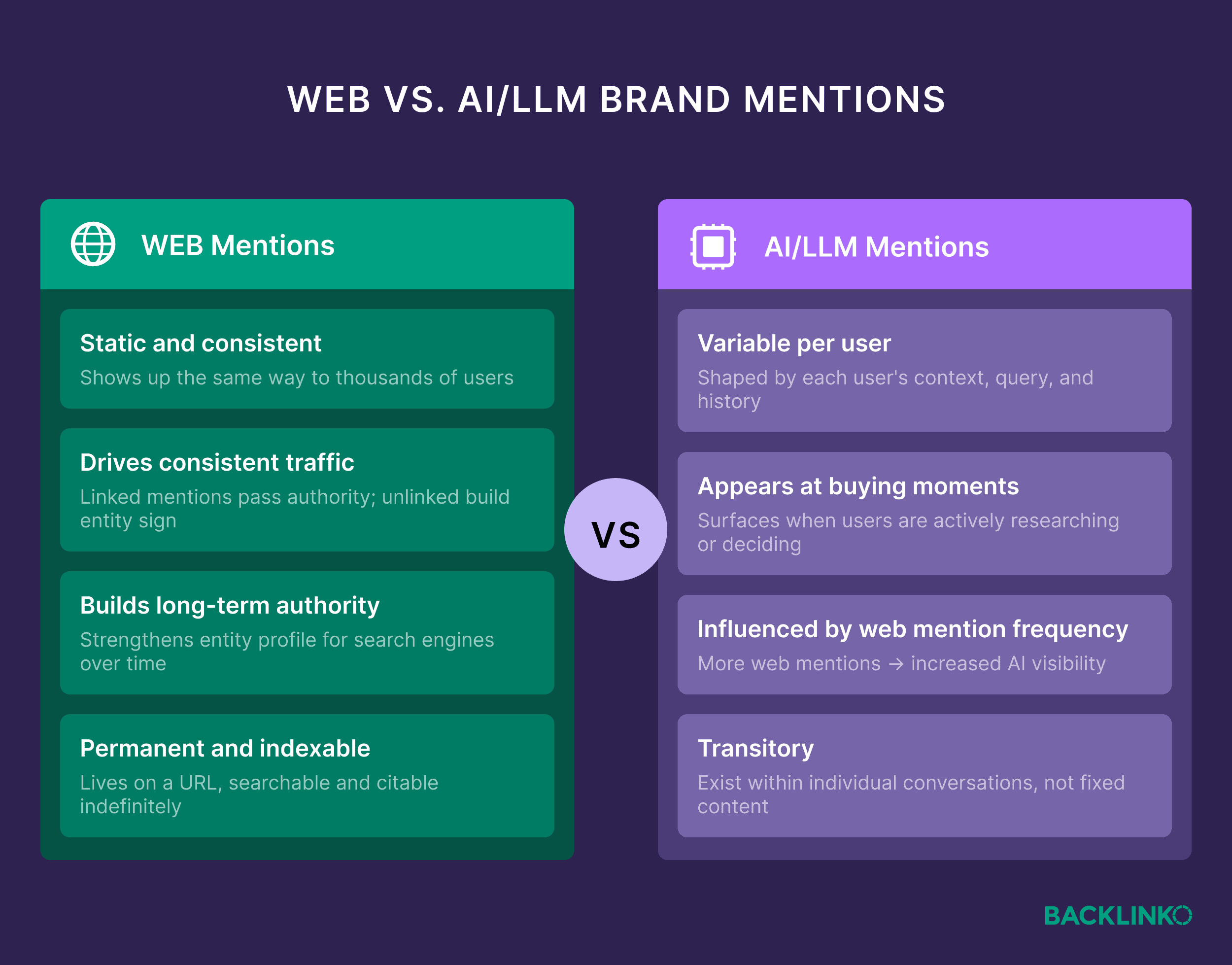
A brand mention is any third-party reference to an organization, whether it appears in an editorial article, a niche community discussion, a YouTube video, or a podcast. These mentions generally fall into two categories: linked and unlinked.
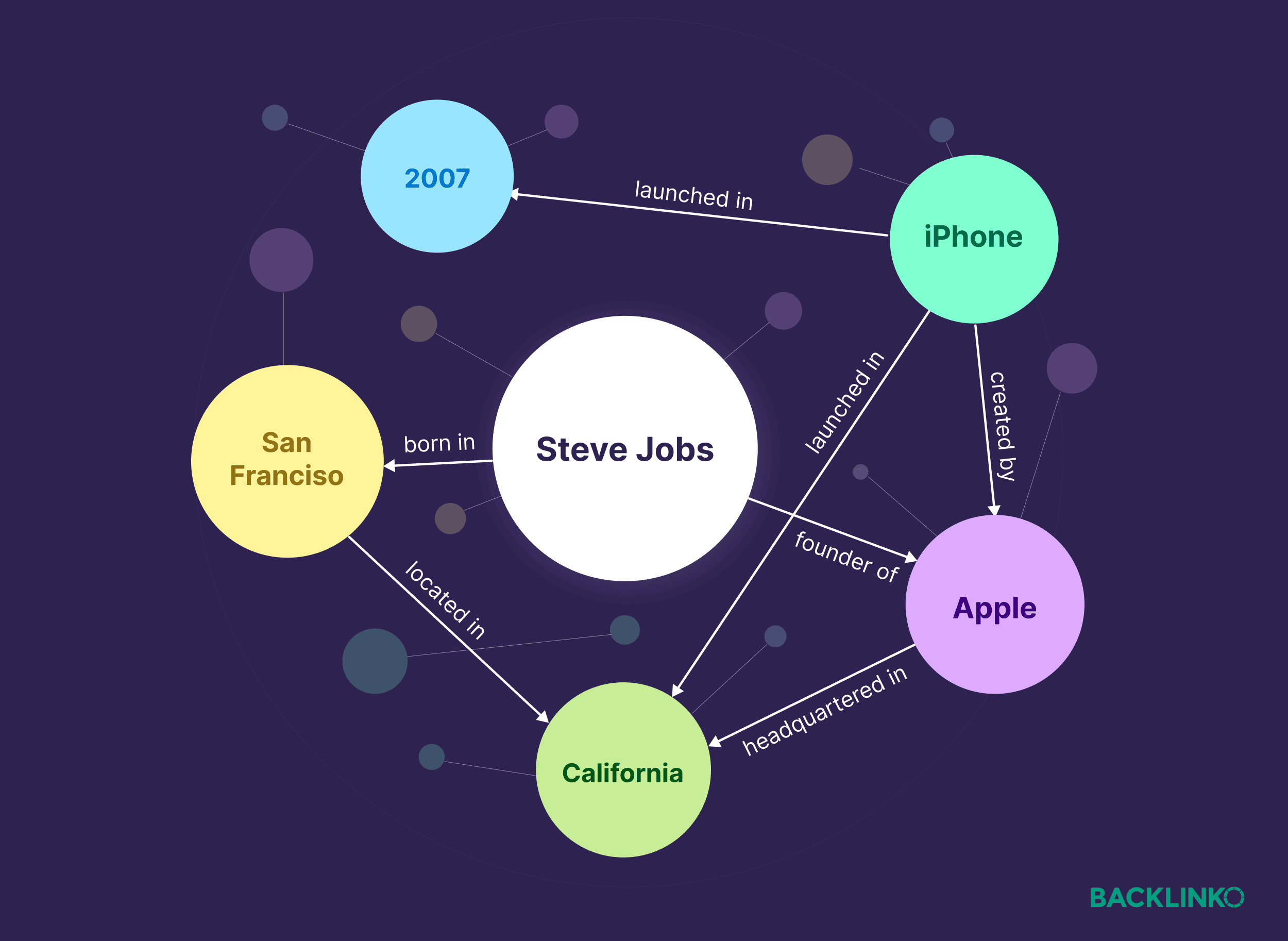
Linked mentions represent the traditional gold standard of SEO, providing a direct, clickable pathway to a domain while passing "link equity" and referral traffic. Unlinked mentions, however, are gaining newfound significance. While they do not provide direct traffic, they contribute to the "entity graph" that AI systems use to build brand context. By identifying consistent references to a brand name in relevant, high-trust environments, search engines and LLMs solidify their understanding of the brand’s topical authority.

The distinction between web mentions and AI-driven mentions is also critical. Web mentions are static and indexable by traditional crawlers, serving as the raw data that LLMs eventually ingest. An AI mention, by contrast, is a dynamic output generated within a conversation. To be featured in an AI response, a brand must first have a robust footprint of static, high-trust web mentions that allow the LLM to associate the brand with specific expertise or product categories.
The Strategic Importance of Third-Party Validation
Search engines such as Google utilize the Knowledge Graph to map relationships between entities—people, companies, and concepts. Brand mentions serve as the primary signals for refining these relationships. When a brand is consistently cited by authoritative sources within its specific niche, the search engine assigns it a higher level of trust.
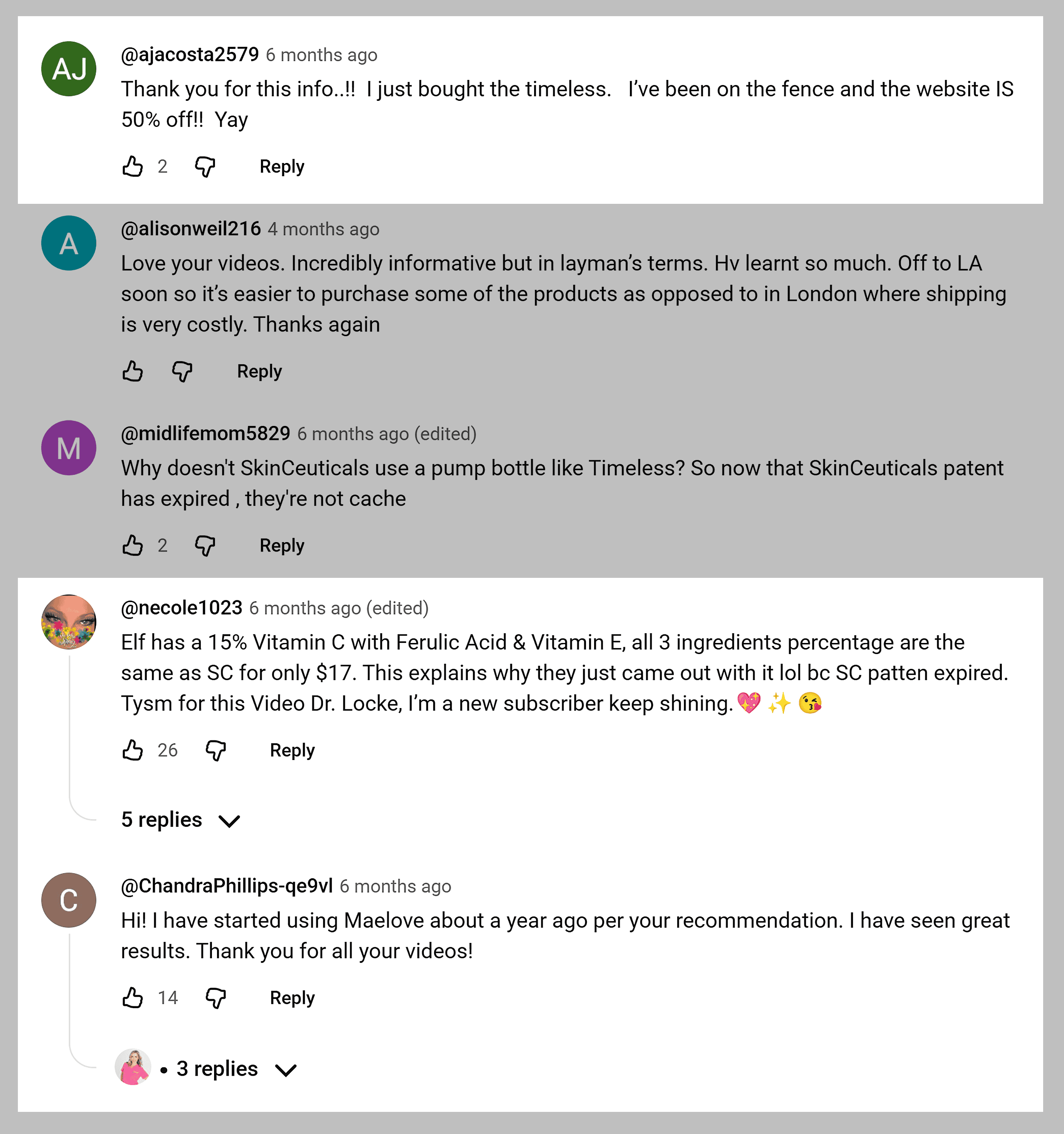
This visibility extends beyond simple search rankings. Brand mentions act as a discovery mechanism for audiences who may not be actively searching for a specific solution but are engaging with relevant content. A case in point is the influence of niche influencers; for example, when a trusted expert in skincare recommends a specific product brand, that recommendation often bypasses traditional search intent. Instead, it drives direct traffic and builds brand recall. The compounding effect of these mentions creates a cycle: high-quality web mentions inform LLM training data, which in turn leads to more frequent mentions in AI-generated answers, creating a self-reinforcing loop of digital authority.
Identifying the Characteristics of High-Value Mentions
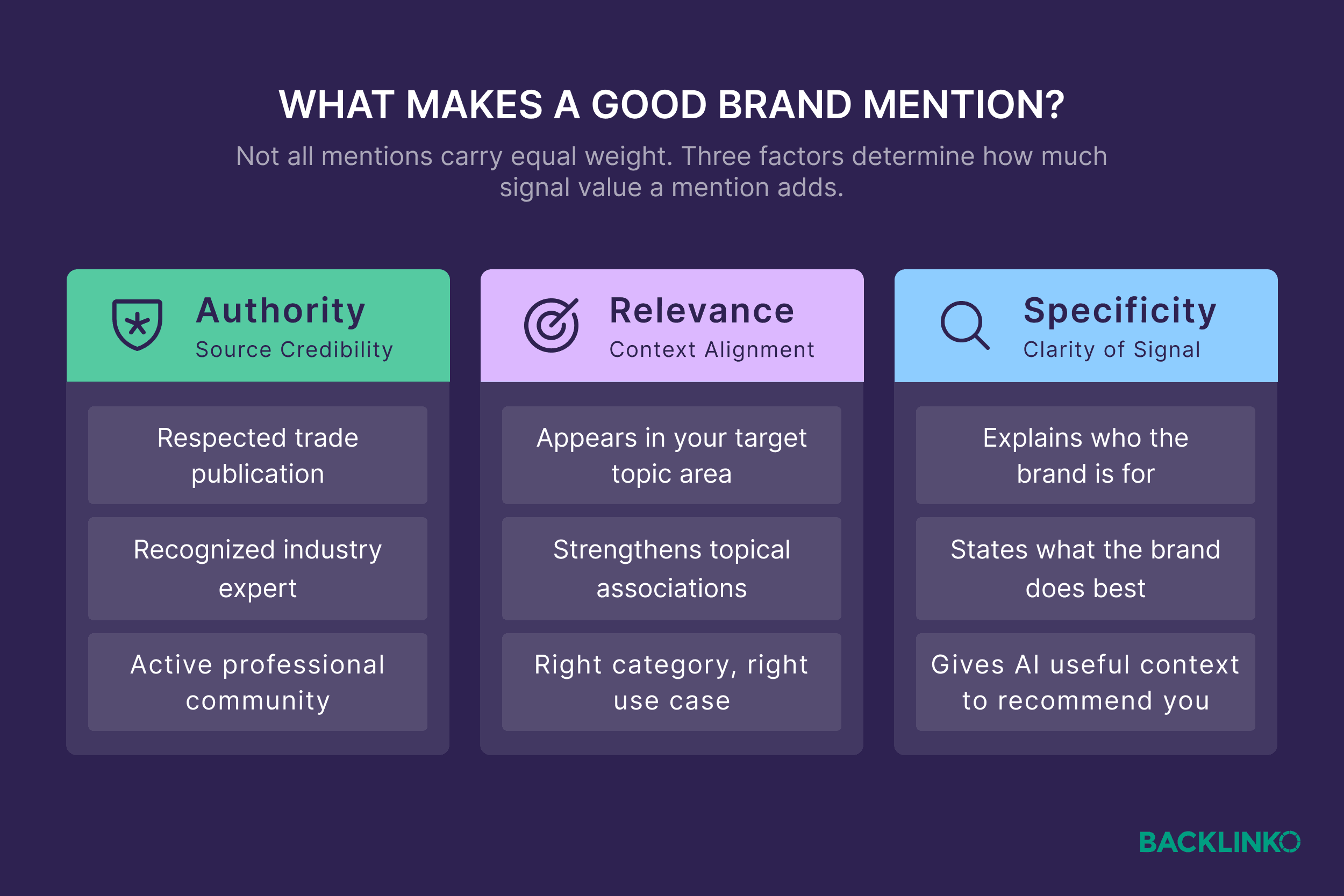
Not all brand mentions are created equal. The quality of a mention is dictated by three pillars: authority, relevance, and specificity.
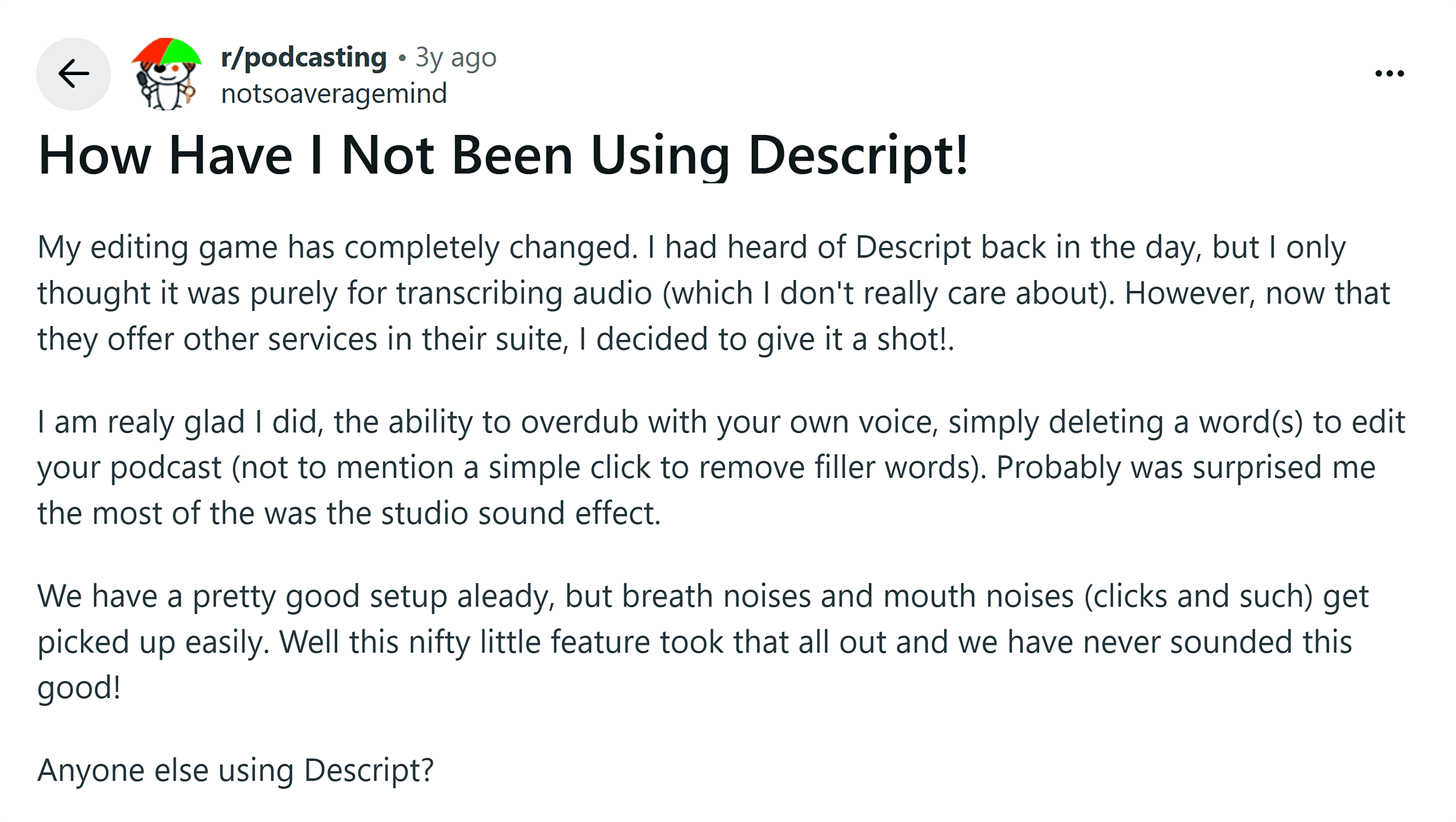
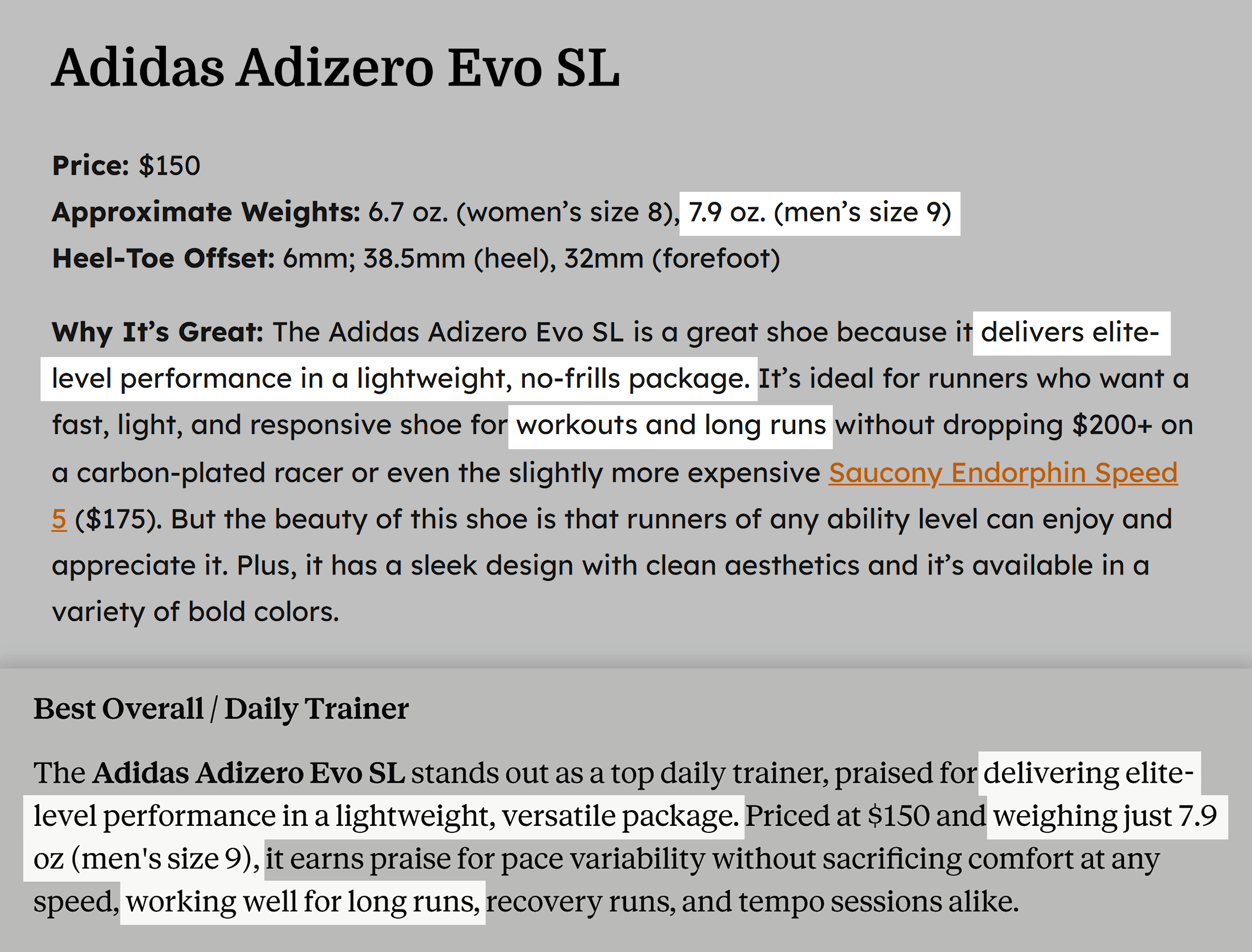
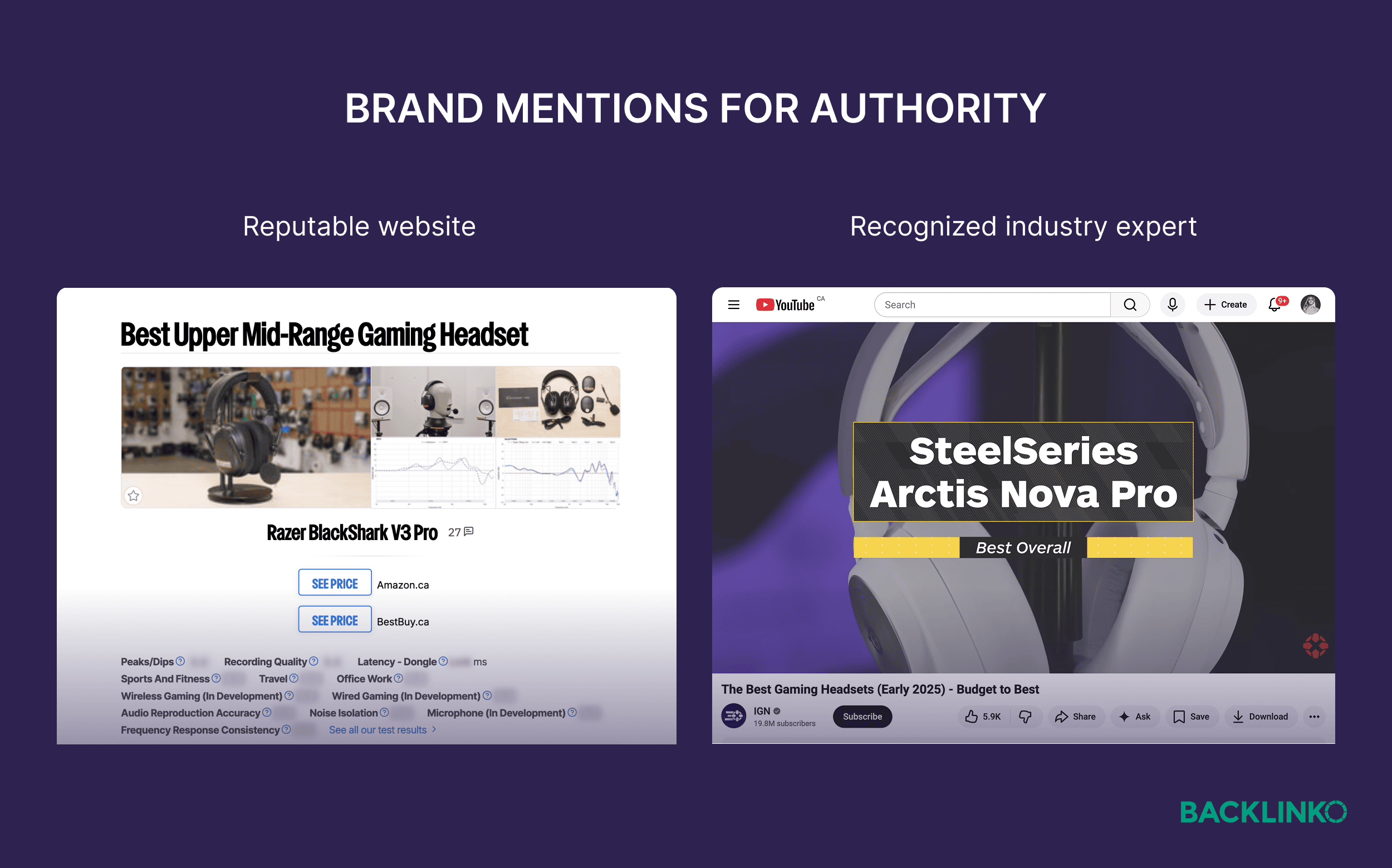
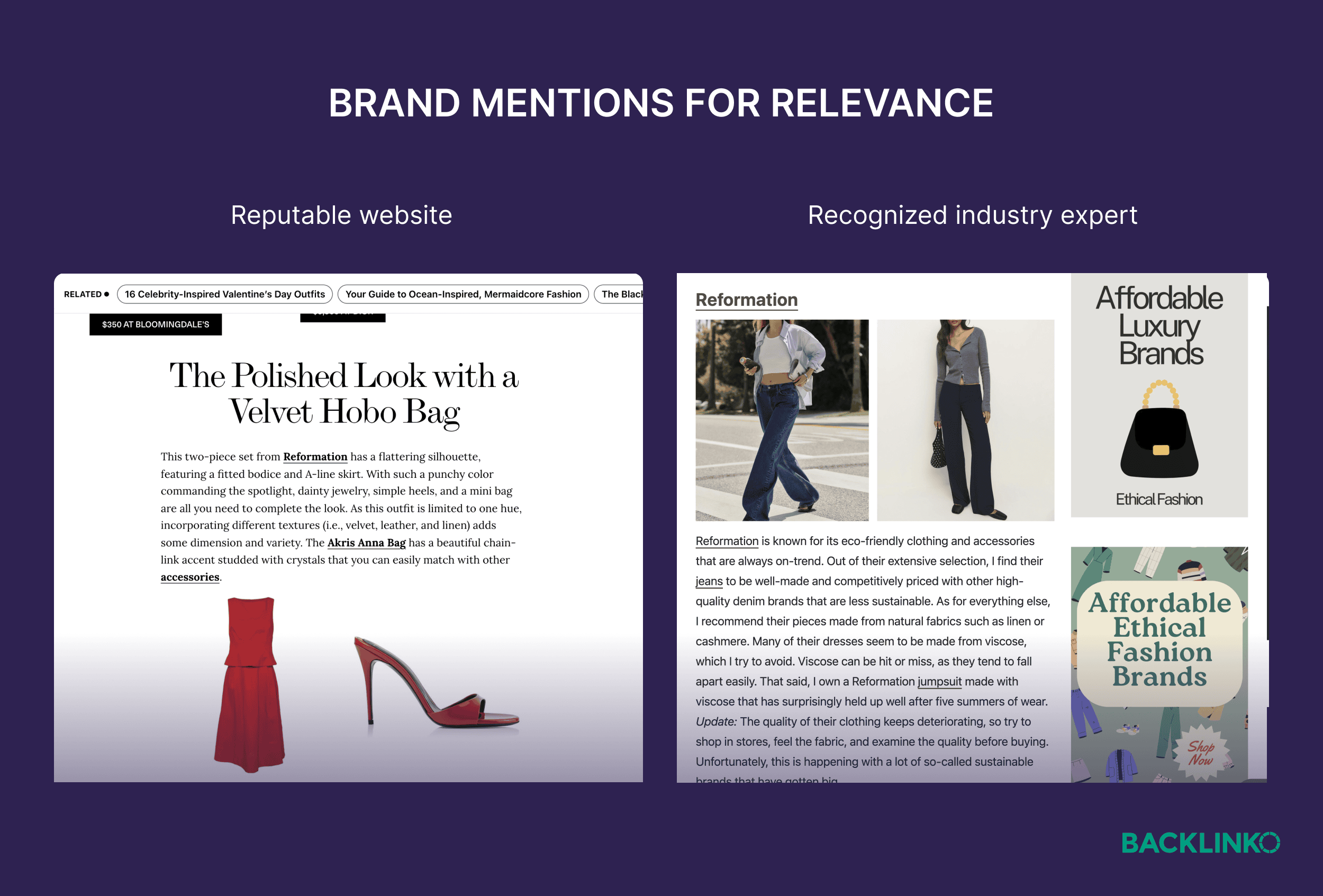
Authority refers to the credibility of the source. A mention in a top-tier industry publication carries more weight than a reference on a low-traffic personal blog. Relevance ensures that the context of the mention aligns with the brand’s core business goals; for instance, a fashion brand being cited in a sustainable apparel guide reinforces its topical authority in a way that a generic mention in a non-related news aggregator would not. Finally, specificity is the final differentiator. A mention that includes details about a product’s features, specific use cases, or a direct comparison to competitors provides more "signal" to an algorithm than a passing, vague reference.
Four Tactical Approaches for Earning Mentions
Organizations looking to scale their digital footprint should adopt a proactive strategy to cultivate these high-value references.
-
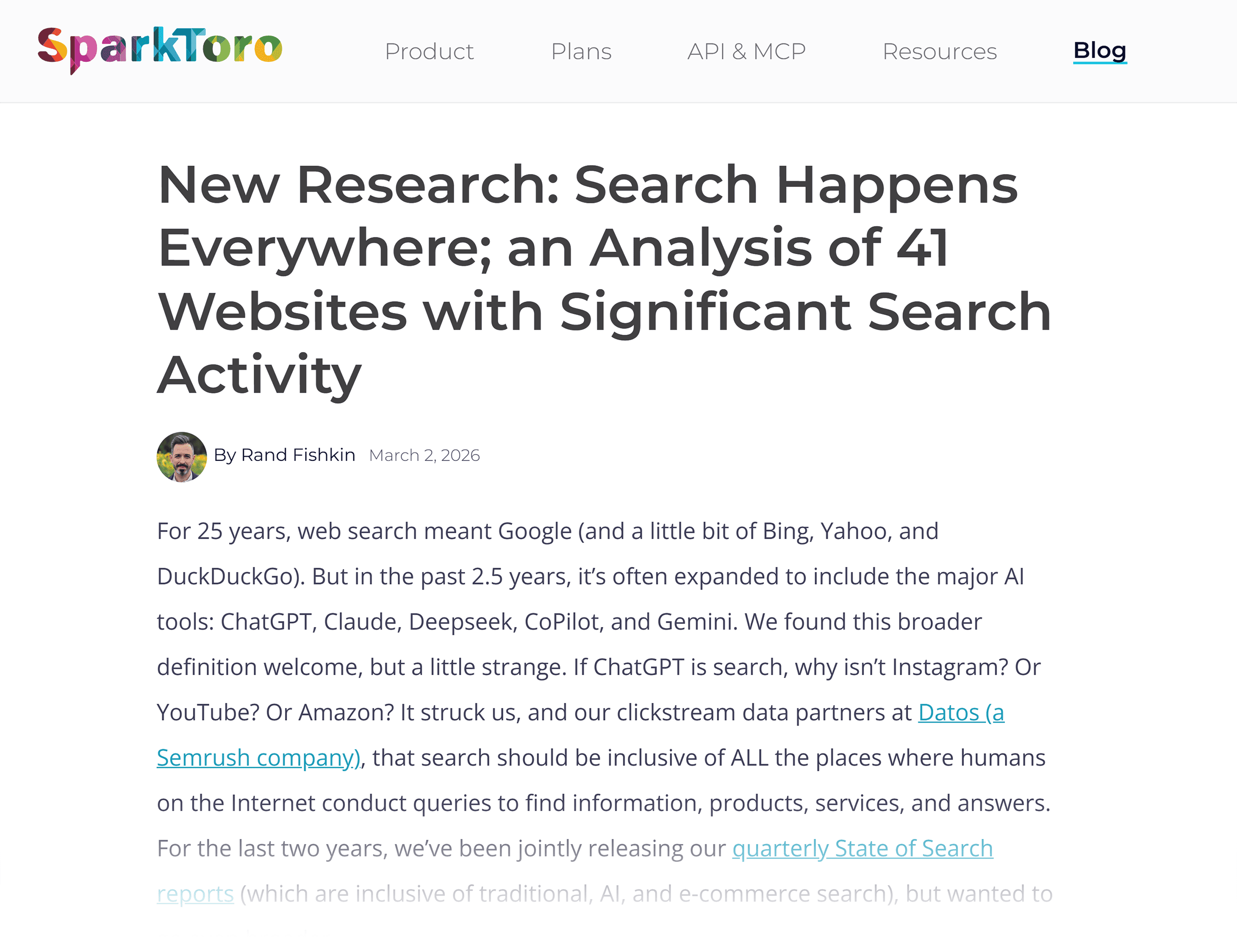
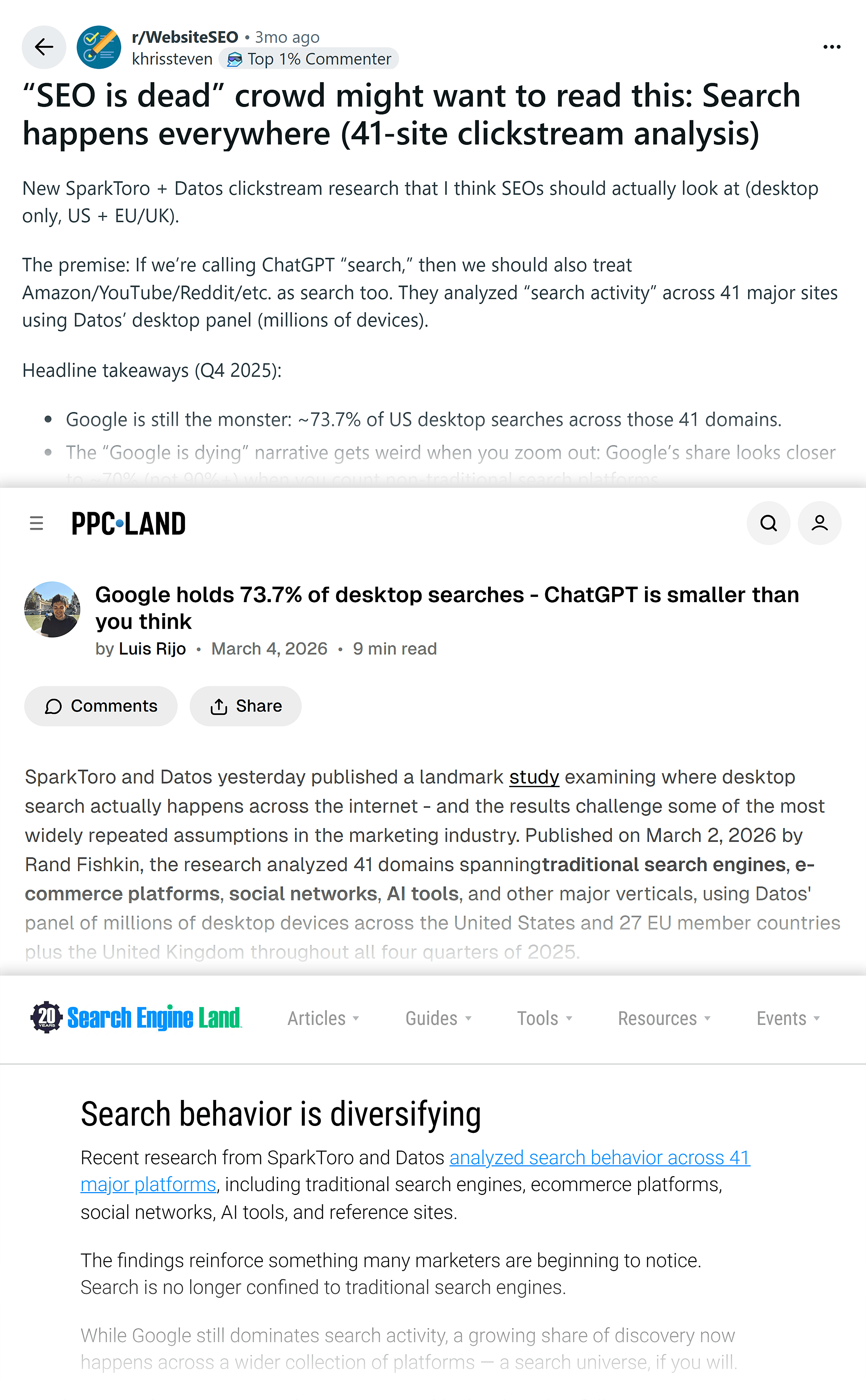
Data-Driven, Citable Content: Original research remains the most potent tool for earning links and mentions. By identifying gaps in industry knowledge and producing data-backed reports, brands position themselves as the primary source of truth. When the research is cited, the brand is inevitably mentioned as the creator of that data, cementing its status as an industry leader.
-
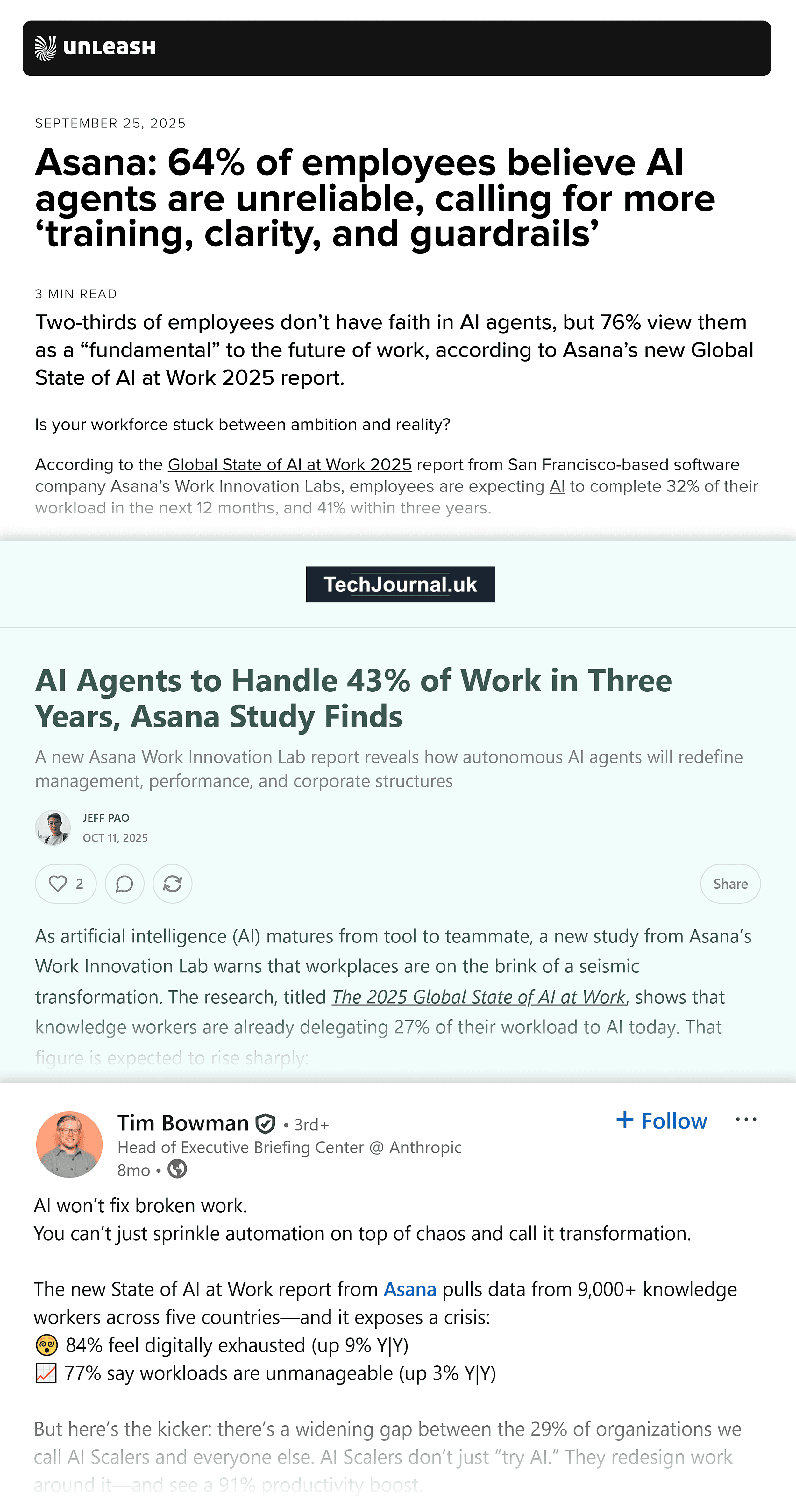
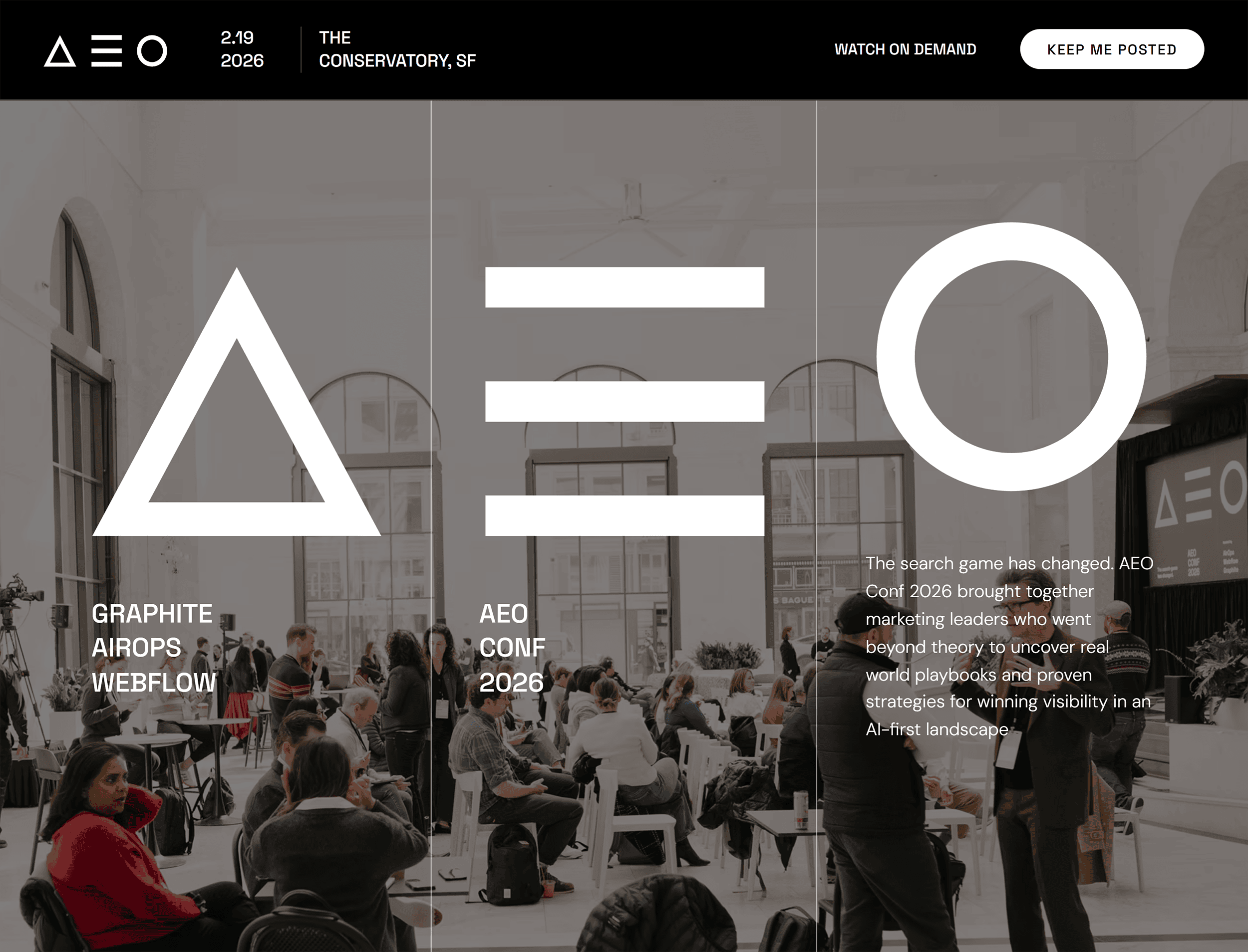
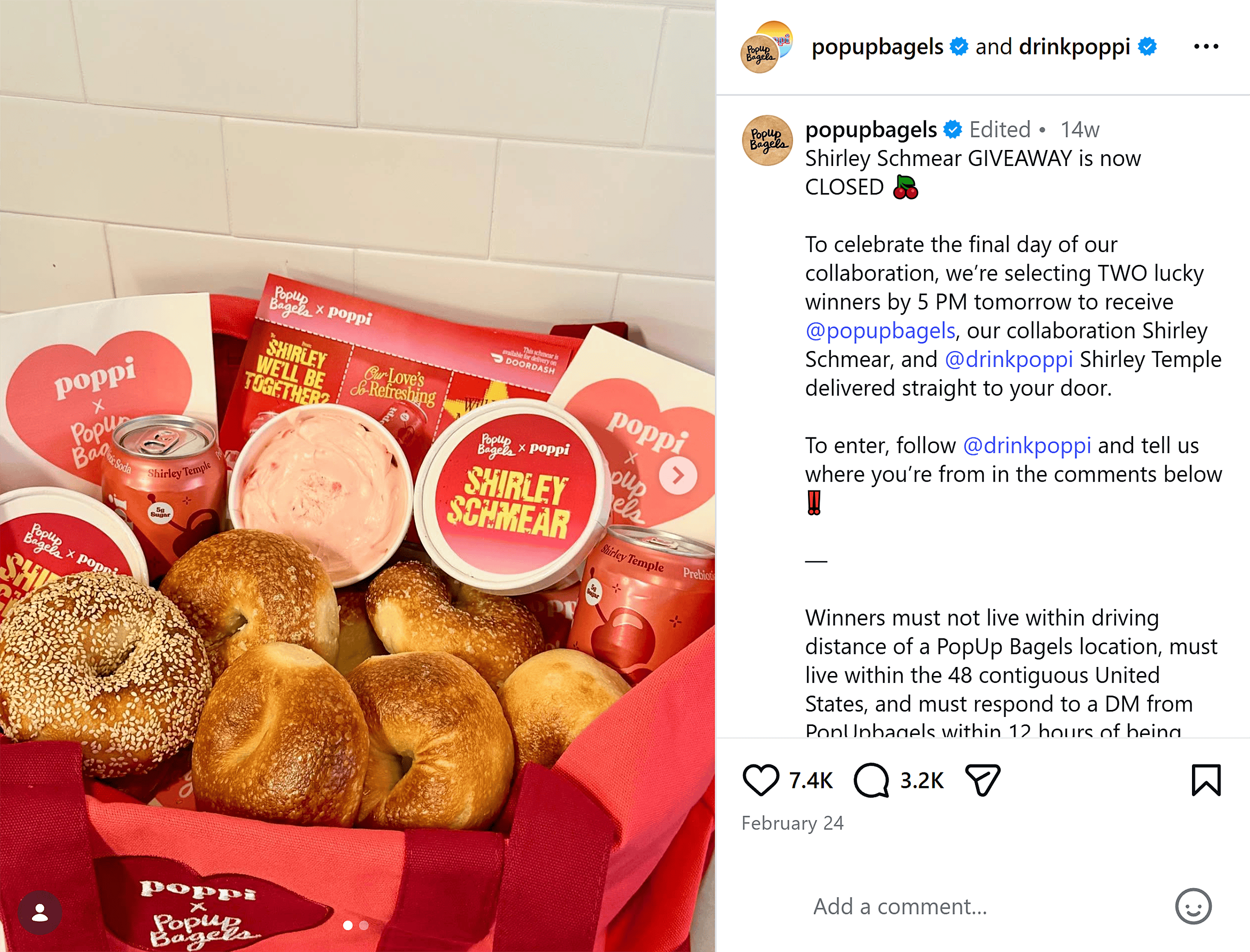
Co-Created Assets: Partnering with complementary, non-competing brands for webinars, reports, or events creates a multiplier effect. When two brands are mentioned together in the same context, they both benefit from the other’s audience reach, and AI systems begin to associate the two entities, further strengthening their individual authority.
-
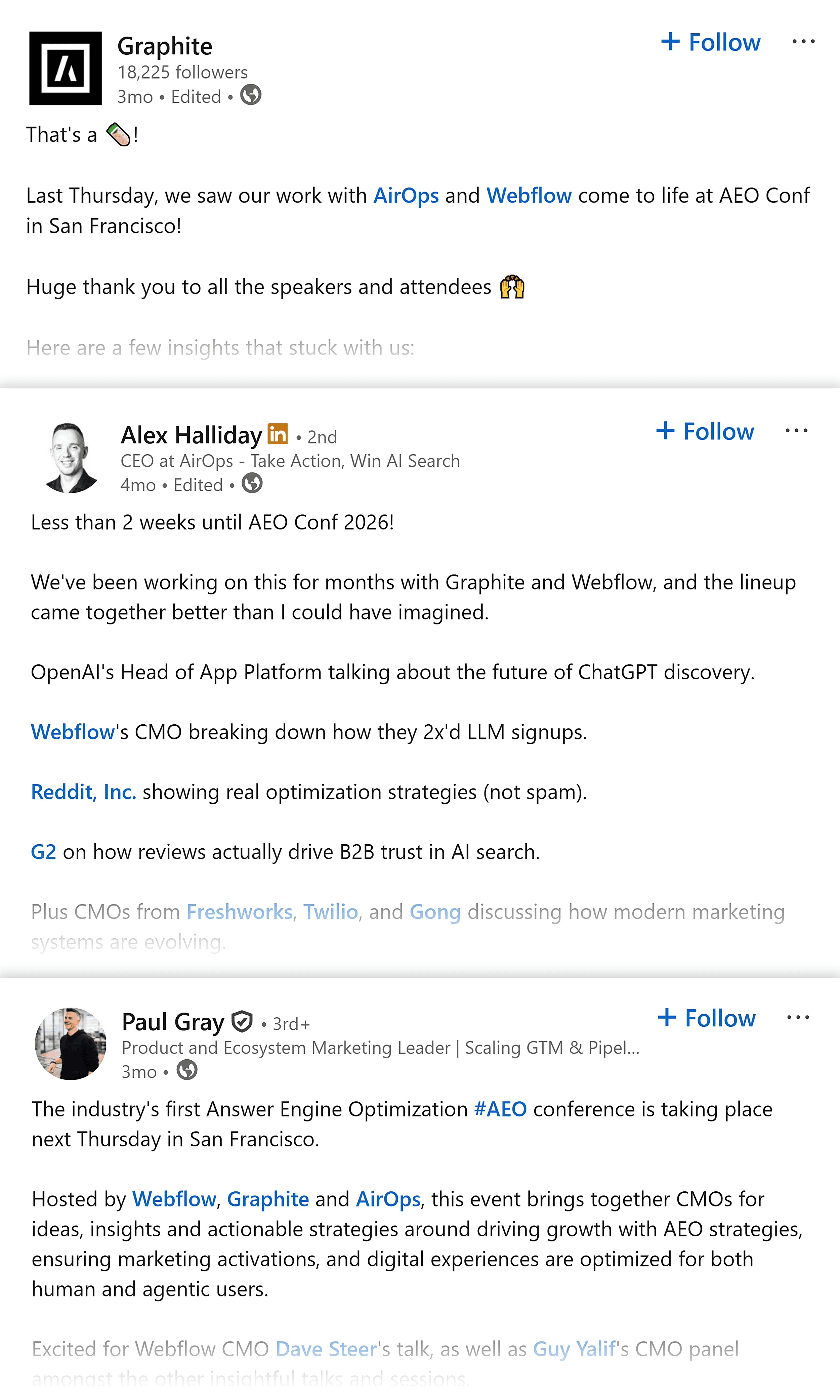
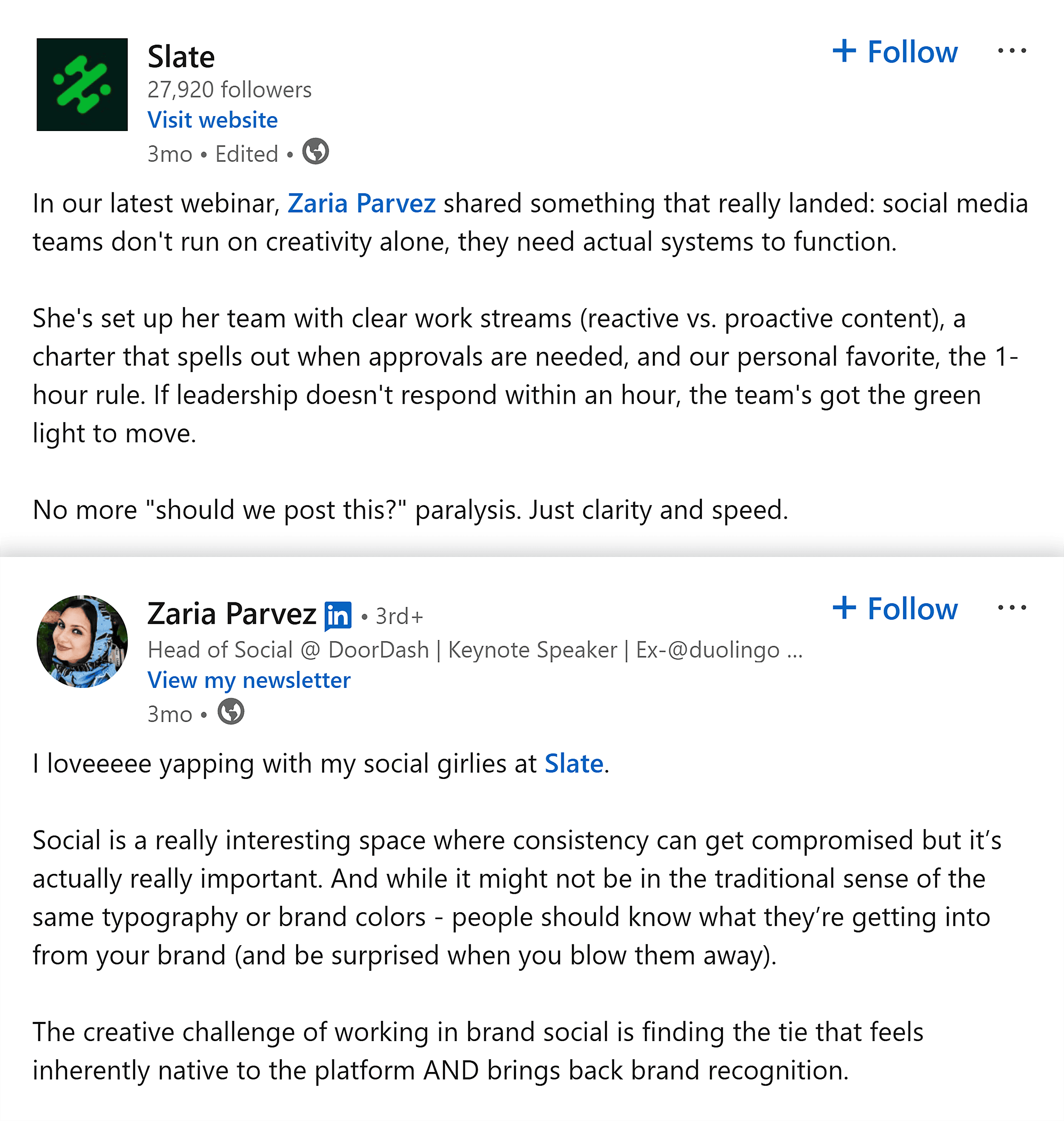
Featuring Subject Matter Experts: Moving beyond simple listicles, brands can foster deeper relationships by centering their content around the expertise of industry leaders. When a brand features an expert’s unique insights, that expert is highly likely to share the content with their own network, providing an immediate, high-trust mention in front of a qualified audience.
-
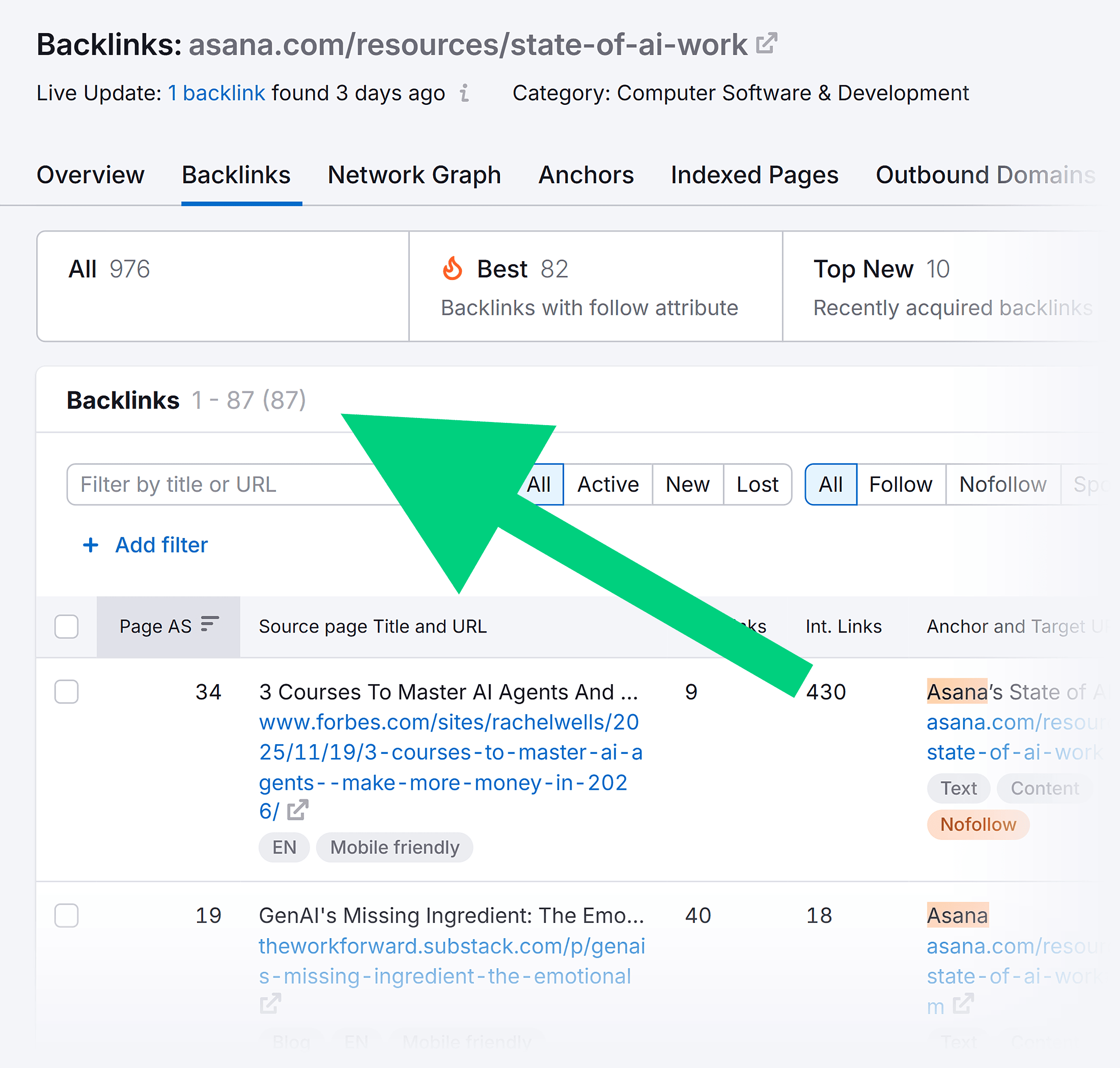
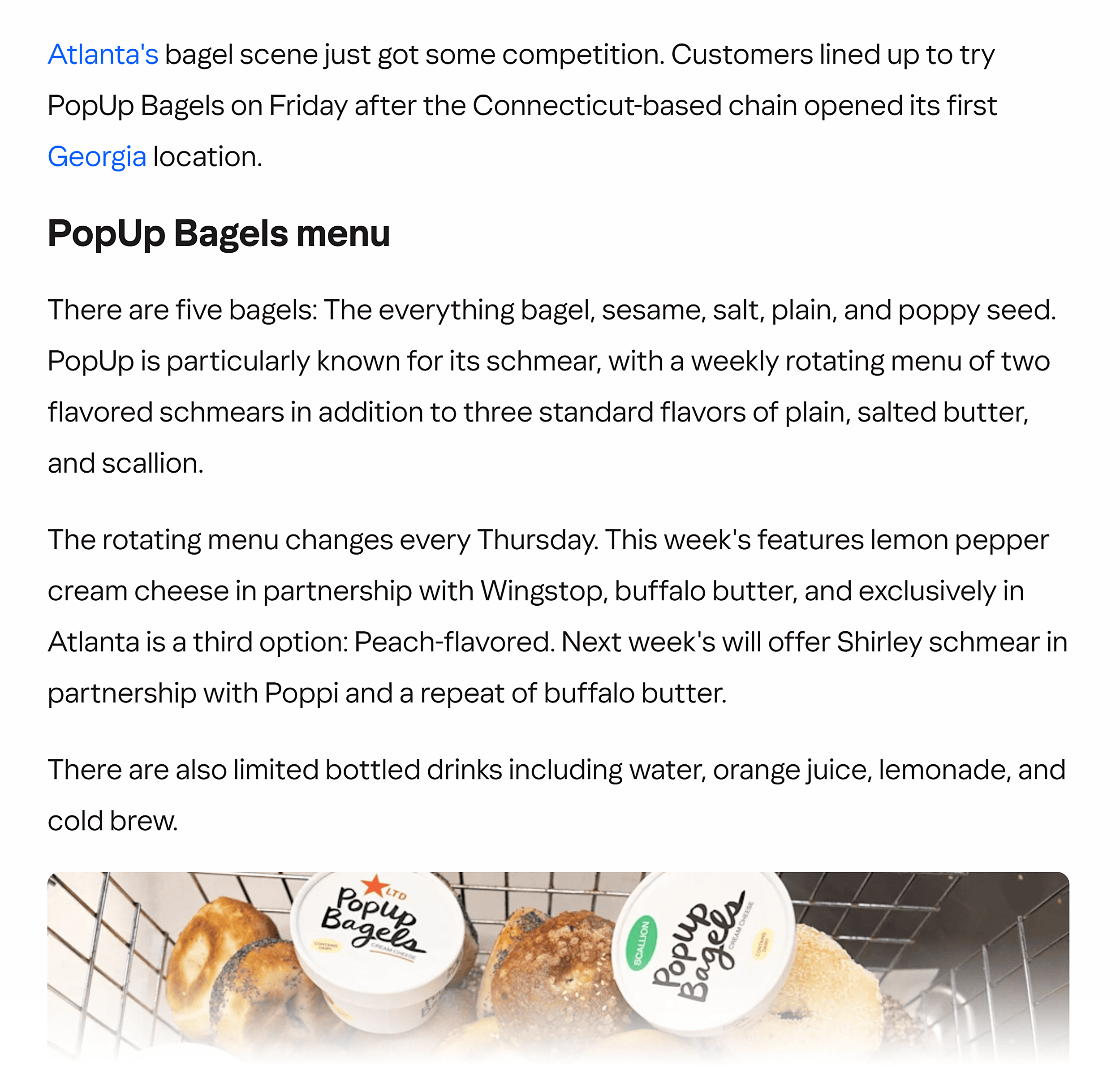
Digital PR and Expertise Contributions: Proactively offering internal leaders as sources for journalists and podcasters is a scalable PR strategy. By providing specific, practitioner-level insights rather than generic sales pitches, executives can secure placements that are inherently valuable to the publication’s audience, leading to recurring, high-authority mentions.
Tracking and Reporting ROI

To manage this strategy effectively, teams must transition from vanity metrics to meaningful reporting. While Google Alerts provides a low-barrier, free method for monitoring brand mentions, it should be supplemented with professional social listening and backlink analysis tools. These platforms offer deeper insights into sentiment and source quality, allowing teams to differentiate between a negative mention, a neutral reference, and an enthusiastic endorsement.
When reporting to leadership, the focus should remain on the qualitative shift in brand presence. Rather than focusing solely on the raw number of mentions, teams should highlight the quality of the sources, the sentiment trends, and the correlation between PR campaigns and spikes in organic traffic. By framing brand mentions as an investment in "entity authority," marketers can demonstrate how these efforts contribute to long-term search visibility and future-proof their brand against the rapid evolution of AI search.
As the digital ecosystem continues to transition toward AI-mediated discovery, the organizations that prioritize the "web of trust"—a robust, consistent, and specific network of brand mentions—will be the ones that remain relevant. In this new paradigm, your brand is not just what you say about yourself on your website, but what the rest of the web says about you when you are not in the room.