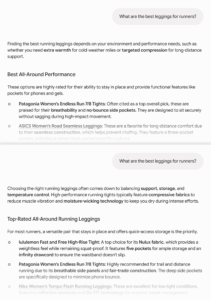

The fundamental mechanics of website marketing have shifted permanently as we move through 2026. For decades, the digital playbook remained relatively static: optimize your site, drive traffic through search engines and paid ads, and convert those visitors once they land on your domain. However, the modern customer journey has fractured. Today, the path to a purchase often begins and concludes entirely outside of a brand’s primary website. Before a consumer ever clicks on your homepage, they have likely consulted generative AI search tools, scrutinized community discussions on platforms like Reddit, and analyzed social sentiment across various media channels.
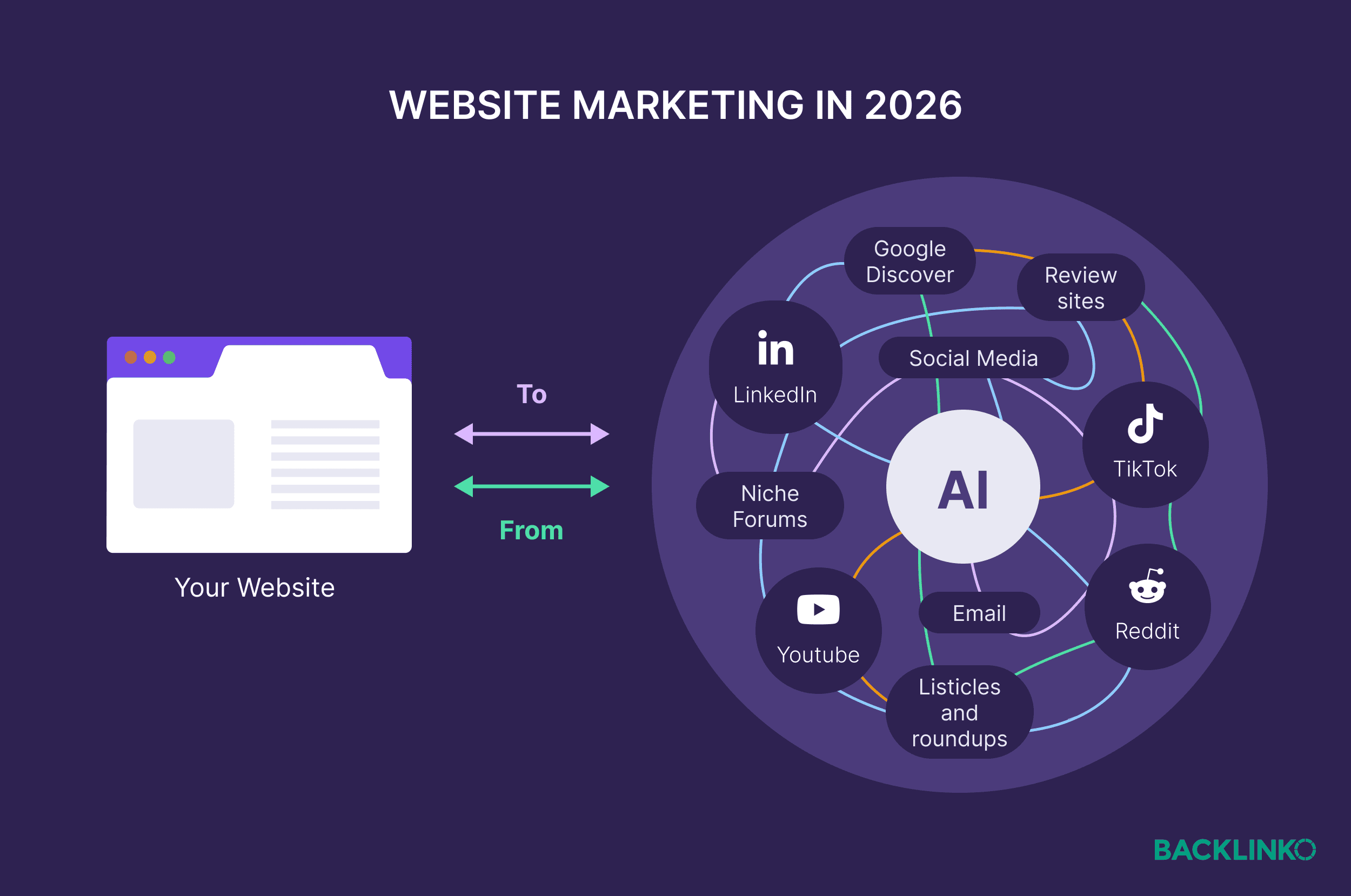
This transformation means that a website is no longer a destination; it is the final act of a long, decentralized theater performance. If a brand lacks visibility and credibility in the external digital spaces where research happens, the battle for the customer is often lost before the website even loads.
The AI-First Research Paradigm
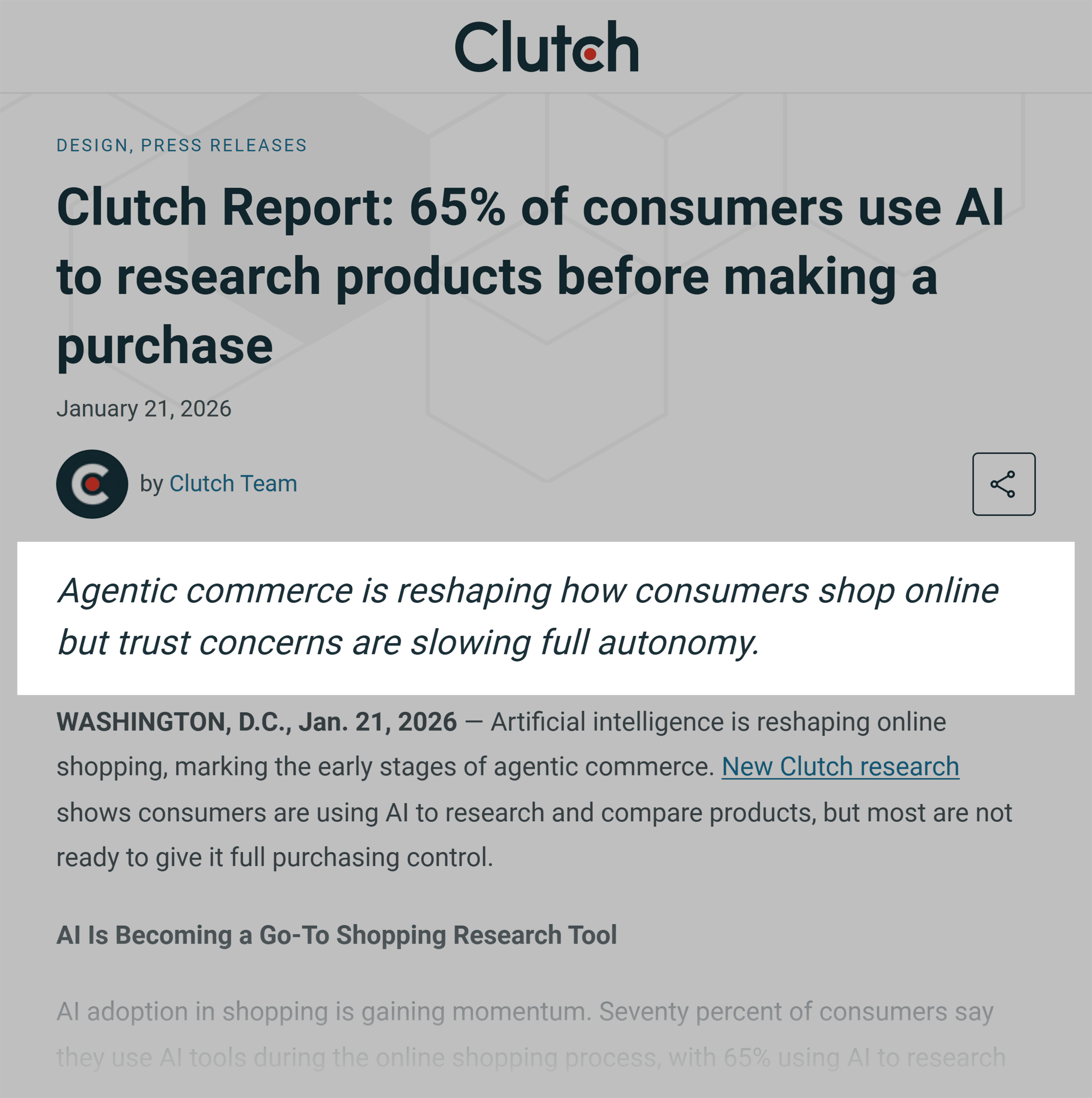
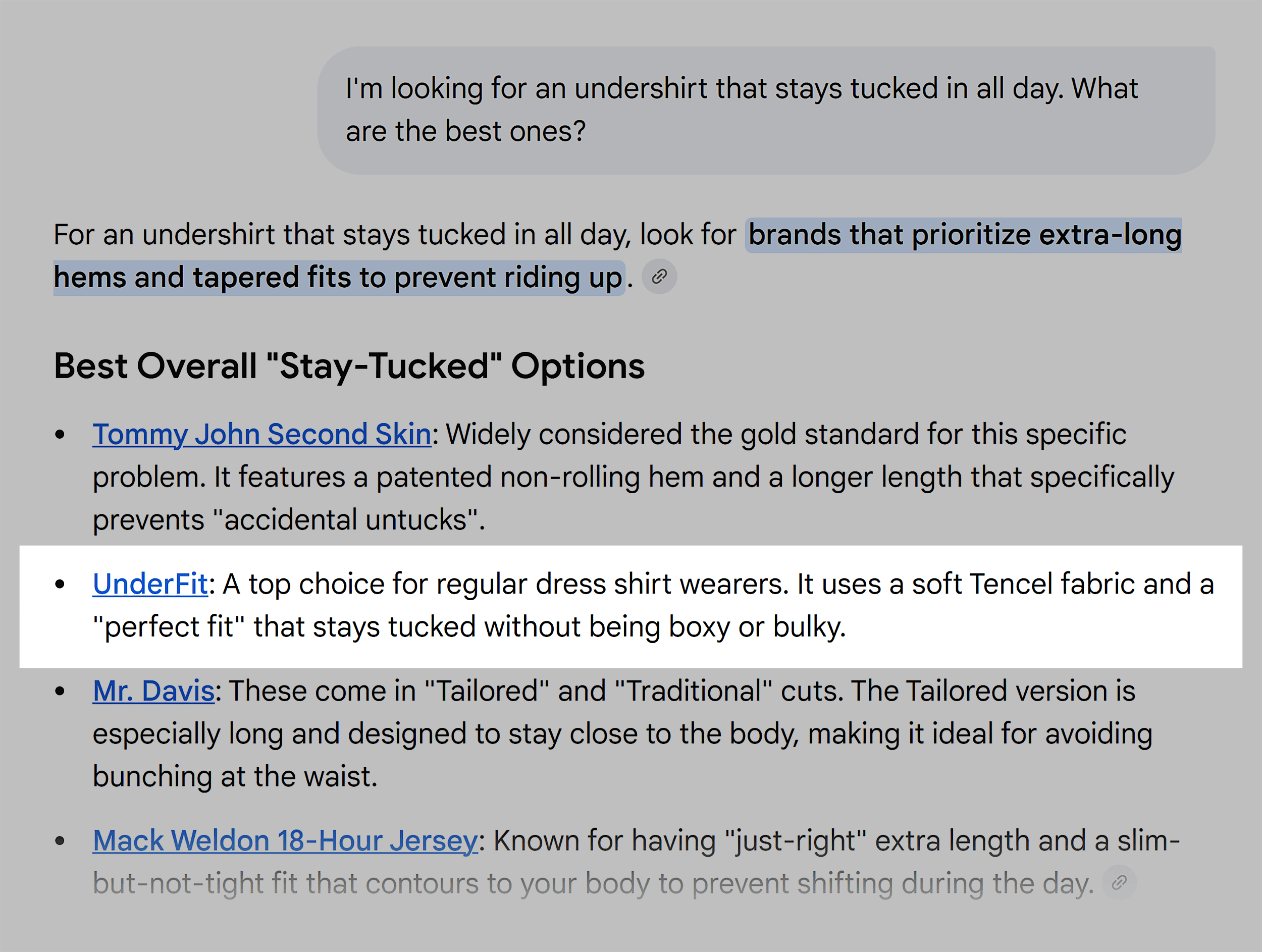
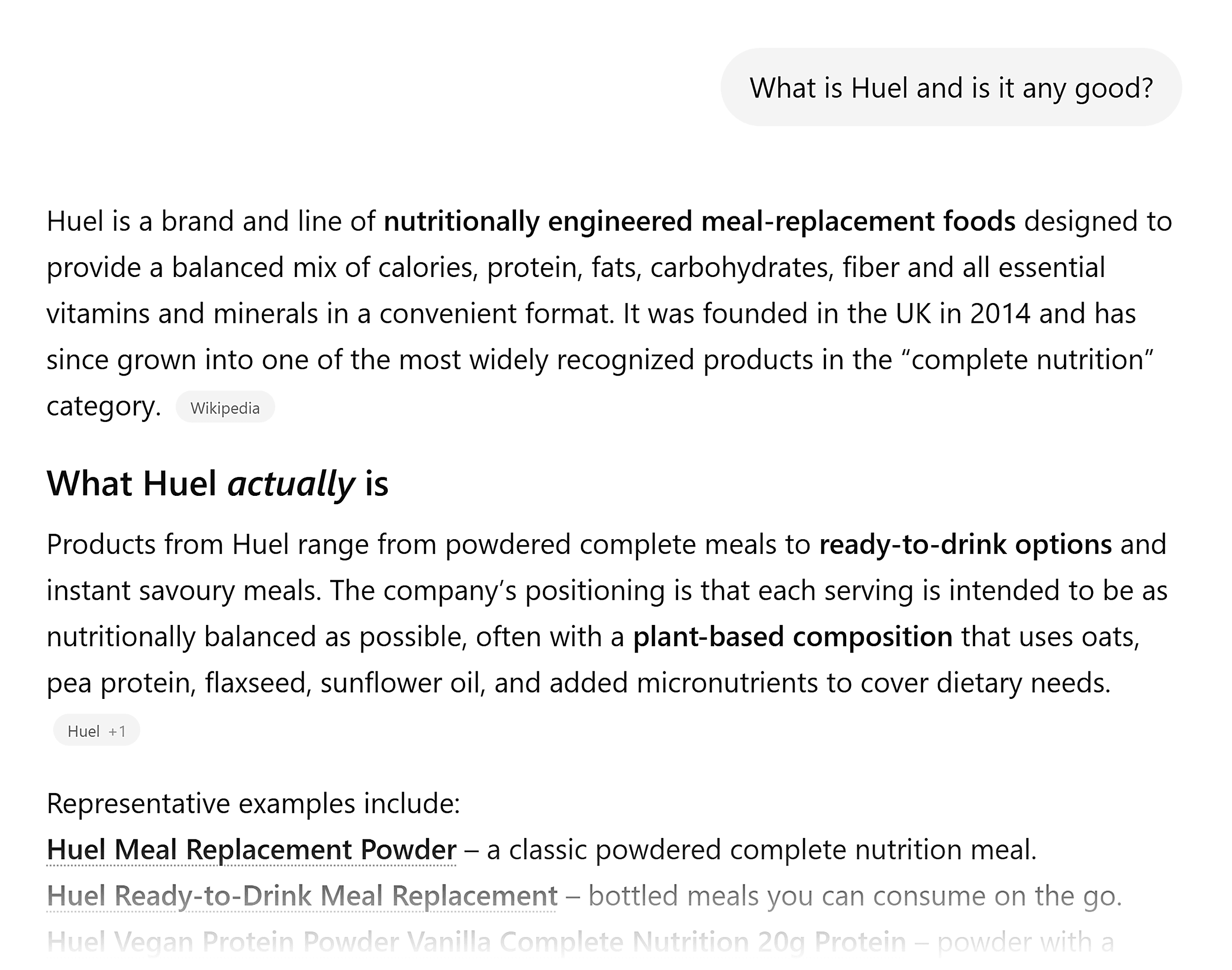
Recent data from industry analysts, including reports from Clutch, indicates that over 65% of modern buyers now utilize AI-driven tools to research products or services before visiting a vendor’s website. This trend represents a seismic shift in the "zero-click" era. When a user asks an AI tool for a recommendation, the answer they receive is synthesized from the collective online footprint of your brand.
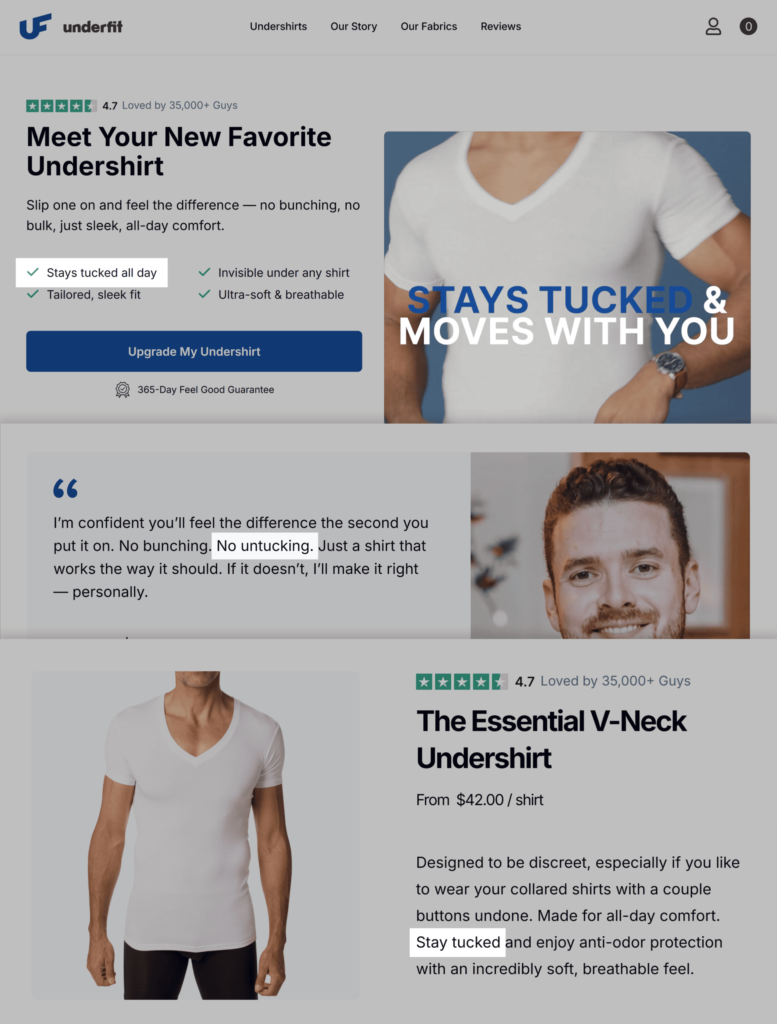
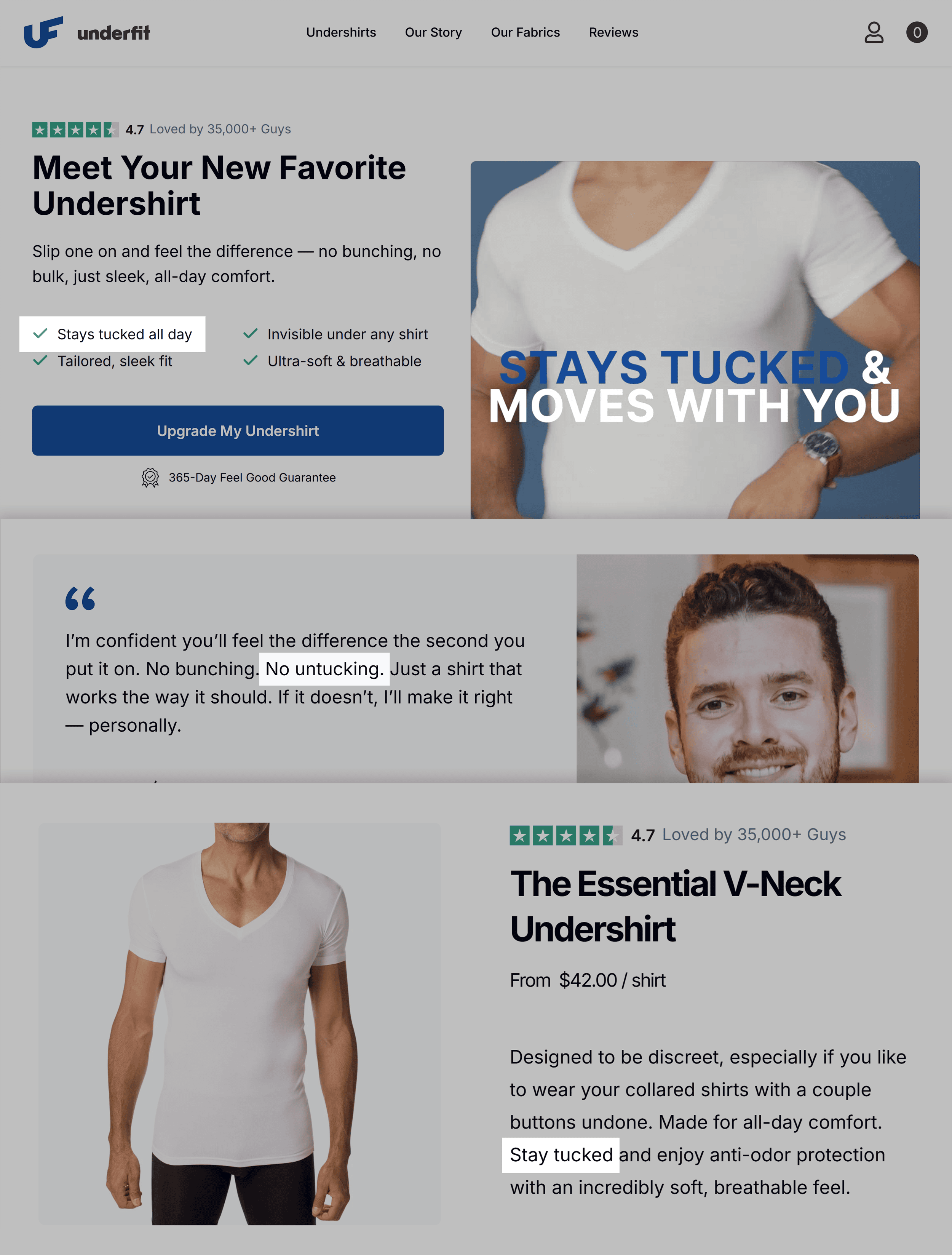
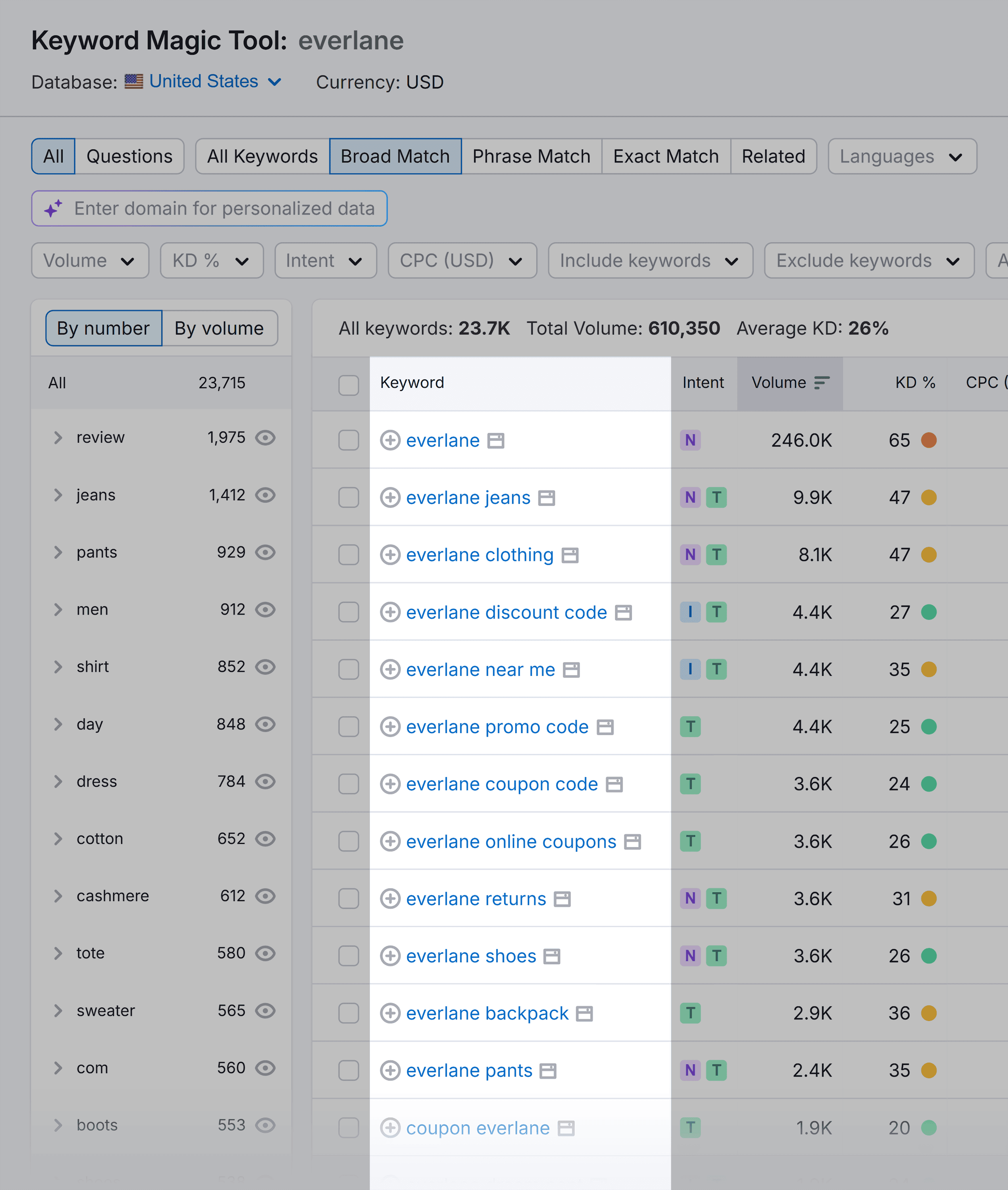
Your job is no longer just about optimizing for a search engine ranking; it is about engineering the narrative that large language models (LLMs) and human researchers consume. This requires a shift in focus from mere keyword stuffing to brand messaging consistency. You must ensure that your brand values, value propositions, and key benefits are articulated with total uniformity across every digital touchpoint. Whether it is an official press release, a third-party review, or an influencer’s social media post, the language used to describe your business should be consistent. This repetition not only builds trust with human users but also provides the structural data that LLMs require to associate your brand with specific categories and benefits.
Establishing Brand Authority Through Structured Architecture
While external visibility is critical, your website must remain a high-functioning, authoritative hub. In 2026, search algorithms and AI scrapers prioritize sites that are easy to parse. This requires moving beyond basic SEO to a more sophisticated approach involving semantic HTML and robust website architecture.
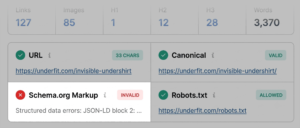
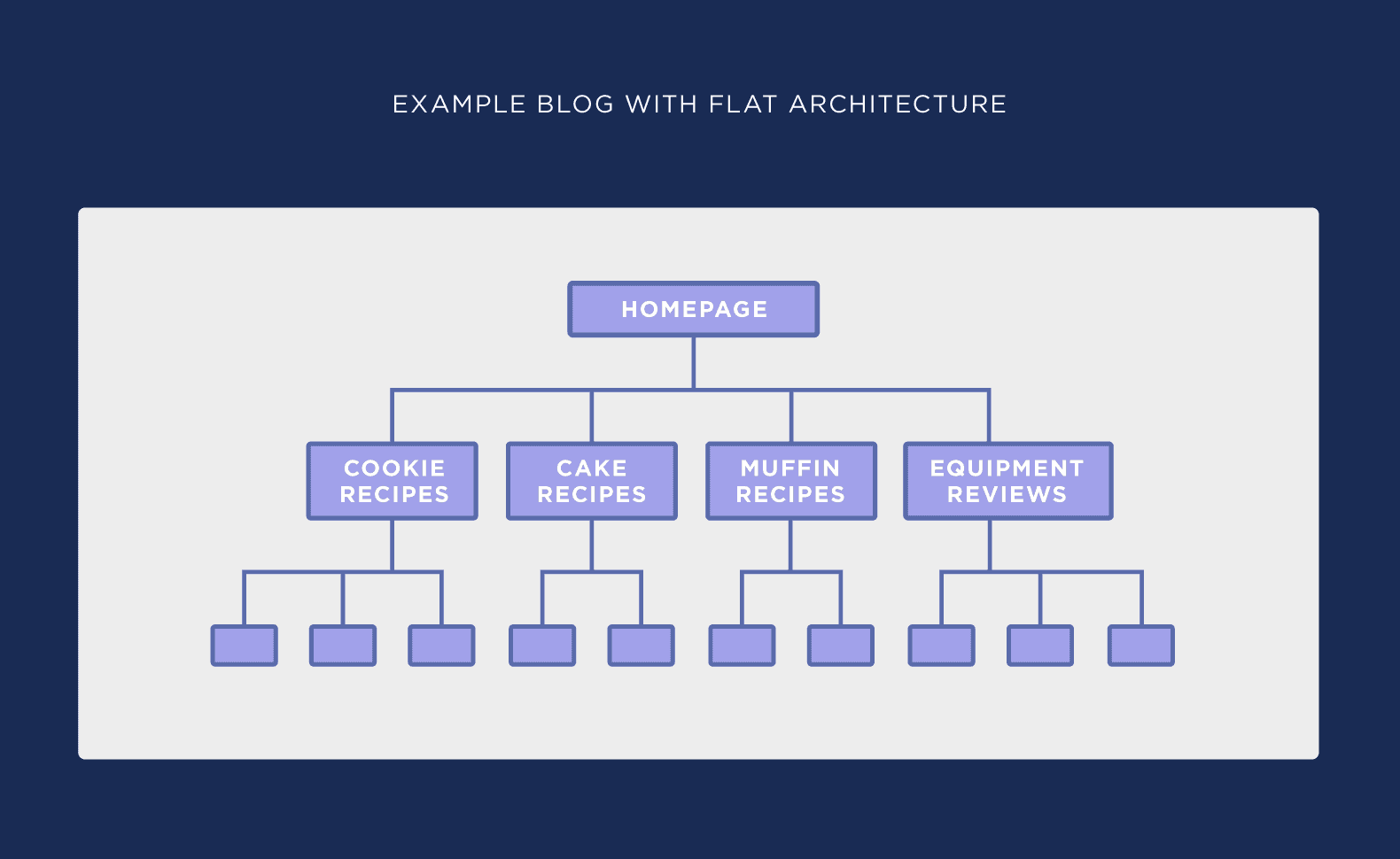
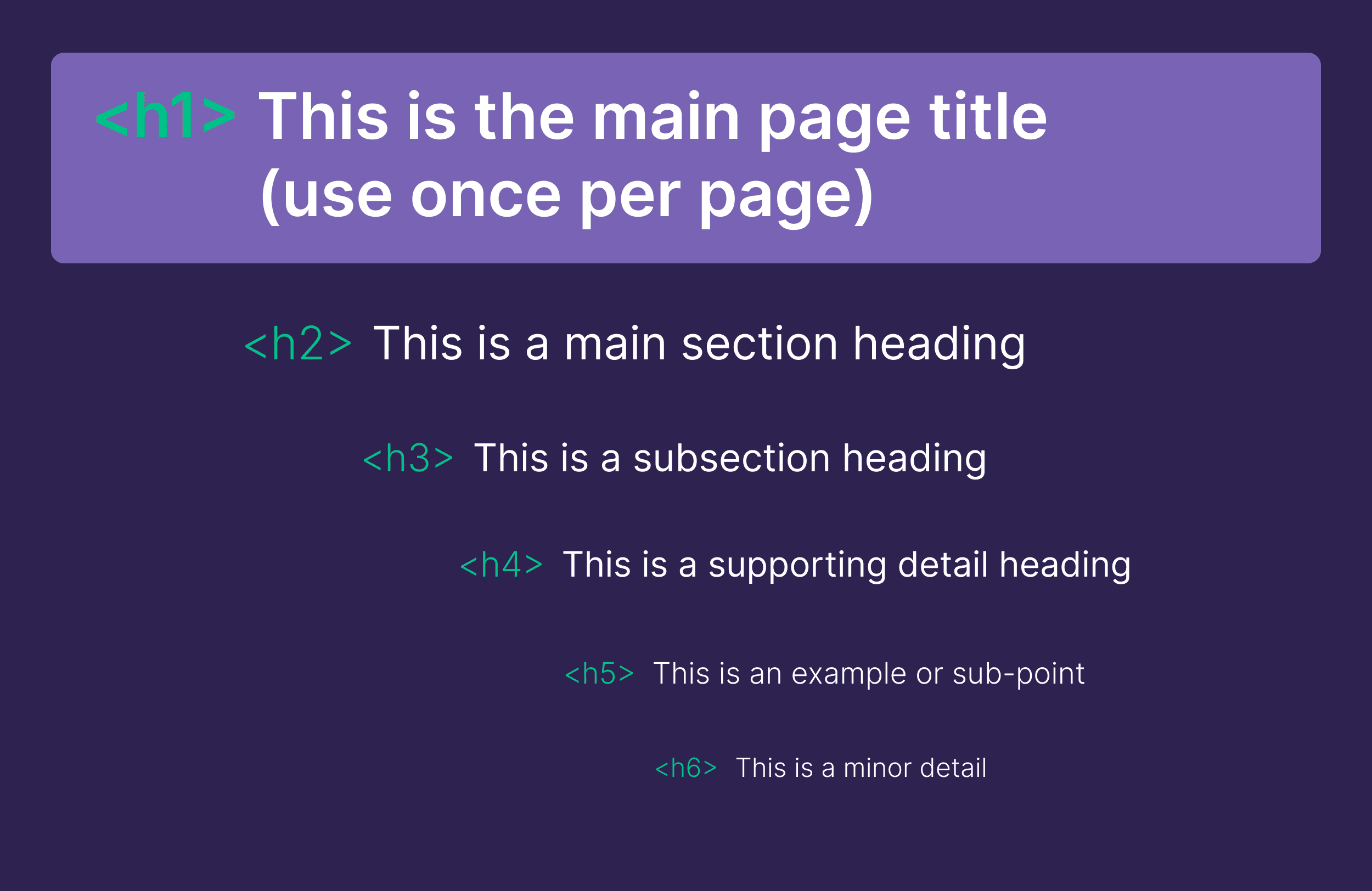
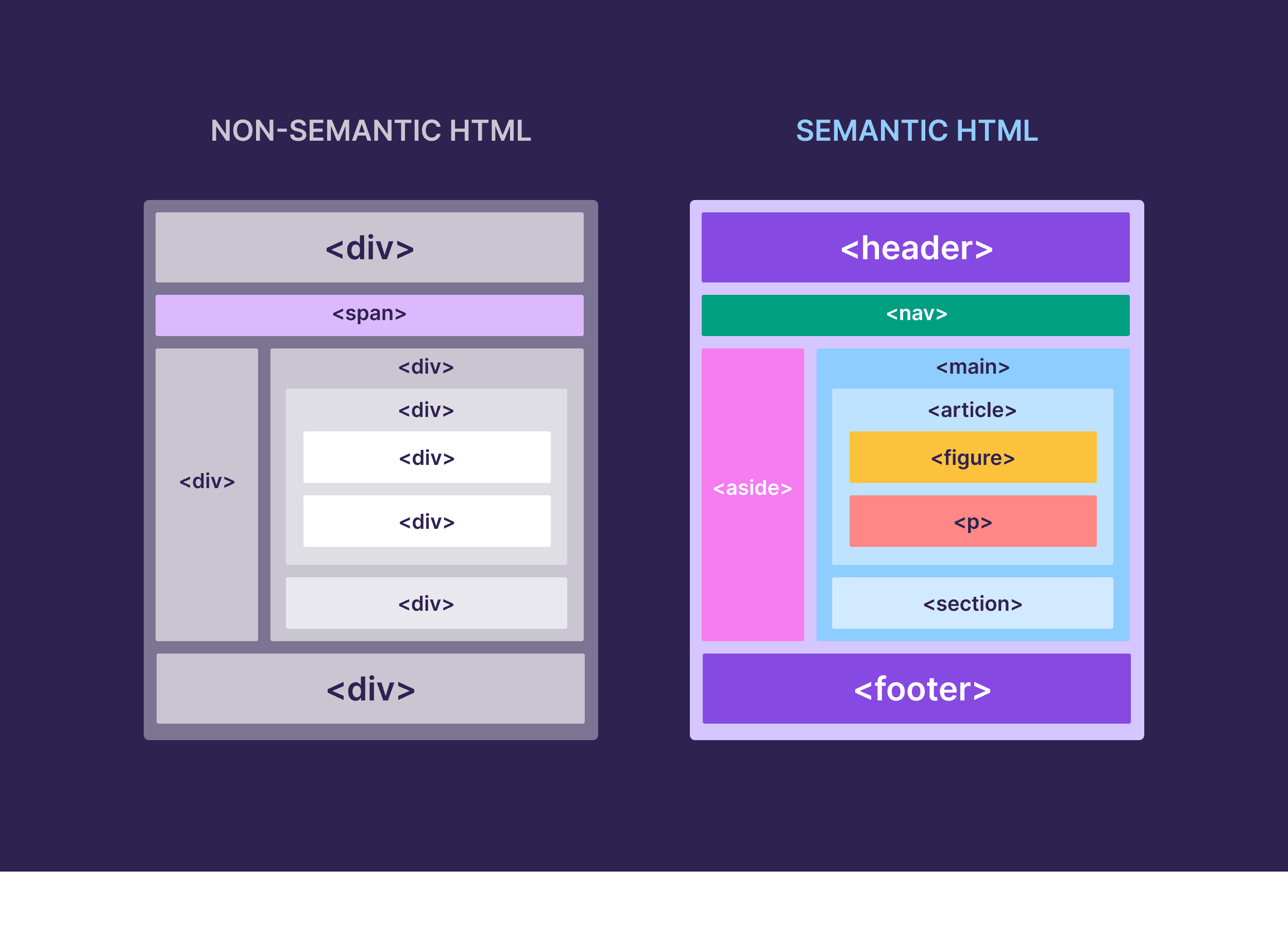
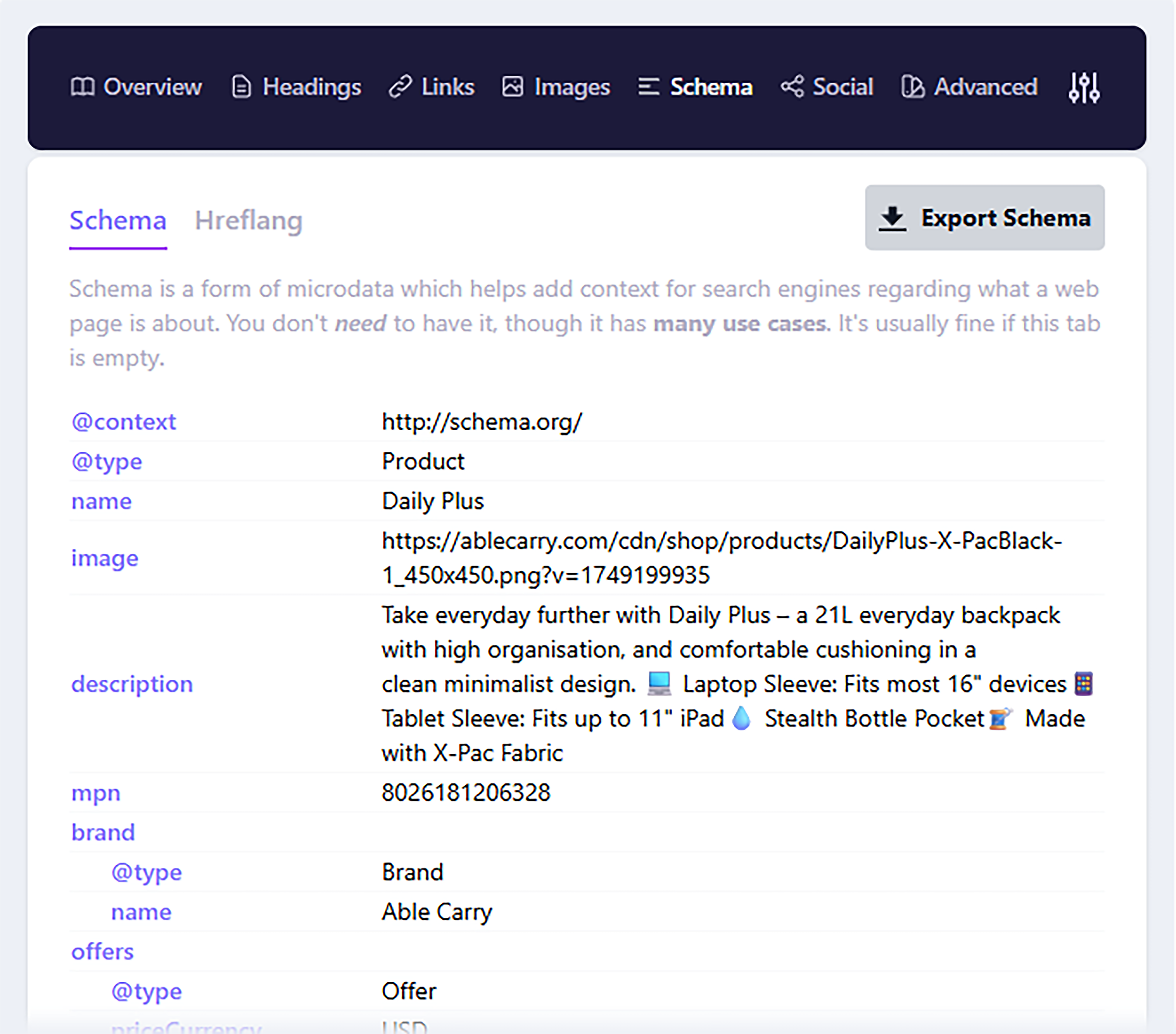
A flat, logical site structure—where no page is more than three clicks away from the homepage—is essential. Furthermore, the use of semantic markup allows search engines and AI crawlers to distinguish between different types of content, such as reviews, product specs, and pricing information. Implementing structured data, or schema markup, is no longer optional; it is the language that tells AI systems exactly what your page represents. By providing this clarity, you increase the likelihood that your site will be accurately represented in AI-generated summaries and knowledge graphs.
The Role of Proof Assets in Building Credibility
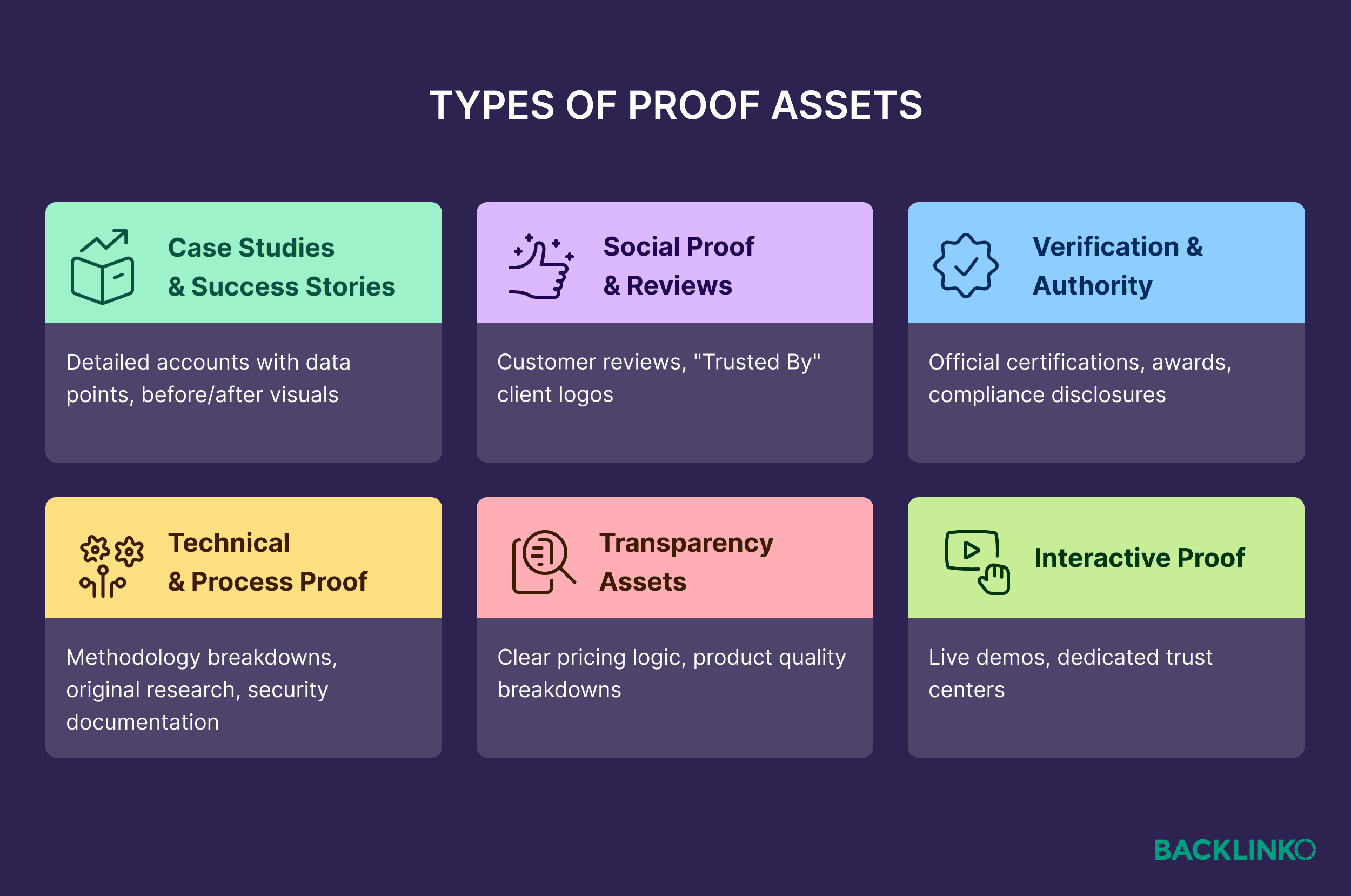
In an era of skepticism, "proof assets" serve as the primary currency of trust. These are the tangible pieces of evidence that substantiate your marketing claims. In the software-as-a-service (SaaS) sector, this includes verifiable uptime data, independent security audits, and granular case studies that show measurable ROI. For ecommerce, it involves detailed product provenance, transparent return policies, and uncurated user-generated content.
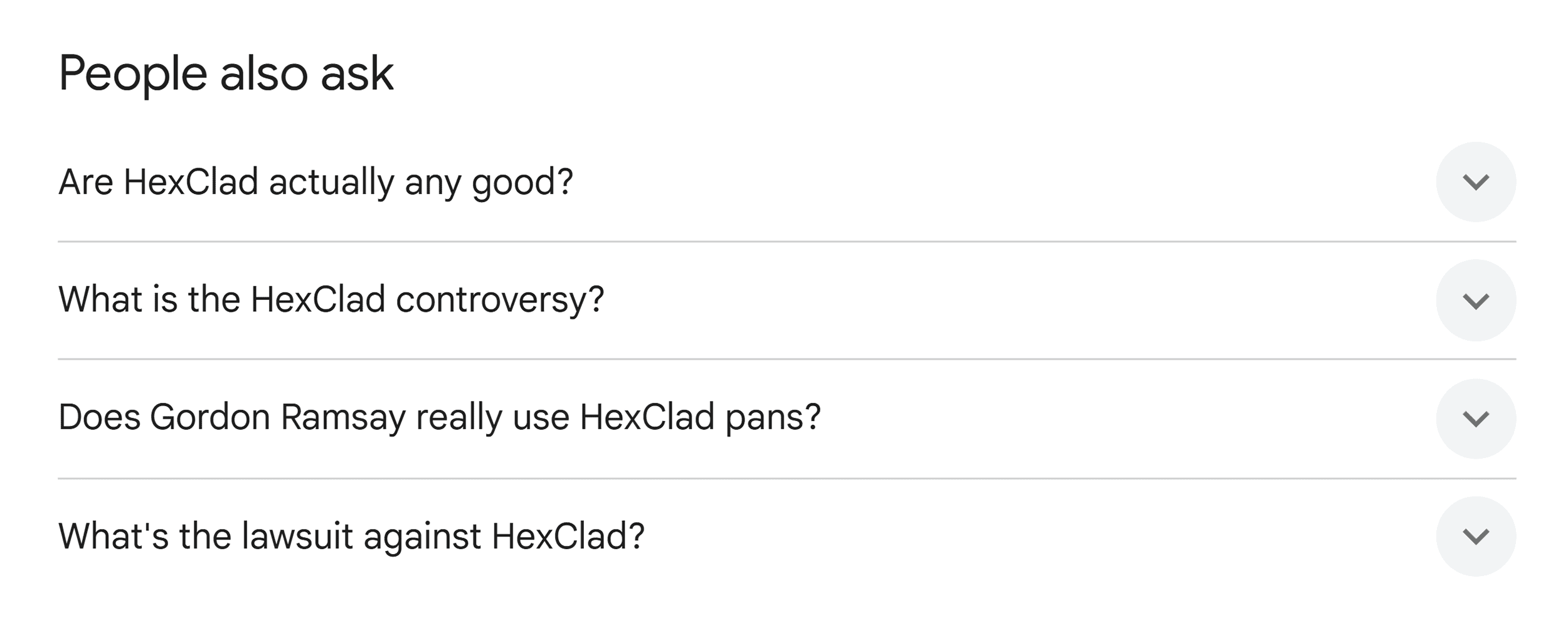
To identify which proof assets will be most effective, brands should analyze "People Also Ask" (PAA) boxes in search results. These questions are essentially a roadmap of the anxieties your prospects feel. By creating content that directly answers these recurring questions, you transform your website into a repository of reliable, evidence-based information that both users and AI systems can rely on.
The Power of Video as a Trust Multiplier
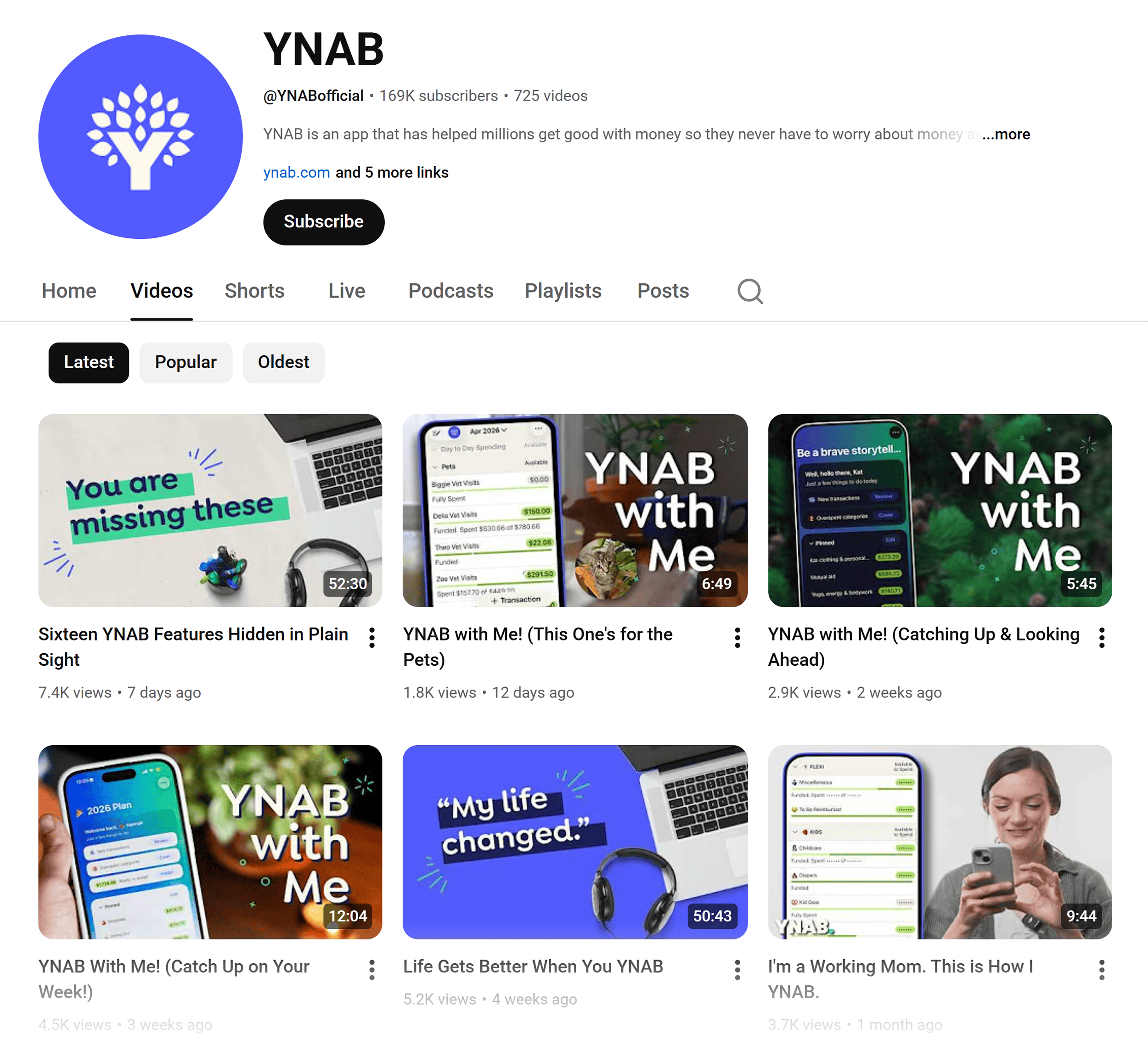
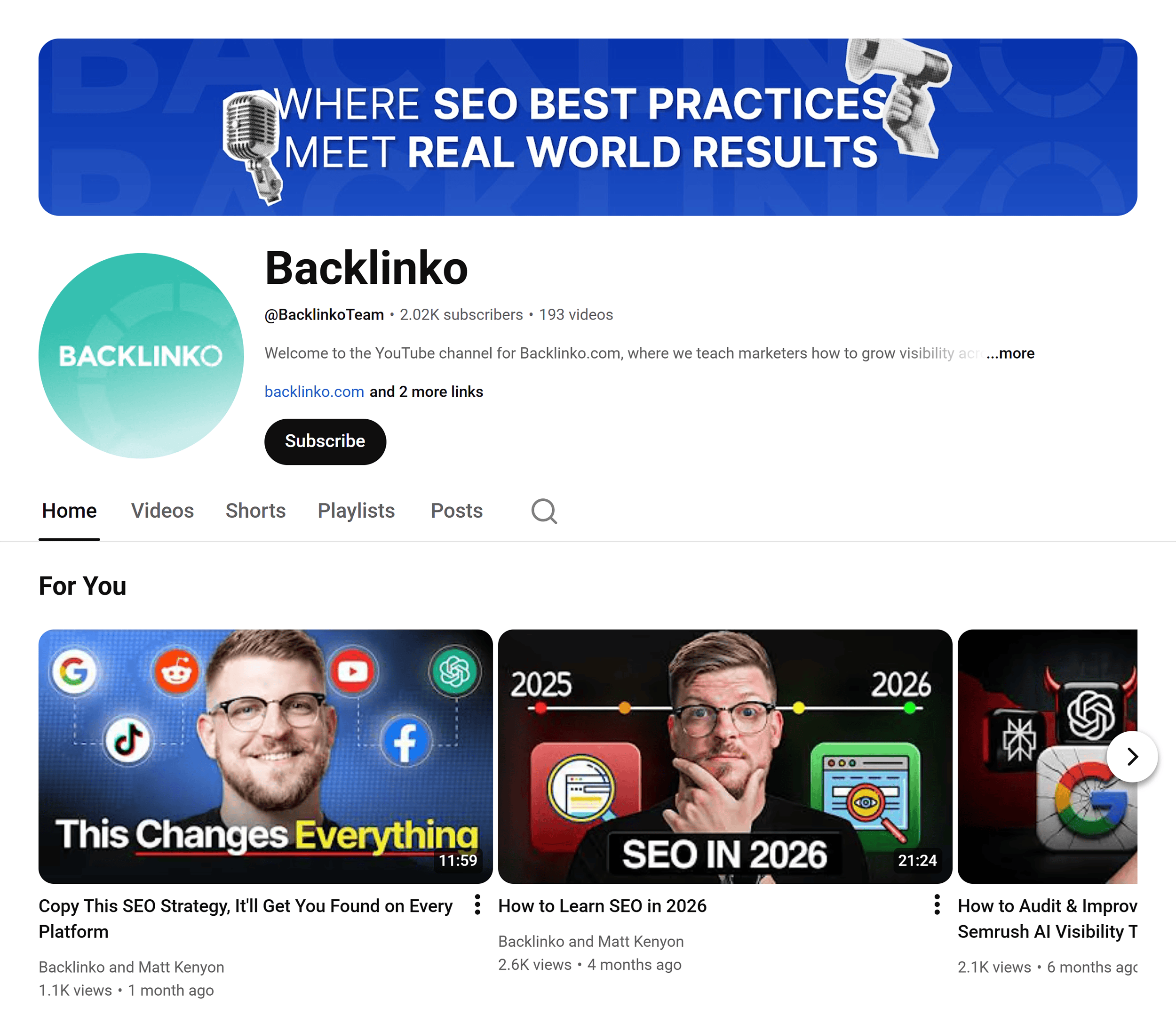
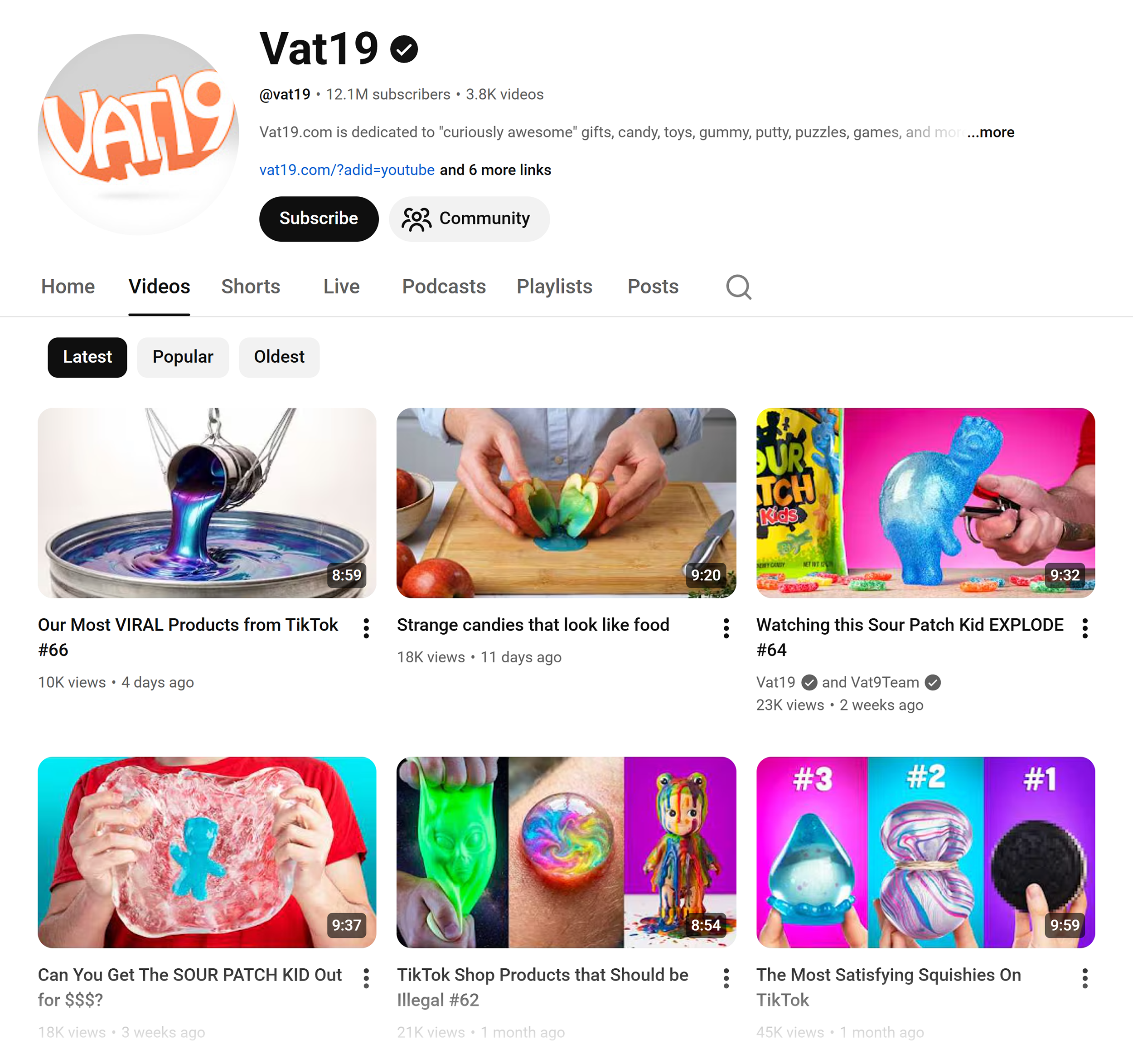
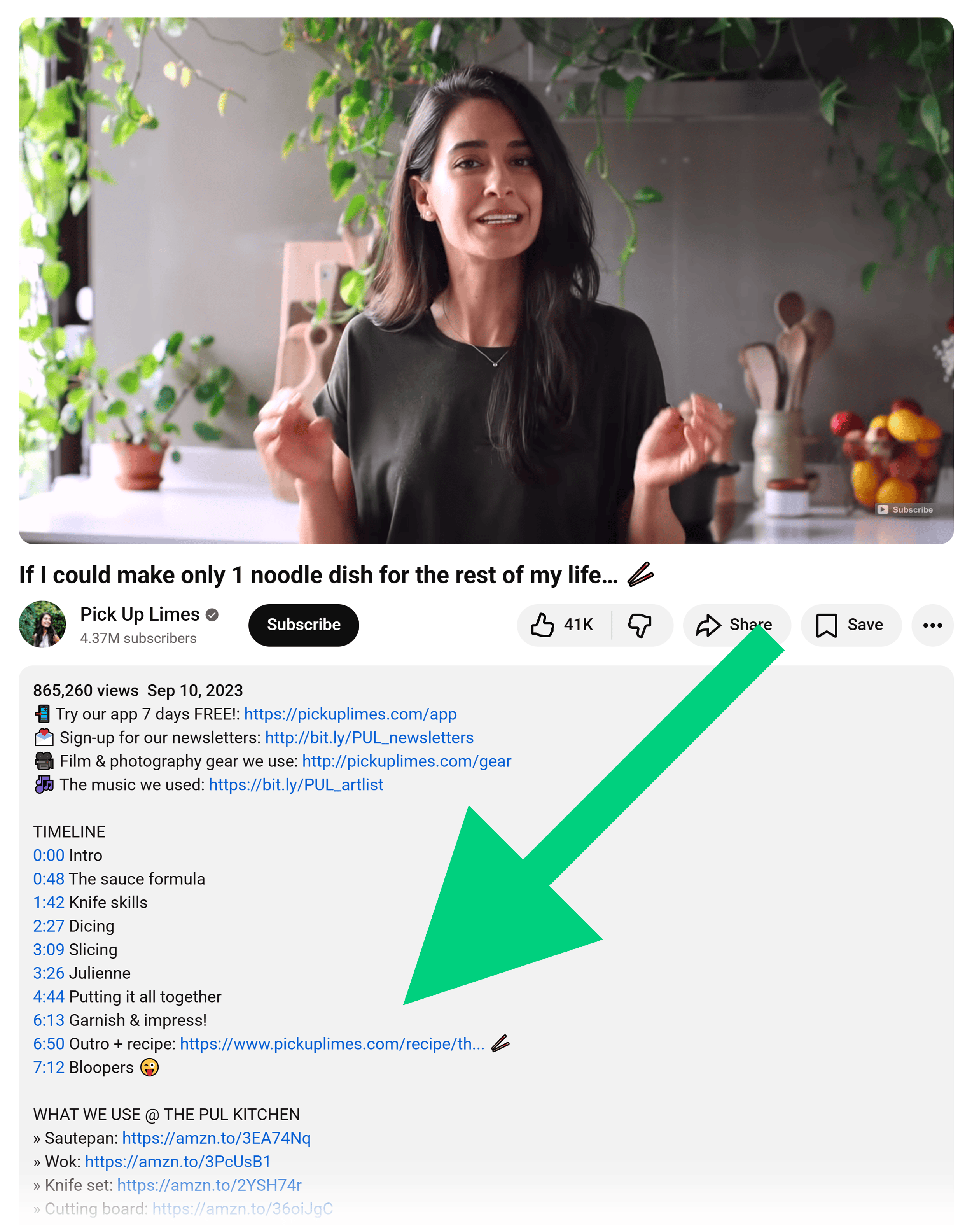
Video content has become the most effective tool for bridging the gap between digital interaction and human connection. Long-form video, particularly on platforms like YouTube, allows potential customers to spend time with your brand, fostering a sense of familiarity that text simply cannot achieve.
Effective video strategies in 2026 involve creating content that serves the evaluation phase of the buyer journey. This includes deep-dive tutorials, side-by-side product comparisons, and hosted training sessions. By acting as a helpful educator rather than a hard-seller, you establish authority. The goal is to ensure that by the time a viewer clicks through to your website, they have already received value and developed a rapport with your team. Linking these videos back to specific, high-intent landing pages on your site creates a seamless transition from discovery to conversion.
Capturing Traffic via Google Discover
Google Discover has become one of the most significant sources of organic traffic for brands that understand how to curate content for a feed-based environment. Unlike traditional search, which is intent-driven, Discover is interest-driven. It surfaces content based on a user’s history and browsing behavior.
To succeed here, brands must adopt an "editorial" mindset. This involves creating a dedicated "Discover lane" in your content calendar, focusing on topics that feel timely, urgent, or highly relevant to current industry shifts. Headlines must be sharpened to communicate tension or stakes, and featured images must be high-resolution (1200px+) with a clear, compelling focal point. A piece of content that performs well in the Discover feed can result in massive, immediate traffic spikes that traditional search results rarely offer.
Optimizing for the Zero-Click Reality
As users increasingly find answers directly within search results or AI interfaces, the visitors who actually make it to your website are likely to be high-intent, pre-educated, and closer to a purchase decision than ever before. This elevates the importance of conversion rate optimization (CRO).
With a shorter time-to-decision, your website must be frictionless. This means removing unnecessary steps in the sales funnel, ensuring lightning-fast load times, and providing clear, anxiety-reducing information like transparent pricing and FAQ sections. Behavioral targeting via email, triggered by specific actions taken on your site (such as visiting a pricing page or adding an item to a cart), allows you to keep the conversation going long after the user has left your domain. Using email to offer value-add content or personalized incentives based on these behaviors can significantly nudge a hesitant buyer toward completion.
Humanizing the Brand in an AI World
Perhaps the most paradoxical rule of 2026 is that as technology becomes more automated, the human element becomes more valuable. The "human premium" is real; audiences are actively seeking out brands that feature recognizable voices and personalities.
Thought leadership is not just about writing blog posts; it is about having a discernible point of view that differentiates your brand from the generic output of AI. This is best accomplished by putting a human face on your content—whether through the founder’s personal LinkedIn, an expert employee’s YouTube presence, or a spokesperson who represents the company’s values at industry events. When a person becomes the brand advocate, the business becomes relatable.
Engaging with Niche Communities
Finally, visibility on third-party sites is mandatory. Niche communities—whether on Reddit, Discord, or industry-specific forums—are where reputations are made. The strategy here is not to infiltrate these spaces with marketing, but to participate as a subject-matter expert. By answering questions, resolving complaints, and contributing to the discourse without always pushing a product, brands earn the kind of authentic "social proof" that no paid advertising budget can buy.
Ultimately, website marketing in 2026 is an exercise in ecosystem management. Your website is the base of operations, but your influence is built in the spaces where your customers live, work, and research. By aligning your brand messaging, optimizing for AI discovery, and leading with human expertise, you can ensure that your brand remains the primary choice in a noisy, fragmented digital marketplace.