
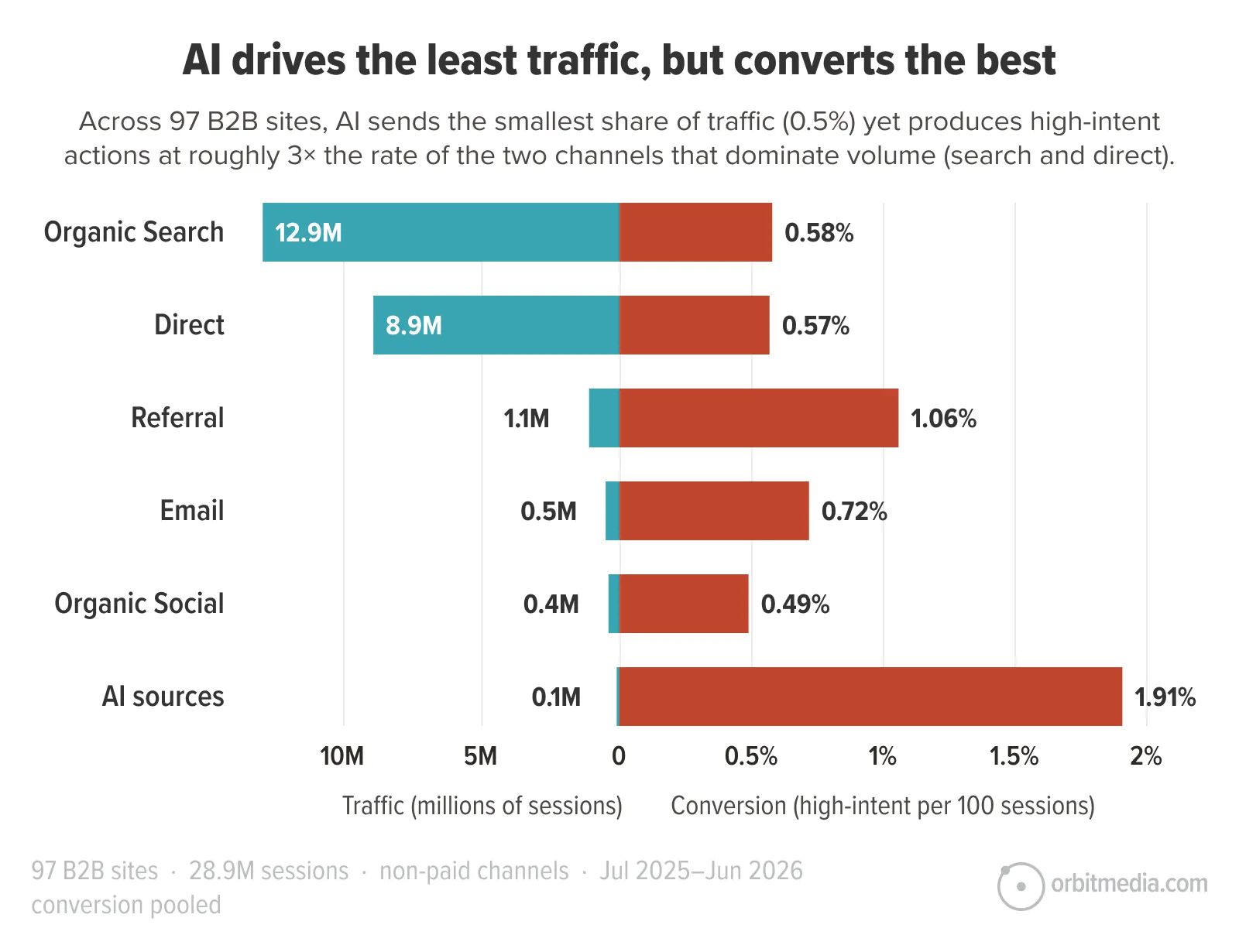
A comprehensive analysis of 97 Google Analytics 4 (GA4) accounts, encompassing over 29 million website visits, has revealed a striking trend: traffic originating from Artificial Intelligence (AI) sources converts into leads at a rate three times higher than that from other organic traffic channels. This finding, derived from data spanning July 1, 2025, to June 30, 2026, suggests a significant shift in user intent and behavior as AI tools become more integrated into the research and decision-making processes of potential B2B customers.
The study, conducted by [Insert Hypothetical Research Firm Name, e.g., "Digital Insights Group"], meticulously examined conversion rates across various landing pages and user journeys. While AI-referred traffic constitutes a mere 0.5% of the total analyzed visits, its disproportionately high conversion rate underscores the quality and intent of these users. This phenomenon is particularly pronounced when visitors land on the homepage, indicating that AI may be acting as a highly effective initial filter, directing motivated prospects to relevant websites.
The AI Advantage: Quantifying Higher Conversion Rates
The research team identified AI-referred sessions by pattern-matching session source and medium against a list of known AI assistant domains, including ChatGPT, Perplexity, Google Gemini, Claude, and Microsoft Copilot. Additionally, they incorporated sessions tagged by GA4 with the "AI Assistant" medium, which began appearing in mid-May 2026. This methodology was applied uniformly across the entire historical dataset to ensure comprehensive capture.
The analysis categorized GA4 key events into two primary groups: high-intent conversions (such as contact form submissions, demo requests, and phone call clicks) and low-intent conversions (like newsletter sign-ups, guide downloads, and webinar registrations). Events deemed irrelevant for conversion analysis, such as page views, scroll depth, or account logins, were excluded.
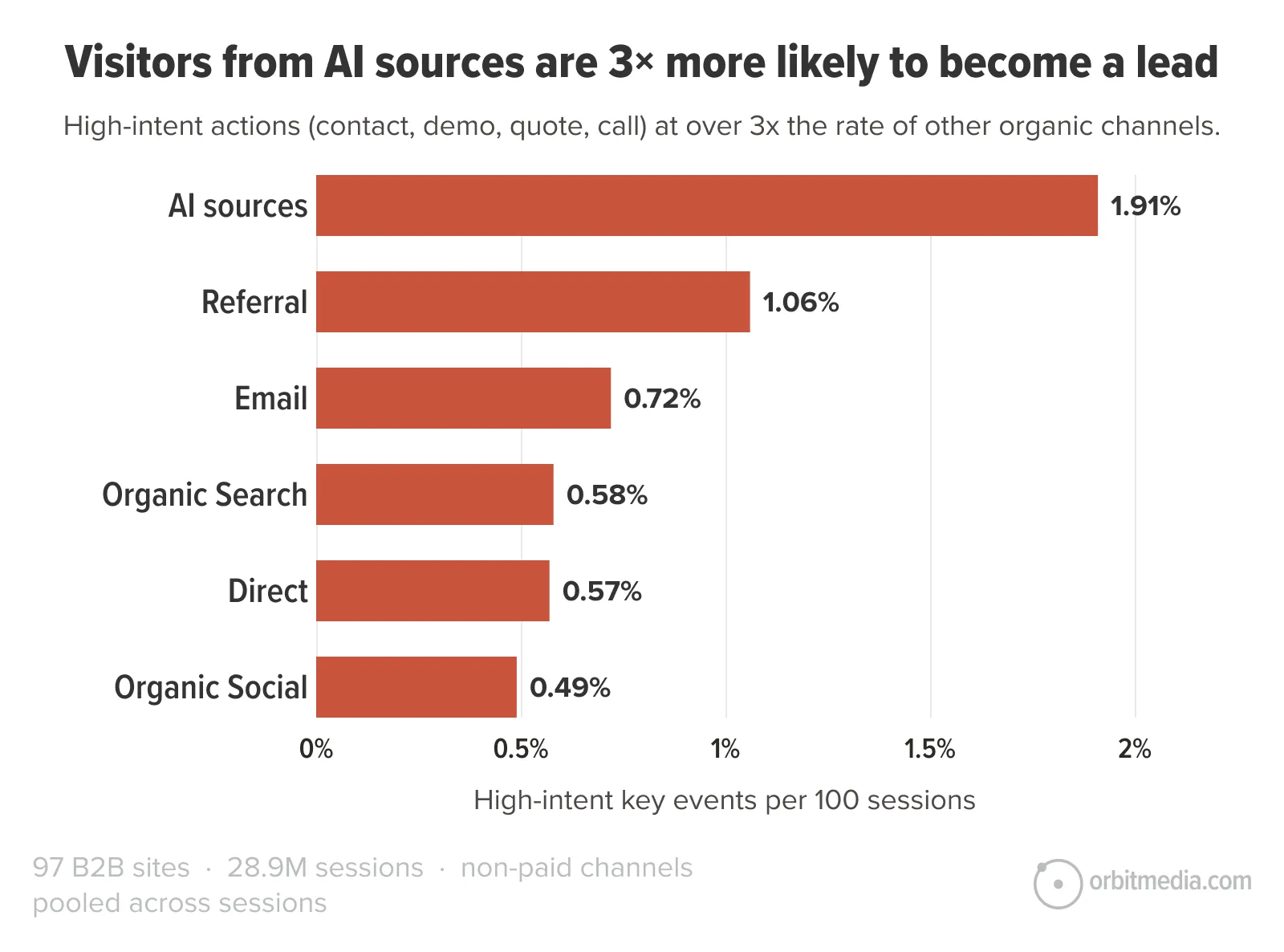
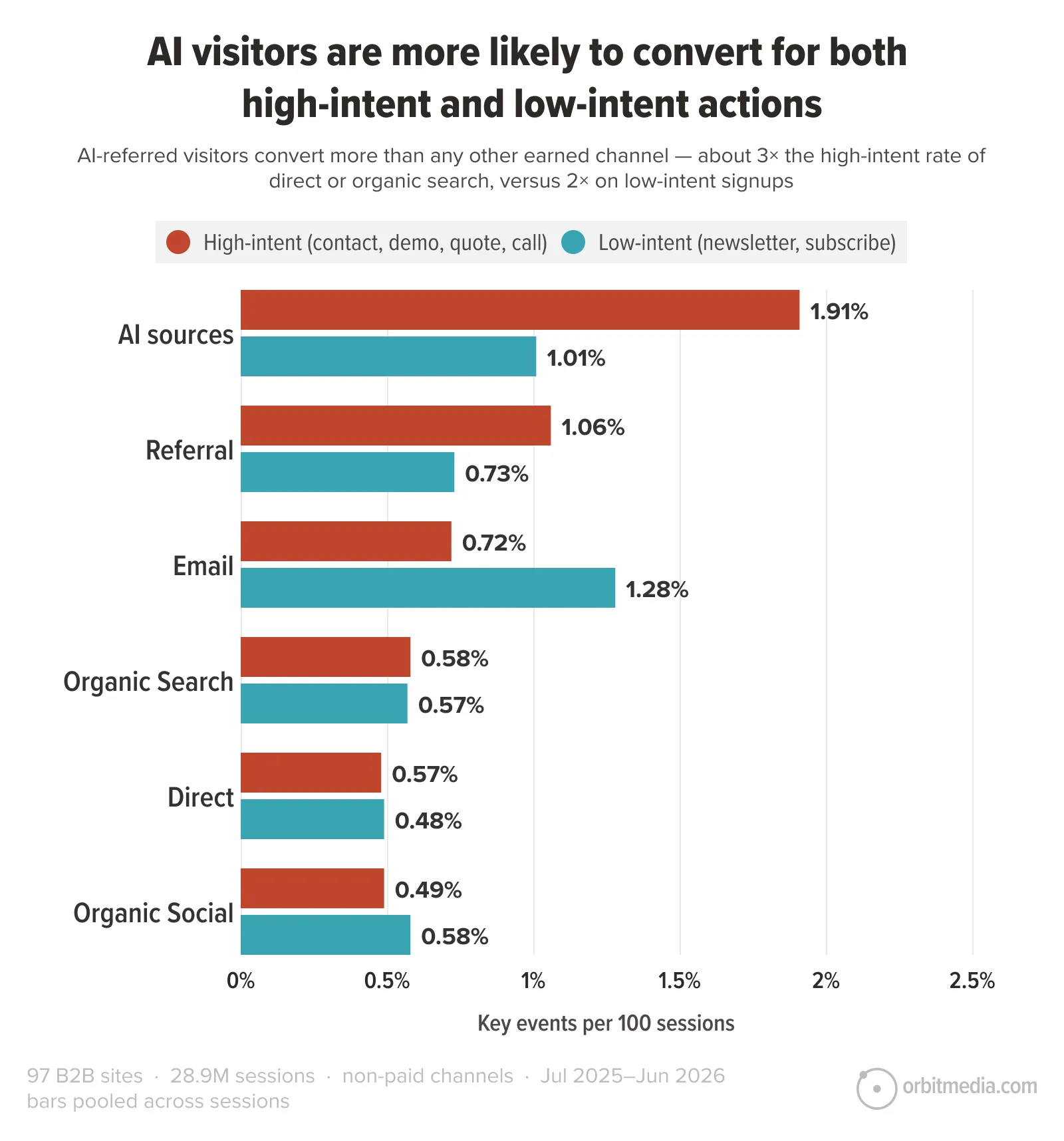
The aggregated data revealed that AI-referred visitors are, on average, three times more likely to convert into leads compared to visitors from traditional organic search. When looking at specific high-intent conversions, the conversion rate for AI-referred traffic was 1.91%, significantly outperforming other organic channels which collectively averaged a lower rate. This suggests that users arriving via AI platforms are further along in their buyer’s journey.
A deeper dive into the data, segmenting by conversion type, confirmed this trend. Visitors from AI sources were found to be twice as likely to subscribe to a newsletter, download a guide, or register for a webinar, indicating a broad engagement across different stages of the funnel.
Breakdown of AI Traffic Sources: ChatGPT Dominates
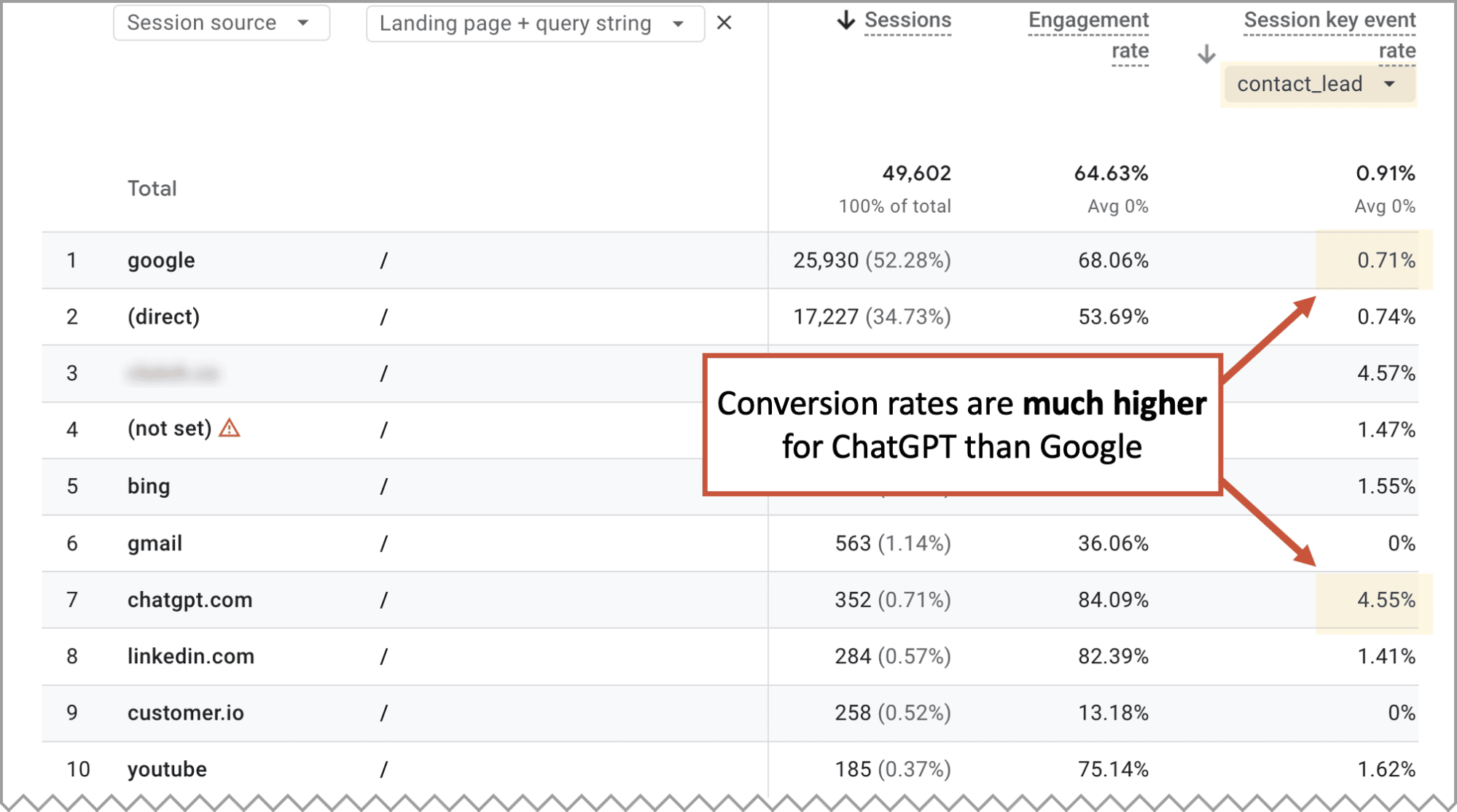
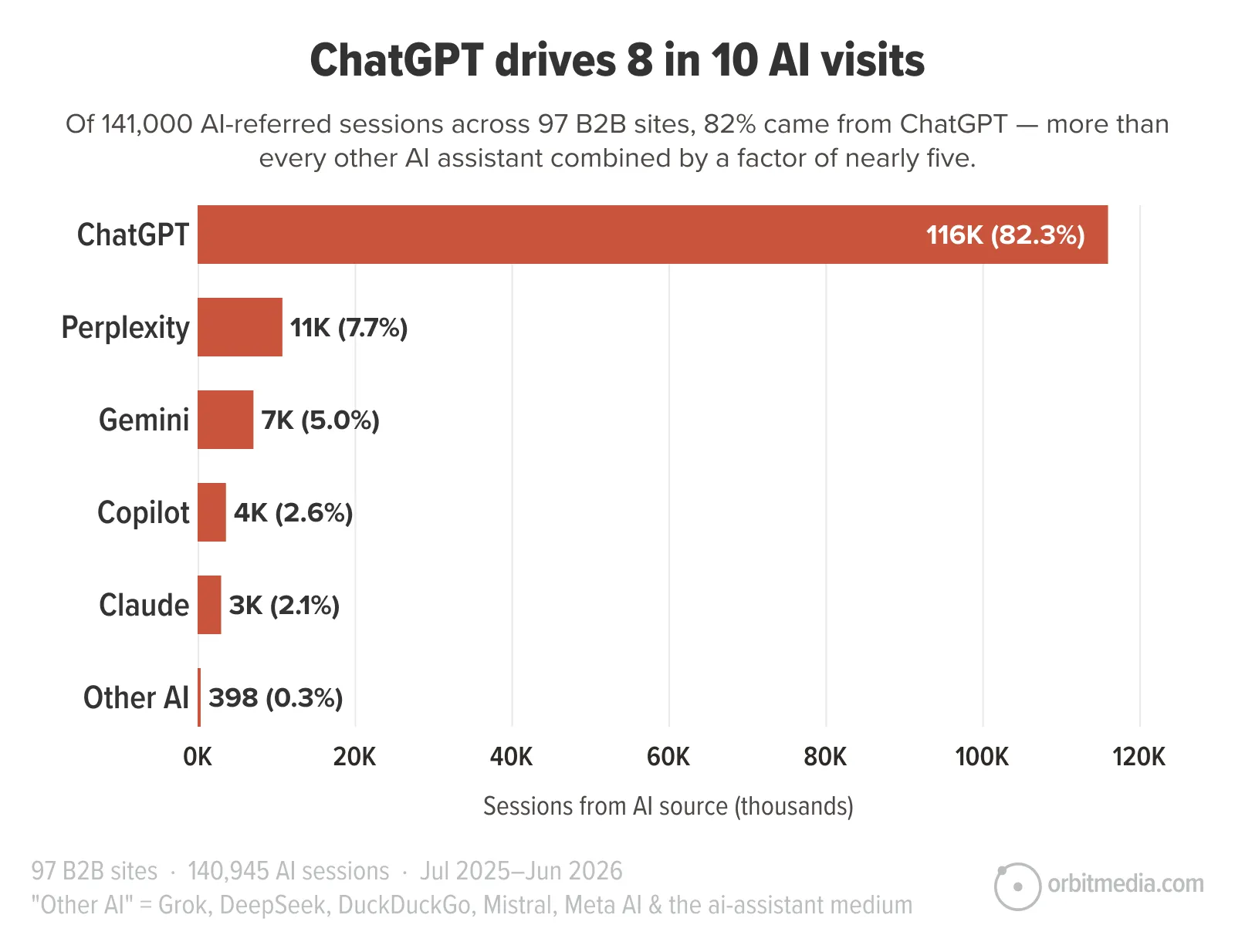
Within the broader category of AI traffic, ChatGPT emerged as the dominant referral source, accounting for an overwhelming 82.3% of the 140,000 analyzed AI-referred sessions. This highlights ChatGPT’s current prevalence as a tool for research and information gathering. Perplexity, despite its positioning as a search engine alternative, contributed a significantly smaller share of traffic, and its referred visitors demonstrated a lower conversion propensity compared to those from ChatGPT.
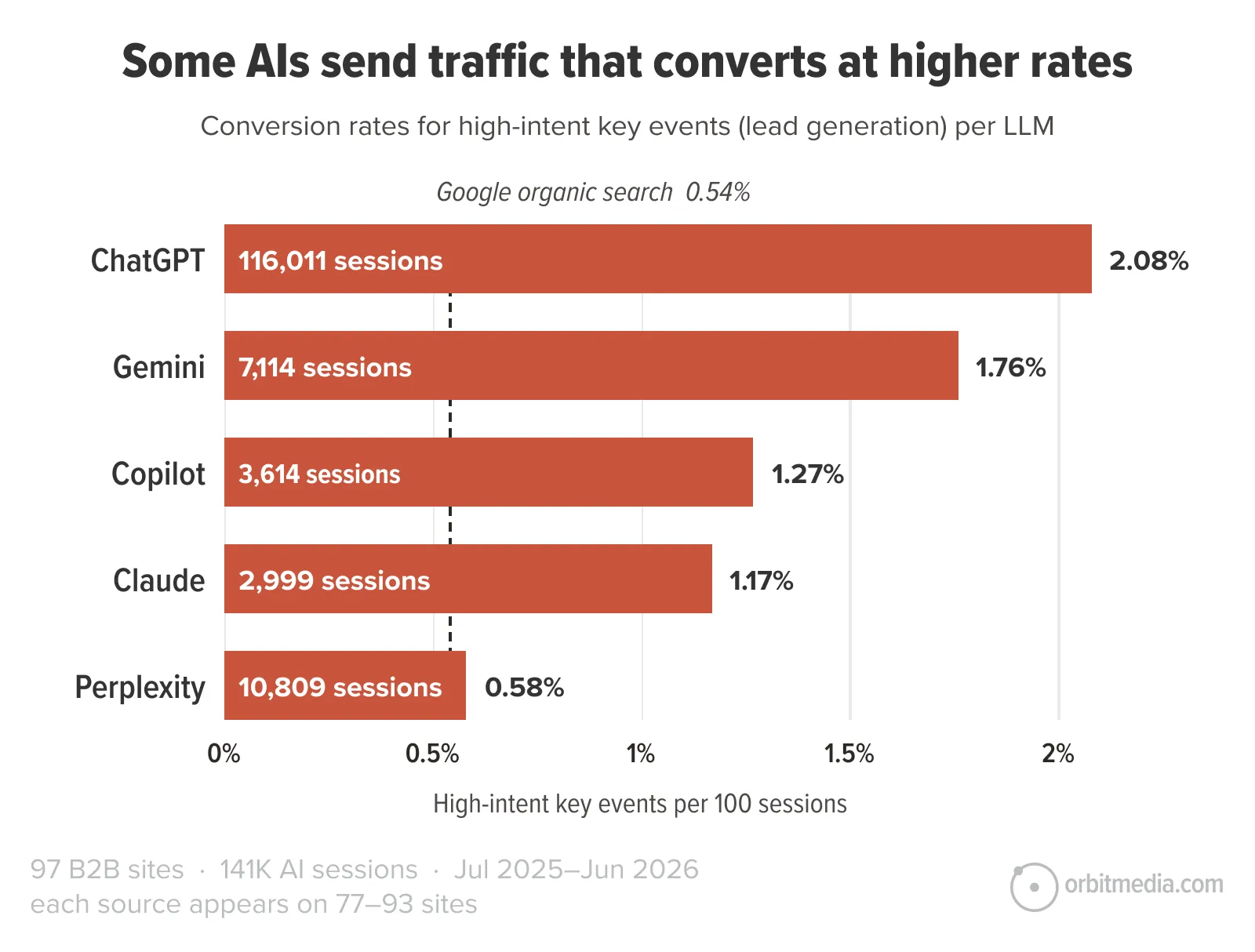
Further granular analysis comparing specific AI models showed that ChatGPT visitors converted at a rate of 2.08% into leads from 116,011 sessions. In contrast, while Google Search remains the primary driver of overall traffic, its conversion rate for B2B lead generation was observed at 0.5% during the same period. This stark difference, despite Google’s massive traffic volume, emphasizes the targeted nature of AI-driven discovery.
Landing Page Performance: Where AI Visitors Engage
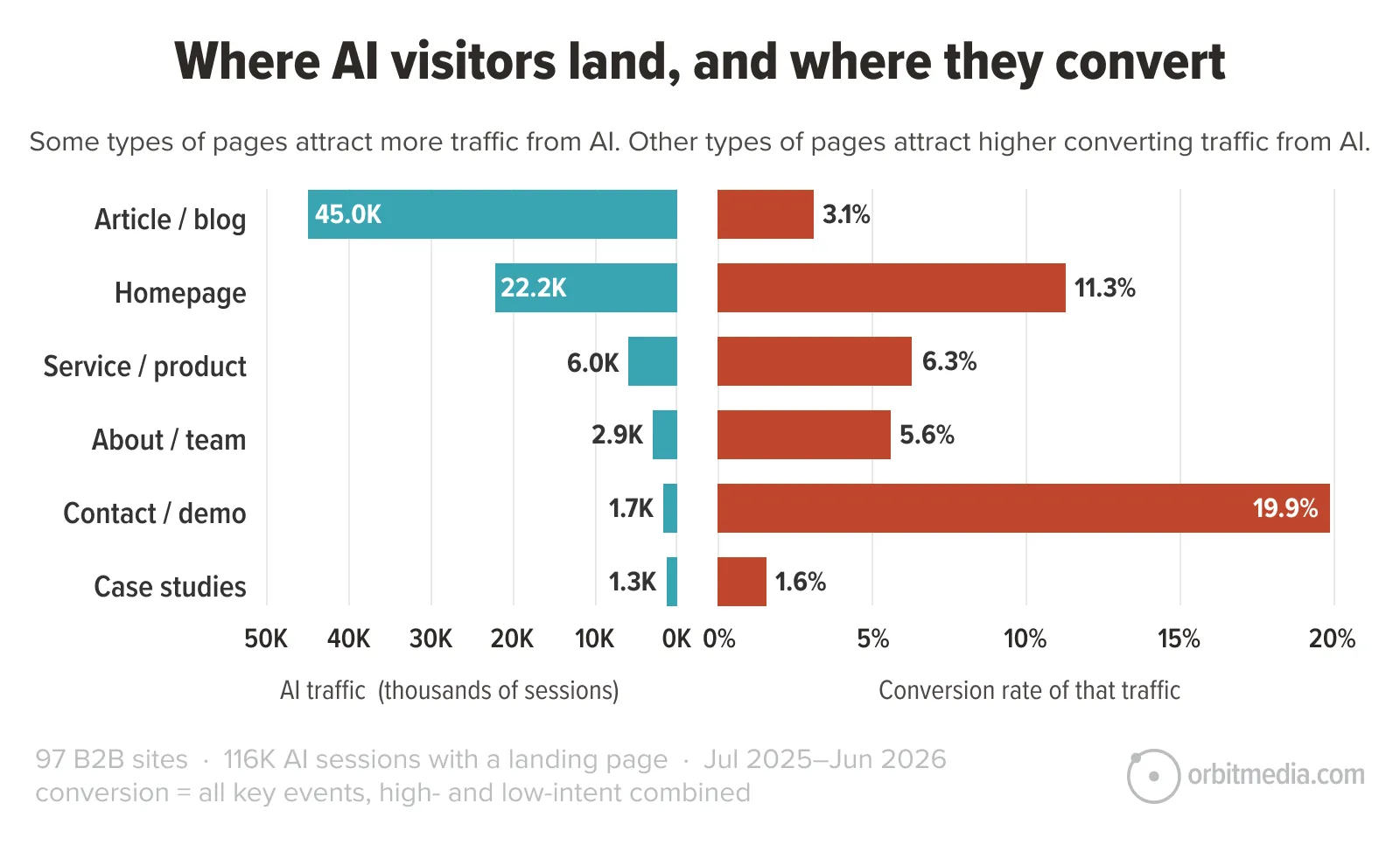
The study also investigated the landing page behavior of AI-referred visitors. By categorizing landing pages into groups such as homepage, services/products, articles, "about us," and contact pages, researchers could identify which types of content attract and convert these users most effectively.
Blog articles, while receiving the highest volume of AI-referred traffic, did not necessarily yield the highest conversion rates. Conversely, pages higher in the sales funnel, such as "case studies" and "contact" pages, demonstrated a notable increase in conversion rates for AI visitors, reinforcing the hypothesis that these users are arriving with a clearer intent to engage. This suggests that AI is effectively guiding users towards more decision-oriented content.
Underlying Factors Driving Higher Conversion Intent
Several hypotheses attempt to explain the superior conversion rates of AI-referred traffic:
The AI Pre-Qualification Effect
One primary driver is the inherent nature of AI-assisted research. By the time a user clicks through from an AI platform like ChatGPT, they have often engaged in a conversational process. This typically involves asking questions, comparing options, and narrowing down choices. This "shortlisting" process, occurring within the AI interface, means that users arriving at a website are already further along in their consideration phase. They are not just exploring; they are seeking confirmation or specific details to finalize a decision. This effectively pre-qualifies leads, reducing the "friction" and "anxiety" factors identified in conversion optimization models, such as the MECLABS conversion formula (C = 4m + 3v + 2(i – f) – 2a).
Navigational Intent and Brand Recognition
Another significant factor is the potential for navigational intent. Users may already be familiar with a brand and are using AI tools to find their official website. This is particularly evident in the high volume of traffic landing on homepages. In such cases, the AI acts as a more sophisticated directory, directing users who already possess a degree of brand awareness and potential interest. This "late-stage" arrival in the buyer’s journey naturally correlates with higher conversion probabilities.
Perceived Trust and Authority of AI Recommendations
The user experience of interacting with an AI differs significantly from traditional search. AI responses are often perceived as personalized advice rather than direct advertising. When an AI recommends a specific brand or product, it can feel akin to a trusted referral or word-of-mouth endorsement. This contrasts with the experience of clicking through from a traditional search results page, which is often perceived as a more transactional environment with numerous competing options. This perceived objectivity and personalized guidance can foster greater trust and reduce user skepticism.
Purposeful Engagement of AI Users
Users of AI tools, such as ChatGPT, tend to approach these platforms with a clear objective. Unlike the often passive consumption of social media content, engaging with an AI chatbot typically involves active problem-solving or information gathering for a specific task or decision. This inherent purposefulness translates into a higher degree of user intent before they even reach a website. They are arriving with a problem to solve or a decision to make, making them more receptive to conversion-oriented content.
Implications for Businesses and Marketers
The findings of this study carry significant implications for businesses focused on lead generation, particularly within the B2B sector. The increasing sophistication of AI tools is reshaping the digital landscape, and understanding these shifts is crucial for effective marketing strategies.
- Optimizing for AI Discovery: Websites need to be optimized not only for traditional search engines but also for AI-driven discovery. This means ensuring content is clear, authoritative, and directly addresses the questions and needs that users might pose to AI assistants.
- Homepage and Key Landing Page Enhancement: Given the high conversion rates observed for AI traffic landing on homepages, businesses should ensure their homepage clearly communicates value proposition, offers clear calls to action, and guides visitors efficiently to relevant product or service pages. Similarly, optimizing pages that naturally appear in AI recommendation lists (e.g., service pages, case studies) is paramount.
- Content Quality and Intent Alignment: The data suggests that AI users are seeking solutions. Therefore, content should be designed to meet specific user needs and demonstrate clear value. This involves not only providing information but also addressing potential pain points and offering tangible solutions.
- Rethinking Attribution Models: As AI traffic grows, marketers may need to adapt their attribution models to accurately reflect the value of these channels. While AI traffic volume is currently low, its high conversion rate makes it a significant contributor to lead generation.
Challenges and Future Directions
The study acknowledges certain limitations. The categorization of "AI traffic" is evolving, and as AI search functionalities become more integrated into traditional search engines (e.g., Google’s AI Overviews), distinguishing between AI-generated and traditional organic search traffic may become increasingly challenging. GA4’s evolving attribution capabilities will be critical in tracking these shifts accurately.
Furthermore, the definition of "conversion" can vary significantly between businesses. The manual tiering of key events in this study aimed for consistency, but inherent subjectivity exists. Future research could benefit from standardized conversion definitions across industries.
Despite these challenges, the trend is clear: AI is becoming a powerful conduit for high-intent B2B leads. Businesses that proactively adapt their digital strategies to leverage this emerging channel are likely to gain a competitive advantage in the evolving digital marketplace. The research underscores the need for a strategic approach to AI, focusing on creating content that aligns with the intent-driven nature of AI-assisted user journeys.
Data and Methodology Recap
The study analyzed GA4 data from 97 B2B and lead-generation websites, covering a 12-month period from July 1, 2025, through June 30, 2026. A total of 28.9 million sessions were included, with all participating sites having a minimum of 100 AI-referred sessions.
AI-referred sessions were identified by matching source and medium data against known AI assistant domains and GA4’s "AI Assistant" medium tag. Conversions were defined as GA4 key events, categorized into high-intent (e.g., contact forms, demo requests) and low-intent (e.g., newsletter sign-ups, downloads). Excluded events included non-conversion actions like page views and scroll depth. This meticulous approach allowed for a robust comparison of conversion rates across various traffic sources, providing valuable insights into the emerging impact of AI on B2B lead generation.