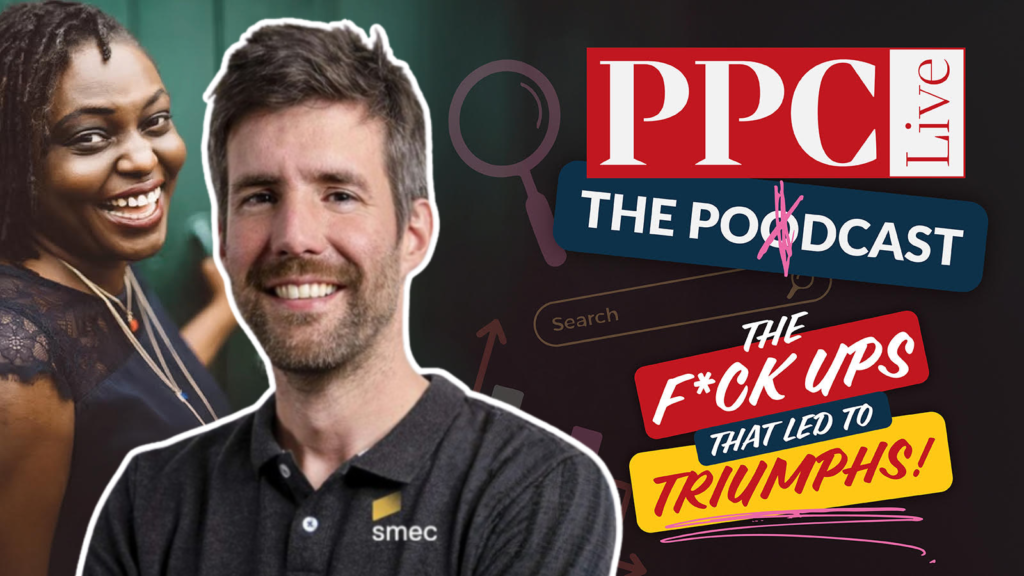

The rapid evolution of Google Ads into a highly automated, AI-driven ecosystem has fundamentally altered the landscape for digital marketers, shifting the focus from manual bidding and keyword selection to strategic oversight and data integrity. While platforms like Performance Max (PMax) promise greater efficiency and expanded reach, industry experts warn that the transition toward full automation requires a disciplined "trust but verify" mindset. Mike Ryan, head of e-commerce insights at Smarter Ecommerce (SMEC), recently highlighted this shift during an appearance on the PPC Live podcast, emphasizing that while automation tools can uncover hidden growth opportunities, they are not a substitute for high-level business strategy.
The core tension in modern PPC management lies in the disconnect between algorithmic efficiency and business intent. AI systems are designed to maximize performance metrics, such as conversion volume or return on ad spend (ROAS), based on the signals they are fed. However, these systems lack the nuanced understanding of a company’s broader commercial context. For instance, an algorithm might aggressively pursue traffic from a direct competitor’s brand name because it perceives high conversion potential. If a business has strategically avoided those searches to prevent costly bidding wars or to maintain brand positioning, the AI’s "optimization" effectively works against the company’s long-term interests.
The Evolution of Automated Campaign Management
The shift toward AI-centric advertising has been marked by several milestones. Initially, Google Ads functioned as a manual interface where advertisers controlled every variable. Over the past several years, the introduction of Smart Bidding, Responsive Search Ads, and eventually Performance Max campaigns have moved the platform toward a "black box" model.
In mid-August 2024, Google introduced significant updates to its Smart Bidding exploration and promotion modes, triggering a wave of industry anxiety. Many advertisers, fearing a loss of control or a sudden decline in efficiency, preemptively adjusted their ROAS targets. Research conducted by Ryan and his team at SMEC suggests that this reactionary behavior was largely counterproductive. Many campaigns that were not budget-constrained were altered based on fear rather than data, potentially disrupting the machine learning models that require stability to function effectively.
The Risks of Over-Optimization and Fragmentation
A common pitfall in the current environment is the tendency for advertisers to over-segment campaigns, a strategy rooted in legacy manual management. In the past, creating granular campaigns allowed marketers to isolate and control specific performance outcomes. Today, this approach is often detrimental.
Automated bidding requires significant data density to calibrate correctly. According to industry benchmarks and research, individual campaigns generally require a minimum of 30 conversions per month—with 60 or more being the gold standard—to provide the algorithm with enough signal to make informed bidding decisions. When account structures are fractured into tiny, hyper-specific segments, individual campaigns are effectively starved of the data needed for the AI to optimize.
This is particularly problematic when account structures are driven by organizational requirements rather than algorithmic needs. Ryan pointed to instances where CFOs, aiming for high financial precision, forced marketing teams to create extremely granular margin-based buckets. While logically sound from an accounting perspective, this structure often creates data silos that prevent the AI from achieving the desired ROAS, as the system cannot aggregate enough signals to find the optimal path to conversion.
The Importance of Strategic Data Inputs
If modern PPC is less about manual bidding and more about managing the AI, then the quality of the data fed into the system becomes the primary competitive advantage. Advertisers are increasingly looking toward "custom labels" as a bridge between business intelligence and ad performance.

By passing data regarding profit margins, return rates, and sell-through rates back into the Google Ads ecosystem, advertisers can steer the AI toward more profitable outcomes rather than simply high-volume conversion paths. This shift requires a change in skill sets: the modern PPC specialist must act as a data architect, ensuring that the business information flowing into the campaign settings is accurate, relevant, and actionable.
The "Trust but Verify" Framework
The current landscape demands a rigorous auditing process. As automated systems expand their reach—sometimes through channels like the Search Partner Network or broad match expansion—advertisers must proactively utilize the guardrails Google provides. These include:
- Negative Keyword Lists: Essential for filtering out irrelevant traffic that the AI might otherwise include.
- Brand Exclusions and Inclusions: Protecting brand equity by controlling when ads appear against specific brand queries.
- Match Type and Source Reporting: Utilizing detailed reporting to identify where traffic spikes are originating. If an automated campaign begins driving traffic from unexpected sources, these reports provide the transparency needed to intervene.
However, Ryan warns against the dangers of "knee-jerk" analysis. Early in the adoption of new AI tools, it is easy to misinterpret initial data points. For example, early observations regarding the Search Partner Network’s influence on campaign success were later debunked as more comprehensive data became available. This serves as a cautionary tale for the industry: viral claims on social media or in professional forums regarding "algorithmic shifts" often lack the longitudinal data necessary to draw accurate conclusions.
Broader Implications for the PPC Industry
The role of the PPC professional is undergoing a transformation. In an environment where the machine executes the bidding, the human expert’s value lies in strategy, curiosity, and skepticism.
The panic surrounding the August 2024 updates serves as a case study in the dangers of reactionary management. When advertisers collectively raise their ROAS targets and reduce spending due to uncertainty, they inadvertently create market inefficiencies. Savvy competitors who remain calm and trust the data-driven process can capitalize on these moments by capturing market share while others pull back.
Furthermore, the introduction of new features—such as channel importance controls in Performance Max—requires a sophisticated understanding of how these knobs affect the machine. Increasing a channel’s "importance" does not necessarily mean better performance; it may simply loosen the constraints on the CPA or ROAS, leading to outcomes that deviate from the advertiser’s intent.
Conclusion: Curiosity as a Core Skill
As Google continues to integrate advanced generative AI and automation into the ad stack, the barrier to entry for managing a campaign has lowered, but the barrier to achieving sustained, profitable performance has risen. Advertisers can no longer rely on manual tweaks to move the needle. Instead, they must focus on the high-level business inputs that guide the algorithms.
The consensus among industry leaders is clear: the future of paid search lies in the synthesis of human strategic oversight and machine-learning execution. The most successful advertisers will be those who resist the urge to micromanage, who refuse to succumb to industry panic, and who maintain a persistent, skeptical curiosity about how their campaigns are truly performing. In an automated world, the ability to ask the right questions of the data is the most critical asset a marketer can possess.