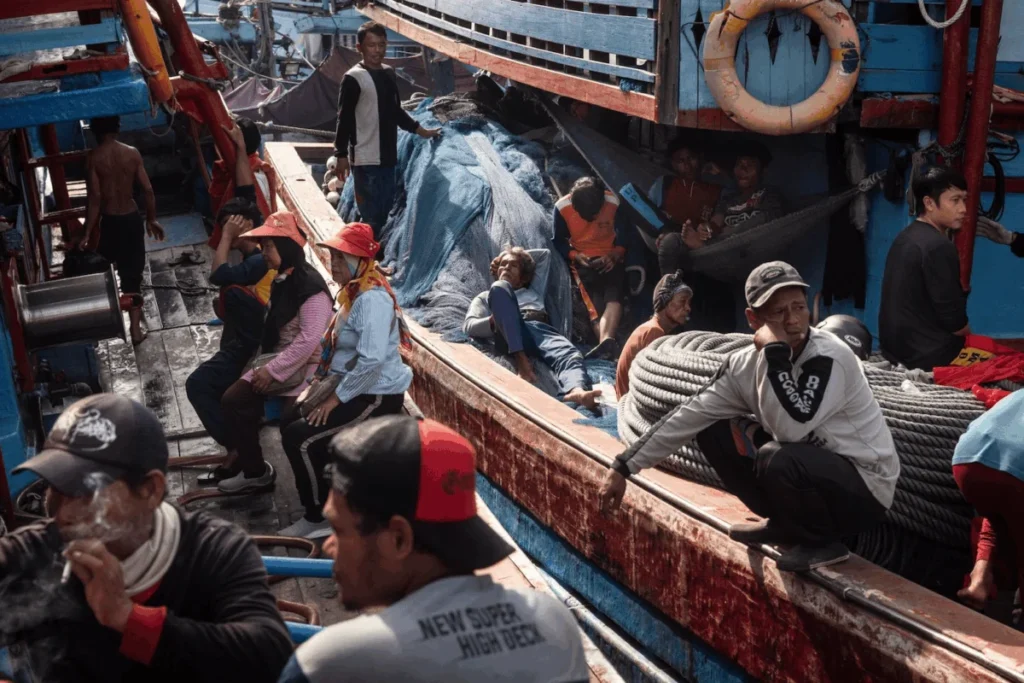

The fragile state of the world’s oceans has long been a subject of scientific warning, yet the human and ecological crises unfolding in Southeast Asia remain largely hidden from the everyday consumer. Shedding light on this critical blind spot, acclaimed photojournalist Nicole Tung’s powerful multi-country exhibition, Overfishing in Southeast Asia, stands as a testament to the devastating intersection of industrial commercial fishing, human rights abuses, and geopolitical tensions. Currently on view through April 26, 2026, at the Bronx Documentary Center, the exhibition is the culmination of a rigorous nine-month investigative project made possible by Tung’s achievement as the laureate of the 15th Carmignac Photojournalism Award.
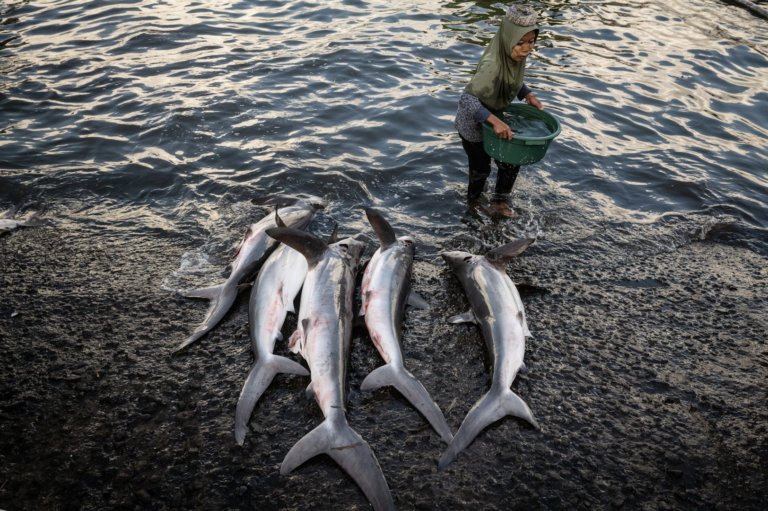
Spanning the coastal waters, bustling ports, and processing hubs of Thailand, the Philippines, and Indonesia, Tung’s body of work tracks the far-reaching consequences of an industrial machine that operates largely beyond public accountability. The exhibition weaves together harrowing visual narratives of collapsing marine ecosystems, the severe exploitation of vulnerable migrant labor, and the existential pressures facing generational coastal communities.
A Crisis Rooted in Industrial Hegemony and Declining Stocks
At the core of Tung’s reporting is a stark, shared reality across the entire Southeast Asian region: small-scale, traditional fishers can no longer make a living. According to Tung, every single fishing community she visited echoed the same lament—there are simply no fish of value left to be caught near the shore.

Traditional operators, reliant on artisanal methods and small boats, find themselves completely unable to compete with massive industrial-scale fishing fleets equipped with advanced sonar, bottom-trawling gear, and refrigerated cargo holds. This displacement has not only devastated local economies but has also forced indigenous groups and coastal populations to abandon centuries-old traditions. For instance, members of the Urak Lawoi indigenous group in Thailand have seen their lifestyles fundamentally altered, pivoting away from traditional fishing toward a reliance on tourism as commercial vessels strip local waters bare.
Chronology and Regional Divergences in Policy
The path toward the current environmental crisis varies significantly across the three nations documented by Tung, shaped heavily by distinct national policies, enforcement challenges, and geopolitical pressures.

In 2015, Thailand faced international scrutiny over pervasive human rights abuses and illegal, unreported, and unregulated (IUU) fishing, prompting the European Union to issue a "yellow card" warning. In response, Bangkok enacted sweeping legislative reforms, introducing Port In Port Out (PIPO) inspection systems to monitor vessel crews and catch compositions. While these measures successfully allowed certain overfished Thai waters to show signs of ecological recovery, they also created immense economic pressure. Over the past decade, numerous vessel owners abandoned their ships at docks because compliance costs became unsustainable. However, by 2025, the Thai parliament faced renewed lobbying pressure from commercial fishing interests seeking to roll back these hard-won regulations.
Indonesia presents a contrasting landscape plagued by systemic corruption and enforcement failures. Despite signing international conservation treaties such as the Convention on International Trade in Endangered Species of Wild Fauna and Flora (CITES) Appendix II, Indonesia struggles to police its vast maritime borders. Commercial vessels operating in Indonesian waters—frequently flagged to foreign interests from China, South Korea, and Taiwan—routinely bypass labor and environmental safeguards. Ports like Tanjung Luar in East Lombok remain major clearinghouses for endangered shark and wedgefish species, where fins are exported to lucrative Asian markets like Hong Kong and China, while lower-value meat and skins are consumed locally as a protein source.

In the Philippines, the crisis is inextricably linked to complex geopolitical disputes in the South China Sea. Manila’s maritime agencies are routinely outmatched by foreign state-backed commercial fleets, particularly from China, Vietnam, and Taiwan. The enforcement of domestic conservation laws is rendered nearly impossible in contested waters, where Filipino fishermen face regular intimidation, harassment, and expulsion by foreign maritime militias within their own traditional fishing grounds.
Human Rights Abuses and the Barrier of Access
Beyond environmental degradation, Tung’s reporting underscores the severe human toll exacted by industrial fishing. Commercial vessels operating across the region frequently rely on impoverished migrant laborers from neighboring nations, such as Myanmar and Cambodia. Documented conditions aboard these ships include forced labor, extreme isolation, physical abuse, and wage theft—echoing the horrific conditions that prompted international outcry a decade ago.

Gaining visual and documentary access to these floating human rights violations proved to be one of the most formidable challenges of Tung’s reporting. Negotiating entry onto commercial fishing vessels or supply ships requires months, if not years, of diplomacy. Boat owners and captains operate within tightly closed networks deeply wary of journalistic scrutiny, leaving much of the abuses at sea shrouded in secrecy.
Broader Impacts, Environmental Implications, and Consumer Responsibility
The implications of unchecked overfishing extend far beyond the depletion of commercially valuable species. Scientists and environmental analysts note that the destruction of marine habitats—particularly via bottom-trawling that wrecks the ocean floor—releases stored carbon, accelerating global climate change. Furthermore, the removal of apex predators like sharks destabilizes entire marine food webs, leading to cascading ecological collapses that threaten global food security.

When asked what everyday consumers can do to combat a crisis that feels physically and geographically distant, Tung emphasizes the power of informed purchasing decisions. She recommends utilizing seafood watchlists, such as those provided by the Monterey Bay Aquarium, which track sustainable species and highlight populations under severe threat. Consumers are encouraged to actively question fishmongers and restaurant operators regarding the origin of their seafood and to support legislative policies that strengthen marine conservation and labor protections.
Through Overfishing in Southeast Asia, Nicole Tung successfully bridges the gap between the invisible devastation occurring in international waters and the conscious consumer on land. The exhibition serves not merely as a documentation of loss, but as an urgent call to action for policy reform, corporate accountability, and consumer awareness in safeguarding the future of the world’s oceans.