
The intersection of high-end product design and home-based cinematography has reached a new level of sophistication as content creators leverage professional-grade lighting and motion rigs to produce commercial-quality visual assets outside of traditional studio settings. A recent project involving an unreleased cocktail shaker from a prominent culinary brand serves as a primary case study in how technical constraints, such as limited space and highly reflective surfaces, can be overcome through strategic light shaping and creative mechanical solutions. By moving beyond the standard consumer feedback loop—which typically involves surveys and static imagery—creators are demonstrating that the democratization of cinema-grade equipment allows for the production of high-impact promotional material in domestic spaces.
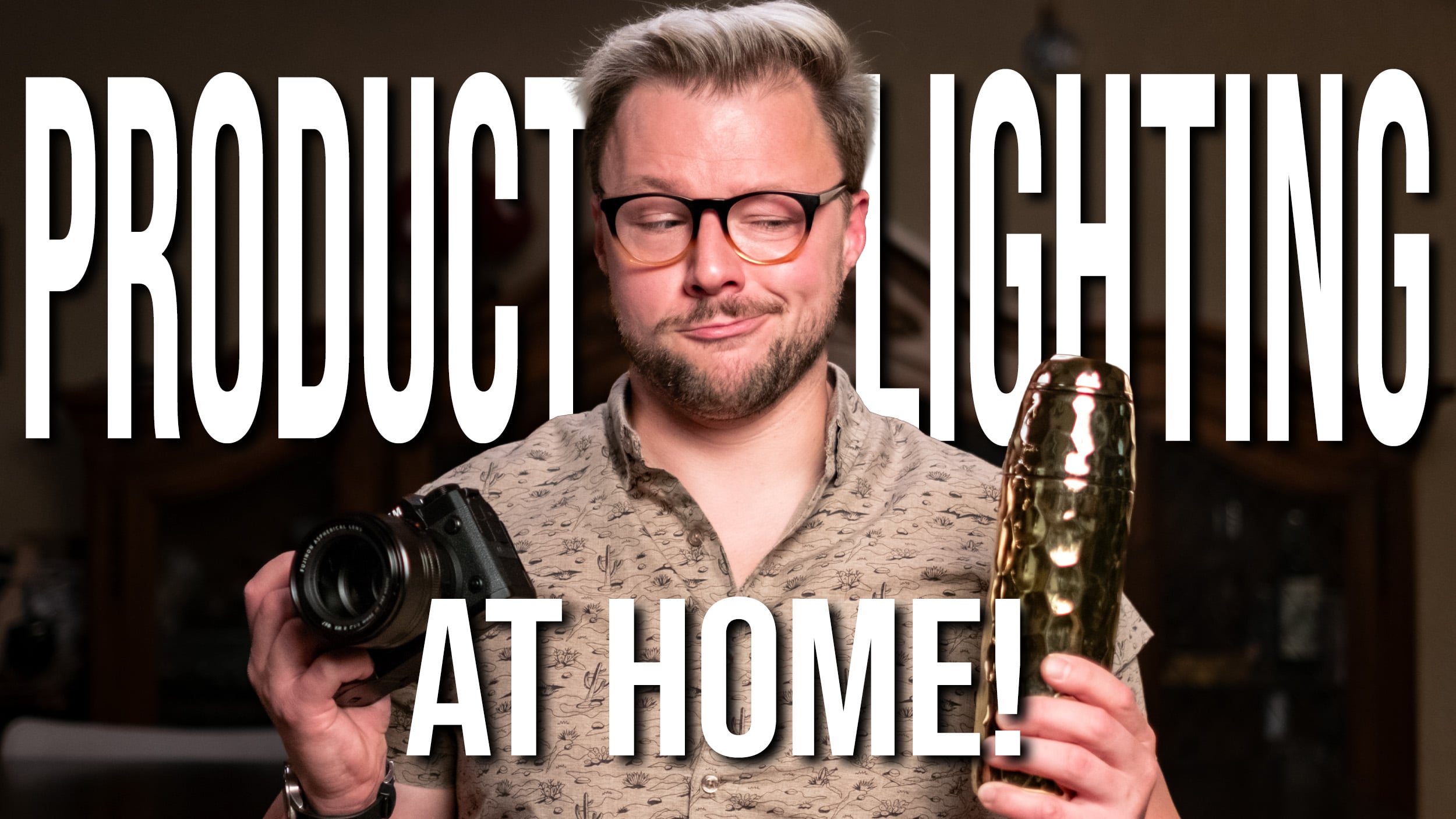
The project began when a well-known culinary manufacturer sought feedback on a new, unreleased cocktail shaker. While the brand’s initial request was for a standard product survey, the initiative was transformed into a full-scale promotional video production. This shift highlights a growing trend in the marketing industry where the lines between consumer testing and content creation are increasingly blurred. For brands, receiving high-fidelity video assets from a beta tester provides a dual benefit: authentic user feedback combined with professional-grade marketing material that can be utilized across social media and e-commerce platforms.
Technical Challenges of Reflective Surface Cinematography
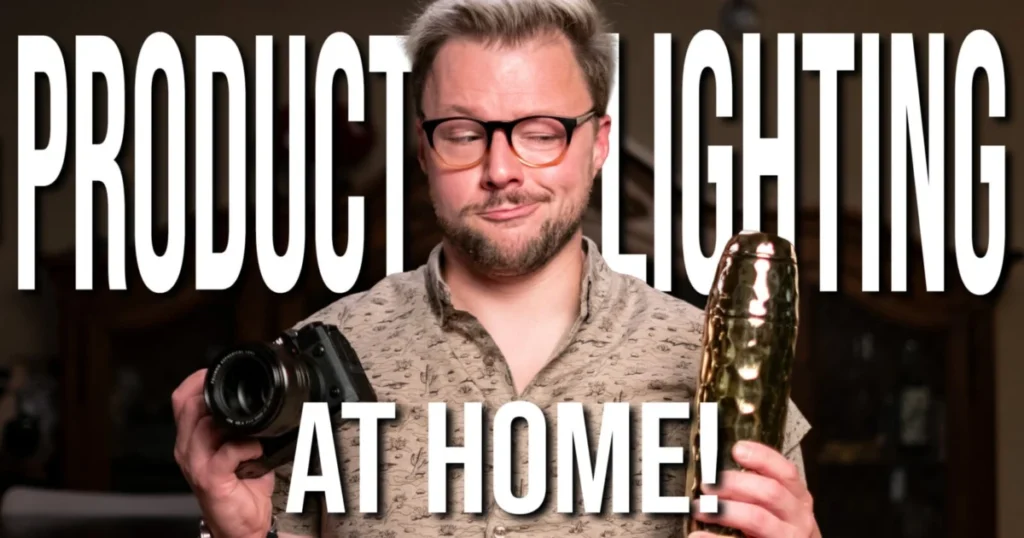
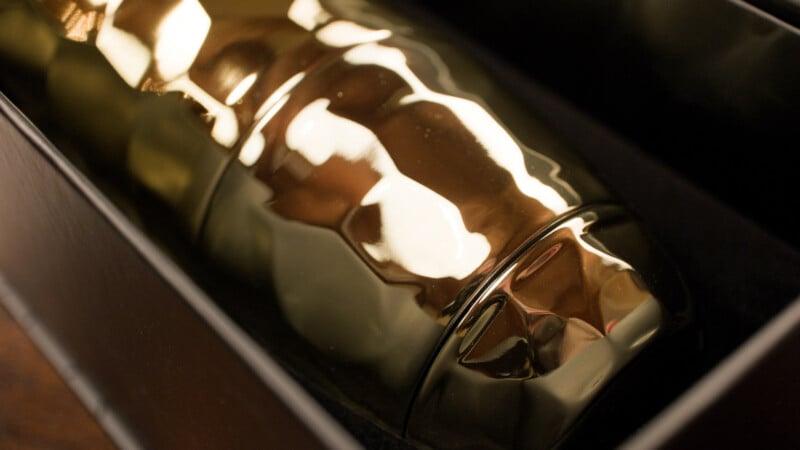
The primary obstacle in this production was the physical design of the product itself. The cocktail shaker features a sleek, multi-faceted gold finish, making it a "hero" object with extreme reflectivity. In the world of product photography and videography, reflective surfaces act as mirrors, capturing everything in the environment, including the camera, the operator, and stray light sources. To manage this, the production required a rigorous approach to "light shaping," a process where light is not just added to a scene but meticulously controlled to define the object’s form without creating distracting glares or "hot spots."
The environment—a standard dining room—presented additional hurdles. Unlike a controlled studio, a residential room is subject to ambient light pollution from windows and household fixtures. To achieve a "blackout" state, the production utilized a "Plan B" strategy, which involved manually blocking primary light entries. This allowed the creator to establish a "blank canvas" where every photon hitting the gold facets of the shaker was intentional. By overpowering the minimal remaining ambient light with high-output LED fixtures, the production maintained a consistent color temperature, which was balanced between 2,700 and 2,900 Kelvin to complement the warm, gold tones of the hardware and the surrounding wood-toned environment.
Chronology of the Production Process
The production was executed in a series of logical phases, moving from environment preparation to complex motion capture. This structured approach ensured that the technical requirements of the lighting were met before the more dynamic elements of the shoot were introduced.
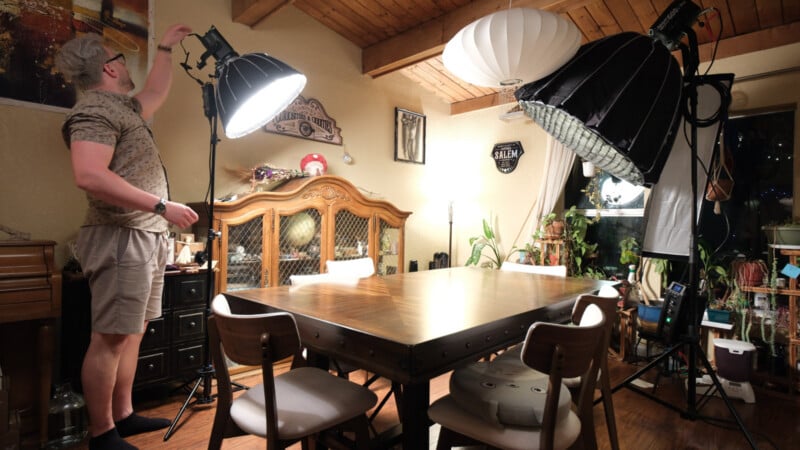
- Environmental Calibration: The first phase involved the total control of ambient light. This included blacking out the main dining room window and drawing heavy curtains on secondary light sources. This step is critical in residential cinematography to ensure that the "blue" tint of daylight does not interfere with the intended warm color palette of the product.
- Lighting Architecture: Once the room was darkened, a three-point lighting system was established. The "Key Light" was an Aputure 600 Bicolor LED equipped with a medium dome softbox and a honeycomb grid. The grid is essential in product work as it prevents light "spill," ensuring the illumination is directed only at the subject. Two "Edge Lights" (Nanlite 150s) were positioned to provide separation between the dark background and the reflective gold shaker, creating the "rim light" effect seen in professional commercials.
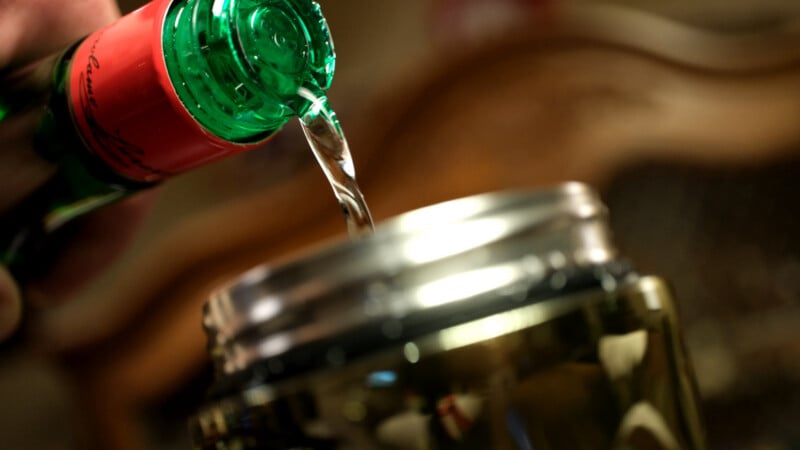
- Static and Macro Capture: The third phase focused on "locked-down" shots using a tripod. These shots captured the fine details of the cocktail-making process, such as the slicing of citrus and the pouring of liquids. Manual focus was employed to ensure that the "plane of sharpest focus" remained exactly on the texture of the fruit and the meniscus of the liquid.
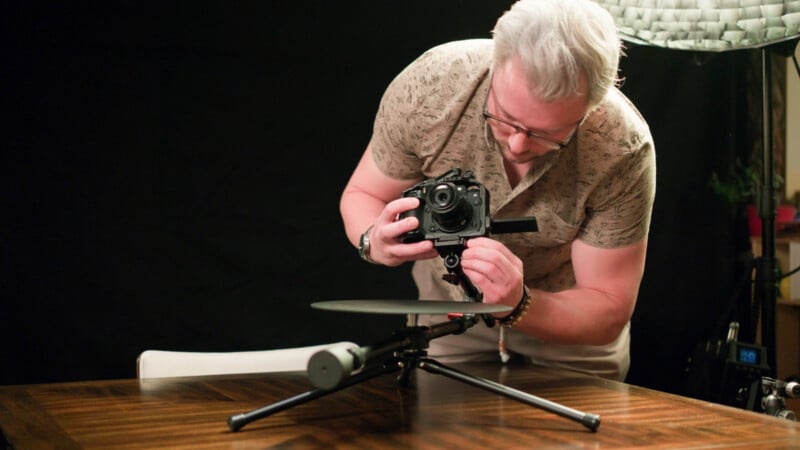
- Dynamic Motion Integration: The final phase utilized a motorized 30-inch slider and a specialized turntable. This allowed for "orbital" shots, where the camera appears to circle the product, catching the light as it dances across the gold facets. High-frame-rate capture (120 frames per second) was used during this stage to allow for smooth, slow-motion playback in the final edit.
Equipment Specifications and Supporting Data
The success of home-based product videography is heavily dependent on the quality of the light modifiers and the precision of the camera rigs. In this case study, the use of "grids" on softboxes was the deciding factor in achieving a professional look. According to industry data from equipment manufacturers like Aputure and Godox, the demand for "honeycomb" grids has surged by over 40% among independent creators in the last three years, reflecting a shift toward more disciplined light control.
The hardware utilized in this project represents a significant investment in mid-to-high-tier cinematography gear:
- Aputure 600 Bicolor: Known for its high Color Rendering Index (CRI), ensuring that the gold of the shaker appears natural and vibrant rather than "muddy."
- Nanlite 150: A compact but powerful LED used for edge lighting in tight residential spaces where larger fixtures would be unwieldy.
- Motorized Sliders: These devices provide "repeatable motion," allowing the creator to perform multiple takes with identical camera paths, which is crucial for layering effects in post-production.
Data from e-commerce analytics platforms suggests that product listings featuring high-quality video see a conversion rate increase of up to 80% compared to those with static images alone. This economic reality is driving the trend of brands seeking out creators who can produce "studio-quality" work in non-traditional environments.
Innovative Problem Solving: The "Relative Motion" Technique
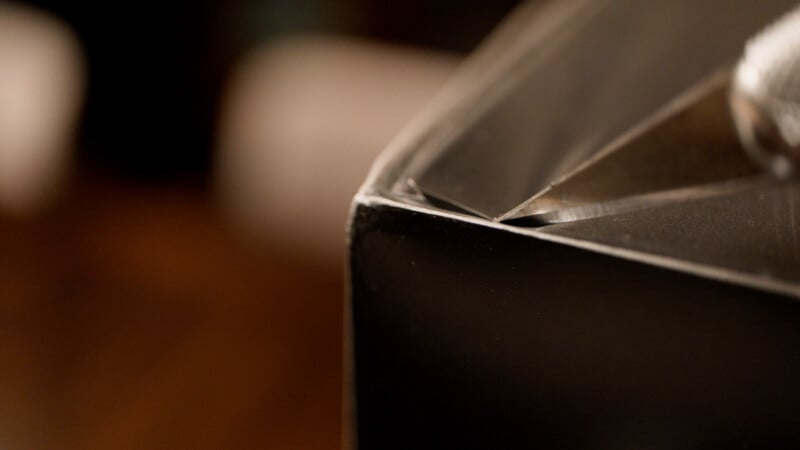
One of the most notable technical achievements in this project was the "razor blade" sequence. The goal was to capture a macro shot of a blade gliding across the product’s packaging. In a traditional high-budget studio, this might involve a complex "snorkel" lens and a robotic camera arm.
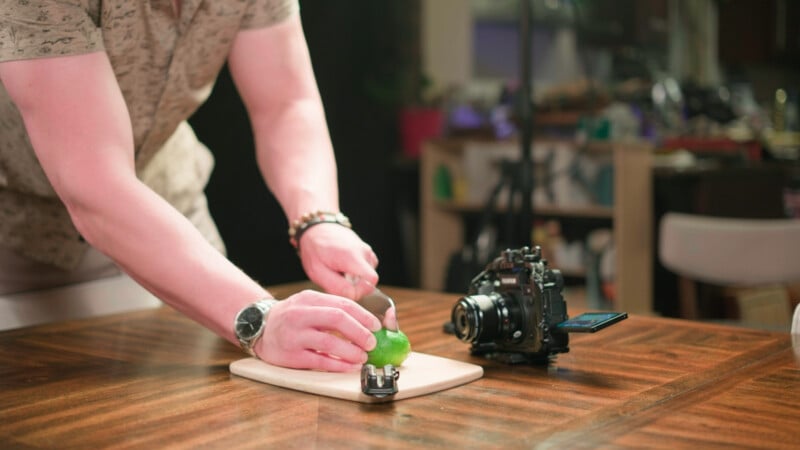
However, the creator utilized a technique known as "relative motion." By keeping the camera stationary and placing the packaging on a motorized slider, the creator moved the subject through the frame rather than moving the camera. On screen, the viewer perceives the camera tracking the blade with surgical precision. This demonstrates a core principle of professional cinematography: the result on the sensor is what matters, not the complexity of the physical movement.
Broader Impact and Industry Implications
The ability to produce high-end commercial content in a dining room has profound implications for the advertising industry. Historically, a brand launching a new culinary product would require a specialized production agency, a rented studio, and a crew of several people. The overhead for such a shoot could easily exceed tens of thousands of dollars.
The emergence of the "solo cinematographer" model—equipped with high-output LEDs and motorized rigs—allows for a more agile and cost-effective content pipeline. This democratization of tools means that smaller, boutique culinary brands can now compete visually with industry giants. Furthermore, it allows for a faster "time-to-market" for promotional materials, as creators can pivot from receiving a prototype to delivering a finished video in a matter of days.
From a technical standpoint, the project proves that "light control" is the ultimate equalizer. While a professional studio offers more space and higher ceilings, the physics of light—specifically the inverse square law and the properties of diffusion—remain constant regardless of the venue. By mastering these principles, a creator can transform a domestic environment into a high-end visual stage.
Conclusion and Future Outlook
The project concluded with a highly polished promotional edit that exceeded the expectations of the initial survey request. By integrating macro details, controlled lighting, and sophisticated motion, the final video showcased the cocktail shaker not just as a tool, but as a luxury object.
The moral for the modern content creator is clear: technical and spatial limitations are often the catalysts for creative innovation. As camera sensors become more sensitive and lighting equipment becomes more portable, the "home studio" will continue to evolve from a compromise into a legitimate professional standard. The key to success in this new landscape lies in the mastery of manual focus, the disciplined shaping of light, and the willingness to challenge the perceived boundaries of a residential workspace. For the culinary brand involved, the result was a visual asset that far outweighed the value of a standard feedback form, proving that in the modern digital economy, high-quality content is the most valuable currency.