
The digital landscape of 2026 is defined by a paradox of choice: there are now more social media platforms than any single user or business can realistically maintain. While the traditional marketing mantra once suggested a ubiquitous presence across all channels, modern strategy now favors intentionality and audience alignment. With over 3 billion monthly active users (MAU) on leading platforms, the challenge for organizations is no longer finding an audience, but identifying which digital ecosystem best supports their specific strategic objectives.
The current state of the digital ecosystem
As of November 2026, the social media hierarchy is dominated by a few massive entities that command billions of users, alongside a growing tier of specialized, niche-focused networks. Data from Statista and internal platform disclosures indicate that the "Big Five"—Facebook, Instagram, WhatsApp, YouTube, and TikTok—continue to anchor the global digital experience. However, the emergence of decentralized platforms like Bluesky and the continued dominance of regional powerhouses like WeChat and Douyin in the Chinese market highlight a significant shift toward localized and interest-based community building.
The following table summarizes the 24 most significant platforms by their global monthly active users, highlighting the primary content formats driving their current engagement metrics:
| Platform | Monthly Active Users (MAU) | Primary Content Formats | Strategic Focus |
|---|---|---|---|
| 3.07B | Text, Reels, Stories, Groups | General Brand Presence | |
| 3B | Reels, Stories, Posts | Visual Storytelling | |
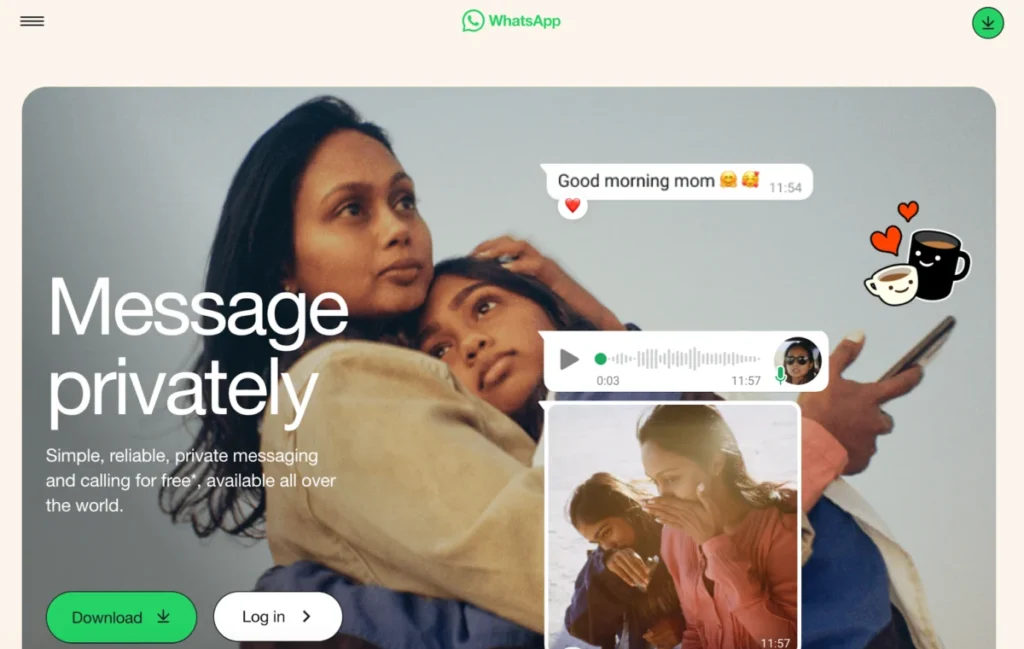
| 3B | Messaging, Voice, Catalogs | Customer Support | |
| YouTube | 2.6B | Long-form Video, Shorts | SEO & Video Content |
| TikTok | 2B | Short-form Video | Trends & Discovery |
| 1.4B | Messaging, Mini-apps | Chinese Market Reach | |
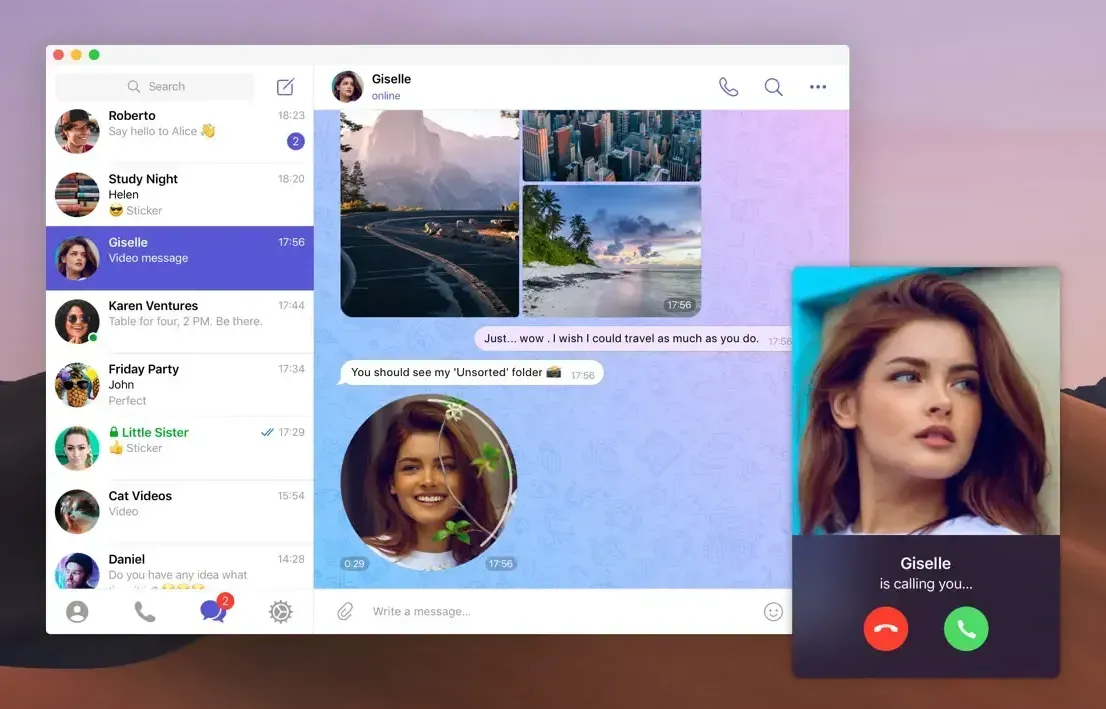
| Telegram | 1B | Channels, Bots | Broadcast Messaging |
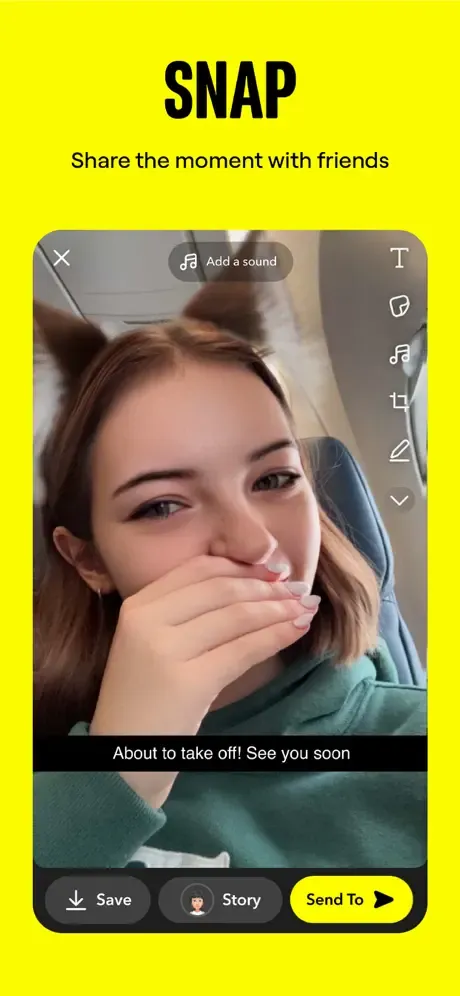
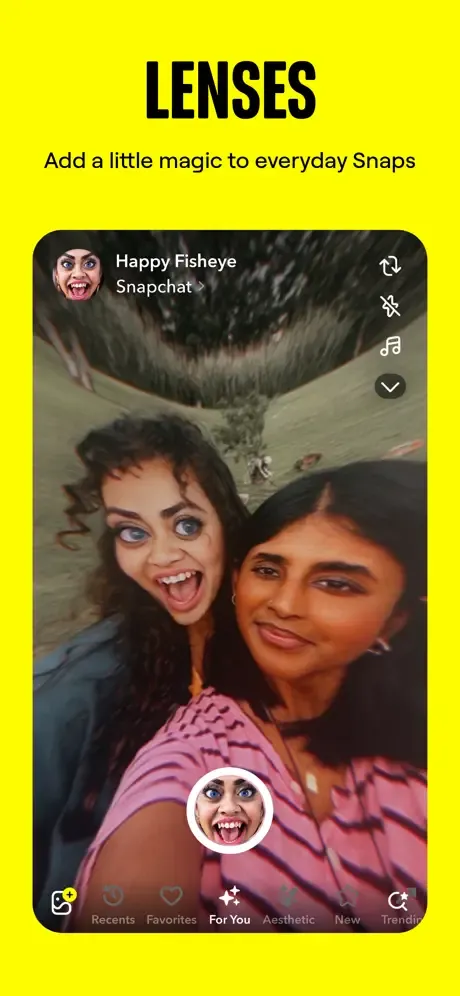
| Snapchat | 971M | AR, Stories, Snaps | Gen Z Engagement |
| Douyin | 860M | Short Video, Commerce | E-commerce Integration |
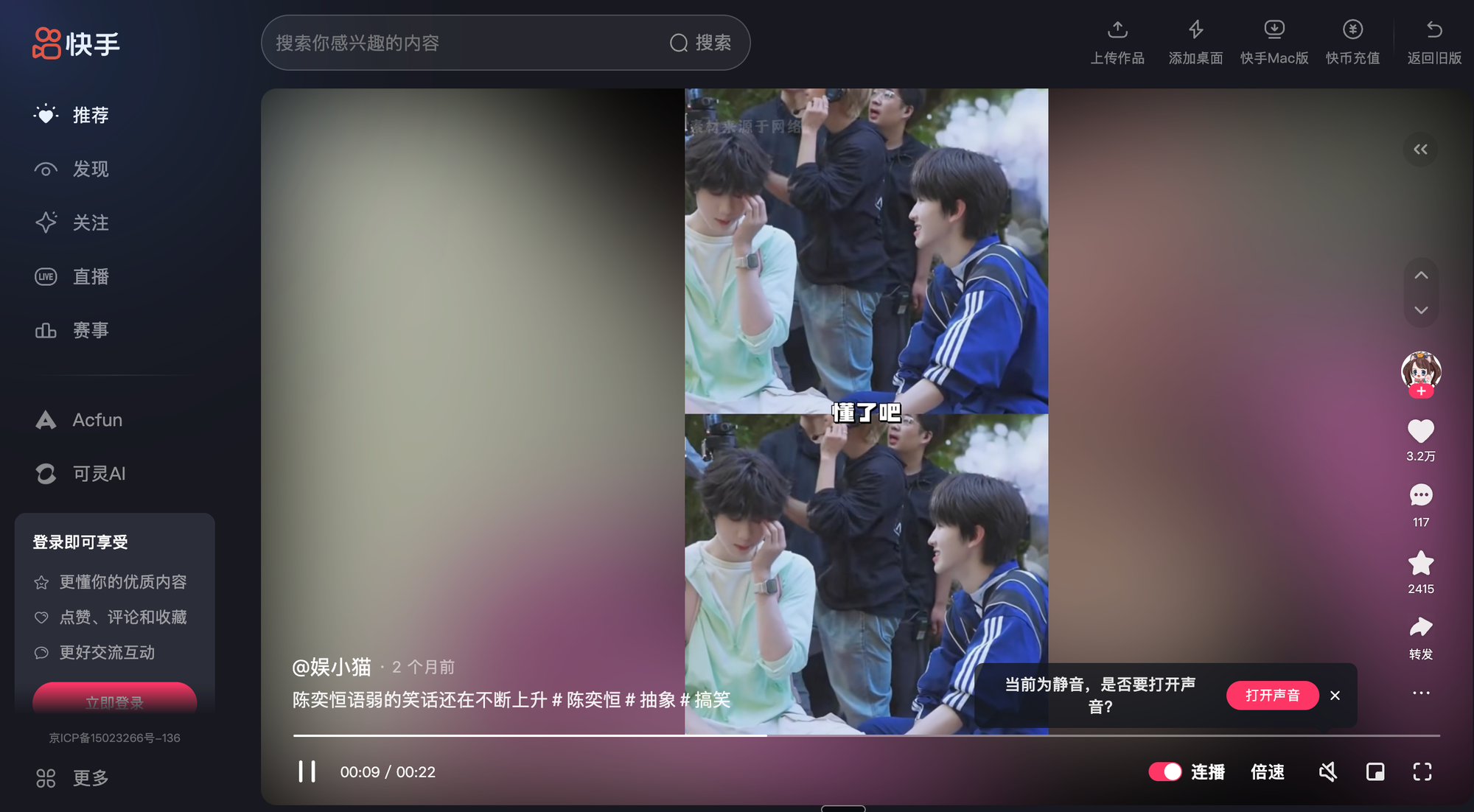
| Kuaishou | 797M | Livestream, Long Video | Rural & Live Commerce |
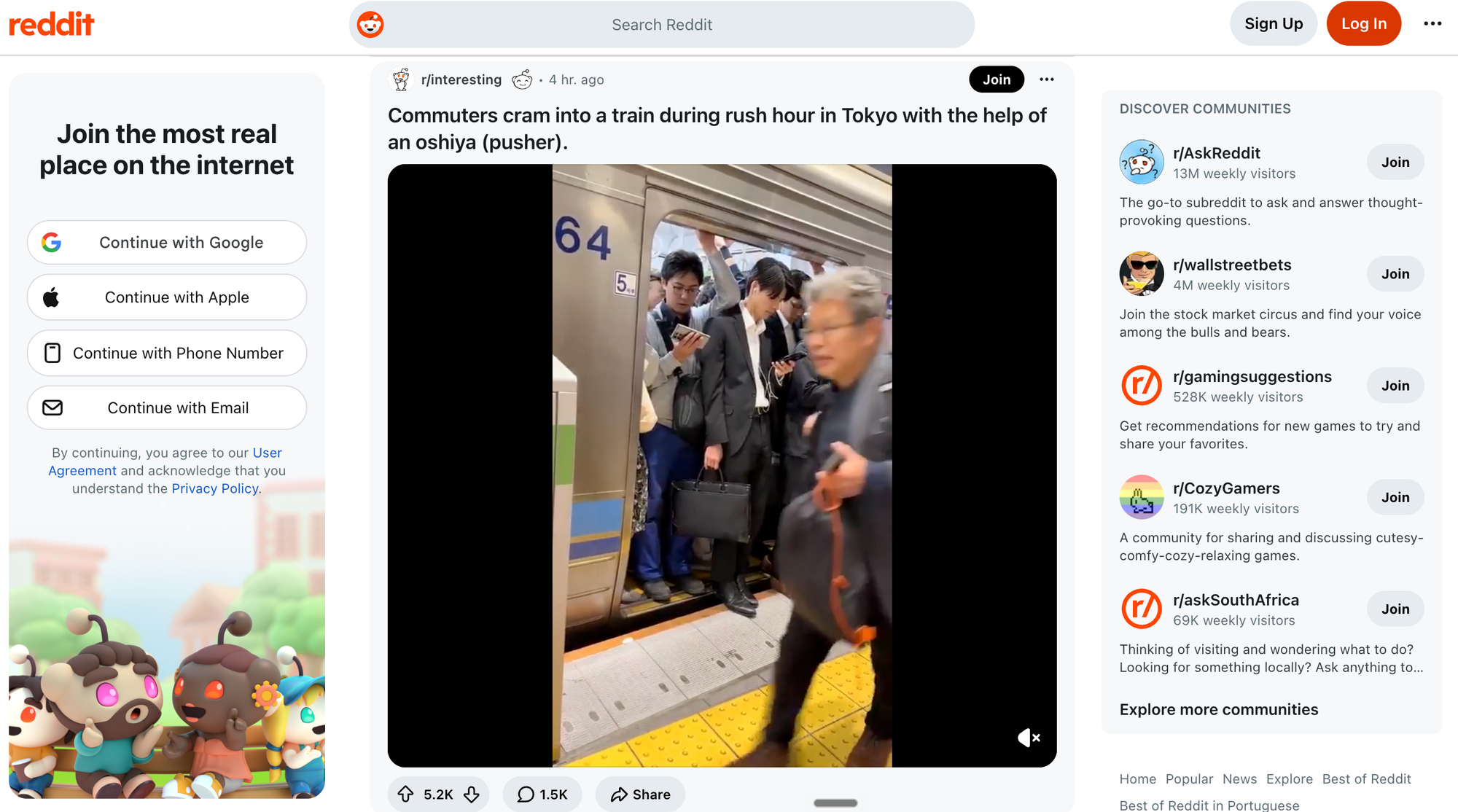
| 765M | Text, Links, Communities | Niche Discussion | |
| 640M | Pins, Boards | Product Discovery | |
| 561M | Images, Hashtags | Trend Analysis | |
| X (Twitter) | 550M | Text, Video, Real-time | News & Public Debate |
| 520M | Chat, File Sharing | Gaming/Youth Comm | |
| Threads | 500M | Text, Carousels | Casual Interaction |
| 433M | Professional Posts, Video | B2B & Career | |
| Quora | 400M | Q&A, Knowledge | Educational Authority |
| RedNote | 350M | Lifestyle, Reviews | Consumer Insights |
| Discord | 259M | Voice, Text Channels | Community Building |
| Twitch | 240M | Livestreaming | Interactive Ent. |
| Tumblr | 60M | Microblogging | Creative Expression |
| Bluesky | 10.4M | Text-based, Decentralized | User-led Moderation |
| Mastodon | 0.74M | Federated Messaging | Open-source Comm |
Analysis of the "Big Five" and their strategic roles
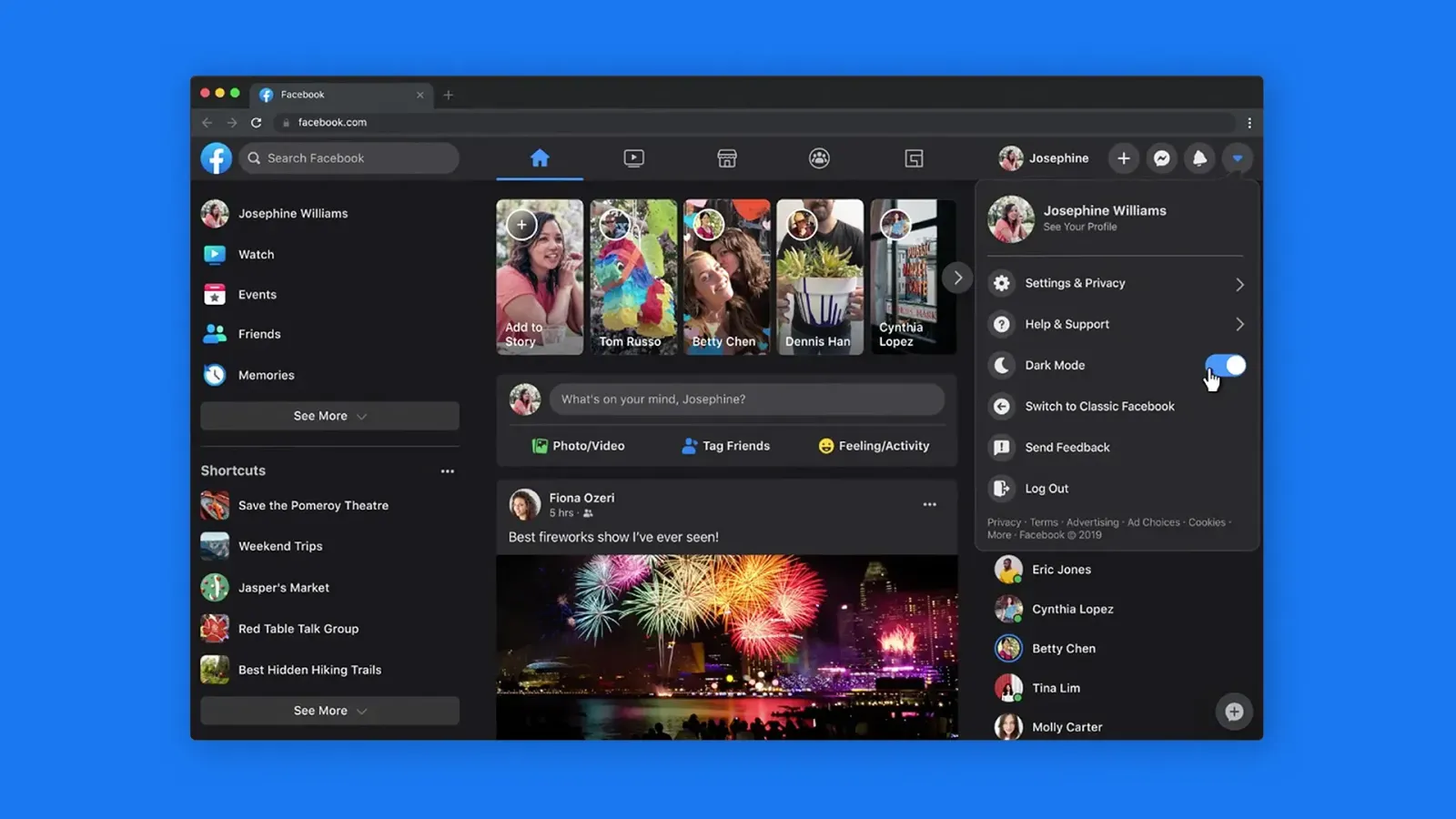
The dominance of Meta-owned platforms—Facebook, Instagram, and WhatsApp—remains unparalleled, with each exceeding the 3-billion-user mark. Facebook remains the bedrock for general brand presence, offering an unparalleled depth of advertising data. Despite claims of its decline, its continued growth in older demographics makes it a vital tool for established businesses.
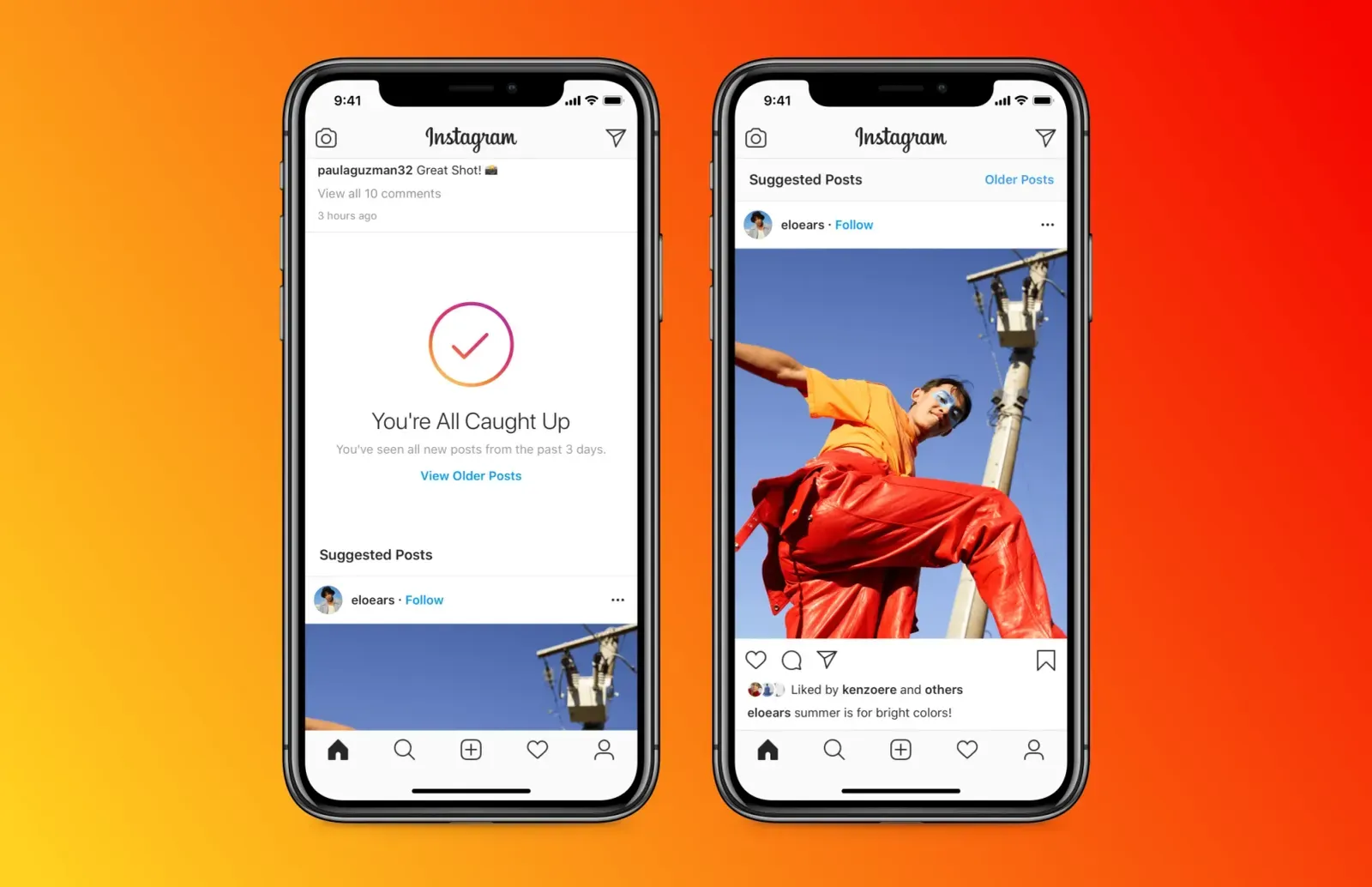
Instagram has solidified its position as the premier visual storytelling platform. By prioritizing Reels and Stories, Instagram has successfully fended off competitive pressures from TikTok. For brands, the integration of business profiles allows for seamless transitions between content creation and analytical assessment, making it the most well-rounded platform for e-commerce and visual branding.
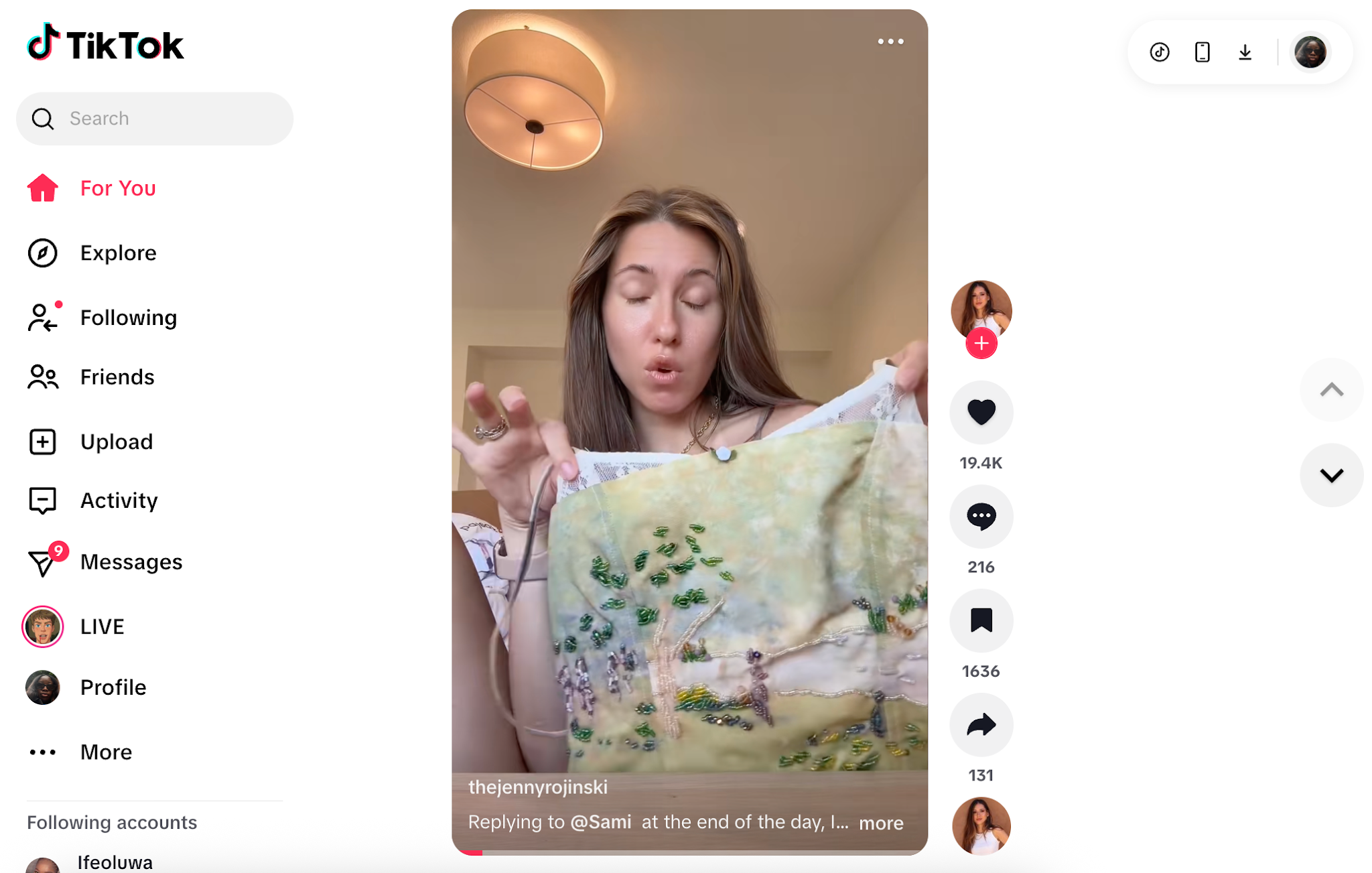
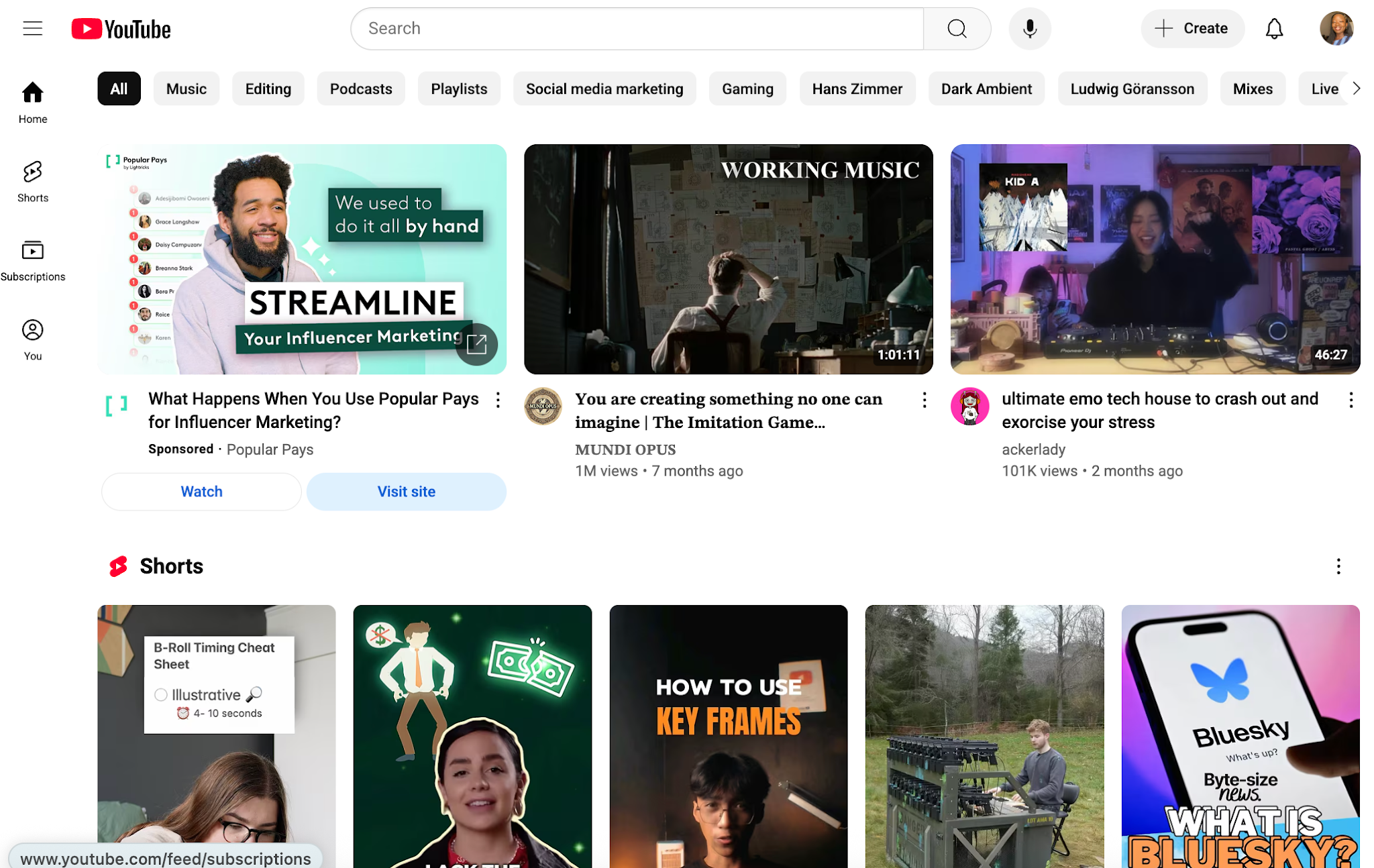
YouTube’s influence is increasingly tied to its integration into the living room. With over a billion hours of content consumed on television screens daily, YouTube is transitioning from a mobile-first social app to a primary entertainment medium that competes directly with traditional streaming services. Its strength lies in its searchability; unlike the ephemeral nature of TikTok or X, YouTube content has a long shelf life, making it a critical asset for SEO-driven marketing strategies.

Emerging trends: Decentralization and niche community building
While the giants dominate the user counts, the emergence of decentralized platforms such as Bluesky and Mastodon marks a shift in user sentiment. These platforms offer users greater control over their feeds and moderation policies. Although their user bases are currently small compared to the Meta ecosystem, their growth represents a growing appetite for "sovereign" social media, where communities are not subject to the algorithmic shifts of a single corporation.
Furthermore, the "social commerce" revolution is best exemplified by platforms like Douyin, Kuaishou, and RedNote (Xiaohongshu). These platforms have successfully blurred the line between content consumption and the point of sale. By integrating in-app shopping, livestreamed product demos, and user-generated reviews, they have created a high-conversion environment that Western platforms are still racing to replicate.
Implications for professional marketing strategy
The primary takeaway for businesses in 2026 is that platform selection must be driven by audience behavior rather than vanity metrics. Attempting to maintain a presence on every platform often leads to "content dilution," where a brand’s output becomes generic and loses its effectiveness.
Industry analysis consistently shows that high-frequency posting across many channels is less effective than high-quality, targeted engagement on two or three. For instance, data suggests that on platforms like TikTok, increasing post frequency from once a week to five times a week provides a diminishing return on investment once the cadence is established. Conversely, on LinkedIn, long-form professional carousels currently offer significantly higher engagement rates than simple text updates, indicating that the format is just as important as the frequency.
Navigating the future of platform communication
The evolution of messaging apps like WhatsApp, Telegram, and Discord into community-building tools is a notable development. These platforms offer a private, "walled-garden" environment that fosters deeper loyalty than the public-facing feeds of X or Facebook. Brands that successfully facilitate private, community-led discussions—such as those found on Discord or Telegram channels—often see higher customer retention and brand advocacy.
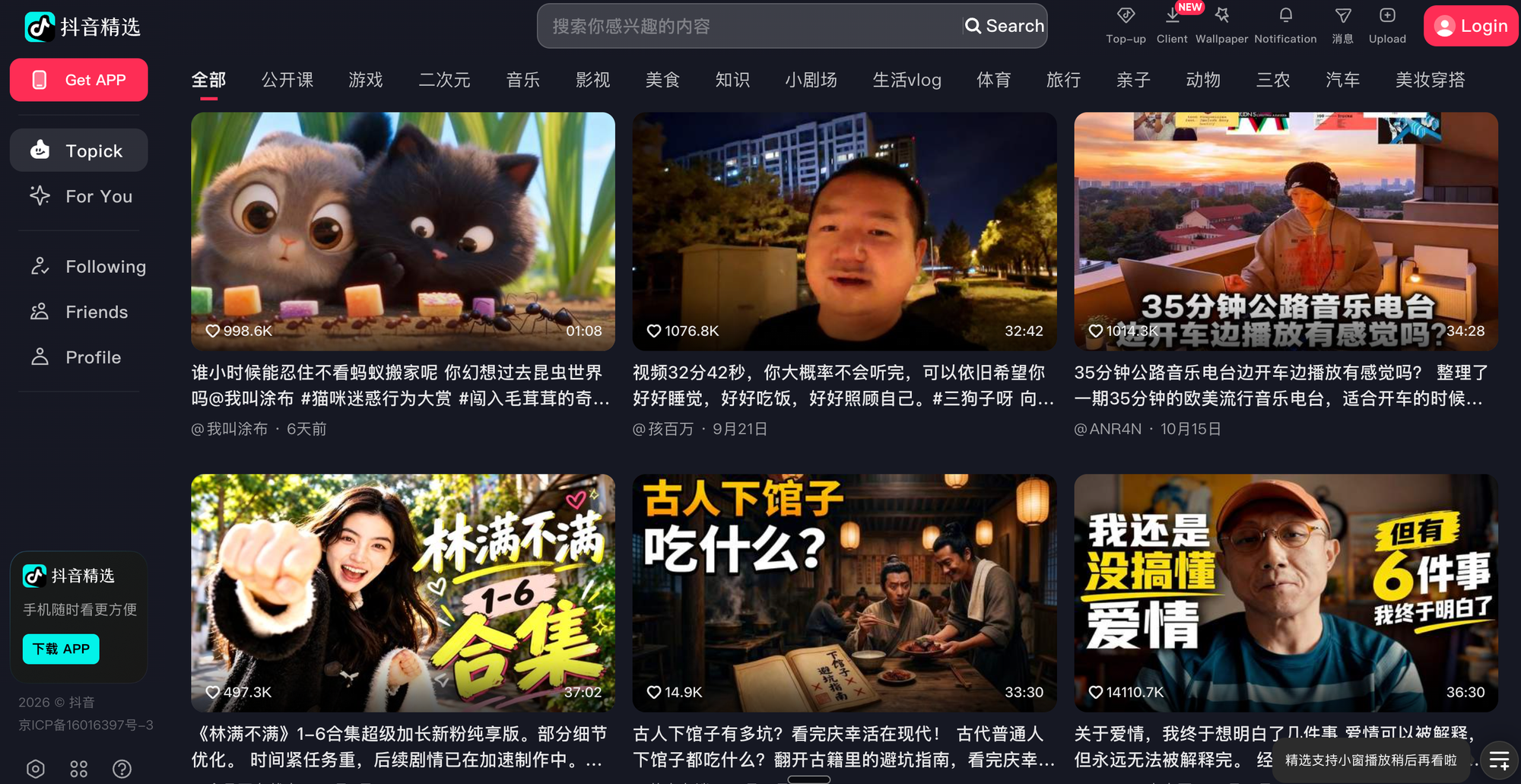
The landscape is also increasingly divided by region. The "Splinternet" effect is pronounced in China, where domestic platforms like WeChat, Douyin, and Weibo have created a self-contained digital universe. For global brands, this necessitates a localized strategy that respects the unique cultural and technical requirements of these platforms.
Conclusion: A strategy for 2027 and beyond
Success in the social media era of 2026 requires moving away from the "all-platform" fallacy. The most effective strategies are those that leverage the unique strengths of each platform: using YouTube for high-authority, long-term search; Instagram for visual brand building; and Discord or WhatsApp for deep, community-driven loyalty.
As the digital landscape continues to evolve, the ability to pivot—to identify where the audience is moving and to speak the language of that specific platform—will be the defining factor in professional and brand success. Organizations should prioritize a concentrated approach, focusing their resources on the channels that yield the highest quality interaction, rather than chasing the widest possible reach. By focusing on consistency, value-driven content, and active community participation, brands can navigate the complexity of the current digital age with clarity and precision.