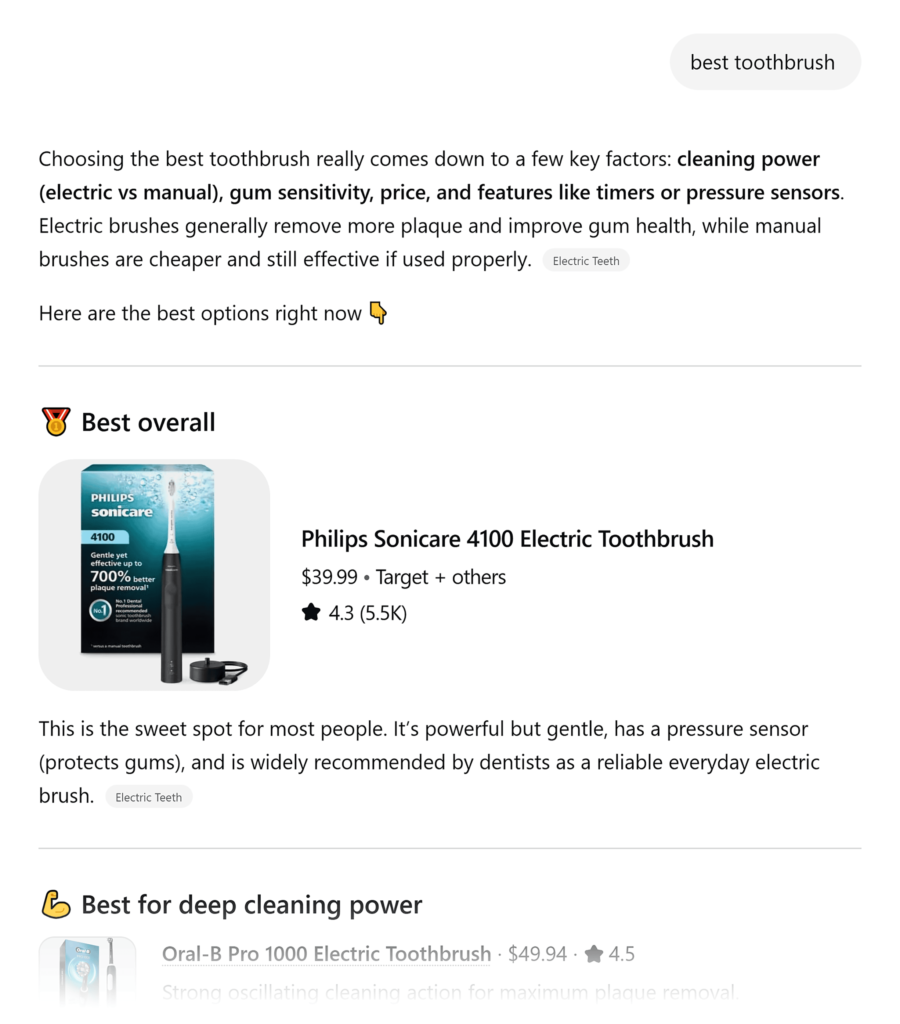

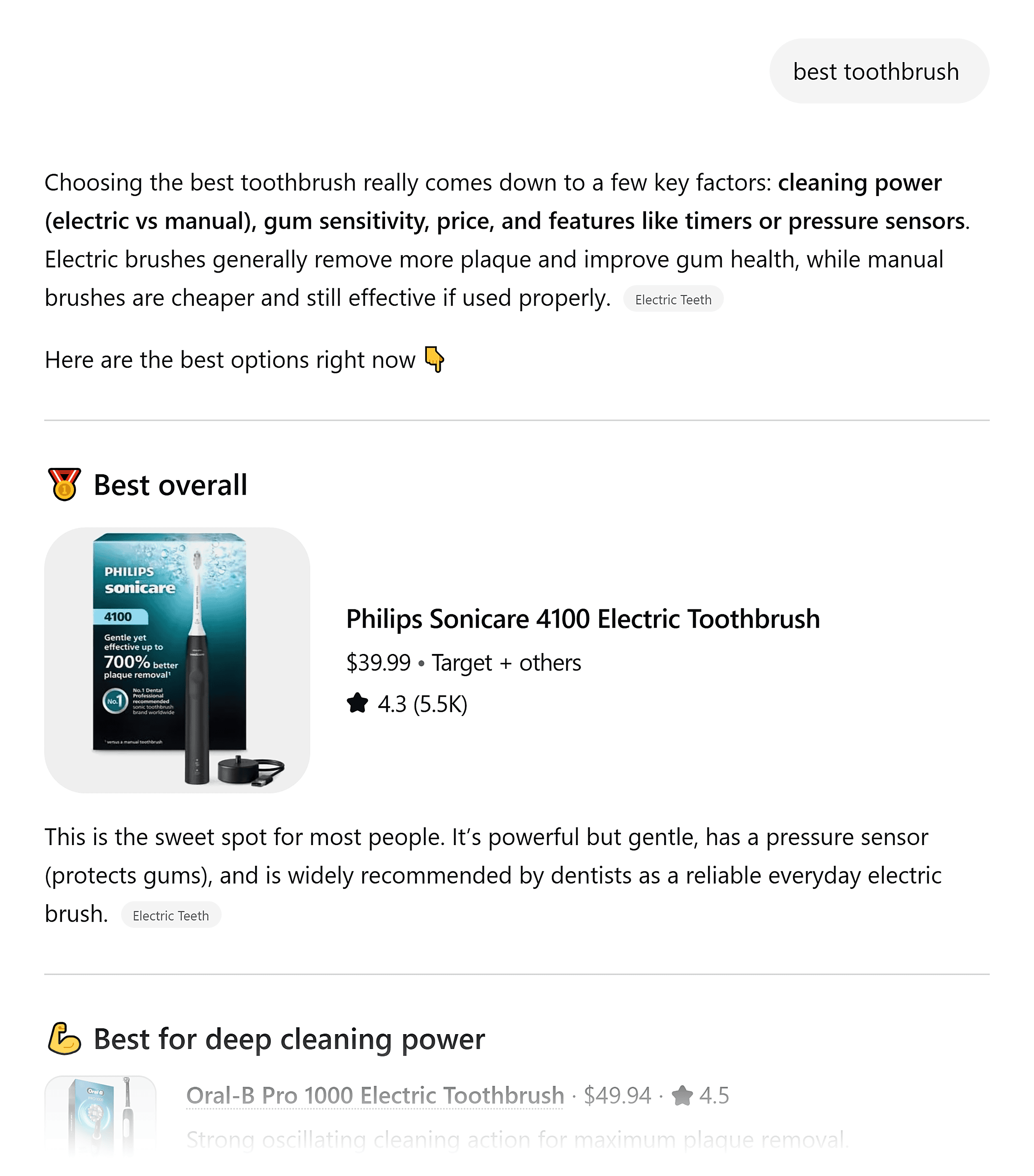
Ranking on the first page of Google has long been the primary objective for digital marketers and content strategists. However, in the rapidly evolving landscape of generative AI search, traditional search engine optimization (SEO) is no longer a guaranteed ticket to visibility. Modern AI-driven platforms, including ChatGPT, Perplexity, and Google’s own AI Overviews, do not simply defer to the highest-ranking pages in a search index. Instead, they employ a complex, background process known as "query fan-out" to construct comprehensive, synthesised answers that pull from a diverse array of sources, often bypassing top-ranked sites in favor of more relevant, granular information.
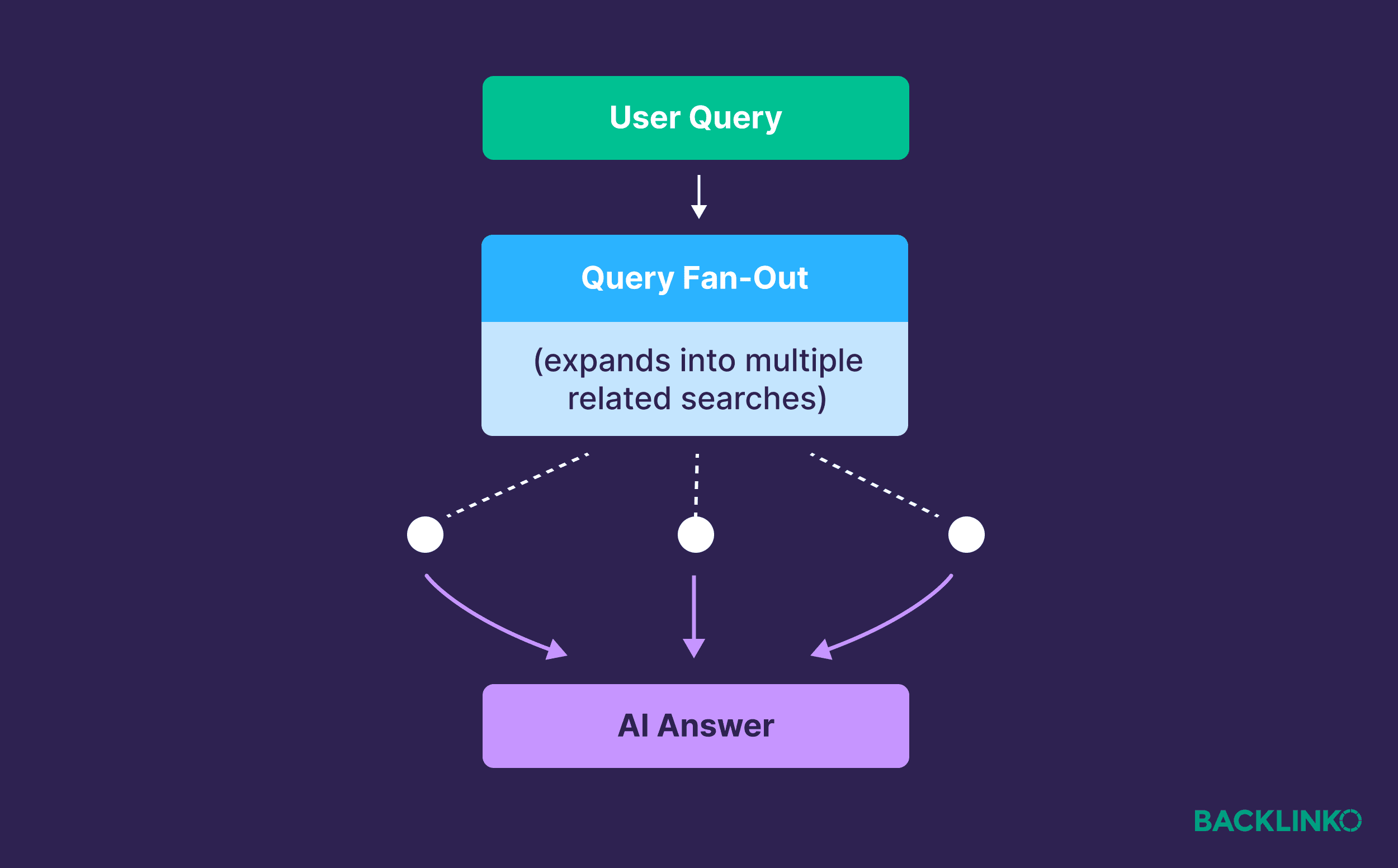
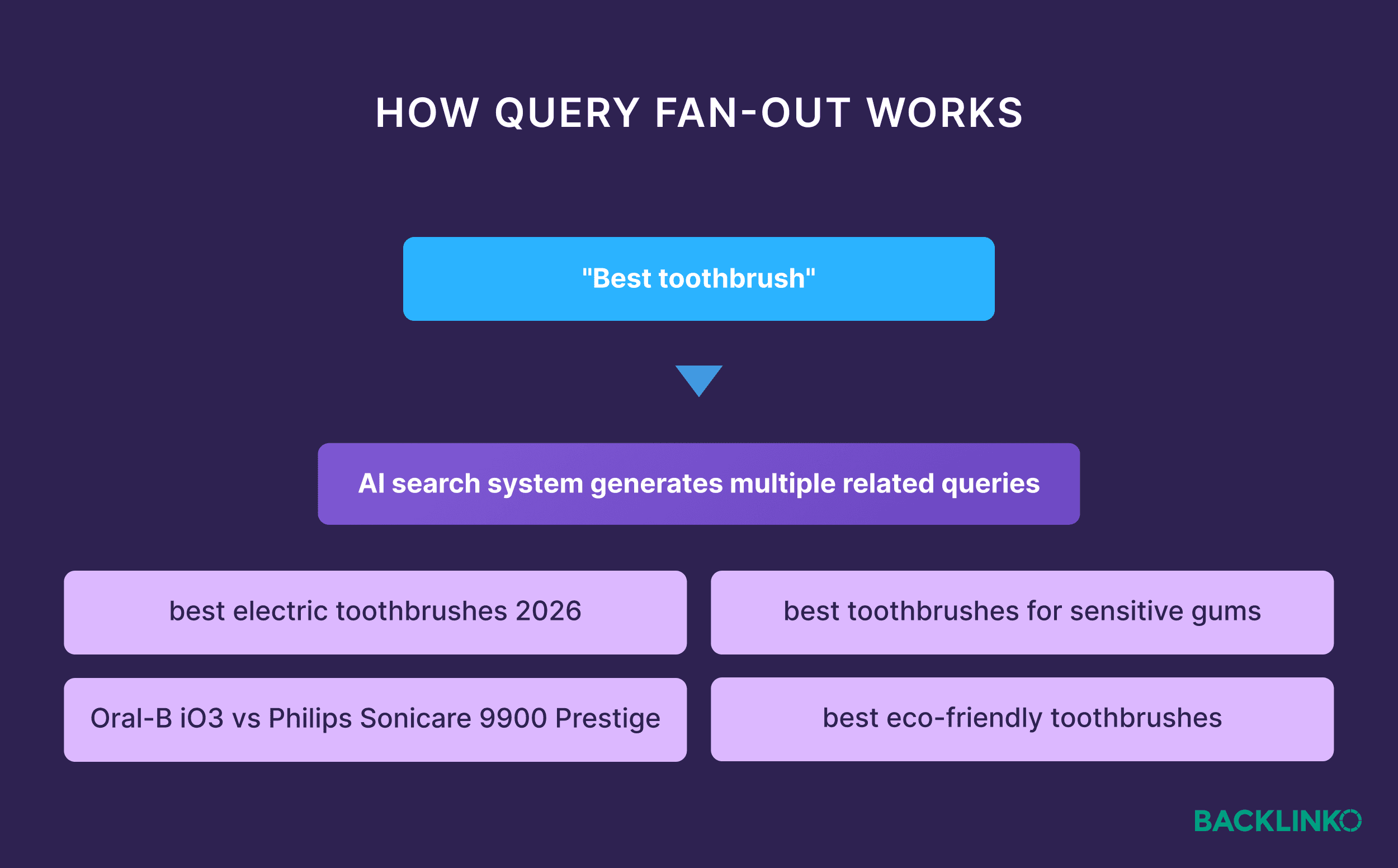
The phenomenon of query fan-out represents a fundamental shift in how information is retrieved and synthesized. When a user submits a prompt, the AI system does not treat it as a single request. Rather, it acts as an analytical engine, breaking the original input into a series of interconnected sub-queries. By "fanning out" the query, the AI builds a multi-dimensional picture of the user’s intent. For example, a simple request for "best ergonomic office chair" might trigger sub-queries like "best office chairs for back pain," "ergonomic chair materials and durability," "mid-range office chair reviews," and "office chair warranty comparisons."
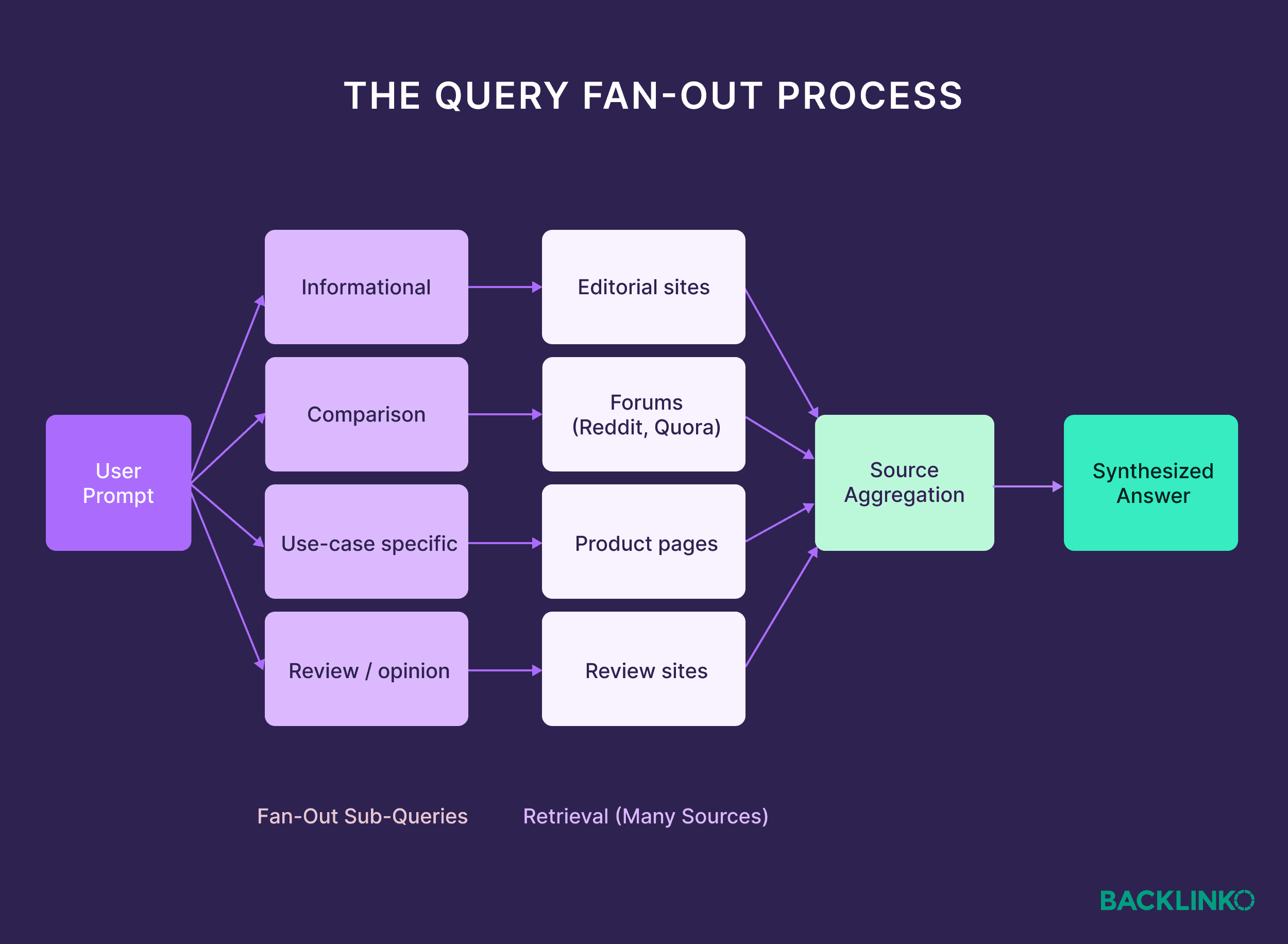
This process allows the AI to aggregate data from editorial reviews, niche forums, specialized e-commerce product pages, and technical documentation into a single, cohesive response. Consequently, a brand may hold the number one spot on a traditional SERP (Search Engine Results Page) for the primary keyword but still fail to receive a citation in an AI-generated answer because it lacks the granular, specific content required to satisfy the sub-queries generated during the fan-out phase.
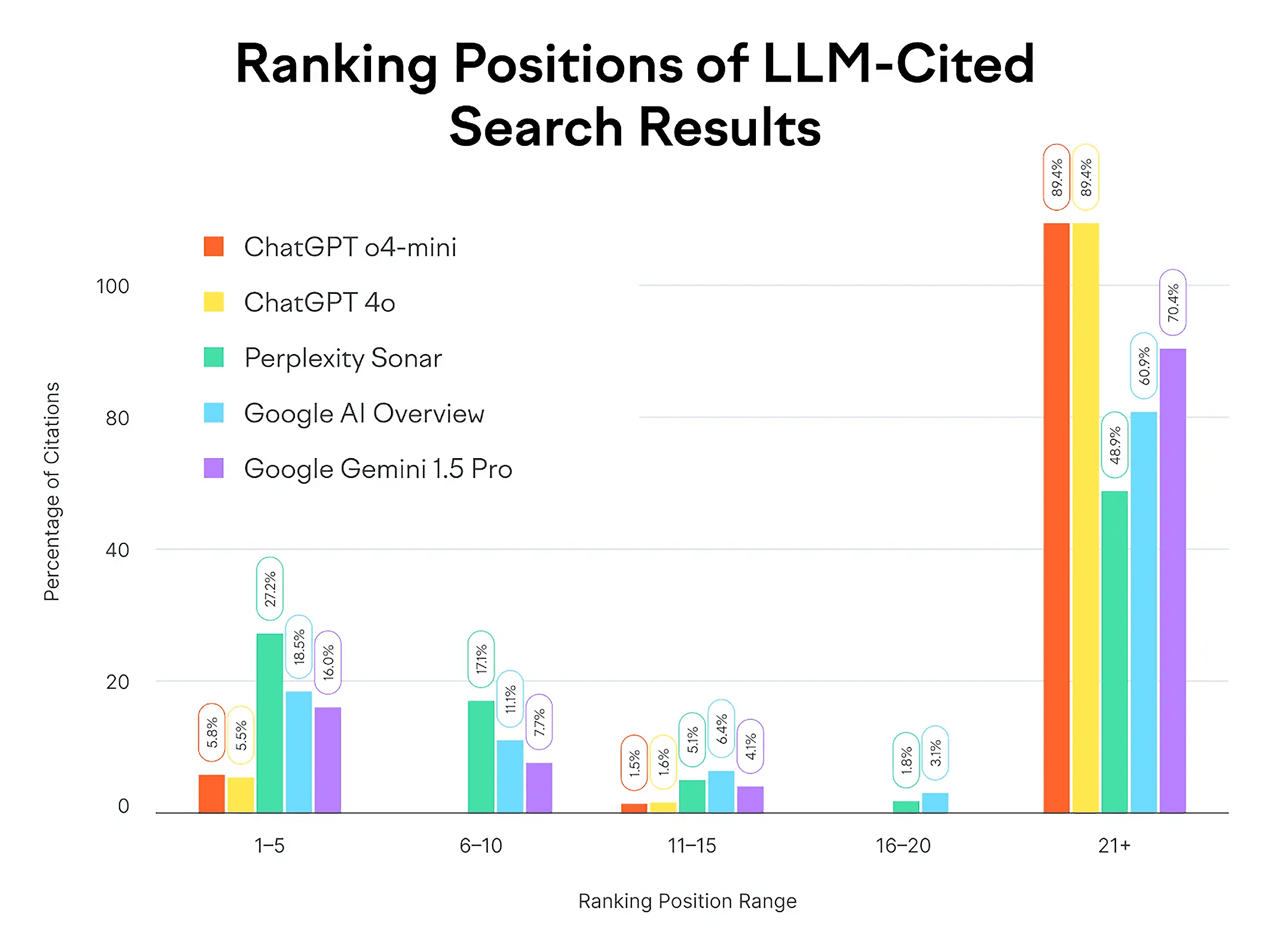
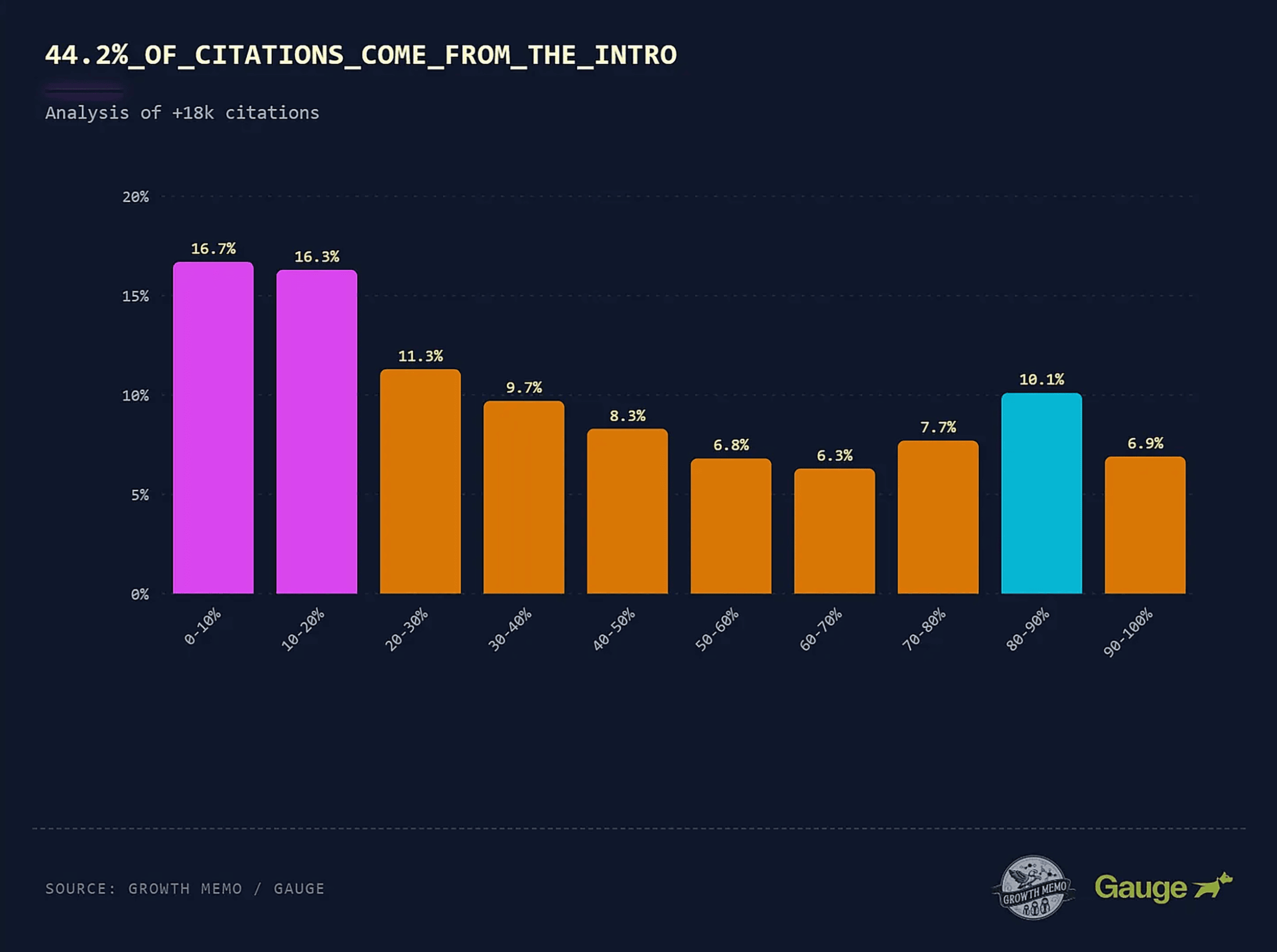
The mechanics of query fan-out are driven by the AI’s need to optimize for accuracy, coverage, and user intent. As AI systems aim to become comprehensive research assistants, they prioritize sources that provide high-value, answer-oriented data. Research from platforms such as Semrush and analyses by industry experts like Kevin Indig have demonstrated that LLMs frequently cite pages well beyond the top ten search results. In fact, some data sets indicate that citations from pages in position 21 or lower account for nearly 90% of LLM references in certain categories. Furthermore, the positioning of the answer matters; nearly 45% of citations are pulled from the first 30% of a web page, emphasizing the importance of front-loading critical information.
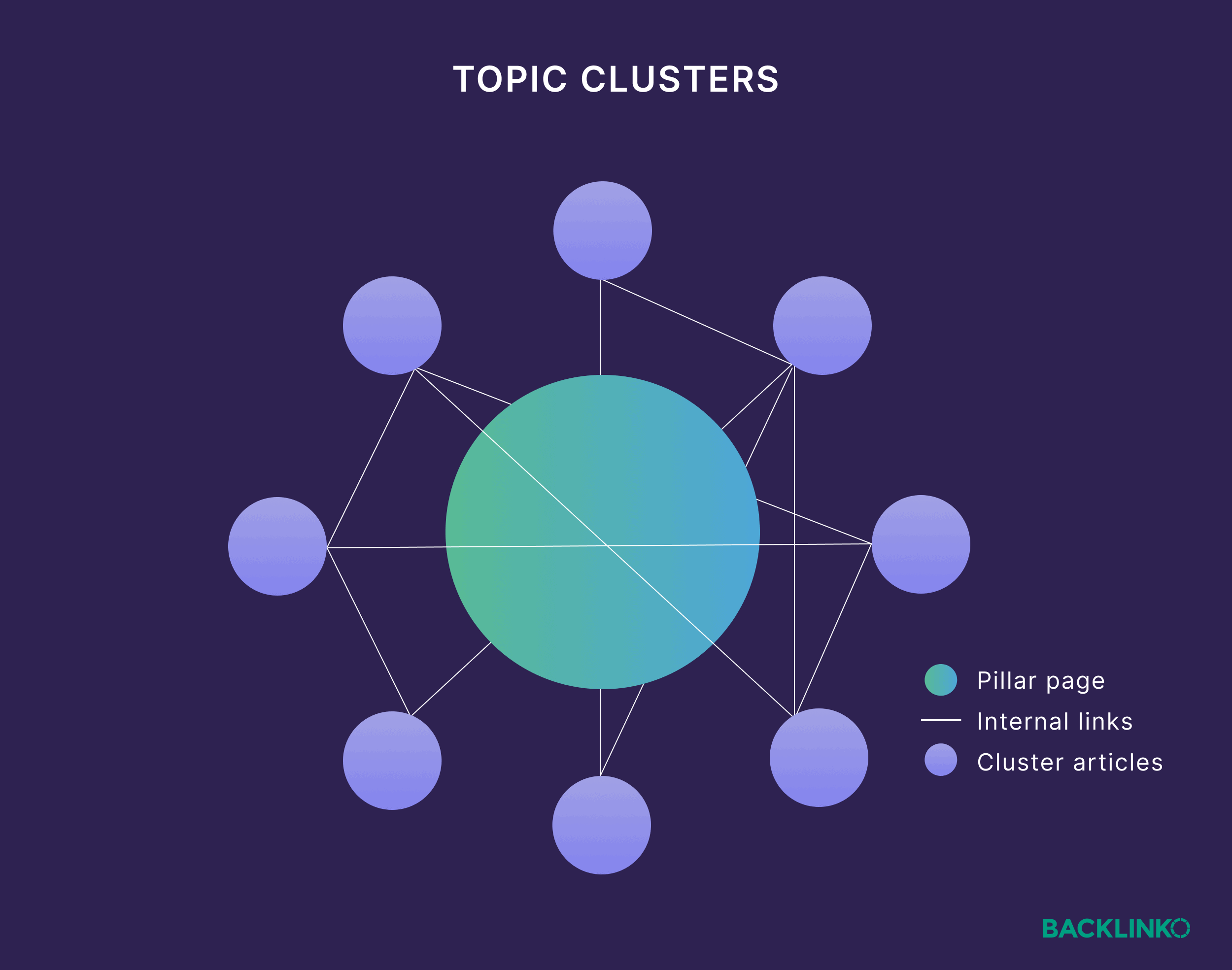
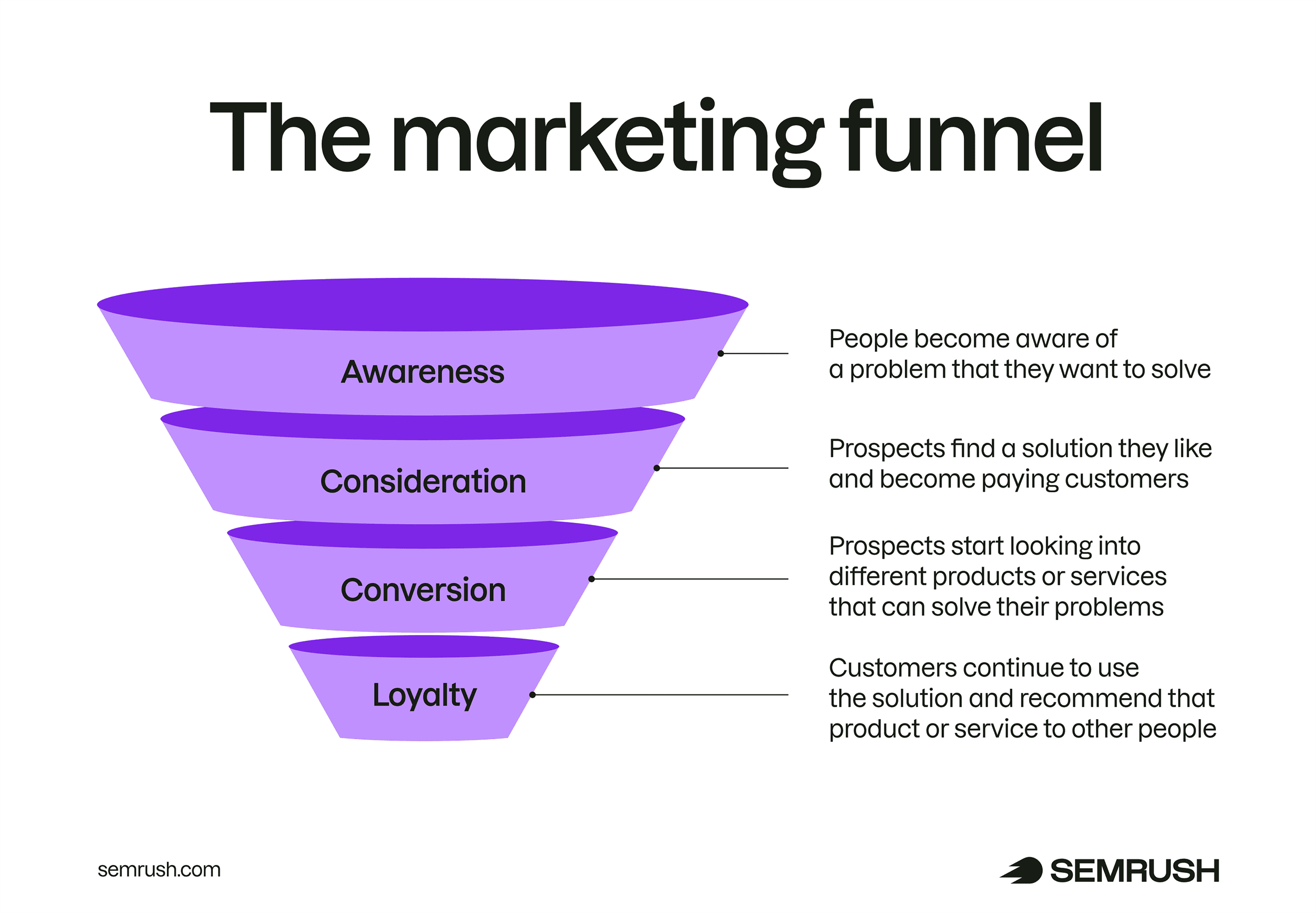
For content strategists, the implications are profound. The traditional, linear marketing funnel—moving a user from awareness to consideration and finally to a decision—is effectively being collapsed into a single interaction. When an AI generates a response, it pulls awareness-level context, consideration-level comparisons, and decision-level specifics into one output. To maintain visibility, brands must evolve their content strategy to address the entire spectrum of a topic rather than focusing on individual high-volume keywords.
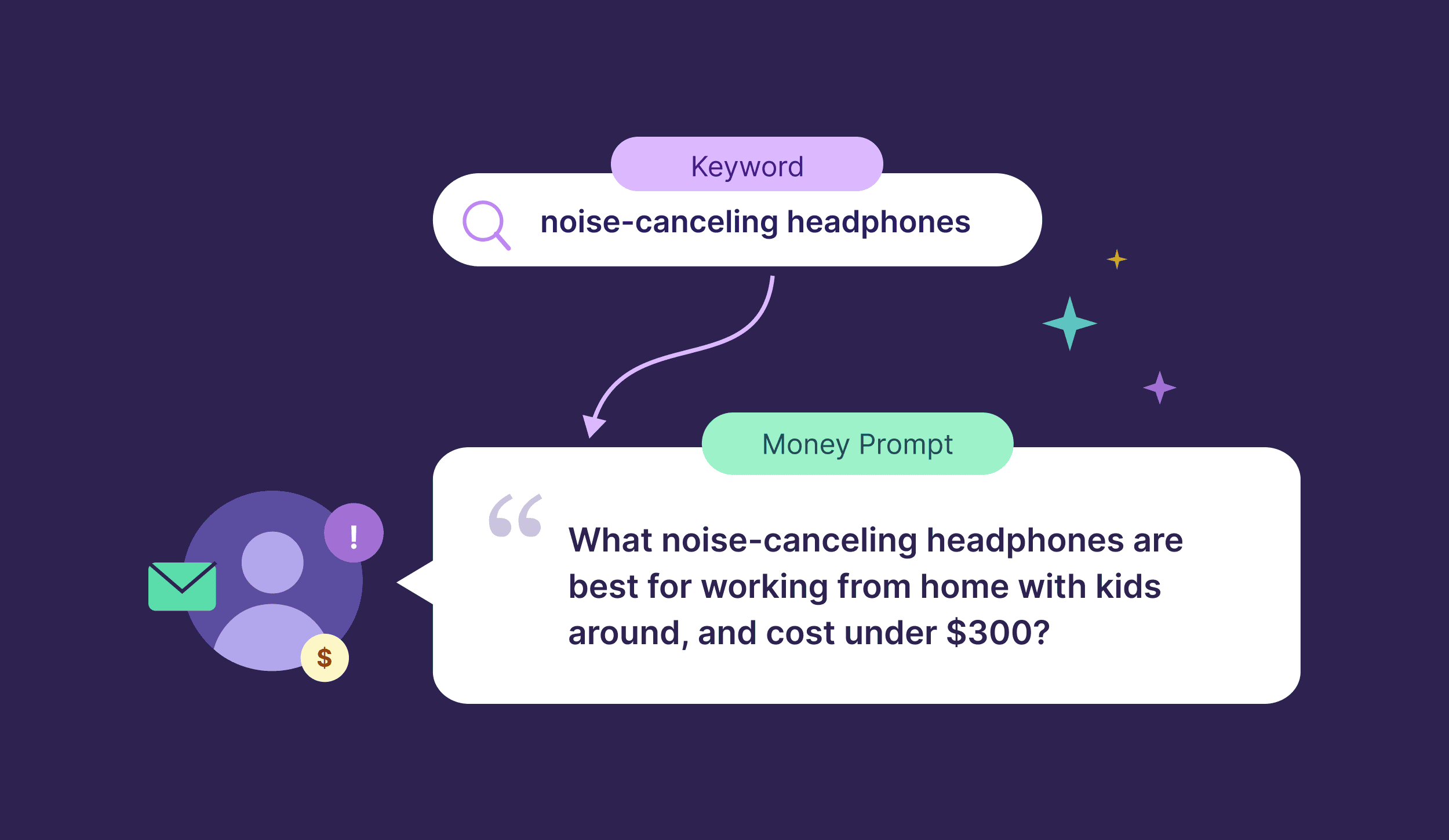
To adapt to this environment, businesses should implement a six-step "fan-out workflow" designed to capture AI attention. The process begins with identifying "money prompts"—the specific, long-tail questions your ideal customers are asking AI tools to solve their problems. Unlike generic keywords, money prompts are high-intent and often mirror the language found in community discussions on platforms like Reddit or industry-specific forums.
Once these prompts are identified, the next step involves generating the fan-out set. By using tools that visualize how AI systems decompose these prompts, brands can identify content gaps. For instance, if a query about "noise-canceling headphones for remote workers" triggers sub-queries about "mic quality in noisy environments," a brand that only discusses sound quality is missing a critical piece of the AI-generated answer.
The third and fourth steps involve bucketing these sub-queries by intent and auditing existing content. Content should be categorized into buckets such as "Definitions," "Comparisons," "Troubleshooting," and "Value/Pricing." If a company’s website lacks a dedicated comparison page for its products against a competitor’s, it is essentially ceding that AI citation to a third-party review site.
In the fifth step, the focus shifts to structural optimization. AI systems require clean, parseable data to extract answers. This means moving away from burying key product claims in long-form prose and toward using structured, scannable elements such as bulleted feature lists, comparison tables, and clear, FAQ-style headings. By organizing data in a way that allows the AI to easily "grab" a specific answer, brands increase their likelihood of being cited as a primary source.
Finally, measuring performance in an AI-first world requires new metrics. Traditional rank tracking is insufficient; brands must now utilize tools that monitor AI visibility scores and track sentiment. Understanding how an AI describes a brand—and whether it mentions competitors more favorably—allows for iterative improvements to the content strategy. If an AI consistently cites a competitor for "durability" while ignoring your brand, it signals a clear mandate to create or update content that highlights your own product’s longevity and performance data.

Ultimately, query fan-out is not a threat to be feared but a blueprint for a more effective content strategy. It forces creators to prioritize depth, relevance, and structural clarity. As search technology continues to move toward conversational, answer-first interfaces, the brands that win will be those that provide the most complete, accessible, and high-value information, ensuring they are the default choice when the AI begins its search.