
The landscape of website marketing has fundamentally transformed in 2026, rendering traditional methods of traffic acquisition obsolete. For years, the digital marketing playbook focused on a singular goal: funneling traffic to a brand’s website to facilitate a conversion. While the website remains the cornerstone of any digital presence, the modern consumer journey has expanded significantly, shifting the primary touchpoints for research and trust-building to third-party ecosystems.
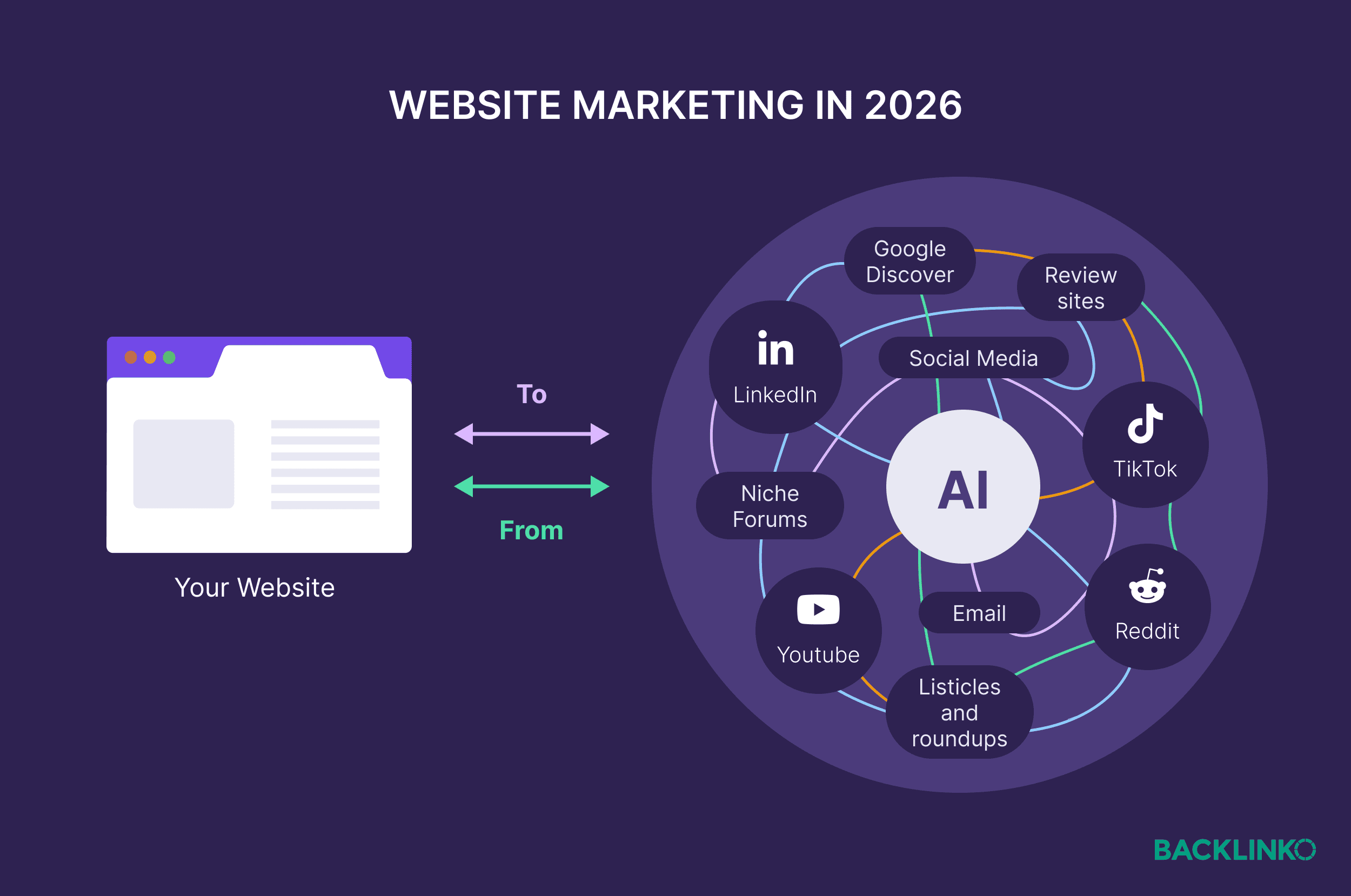
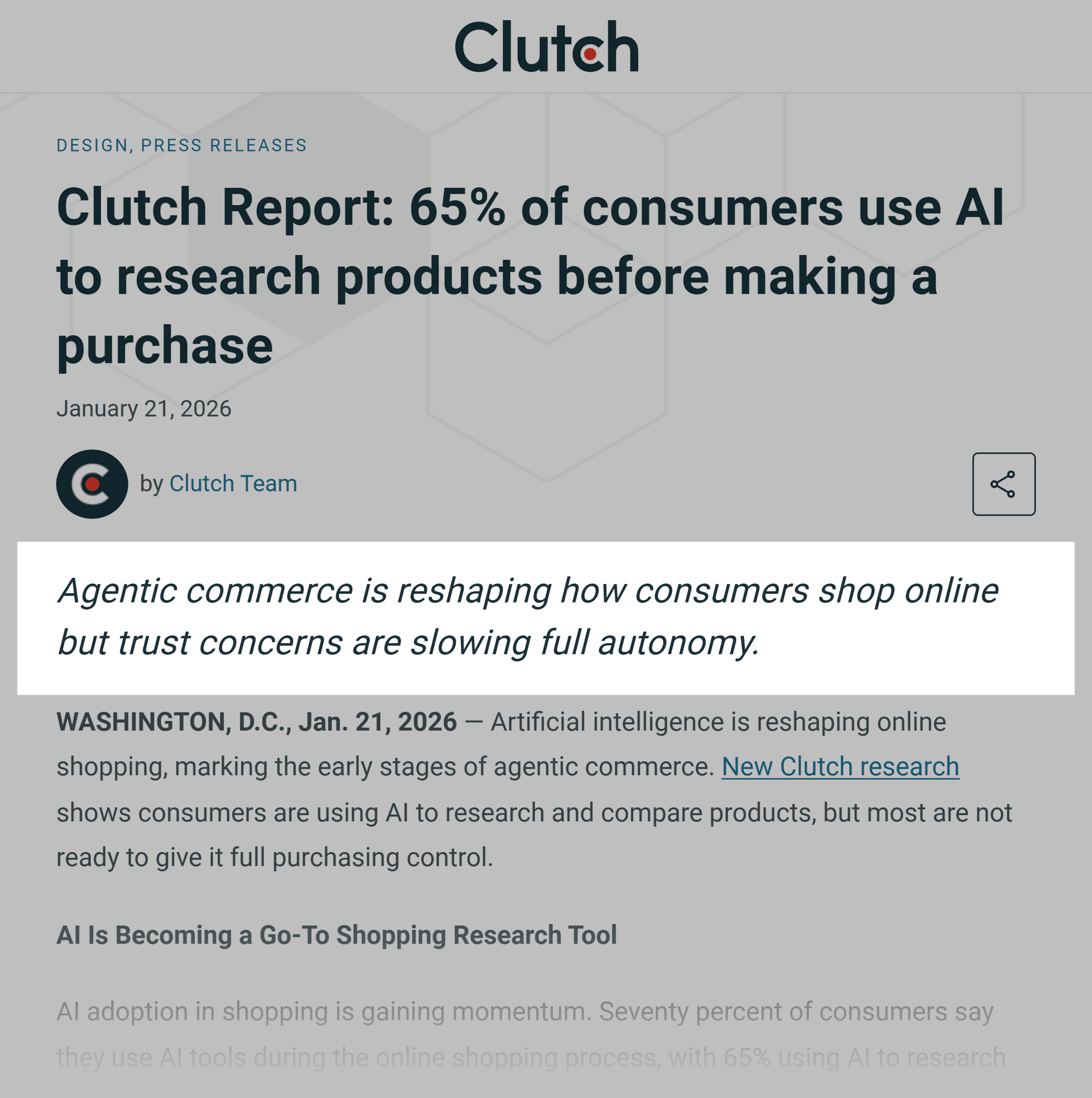
Before a prospect ever arrives at a corporate domain, they have likely engaged with an array of decentralized information sources. AI-driven search assistants, community-led discussions on platforms like Reddit, and curated social media feeds now serve as the primary filters for consumer sentiment. According to recent data from Clutch Research, over 65% of buyers utilize AI tools to conduct initial product research before ever visiting a brand’s website. This shift implies that a brand’s reputation is often established in the "public square" of the internet long before they interact with the company’s own assets. Consequently, if a business lacks visibility and credibility in these external environments, it effectively narrows its top-of-funnel reach. Conversely, brands that maintain a consistent presence across these external channels see higher-intent traffic upon arrival, as these visitors come equipped with deeper context and established trust.
Establishing a Cohesive Brand Narrative for AI and Human Discovery
To compete in this environment, companies must transition from a passive approach to an active engineering of their online reputation. This process begins with a rigorous brand messaging strategy. This document should serve as the "source of truth" for the entire organization, ensuring that the terminology, core value propositions, and problem-solving claims are consistent across every digital touchpoint.

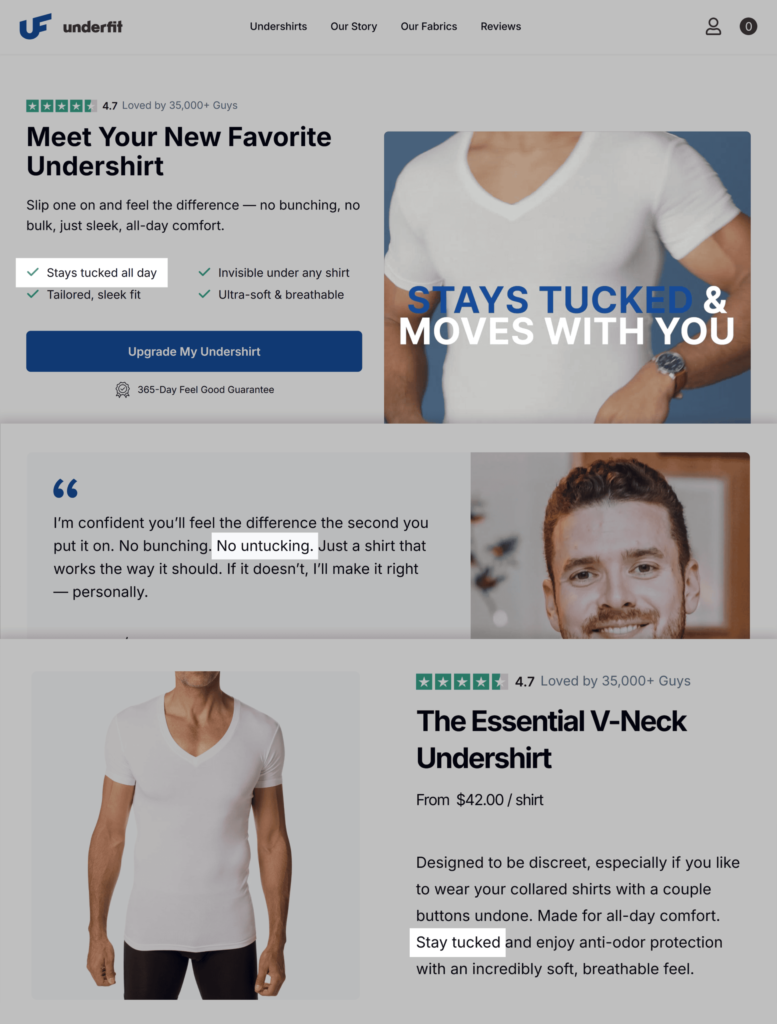
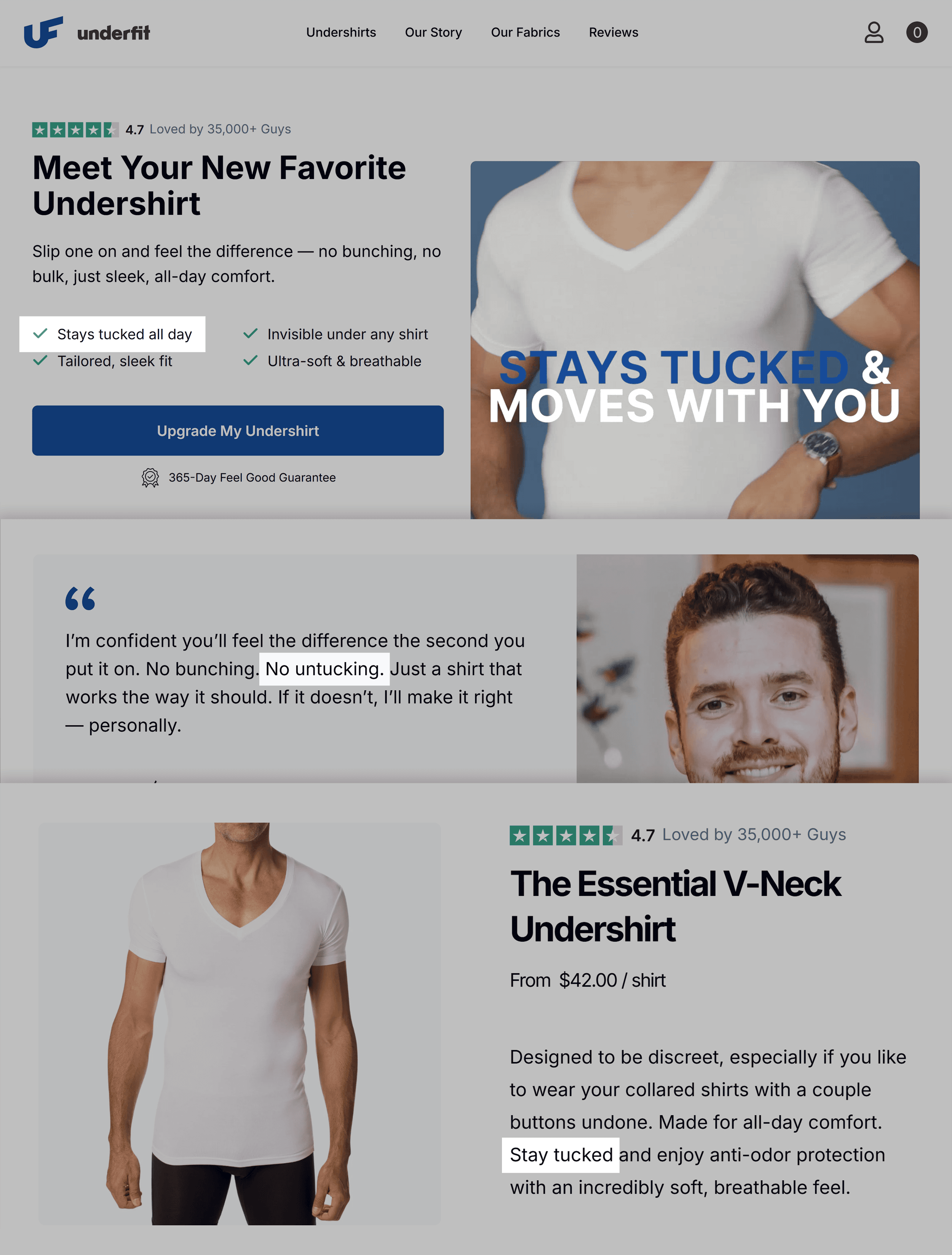
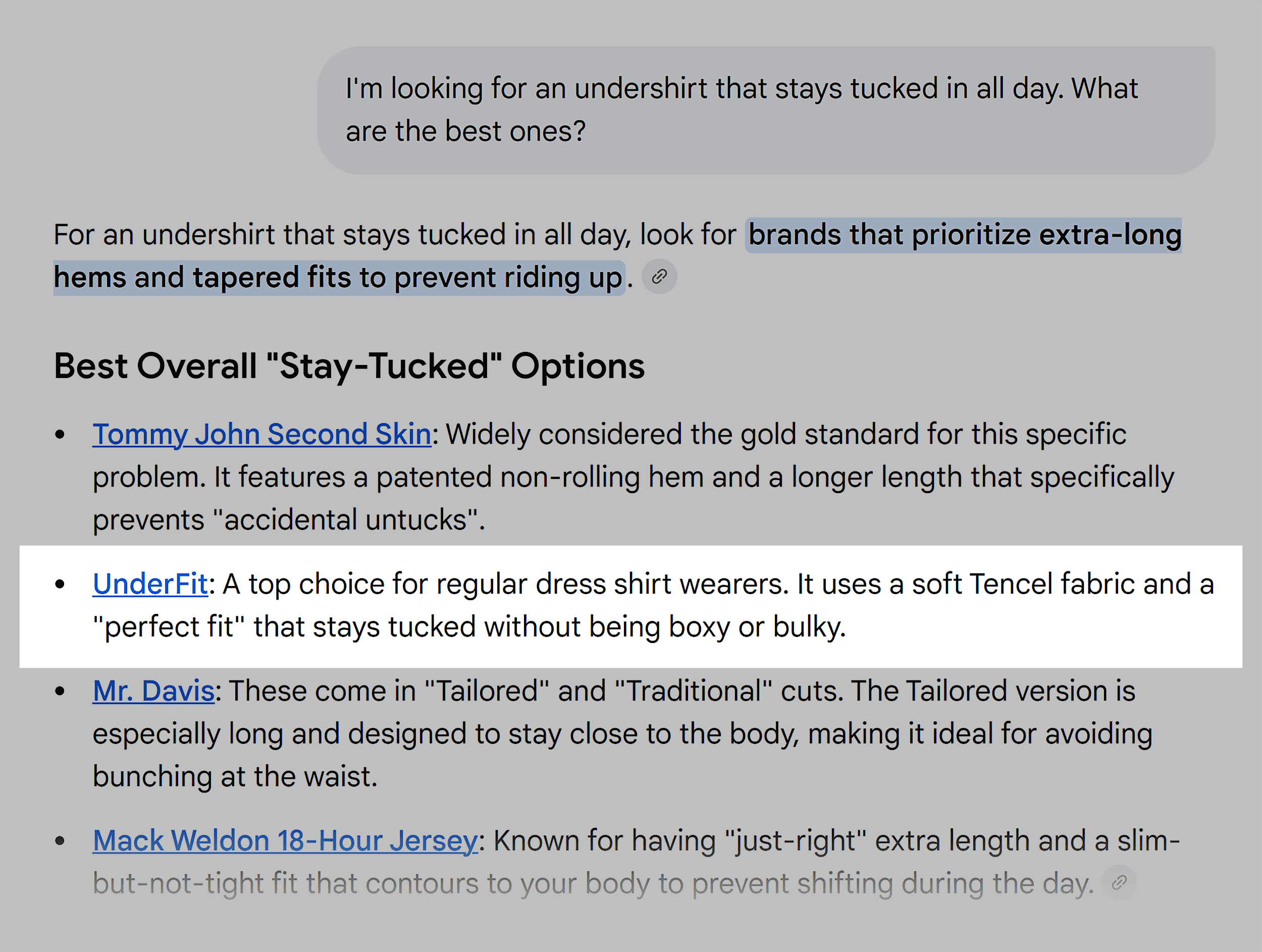
Consistency is not merely an aesthetic choice; it is a technical necessity for modern search. Large Language Models (LLMs) and AI search engines rely on the frequency and consistency of data to associate a brand with specific categories and benefits. For instance, the ecommerce brand UnderFit has successfully cemented its position by consistently pairing its brand name with the specific benefit of "undershirts that stay tucked all day." By embedding this phrasing into reviews, third-party roundups, and their own site, they have ensured that when users query AI assistants about reliable undershirts, UnderFit is cited as a primary solution.
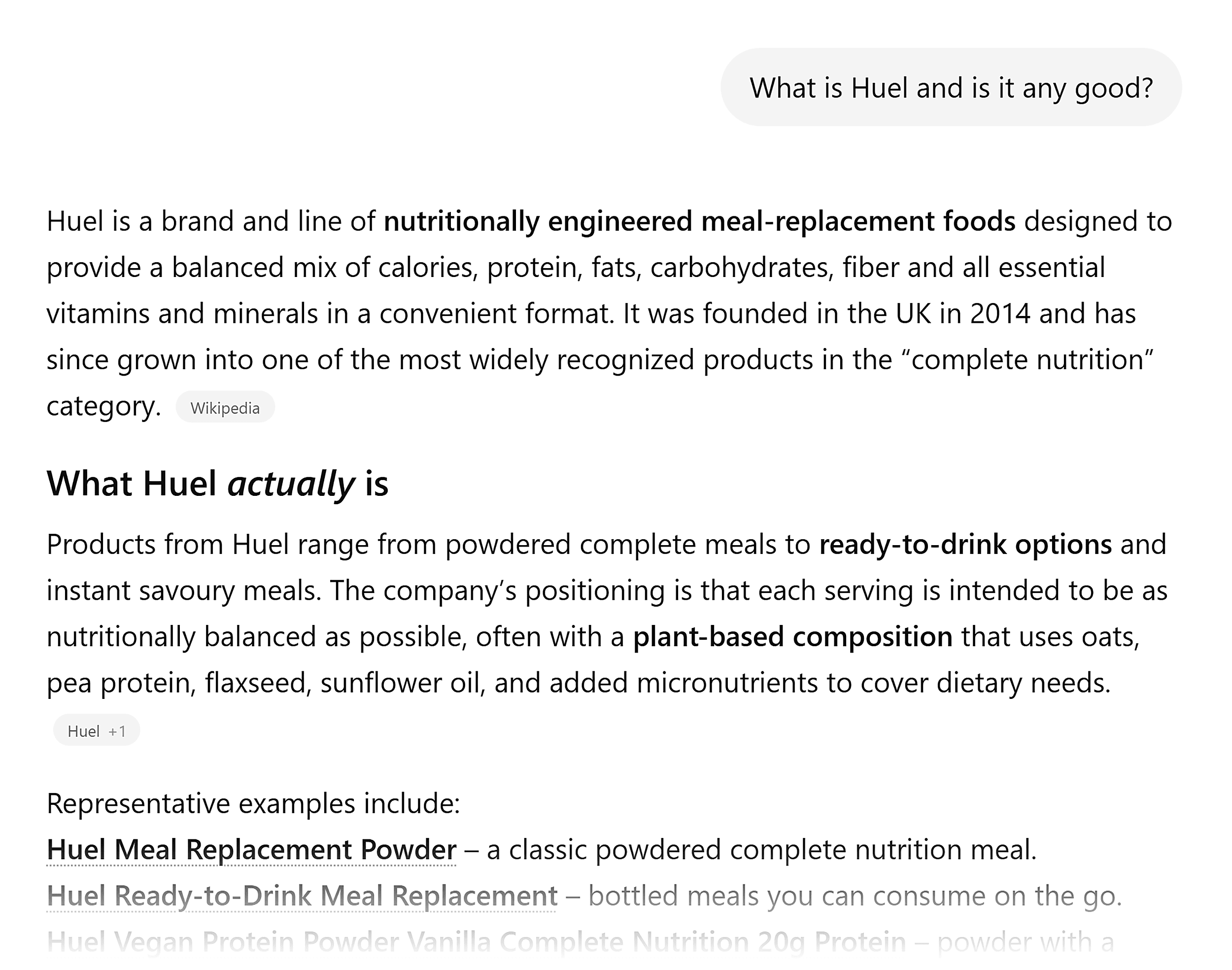
To implement this, organizations should conduct an "AI brand audit." By querying LLMs with the same questions a prospective buyer might ask—such as "What are the best tools for [industry]?" or "Is [Brand Name] reliable?"—companies can identify the current narrative circulating in AI memory. If the AI’s output is inaccurate or misaligned, the brand must pivot its content strategy to flood the internet with corrected, authoritative information.
Structural Integrity: Architecture and Semantic HTML
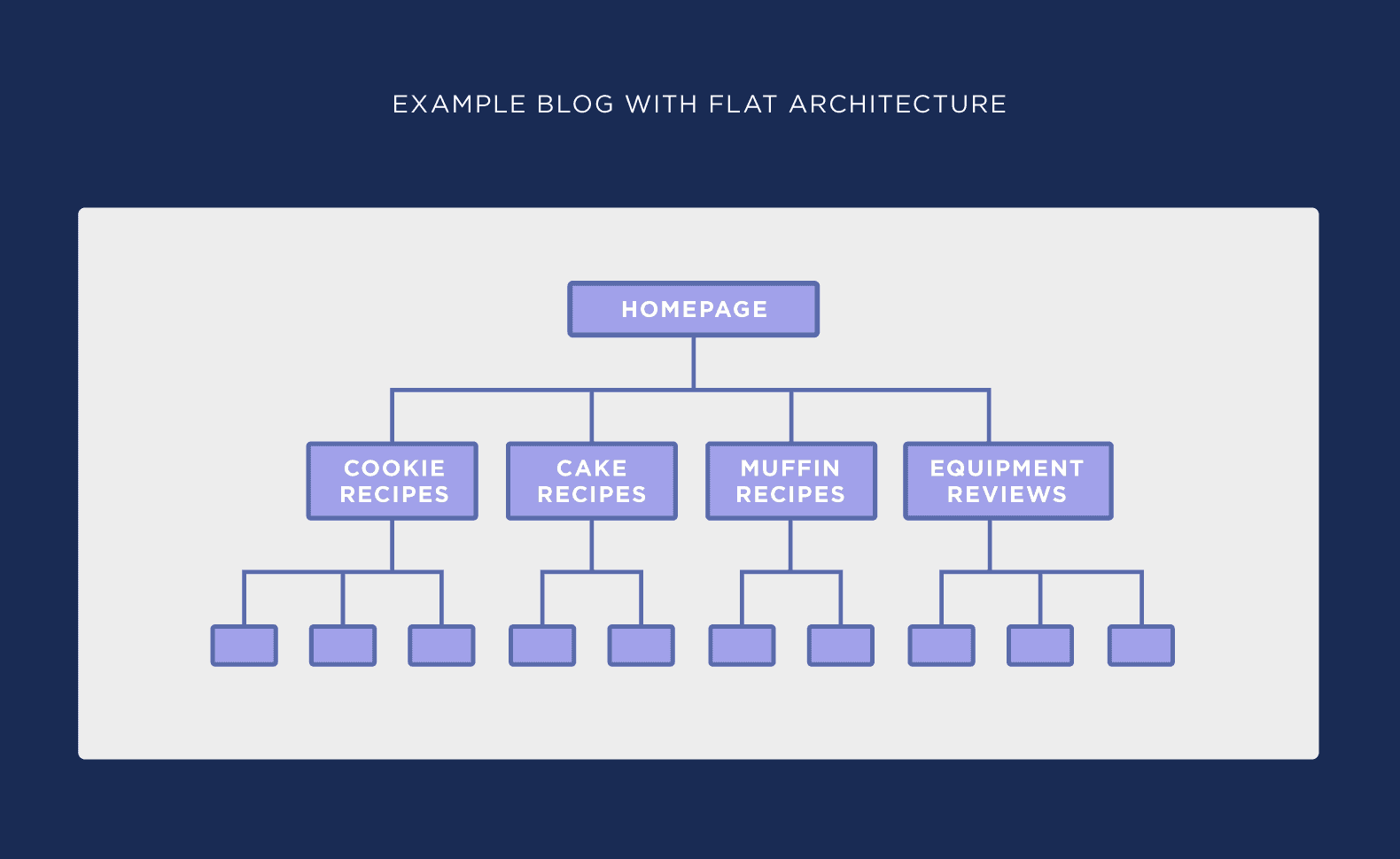
While external visibility is critical, it must be supported by a website that is optimized for both human users and machine crawlers. This begins with a flat, logical architecture that minimizes the number of clicks required to reach any given page. In 2026, depth remains an enemy of crawlability; a shallow, well-organized site structure allows LLMs to map the hierarchy of information more efficiently.
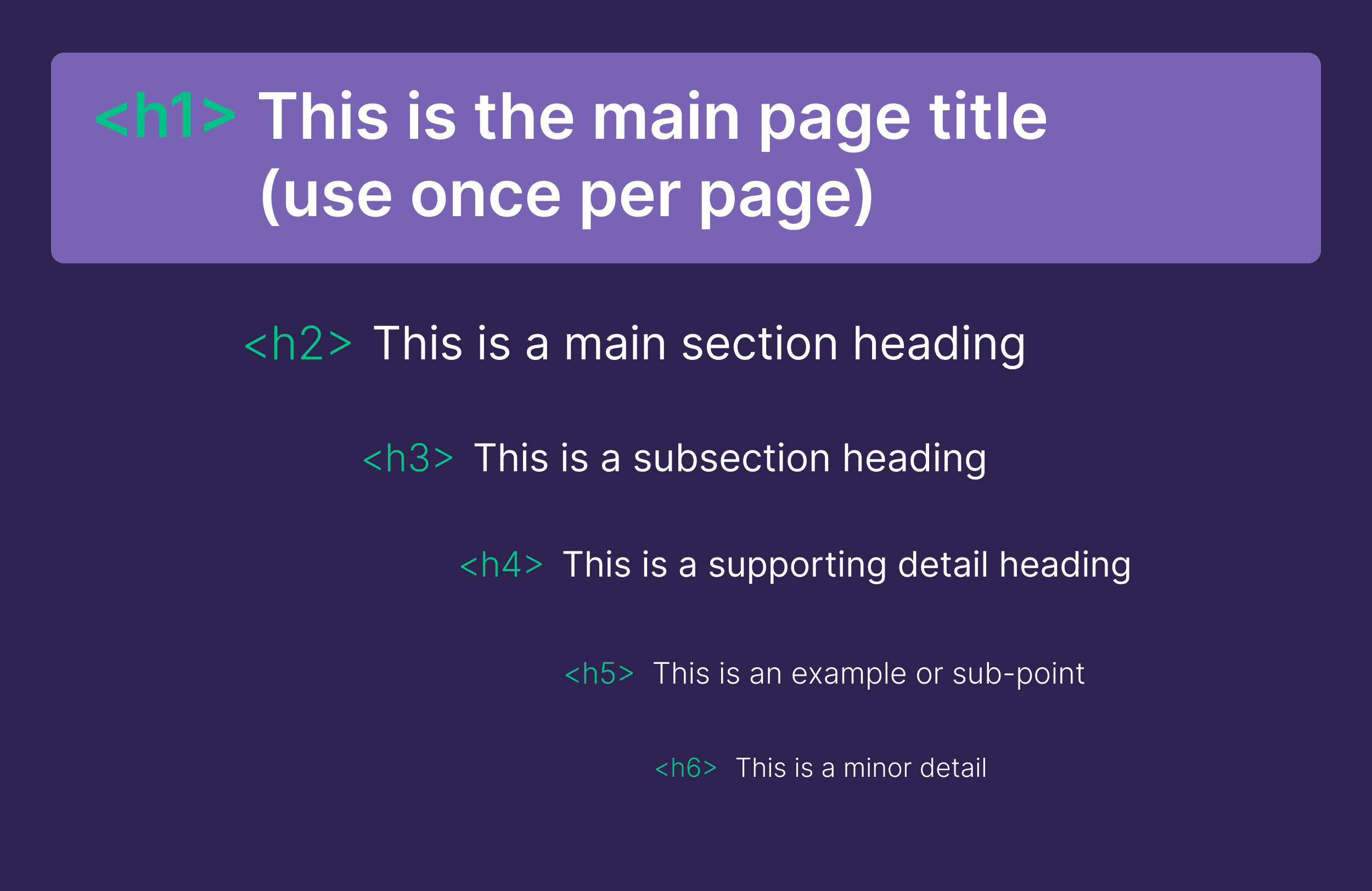
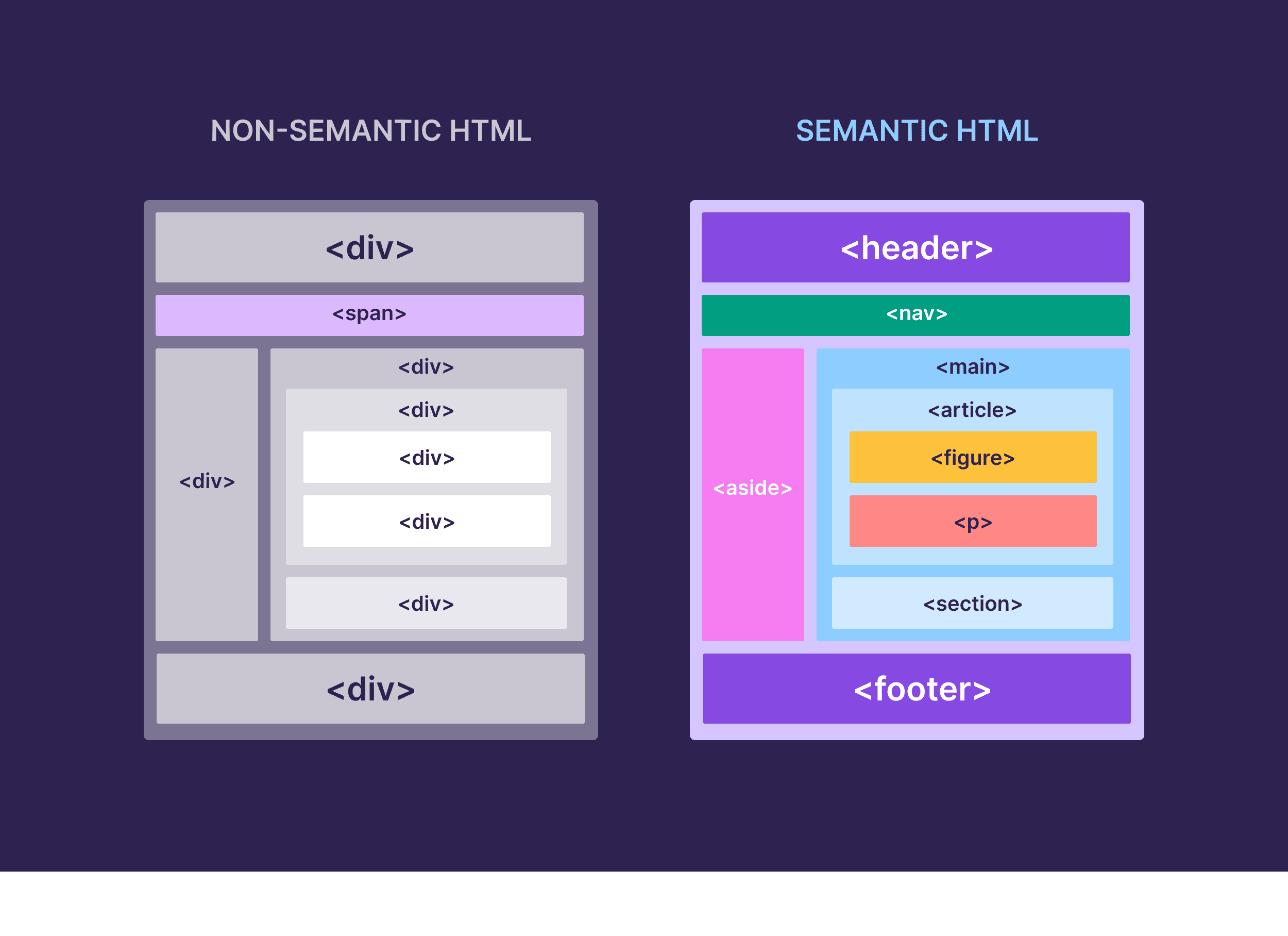
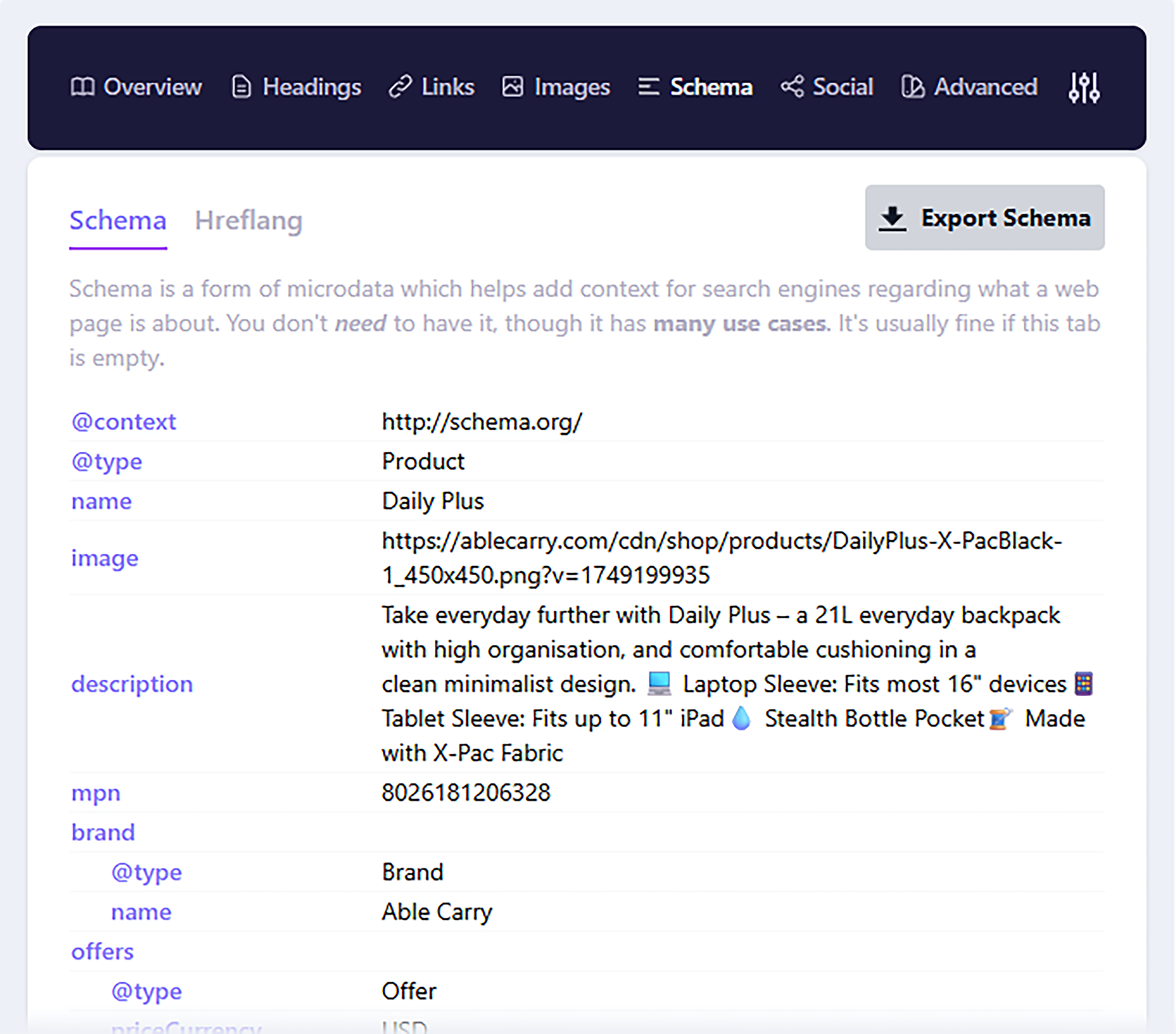
Beyond architecture, the use of semantic HTML is non-negotiable. Proper application of H1, H2, and section tags acts as a structural roadmap for search bots and AI crawlers. By explicitly defining the hierarchy and purpose of content, developers ensure that machines interpret the page as humans would. When paired with robust structured data (Schema markup), this technical foundation provides the "evidence" that search engines need to surface a brand in rich snippets and AI-generated summaries.
The Rise of Proof Assets and Credibility Signaling
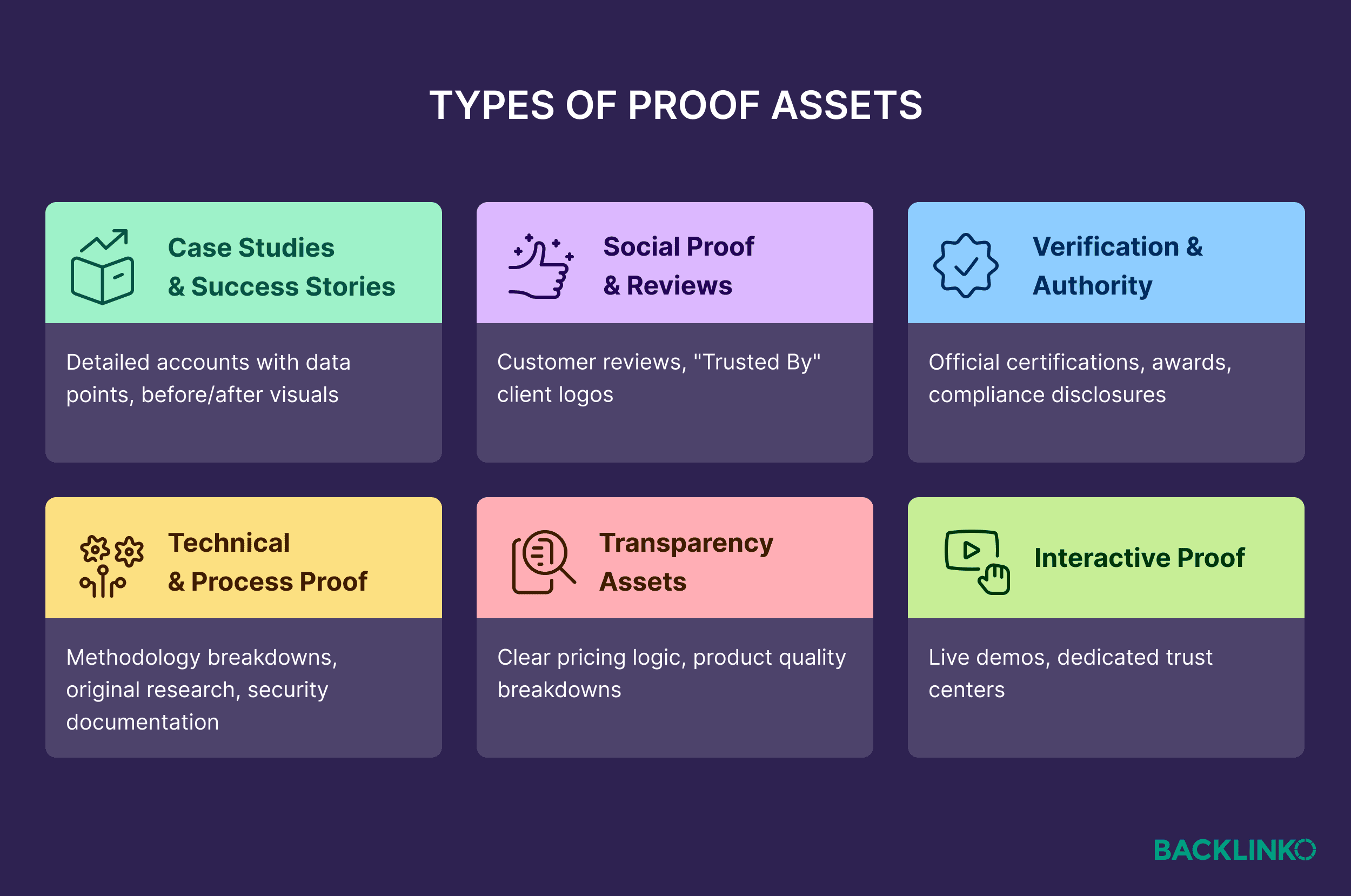
Proof assets—case studies, security documentation, uptime logs, and peer-reviewed testimonials—are the currency of trust in 2026. Different industries require different types of proof; for example, a B2B SaaS company might prioritize security compliance (SOC2) and measurable uptime data, while a consumer brand must focus on return policies and quality documentation.
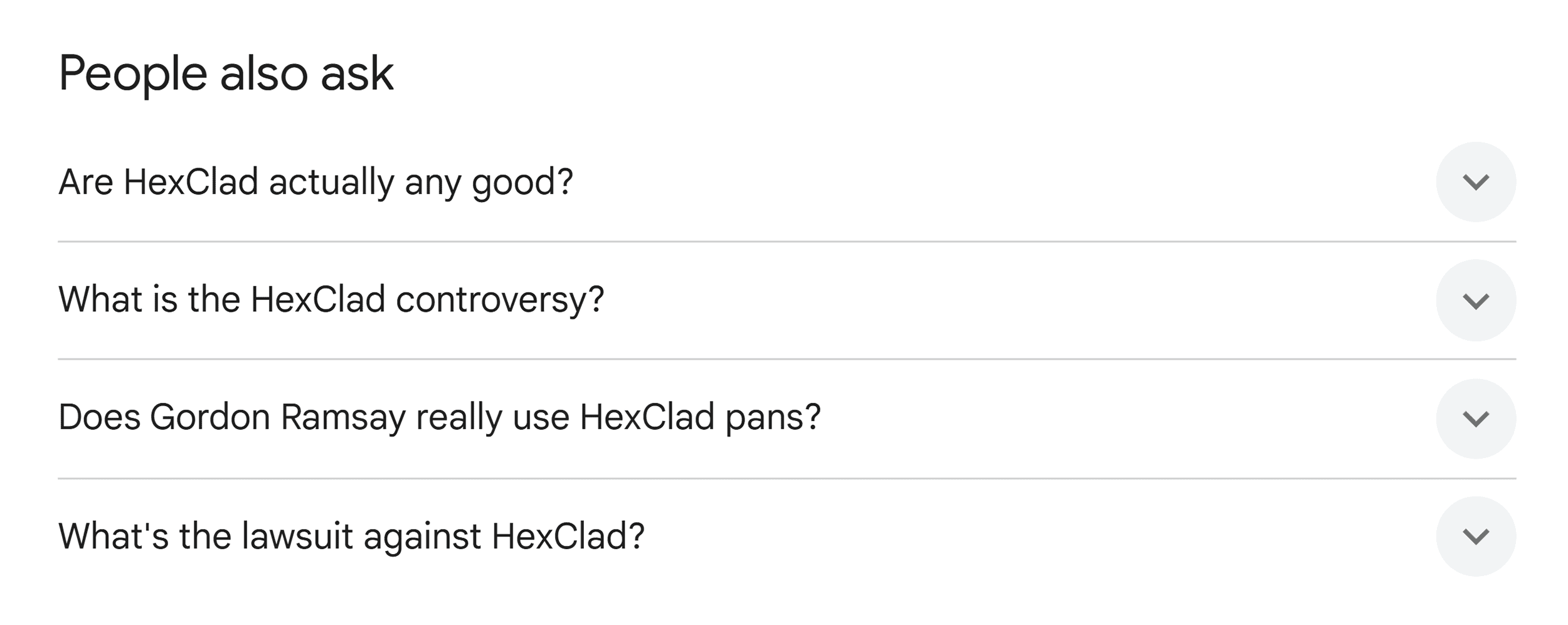
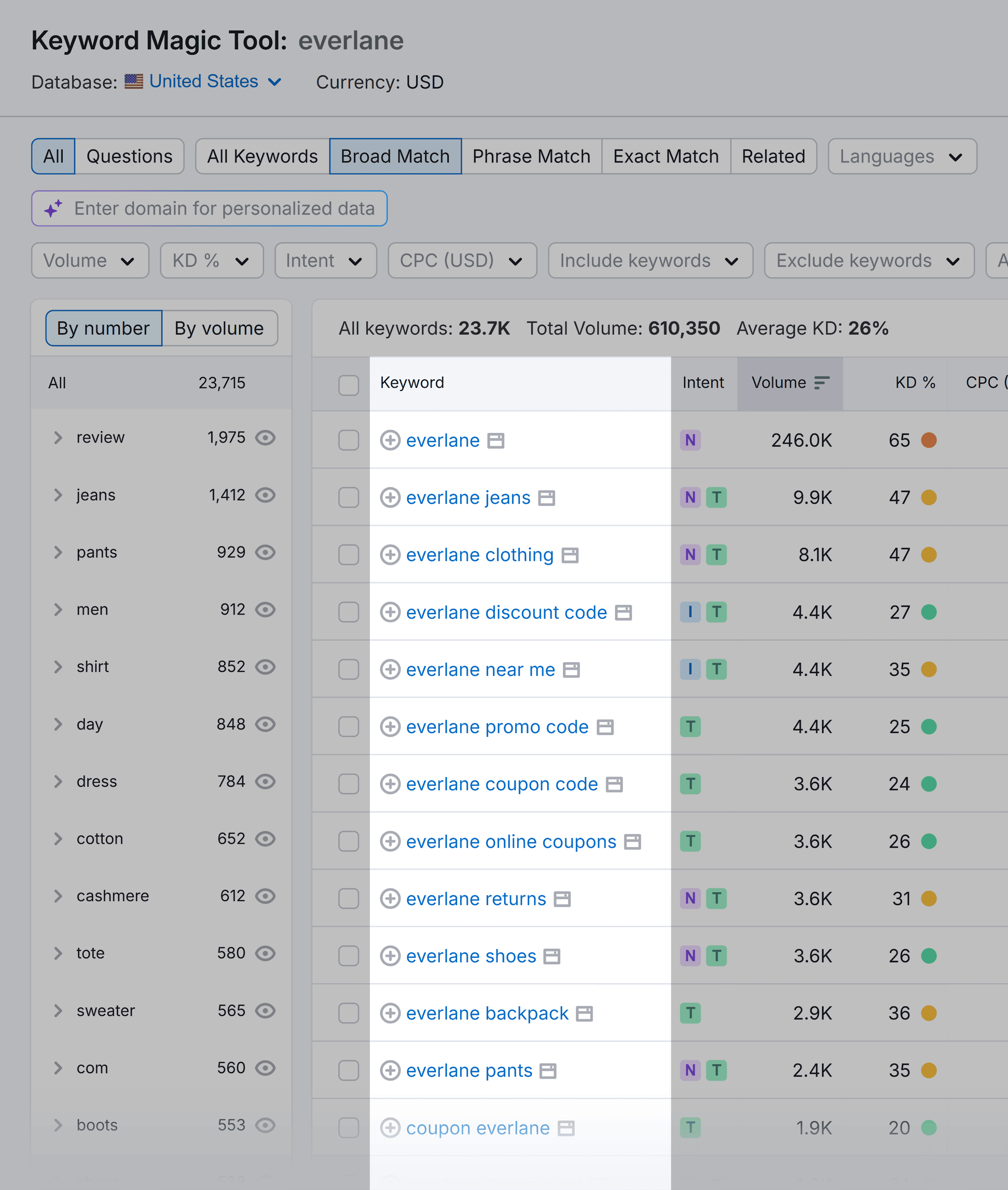
To determine which proof assets to prioritize, businesses should monitor the "People Also Ask" sections on Google and perform keyword research using tools like Semrush to identify the recurring anxieties of their customer base. If potential buyers are consistently asking about the durability of a product, that is a signal to publish detailed, long-form content or technical videos addressing that specific concern.
Video as a Trust Accelerator
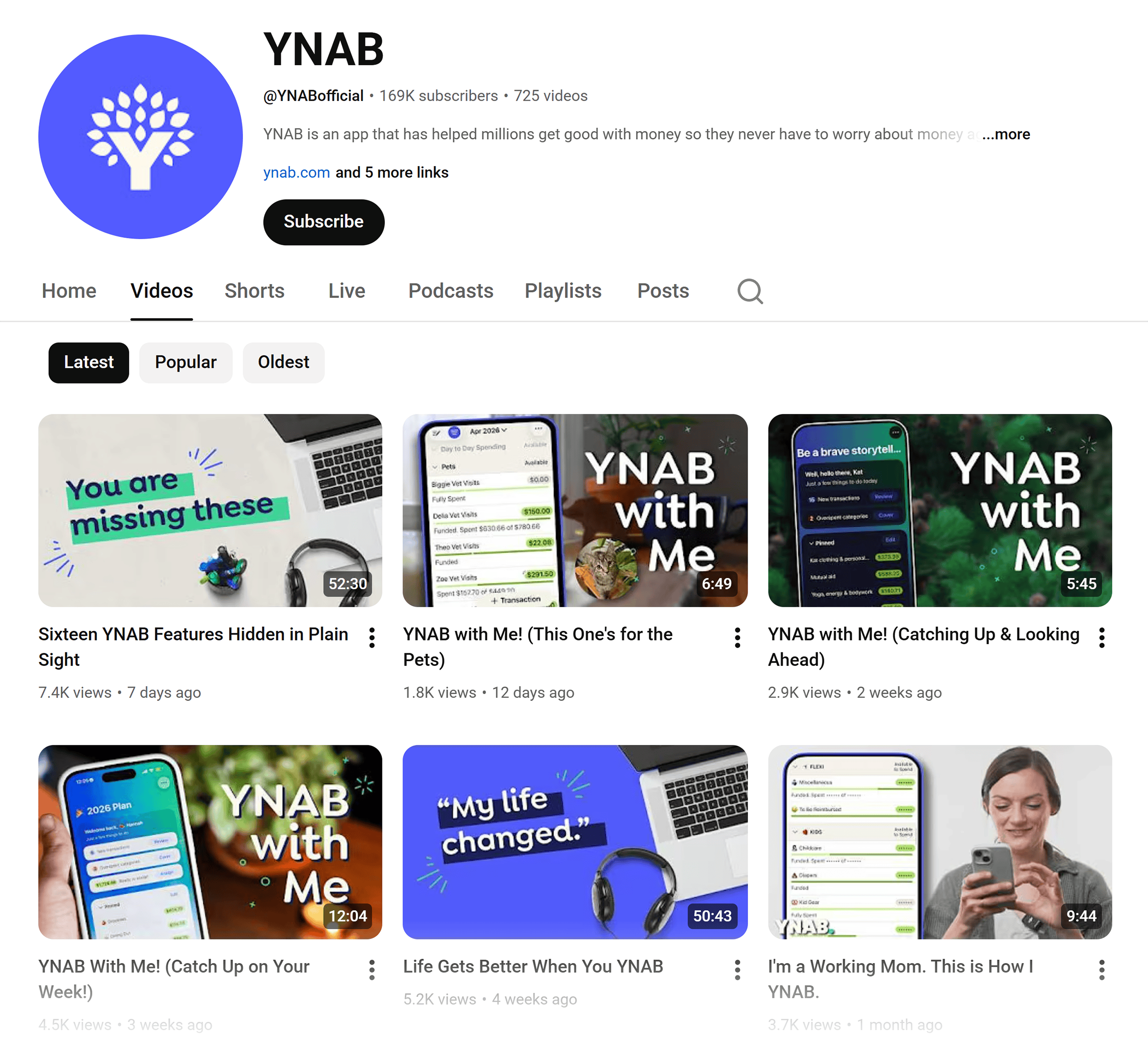
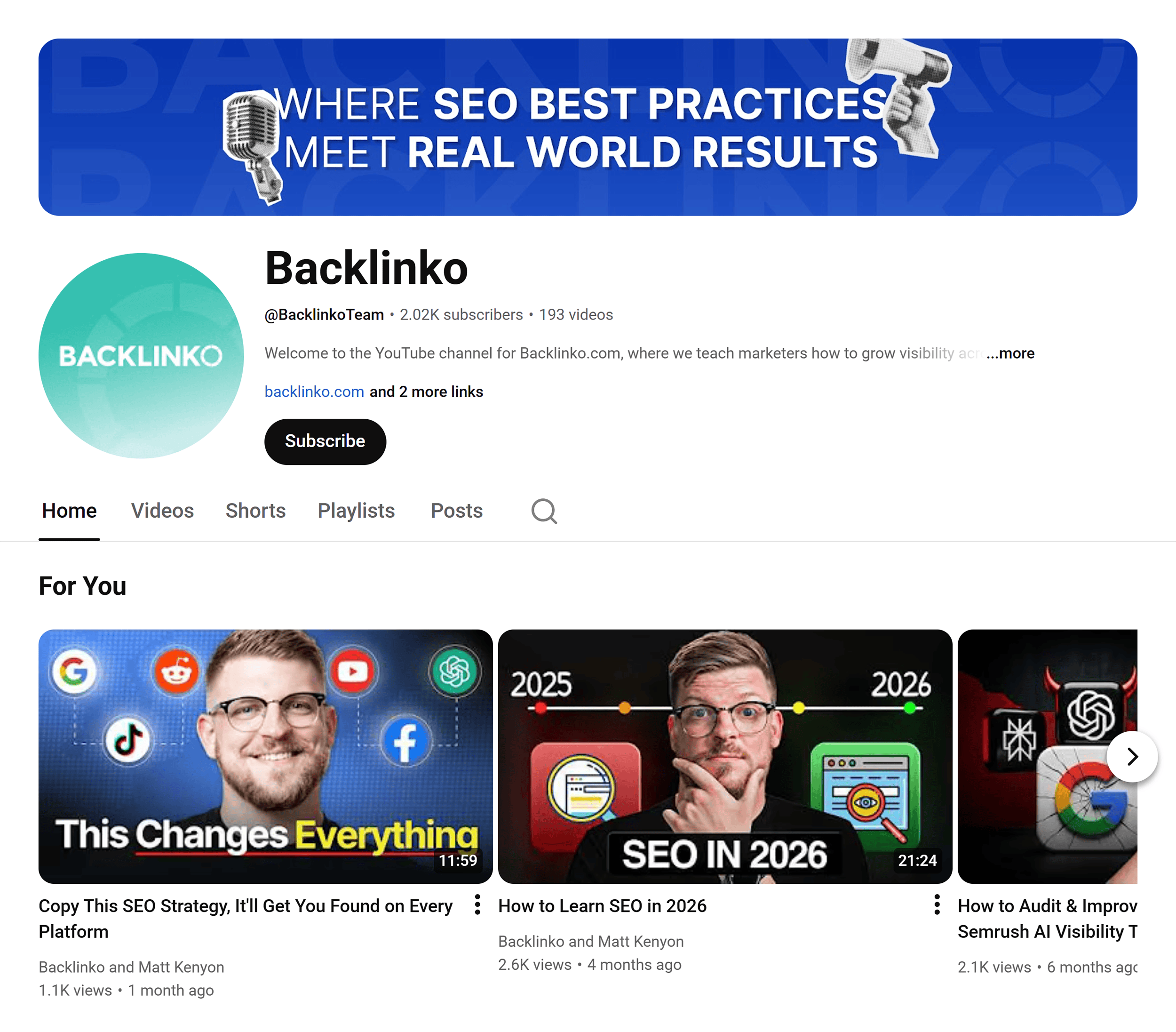
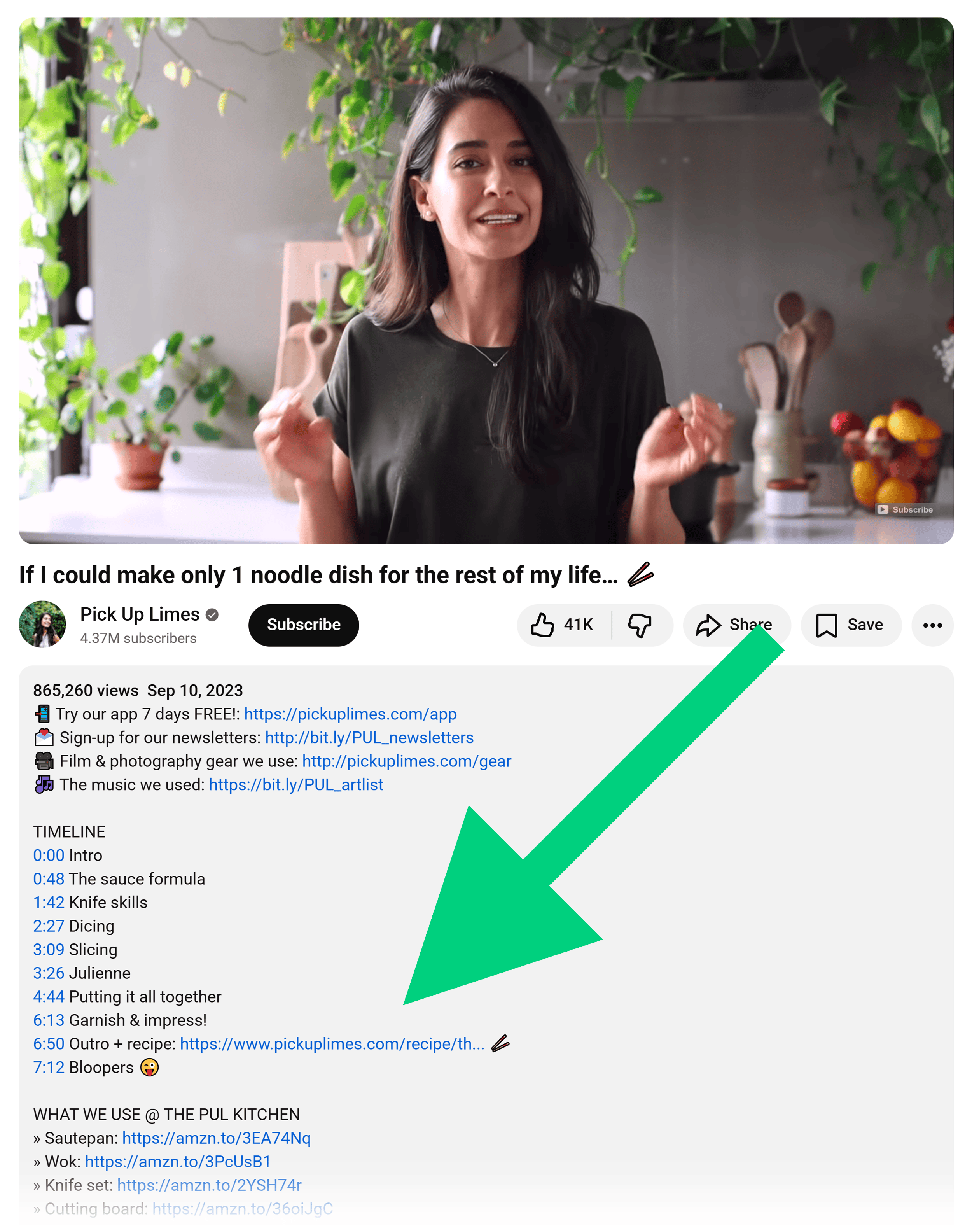
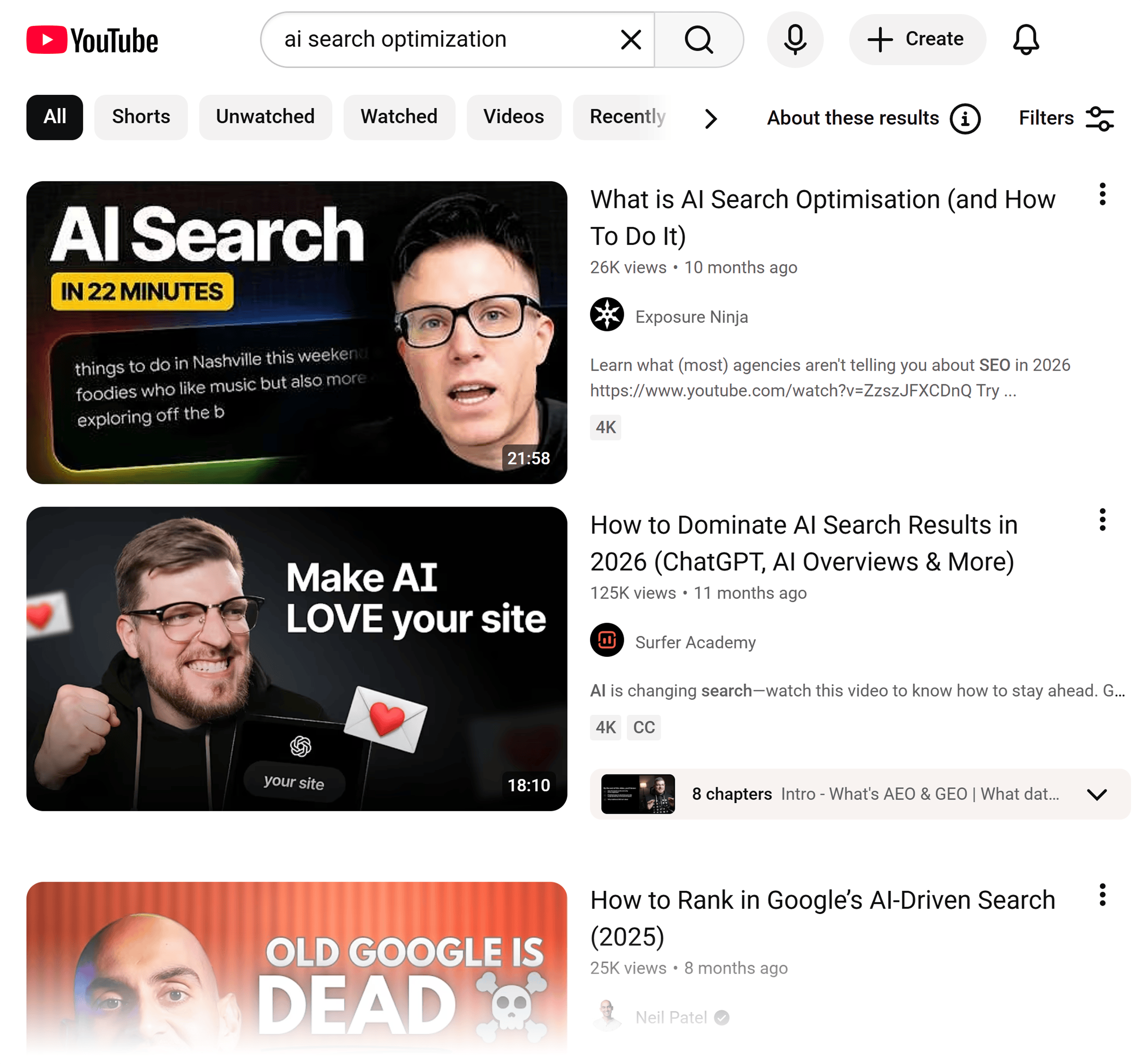
Video has evolved into the most effective medium for bridging the gap between digital interaction and human connection. In the current market, long-form content on platforms like YouTube serves as a deep-dive educational tool, allowing brands to showcase expertise and solve user problems before a sale is ever requested.
The strategy for long-form video should be utilitarian. By creating tutorials, "how-to" guides, and product comparison videos, brands provide value that moves a lead closer to a purchase decision. The key to this strategy is integration; videos should not exist in a silo. Each piece of content should include direct calls to action that lead viewers to specific, high-intent landing pages on the company’s website.
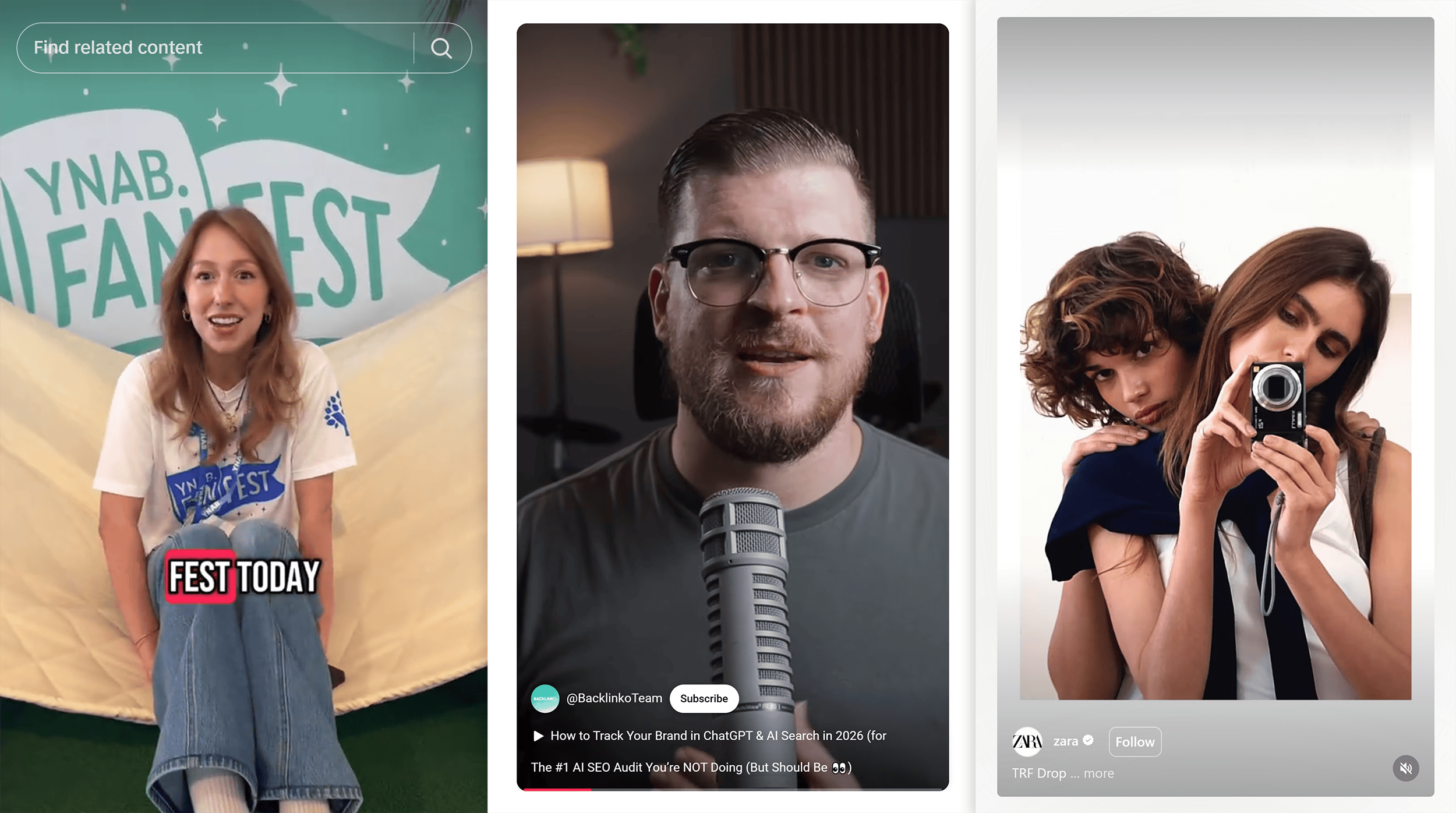
Simultaneously, short-form video—reels, clips, and TikToks—is essential for maintaining top-of-mind awareness. While long-form builds depth, short-form builds familiarity through high-frequency, low-barrier content. By documenting day-to-day operations or answering specific customer questions, brands can humanize their operations, effectively lowering the perceived risk for new buyers.
Capturing Traffic Through Google Discover
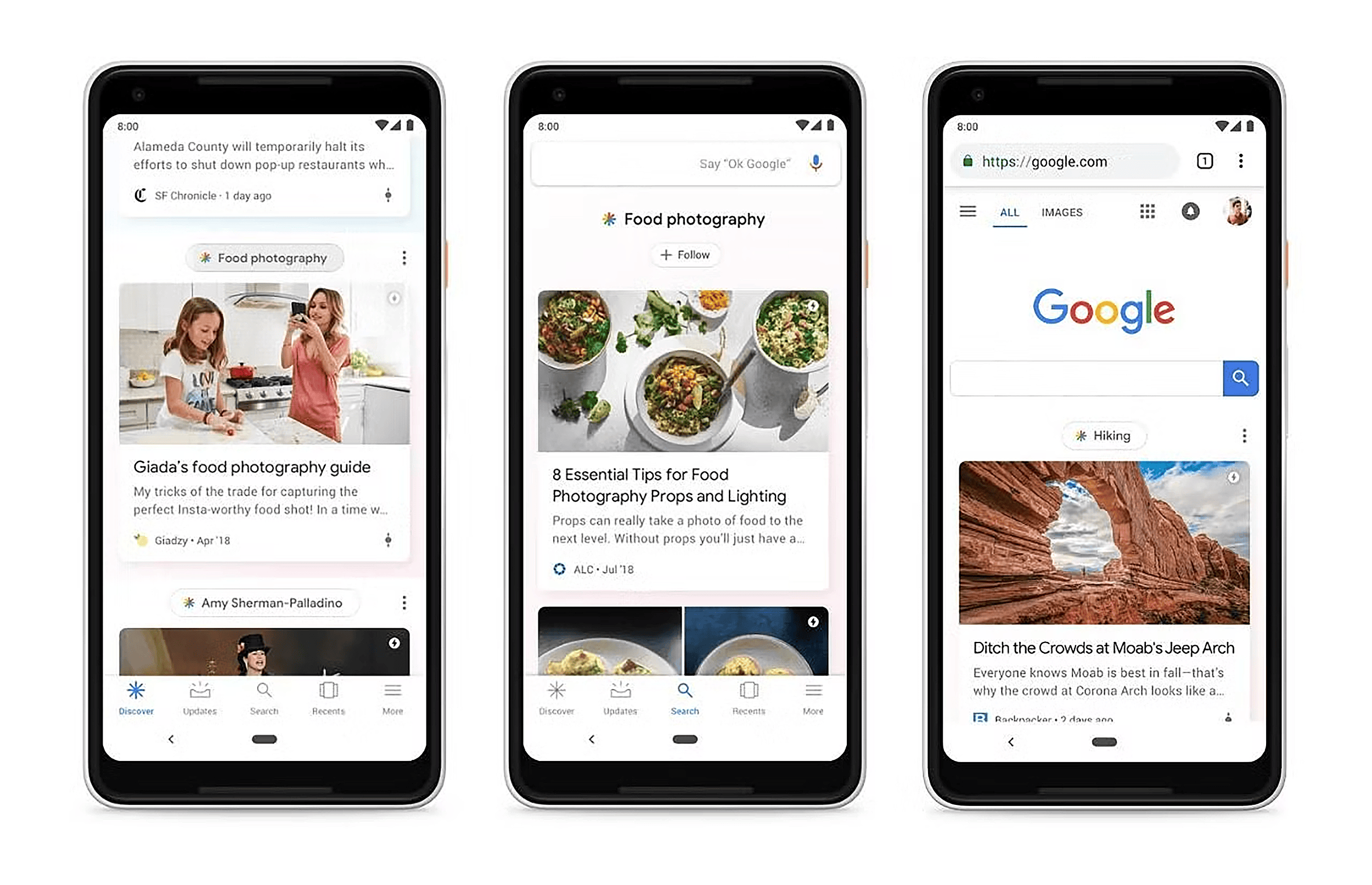
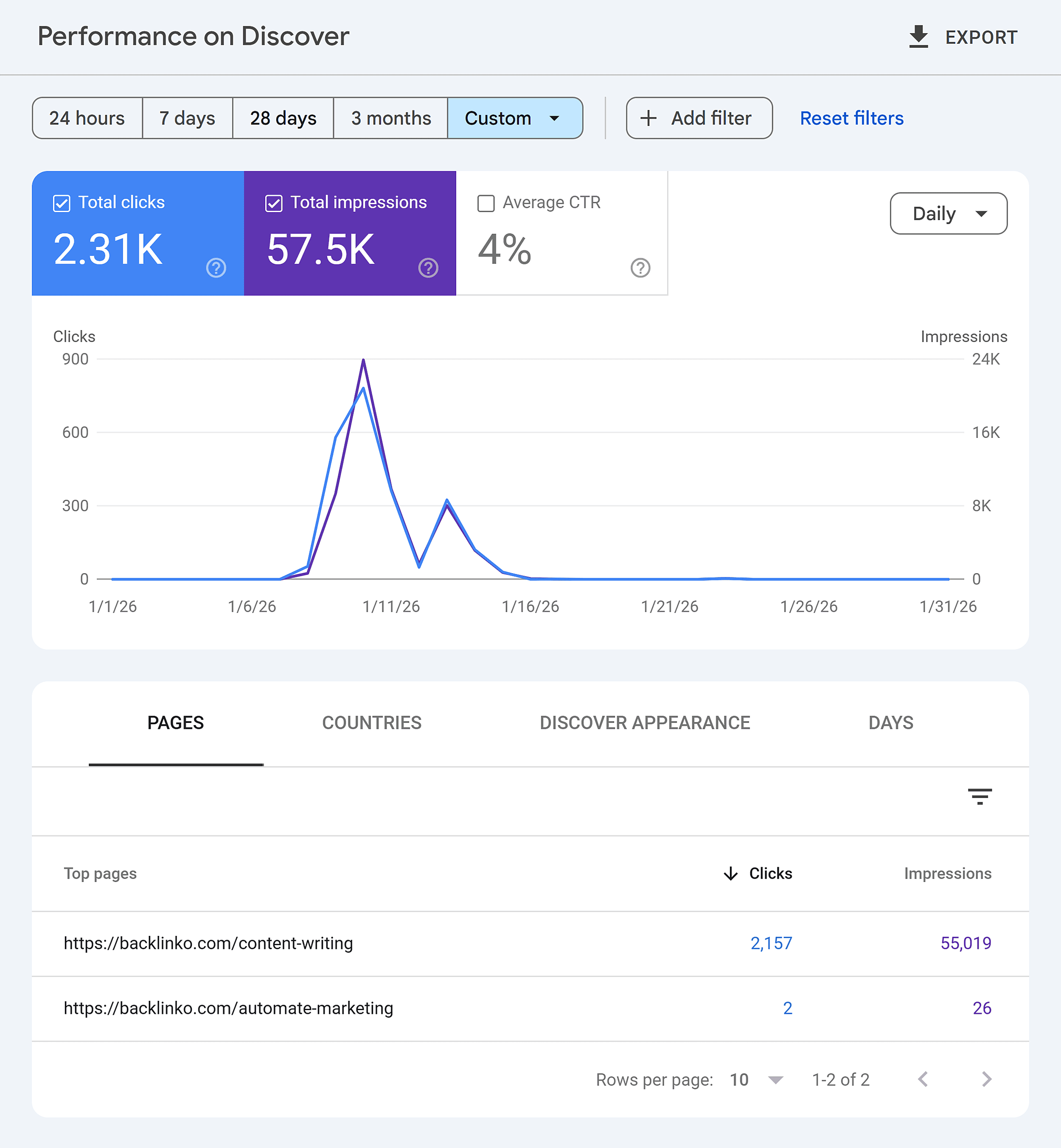
Google Discover represents a significant opportunity for traffic that functions differently from traditional intent-based search. Because Discover is a personalized feed, content must be tailored to interest-based consumption rather than query-based search. To succeed here, content should possess a "why now" factor—tying a topic to a current trend, a new regulation, or a shifting market sentiment.
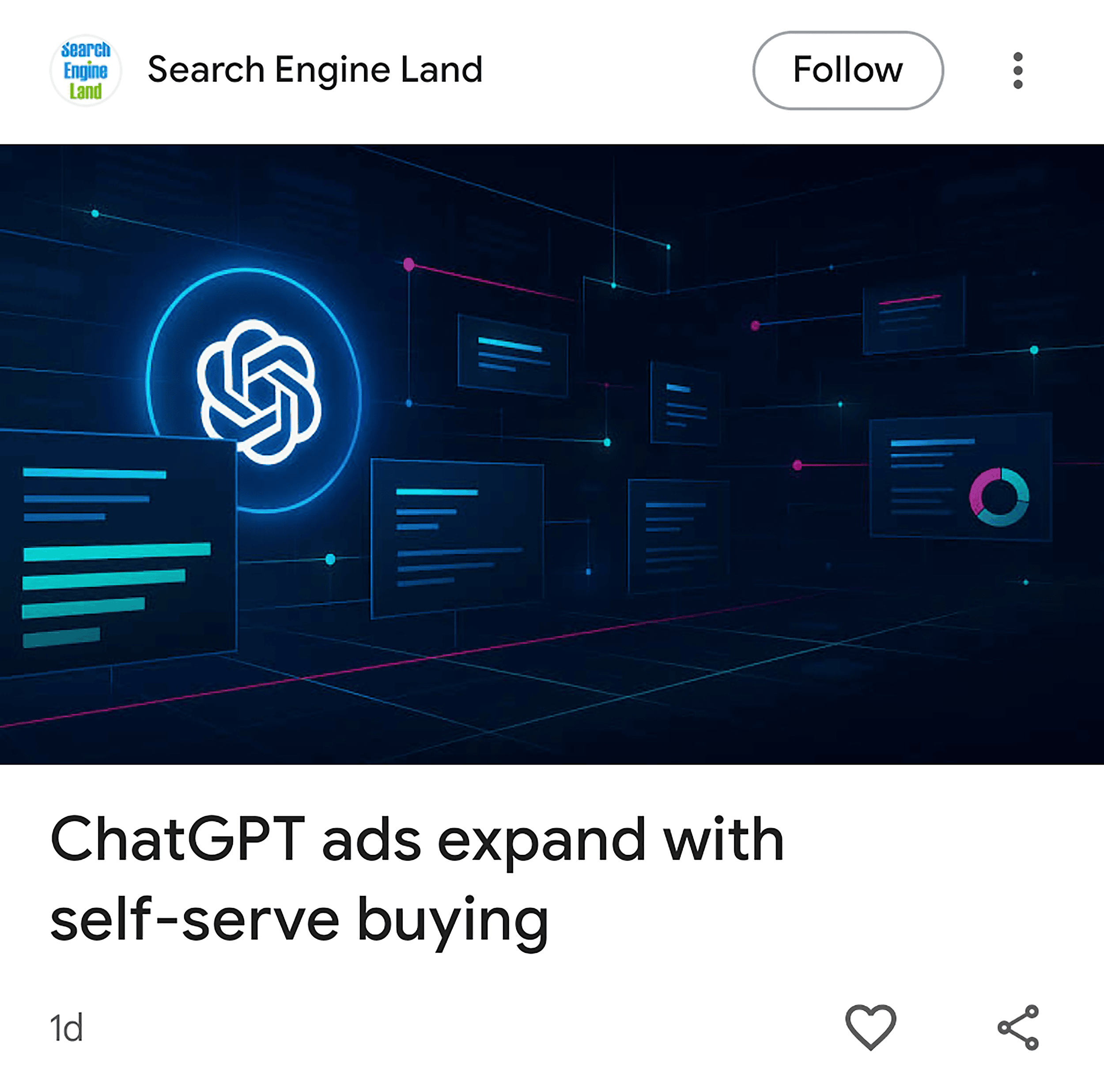
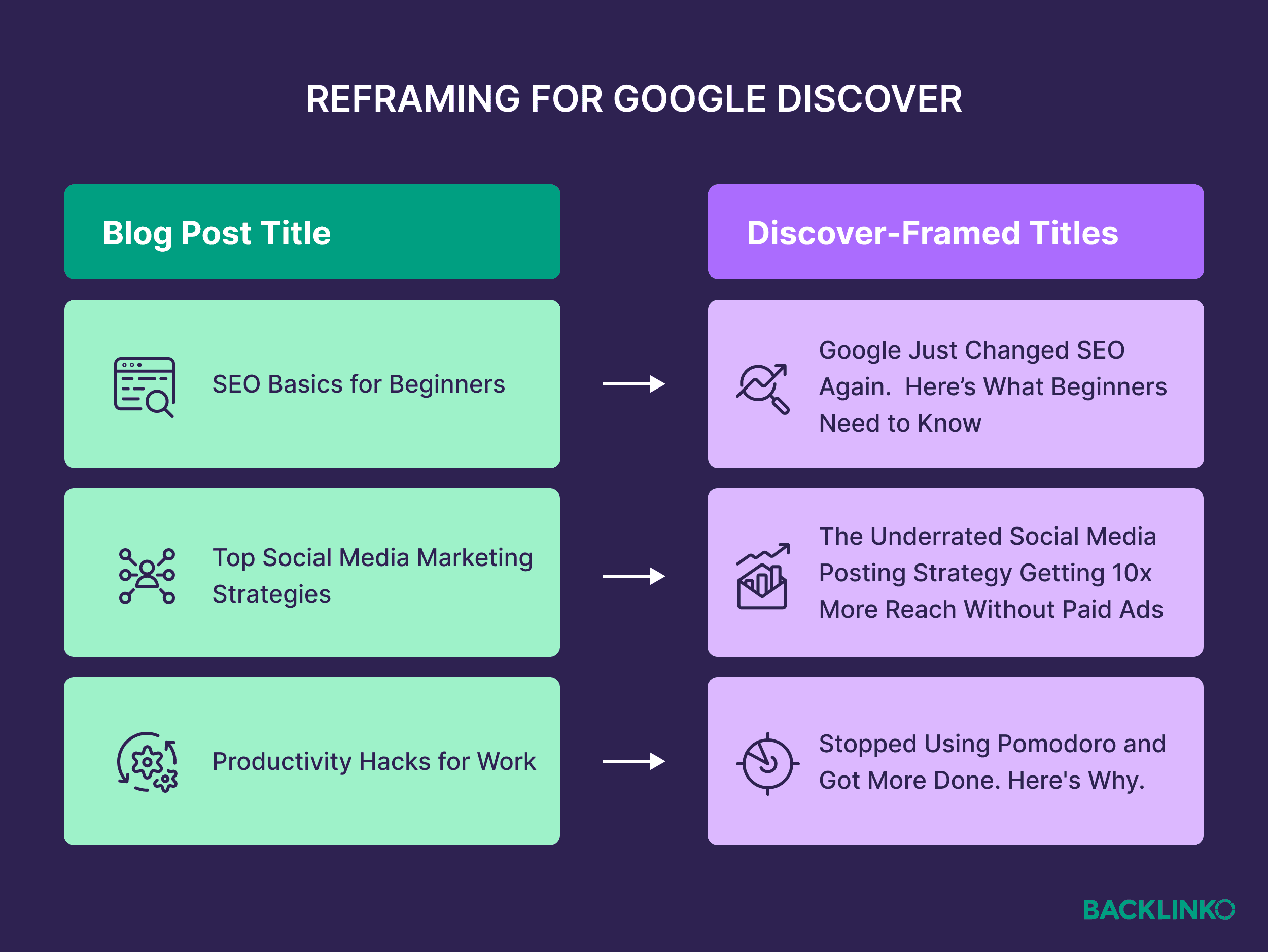
To optimize for Discover, the packaging of the content is just as vital as the substance. The headline must convey urgency or stakes, and the featured image must be high-resolution (1200px+) with a clear, compelling focal point. Because users in the Discover feed are often consuming content across a wide variety of interests, a brand’s packaging is competing with news, sports, and entertainment. Brands that adopt an editorial mindset, focusing on high-tension headlines and high-quality visuals, are far more likely to gain placement.
Conversion Optimization in a Zero-Click Era
As AI assistants increasingly provide answers directly within the search interface, the traffic that does reach a website is likely further along the decision-making path than ever before. This "pre-educated" visitor has a higher expectation of efficiency. Consequently, the website must remove all friction.
Conversion rate optimization (CRO) in 2026 is about auditing for "anxiety." If a site is slow, navigation is opaque, or trust signals are missing, the visitor will leave. Brands should conduct a comprehensive audit focusing on the pages closest to the final transaction. For ecommerce, this means product pages; for B2B, this means pricing and demo pages. Removing barriers—such as unnecessary form fields or lack of social proof—directly impacts revenue per visitor.
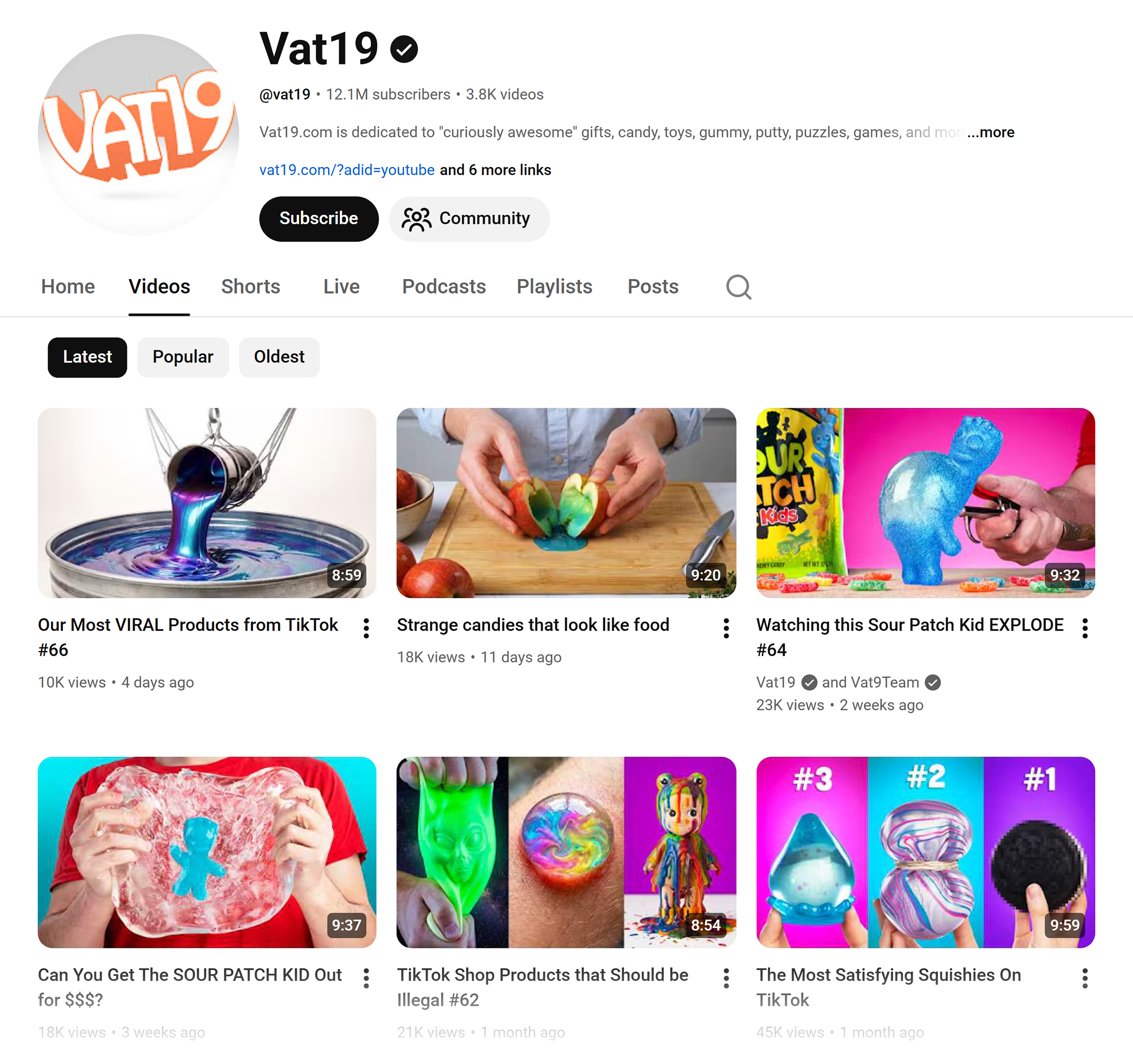
This experience should be extended through behavioral email marketing. By triggering specific, personalized emails based on user behavior—such as a visit to a pricing page or the abandonment of a shopping cart—brands can sustain engagement while the lead is still "warm." Utilizing the psychological principle of reciprocity, brands can provide value (e.g., a relevant case study or a discount) that encourages the user to complete their purchase.
Humanizing the Brand to Combat AI Saturation
As AI-generated content becomes ubiquitous, the "human premium" is rising. Audiences are increasingly seeking the perspective, nuance, and personality that only a real person can provide. Brands that lean into visible leadership and employee advocacy are finding they have a distinct competitive advantage.
Thought leadership should be the primary vehicle for this humanization. By articulating a unique point of view on industry trends, founders and subject matter experts can establish a voice that AI cannot mimic. When this leadership is tied to a specific individual—whether it is the CEO or a lead content strategist—it scales trust.
To implement this, organizations should designate specific team members to represent the brand publicly. These individuals should contribute to community forums, speak on podcasts, and maintain active, professional profiles on LinkedIn. When an individual’s professional identity is clearly linked to the brand’s mission, they become a conduit for trust. The goal is not to promote the company in every post, but to contribute to the industry discourse, providing the human context that builds loyalty and differentiates the brand in a crowded marketplace.
The Strategic Imperative of Community Engagement
Modern website marketing requires a presence in the communities where the target audience congregates. Whether it is a niche subreddit, a specialized Slack community, or a regional Facebook group, the mandate is the same: show up as a contributor, not a promoter.
The first step in this strategy is observation. Brands should dedicate time to understanding the vernacular, the pain points, and the community dynamics of their target groups. Once a brand has established itself as a helpful, non-intrusive member of the community, it can begin to address specific questions and doubts. This authentic participation earns the kind of trust that no amount of advertising can purchase.

Repurposing for Resonance
Finally, the era of "content multiplication" is over; the era of "content resonance" has begun. Rather than using AI to generate infinite variations of low-quality content, marketers should focus on identifying their highest-performing ideas and repurposing them across different formats.
This approach is validated by data: if an idea gains traction on social media or in a newsletter, it is a prime candidate for expansion into long-form articles, YouTube deep dives, or technical reports. By letting the audience "vote" on topics through their engagement, brands can invest their resources only in content that has already demonstrated the potential to succeed.
In 2026, website marketing is no longer just about the destination; it is about the entire journey. By building authority through consistent messaging, humanizing the brand, engaging with communities, and optimizing for the high-intent visitor, companies can ensure their website remains the effective heart of their digital ecosystem. The brands that succeed will be those that accept that while they may not control the entire digital environment, they can certainly influence the narratives that take place within it.