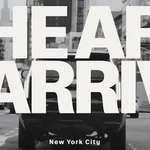

In the fast-paced, high-stakes ecosystem of New York City, the manner in which an individual makes an entrance is frequently perceived as a statement of intent, status, and professional ethos. Yet, far from the flashing cameras, bustling boardrooms, and high-pressure environments that define success in the metropolis, a crucial transitional space exists: the backseat of a luxury vehicle. Capitalizing on this psychological and physical buffer zone, creative agency Zulu Alpha Kilo has partnered with ride-sharing giant Lyft to launch a sophisticated, cinematic advertising campaign for Lyft Black Service. Titled The Art of Arrival, the campaign examines how prominent cultural figures harness moments of transit to mentally prepare for the rigorous demands of their respective industries.
The campaign features a trio of distinct vignettes highlighting three influential New Yorkers from diverse professional backgrounds: legendary New York Rangers goaltender Henrik Lundqvist, television personality and star of The Real Housewives of New York City Sai De Silva, and acclaimed chef and restaurateur Roze Traore. Shot entirely in striking black-and-white cinematography, the spots eschew traditional, high-octane commercial tropes in favor of intimacy, quietude, and psychological reflection. By framing the journey not merely as a commute, but as an essential part of the creative and professional process, Lyft and Zulu Alpha Kilo aim to position Lyft Black Service as an indispensable tool for the city’s elite.
Background Context and Evolution of Luxury Transit
To understand the strategic positioning of The Art of Arrival, industry analysts must examine the shifting landscape of high-end urban mobility. Over the past decade, the definition of luxury transportation has undergone a profound transformation. Traditional black-car services, long dominated by corporate fleets and rigid dispatch models, faced fierce disruption from app-based ride-hailing networks. Initially celebrated for accessibility and convenience, ride-sharing platforms gradually recognized a lucrative opportunity at the upper echelon of the market: consumers seeking the reliability of traditional livery combined with the seamless user experience of modern digital applications.
Lyft Black Service was developed specifically to cater to this discerning demographic. Designed for high-end travel, corporate executive commuting, and special occasions, the tier guarantees premium vehicles, professional chauffeurs, and an elevated standard of comfort. However, standing out in the competitive premium ride market requires more than just offering leather seats and luxury vehicle models. Brands must forge emotional connections with consumers who value time, discretion, and mental well-being above mere conveyance.
Recognizing this, Lyft enlisted Zulu Alpha Kilo—an agency renowned for culturally resonant, insight-driven campaigns—to conceptualize a narrative that elevates the product from a transactional service to a lifestyle enabler. The resulting campaign leans heavily into the unique psychological cadence of New York City, where transitions between high-stress environments demand intentional moments of decompression.
Anatomy of the Campaign: The Three Vignettes
The core of The Art of Arrival rests upon its character-driven vignettes, each offering a distinct window into the professional mindset of its subject. Directed by Kalum Ko and produced through Greenpoint Pictures, the visual language of the campaign relies on stark contrasts, soft lighting, and deliberate pacing. The absence of color strips away distractions, focusing the viewer entirely on the internal state of the passengers.
In the first vignette, former professional ice hockey player Henrik Lundqvist is depicted in a moment of quiet focus. Known globally for his illustrious career as the goaltender for the New York Rangers—where he earned the moniker "King Henrik" and a reputation for performing under immense pressure—Lundqvist exemplifies the mental discipline required at the highest levels of professional sports. In the backseat of a Lyft Black vehicle, the clamor of Manhattan fades away, allowing him to transition from private life to the intense scrutiny of the public eye.
The second vignette features Sai De Silva, a prominent fashion influencer and central figure in Bravo’s The Real Housewives of New York City. De Silva navigates an industry driven by constant visibility, social media engagement, and public appearances. Her segment underscores the necessity of a sanctuary before stepping into crowded rooms and high-energy social engagements where every detail of her presentation will be scrutinized by fans and media alike.
Rounding out the trio is Roze Traore, a celebrated chef whose culinary artistry takes him across global stages and demanding kitchen environments. For Traore, the transit time provides a vital psychological bridge. Whether he is returning to the high-pressure environment of a professional kitchen or heading out to consult on a new culinary venture, the quietude of the vehicle offers a moment to center his thoughts and refine his creative focus.
Leadership Insights and Creative Philosophy
The philosophical foundation of the campaign was shaped by key creative leaders from both the brand and the agency side, who sought to challenge conventional advertising wisdom regarding luxury and status.
Cass Zawadowski, Executive Creative Director of Lyft Global, emphasized the often-overlooked value of transit time in a city as relentless as New York. "In New York, the way you arrive matters," Zawadowski noted. "लेकिन what happens before that matters just as much. We wanted to honor the part of the ride no one talks about: those few minutes of quiet luxury in transit, when you can put the phone down, collect yourself and walk in ready. Whether it’s Henrik getting his head in the game, Sai heading into a crowded room or Roze on his way back to the kitchen, everyone needs that space, and that’s what Lyft Black is really giving you."
Tim Gordon, Chief Creative Officer at Zulu Alpha Kilo, pointed to a broader cultural fatigue with superficial displays of luxury in modern marketing. According to Gordon, contemporary audiences have grown increasingly skeptical of hollow brand polish, preferring authenticity and genuine cultural alignment.
"Audiences have grown tired of polish for its own sake. They’re looking for taste they actually trust," Gordon stated. "So, we went to real New Yorkers with real influence, people who’ve earned their place in this city’s culture, and let them tell their stories from the backseat. Lyft Black is part of how they move through New York, and that says more than any ad line could."
Comprehensive Production Credits and Collaborative Effort
Bringing a cinematic campaign of this scale to life required an extensive collaboration between corporate marketing teams, creative strategists, production specialists, and post-production artists.
The Lyft marketing team was spearheaded by VP of Marketing Dan Freidman, Senior Director of Brand Marketing & Creative Brooke Papri, Group Brand Marketing Manager Kayla Osmond, and Brand Marketing Manager Amy Allen-Smith. Additional strategic oversight was provided by Senior Manager of Media Ange Mendoza, Marketing Program Manager Meg Norton, Global ECD Cass Zawadowski, ACD Tyler Schell, Senior Art Director Natasha Romanelli, Group Production Manager Ellen Black, Producer Jackie Pal, Communications Manager Lily Zahn, Social lead Ramsey Shindell, Senior Director of Luxury & Livery Ben Metcalf, and GM of New York Peter Day.
On the agency side, Zulu Alpha Kilo deployed a robust creative and operational unit. Chief Creative Officers Tim Gordon and Jenny Glover guided the overall creative vision, supported by Chief Strategy Officer Heather Segal and Executive Creative Director Chris Colliton. The creative execution was driven by Associate Creative Director (Copy) Dylan Thompson and Associate Creative Director (Art Direction) Carlos Veras, alongside Design Director Dejan Djuric. Production logistics were managed by Business Group Director Tara Collins, Account Director Matthew Vares, Creative Workflow Director Michelle Philpott, Head of Production Ola Stodulska, Executive Producer Kelly Mikhael, Producer Ryan Siddon, and Director of Culture & Influence Will Garden.
Production was executed by Greenpoint Pictures, led by Owner Michael Kuhn, Creative Director Niles Roth, Executive Producer and Partner Tatiana Rudzinski, Head of Production Karen Berkowitz, and Executive Producer Bethany MacMillan, with line production managed by Amalia Bradstreet. Director Kalum Ko led the visual storytelling on set, supported by 1st AD Nick Sossi Romano and Director of Photography Danyal Khan Niazi.
Post-production and visual effects were handled collaboratively. Greenpoint Pictures provided internal editing services via Editor Joe Walker and Executive Producer of Post Victoria Vallas. Finishing, visual effects, and color grading were executed by Studio FEATHER, featuring Lead Finishing and VFX Artist Dequieria “DQ” Atherton, Colourist Kevin Wu, Managing Director Sara Windrim, Head of VFX Colin Cunningham, and Executive Producer Emily Goldberg. Finally, the auditory landscape of the campaign—crucial for establishing the tranquil, immersive tone of the vignettes—was crafted by Grayson Music Group, including Executive Producer and Partner Kelly McCluskey, Senior Producer Clare McGonigle, Audio Engineer Eric Hulme, Music & Voice Director Ali Willa Milner, and Sound Designer Ben Swarbrick.
Broader Impact, Market Implications, and Future Outlook
The launch of The Art of Arrival arrives at a critical juncture for the premium ride-share sector. As urban centers fully resume pre-pandemic rhythms of corporate travel, entertainment, and high-end dining, competition among mobility platforms to capture high-value consumers has intensified. By eschewing functional selling points—such as wait times, vehicle models, or pricing tiers—Lyft and Zulu Alpha Kilo have chosen to compete on an emotional and psychological plane.
This strategy reflects a broader trend in modern brand marketing: the elevation of service tiers through lifestyle alignment. Rather than telling consumers that Lyft Black is luxurious, the campaign demonstrates what luxury actually feels like to individuals who operate at the apex of their fields. By aligning the brand with figures like Lundqvist, De Silva, and Traore, Lyft successfully anchors its premium service within the cultural fabric of New York City.
Furthermore, the campaign highlights the evolving role of agencies like Zulu Alpha Kilo in shaping brand narratives that resonate across digital and traditional media channels. By utilizing long-form cinematic vignettes distributed digitally alongside targeted social media integration, the campaign maximizes reach while maintaining artistic integrity.
As urban professionals continue to navigate the complexities of modern working life, the demand for spaces of respite within transit will likely grow. Through The Art of Arrival, Lyft Black Service has established a compelling narrative framework that reframes the mundane commute as a sacred prelude to success—ensuring that when New York’s luminaries finally open the door to the city, they do so with absolute clarity, focus, and poise.