
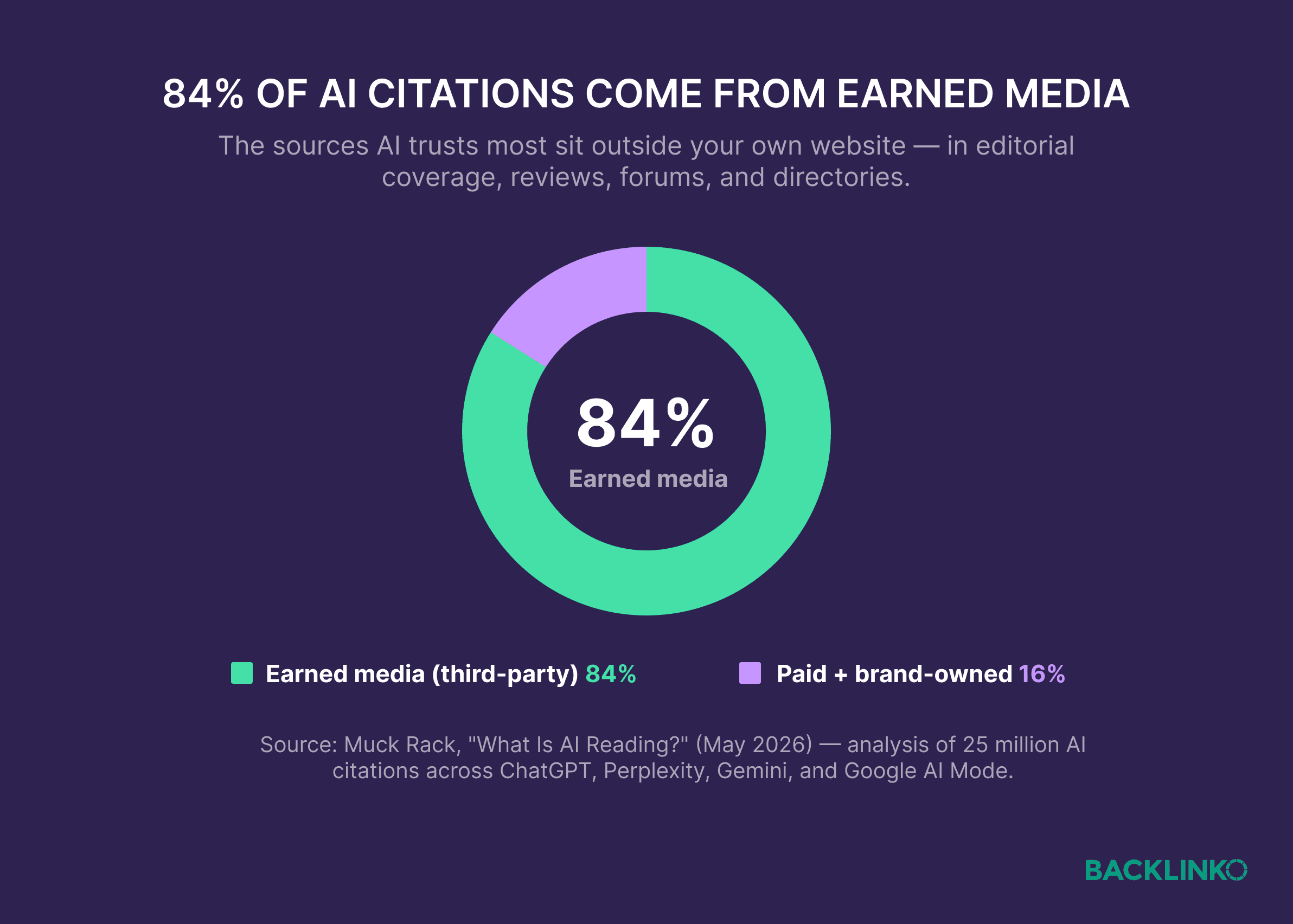
The landscape of search engine optimization is undergoing its most significant transformation since the inception of the commercial internet. As generative artificial intelligence (AI) increasingly dictates how information is discovered and consumed, a new paradigm has emerged where digital public relations (PR) serves as the primary catalyst for visibility. According to a comprehensive study by Muck Rack, 84% of citations generated by AI search models originate from earned media—third-party sources such as editorial coverage, reviews, and independent forums—rather than a brand’s own digital assets. This shift underscores a fundamental reality in the era of Large Language Models (LLMs): third-party validation now carries more weight than self-promotional content.
The Evolution of Search: From Indexing to Synthesis
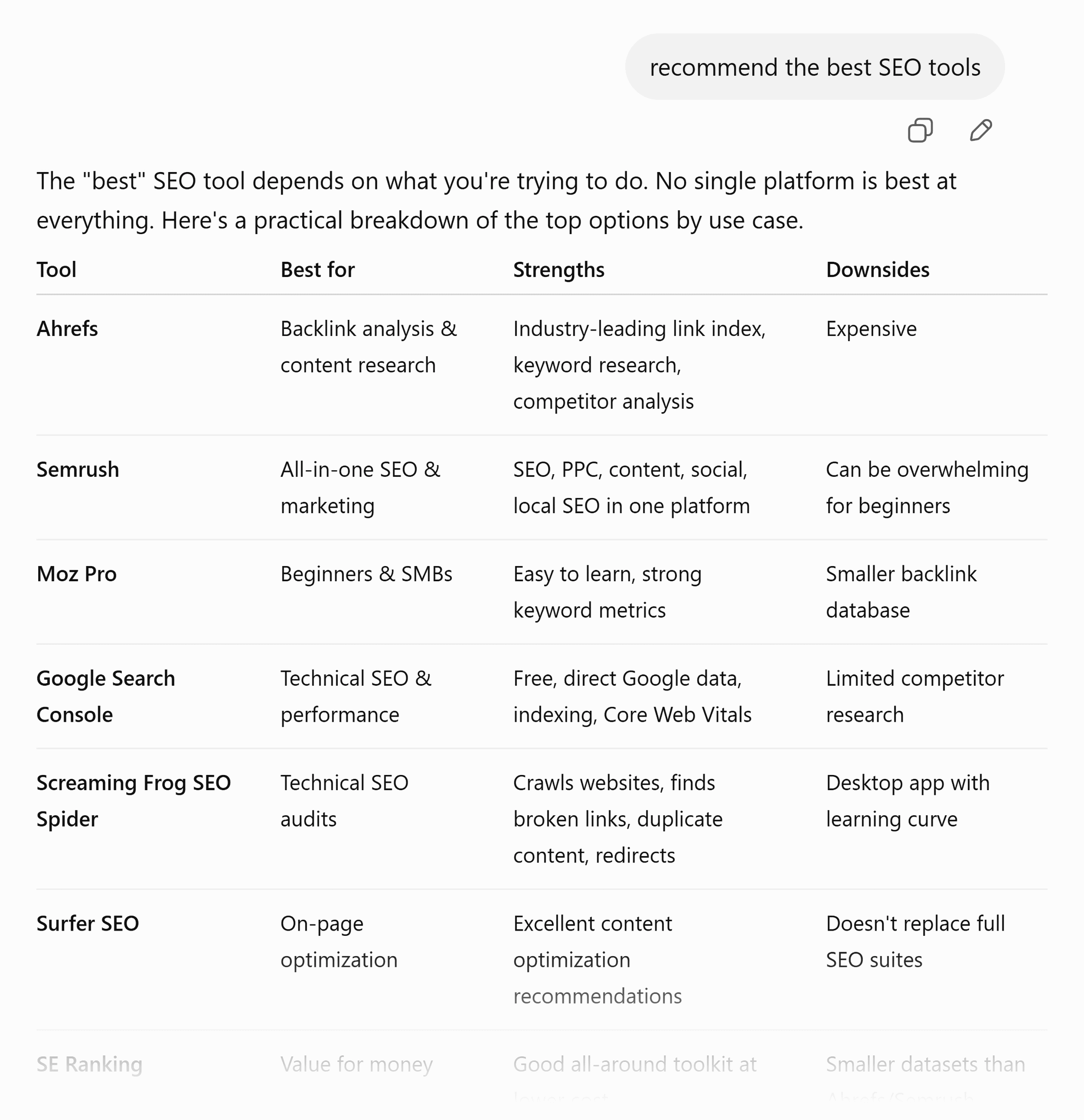
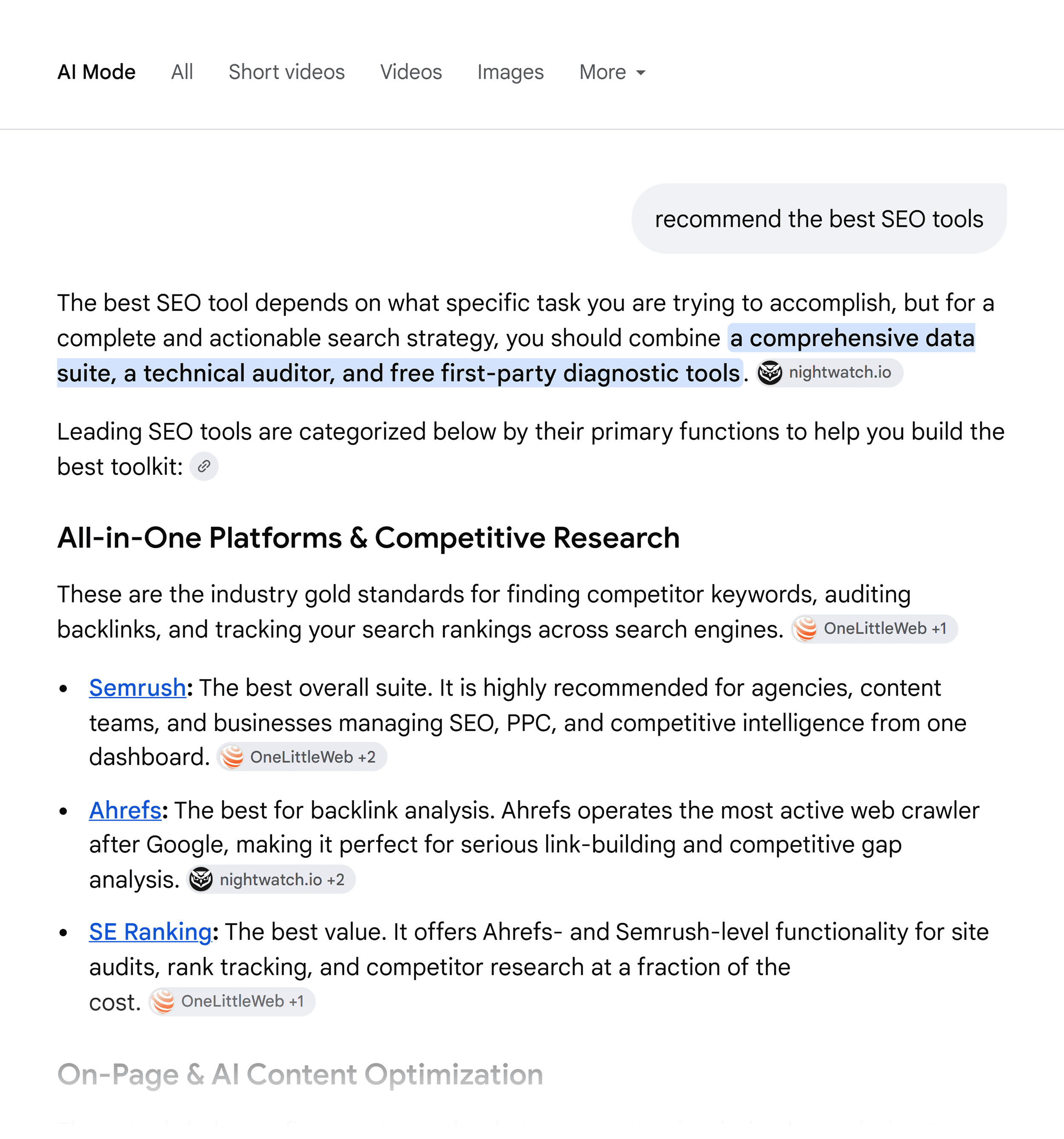
For over two decades, the goal of search marketing was to optimize for "ten blue links." However, the arrival of ChatGPT, Google’s AI Overviews, and Perplexity has shifted the focus toward synthesis. These AI systems do not merely point users toward websites; they aggregate data from across the web to provide a single, cohesive answer.
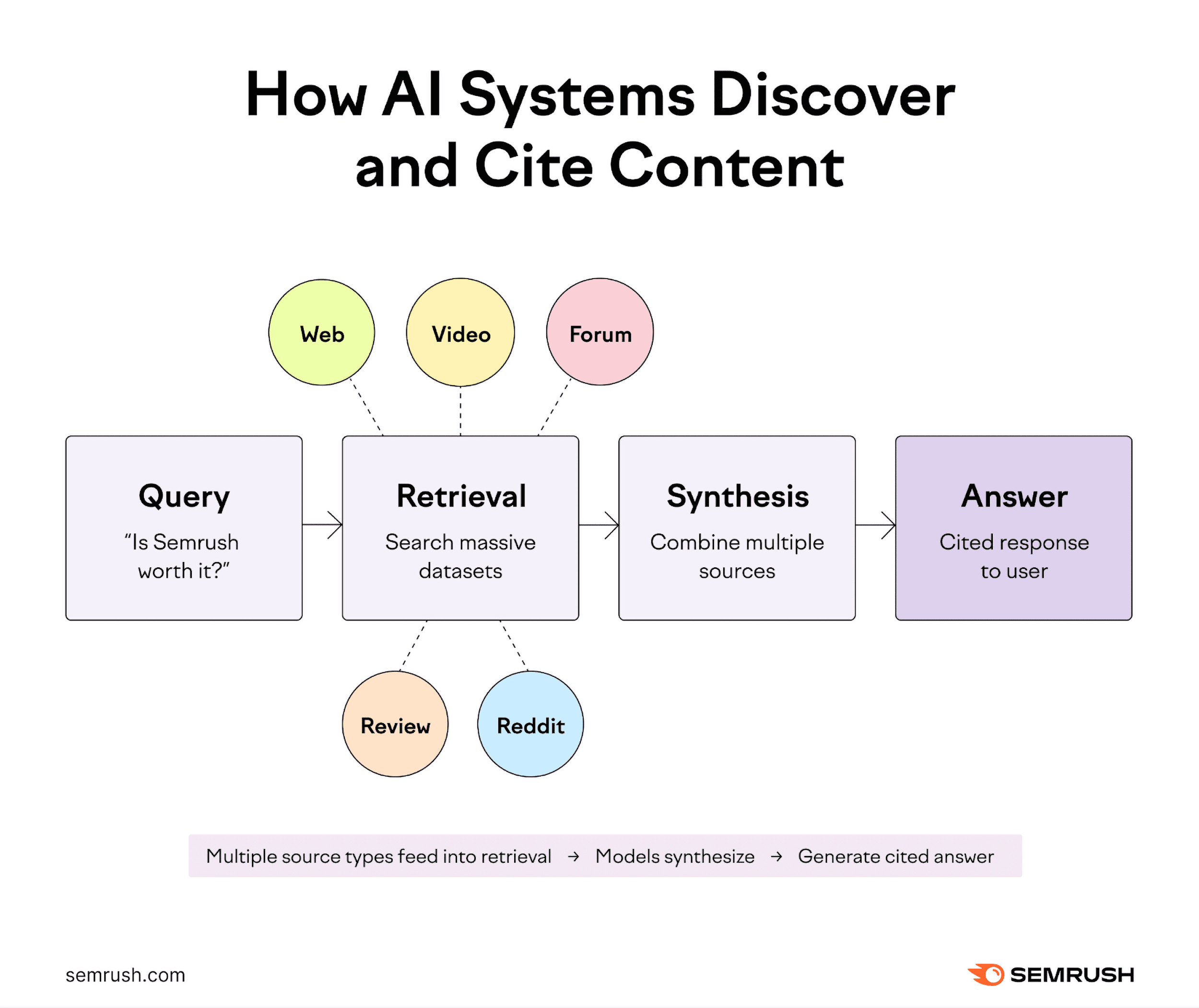
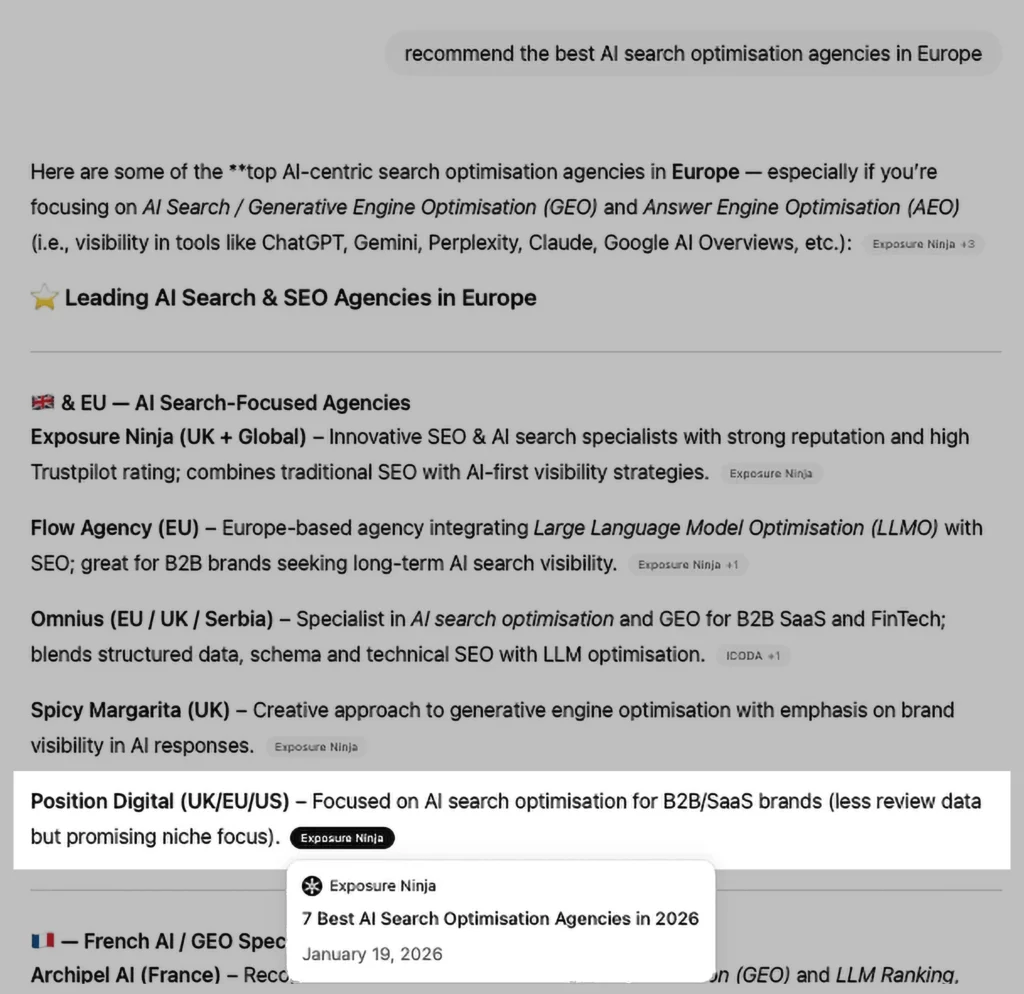
In this new environment, visibility is no longer just about ranking for a specific keyword on a private domain. Instead, it is determined by the frequency and sentiment with which a brand is mentioned across a broad ecosystem of trusted publications. AI models function as sophisticated pattern-recognition engines. When a brand name appears consistently across diverse, authoritative sources, the model recognizes it as a reliable entity, increasing the likelihood that the brand will be cited in generated responses.
The Data-Driven Reality of AI Citations
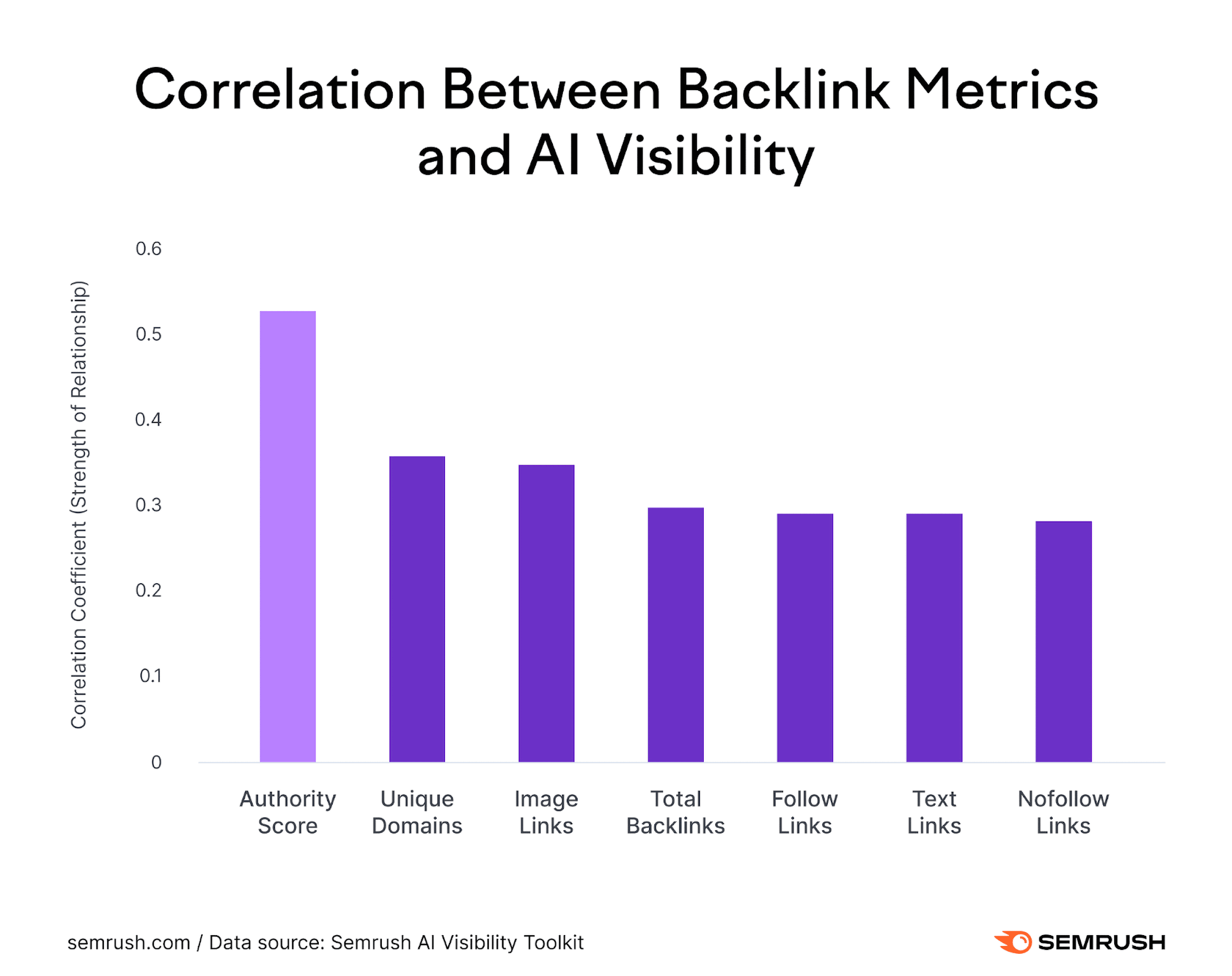
The shift toward earned media is supported by a growing body of industry research. A recent analysis of 1,000 domains conducted by Semrush revealed a direct correlation between backlink authority and AI visibility. The study found that brands with a robust profile of high-quality backlinks—specifically from sites with a Domain Authority (DA) of 60 or higher—are significantly more likely to appear in AI-generated answers.
Furthermore, research from Seer Interactive involving 800,000 AI responses indicates that "domain authority" and "off-site mentions" are the top two metrics influencing AI search presence. This data suggests that while on-site SEO remains a prerequisite, the "battleground" for search dominance has moved off-site.
Strategy 1: Data-Led PR and Original Research
One of the most potent methods for securing high-authority mentions is data-led PR. This strategy involves the publication of original research, statistical reports, or industry surveys that offer new insights into a specific niche.
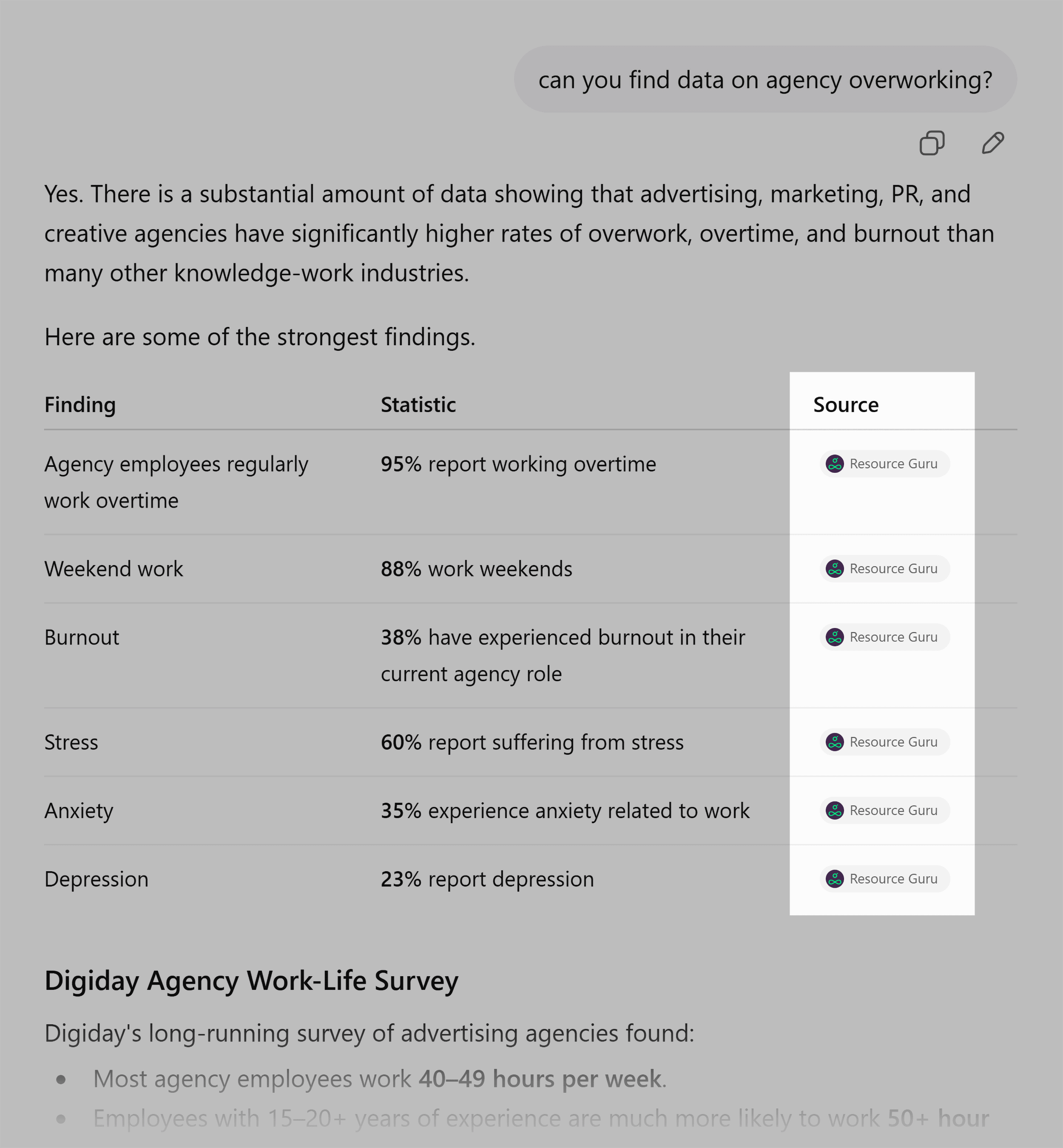
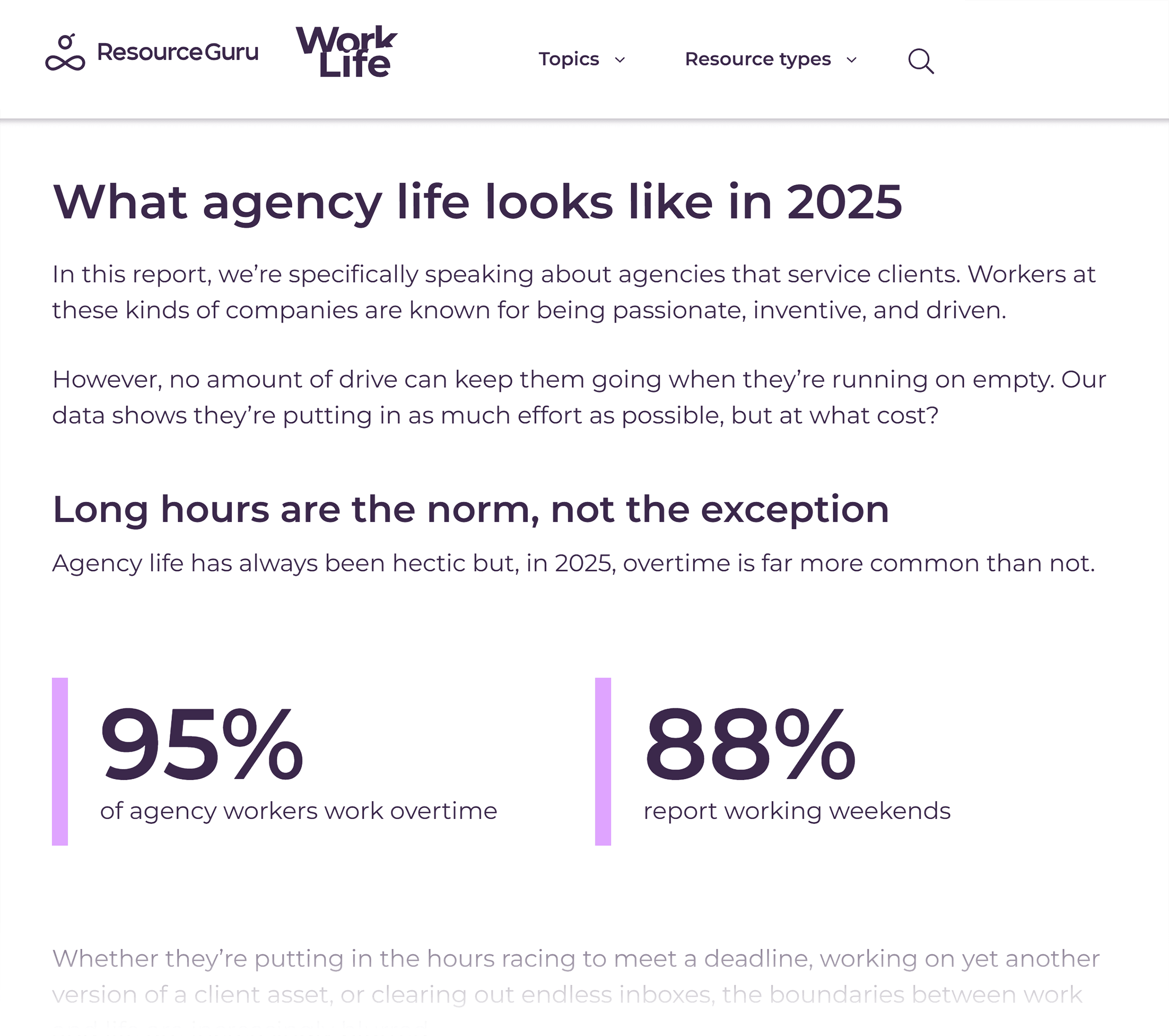
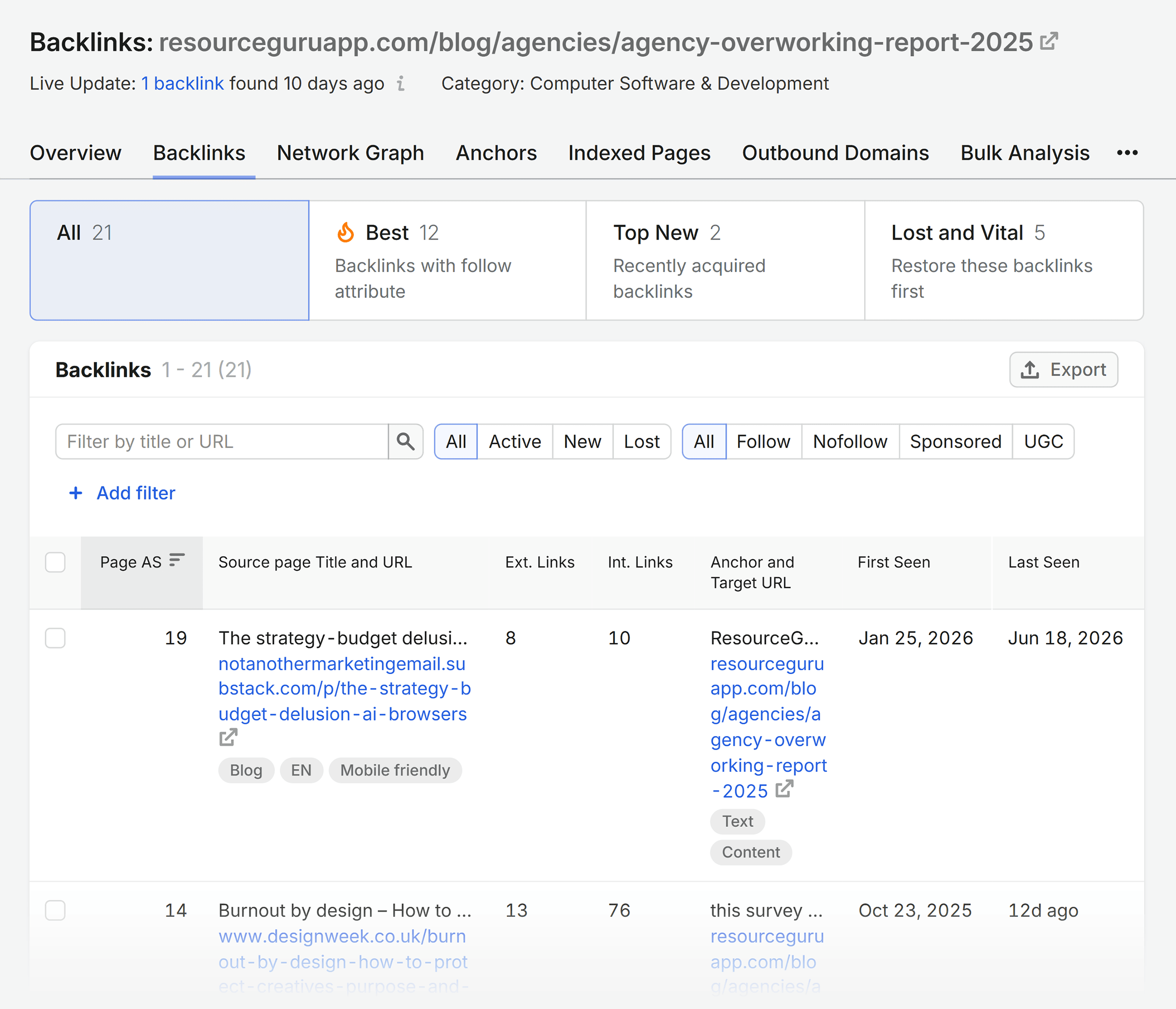
Journalists, bloggers, and industry analysts are perpetually in search of credible data to support their narratives. When a brand provides original statistics, it becomes the primary source for that information. For instance, the "Agency Overworking Report 2025" published by Resource Guru successfully generated 21 natural backlinks from high-tier publications like Forbes. Because AI models prioritize fresh, cited data, this report was subsequently integrated into ChatGPT’s knowledge base, leading to direct citations when users queried the platform about workplace stress in the creative industry.
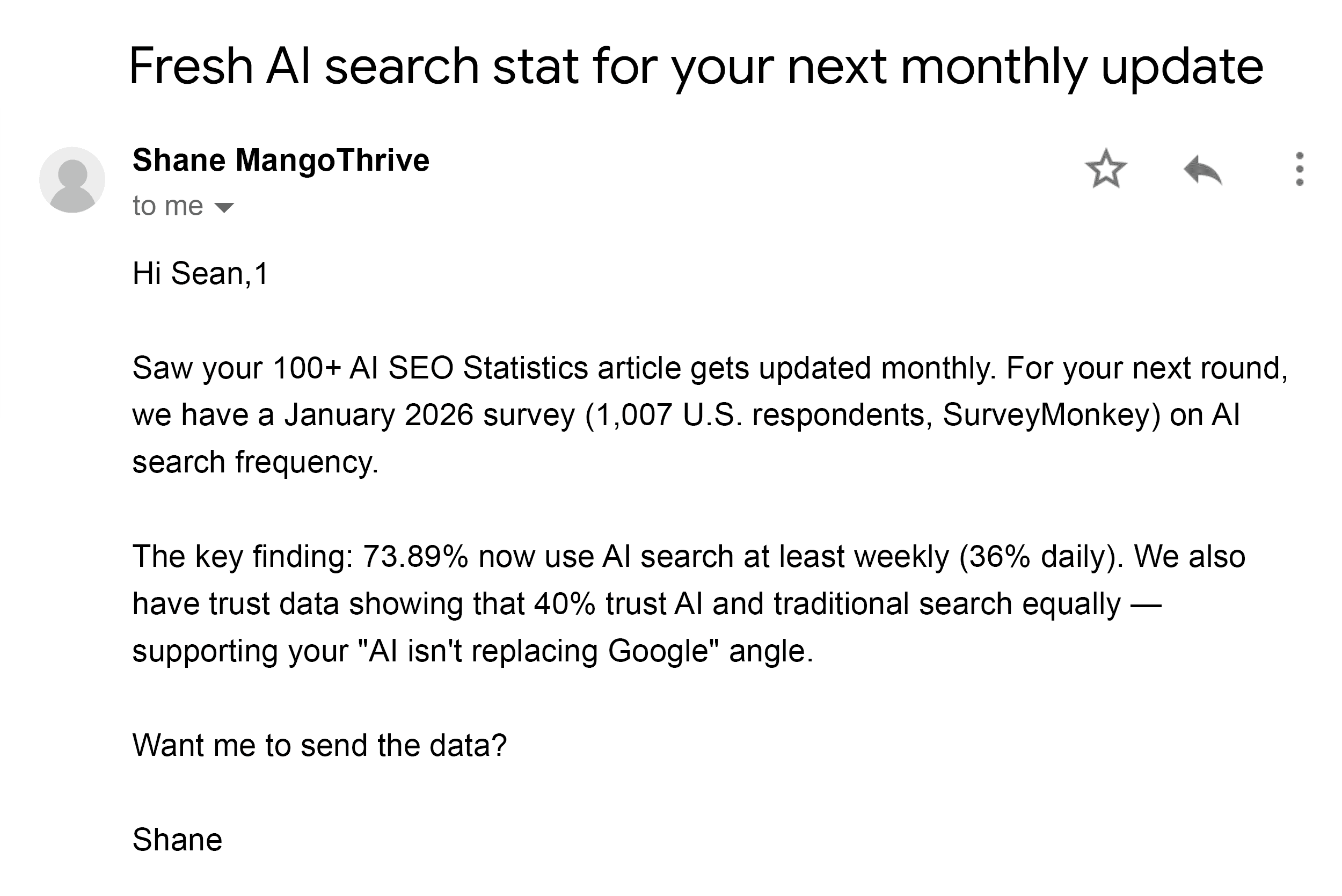
Strategy 2: AI Citation Outreach and Source Mapping
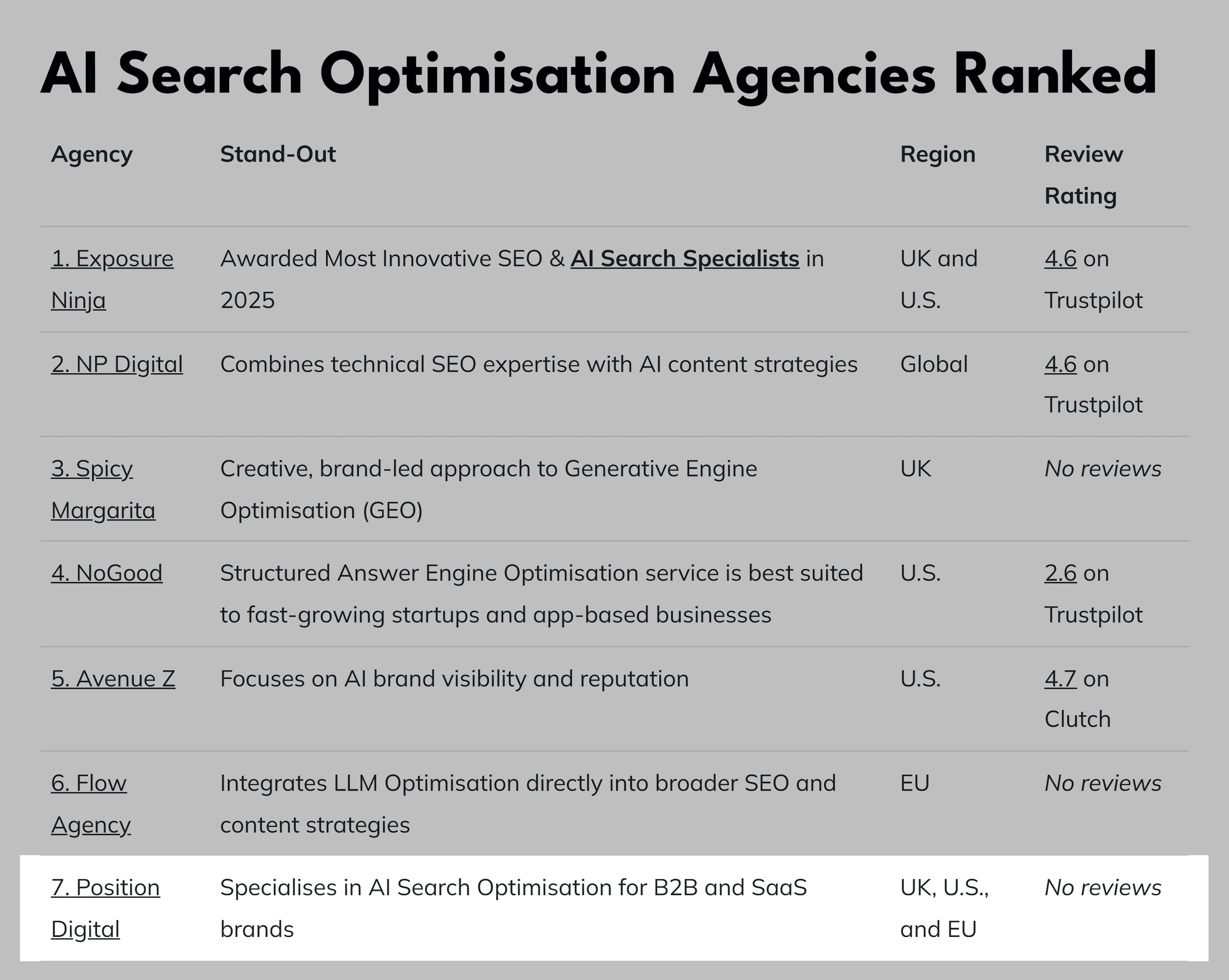
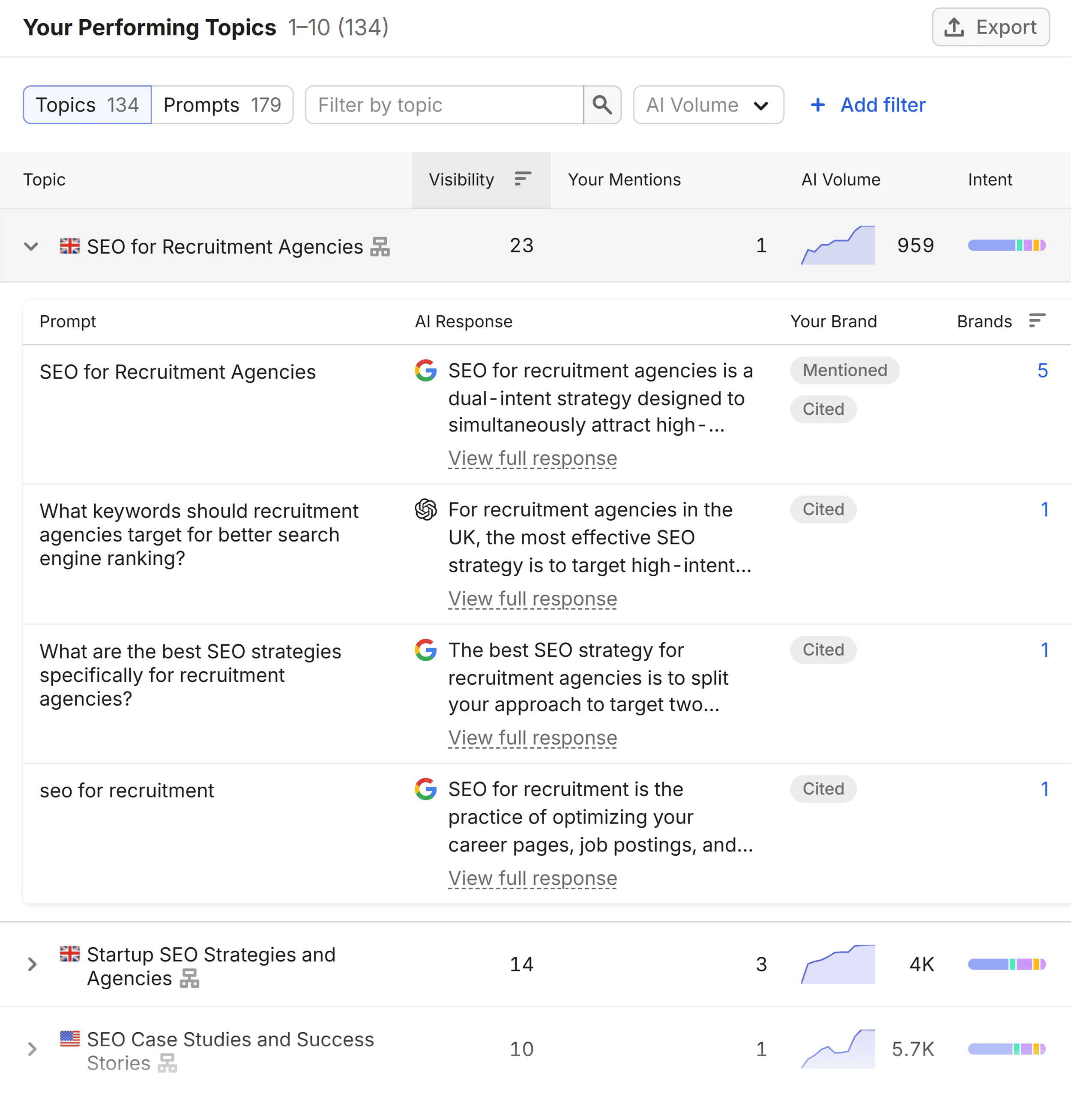
To influence AI answers, brands must identify and target the specific sources that LLMs currently reference. This process, known as AI citation outreach, involves a four-step methodology:
- Prompt Research: Mapping the specific questions and prompts a target audience is likely to input into AI chatbots.
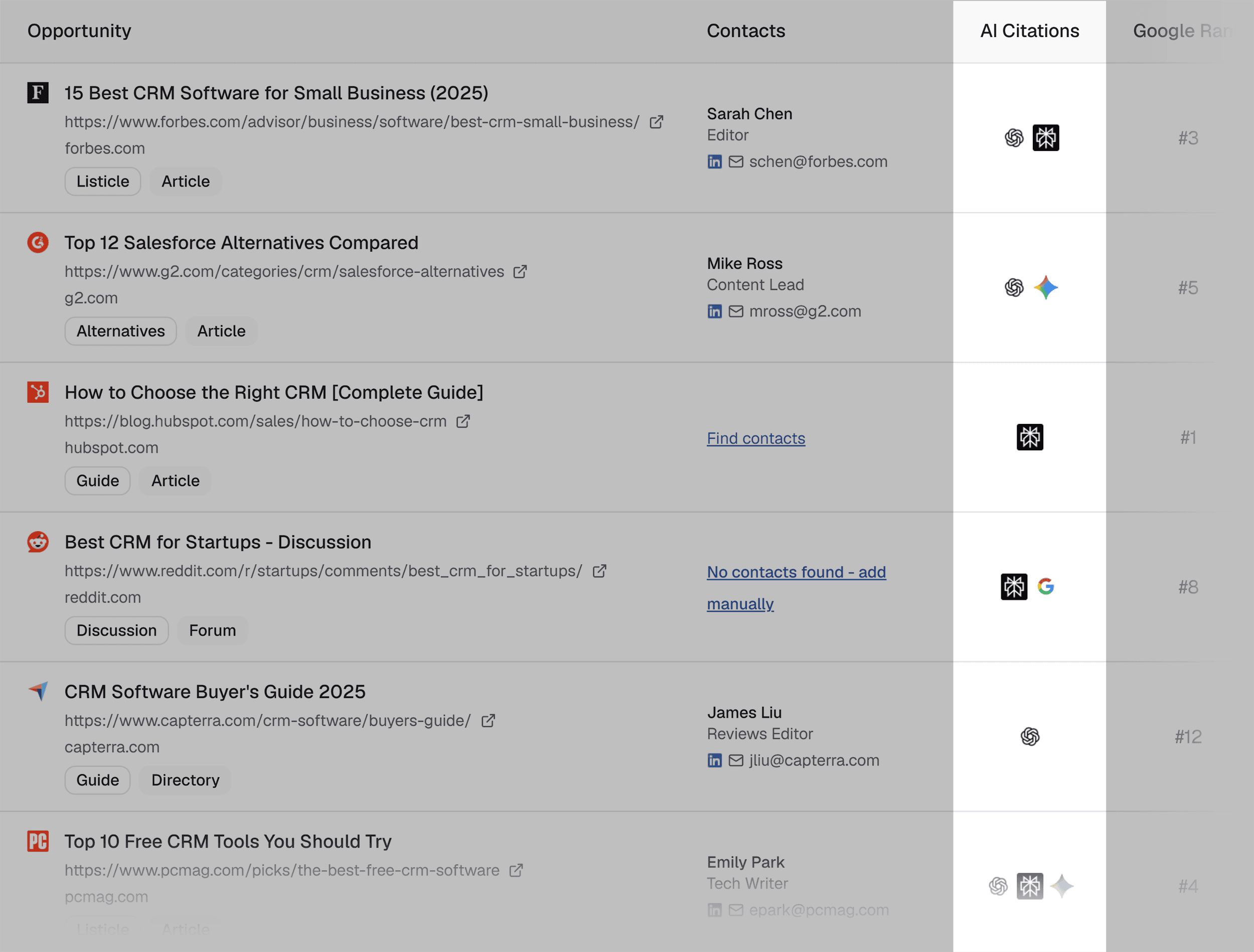
- Source Monitoring: Manually or through specialized tools, identifying which third-party pages (listicles, news sites, or comparison tables) the AI model cites when answering those prompts.
- Gap Analysis: Determining which of those cited pages a brand is currently missing from.
- Strategic Pitching: Reaching out to the editors or authors of those cited pages to secure a mention or inclusion.
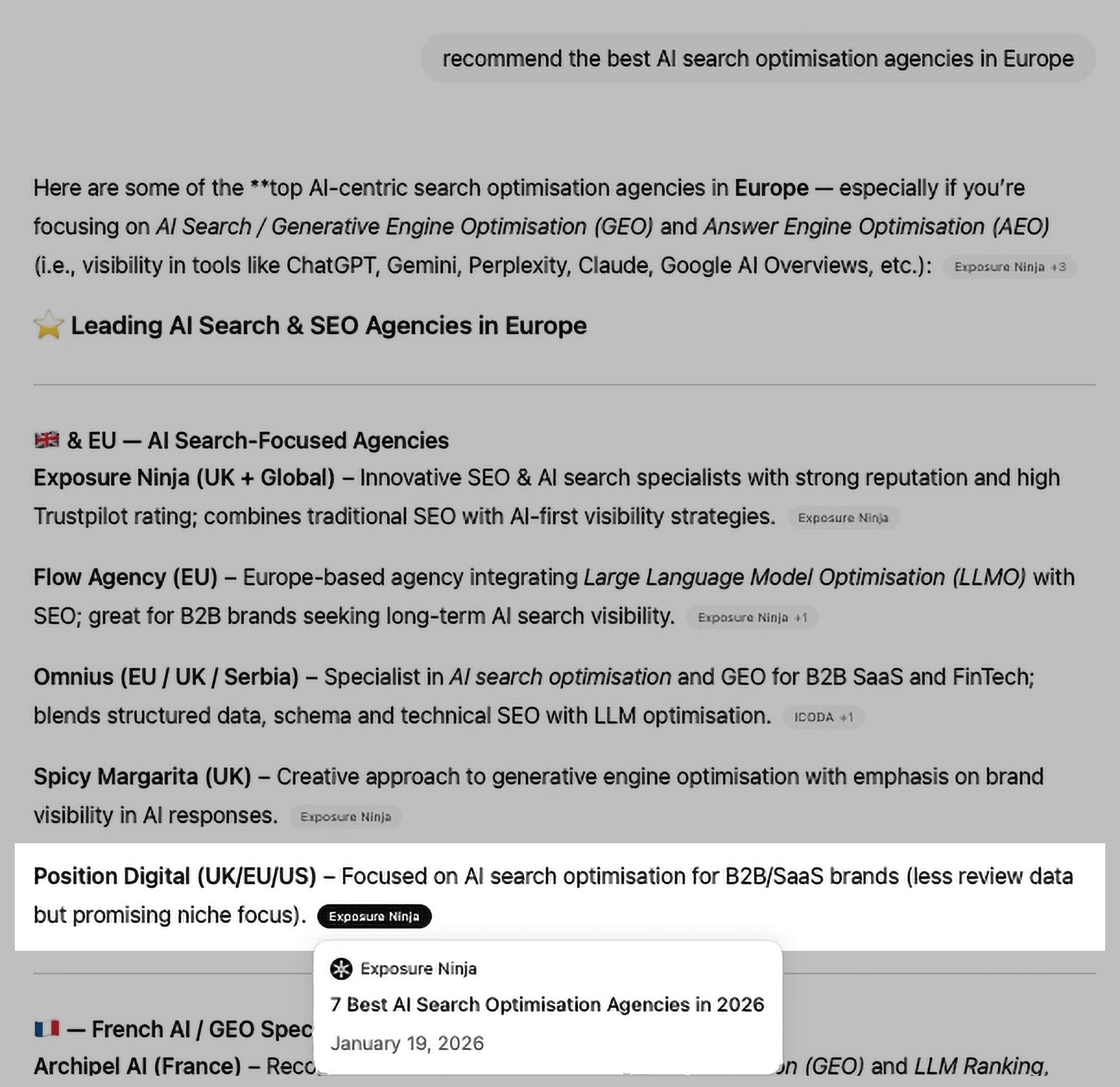
By appearing on the pages that AI already trusts, a brand can "piggyback" on existing authority, effectively inserting itself into the AI’s recommendation loop.
Strategy 3: Reactive PR and Newsjacking
The "cutoff date" for training data used to be a major limitation for AI models. However, modern systems now use Retrieval-Augmented Generation (RAG) to search the live web for current events. This creates a massive opportunity for reactive PR—the practice of providing expert commentary or analysis on breaking news.
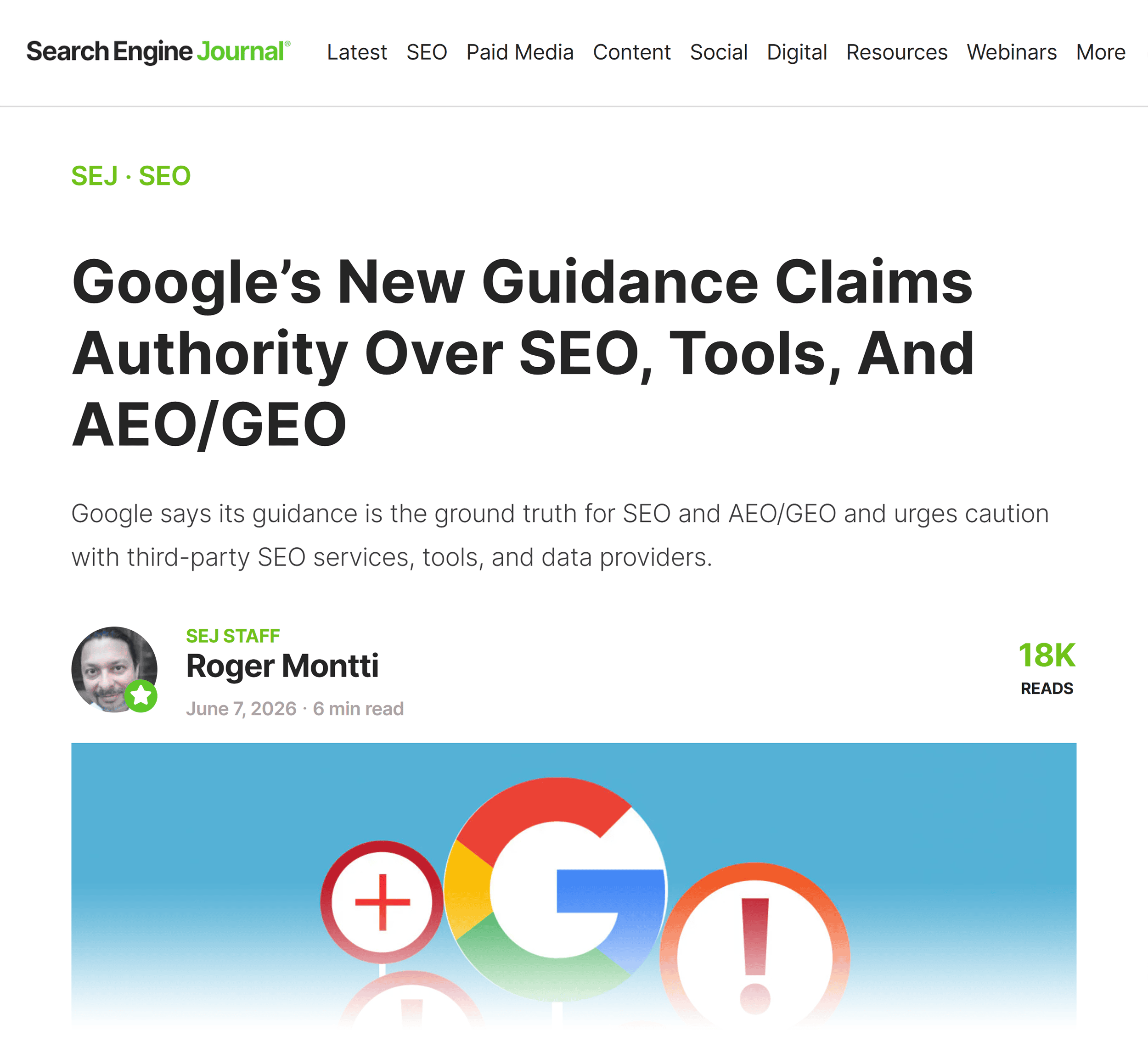
When a story breaks, there is a "citation vacuum" where only a few credible sources exist. If a brand is among the first to publish a useful analysis or a unique data point regarding a trending topic, it has a high probability of being the primary source cited by AI models for that news cycle. A notable example occurred when Search Engine Journal was among the first to report on new Google SEO guidelines; the resulting piece garnered over 500 backlinks and became a staple citation for AI models discussing search algorithm updates.
Strategy 4: The "Ego Bait" and Expert Validation Framework
AI models are programmed to prioritize "E-E-A-T" (Experience, Expertise, Authoritativeness, and Trustworthiness). Incorporating recognized industry experts into brand content—a tactic often called "ego bait"—serves two purposes.
First, it increases the inherent credibility of the content. A study on AI SEO statistics found that pages containing expert quotes receive an average of 4.1 citations in ChatGPT, compared to just 2.4 for pages without them. Second, it creates a built-in distribution network. When experts are featured, they are likely to share the content on their own channels, creating the very mentions and backlinks that AI models use to verify a brand’s authority. Structured content, such as "Top 50 Influencer" lists or expert roundups, is particularly citable because it provides the AI with a clear, organized set of data to synthesize.
Strategy 5: Thought Leadership and Authority Seeding
Thought leadership is the process of establishing a brand or executive as a definitive voice on a subject. Unlike standard SEO content, which is designed to rank for specific queries, thought leadership is designed to spark discussion and challenge industry norms.
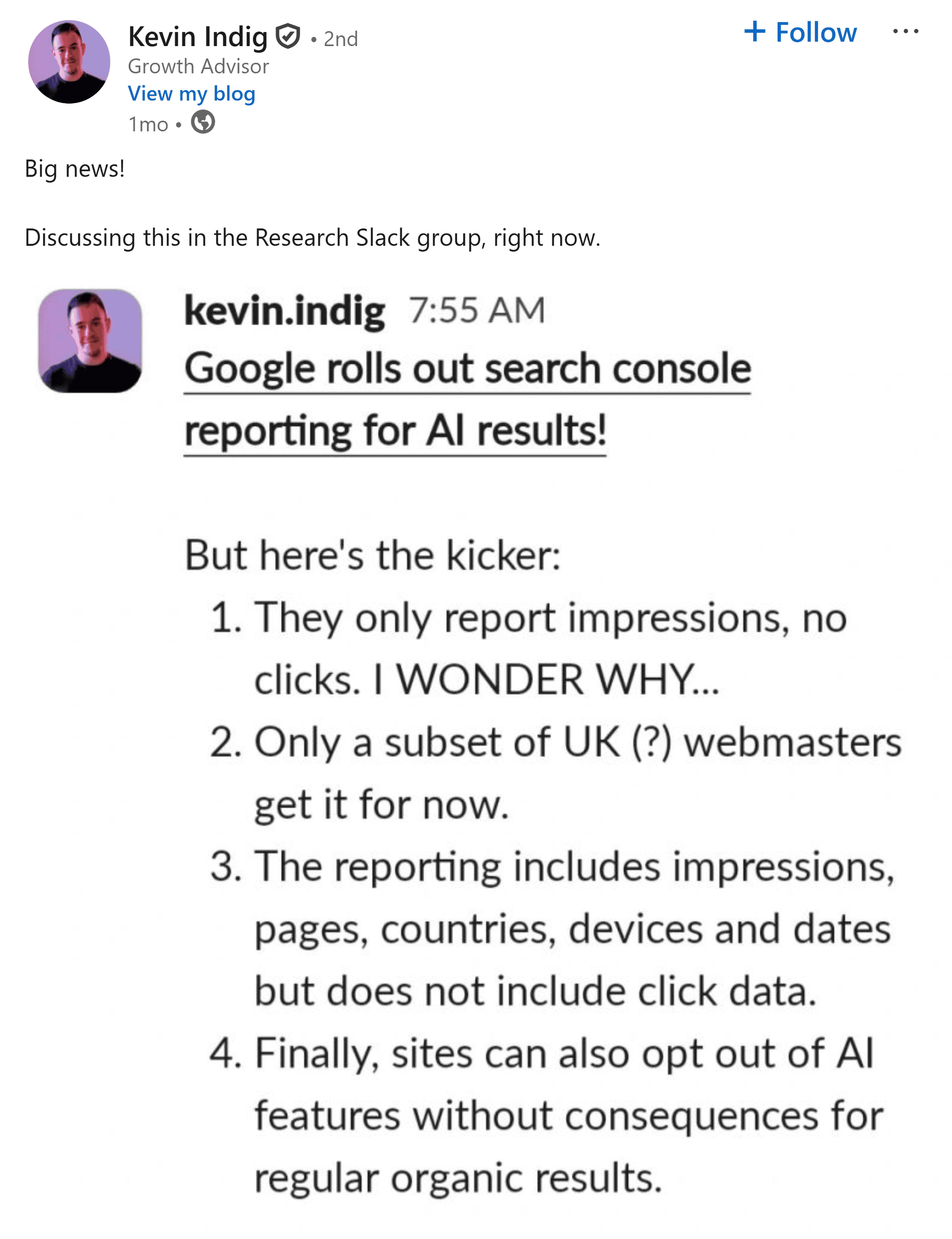
High-engagement content on platforms like LinkedIn is increasingly influential. Semrush research indicates that LinkedIn is currently the second-most-cited domain across ChatGPT, Google AI Mode, and Perplexity. By publishing "contrarian" takes or deep-dive analyses that generate significant comments and shares, brands create "social proof" that AI models interpret as a signal of relevance. Additionally, the "Guest Post Engine" framework—publishing variations of a core idea across multiple high-authority industry sites—creates a cluster of citations that convinces AI models of a brand’s definitive expertise on a topic.
Strategy 6: Community Building and Neutral Platform Validation
Perhaps the most significant finding in recent AI visibility studies is the weight given to neutral, community-driven platforms. AI models frequently prioritize what independent users say on Reddit, Quora, and review sites like Trustpilot or G2 over what a brand says on its own website.
Data from Seer Interactive showed that brands with no Trustpilot profile had a median AI citation rate of only 1%. However, brands with even a handful of reviews saw that rate jump to over 53%. This suggests that "community validation" is a critical trust signal for AI. Brands must engage in these communities—not as overt marketers, but as helpful contributors. Providing meaningful answers in Reddit threads or hosting "Ask Me Anything" (AMA) sessions creates a trail of authentic mentions that AI models use to verify brand claims.
Implications for the Future of Marketing
The move toward AI search signifies the end of "siloed" marketing. The distinction between PR, SEO, and social media is blurring. To win in this new environment, companies must adopt a holistic "off-site first" mentality.
The broader impact of this shift is a return to traditional brand-building values: credibility, relationship-building, and genuine expertise. As AI search continues to evolve, the brands that thrive will be those that prioritize being "talked about" by others rather than simply "talking about" themselves. The goal of digital PR in 2025 and beyond is to ensure that when an AI model scans the digital horizon for an answer, your brand is consistently part of the landscape it discovers.