
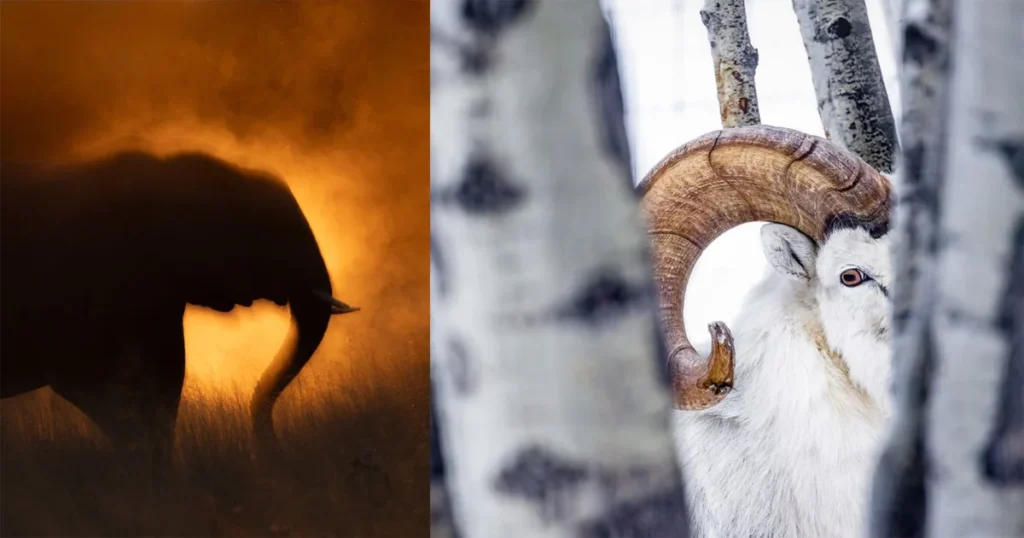

There is a profound paradox at the core of the photographic arts: the most evocative images are often those that choose to obscure, rather than reveal, their subjects. In an era dominated by high-resolution sensors and the relentless transparency of digital media, the strategic use of mystery has emerged as a sophisticated tool for photographers seeking to transcend mere documentation. This approach, championed by professional photographers such as Richard Bernabe, suggests that what is withheld from the viewer’s gaze is frequently more provocative than what is explicitly shown.
The Psychology of Visual Engagement
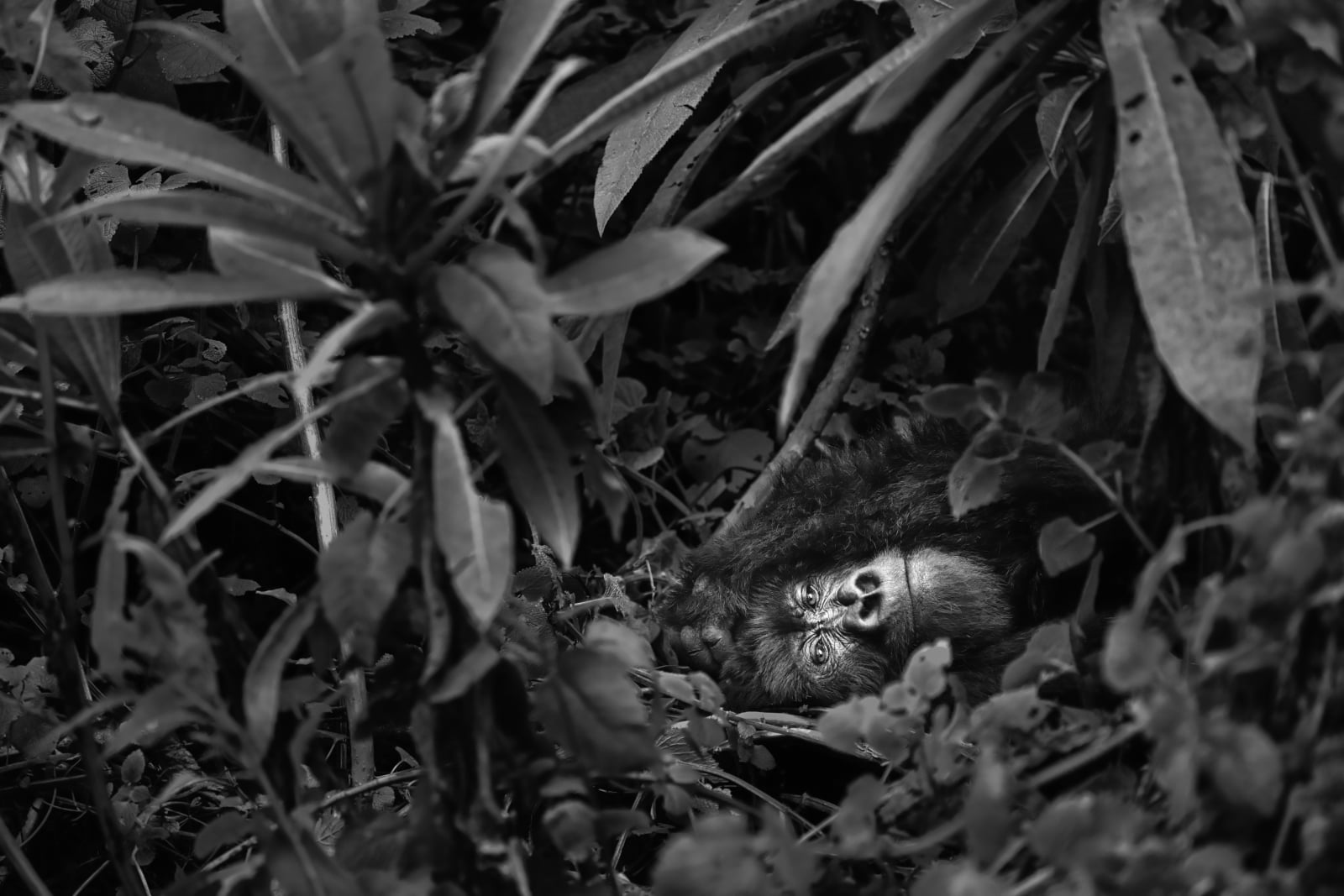
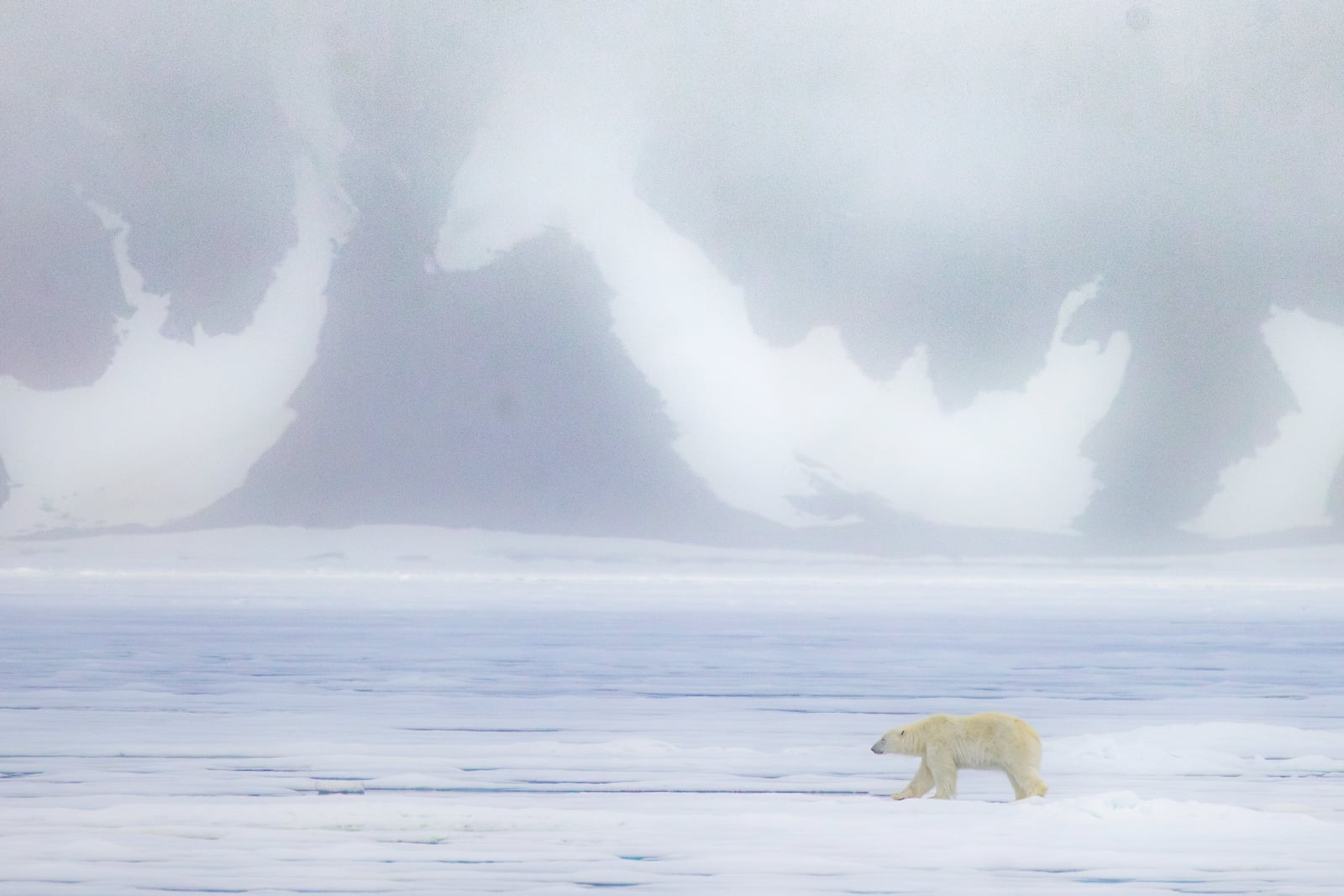
Cognitive science provides a framework for understanding why viewers are drawn to images that present incomplete narratives. Human perception is governed by an innate drive to resolve patterns; when a photograph leaves a subject partially obscured—whether by dense foliage, atmospheric conditions like mist, or the deliberate use of negative space—the viewer’s brain is compelled to participate in the act of creation.
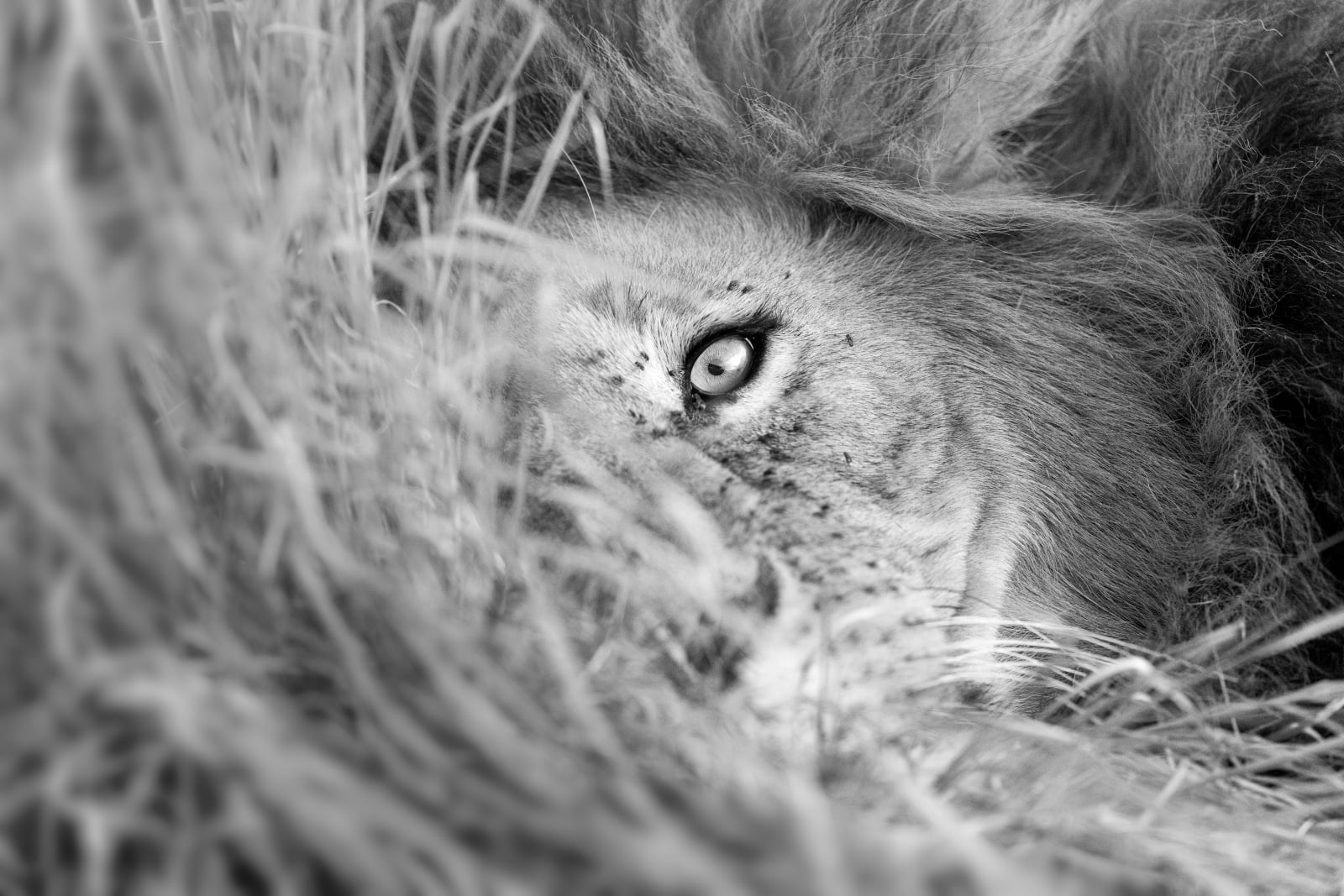
By filling in the blanks, the observer undergoes a psychological shift from a passive consumer to an active participant. This cognitive tension, sometimes referred to as the “Zeigarnik effect” in behavioral psychology, posits that people remember uncompleted or interrupted tasks better than completed ones. In photography, this translates to longer viewing times and deeper emotional resonance. While a high-contrast, fully lit, and perfectly sharp image provides immediate gratification, it often lacks the staying power of an image that requires the viewer to "lean in" and interpret the ambiguous elements within the frame.
Historical Precedents and Artistic Theory
The reliance on mystery is not a new development in the visual arts. For centuries, painters and writers have utilized the "power of the unseen" to build tension. The iceberg theory, famously attributed to Ernest Hemingway, argues that the most impactful narratives are those where the bulk of the meaning remains submerged, allowing the reader to infer the weight of the story without it being explicitly stated.

Similarly, in the realm of fine art, the Mona Lisa has maintained its cultural dominance for over 500 years partly due to its deliberate ambiguity. By refusing to clarify the subject’s emotional state, the artist forces every subsequent generation to project their own experiences onto the portrait. This historical precedent is directly applicable to modern wildlife and landscape photography. When a photographer like Richard Bernabe captures a mountain gorilla in Rwanda partially hidden by vegetation, or tracks of a bear in Alaskan sand, they are employing the same technique: using the absence of the "whole" to suggest a "greater reality."
Technical Methodology: Tools for Obscurity
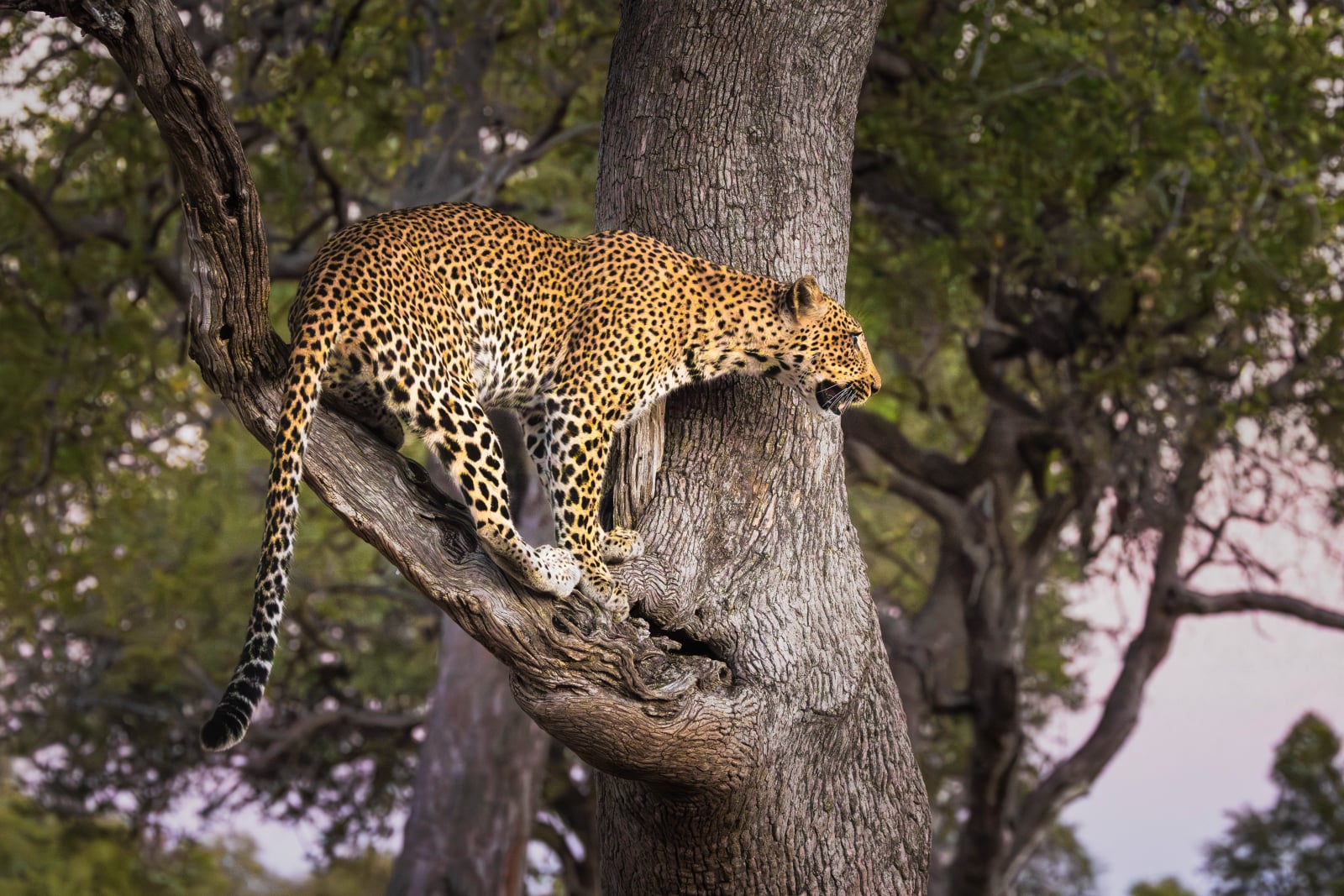
To effectively implement mystery, photographers must master technical variables that prioritize atmosphere over clinical detail. This requires a departure from the "sharp-is-better" paradigm that often dominates modern camera reviews and gear-focused discussions.
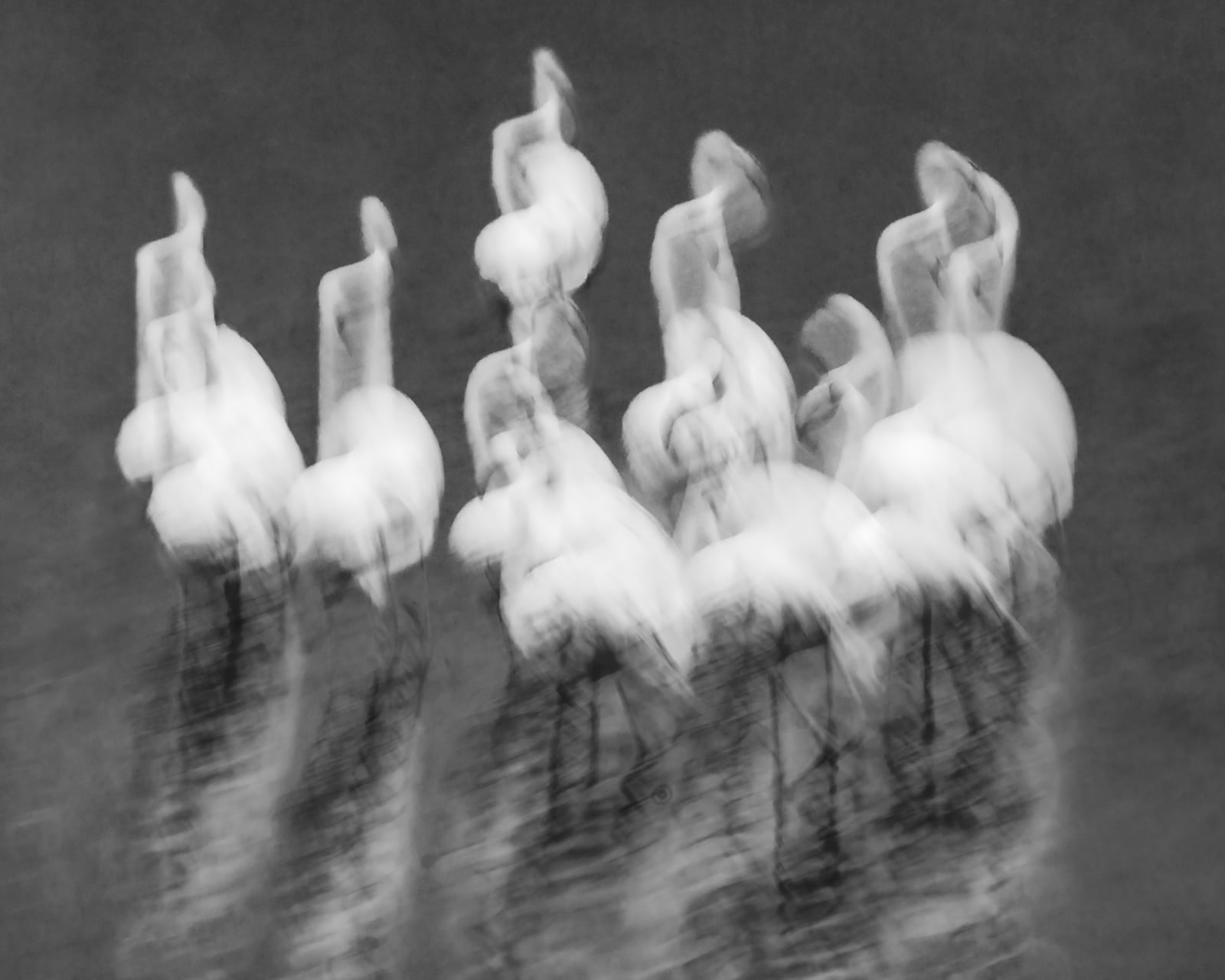
- Long Exposure and Motion: By utilizing slower shutter speeds, photographers can blur the boundaries of a subject, transforming recognizable forms into ghostly, impressionistic shapes. This is particularly effective in landscape photography, such as capturing water movement or wildlife in transition.
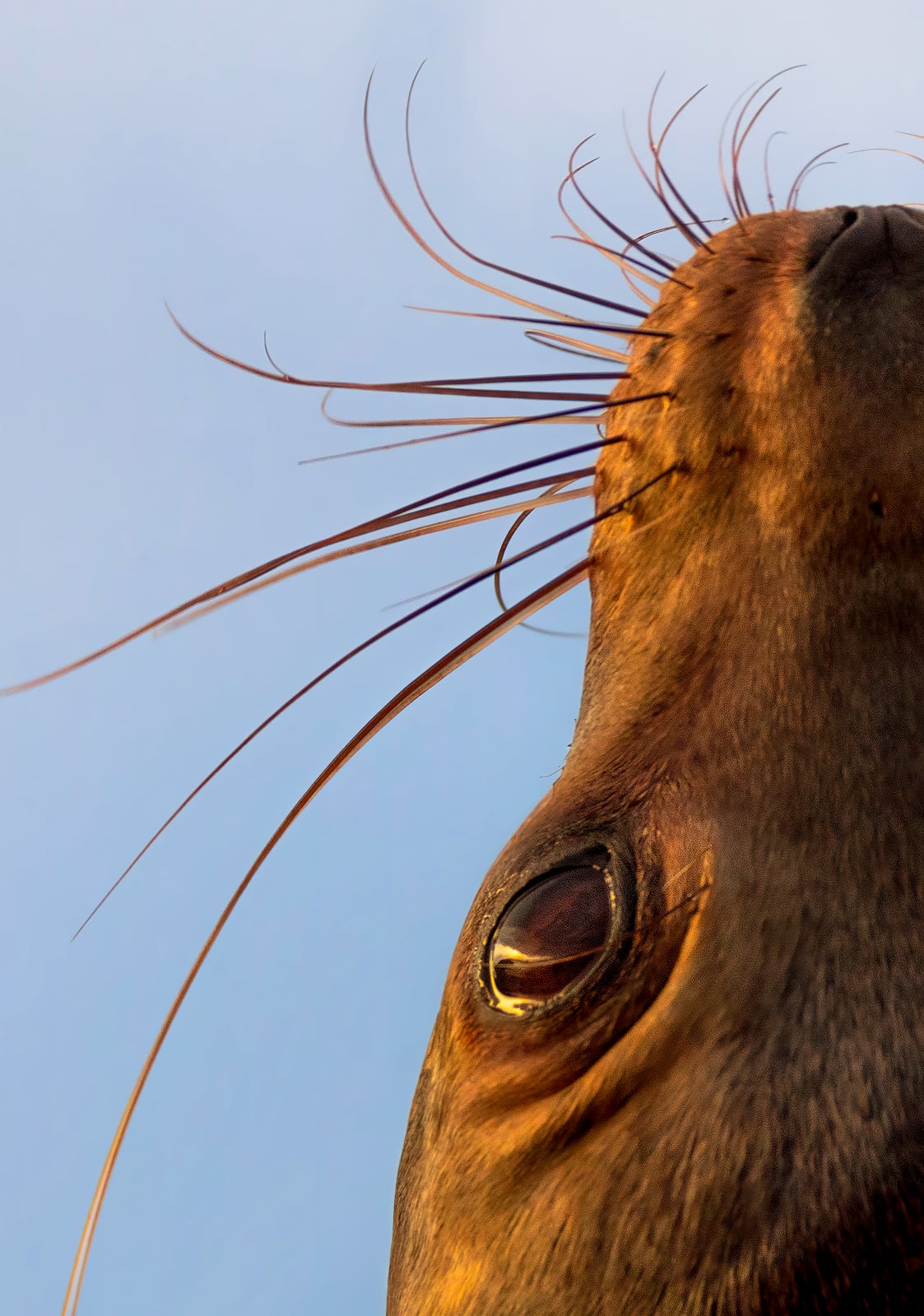
- Depth of Field Manipulation: A shallow depth of field can isolate specific elements while rendering the context into a soft, abstract blur. This guides the viewer’s eye toward a specific, perhaps ambiguous, detail while leaving the rest to the imagination.
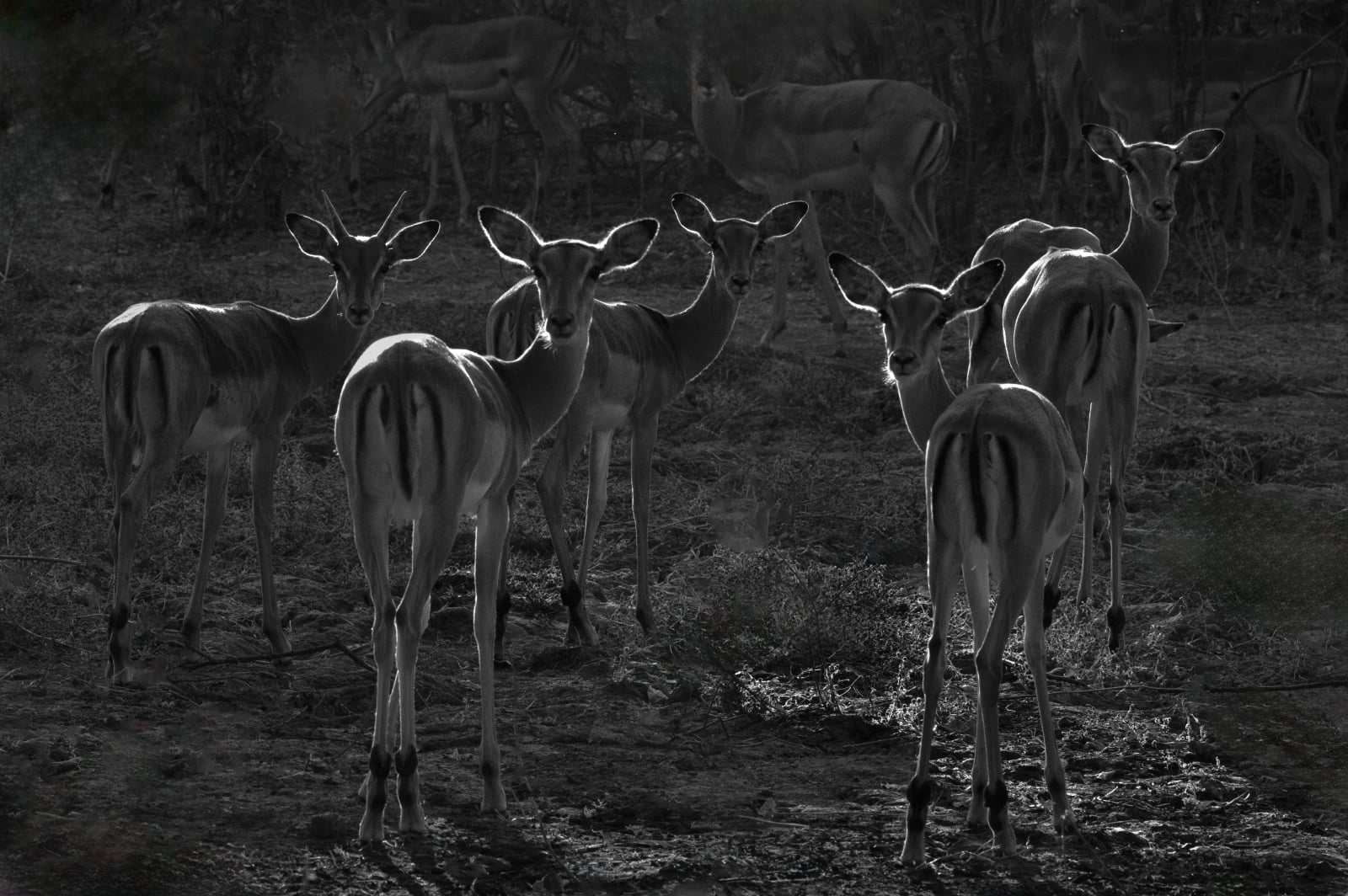
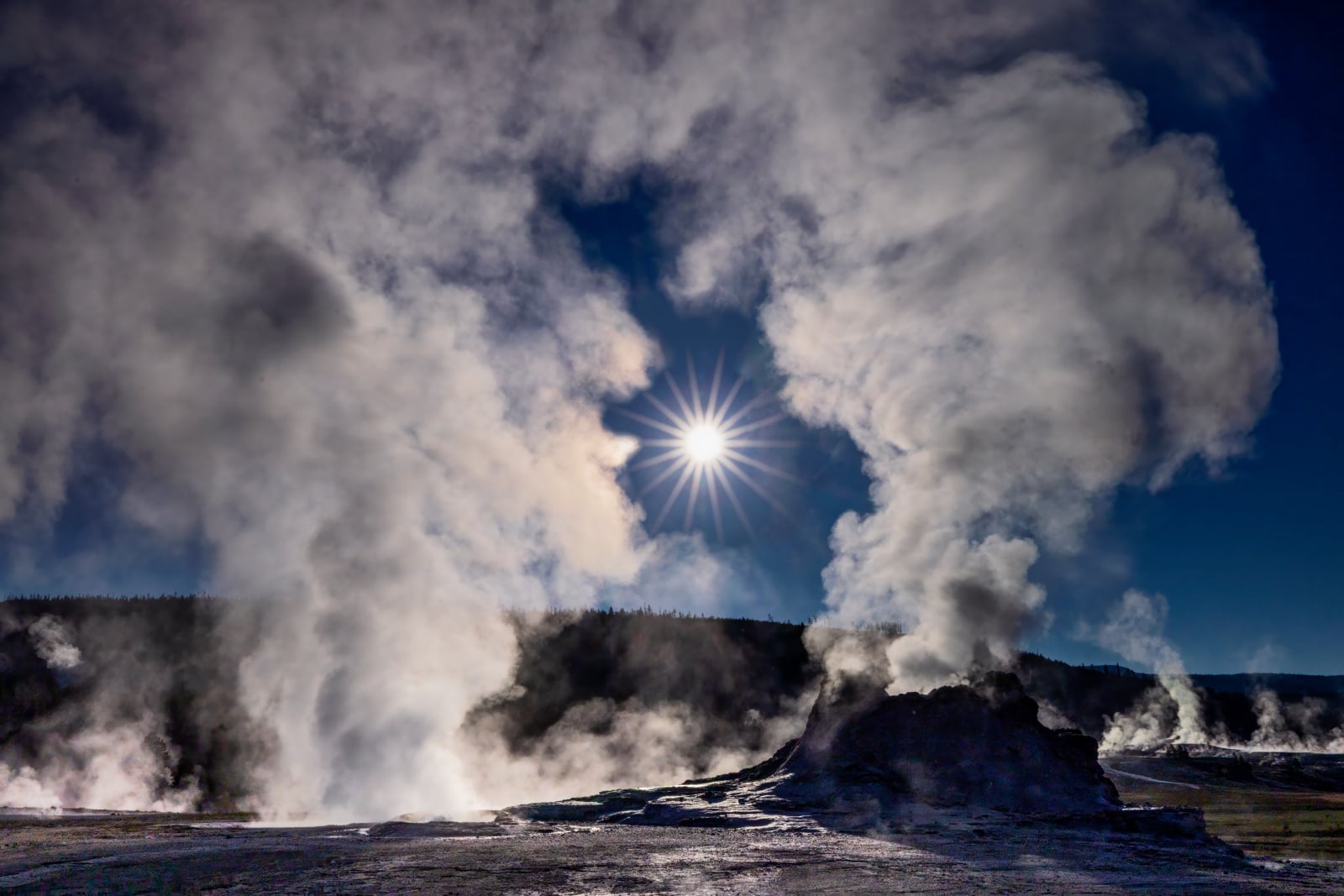
- Backlighting and Silhouette: Obscuring the details of a subject by placing them against a bright light source forces the viewer to focus on form and movement. This technique, frequently used in high-contrast wildlife shots, strips away distracting textures to highlight the essence of the subject.
- Negative Space: Often undervalued by amateur photographers, negative space provides the "silence" in an image. Just as silence in music allows the notes to breathe, negative space in a composition allows the subject to resonate with greater emotional weight.
The Impact of AI and the Human Element
The rise of generative artificial intelligence has created a unique inflection point in the photography industry. As AI-generated imagery becomes increasingly capable of producing "technically perfect" photos—images that are optimized for clarity, composition, and immediate recognition—the value of human-made, nuanced, and intentionally ambiguous photography has increased.

Industry analysts note that AI struggles with the concept of "intentional withholding." Because AI models are trained on datasets aimed at maximizing clarity and subject identification, they often produce images that are literal and descriptive. In contrast, the human photographer’s ability to decide what not to show is a hallmark of conscious intent. This defiance of perfection—the choice to leave a corner in shadow or a subject partially hidden—serves as a testament to the photographer’s perspective, a quality that remains difficult for algorithmic processes to replicate authentically.
Differentiating Mystery from Confusion
A common pitfall for emerging photographers is the conflation of mystery with confusion. From a technical and aesthetic standpoint, the two are fundamentally different. Confusion acts as a barrier to engagement; it occurs when a composition is disorganized or the subject is unintelligible. It repels the viewer because there is no "thread" to pull.
Mystery, conversely, provides breadcrumbs. It is an orderly, intentional suppression of information. A successful mysterious photograph is structured, guiding the eye through a narrative that leads to a question rather than a definitive statement. It is the difference between an image that is simply blurry or poorly framed and one that is intentionally veiled to create an atmosphere of intrigue.

Industry Context: Muench Workshops and Education
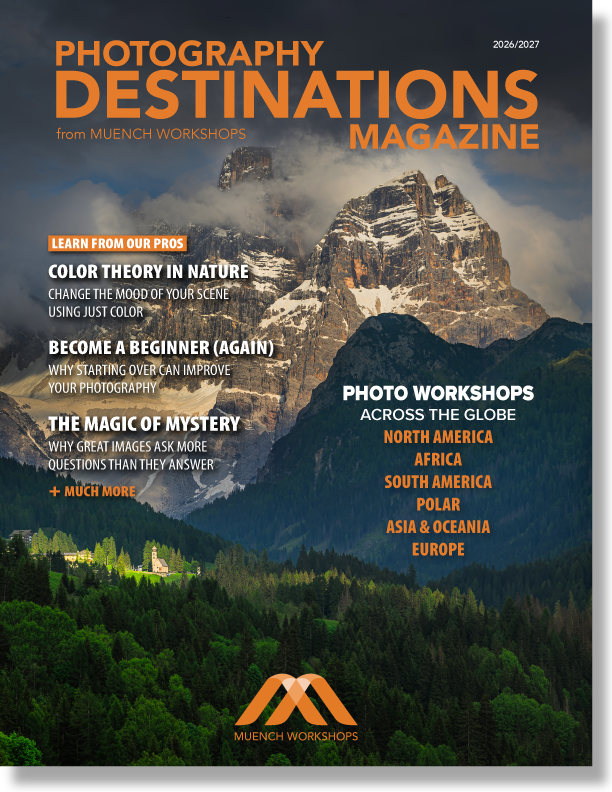
The ongoing discourse surrounding the aesthetic value of mystery is currently being highlighted in professional development initiatives, such as the latest issue of Photography Destinations Magazine, published by Muench Workshops. By focusing on these conceptual frameworks rather than just gear, industry leaders are shifting the pedagogical focus toward visual literacy.
These educational efforts underscore that while equipment is the medium, the artistic intent remains the message. As the field evolves, the ability to balance the technical capability of modern cameras with the restraint of artistic vision will likely define the next generation of master photographers.

Implications for the Future
The move toward more interpretive photography has significant implications for how visual media is consumed in the digital age. As social media platforms become increasingly saturated with high-definition, literal imagery, the "mysterious" photograph stands out precisely because it refuses to be consumed in a single glance. It demands time, which is the rarest commodity in the attention economy.
For the professional photographer, the lesson is clear: the path to greater impact does not necessarily lie in higher megapixel counts or faster burst rates. Instead, it lies in the deliberate, thoughtful curation of the frame. By honoring the limits of what can be shown and embracing the "unknowable" nature of the world, photographers can create works that endure, transcending the temporary nature of digital content to achieve a more permanent status as art. Whether capturing the rugged landscapes of the Yukon or the delicate details of wildlife in the Pantanal, the objective remains the same: to invite the viewer into a space where their own imagination can complete the story.