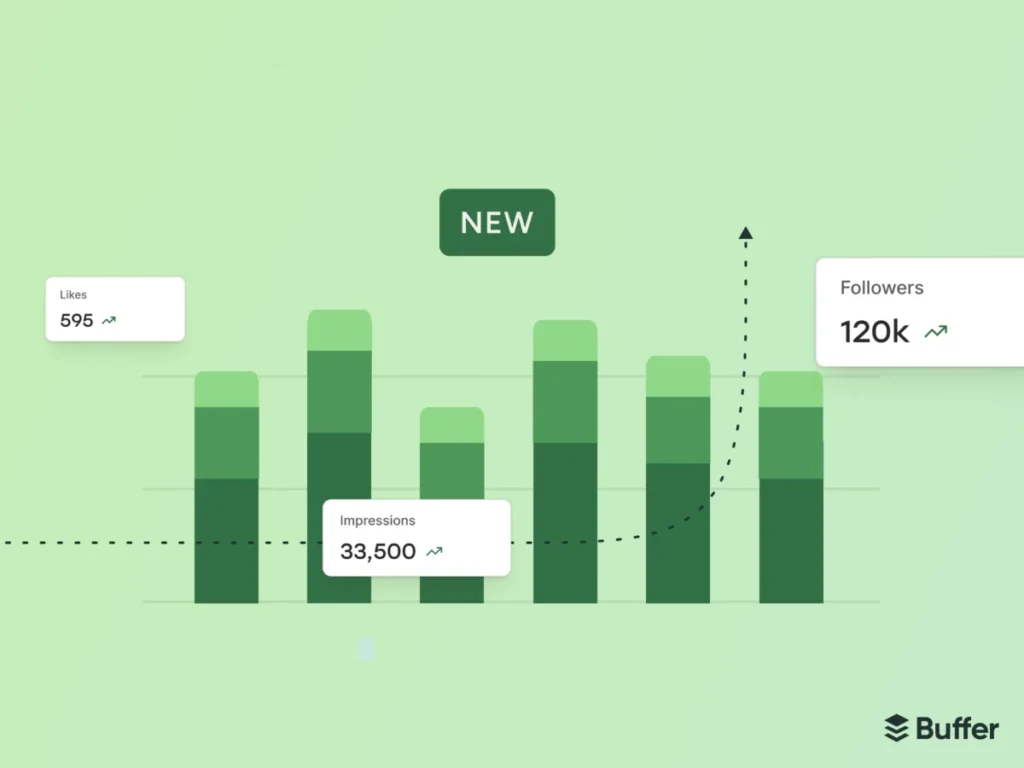

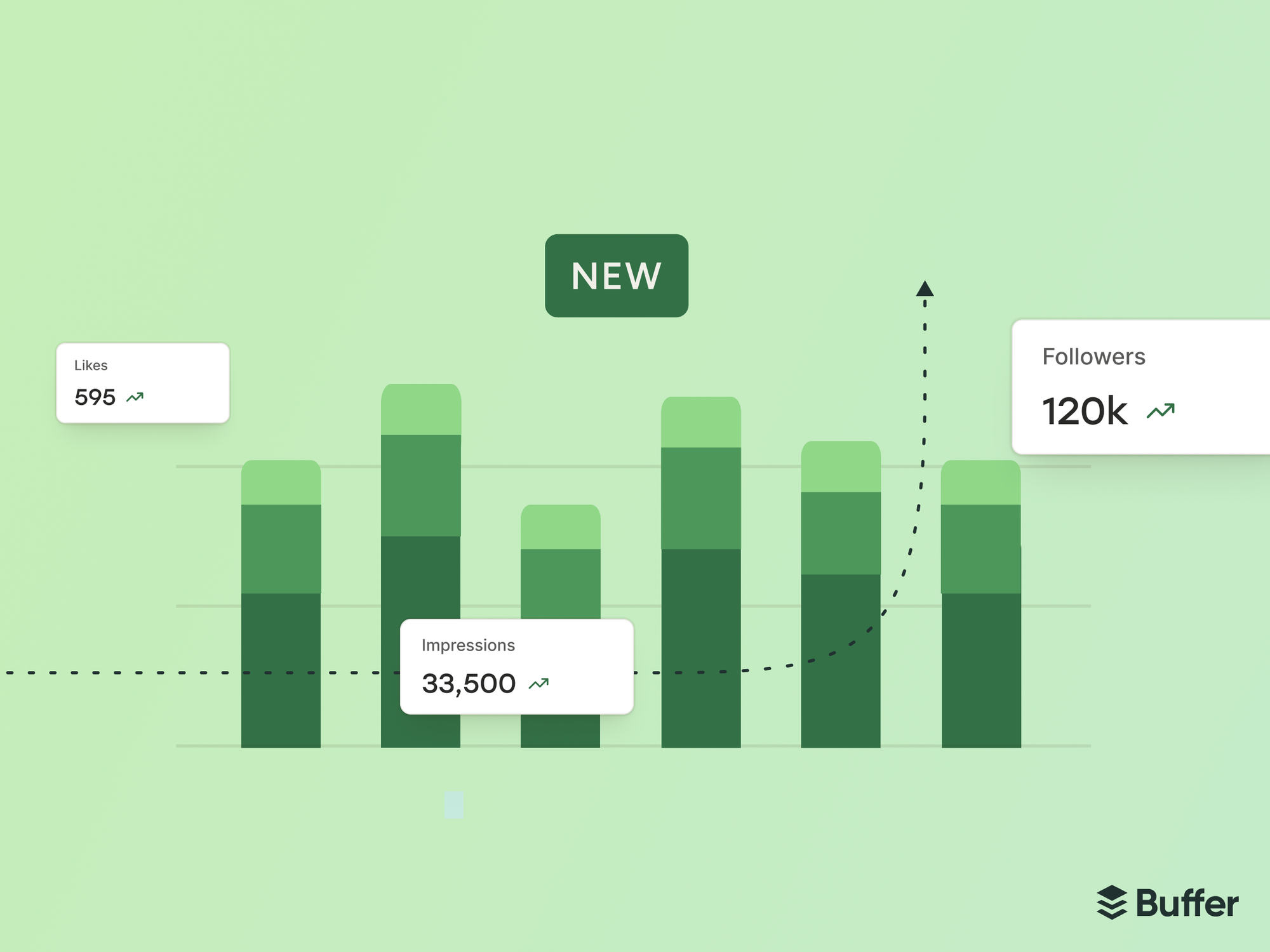
The social media management landscape underwent a significant shift this week as Buffer, a long-standing leader in the software-as-a-service (SaaS) marketing sector, announced the comprehensive launch of "Insights." This new platform represents a fundamental rebuilding of the company’s analytics infrastructure, designed to move beyond traditional data reporting toward a model of actionable intelligence. By integrating artificial intelligence (AI) and opening data access through a public API and Model Context Protocol (MCP) server, Buffer aims to bridge the gap between raw metrics and creative strategy for its user base of over 200,000 creators, small businesses, and agencies.
The launch of Insights addresses a perennial challenge in digital marketing: the distinction between being "data-driven" and "data-informed." While data-driven approaches often prioritize numbers at the expense of brand voice and originality, the data-informed philosophy promoted by Buffer suggests that analytics should serve as a compass for human creativity rather than a replacement for it. This strategic pivot comes at a time when the creator economy is estimated to be worth over $250 billion, according to industry reports from Goldman Sachs, placing a premium on tools that can translate complex social media algorithms into simple, executable steps.
Core Features and the Democratization of Data
The primary objective of the Insights rollout is the democratization of high-level social media analytics. Historically, the market for social media tools has been bifurcated. On one end, entry-level tools offered basic engagement metrics that provided little strategic value. On the other end, enterprise-level platforms offered deep dives into data but at a price point often inaccessible to solo creators or boutique agencies.
Buffer’s new offering seeks to disrupt this hierarchy by providing "Insights for everyone, for free." The free tier of the platform now includes actionable insights that were previously reserved for premium subscribers. This includes "takeaways" written in plain language that summarize what is working on a specific channel and what the user’s "next move" should be. For power users and larger organizations, deeper reporting features remain available on paid plans, but the baseline for what constitutes "free" analytics has been significantly raised.
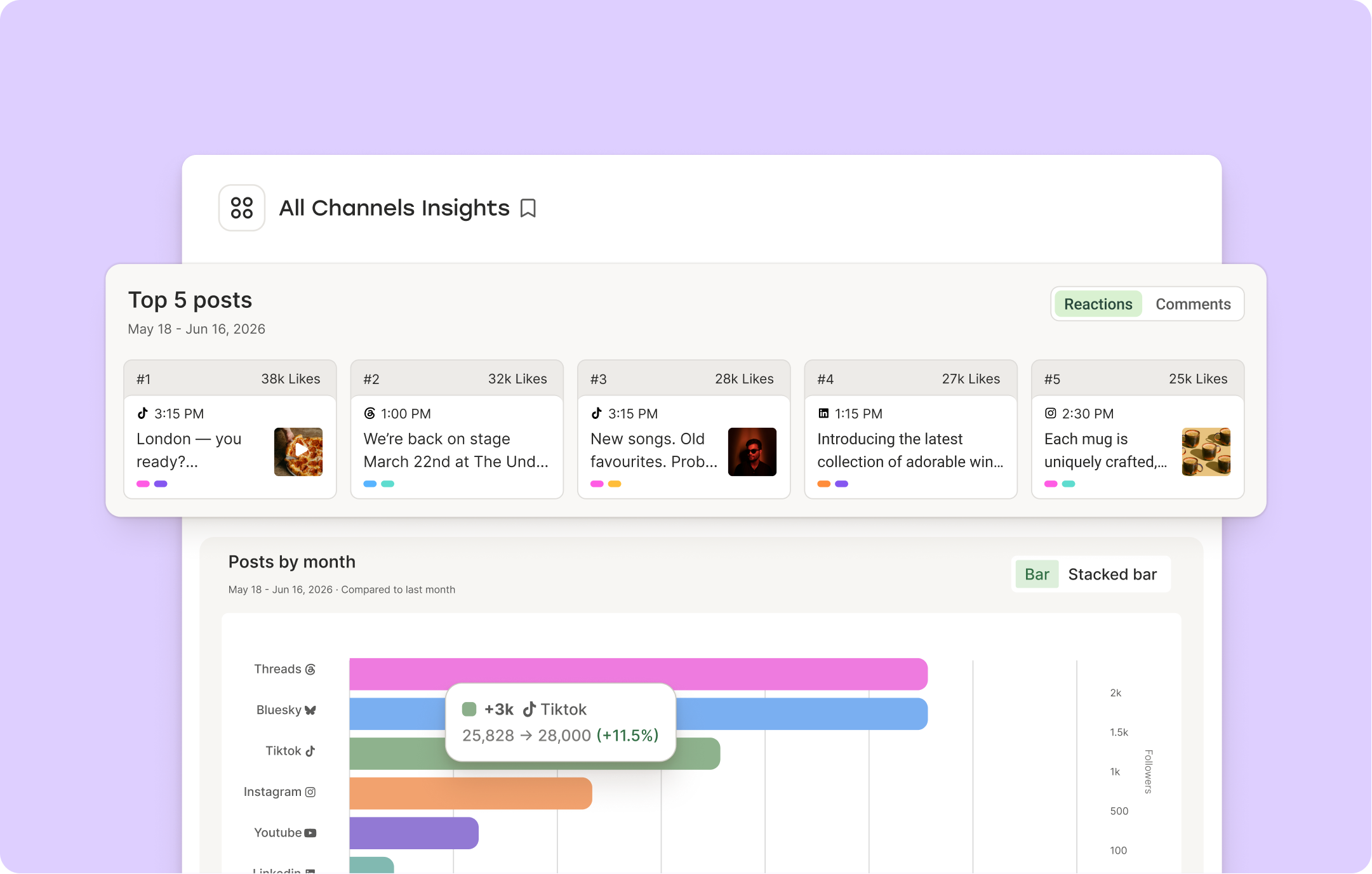
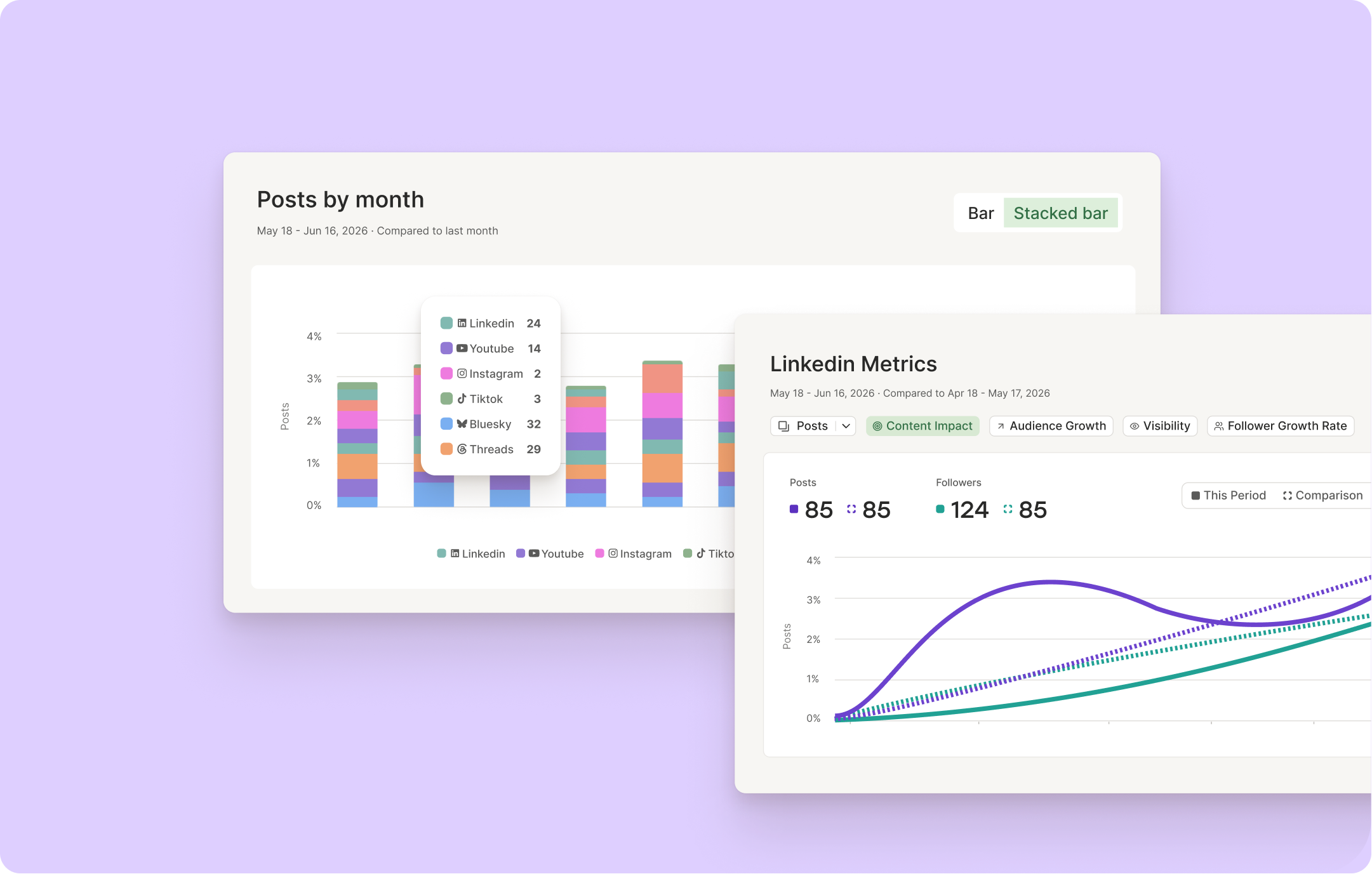
A key differentiator in this release is the focus on cross-channel comparisons. In an era where a single brand must maintain a presence on LinkedIn, X (formerly Twitter), Instagram, TikTok, and Facebook, the ability to see how content performs across different ecosystems is vital. Insights allows users to aggregate these numbers, identifying which platforms are yielding the highest return on investment in terms of engagement and audience growth.
Technical Evolution: API and the AI Agent Era
Beyond the user interface, the technical architecture of Insights marks a departure from traditional "walled garden" software models. Buffer has launched a public API alongside an MCP server, allowing users to extract their social media data and integrate it into their own proprietary stacks. This move acknowledges the growing trend of "headless" software, where the backend data is just as valuable as the frontend dashboard.
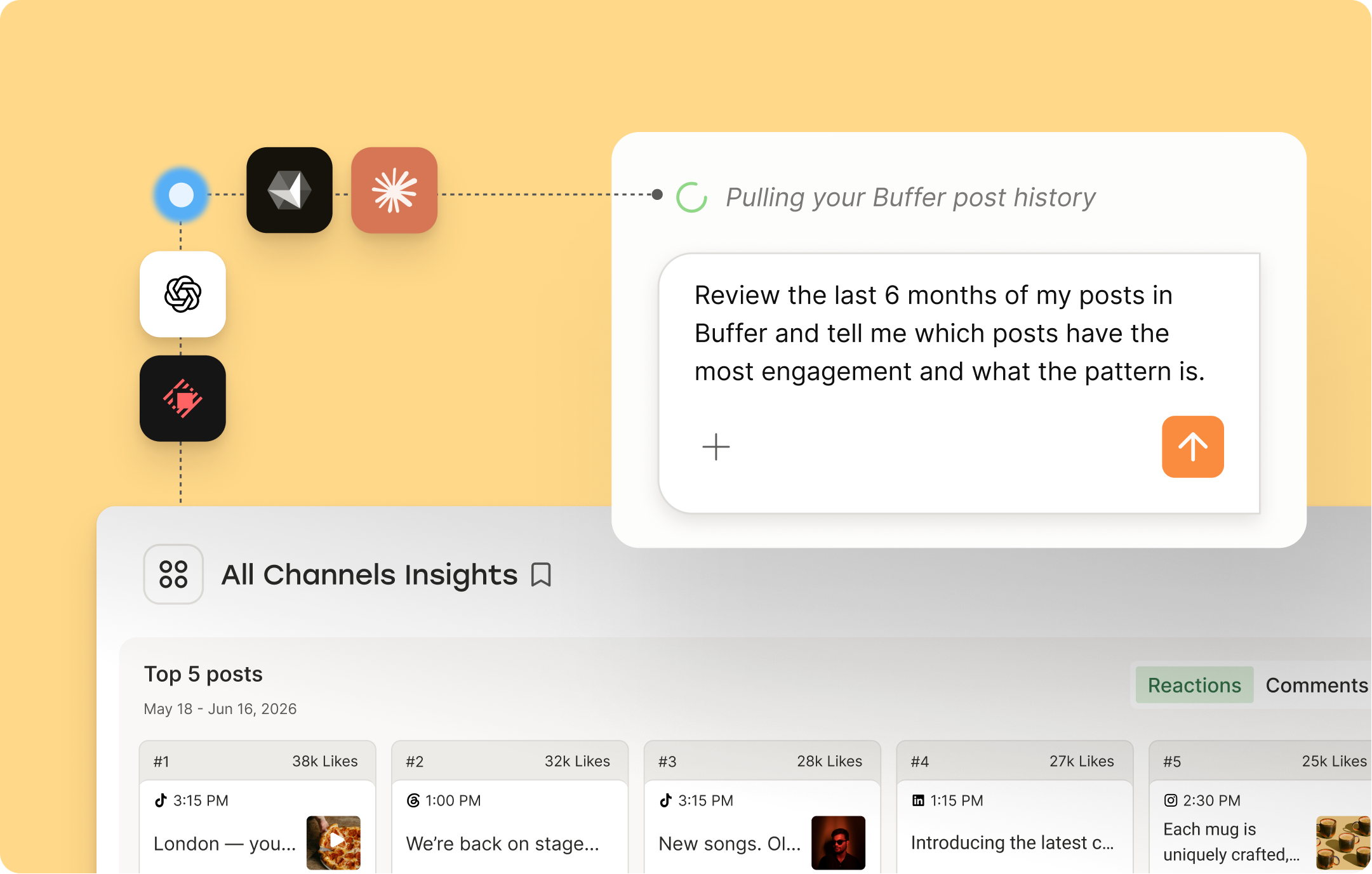
The introduction of the Model Context Protocol (MCP) server is particularly noteworthy within the context of current AI developments. MCP is an open standard that allows AI models to safely and easily access data from different sources. By providing an MCP server, Buffer enables users to connect their social media performance data directly to AI agents, such as those built on Large Language Models (LLMs) like GPT-4 or Claude. This allows a marketer to ask an AI agent, "Based on my Buffer data from the last month, what time of day should I post my next video to maximize reach on LinkedIn?" The agent can then query the data directly, performing heavy lifting that previously required hours of manual spreadsheet analysis.
The integrated AI within the Insights dashboard works silently in the background. Rather than generating content, which can often lead to generic output, this AI reads existing channel performance to highlight patterns. It identifies which types of media—such as short-form video versus long-form text—are resonating with specific audiences, thereby "pointing creativity in the right direction" without overriding the creator’s original voice.
Chronology of Development and Strategic Partnerships
The path to the launch of Insights has been a multi-year journey for Buffer. Founded in 2010 as a simple scheduling tool, the company has had to pivot several times to stay relevant in an increasingly crowded market.
- The Early Era (2010–2015): Buffer focused primarily on "The Queue," a way to schedule posts across multiple platforms. Analytics during this time were secondary and focused on basic clicks and retweets.
- The Expansion (2016–2020): The company introduced "Buffer Analyze," a separate product dedicated to deeper metrics. However, feedback from the community indicated that having separate tools for scheduling and analysis created friction in the workflow.
- The Convergence (2021–2023): Buffer began the process of merging its products into a single, unified dashboard. During this period, the company also focused on becoming an official partner with major social platforms.
- The Rebuild (2023–2024): Recognizing the shift toward AI and the need for more "human-readable" data, the engineering team began rebuilding the analytics engine from the ground up. This culminated in the recent launch of the Public API and, finally, the Insights platform.
Integral to this timeline is Buffer’s status as an official partner to Meta, LinkedIn, X, and other major networks. This partnership is not merely a badge of honor; it has practical implications for data security and feature parity. Official partners receive early access to platform APIs, ensuring that when a network like Instagram launches a new feature—such as "Reels" or "Threads"—the analytics for those features are integrated into Buffer almost immediately. Furthermore, it ensures that users’ accounts remain in compliance with platform terms of service, mitigating the risk of shadowbanning or account suspension associated with unauthorized third-party tools.
Market Analysis and Industry Implications
The launch of Insights arrives at a critical juncture for the SaaS industry. As AI becomes a commodity, the value of software is shifting from "what it can generate" to "how it can interpret data." Buffer’s decision to provide plain-language takeaways suggests a realization that modern marketers are suffering from "data fatigue." According to a 2023 survey by Gartner, nearly 60% of marketing leaders report that their teams struggle to make sense of the vast amounts of data they collect.
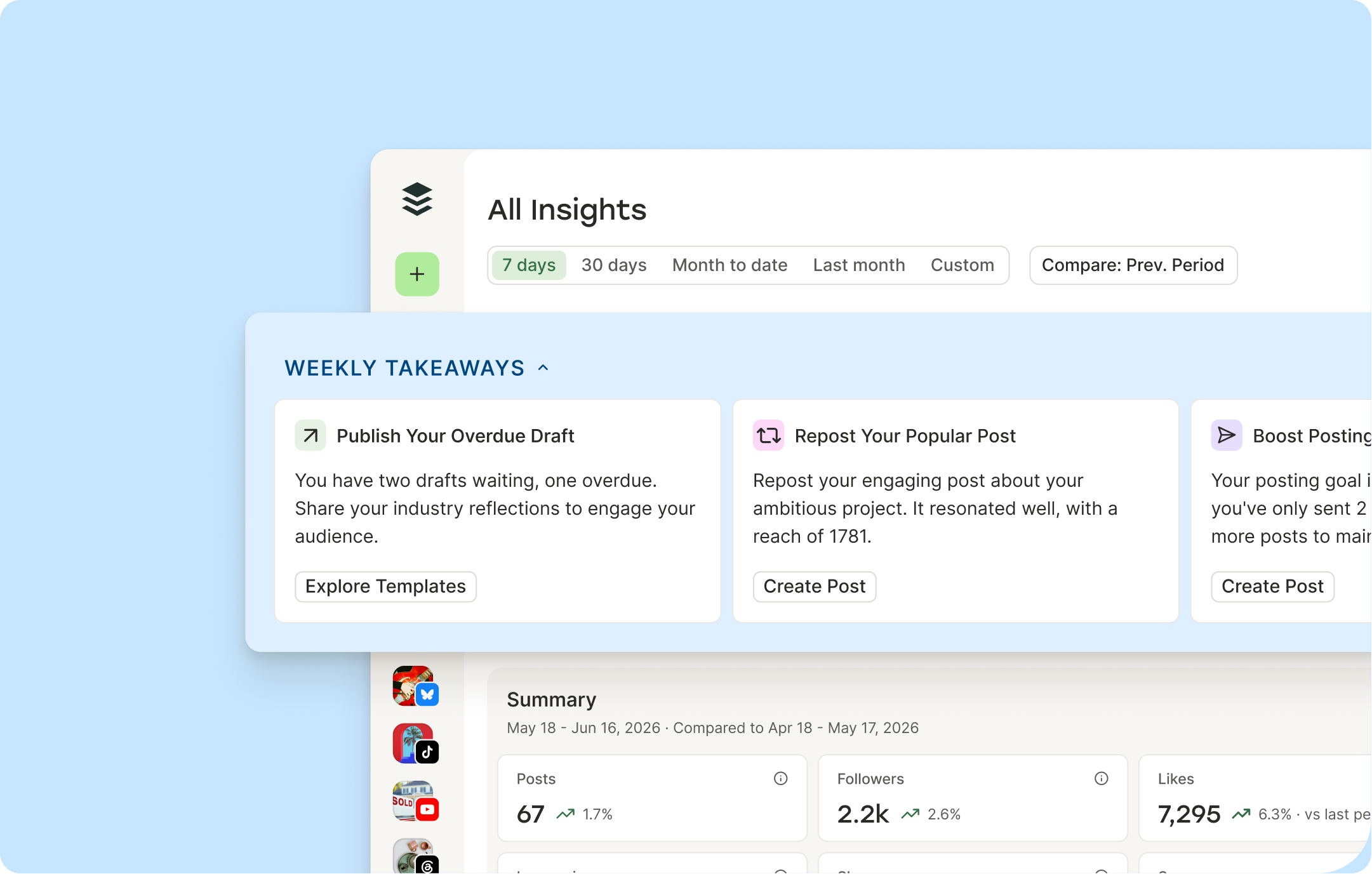
By providing a tool that essentially says, "Your followers engage more with educational threads than with promotional links—do more of the former," Buffer is targeting the middle-market creator who lacks the time to be a full-time data analyst.
For agencies, the implications are equally significant. Reporting is often the most time-consuming part of client management. The ability to pull data into custom reports via API or use AI to summarize monthly performance can drastically reduce overhead costs. This move places Buffer in direct competition with more expensive enterprise solutions, potentially forcing a price correction across the industry.
Security, Trust, and the Future of Social Analytics
In the current digital climate, data privacy and platform trust are paramount. Buffer has emphasized its role as a "partner you can trust," highlighting that its analytics are built on official, authorized data pipelines. This is a subtle but clear nod to the volatility of the social media landscape, particularly regarding changes at X and the evolving privacy regulations in the European Union (GDPR) and California (CCPA).
Looking forward, the trajectory of Buffer Insights suggests a future where social media management is increasingly automated but human-led. The focus on "where you’re headed" rather than just "where you’ve been" indicates that predictive analytics will likely be the next frontier for the platform. As the tool continues to gather data on what makes content successful, it is probable that future updates will include more robust forecasting models, helping brands predict the performance of a post before it is even published.
In conclusion, the launch of Insights represents more than just a software update; it is a strategic repositioning of Buffer as an intelligence layer for the modern internet. By prioritizing accessibility, open data standards, and "background AI," the company is betting that the future of social media success lies in the ability to turn numbers into narrative. For the 200,000 users already on the platform, and the thousands more in the broader creator economy, the barrier to sophisticated, professional-grade analytics has never been lower. Insights is now live and available to all users, marking a new chapter in the evolution of digital marketing tools.