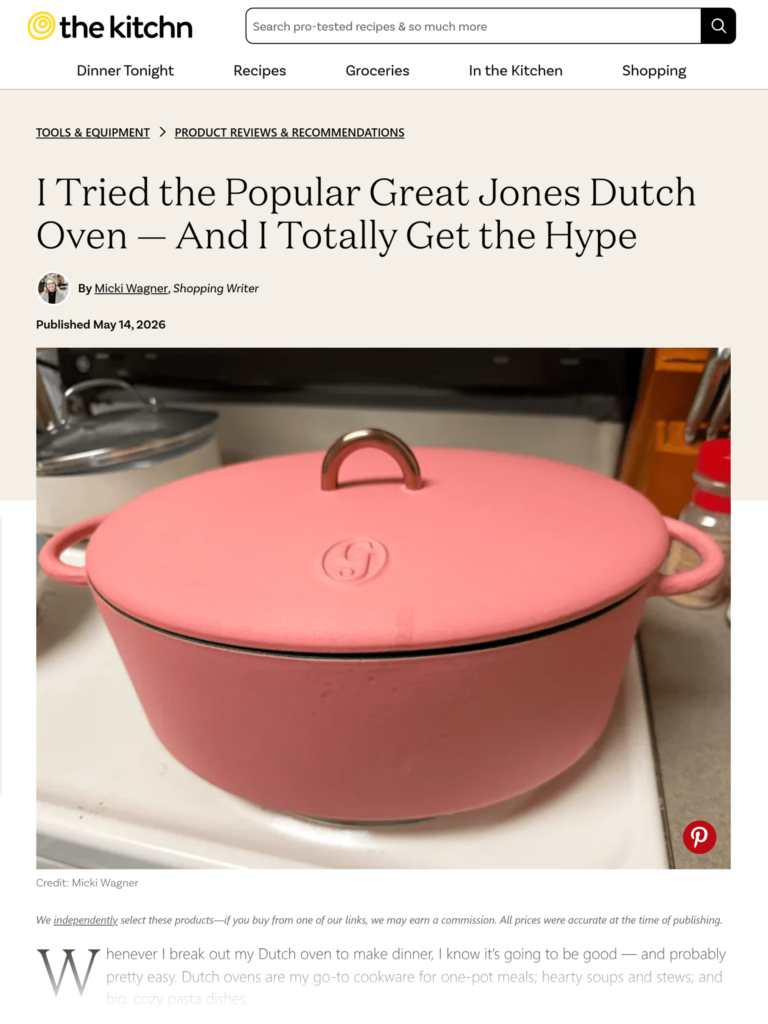

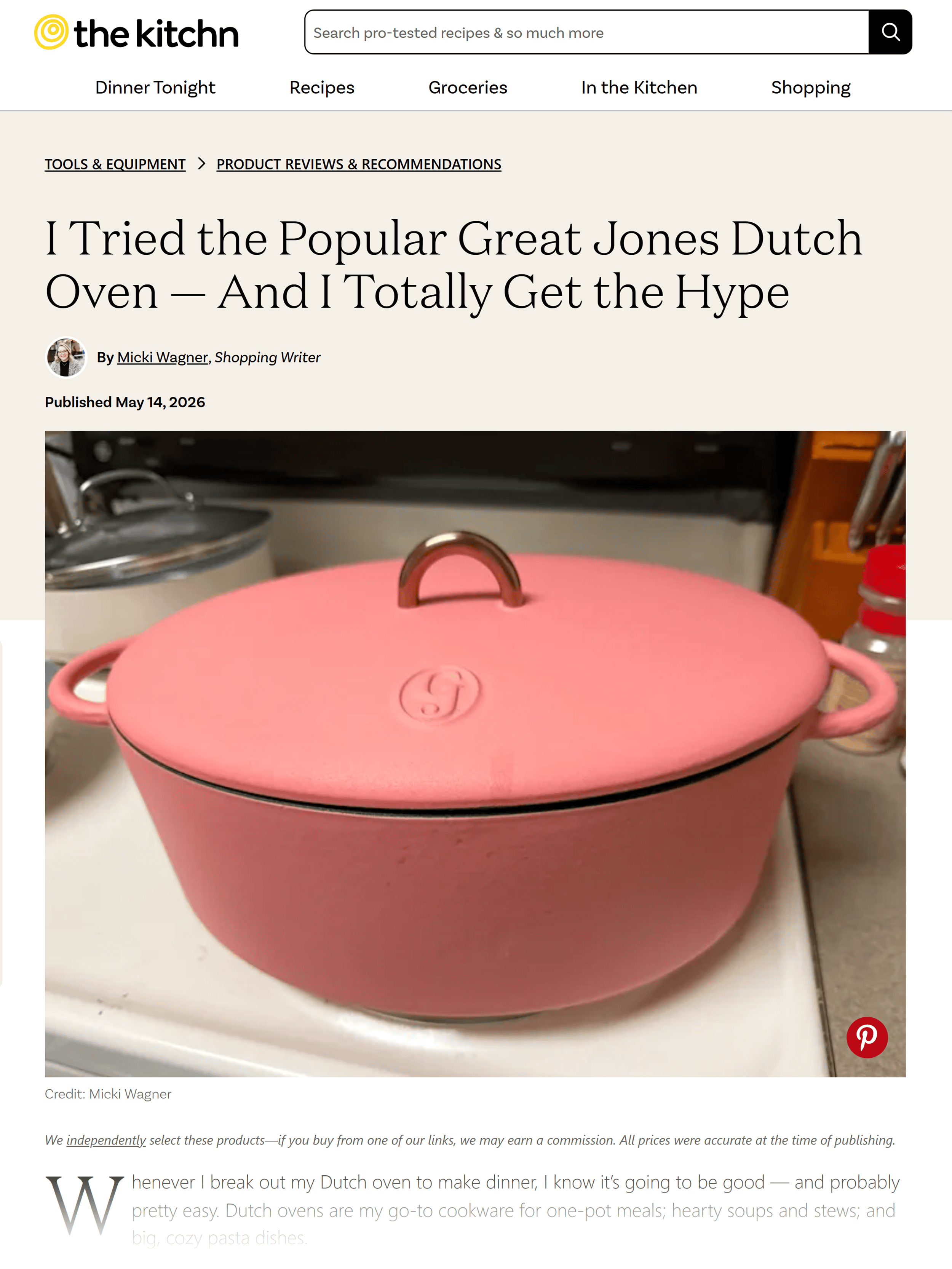
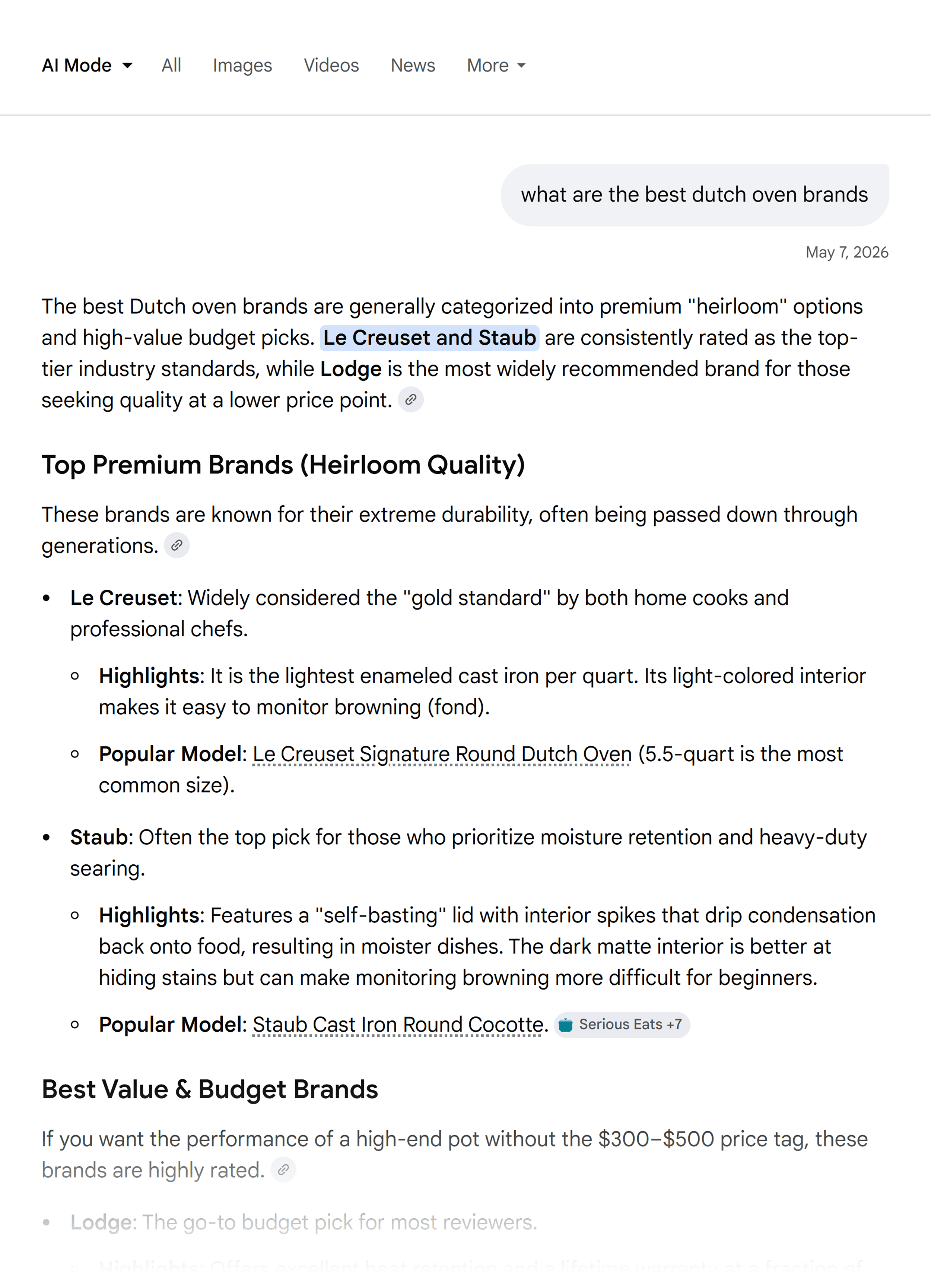
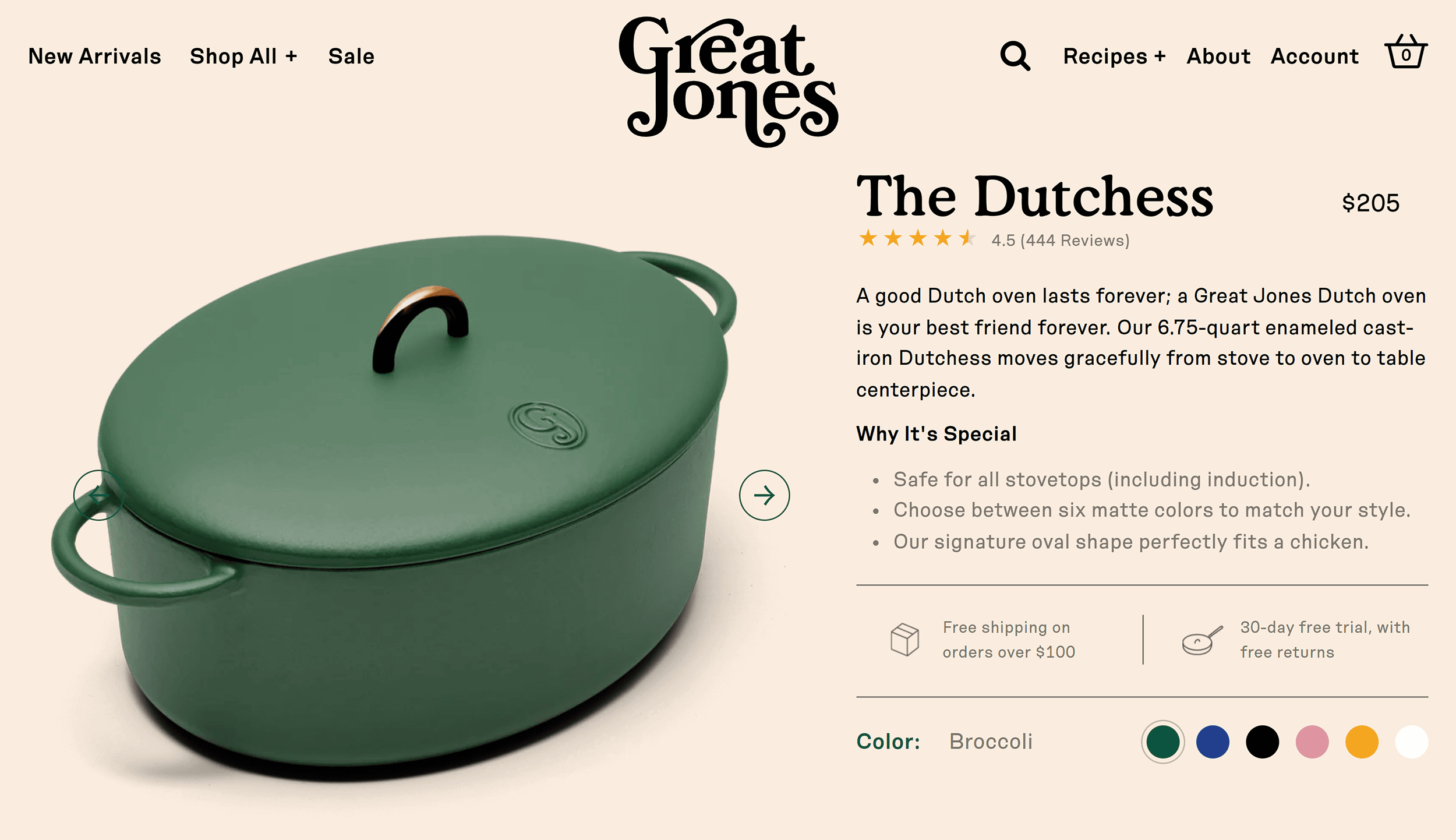
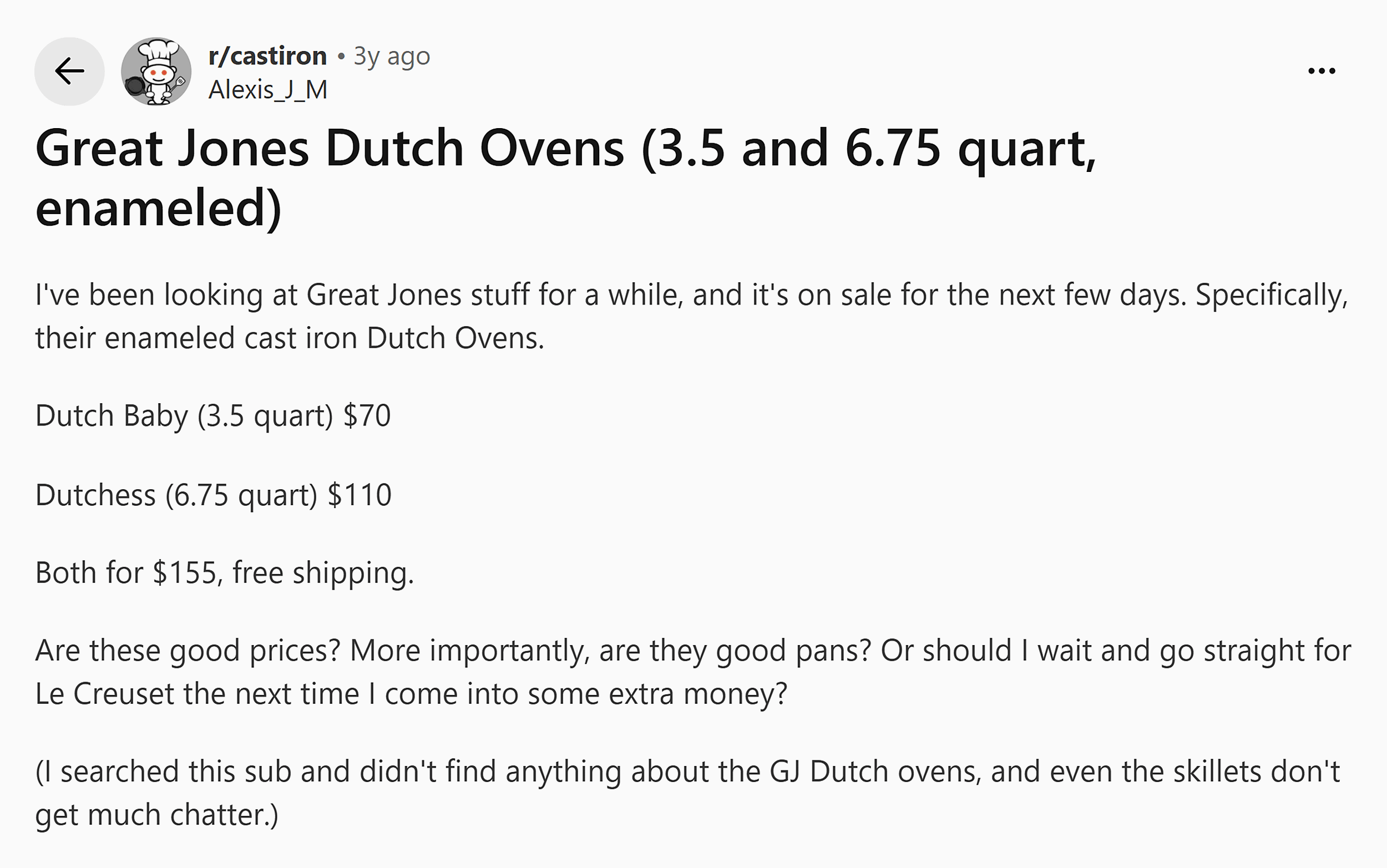
The digital marketing landscape is currently undergoing a fundamental shift as traditional search engine optimization evolves into a more complex ecosystem driven by Large Language Models and generative artificial intelligence. In this new era, brand prestige and high-quality content are no longer sufficient to guarantee visibility in search results. A phenomenon known as the "authority gap" has emerged, where even industry-leading brands find themselves excluded from AI-generated recommendations and top-tier search rankings. A prime example of this challenge is Great Jones, a prominent kitchenware company whose flagship Dutch oven, "The Dutchess," enjoys critical acclaim and features in elite publications such as Vogue and The New York Times, yet frequently fails to appear in organic search results or AI recommendations for the "best Dutch ovens."
This discrepancy highlights the critical importance of topical authority—a site’s earned reputation for expertise on a specific subject. Unlike traditional SEO, which often prioritized keyword density and backlink volume, topical authority is established through a consistent, positive framing that connects a brand to a specific topic across both its own digital properties and third-party platforms. As search engines like Google integrate AI-driven summaries and LLMs like ChatGPT become primary research tools for consumers, the ability to build a recognizable pattern of expertise has become the new benchmark for digital success.
The Evolution of Search: From Keywords to Topical Patterns
The transition from keyword-based search to entity-based search has redefined how authority is measured. In the past, a brand could achieve high rankings by publishing comprehensive content on a subject. Today, however, search engines and LLMs seek more than just coverage; they look for a clear "Point of View" (POV) and external evidence that validates a brand’s claims. When a brand like Great Jones ranks well for "recipes" or "celebrity chefs" but remains invisible for "Dutch ovens," it indicates a failure to establish a topical pattern.
Data suggests that search engines and LLMs prioritize brands that demonstrate a "confidence connection." If a brand and a topic appear together repeatedly across trusted sources, the AI can confidently recommend that brand to a user. Without this pattern, algorithms default to established legacy names that provide stronger, more consistent signals. To address this, marketing experts have developed the Topical Authority Pyramid, a three-layered framework designed to bridge the gap between brand existence and topical dominance.
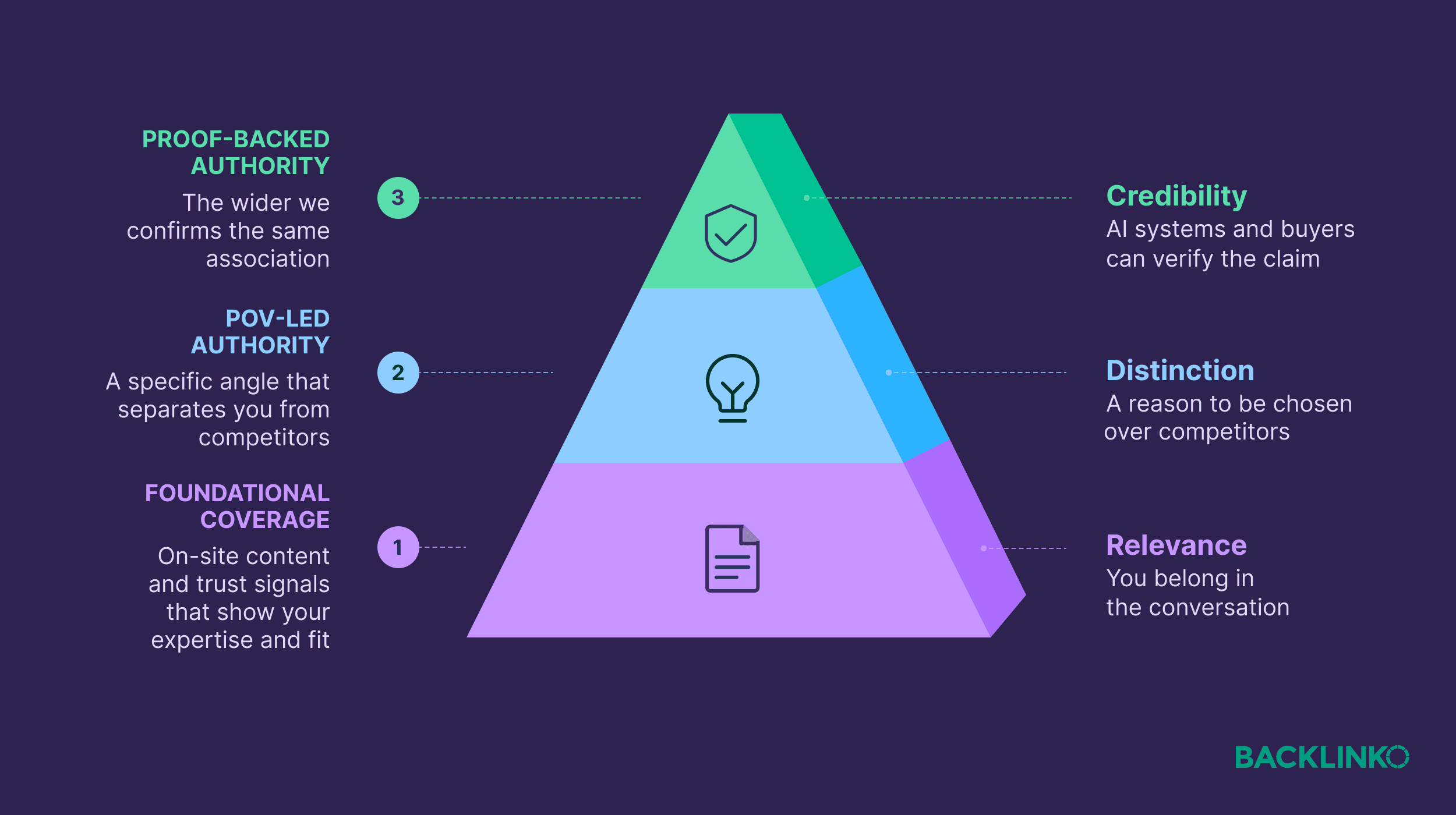
The Topical Authority Pyramid Framework
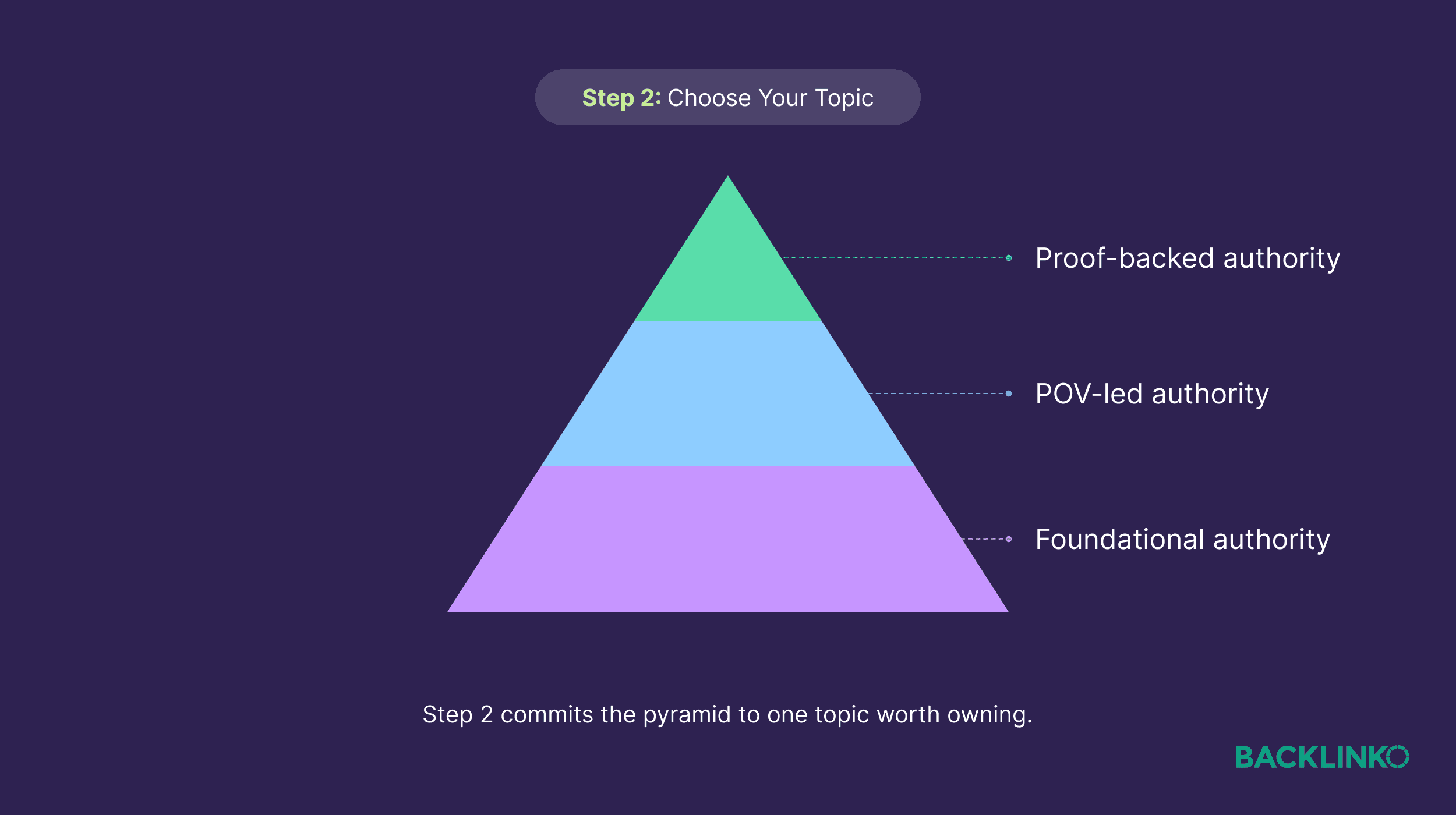
The Topical Authority Pyramid serves as a strategic blueprint for brands looking to claim expertise in a competitive niche. The framework is divided into three distinct layers: the Foundational Layer, the POV Layer, and the Proof Layer.
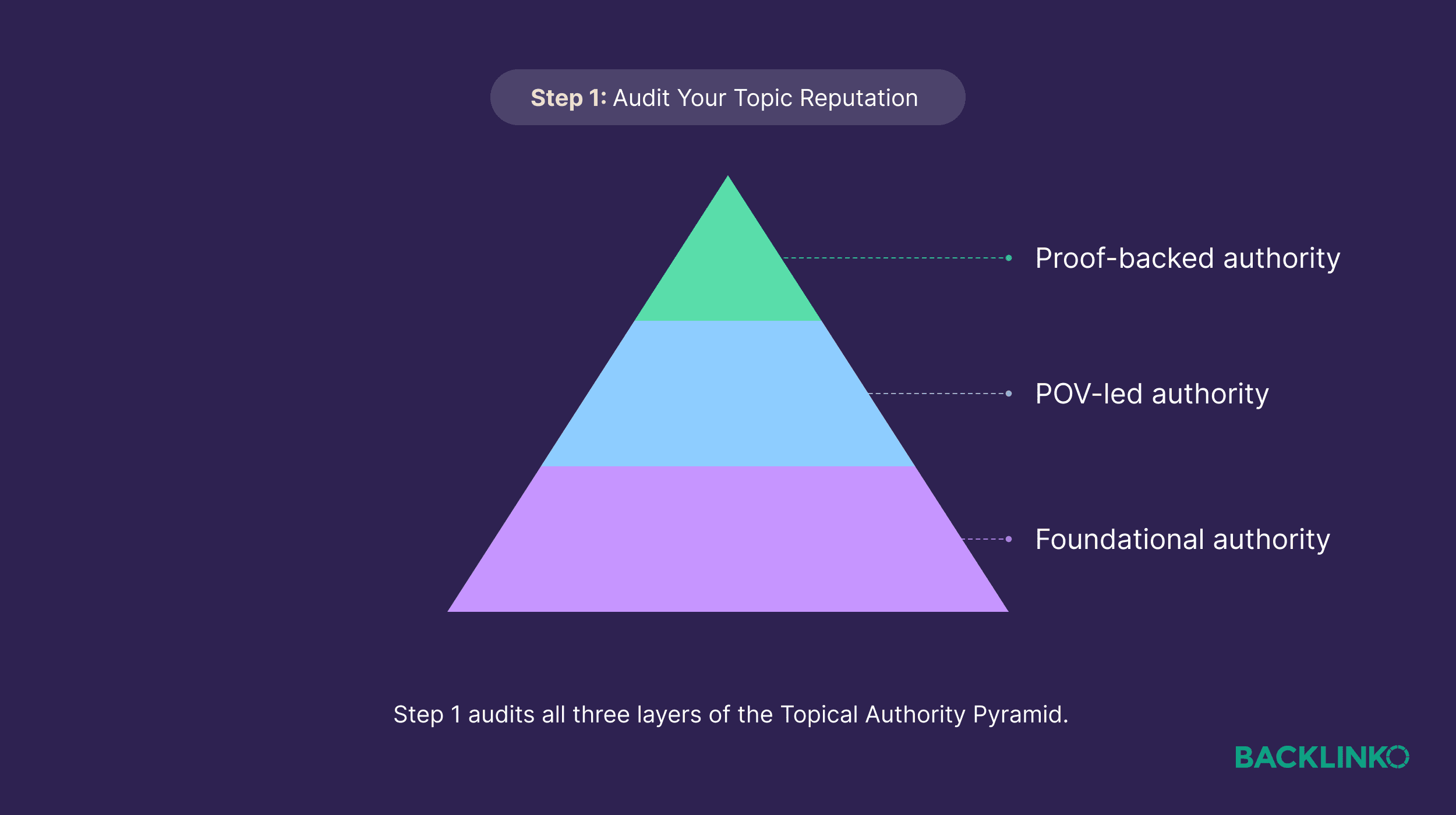
The Foundational Layer involves establishing a comprehensive presence on the brand’s own website. This includes creating a "hub" of high-quality content that covers the breadth and depth of the chosen topic. The POV Layer is more nuanced, requiring the brand to adopt a unique angle or "Point of View" that distinguishes it from competitors. Finally, the Proof Layer consists of external validation—mentions, reviews, and data points from third-party sites that confirm the brand’s expertise. For a brand to succeed in the age of AI search, all three layers must work in unison to create a signal loud enough for algorithms to interpret as authority.
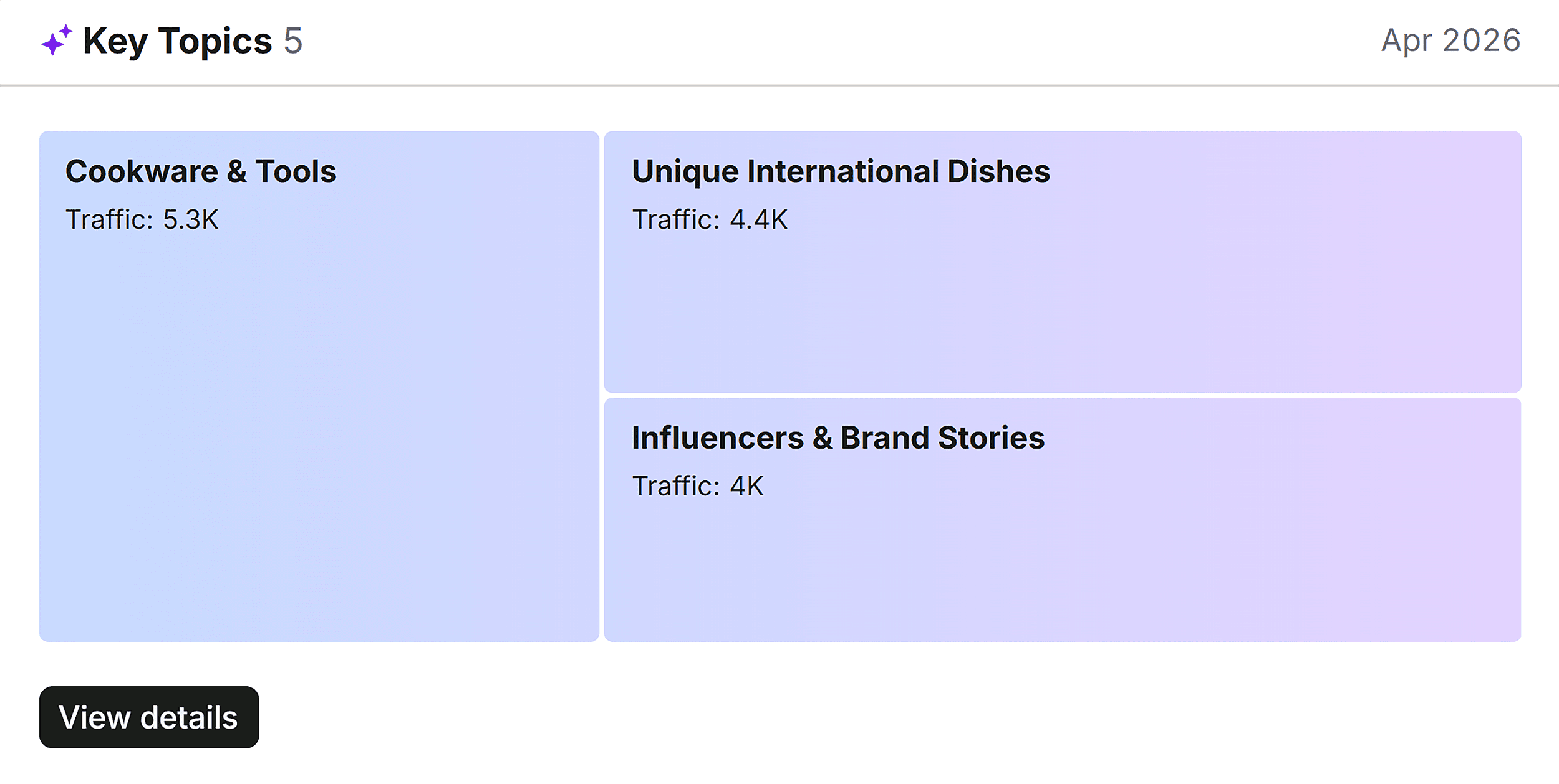
Auditing the Reputation Gap
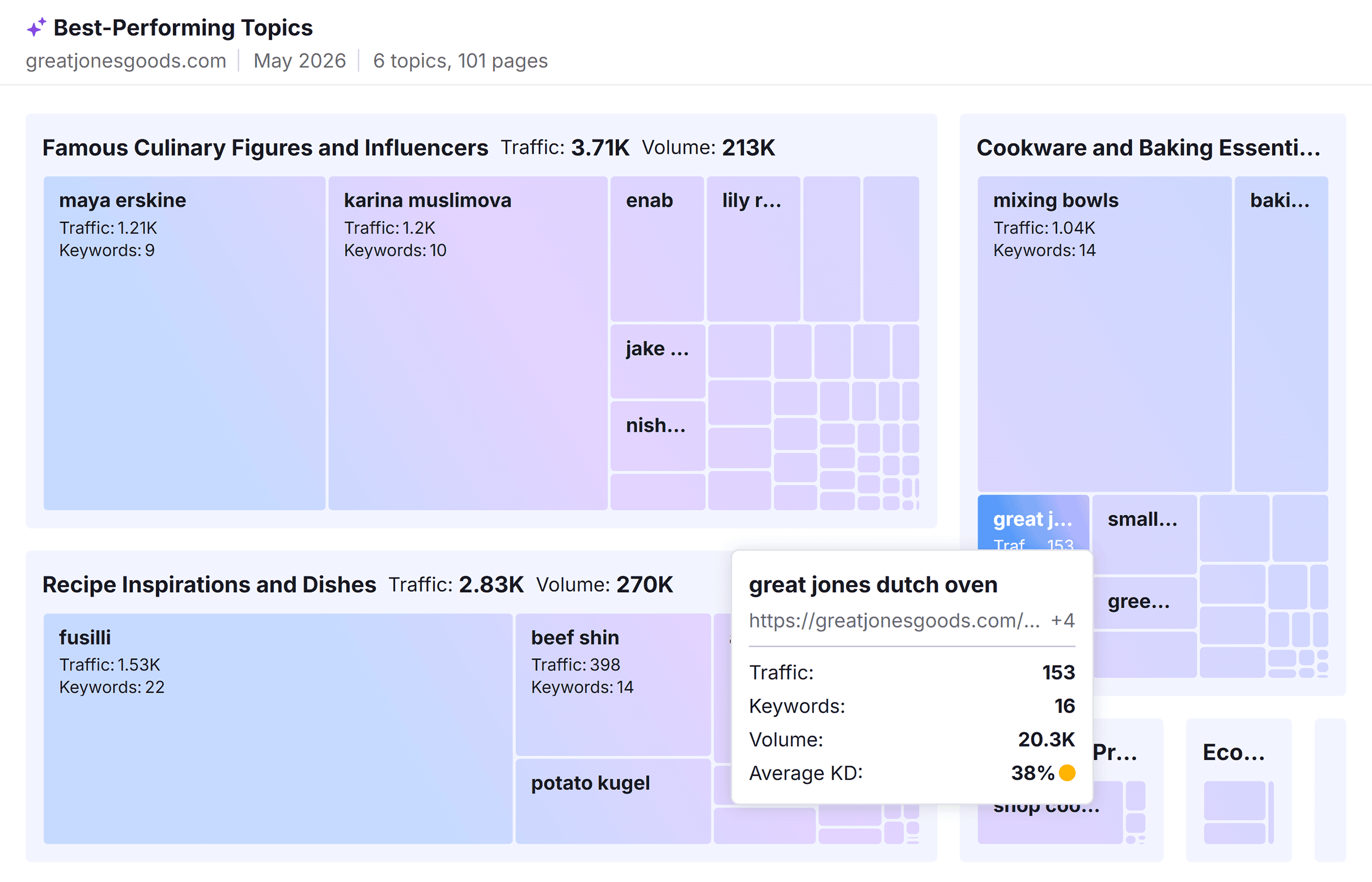
Before a brand can build authority, it must first conduct a rigorous audit of its current digital reputation. This involves analyzing both on-site associations and off-site presence. Utilizing tools such as Semrush’s Organic Rankings, brands can identify which topics they are currently associated with in the eyes of search engines. In the case of Great Jones, an audit reveals that while the brand is a leader in kitchen aesthetics, it lacks the necessary signals to be categorized as a primary authority on Dutch oven performance.
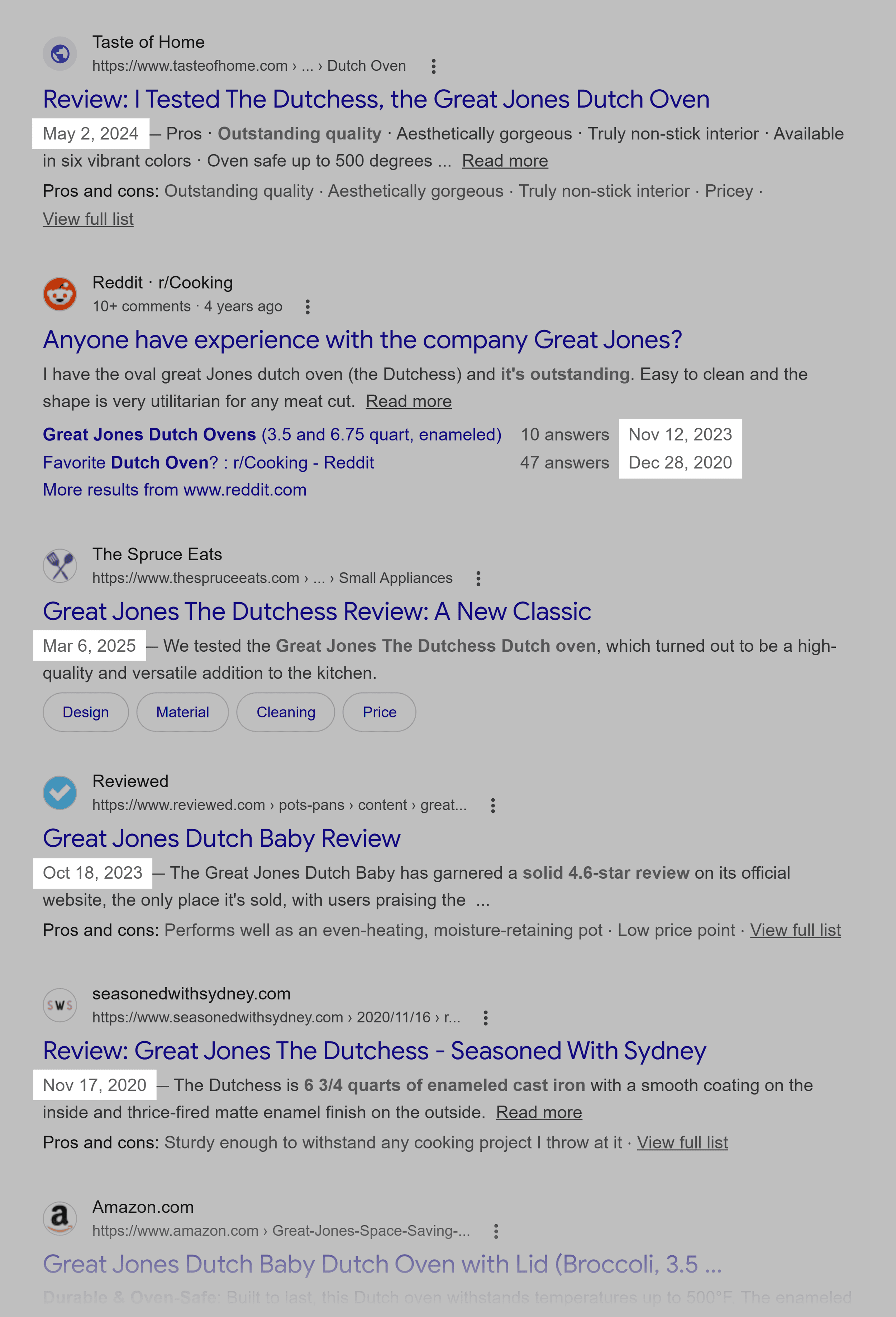
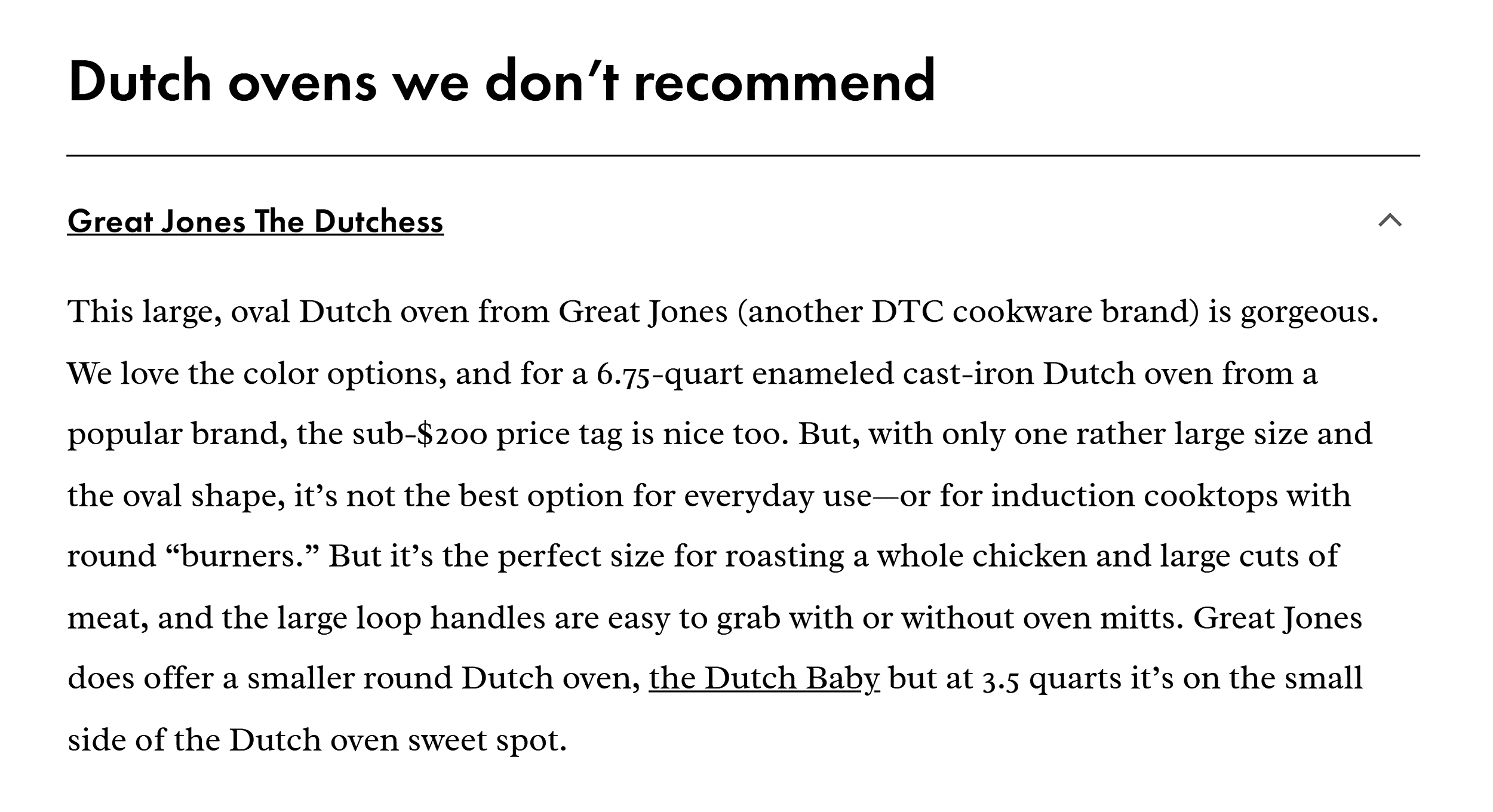
The audit must also extend to off-site presence. This includes reviewing editorial press, roundups, and community discussions on platforms like Reddit. For Great Jones, while the brand has earned significant press, much of the coverage is several years old, and sentiment is occasionally inconsistent. For example, some major culinary publications categorize the brand under "other" rather than "top picks." Such inconsistencies act as "noise" that confuses AI systems, preventing them from making a definitive recommendation.
Strategic Topic Selection and the Query Audit
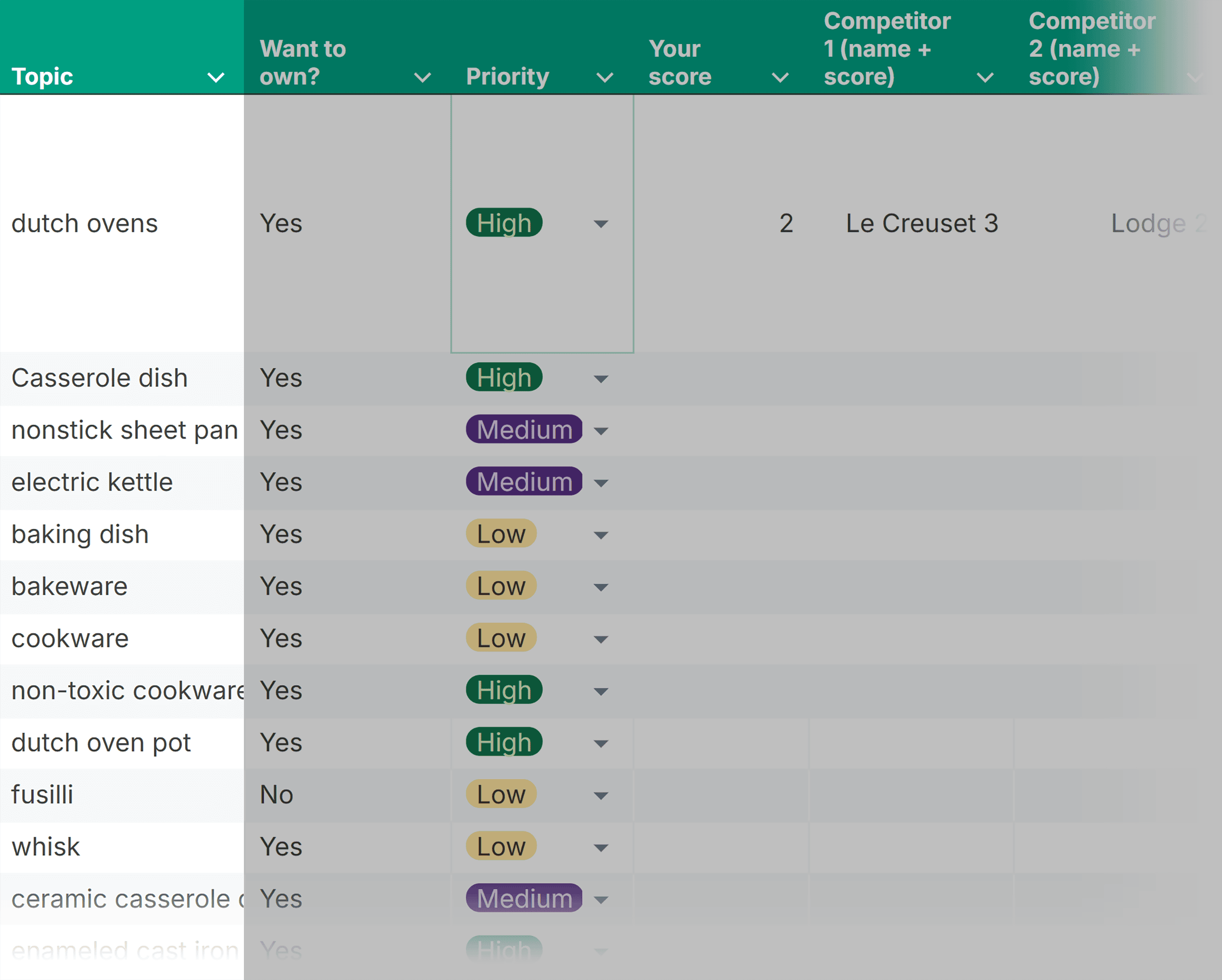
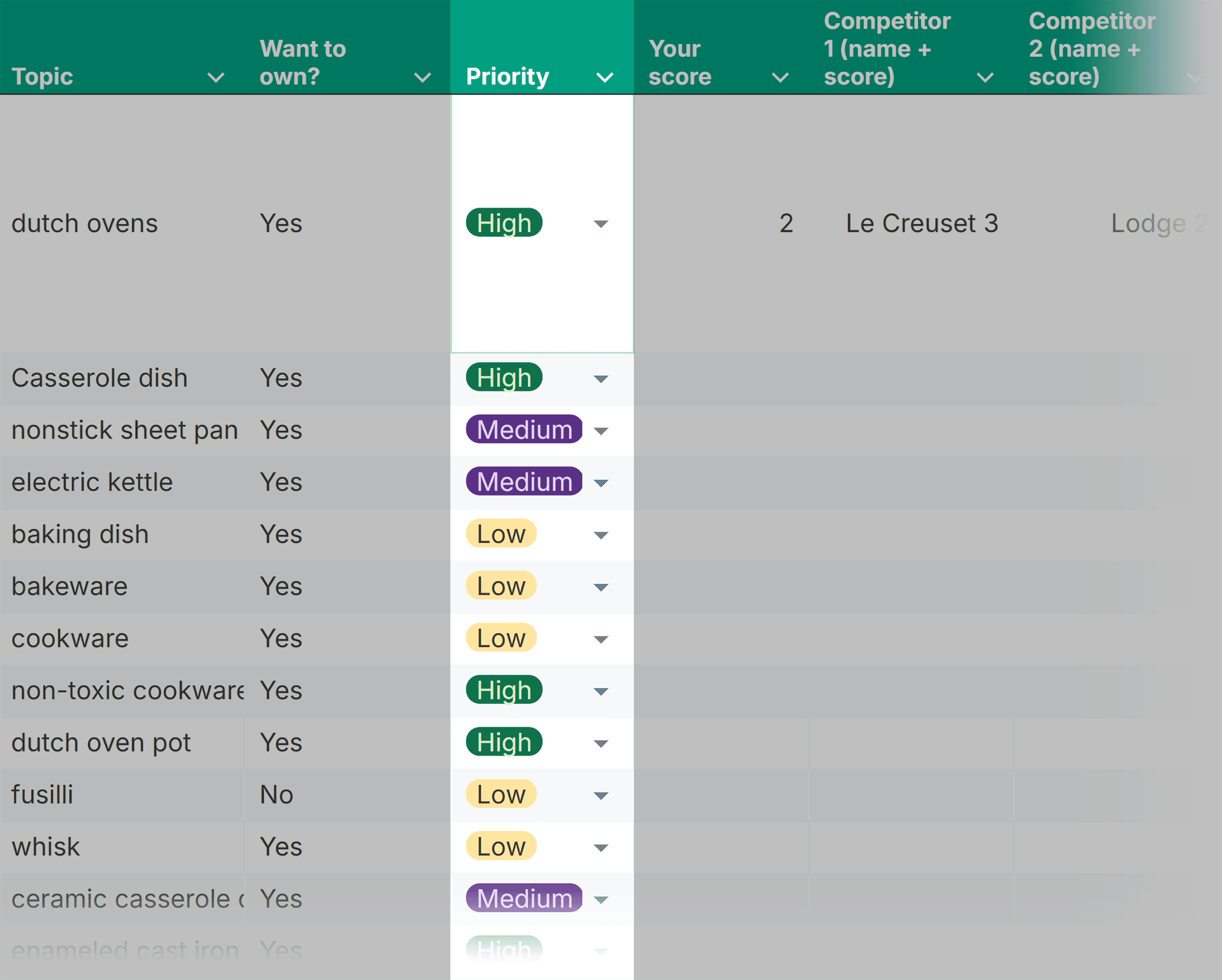
Ownership of a digital space requires focus. Brands cannot realistically claim authority over every adjacent topic simultaneously. Strategic selection involves identifying topics that drive revenue, address urgent market needs, and offer a clear path to competition. A "Query Audit" is a vital part of this process, where marketers analyze four types of search queries: head terms, "best" queries, brand queries, and specific angles.
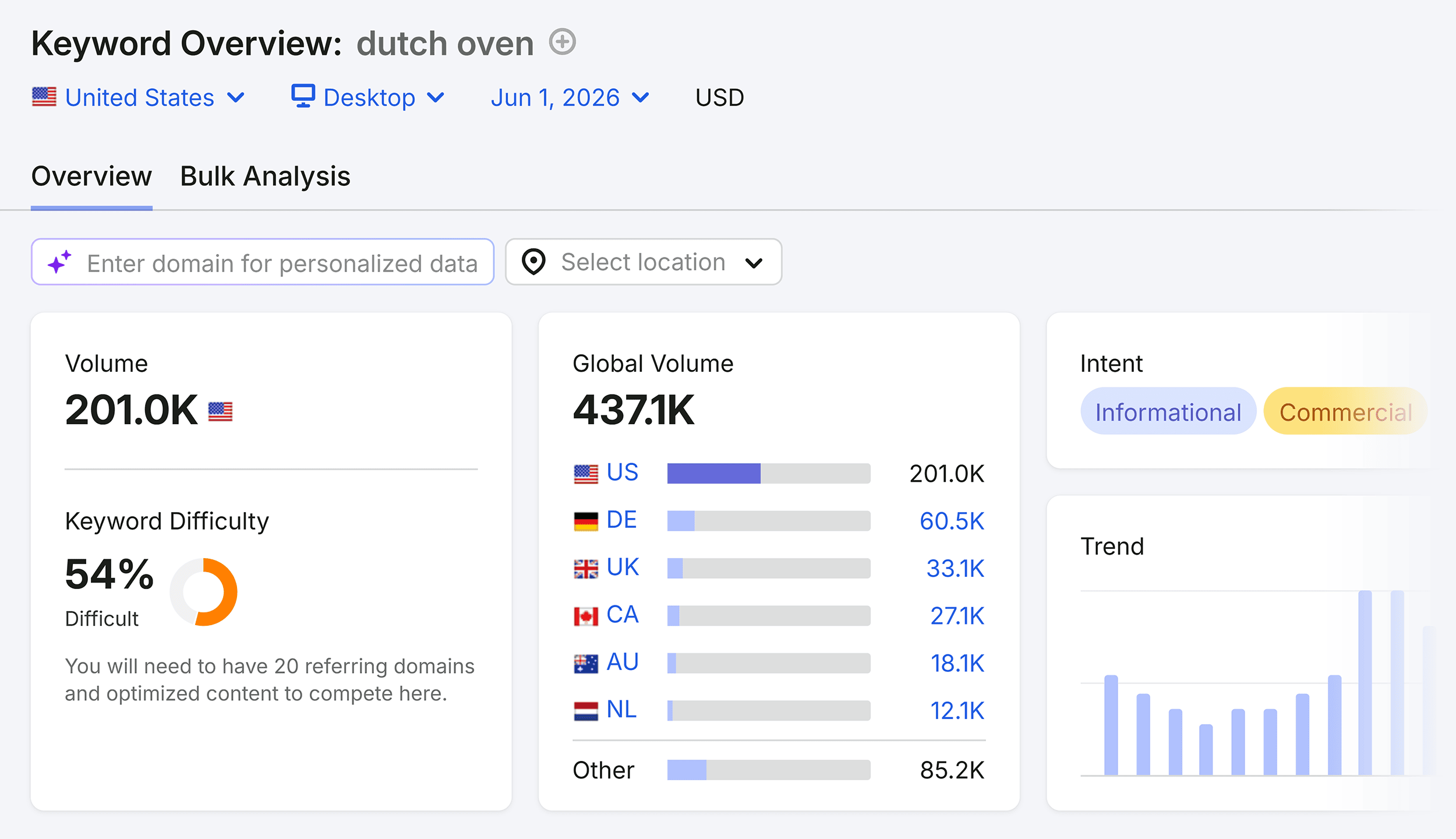
By analyzing these queries, a brand can find "white space"—areas where buyer intent is high but no single competitor has established a dominant position. For instance, while legacy brands may own the "professional performance" angle of Dutch ovens, a brand might find an opening in "Dutch ovens for gifting" or "aesthetically driven cookware." Identifying these gaps allows a brand to tailor its Topical Authority Pyramid toward a winnable objective.
Defining the Point of View (POV)
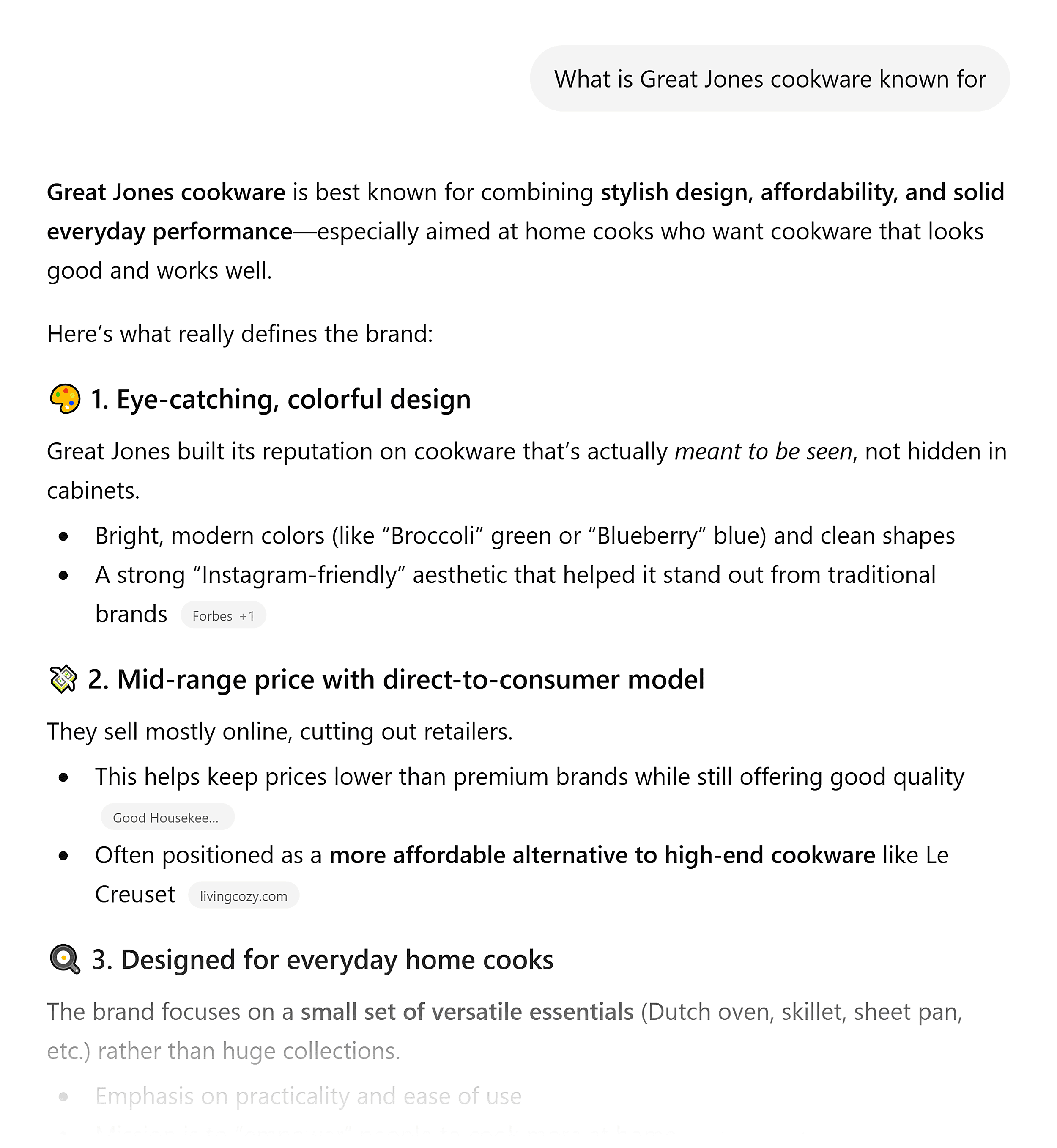
A Point of View is the specific "angle" a brand owns within a broader topic. It is what makes the brand distinct to both human buyers and AI systems. In the cookware industry, if Le Creuset owns "heritage" and Lodge owns "value," a newer brand must find an unoccupied territory.
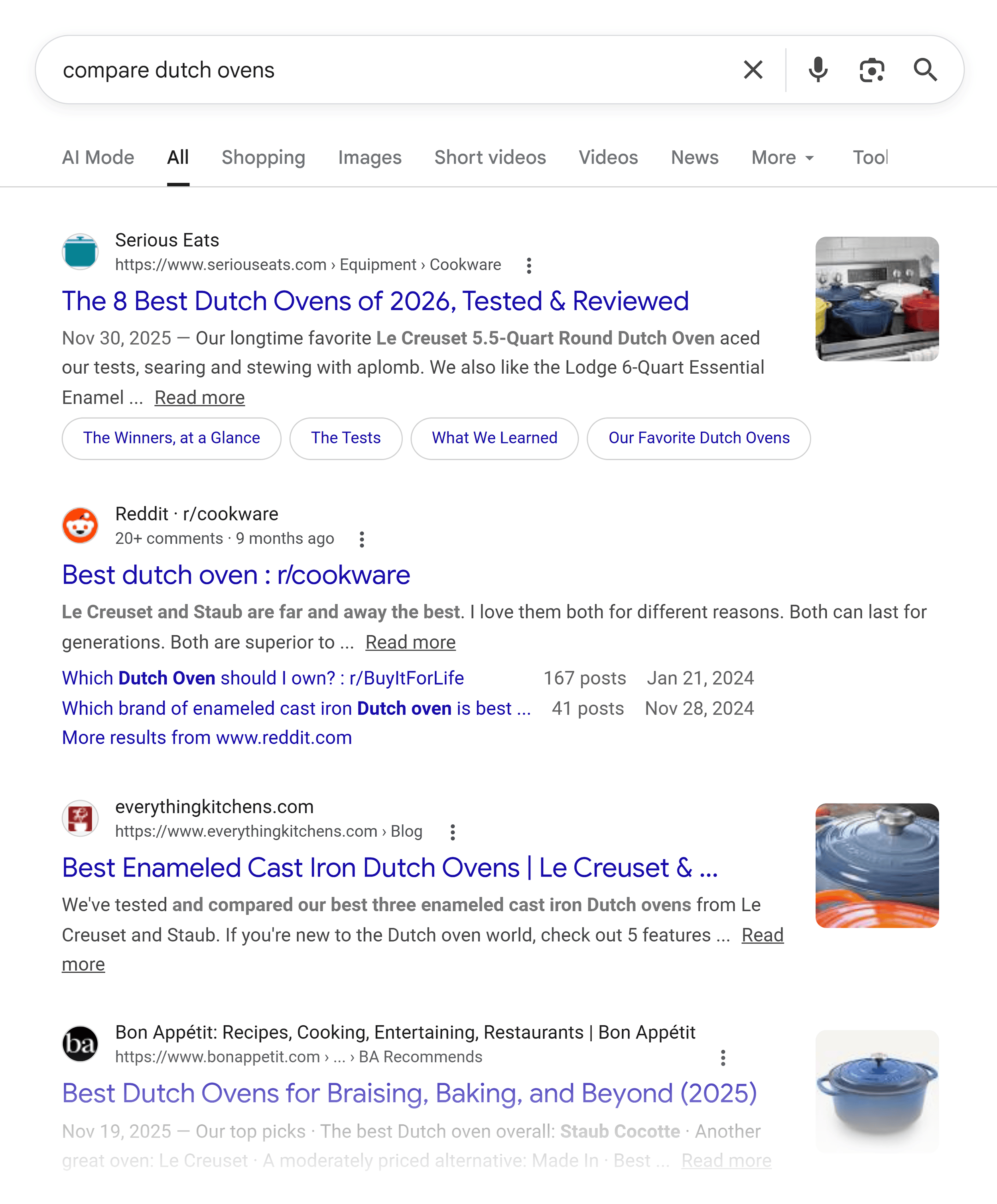
Researching what is already owned is essential to avoid direct, costly confrontations with established leaders. By using AI visibility toolkits, brands can see which associations competitors are winning in AI-generated answers. A successful POV must be relevant to the buyer, distinct from the competition, and provable through data or experience. Once identified, the POV should be distilled into a single, repeatable sentence that guides all content creation and PR efforts.
Mapping the Proof Architecture
A POV without proof is merely a marketing claim. To build genuine authority, a brand must construct a "Proof Architecture"—a collection of concrete evidence that supports the POV across the entire buyer journey.
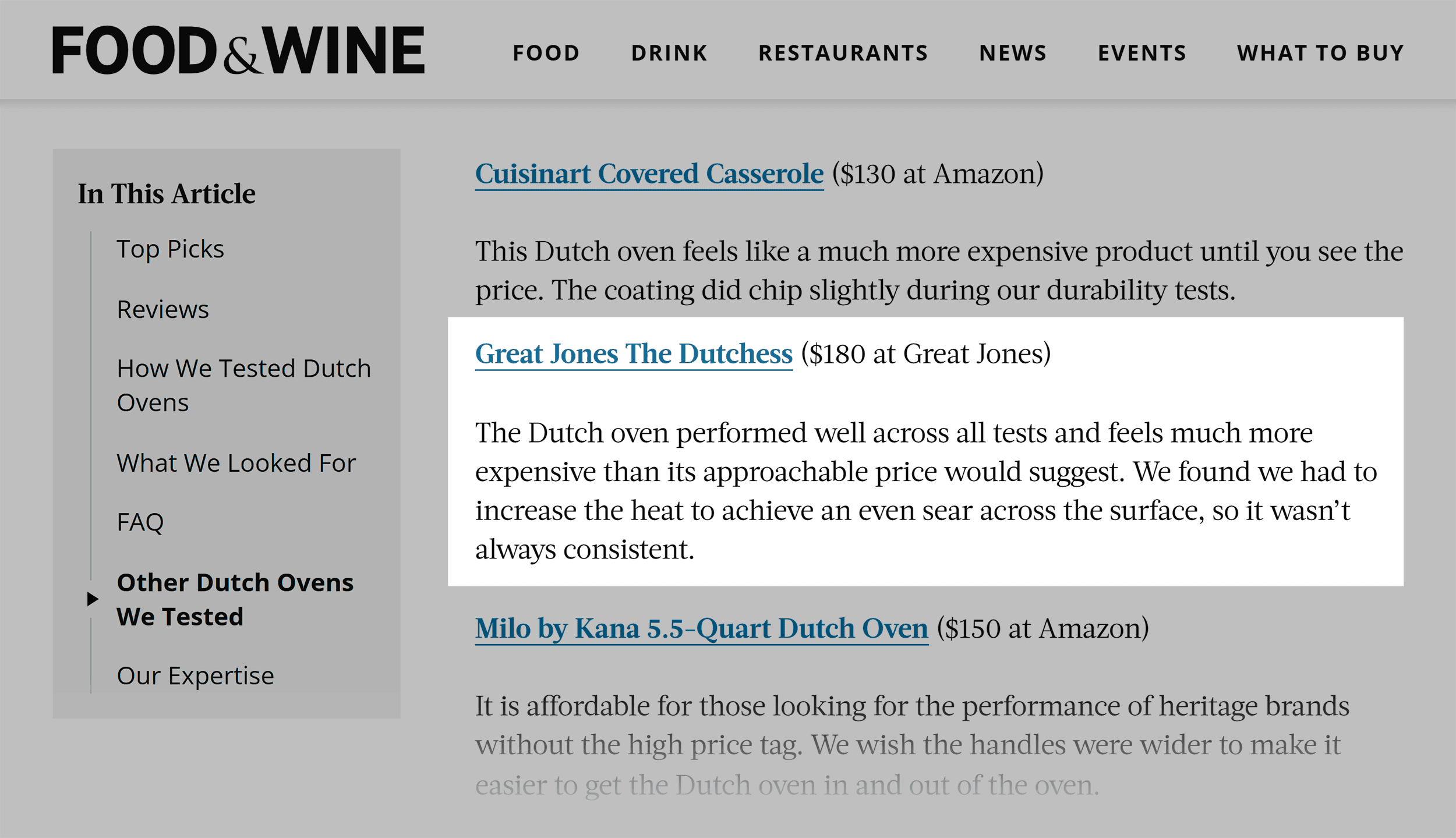
This architecture should be tailored to different stages of consumer decision-making. At the awareness stage, research data and industry studies are most effective. At the consideration and comparison stages, third-party reviews, expert endorsements, and head-to-head performance data become crucial. For the final decision stage, verified customer reviews and repeat purchase data provide the necessary social proof. Mapping these assets allows a brand to identify where its "credibility leaks" are occurring and fill those gaps with targeted content.
Establishing the On-Site Foundation and Off-Site Proof System
The execution of the Topical Authority Pyramid begins with the Foundational Layer. This involves creating a "Hub Page"—a central authority document that defines the topic and POV. This hub must be supported by "spoke" pages that delve deeper into specific aspects of the topic. Each page must be structured for both human readability and machine interpretation, utilizing semantic HTML and clear, descriptive headers.
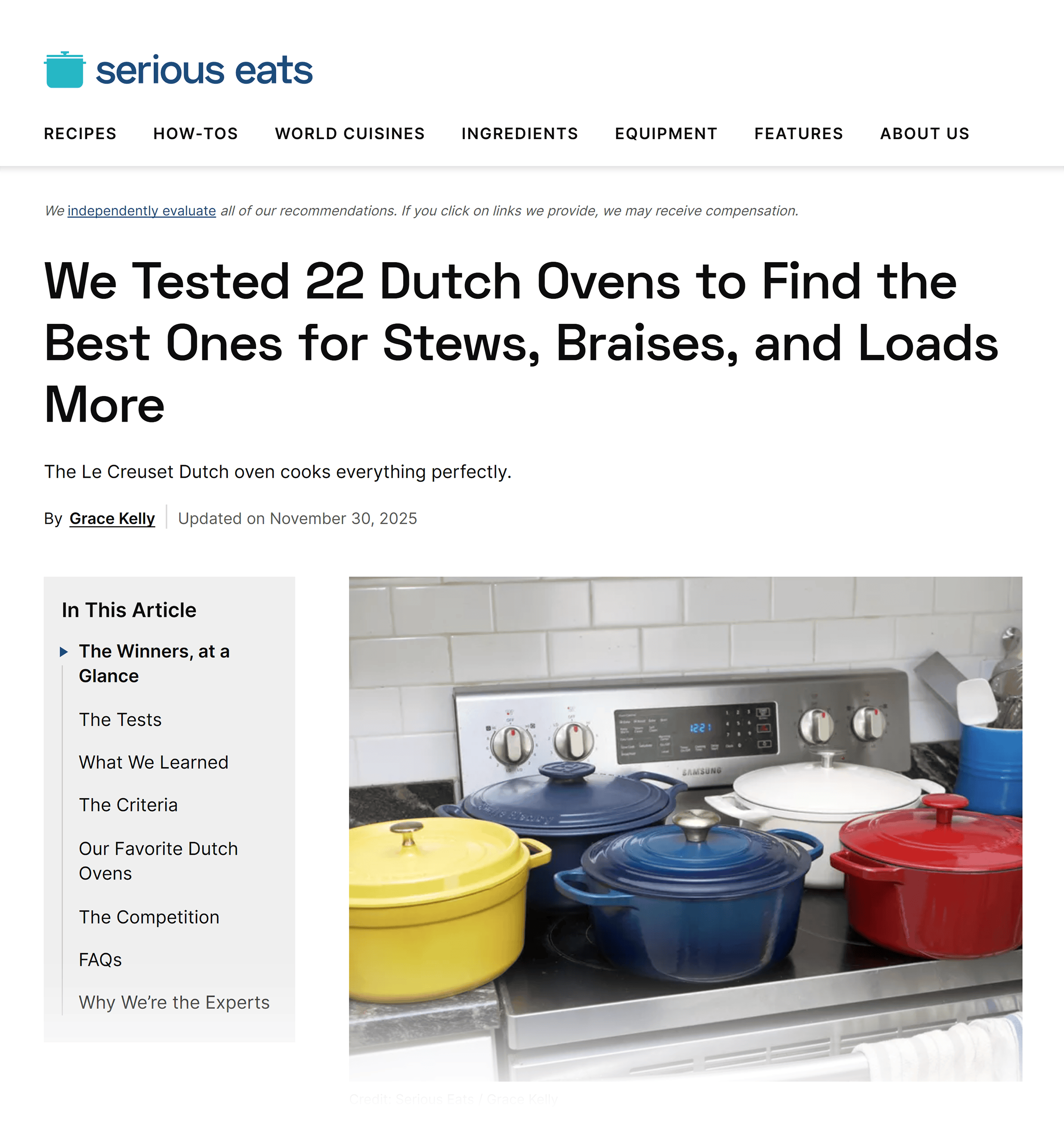
Simultaneously, the brand must develop an Off-Site Proof System. This is perhaps the most significant shift in modern SEO; authority is no longer just about what you say on your own site, but what others say about you. Brands should aim to create a "Signature Proof Point"—an original finding, a proprietary data set, or a unique success story that others in the industry feel compelled to reference. Distributing this proof point through earned media, social platforms, and niche communities creates the external validation that LLMs weigh heavily when generating recommendations.
Tracking Progress in the AI Era
The final stage of the framework is the continuous tracking of progress. Traditional metrics like keyword rankings are still relevant, but they must be supplemented with "association tracking." Brands should monitor whether they are appearing more frequently in unprompted AI queries and whether the language used to describe them aligns with their intended POV.
Progress should be measured in 30, 60, and 90-day intervals. If a brand’s goal is to be known for "Dutch ovens for gifting," it should track whether it is being included in new gift guides and whether AI systems begin to pair the brand name with gifting-related keywords. Tools like Google Search Console and AI-specific visibility audits can provide the data necessary to refine the strategy over time.
Conclusion: The New Standard for Digital Relevance
The case of Great Jones serves as a cautionary tale for the modern marketer: prestige is not authority. In an ecosystem increasingly governed by AI, the brands that win are not necessarily the ones with the most famous founders or the most beautiful products, but the ones that successfully build a consistent, provable pattern of expertise.
By following the Topical Authority Pyramid, brands can move beyond simple content production and toward strategic niche dominance. This framework requires a disciplined approach to auditing, topic selection, and proof distribution, but the rewards are significant. In a world where consumers increasingly rely on AI to filter their choices, being the "default recommendation" is the ultimate competitive advantage. Mastering topical authority is no longer an optional SEO tactic; it is the fundamental requirement for brand survival in the age of artificial intelligence.