
The digital marketing landscape is undergoing a fundamental transformation as Artificial Intelligence (AI) search engines redefine the mechanics of information retrieval. For decades, Search Engine Optimization (SEO) was a race to the first page of Google’s search results, predicated on the belief that high visibility in the blue links guaranteed traffic and brand authority. However, a new technical phenomenon known as "query fan-out" is challenging this paradigm, revealing that content can rank at the top of traditional search results while remaining entirely invisible to Large Language Models (LLMs) like ChatGPT, Claude, and Perplexity.
This shift represents a move from keyword-based indexing to intent-based synthesis. In the era of AI search, coverage and retrievability have surpassed simple ranking as the primary metrics of success. To remain relevant, brands must now optimize their digital presence for the background processes AI systems use to construct answers—specifically the multi-layered search mechanism called query fan-out.
The Technical Foundations of Query Fan-Out
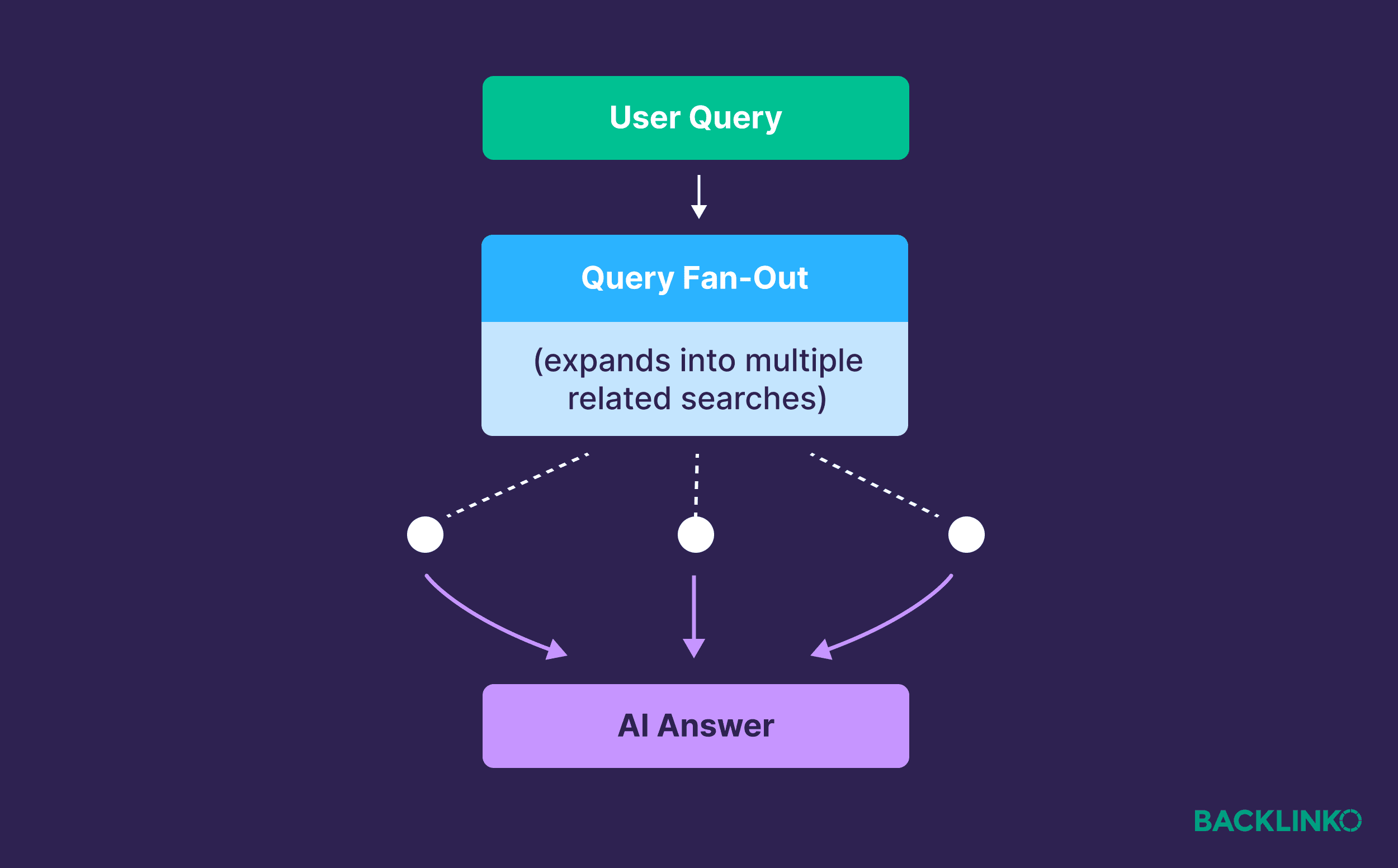
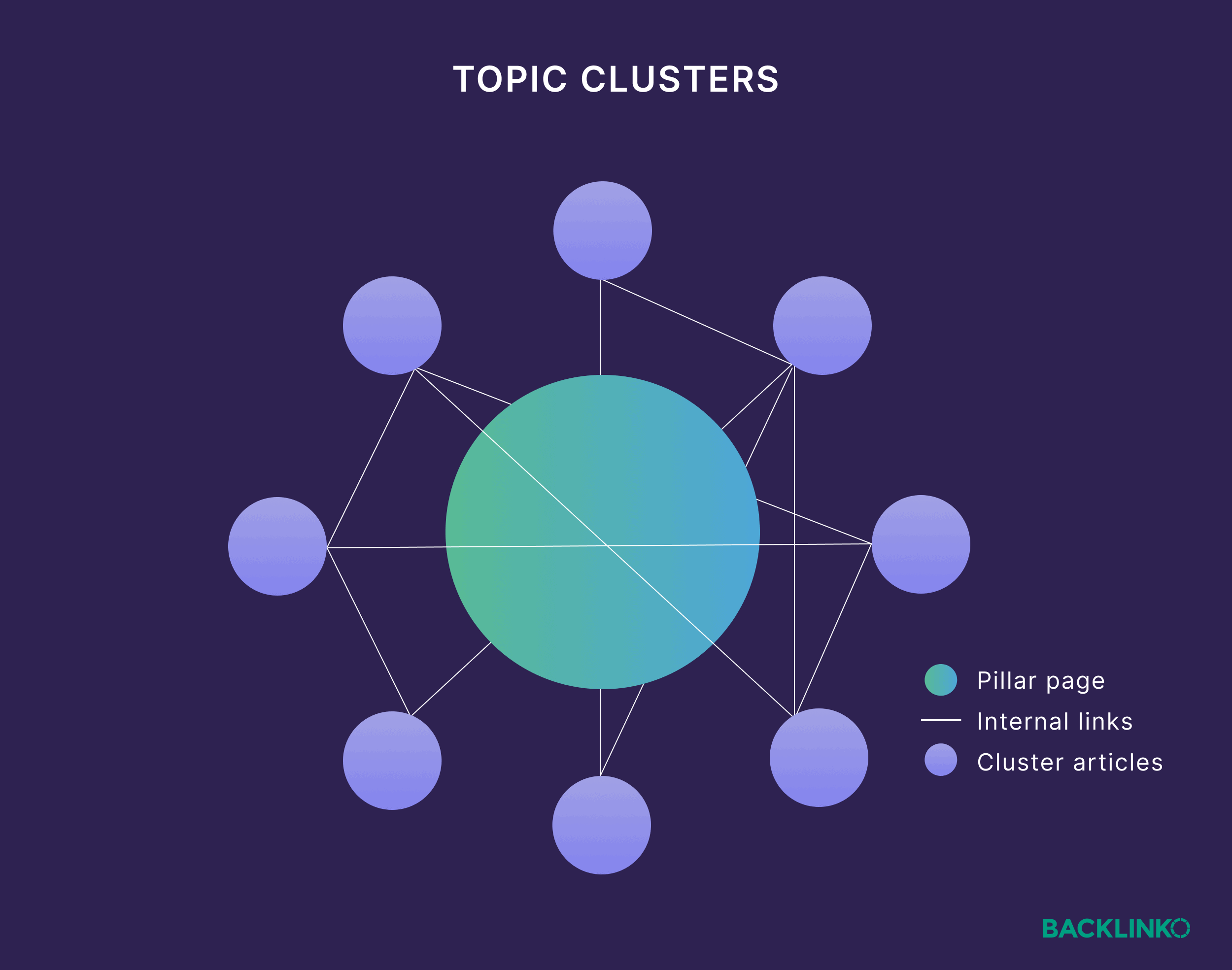
Query fan-out is a sophisticated process employed by AI search systems to decompose a single user query into multiple, more specific sub-queries. When a user submits a prompt to an AI tool, the system does not simply retrieve the highest-ranking page for that specific string of text. Instead, it "fans out" the original query into a series of related sub-questions to build a comprehensive, multi-dimensional response.
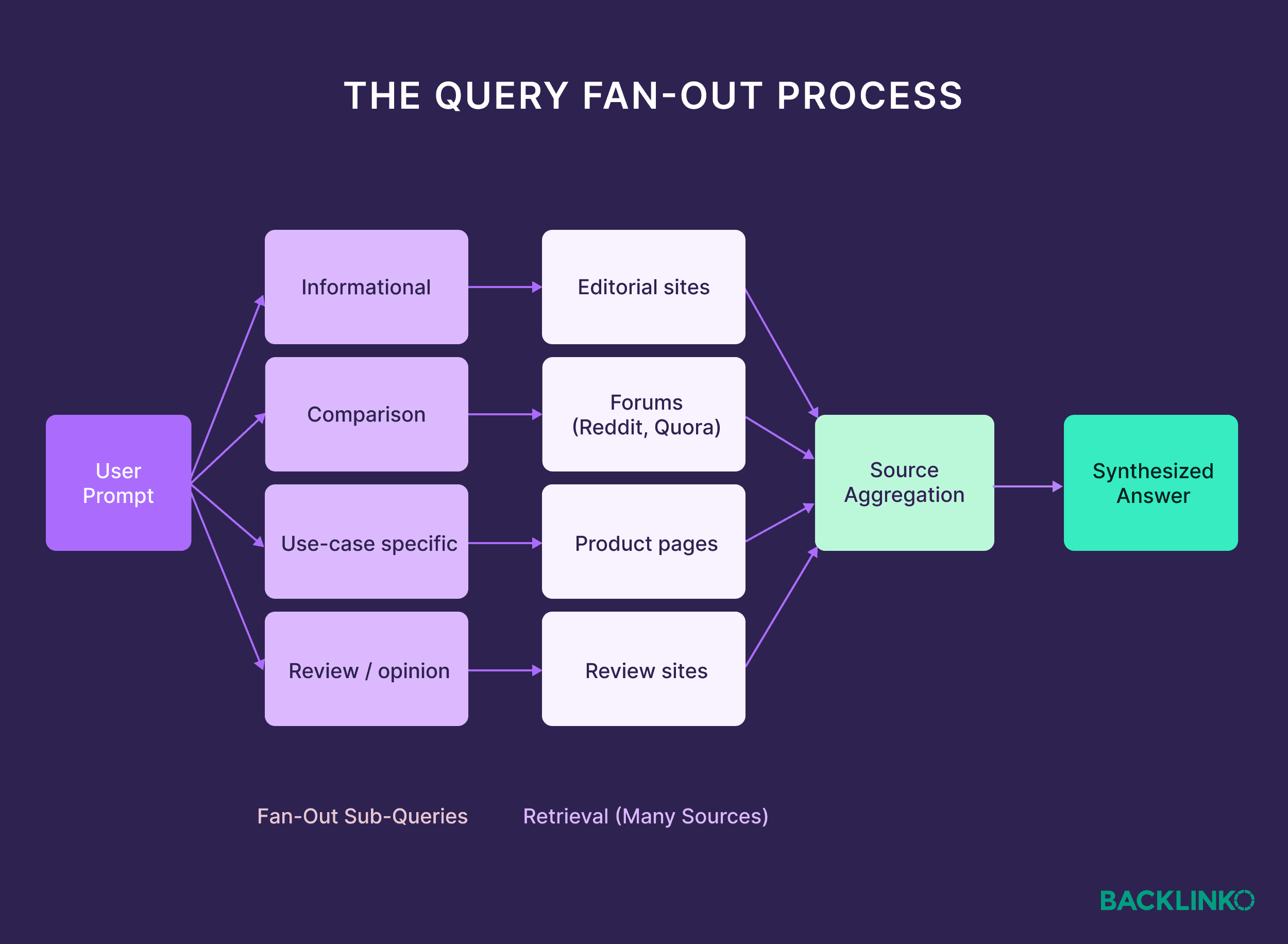
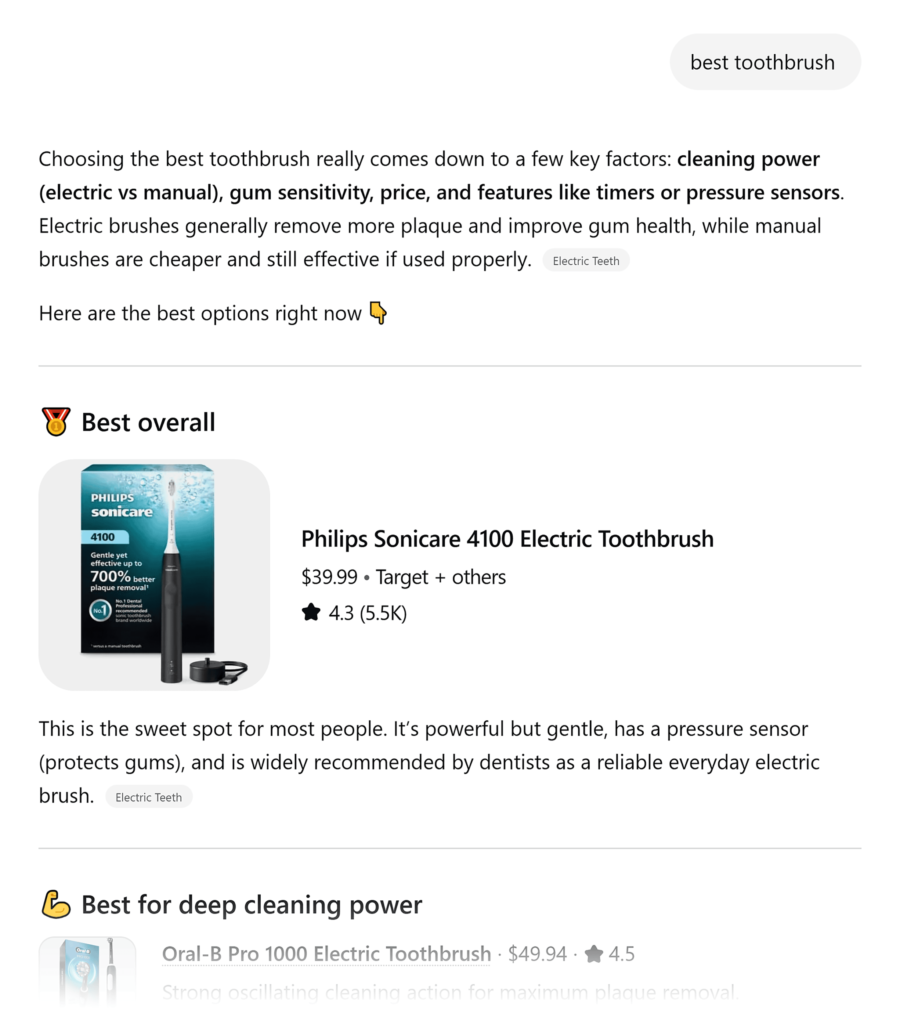
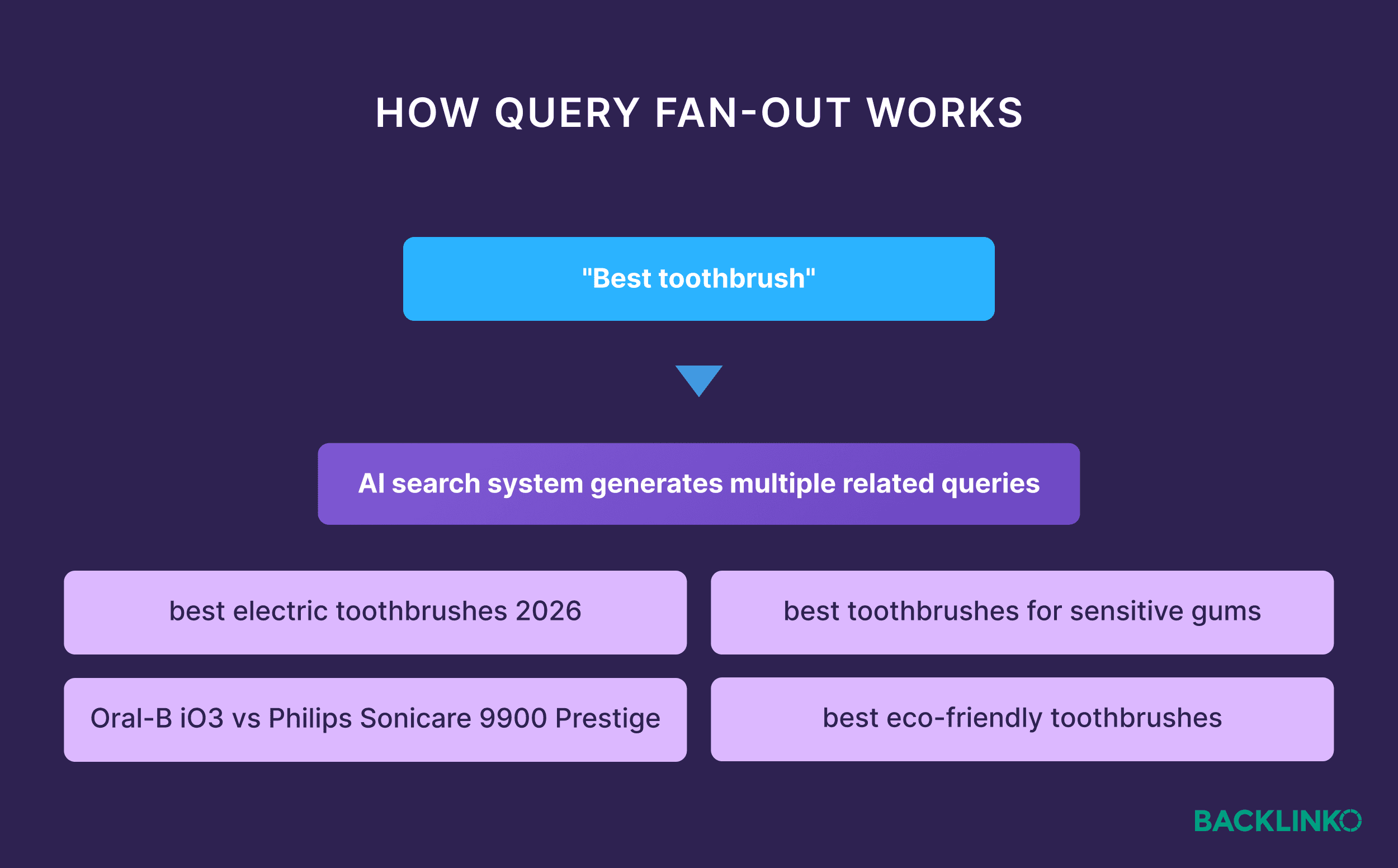
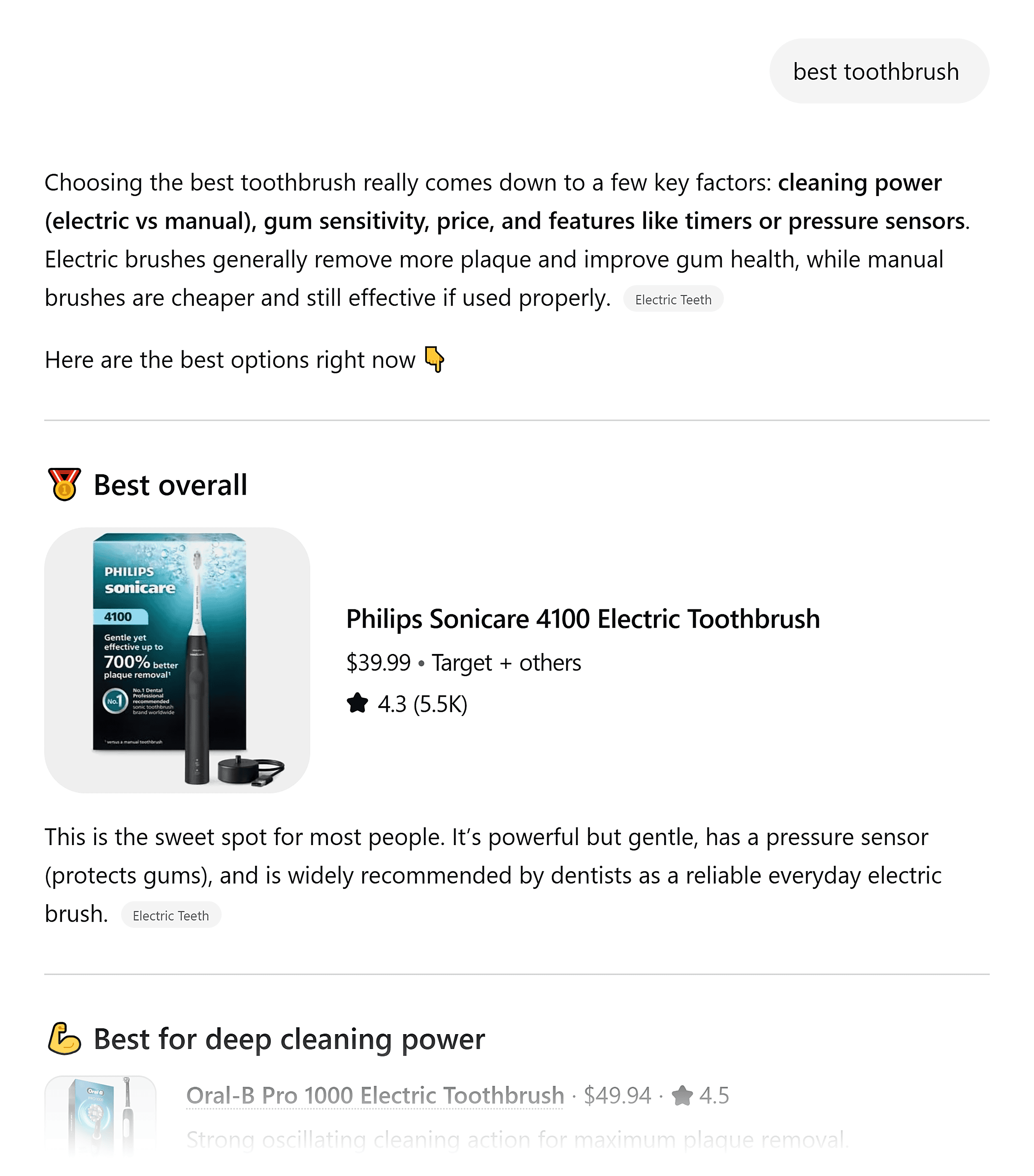
For example, a user asking for the "best toothbrush" triggers an AI to run several background searches simultaneously. These might include "best electric toothbrushes 2024," "top-rated toothbrushes for sensitive gums," "Oral-B vs. Philips Sonicare comparison data," and "eco-friendly toothbrush reviews." By synthesizing information from these varied sub-queries, the AI creates a single, authoritative answer that anticipates the user’s next several questions.
This process serves three primary functions: it clarifies the user’s intent, ensures the information provided is current, and provides a broader perspective by pulling from editorial sites, social media threads (such as Reddit), and technical product pages. Crucially, the AI treats every sub-query as an independent search, meaning a brand must be visible across these varied "fan-out" searches to be included in the final synthesized response.
The Evolution of Search: A Chronology of Discovery
The transition from traditional search to AI-driven synthesis has followed a rapid timeline, fundamentally altering how information is consumed online.
- Pre-2022: The Keyword Era. Search was primarily a matching game. Users entered keywords, and Google provided a list of pages that best matched those terms based on backlinks and on-page signals.
- Late 2022 – Early 2023: The LLM Breakthrough. The launch of ChatGPT introduced the public to conversational AI. Initially, these models relied on static training data, meaning they could not search the live web.
- Late 2023: The Integration of RAG. Retrieval-Augmented Generation (RAG) became the standard. AI systems began "grounding" their answers in live web data to reduce hallucinations and provide citations.
- 2024: The Rise of Agentic Search. Platforms like Perplexity and SearchGPT popularized the query fan-out method, where the AI acts as an agent, performing multiple searches behind the scenes to create a "zero-click" answer.
As this chronology suggests, the "linear" path to a website is being replaced by a "synthetic" path where the AI serves as the final destination, citing sources only as supporting evidence.
Statistical Analysis: Why Rankings No Longer Guarantee Citations
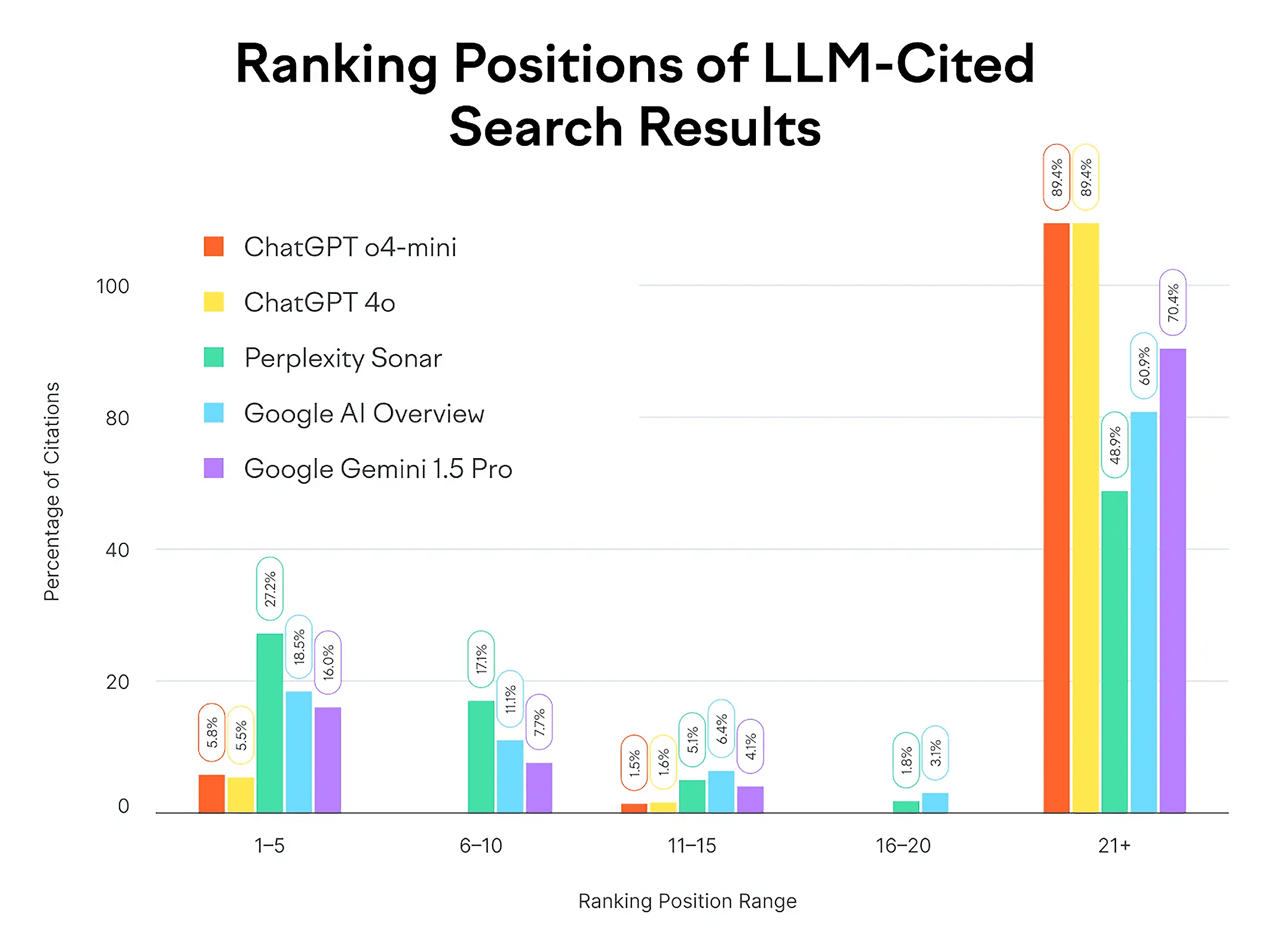
Data from industry studies indicates a stark disconnect between traditional search rankings and AI visibility. A comprehensive study by Semrush revealed that ChatGPT cites pages in position 21 or lower nearly 90% of the time. This suggests that while Google’s algorithm may favor a page for its authority and backlink profile, an AI’s RAG process favors the specific passage that most directly answers a sub-query.
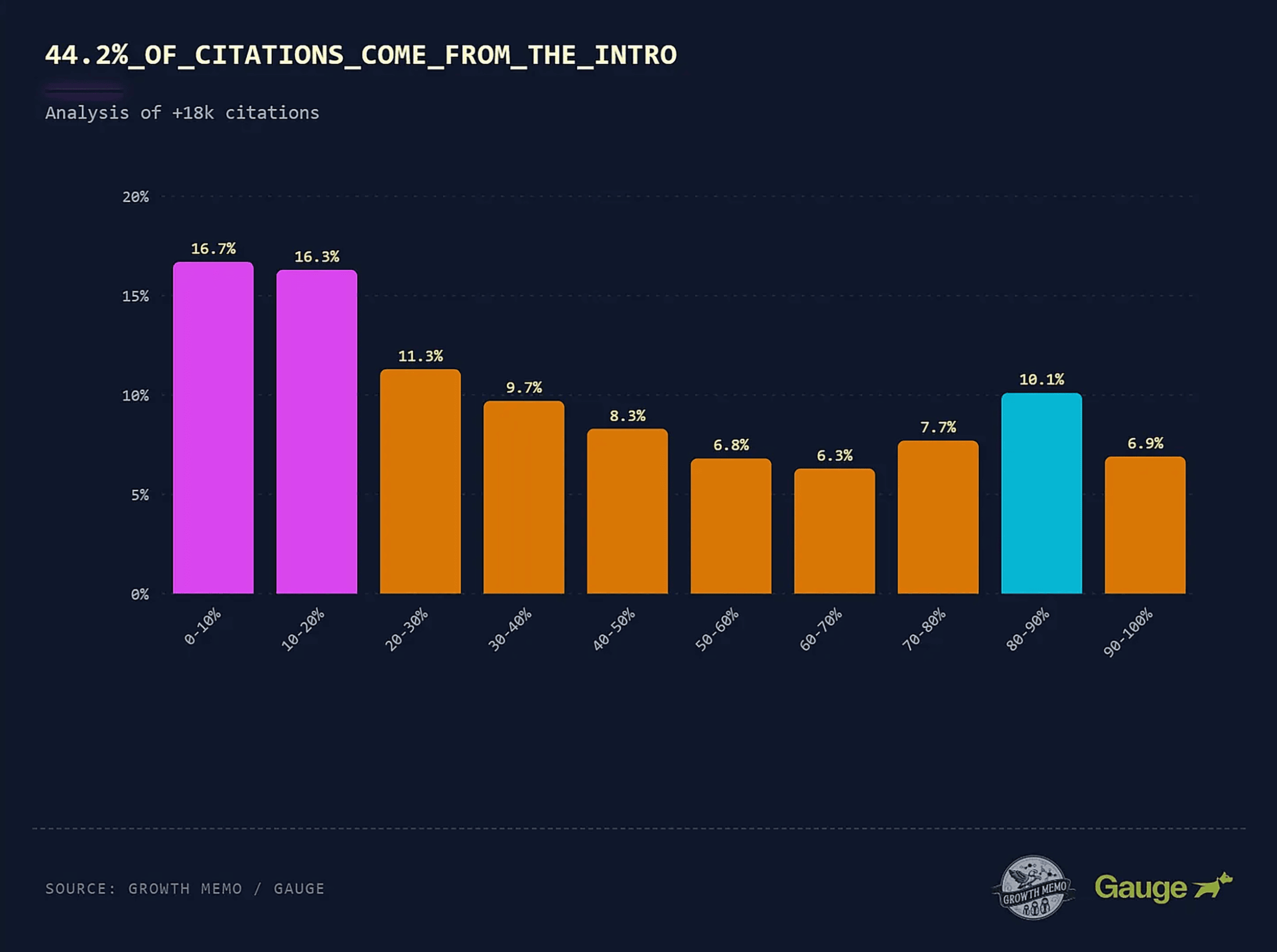
Furthermore, the placement of information within a page has become a critical factor for AI retrievability. Analysis conducted by growth advisor Kevin Indig on 1.2 million ChatGPT responses found that 44.2% of citations are pulled from the first 30% of a webpage. The middle third of a page accounts for 31.1% of citations, while the final third contributes only 24.7%.
This data confirms that AI systems prioritize "front-loaded" information. To earn a citation, a page must not only contain the answer but must present it in a self-contained, easily extractable format near the top of the document.

The Collapse of the Buying Journey
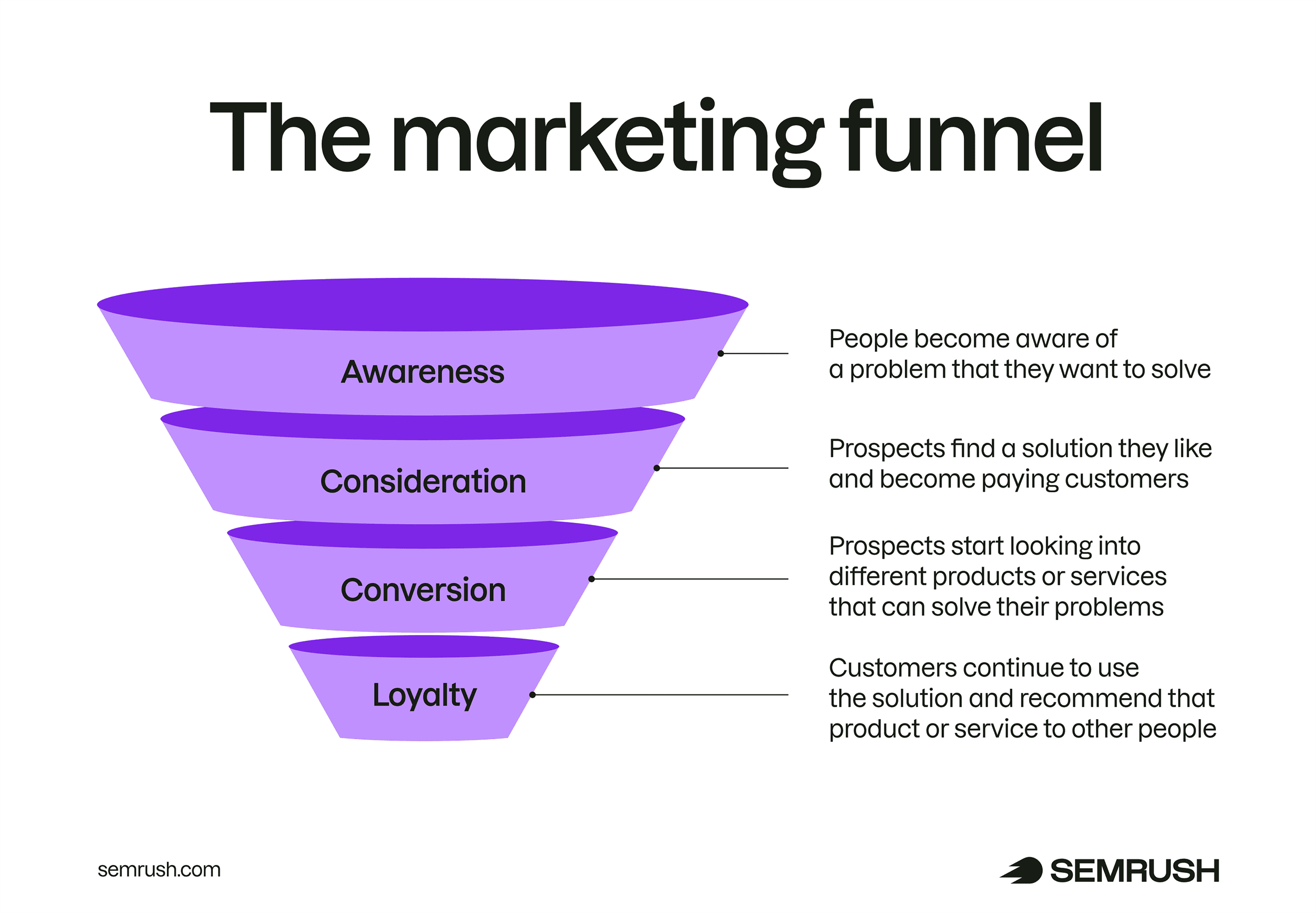
Traditional marketing theory posits a linear "funnel" where consumers move from awareness to consideration and finally to a decision. Marketers have historically created separate content for each stage. Query fan-out effectively collapses this funnel into a single interaction.
When a user asks a high-intent question, the AI’s fan-out process automatically pulls awareness-level context (what is this product?), consideration-level comparisons (how does it compare to others?), and decision-level specifics (what is the price and where can I buy it?) into a single response. Consequently, a brand’s content must work across the entire funnel simultaneously. If a brand only provides top-of-funnel educational content but lacks technical comparison data, it may be cited for the "what" but ignored for the "which."
A Strategic Workflow for AI Visibility
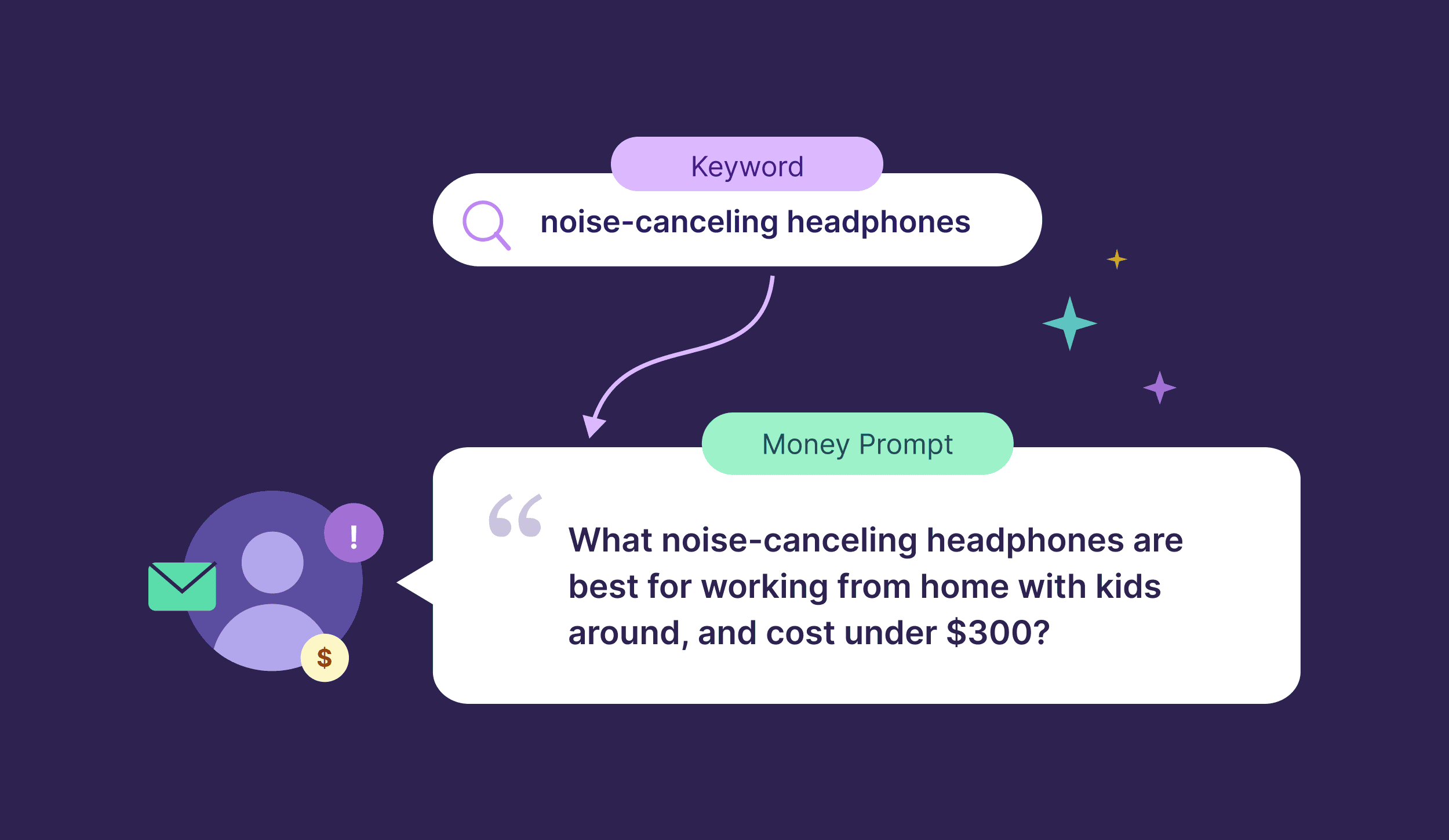
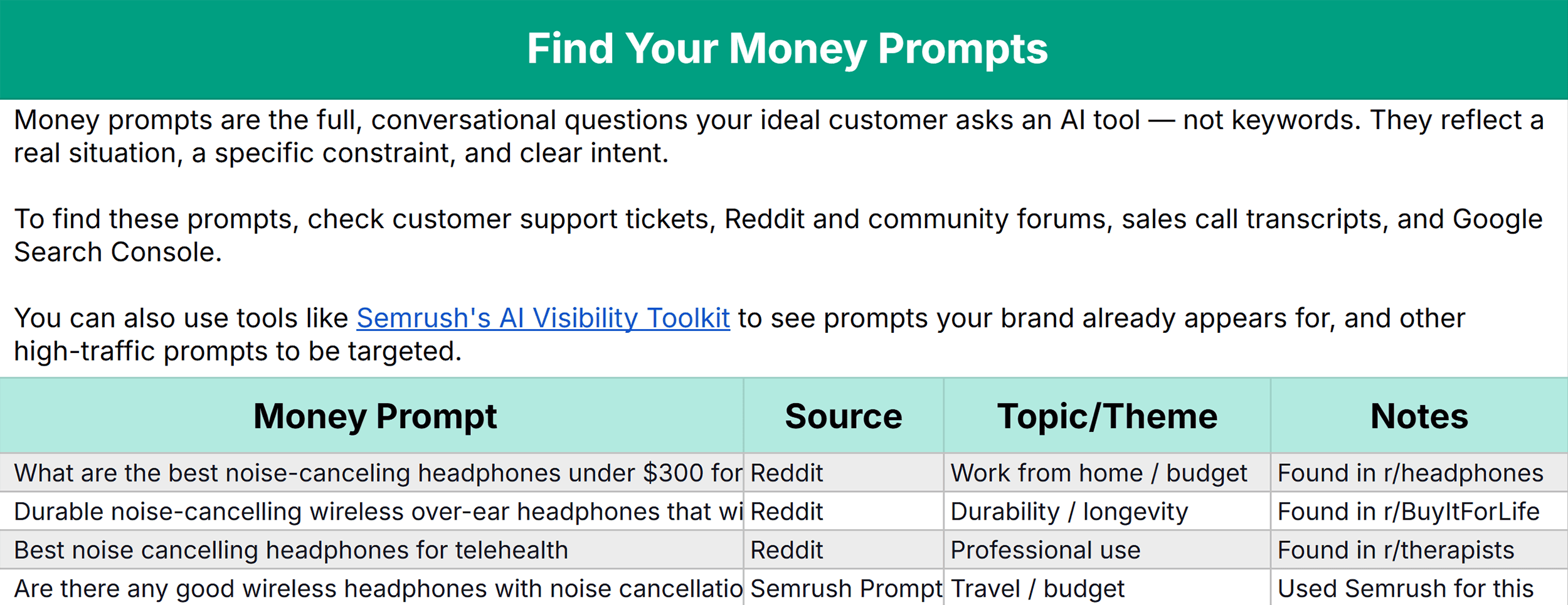
To navigate this new environment, organizations must adopt a repeatable workflow focused on "Money Prompts"—the conversational questions ideal customers ask AI tools.
1. Identifying Money Prompts
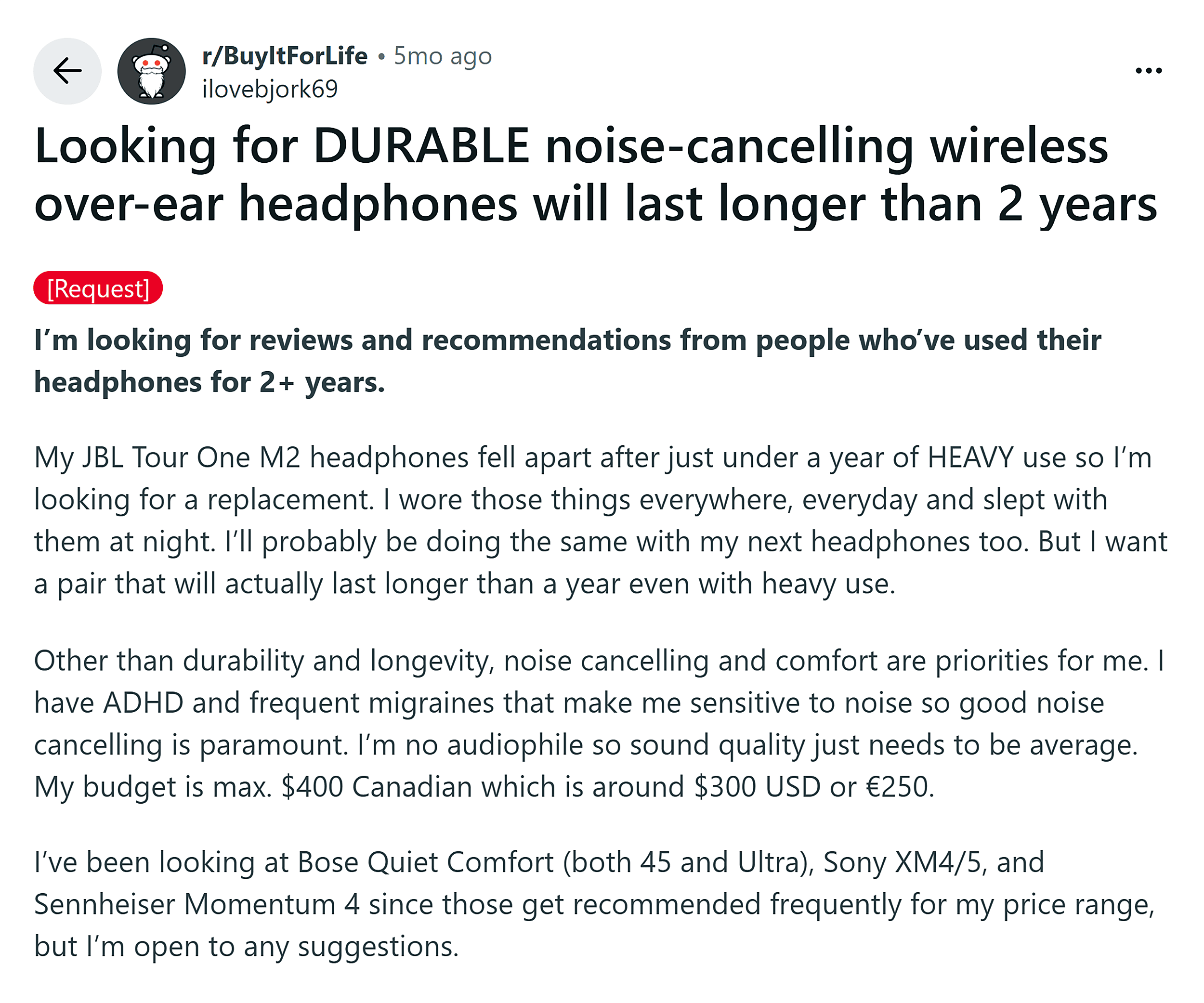
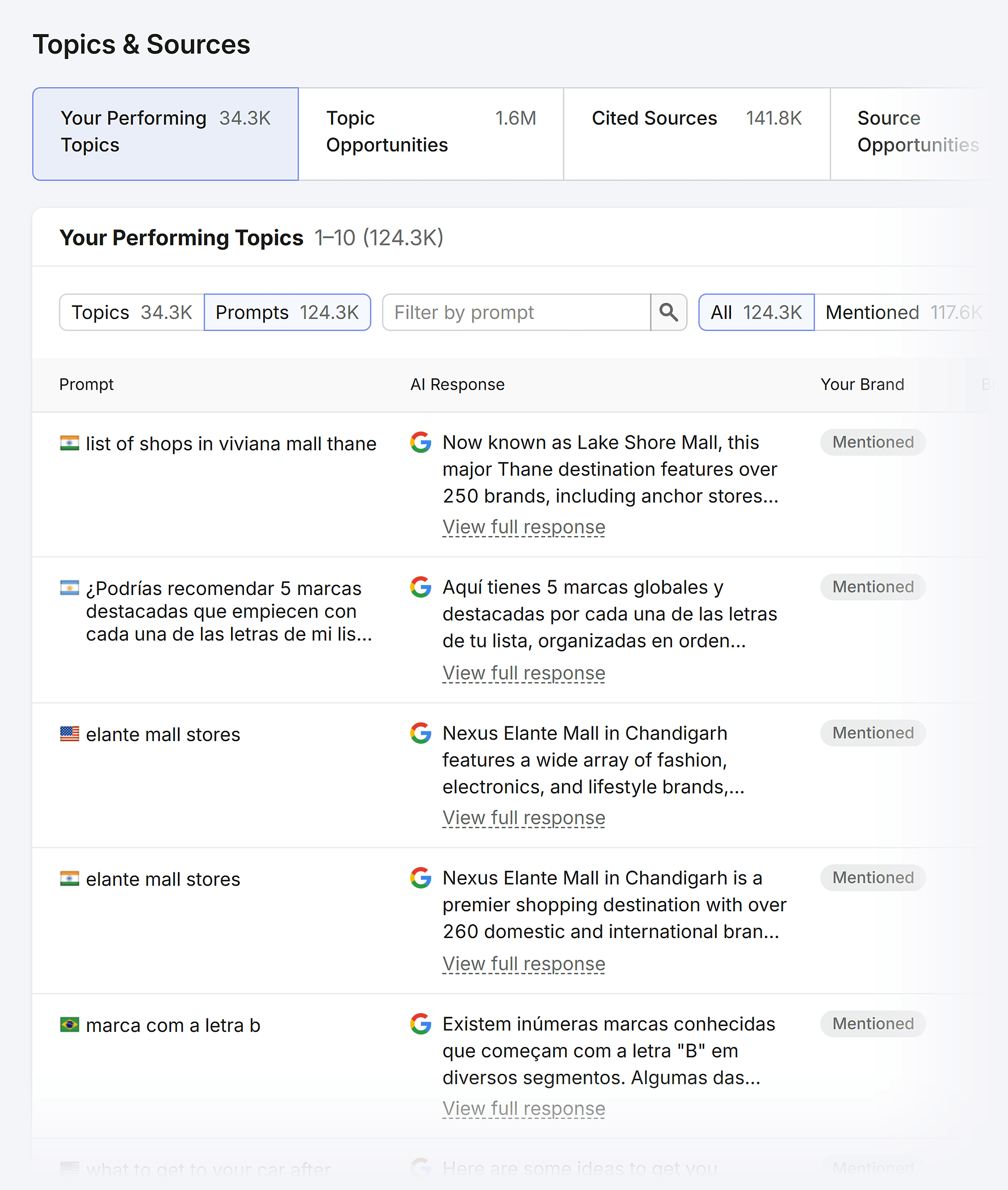
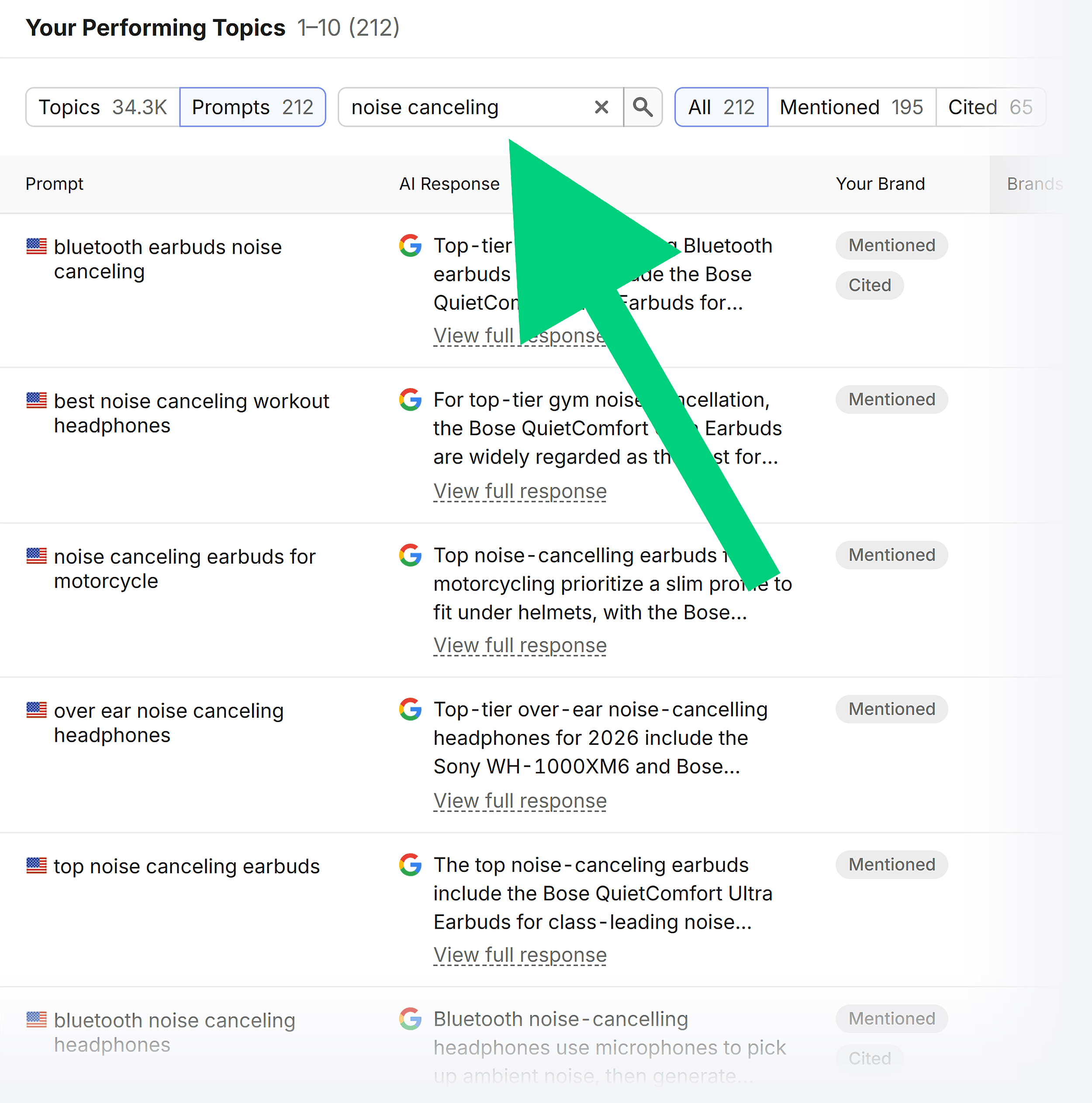
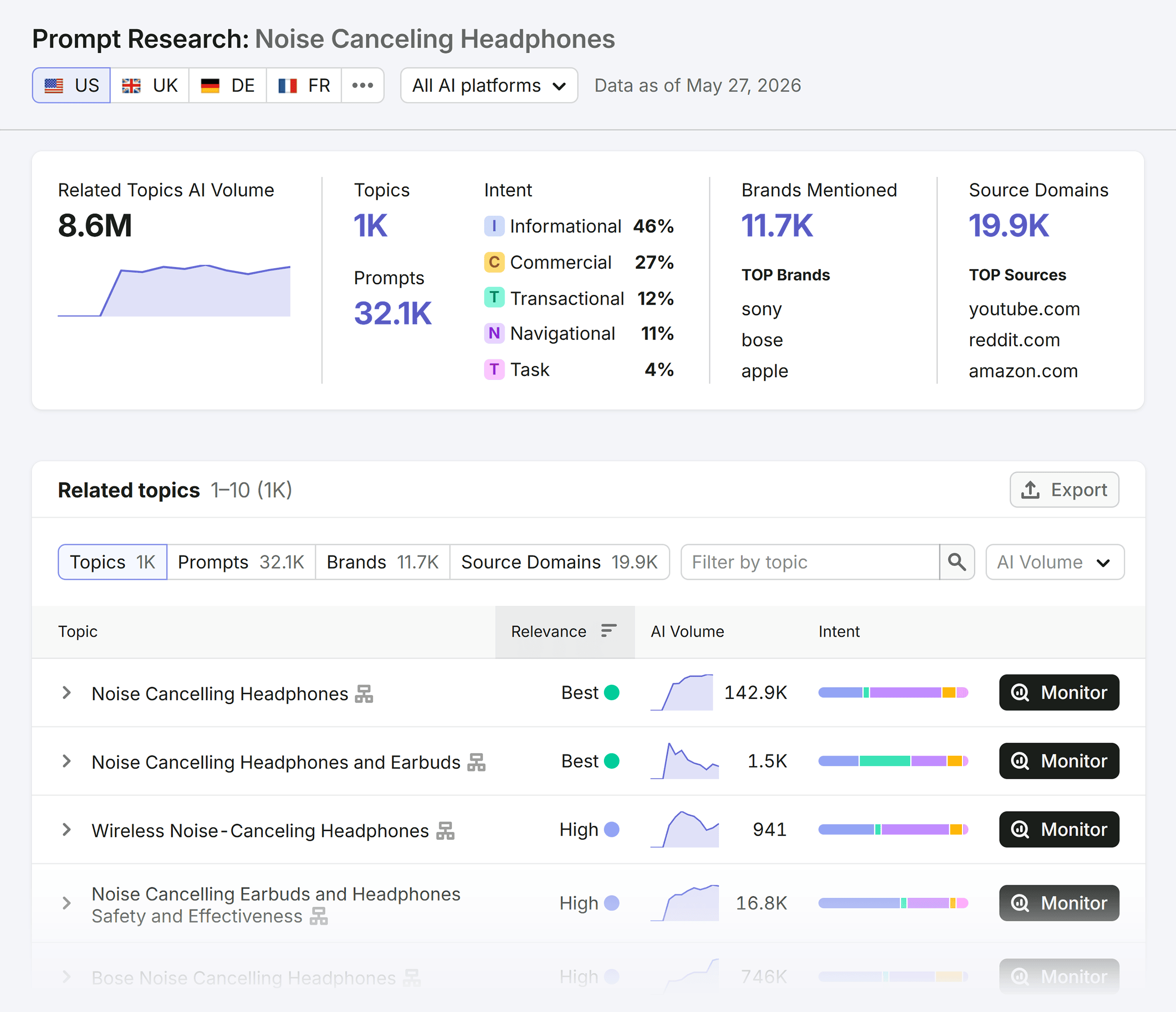
Money prompts are the AI equivalent of high-commercial-intent keywords. They are specific, conversational, and solve a problem. Brands can identify these by monitoring forums like Reddit or using specialized tools like the Semrush AI Visibility Toolkit, which tracks exactly what users are typing into LLMs and how brands are being mentioned in the responses.
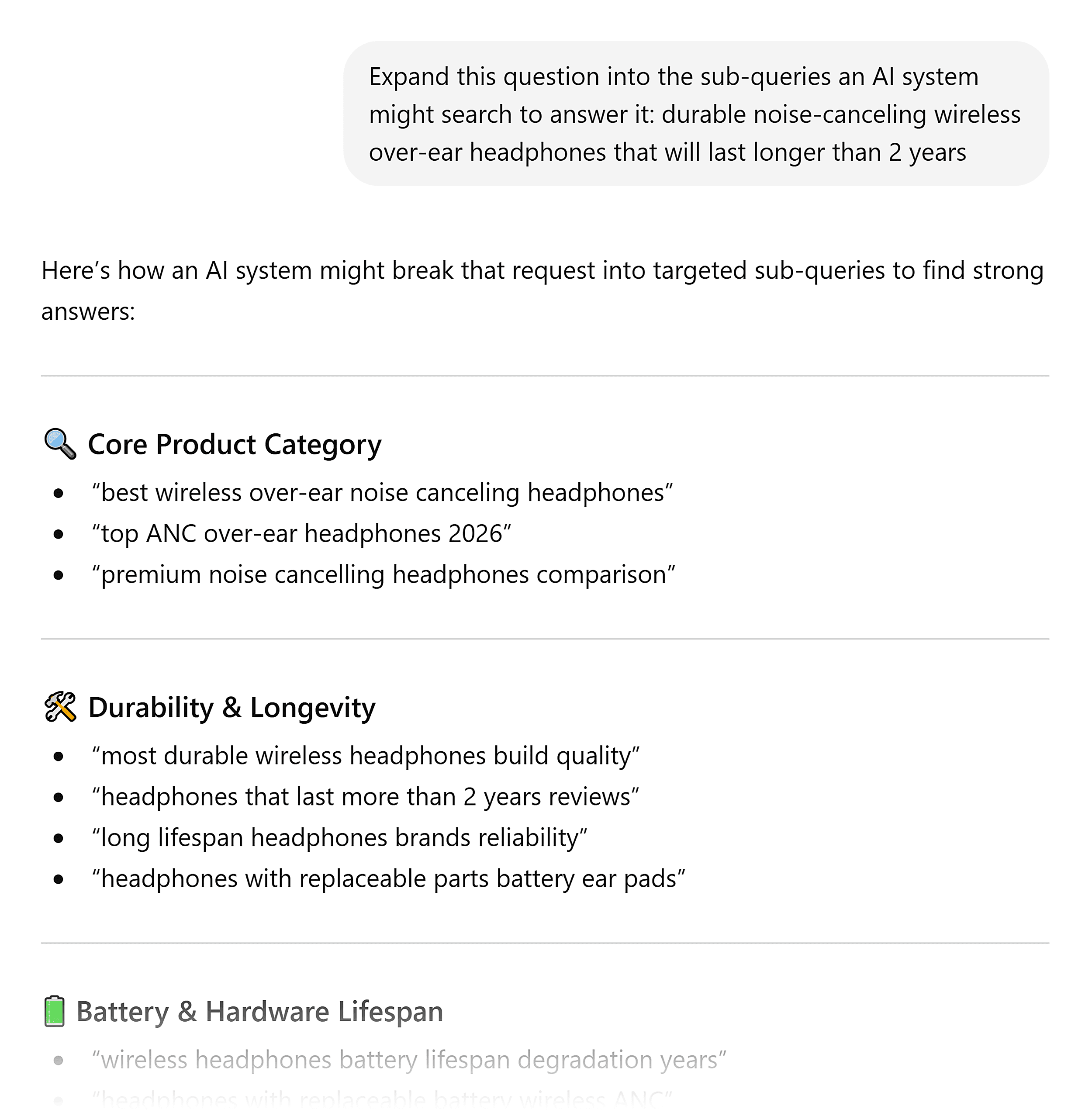
2. Generating the Fan-Out Set
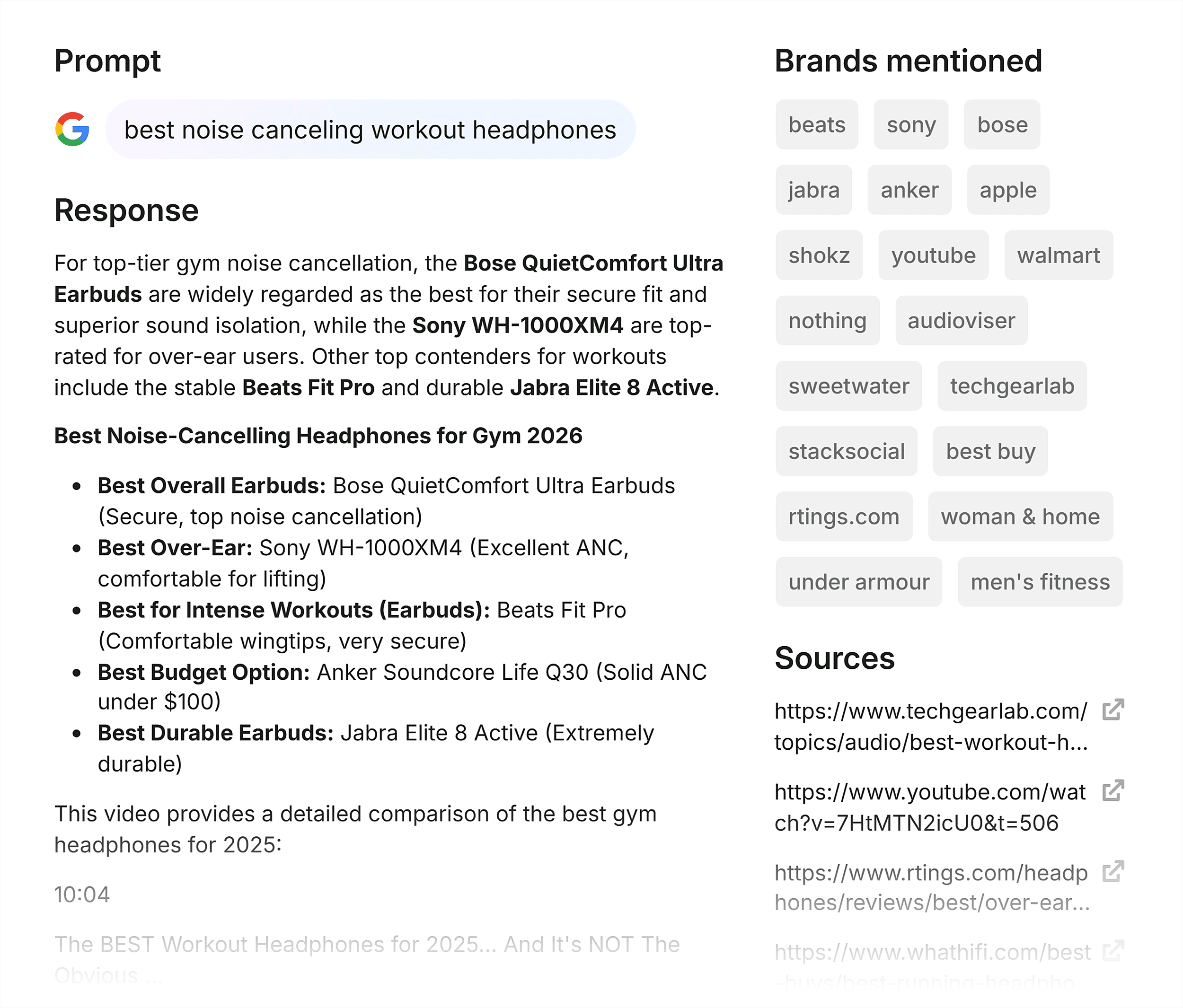
Once a money prompt is identified, marketers must determine what sub-queries it triggers. This can be done manually by asking an AI tool to "break this query into 10 sub-questions" or by using browser extensions that reveal the internal searches an AI performs.
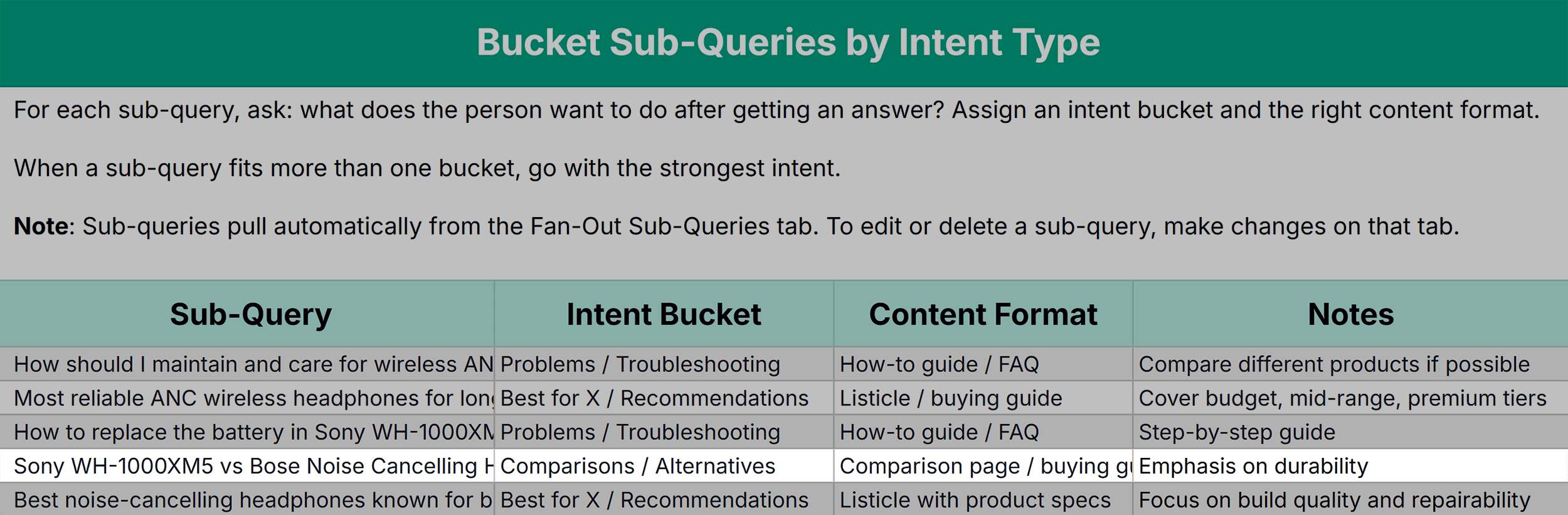
3. Intent Bucketing
Sub-queries generally fall into six categories: Definitions, Comparisons, Recommendations, Troubleshooting, Pricing, and Social Proof. Categorizing sub-queries allows a brand to determine the necessary content format, such as a head-to-head comparison table or a technical "how-to" guide.
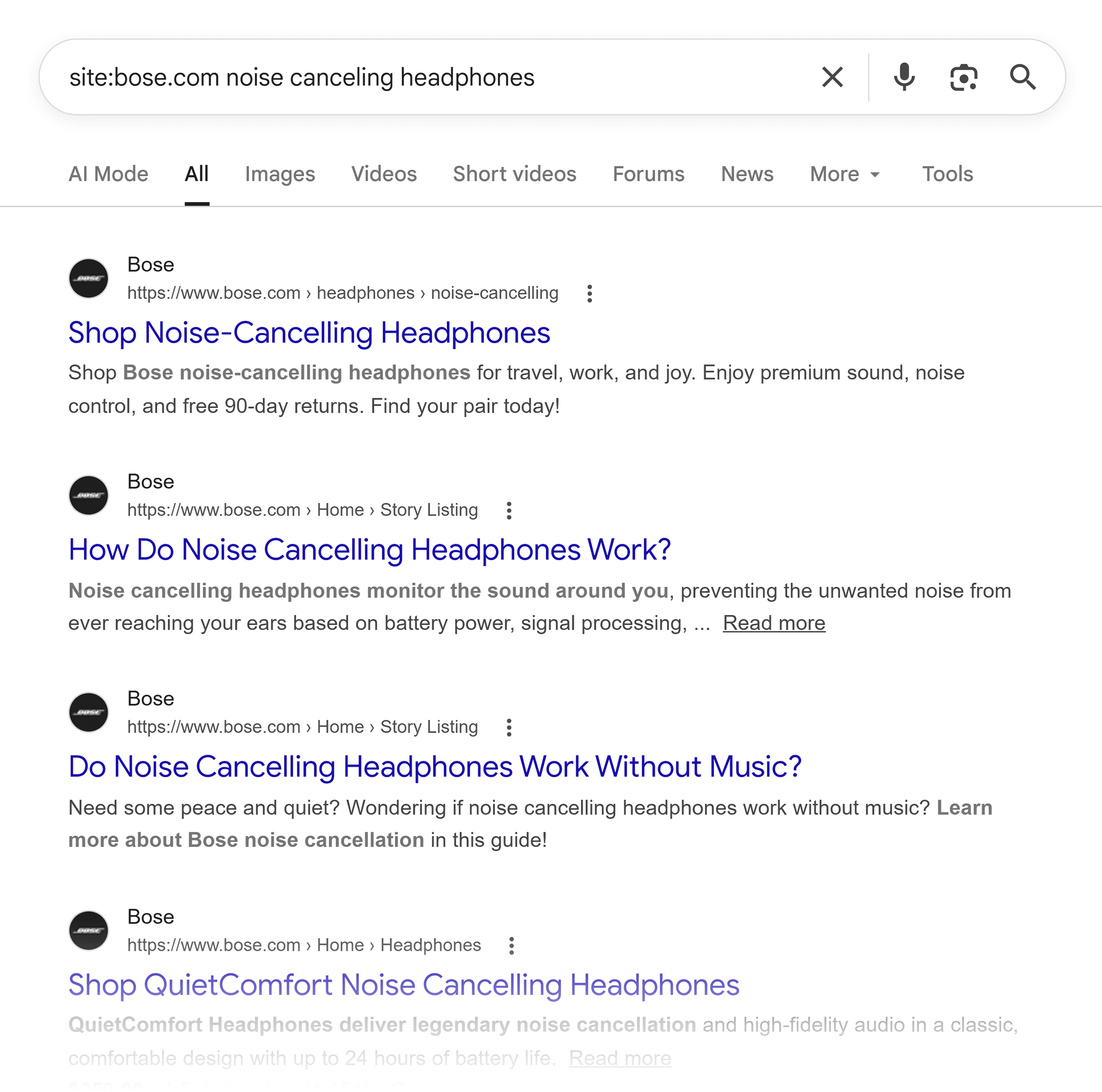
4. Content Gap Auditing
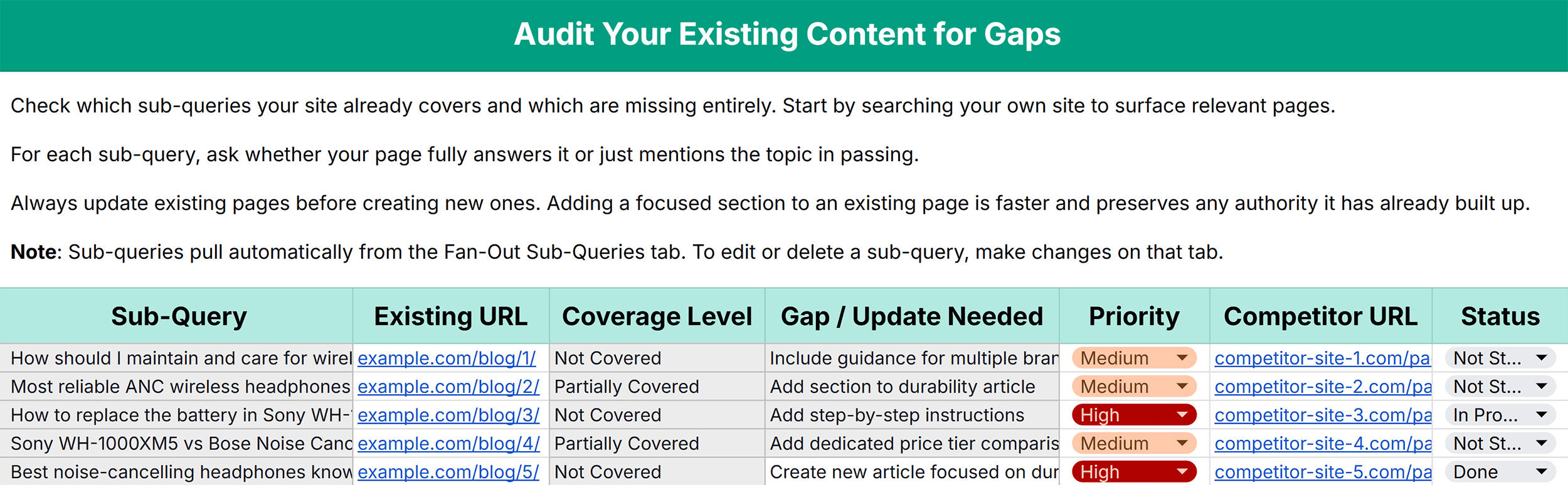
By searching their own domains for these sub-queries (using "site:domain.com [topic]"), brands can identify gaps. A gap exists if a sub-query is not covered, only partially covered in a passing mention, or buried so deep in a page that an AI cannot extract it.
5. Structural Optimization
For content to be AI-retrievable, it must be structured for machine parsing. This includes:
- Front-loading: Placing the most critical answers in the introduction.
- Scannability: Using descriptive H2 and H3 subheadings that mirror sub-queries.
- Structured Data: Utilizing tables and bulleted lists for technical specifications.
- Self-Containment: Ensuring each section of a page makes sense without requiring the reader to see the rest of the document.
Platform-Specific Nuances
Not all AI platforms handle query fan-out identically. Understanding these differences is essential for a nuanced content strategy.
- ChatGPT: Uses a reasoning-heavy approach, running live web searches only when fresh data or specific comparisons are required. It relies heavily on third-party review sites and Reddit.
- Perplexity: Combines conversational context with real-time search. It often performs "contextual fan-out," checking a user’s past queries to tailor the response.
- Claude: Prioritizes intent clarification. It often asks the user follow-up questions before searching, leading to fewer but more targeted sub-queries.
- Google AI Overviews: Synthesizes Google’s existing index into condensed summaries. It rewards content that is already well-optimized for featured snippets.
Broader Implications and Future Outlook
The rise of query fan-out signals a shift toward "Topical Authority" over "Keyword Authority." In the future, a brand’s visibility will depend on its "coverage" across the web—not just on its own website, but in the third-party sources that AI systems trust during their fan-out searches. This includes industry journals, review platforms, and community discussions.
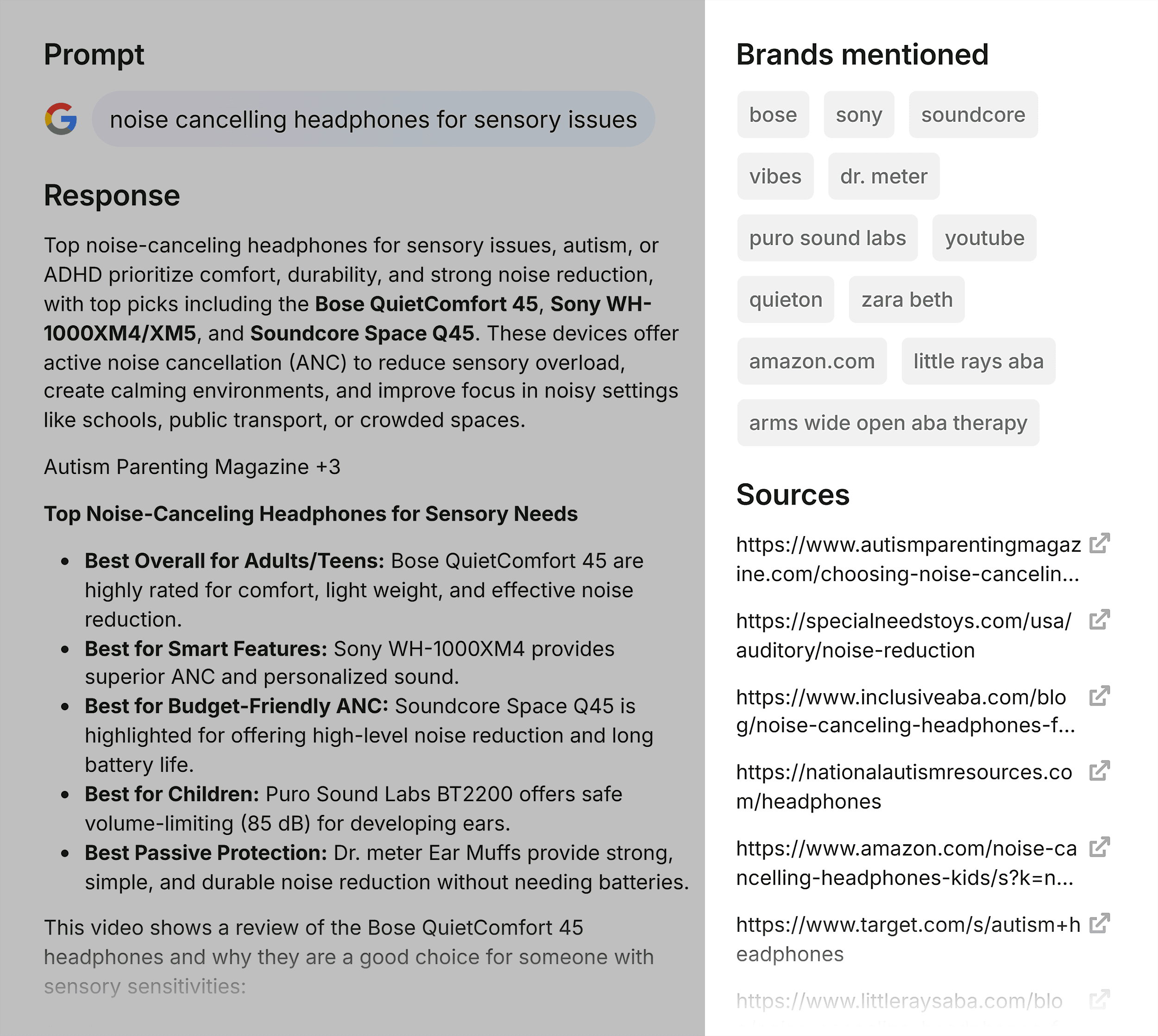
Furthermore, sentiment analysis is becoming a critical component of AI performance. Tools like the "Perception" tracker now allow brands to see not just how often they are mentioned, but how they are described. If an AI consistently cites a competitor more favorably in comparison sub-queries, the brand must address those specific "sentiment drivers" in its content.
Ultimately, query fan-out is a reminder that AI search is designed for the user, not the publisher. To succeed, brands must stop trying to "rank" and start trying to "solve." By providing clear, structured, and comprehensive answers to the sub-queries that define their industry, organizations can ensure they remain at the center of the AI-driven conversation.