
The modern cultural narrative surrounding breast cancer has long relied on a reassuringly linear plot: a patient receives a daunting diagnosis, undergoes grueling treatments such as chemotherapy, radiation, or surgery, achieves remission, and simply goes back to normal. However, a powerful and unflinching new campaign from creative agency Thinkerbell and EXIT Films director Bonnie Moir aims to dismantle that simplified myth once and for all. Titled The Whole Story and developed for Breast Cancer Network Australia (BCNA), the campaign exposes the raw, visceral, and often entirely invisible struggles that persist long after active medical treatment has ended.
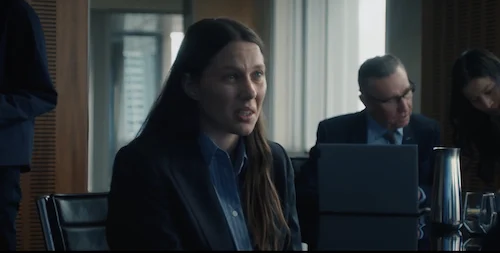
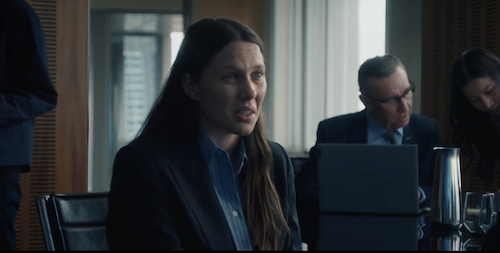
Led by a searing and emotionally charged performance from actor Brenna Harding, the campaign film confronts audiences with realities that rarely make it into standard awareness ribbons or celebratory survivorship announcements. Drawing directly from the lived experiences of 37-year-old Bec Chan—and echoing the stories of thousands of others—Harding delivers a dramatic monologue that lays bare the hidden fallout of a breast cancer diagnosis. The script and direction do not shy away from taboo or uncomfortable topics, directly addressing destroyed libidos, silent relationship breakdowns, career displacement, debilitating brain fog, the constant psychological dread of recurrence, and premature fertility loss.
The launch of The Whole Story marks the official rollout of BCNA’s ambitious new brand platform, No Life Limited by Breast Cancer. Designed to shift public consciousness, the platform seeks to bridge the chasm between how society perceives breast cancer recovery and what patients actually endure behind closed doors.
Deconstructing the Myth of "Getting Back to Normal"
For decades, public health campaigns have rightly focused on early detection, screening programs, and the remarkable advancements in medical treatments that have dramatically improved survival rates. These decades of advocacy have saved countless lives and reshaped the medical landscape. Yet, this success has inadvertently fostered a widespread societal misconception. The general public often assumes that a successful five-year survival rate equates to a complete restoration of the patient’s pre-diagnosis life.
According to Jonny Rands, executive creative tinker at Thinkerbell, this assumption is not only false; it can be deeply isolating for survivors.
"Most people assume that when active treatment ends, you just wrap things up and get on with life," Rands stated. "The reality is far from that. With The Whole Story, we wanted to call out that myth and talk about what’s actually happening, in full."
Rands emphasized that the production had to carry immense emotional weight to do justice to the subject matter. By anchoring the script in the unfiltered testimonies of real women, the creative team aimed to create a piece of work that transcends traditional advertising. No Life Limited by Breast Cancer is positioned not merely as a marketing campaign, but as an ongoing advocacy platform designed to foster difficult conversations and drive structural and cultural change.
The Data Behind the Disconnect
The necessity for this cultural recalibration is underscored by stark new survey data released by Breast Cancer Network Australia. The research reveals a profound disconnect between the public perception of breast cancer and the lived reality of those navigating the disease. While medical milestones are frequently celebrated, the day-to-day aftermath remains largely obscured.
Statistically, cancer remains one of the most pervasive health challenges in Australia. Data from Cancer Council Australia indicates that nearly one in two Australians—approximately 44% to 50%—will be diagnosed with some form of cancer by the age of 85. Specifically focusing on breast cancer, approximately one in seven Australian women will receive a diagnosis in their lifetime.
Thanks to continuous breakthroughs in oncology, diagnostic imaging, and therapeutic interventions, survival rates have soared. The current five-year survival rate sits at an encouraging 93% for women and 87% for men. However, medical experts and advocacy groups emphasize that high survival rates tell only part of the story. Surviving the disease physically does not automatically mean surviving its socioeconomic, psychological, and relational consequences unscathed.
Rachel Carr, BCNA’s director of brand, engagement and income, highlighted the limitations of relying solely on quantitative survival metrics.
"The progress we’ve made in breast cancer survival is extraordinary, but a survival statistic can’t tell us what someone experienced to survive, what breast cancer changed in their life, or what they may still be living with," Carr noted.
She pointed out that every single day, the network hears testimonies detailing the complex realities hidden behind numerical data. These include profound shifts in identity, chronic physical pain, emotional trauma, fractured intimacy, financial distress, and the persistent terror of a secondary diagnosis.
"That’s the purpose of The Whole Story. We want to bring more of these experiences into the public conversation and broaden people’s understanding of breast cancer," Carr added. "But this isn’t just about making the unseen visible. It’s about using that understanding to shape the support we provide, advocate for what people need and drive change around the things that can limit their lives."
Behind the Scenes: Artistic Vision and Execution
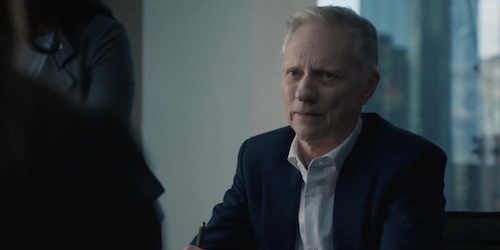
Bringing such a heavy and sensitive narrative to the screen required meticulous artistic execution. Directed by Bonnie Moir through production company EXIT Films, the commercial utilizes stark visual choices and pacing to keep viewers engaged with uncomfortable truths. Moir’s direction, paired with Max Walter’s cinematography and Leila Gaabi’s offline editing at The Editors, avoids melodrama, opting instead for a raw, documentary-style immediacy channeled through a fictionalized monologue.
Brenna Harding’s performance serves as the emotional engine of the project. Cast via Nick Hamon Casting, Harding maneuvers through the complex text with a vulnerability that mirrors the exhaustive research and personal accounts provided by Bec Chan. The production details—ranging from sound design by Rumble Studios to the careful art direction by Leah Popple—were orchestrated to ensure that the character’s living room felt authentic, grounding the systemic and personal issues discussed in a recognizable domestic reality.
The campaign rollout is comprehensive, hitting screens across cinema, broadcast video on demand (BVOD), subscription video on demand (SVOD), and various digital and social channels. Furthermore, the launch coincides with a broader organizational refresh for BCNA. The network is introducing an updated visual identity, which includes an evolutionary redesign of its iconic "pink lady" logo, signaling a modernized and more expansive approach to its advocacy work. This rebrand is supported by a multi-channel strategy spanning owned, earned, shared, and paid media spaces.
Broader Implications for Healthcare and Advocacy
The release of The Whole Story arrives at a critical juncture in health communication. As medical science progressively shifts cancer care from an acute crisis model to a chronic or manageable condition for many patients, healthcare systems are forced to adapt. The needs of patients do not evaporate the day they ring the hospital bell to signal their final radiation treatment; in many ways, the psychological and social integration of trauma begins in earnest only after the clinical safety net is withdrawn.
By challenging the cultural expectation that survivors should quietly resume their pre-diagnosis routines, Thinkerbell and BCNA are advocating for a more compassionate and realistic societal framework. The campaign forces employers, healthcare providers, friends, and family members to confront the invisible burdens carried by survivors. Whether addressing workplace discrimination against those experiencing brain fog, providing specialized psychological support for fear of recurrence, or destigmatizing conversations around sexual health and fertility post-treatment, the initiative points toward actionable areas where institutional and interpersonal support systems currently fall short.
Ultimately, No Life Limited by Breast Cancer seeks to redefine what victory over the disease looks like. True victory, the campaign suggests, is not merely keeping a patient alive statistics-wise, but ensuring that their post-treatment life is fully supported, understood, and unburdened by societal ignorance. Through unflinching storytelling and rigorous advocacy, BCNA and its creative partners have ensured that the conversation surrounding breast cancer will no longer be edited for comfort.