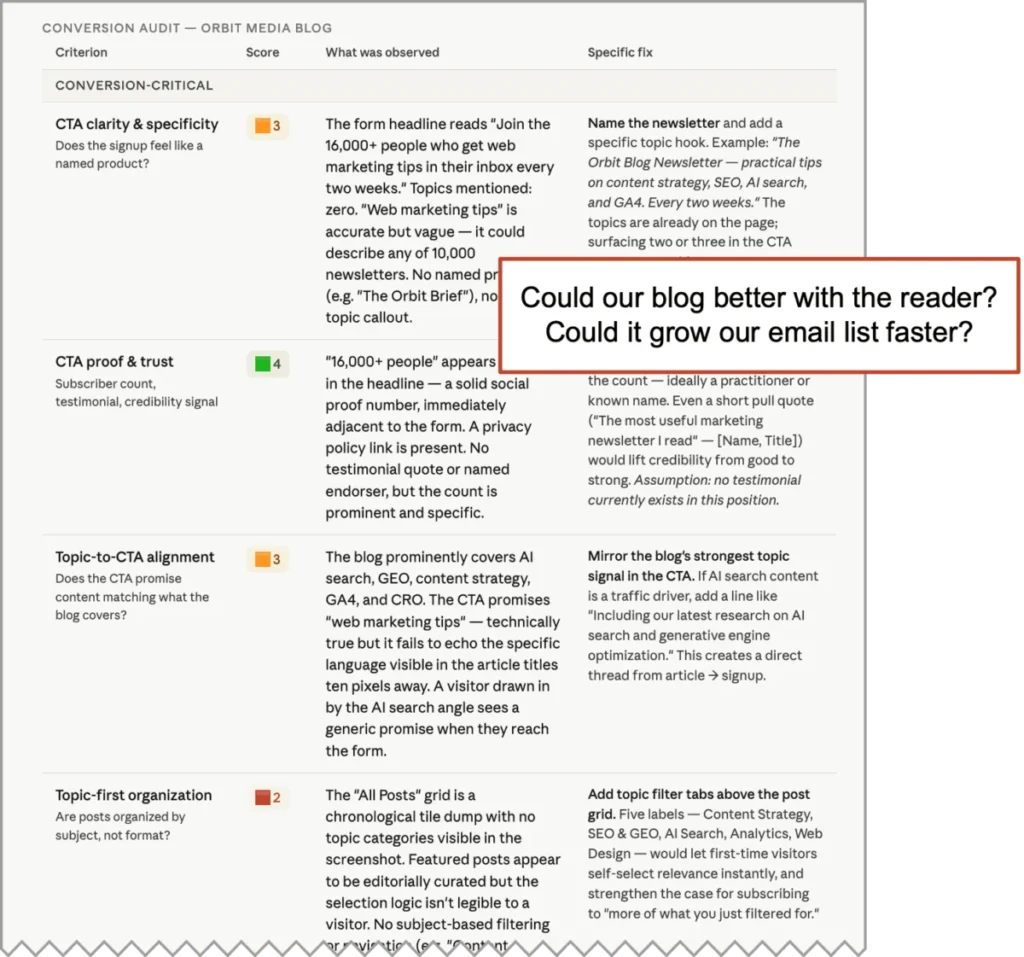

The integration of artificial intelligence into digital marketing operations has sparked an ongoing debate across the industry regarding the boundaries between automation and authentic human creation. While software developers and tech-forward marketing teams position AI as an indispensable engine for efficiency, purists argue that over-reliance on automated tools strips content of its unique voice, nuance, and genuine authority.
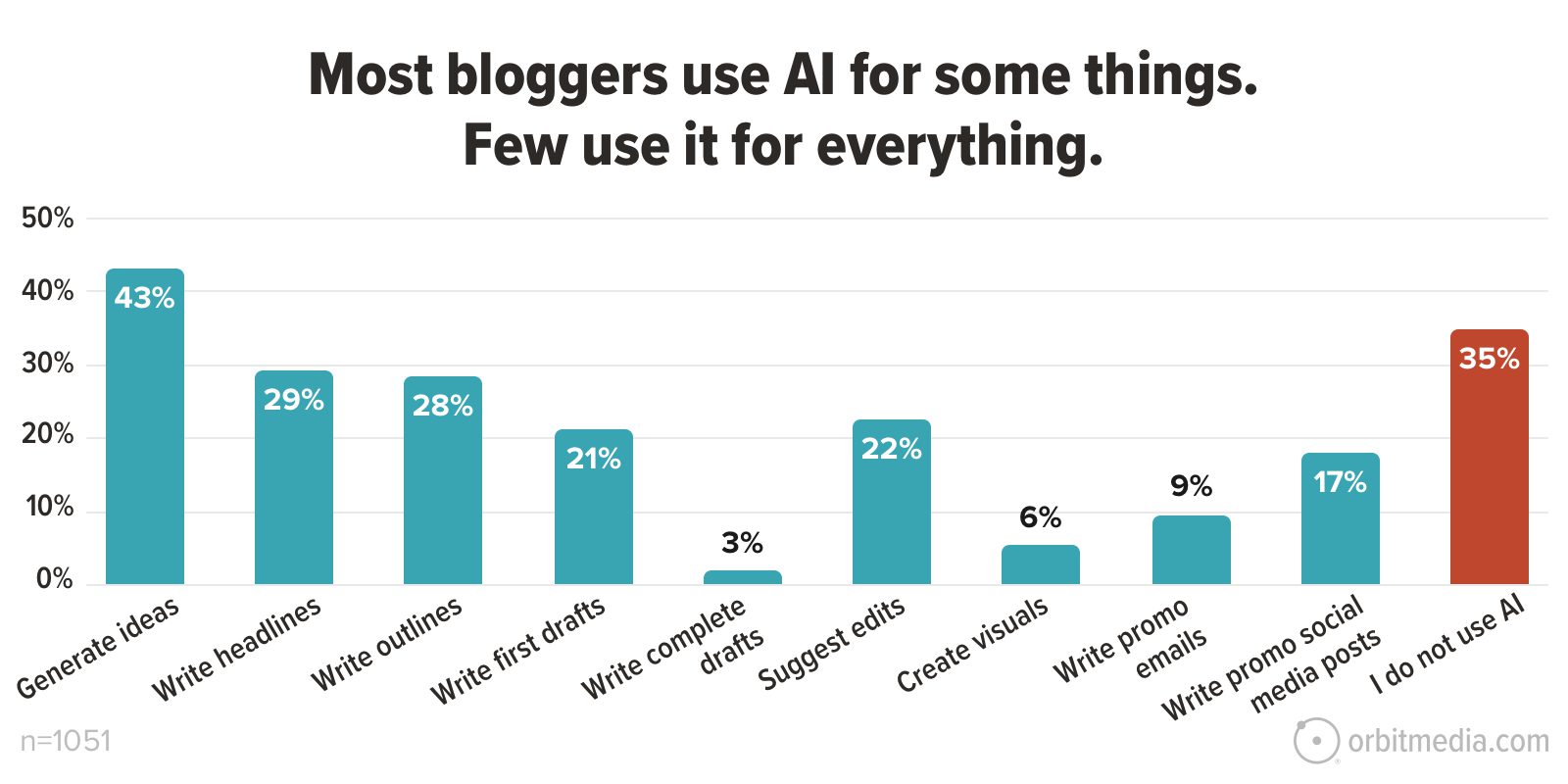
Despite the widespread availability of large language models capable of drafting entire articles in seconds, industry data indicates that most marketing professionals reject full automation. According to annual digital marketing benchmark surveys, only 11% of content marketers rely on artificial intelligence to draft full-length articles. Instead, the vast majority utilize these tools strictly for upstream ideation, structural outlines, headline generation, and editorial polish. Rather than replacing the writer entirely, AI has increasingly found its niche as a sophisticated assistant for content strategy, performance auditing, and data-driven market research.
The Shift From Generative Drafting to Strategic AI Integration
As digital ecosystems become saturated with generic, automated copy, the value of human perspective and original research has risen. Content that relies solely on generalized artificial intelligence often lacks the distinct viewpoints required to capture audience attention or establish genuine thought leadership. Consequently, forward-thinking organizations are shifting their deployment of AI away from content generation and toward structural optimization, audience discovery, and competitive analysis.
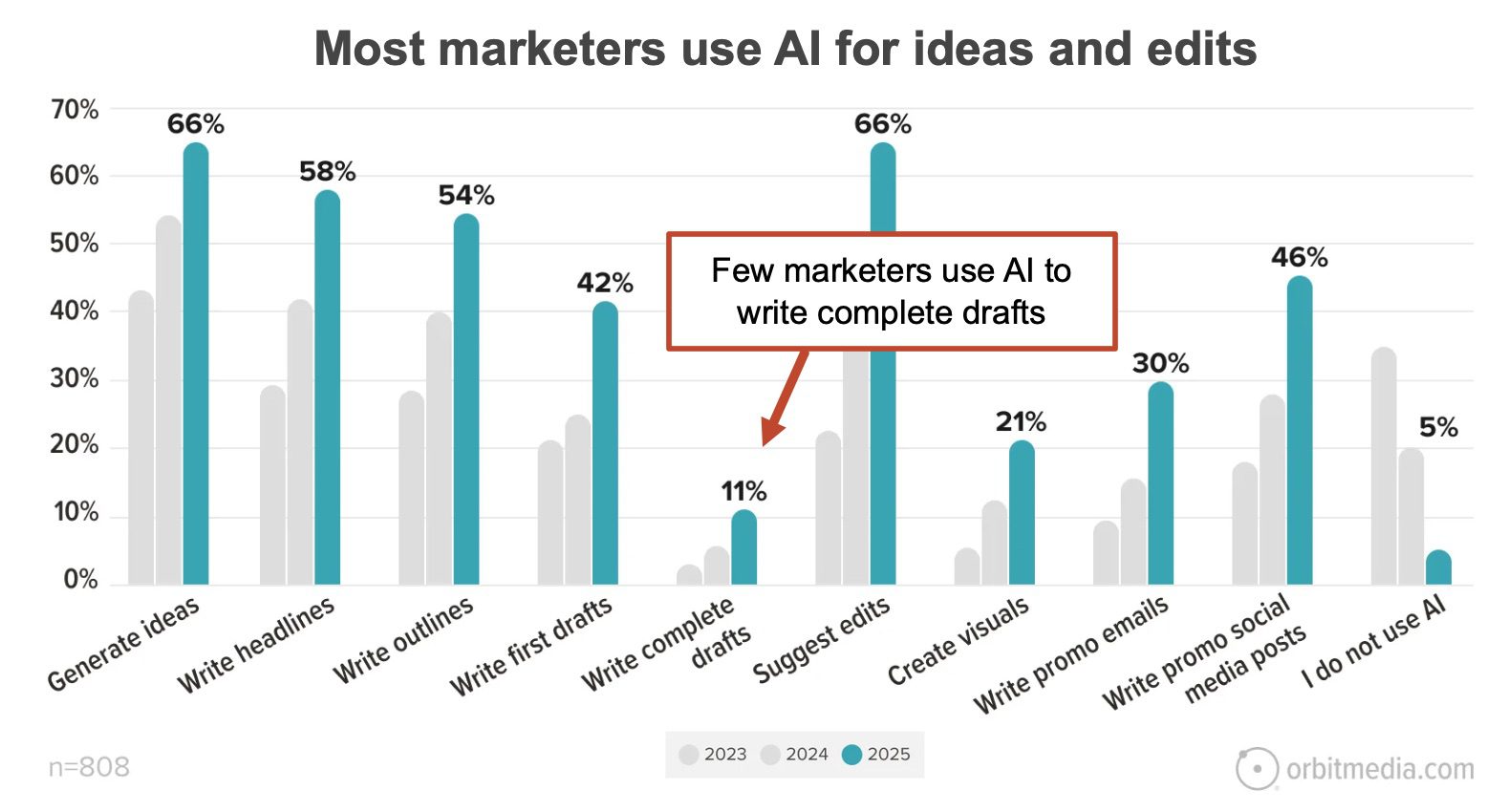
Industry experts emphasize that while artificial intelligence cannot formulate authentic opinions or replicate lived professional experience, it excels at processing large datasets, uncovering content gaps, and evaluating web architectures against conversion best practices. By delegating analytical and logistical tasks to machine learning models, human marketers can dedicate more time to crafting authoritative narratives, conducting original studies, and building industry partnerships.
1. Conducting Comprehensive Blog Homepage Audits
Before publishing new material, marketers must evaluate the primary digital hub where their content lives. A blog homepage serves as the central conversion engine for an organic marketing program, designed to transform casual visitors into engaged email subscribers.

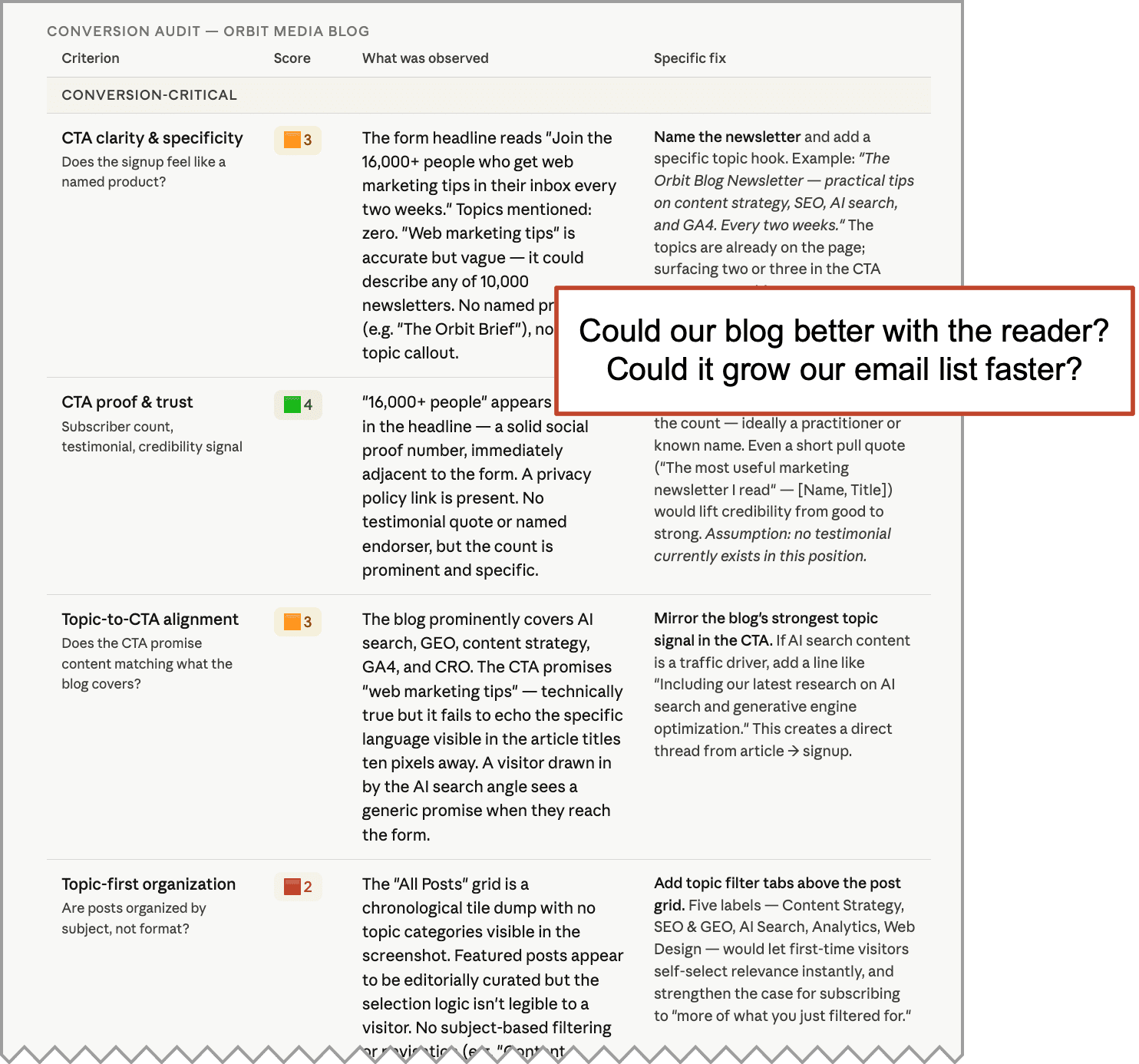
To streamline this evaluation, marketing strategists utilize specialized prompts that direct AI models to review webpage layouts against established conversion benchmarks. By feeding full-page screenshots and URLs into an LLM, teams can assess criteria such as value proposition clarity, visual hierarchy, mobile responsiveness, and the prominence of subscription call-to-action (CTA) elements.
While traditional web audits require significant manual tracking, AI-assisted reviews can rapidly identify structural flaws—such as unorganized chronological post listings that fail to guide the reader toward high-value conversion pathways. This systematic approach allows teams to implement precise fixes before scaling their promotional efforts.
2. Uncovering High-Value Topic Research and Thought Leadership
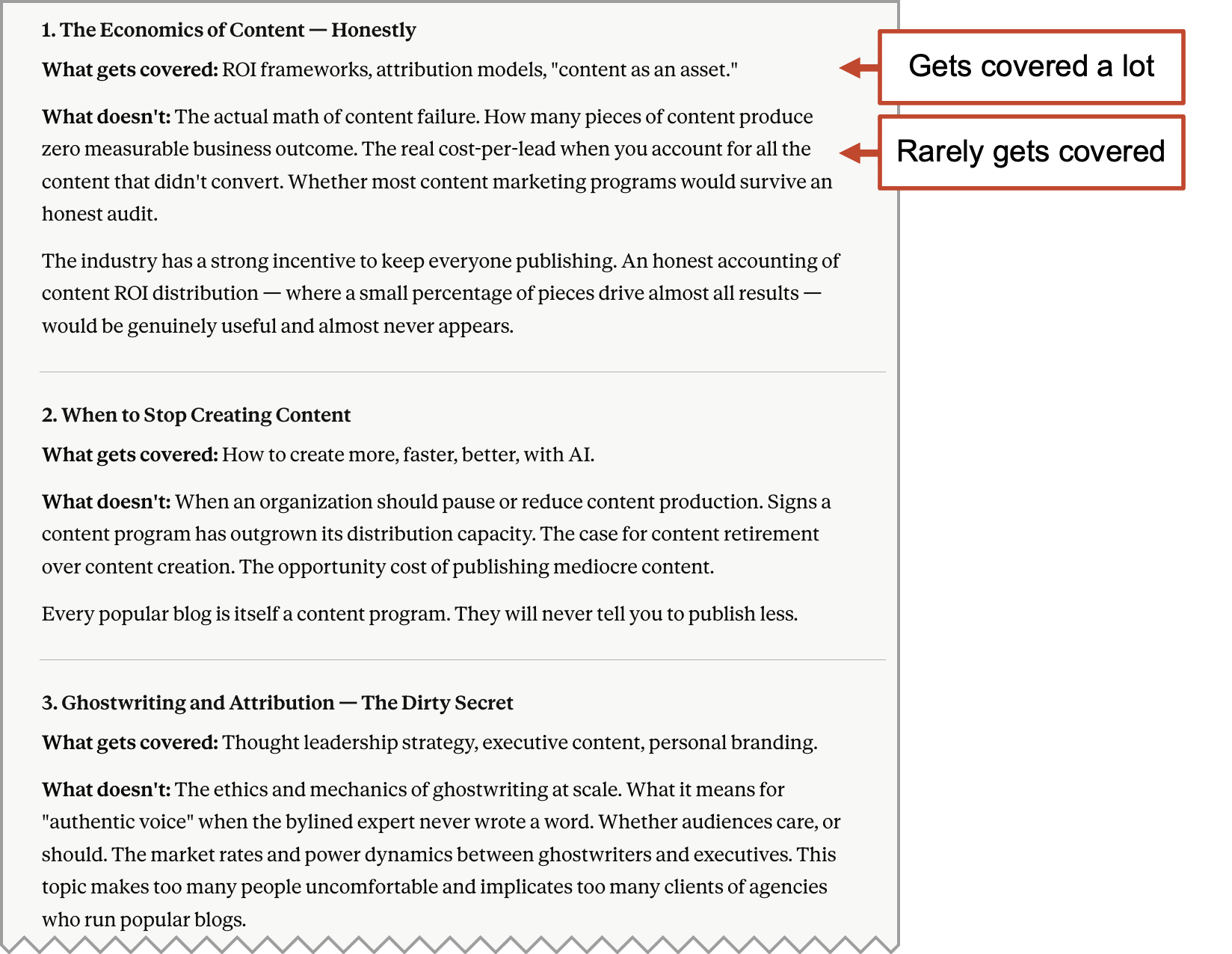
Content performance typically correlates with distinct value propositions: original research, deeply personal or provocative professional opinions, and solutions to topics rarely covered by mainstream publications. In contrast, generic how-to articles that lack unique data or specialized perspectives routinely underperform, offering little incentive for readers to share or bookmark them.
AI tools offer significant utility in identifying these high-potential content angles without writing the text itself. Through targeted prompt engineering, marketers can uncover nuanced industry debates and unaddressed market needs.
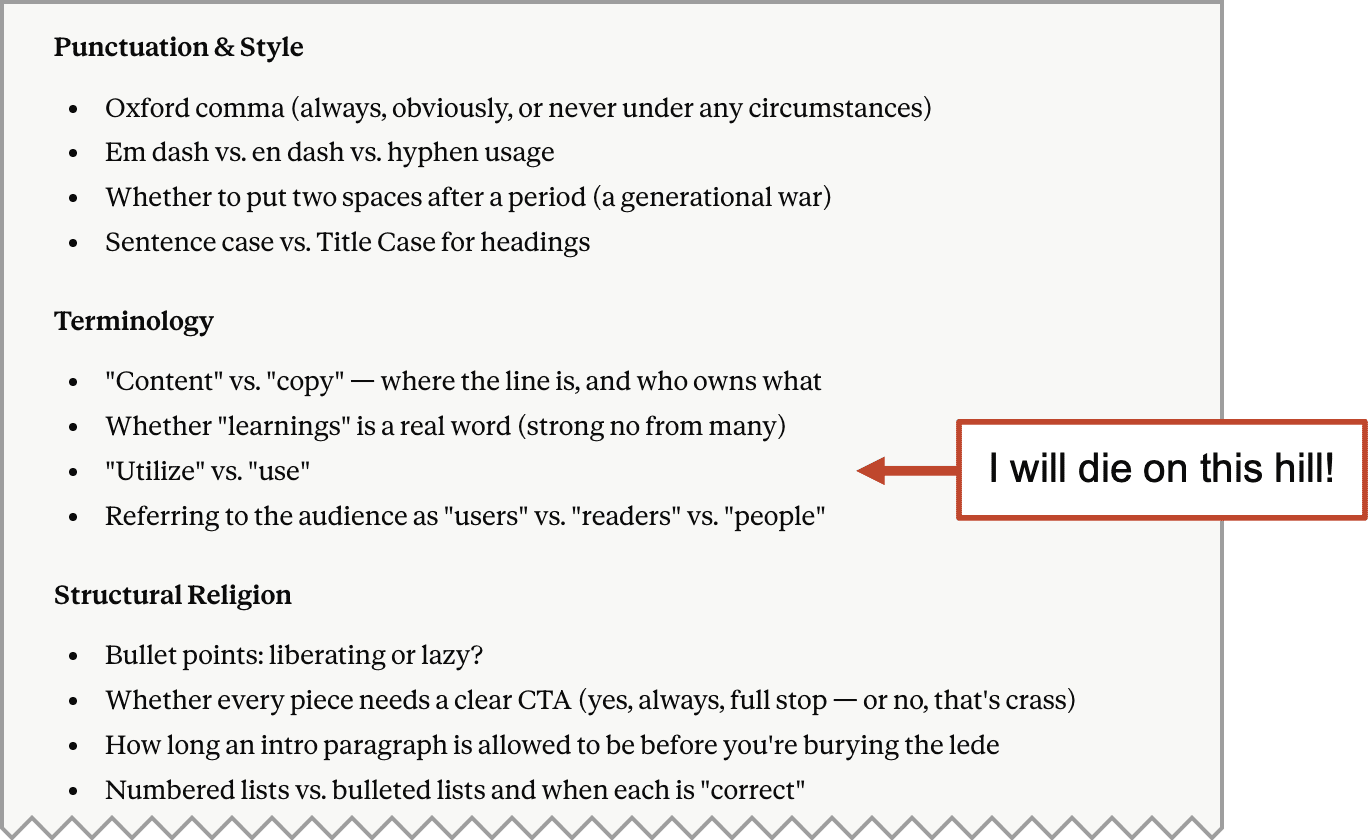
- Provocative-But-Mundane Topics: By prompting an LLM to identify minor professional practices or conventions that specific job roles hold strong opinions on, teams can uncover thought leadership opportunities. Because artificial intelligence inherently lacks personal beliefs, the responsibility falls on the human author to take a definitive stand, thereby establishing genuine thought leadership.
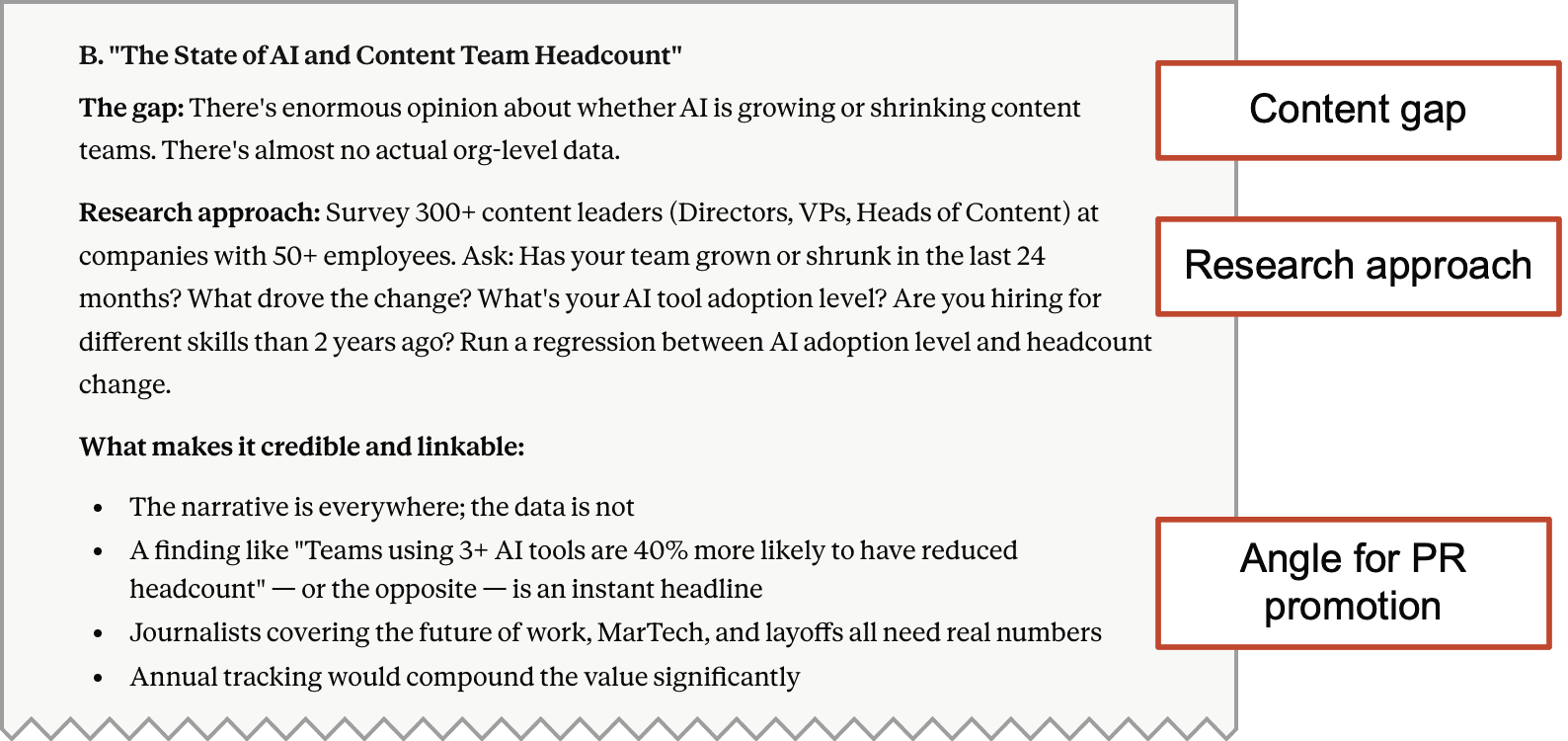
- Original Research Gaps: AI can analyze industry landscapes to pinpoint frequently asserted claims that lack empirical support. Developing surveys or data studies around these missing statistics generates content that naturally attracts citations from journalists, editors, and industry peers, driving authoritative backlinks and improving search engine visibility.
- Underserved Subject Areas: Content strategists can deploy prompts that highlight critical industry topics routinely ignored by major publications, opening pathways to capture high click-through rates in previously neglected niches.
3. Pre-Publication Article Audits
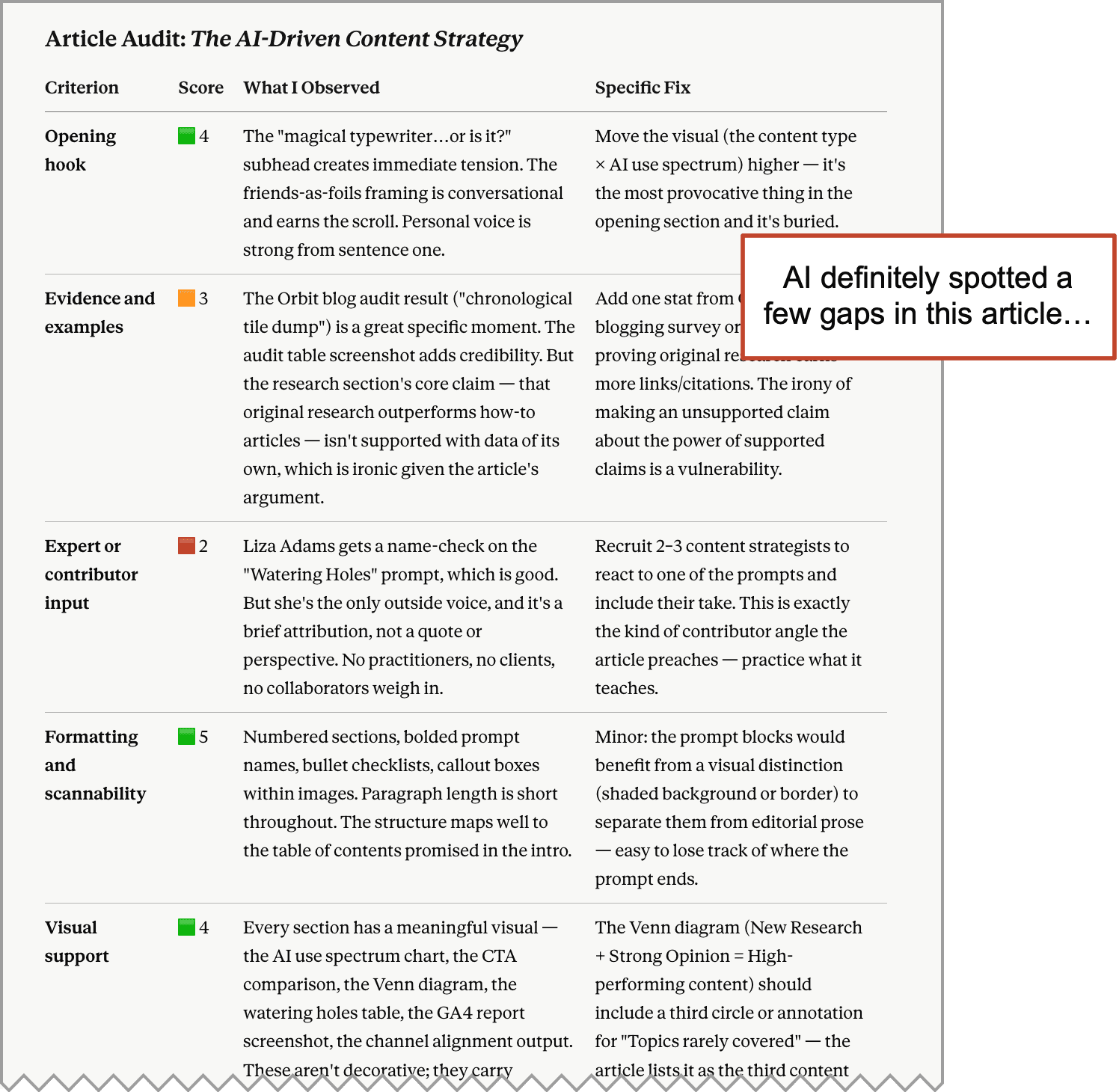
Ensuring that a completed draft meets high editorial standards requires meticulous attention to detail. Before moving a piece to publication, teams frequently evaluate drafts against core content benchmarks, including clarity of thesis, strength of supporting evidence, inclusion of expert quotes, and visual integration.
Automating the preliminary review phase via structured AI auditing prompts allows creators to receive objective feedback regarding structural weaknesses, positioning issues, or missing counterarguments. By treating the AI model as an objective external editor, content creators can identify blind spots in their arguments and reinforce their claims before the material reaches the public eye.
4. Mapping Audience Watering Holes for Omnichannel Distribution
A common misstep in digital marketing is restricting content distribution solely to a brand’s proprietary website. Effective content strategists recognize the necessity of publishing wherever their target audience already consumes information, whether through industry publications, podcasts, virtual events, or professional communities.
AI-driven audience research simplifies the process of identifying these digital and physical gathering spaces—often referred to as "watering holes." By prompting an LLM to outline specific communities, publications, associations, and influencers catering to a defined professional demographic, marketers can rapidly map out collaboration opportunities.
This research frequently uncovers guest-posting targets, podcast interview venues, and community-listening channels that would take weeks to map manually. Combining AI-generated watering hole lists with dedicated audience intelligence platforms allows marketing teams to construct comprehensive public relations and outreach strategies within hours.
5. Aligning Topics with Channel Performance Using Analytics Data
Different distribution channels attract distinct user mindsets. Search engine users typically exhibit high intent and active curiosity, seeking immediate answers to specific queries. Conversely, social media users often browse passively, requiring compelling visuals, emotional triggers, or unexpected insights to pause their scrolling behavior.
To optimize content distribution, strategists can export historical performance data from analytics platforms like Google Analytics 4 (GA4)—detailing how specific article titles and topics performed across various session sources—and feed the dataset directly into an AI model.
By structuring prompts to analyze past performance, marketers can generate new article ideas explicitly matched to the channels where similar historical content succeeded. The resulting recommendations provide guidance on whether a proposed topic belongs in a long-form search optimization strategy, an email newsletter, or a visual social media campaign, complete with tailored promotion tactics.

Implications for the Future of Content Strategy
The integration of artificial intelligence into content marketing workflows does not eliminate the need for human oversight; rather, it elevates the importance of editorial judgment. While automated systems can accelerate research, highlight structural deficiencies, and process performance metrics, they cannot replace the critical faculty required to filter out noise, verify factual integrity, and foster genuine connections with prospective clients.
Ultimately, sustainable digital marketing success relies on leveraging generative technologies for strategic enablement while retaining strict human control over narrative quality and brand integrity. As the digital landscape continues to evolve, the most effective organizations will be those that successfully pair machine-driven efficiency with authentic human insight.