
Bluesky, once a conceptual side project incubated within the corridors of Twitter, has emerged as a formidable contender in the global social media landscape, transforming from a niche experimental platform into a mainstream hub for over 30 million users. In a span of less than six months, the platform’s user base surged from 10 million to its current milestone, attracting a diverse demographic that includes digital artists, tech innovators, and high-profile public figures such as former U.S. President Barack Obama. This rapid expansion signals a significant shift in user priorities, as more individuals move away from traditional, centralized social media models in favor of platforms that offer greater transparency, data portability, and algorithmic control.
The Foundation of the AT Protocol and Decentralization
To understand Bluesky’s ascent, one must look beyond its familiar microblogging interface to the technology "under the hood." The platform is built on the Authenticated Transfer (AT) Protocol, an open-source framework designed to facilitate a decentralized social web. Unlike traditional platforms like TikTok or Instagram, which operate as "walled gardens" where user data and social graphs are locked within a proprietary ecosystem, the AT Protocol allows for interoperability.

This technological shift introduces the concept of digital portability. On Bluesky, a user’s identity, content, and follower lists are not the property of the platform. If a user chooses to leave Bluesky for another application built on the same protocol, they can theoretically take their entire digital presence with them. This is often compared to mobile number portability; just as a consumer can switch cellular carriers while keeping their phone number, Bluesky users retain ownership of their digital identity. This decentralization addresses a growing concern among creators and brands regarding "platform risk"—the danger of losing an entire audience due to sudden policy changes or algorithmic shifts by a single corporate entity.
A Chronology of Independence and Growth
The trajectory of Bluesky is marked by its transition from a corporate project to an independent public benefit company. The following timeline outlines the platform’s evolution:
- December 2019: Jack Dorsey, then CEO of Twitter, announces the "Bluesky" initiative, aimed at developing an open and decentralized standard for social media.
- August 2021: Jay Graber is appointed to lead the project, and Bluesky transitions into an independent organization, receiving initial funding from Twitter to ensure its autonomy.
- February 2023: The platform enters a private beta phase, utilizing an invite-only system to manage growth and ensure infrastructure stability.
- February 2024: Bluesky opens to the general public, removing the invite requirement. This launch triggers a massive influx of users seeking alternatives to established microblogging sites.
- Late 2024 – Early 2025: The platform experiences explosive growth, crossing the 30 million user mark. This period is characterized by significant "migration waves" often triggered by policy changes or controversial management decisions on competing platforms.
Supporting Data: Why Users are Migrating
The migration to Bluesky is not merely a trend but a calculated move by users seeking specific environmental qualities. According to the Q3 2025 Sprout Pulse Survey, several key factors drive this adoption:

- Algorithmic Autonomy: 51% of users cited the ability to control their content feeds as their primary motivation for using Bluesky.
- Ad-Free Environment: 44% of users are attracted to the platform’s current lack of traditional advertising, which fosters a less cluttered and more authentic user experience.
- Niche Communities: 31% of users are motivated by the platform’s focus on community-building and specialized interests.
While Bluesky’s 30 million users are a fraction of the 275 million monthly active users reported by Meta’s Threads, the engagement quality on Bluesky is often described as more "high-signal." The absence of promoted posts and the emphasis on custom feeds have allowed smaller, highly active communities to thrive without being overshadowed by mass-market content.
Unique Features and the User Experience
Bluesky maintains a clean, recognizable layout consisting of a navigation bar, a central feed, and a sidebar for trending topics. However, its functional differences are profound.
Custom Feeds and "Choose Your Own Adventure" Discovery
Most social platforms utilize a "black box" algorithm to determine what a user sees. Bluesky replaces this with "Custom Feeds." Users can subscribe to specific algorithms created by the community. Examples include "Quiet Posters," which highlights updates from users who post infrequently, or "BookSky," a dedicated space for literary enthusiasts. This allows users to curate their own experience rather than being passive recipients of a platform-wide algorithm.

Starter Packs
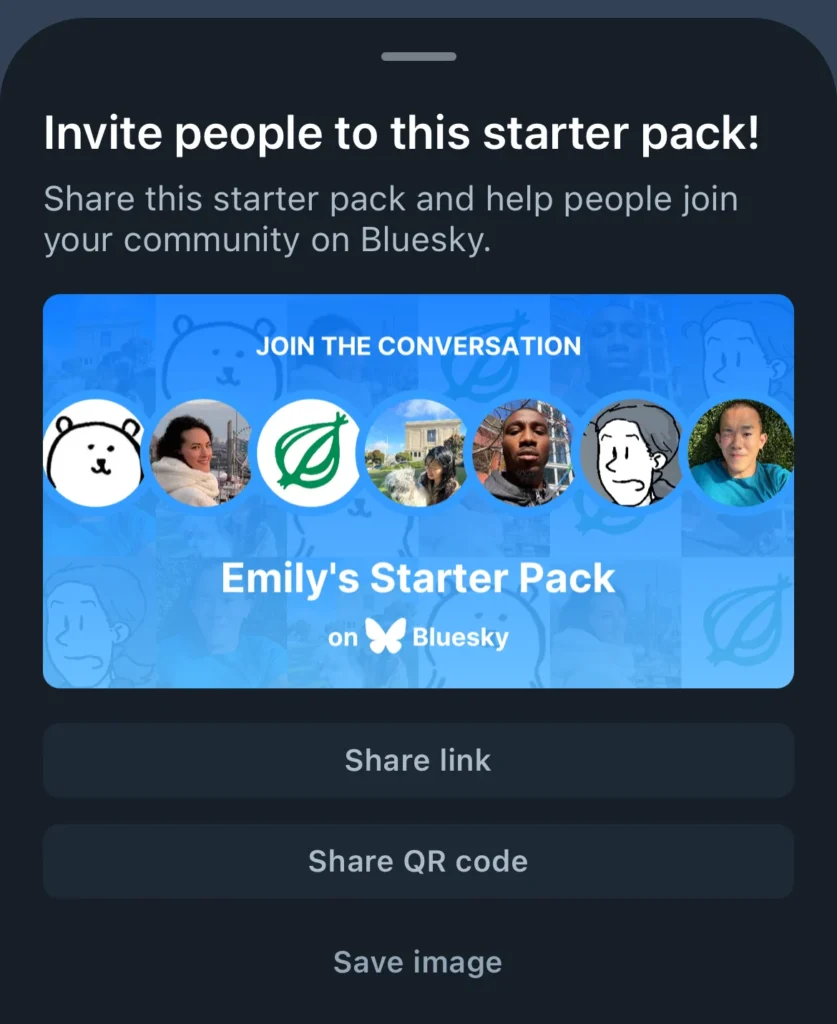
To mitigate the "cold start" problem of joining a new network, Bluesky introduced "Starter Packs." These are curated lists of accounts and feeds that existing users can share with newcomers. This feature has been instrumental in preserving community culture during periods of rapid growth, as it allows established subcultures to onboard their peers efficiently.
The Subscription Business Model
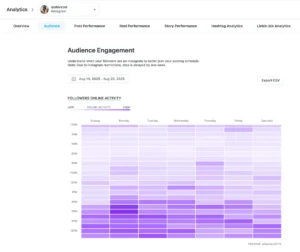
Breaking away from the traditional ad-supported revenue model, Bluesky is developing a subscription-based approach. This model focuses on offering premium features—such as higher-quality video uploads, advanced profile customization, and enhanced analytics—to users who wish to support the platform financially. This strategy ensures that the platform’s incentives remain aligned with user experience rather than advertiser demands.
Challenges: Moderation and Misinformation in a Decentralized System
The very decentralization that empowers users also presents significant challenges for safety and moderation. Without a singular, top-down authority to enforce rules, Bluesky employs a "stackable moderation" system. This allows users to layer various moderation filters and services on top of one another. While this offers unprecedented personal control, it also creates a fragmented moderation landscape where harmful content may persist in certain corners of the network.

Furthermore, the platform has faced issues with misinformation and impersonation. In late 2024, a surge of accounts impersonating public figures and brands led to a revamp of verification features. Bluesky now emphasizes the use of domain-based handles (e.g., @name.nytimes.com) as a primary method of verification. By allowing organizations to use their own websites as their handles, Bluesky provides a decentralized yet highly reliable way to confirm identity.
Broader Impact and Strategic Implications for Brands
For brands and organizations, Bluesky represents both a challenge to traditional marketing and an opportunity for deeper engagement. Because success on the platform cannot be purchased through ad spend, brands must rely on "earned reach." This requires a shift from corporate-speak to a more "lo-fi," authentic communication style.
The platform’s culture places a high premium on accessibility and community standards. For instance, there is a strong social norm regarding the use of alt-text for images, often used by the community to include humor or additional context. Brands that fail to adopt these cultural nuances risk being ignored or ostracized by the core user base.

Professional Management and Predictive Tools
As Bluesky matures, professional social media management tools are integrating the platform into their ecosystems. Integration with platforms like Sprout Social allows brands to monitor niche community conversations and manage their presence with the same rigor applied to legacy networks.
Advanced tools like NewsWhip by Sprout Social are now being used to track "early signals" on Bluesky. Because the platform attracts a high concentration of journalists, academics, and policymakers, it often serves as an incubator for news and reputational risks. By monitoring the "velocity" of narratives on Bluesky, organizations can predict which stories are likely to cross over into mainstream media, allowing for proactive rather than reactive communication strategies.
Conclusion: The Future of the Bluesky Horizon
Bluesky is currently in a "creative sandbox" phase. Its modest size compared to giants like X or Facebook is viewed by its community as a strength, fostering an environment reminiscent of the "early internet"—quirky, creative, and centered on human connection.

Whether Bluesky can maintain this culture as it scales toward 100 million users remains to be seen. However, its successful implementation of the AT Protocol has already proven that a decentralized social media model is viable. For users, it offers a return to agency; for brands, it offers a chance to build genuine relationships; and for the industry, it serves as a live experiment in the future of digital ownership. As the platform continues to evolve, its influence will likely be measured not just by its user count, but by the degree to which it forces the broader social media industry to reconsider the relationship between platforms and the people who use them.