
As global marketing departments pivot toward the second half of 2026, the strategic focus has shifted significantly toward capturing the attention of a digital-native consumer base that increasingly prioritizes authenticity over traditional advertising. The holiday season, historically the most lucrative period for retail and service sectors, now demands a sophisticated multi-platform approach where the lines between entertainment and commerce are perpetually blurred. While many established brands maintain rigid promotional calendars, the rapid evolution of social media algorithms and user behavior necessitates a mid-year reassessment of traditional outreach strategies. In this environment, TikTok has solidified its position not merely as a video-sharing application, but as a critical search engine and discovery hub for younger demographics, particularly Gen Z and Alpha.
The upcoming 2026 holiday cycle is expected to be defined by "social-first" discovery. According to recent industry projections, over 65% of consumers under the age of 30 now utilize short-form video platforms as their primary starting point for product searches, bypassing traditional search engines like Google. For marketers, this shift represents both a challenge and a massive opportunity to build organic brand equity. Building a presence on TikTok is no longer an experimental venture; it is a fundamental requirement for brands aiming to maximize reach, awareness, and conversion in a crowded marketplace.
The Strategic Timeline: Preparing for the 2026 Holiday Surge
The preparation for a successful Q4 campaign in 2026 begins months in advance, typically during the late Q2 and early Q3 windows. This period serves as the "foundation phase," where brands transition from general awareness campaigns to targeted, trend-aligned content strategies. The chronology of a high-impact TikTok strategy generally follows a structured path:
- Q2 Analysis and Infrastructure: Brands evaluate the performance of the previous year’s campaigns while ensuring their TikTok Shop and creative tools are fully integrated.
- Early Q3 Trend Identification: Marketers utilize the TikTok Creative Center to identify emerging aesthetic movements and audio trends that are projected to peak during the holiday season.
- Late Q3 Influencer Onboarding: Partnerships are finalized with creators who possess high engagement rates within specific niches, allowing for the co-creation of content that feels native to the platform.
- October-November Execution: The "Warm-up" phase begins, where organic content is used to build a community before the high-intensity paid advertising spend of Black Friday and Cyber Monday.
- December Retention: Focus shifts from acquisition to community management and customer service, leveraging TikTok’s interactive features to maintain brand loyalty through the end of the year.
Leveraging TikTok’s Proprietary Insight Tools
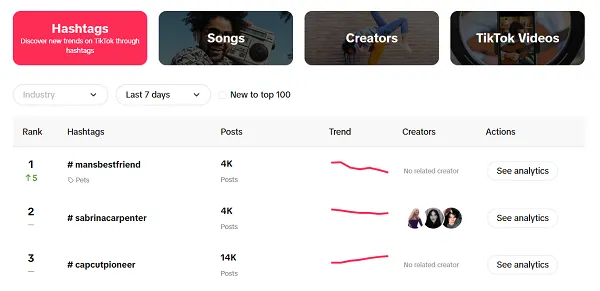
A cornerstone of any effective TikTok strategy is the utilization of the platform’s internal data tools. The TikTok Trends tool remains an essential asset for marketers, providing a real-time heat map of hashtag performance, popular music tracks, and regional content preferences. By tracking trending topics by region and industry sector, brands can avoid the "late-to-the-party" syndrome that often plagues corporate social media accounts.
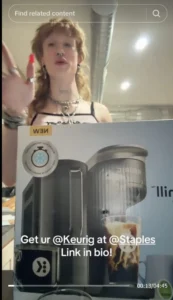
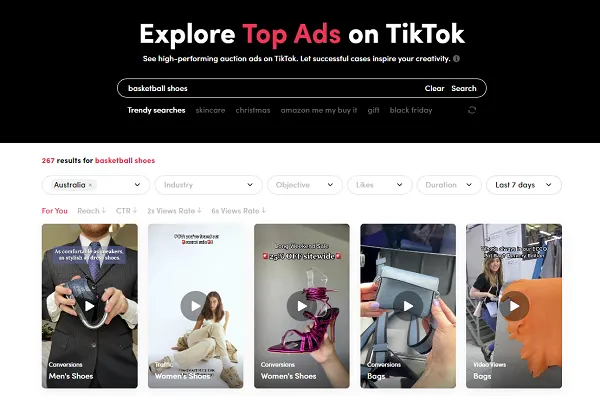
Furthermore, the Top Ads listing offers a transparent look at the competitive landscape. This database allows marketers to filter high-performing advertisements by objective—such as conversions, app installs, or brand awareness—and by industry. Analyzing these ads reveals more than just visual styles; it highlights the specific "hooks" that stop a user from scrolling. In 2026, the most successful ads are those that do not look like ads at all, often utilizing user-generated content (UGC) styles, "Lo-Fi" production values, and direct-to-camera storytelling.
By examining the comment sections of these top-performing ads, brands can gain invaluable qualitative data. Users often ask specific questions about product durability, shipping times, or ethical manufacturing practices. These queries serve as a roadmap for future content, allowing brands to proactively address consumer concerns in their organic videos.
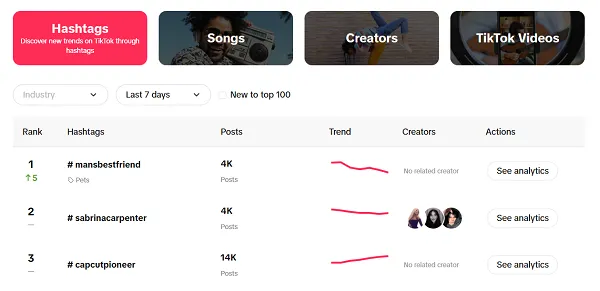
Building a Database of Cultural Themes and Formats
In the high-velocity environment of TikTok, content decay is rapid. To combat this, marketing teams are increasingly building internal "theme databases." This involves categorizing successful video formats—such as "Day in the Life," "Problem/Solution," or "Behind the Scenes"—and mapping them against the brand’s core holiday messaging.
In 2026, the "shoppertainment" format has reached a point of maturity. This format combines entertainment with a frictionless path to purchase. For example, a brand selling kitchenware might move away from a traditional product showcase and instead lean into the "ASMR cooking" trend or "holiday hosting hacks." By aligning promotions with these existing user interests, brands can tap into the platform’s recommendation engine more effectively than through forced, overt marketing.
The Shift in Influencer Dynamics: From Celebrity to Community
The role of the influencer has undergone a radical transformation leading into 2026. While "mega-influencers" with millions of followers still hold value for broad brand awareness, "niche-authorities" or micro-influencers are often more effective for driving holiday sales. These creators have cultivated high levels of trust within specific subcultures—whether it be "BookTok," "CleanTok," or "TechTok."
Marketers are now encouraged to use TikTok Trends to identify creators who are not just popular, but who are actively shaping the conversation within their specific niche. A partnership with a creator who understands the nuances of TikTok’s culture is often more valuable than an expensive, in-house production. These creators act as translators, taking a brand’s holiday message and reframing it in a way that resonates with their audience’s specific sensibilities.
Industry analysts suggest that in 2026, the most successful brand-creator partnerships are those that allow for creative autonomy. When brands provide rigid scripts, the content often fails to gain traction. Conversely, when creators are given the freedom to integrate a product into their existing content style, engagement rates typically see a 30-50% increase compared to standard branded content.
Formulation of an Organic-First Strategy
With the insights gleaned from trend tools and influencer research, marketers must formulate a strategy that prioritizes organic engagement as a precursor to paid spend. This "organic-first" approach involves testing various content pillars to see which ones gain the most natural traction. Once a specific video or theme begins to perform well organically, it can then be "boosted" or used as the creative basis for a broader paid advertising campaign.
This strategy mitigates the risk of high-budget failures. In the 2026 landscape, the algorithm rewards "watch time" and "re-watches" above almost all other metrics. Therefore, the strategy must focus on creating content that provides immediate value—whether that value is educational, emotional, or purely entertainingly. Brands are advised to stay agile, monitoring the evolution of broader conversations in the app and pivoting their creative assets in real-time to match the cultural zeitgeist.
Data Analytics and the Feedback Loop
The final stage of a robust TikTok presence is the rigorous study of analytics. TikTok’s business suite now provides deep-dive metrics into audience retention, click-through rates on TikTok Shop tags, and "sound attribution"—showing which audio clips are driving the most engagement for the brand.
Marketers must look beyond "vanity metrics" like likes and follows. In 2026, the focus has shifted to "save" rates and "share" rates. A "save" indicates that the user found the content valuable enough to revisit, which is a high-intent signal for holiday shopping. Analyzing these metrics allows brands to double down on successful formats and quickly abandon those that are not resonating. This iterative process ensures that by the time the peak holiday shopping days arrive in late November, the brand has a library of proven, high-converting content ready for deployment.
Broader Impact and Implications for the Retail Sector
The shift toward TikTok-centric marketing has broader implications for the global retail sector. As TikTok continues to integrate e-commerce features directly into the user experience, the traditional "marketing funnel" is collapsing. Discovery, consideration, and purchase can now happen within a single sixty-second video.
However, this convenience comes with increased scrutiny. As the platform remains a divisive topic in certain political spheres, brands must balance their platform presence with a diversified social media portfolio. Despite these external pressures, the data remains clear: TikTok is the primary driver of consumer trends for the next generation of shoppers. Brands that fail to master the nuances of the platform—moving away from overt marketing and toward cultural participation—risk becoming invisible during the most important retail window of the year.
In conclusion, the 2026 holiday season will reward brands that act as "creators" rather than "advertisers." By leveraging TikTok’s trend tools, building authentic influencer relationships, and maintaining a rigorous focus on data-driven content iteration, marketers can build a foundation that not only drives sales during the holidays but also fosters long-term brand loyalty in an increasingly digital-first world. The key to success lies in understanding that on TikTok, the community is the curator, and the brand’s role is to contribute meaningfully to the conversation.