

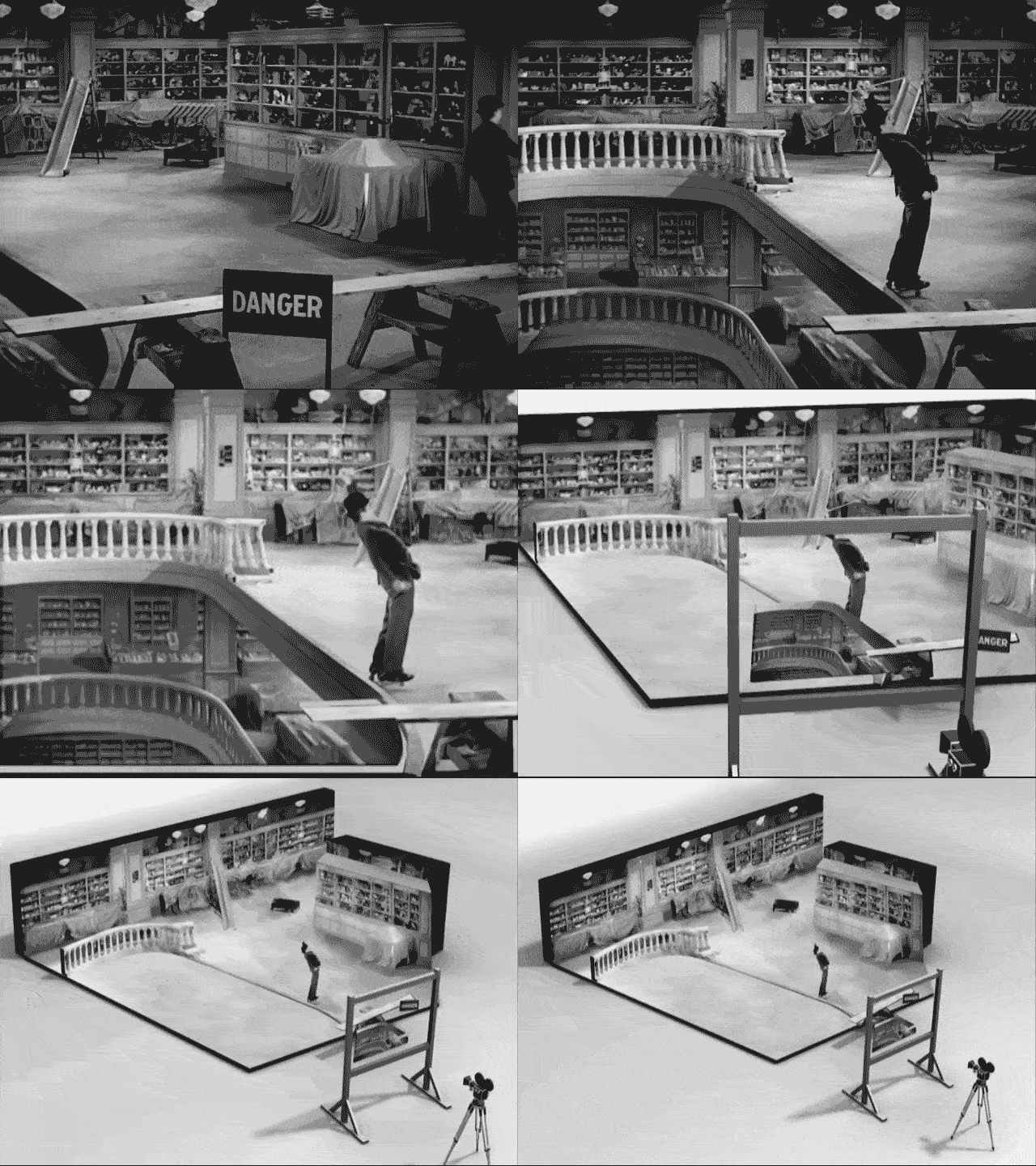
The evolution of computer-generated imagery (CGI) represents one of the most profound technological transformations in the history of motion pictures. For decades, the cinematic medium relied almost exclusively on physical craftsmanship—practical effects, in-camera optical illusions, carefully calculated camera angles, precise lens selections, and elaborately constructed physical sets. Where modern productions utilize green screens and volumetric LED stages to fabricate vast digital environments, historical filmmakers depended on meticulously hand-painted glass mattes and miniature models to expand the perceived boundaries of their physical sets.
The gradual migration from physical manipulation to digital processing fundamentally altered this paradigm. As computing power advanced, software suites enabled creators to sculpt, texture, and animate virtually any conceivable object or environment. This shift catalyzed the rapid growth of CGI technology, establishing a new foundation for visual storytelling that continues to redefine the boundaries of the art form.
Understanding the Terminology: CGI Versus VFX
To properly analyze the impact of computer graphics on contemporary cinema, industry analysts emphasize the necessity of distinguishing between Computer-Generated Imagery (CGI) and Visual Effects (VFX). While colloquial speech frequently treats these terms as interchangeable, professional production standards define distinct conceptual boundaries.
Visual effects represent a broad category of filmmaking techniques that alter or enhance live-action footage. This umbrella term includes matte painting compositing, the digital removal of physical stunt wires, and the addition of artificial environmental elements such as falling snow or atmospheric fog. In contrast, CGI is a specific subset of VFX that deals exclusively with the creation of entirely computer-generated visual assets.

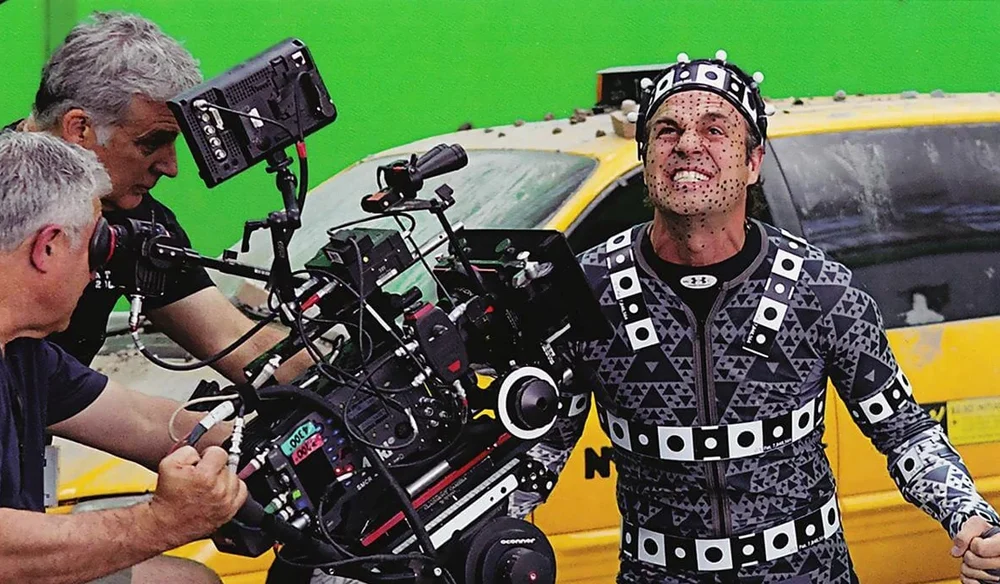
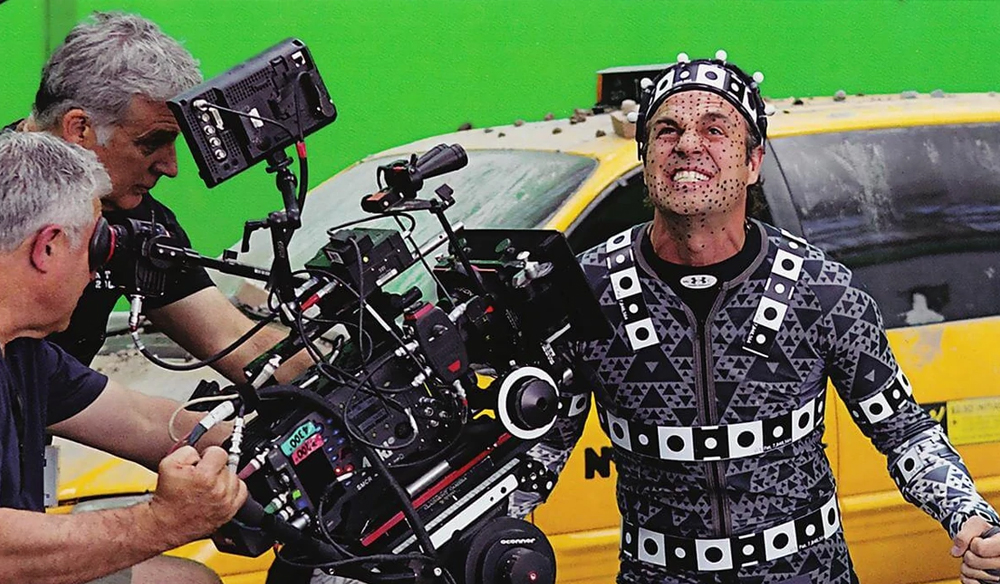
A prominent example of this distinction is visible in behind-the-scenes documentation from Marvel Studios’ 2012 feature, The Avengers. During production, actor Mark Ruffalo performed scenes wearing a specialized motion-capture suit on a physical set against a green screen, alongside a prop taxi labeled with a New York street designation. The transformation of Ruffalo’s physical performance into the digital character of the Hulk relies entirely on motion-capture data and CGI generation. Meanwhile, the digital replacement of the surrounding studio backdrop with a photorealistic New York City thoroughfare falls under the broader discipline of VFX compositing.
The Historical Timeline of CGI in Feature Films
Contrary to the common assumption that computer-generated graphics are a strictly modern phenomenon originating in the late 1990s or 2000s, the history of CGI runs parallel to decades of technological development. The earliest implementation of computer-generated imagery in a feature film occurred in Michael Crichton’s 1973 sci-fi thriller, Westworld. The film featured a brief, ten-second sequence depicting a robotic point-of-view perspective. This pioneering effect was executed by technicians John Whitney Jr. and Gary Demos, who utilized NASA-derived digital processing to convert standard photographic imagery into numerical data matrices. By manipulating these numerical values—adjusting color ranges and spatial coordinates—the computer simulated the electronic vision of a machine antagonist.
Four years later, George Lucas’s 1977 landmark space opera, Star Wars, incorporated pioneering digital graphics during its narrative climax. As Luke Skywalker and the rebel fleet prepare for their assault on the Death Star, a 3D tactical wireframe map outlines the strategic plan. Developed by the Electronic Visualization Laboratory team at the University of Illinois at Chicago, this brief sequence marked a watershed moment for computerized graphics in commercial cinema, providing early evidence of how digital tools could expand narrative capabilities across all genres.
Decades later, Star Wars Episode I: The Phantom Menace (1999) introduced the first fully rendered, computer-generated main character capable of speaking and interacting dynamically with live actors: Jar Jar Binks. While the character subsequently became a frequent subject of pop-culture critique, the technical achievement of rendering a complex, articulated digital entity that could share screen space and physical timing with human performers established a crucial precedent for future character animation.
Milestones of Technological Innovation
The trajectory of blockbuster cinema has consistently been defined by tentpole releases that pushed the limits of rendering technology. Following the foundational impact of Star Wars, James Cameron’s 1991 sci-fi action benchmark, Terminator 2: Judgment Day, revolutionized character animation through the introduction of the liquid-metal antagonist, the T-1000. Industrial Light & Magic (ILM) utilized advanced surface-mapping techniques—applying a physical grid to actor Robert Patrick and scanning his movements—to create a fully realized digital humanoid capable of fluid morphing and physical mimesis.
Two years later, Steven Spielberg’s Jurassic Park (1993) cemented a new standard for creature features by combining physical animatronic models with hyper-realistic CGI dinosaurs. By utilizing practical puppets for close-up physical interactions and digital models for dynamic wide shots, the production established an organic integration of practical and digital effects that heightened audience immersion.
Subsequent milestones arrived at the turn of the millennium. The Wachowskis’ The Matrix (1999) popularized the bullet-time visual effect, utilizing a 360-degree rig of synchronized still cameras to manipulate time and space around live actors. A decade later, James Cameron’s Avatar (2009) pushed performance capture to unprecedented heights. Utilizing advanced facial-mapping cameras developed by WETA Digital, the production tracked the microscopic movements of actors’ facial features, translating those performances onto computer-generated alien avatars. Avatar utilized approximately 60 percent CGI imagery throughout its runtime, ultimately becoming the highest-grossing film in history at the time of its release.
More recent productions have continued to refine this synthesis. Christopher Nolan’s Inception (2010) balanced physical stunt work with digital environments to visualize complex dream architectures, while Cameron’s sequel, Avatar: The Way of Water (2022), pioneered underwater motion-capture techniques to render the aquatic ecosystems of Pandora with photorealistic fidelity.
The Debate Over Practical Effects Versus CGI
In recent years, public discourse surrounding visual effects has been shaped by a growing industry pushback against perceived over-reliance on digital tools. High-profile marketing campaigns, such as those surrounding Tom Cruise’s Top Gun: Maverick, frequently emphasize the use of practical stunts and real aircraft over digital fabrication. However, industry breakdowns reveal that even acclaimed "practical" films frequently incorporate thousands of digital effects shots for background enhancement, safety wire removal, and environmental cleansing.
Industry analysts attribute audience fatigue not to CGI itself, but to subpar execution resulting from compressed production schedules and inadequate resource allocation. When utilized thoughtfully, digital effects achieve seamless integration, as demonstrated by George Miller’s Mad Max: Fury Road (2015) and Alex Garland’s Ex Machina (2014). In Ex Machina, lead actress Alicia Vikander wore a form-fitting motion-capture garment that was selectively replaced with digital robotic components, earning the film an Academy Award for Best Visual Effects while maintaining an intimate, grounded aesthetic.
The Challenges Facing the VFX Industry
Despite its artistic and commercial utility, the modern VFX pipeline faces significant systemic challenges. Studio demands for late-stage narrative alterations frequently force visual effects houses into compressed post-production windows. Because major tentpole films—particularly within the superhero genre—frequently undergo extensive reshoots and editorial revisions late in the development cycle, digital artists are routinely subjected to high-pressure crunch periods lasting several weeks. This lack of adequate lead time has been cited by industry professionals as a primary driver of inconsistent visual quality and labor dissatisfaction within the sector.
Furthermore, an over-reliance on the philosophy of "fixing it in post" can lead to foundational shortcomings in principal photography, such as improper lighting on green-screen stages or poorly conceptualized scene blocking. When budgets and schedules are disproportionately funneled into a handful of massive action sequences, secondary dialogue scenes often suffer from unconvincing digital backdrops, undermining the overall suspension of disbelief.
The Future of Digital Production
As the film industry looks toward the future, technological efficiency is driving new methodologies within studio production. The traditional reliance on large-scale physical set construction is increasingly being supplemented or replaced by virtual production stages. These environments utilize high-resolution LED panels to display real-time, perspective-correct digital backgrounds rendered by game engines, allowing cinematographers to capture in-camera visual effects during principal photography.

Pioneered on projects like Disney’s The Mandalorian and feature films such as The Batman and Dune, virtual production bridges the gap between physical cinematography and digital environments. Concurrently, the democratization of powerful open-source software like Blender, alongside accessible motion-capture hardware and deepfake technologies, has lowered the barrier to entry for independent creators.
Ultimately, the trajectory of computer-generated imagery indicates that while production workflows will continue to evolve, the fundamental objective of visual effects remains unchanged: to expand the expressive capabilities of filmmakers and construct immersive, believable worlds that serve the demands of the underlying narrative.