
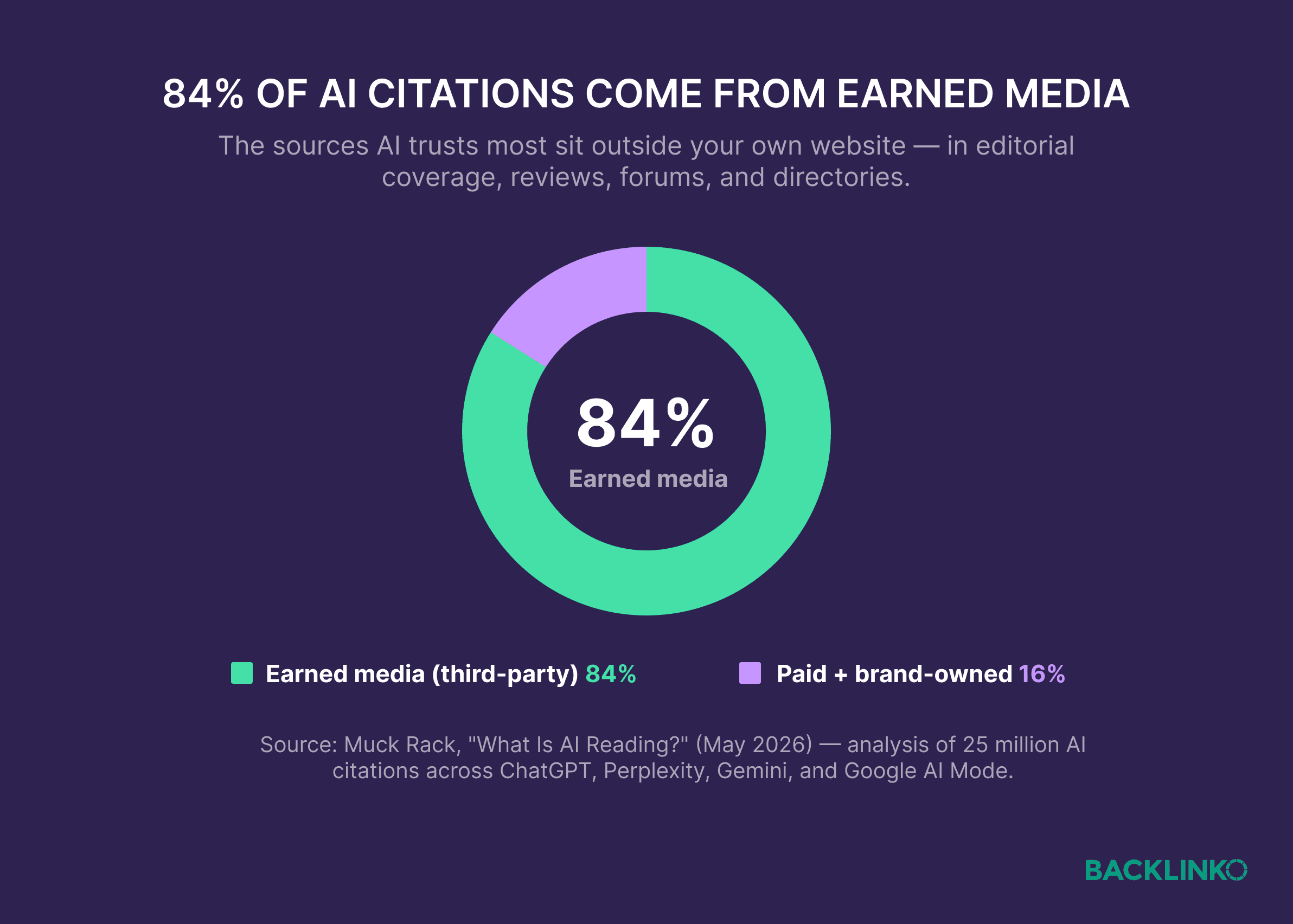
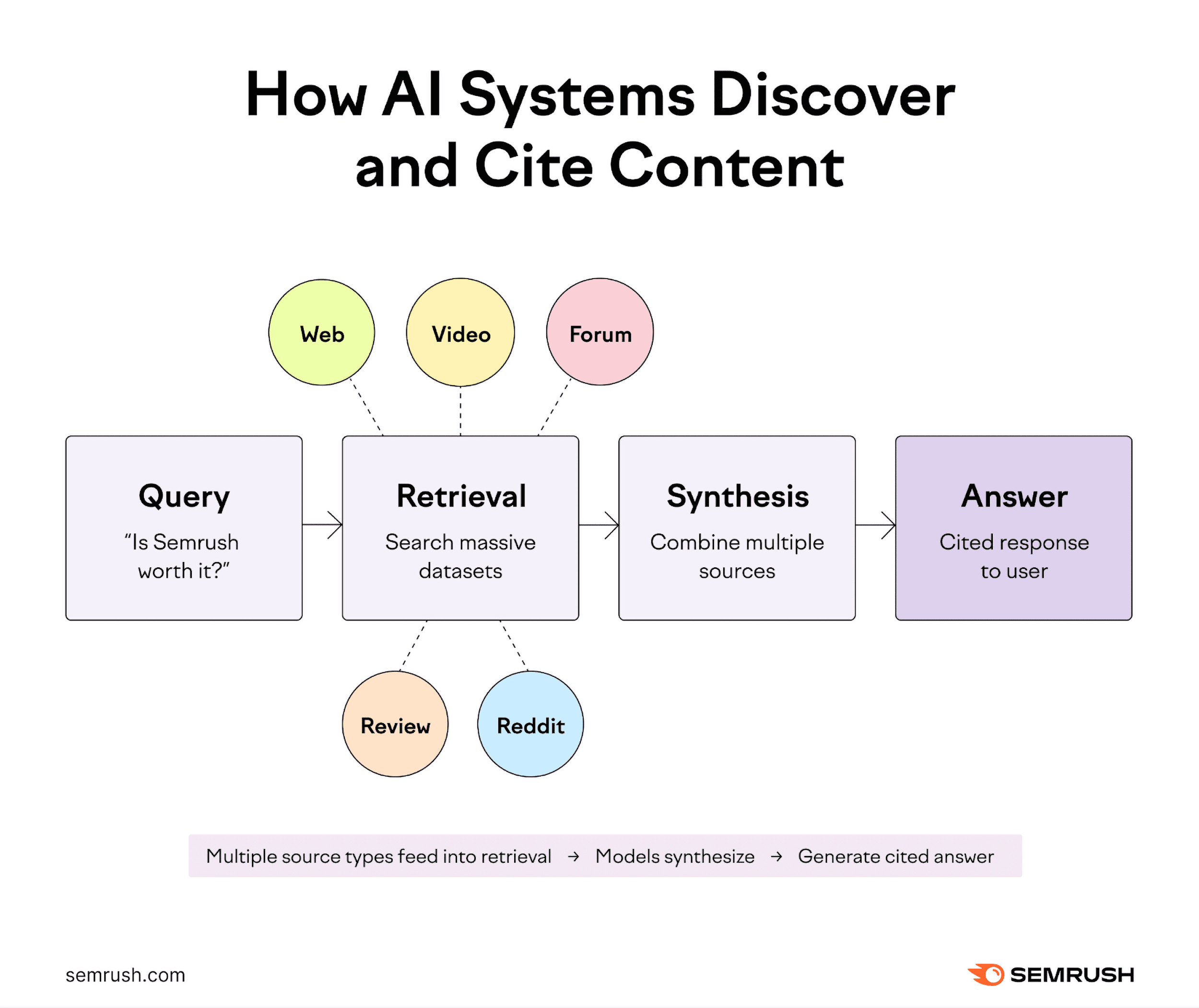
Digital public relations has transitioned from a supplementary marketing tactic to the most critical strategy for brands seeking visibility within artificial intelligence-driven search environments. As large language models (LLMs) like OpenAI’s ChatGPT, Google’s Gemini, and Perplexity AI reshape how information is consumed, a recent study by Muck Rack has revealed that 84% of AI-generated citations originate from earned media—third-party sources including editorial coverage, independent reviews, and community forums. This shift marks a significant departure from traditional search engine optimization (SEO), where onsite content and technical architecture were the primary drivers of visibility. In the burgeoning era of AI search, also referred to as Generative Engine Optimization (GEO), the consensus among industry analysts is that third-party validation now fundamentally outweighs self-promotion.
The evolution of search technology has moved beyond the simple indexing of keywords to the complex synthesis of information. AI systems do not merely provide a list of links; they aggregate data from a multitude of external sources to provide a singular, authoritative answer. Consequently, a brand’s presence in these answers is dictated by the frequency and sentiment of its mentions across the broader web. The more a brand is cited by reputable publications, the more likely an LLM is to recognize, trust, and ultimately recommend that brand to users. This phenomenon has forced a strategic pivot for marketing departments worldwide, placing a renewed premium on high-level digital PR.
The Data-Driven Correlation Between PR and AI Visibility
Evidence supporting the link between earned media and AI visibility is mounting through several comprehensive industry studies. Research conducted by Semrush, involving an analysis of 1,000 domains, found a direct correlation between backlink authority and the likelihood of appearing in AI-generated responses. The study suggests that while traditional SEO remains relevant, the "authority" metric used by AI models is increasingly tied to the quality of the referring domains.
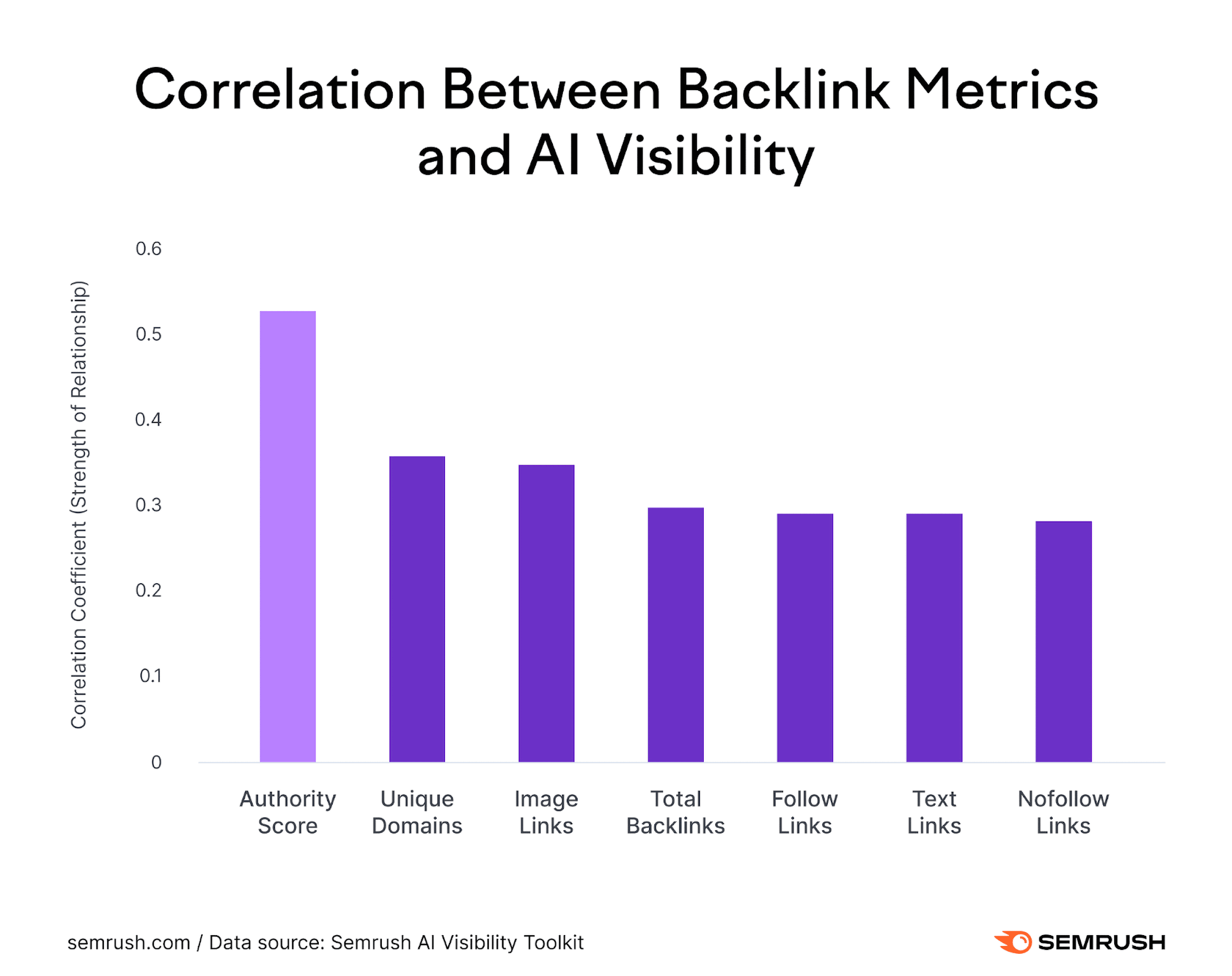
Further corroborating this, a study by Seer Interactive involving 800,000 AI responses identified domain authority and high-quality backlinks—specifically those from sites with a Domain Authority (DA) of 60 or higher—as the top two metrics impacting AI visibility. These findings suggest that AI models treat high-authority editorial mentions as "trust signals." When a publication like Forbes or a niche industry leader cites a brand’s original research, it provides a layer of verification that the AI uses to ground its generated text, thereby reducing the risk of "hallucinations" or incorrect information.
Strategic Implementation: Data-Led PR and Research Roundups
One of the most effective methodologies emerging in this landscape is data-led PR. This involves the publication of original research, proprietary statistics, and statistical roundups. Journalists and digital creators are in constant need of credible, fresh data to support their narratives. By providing this data, brands can earn high-quality backlinks and citations naturally.
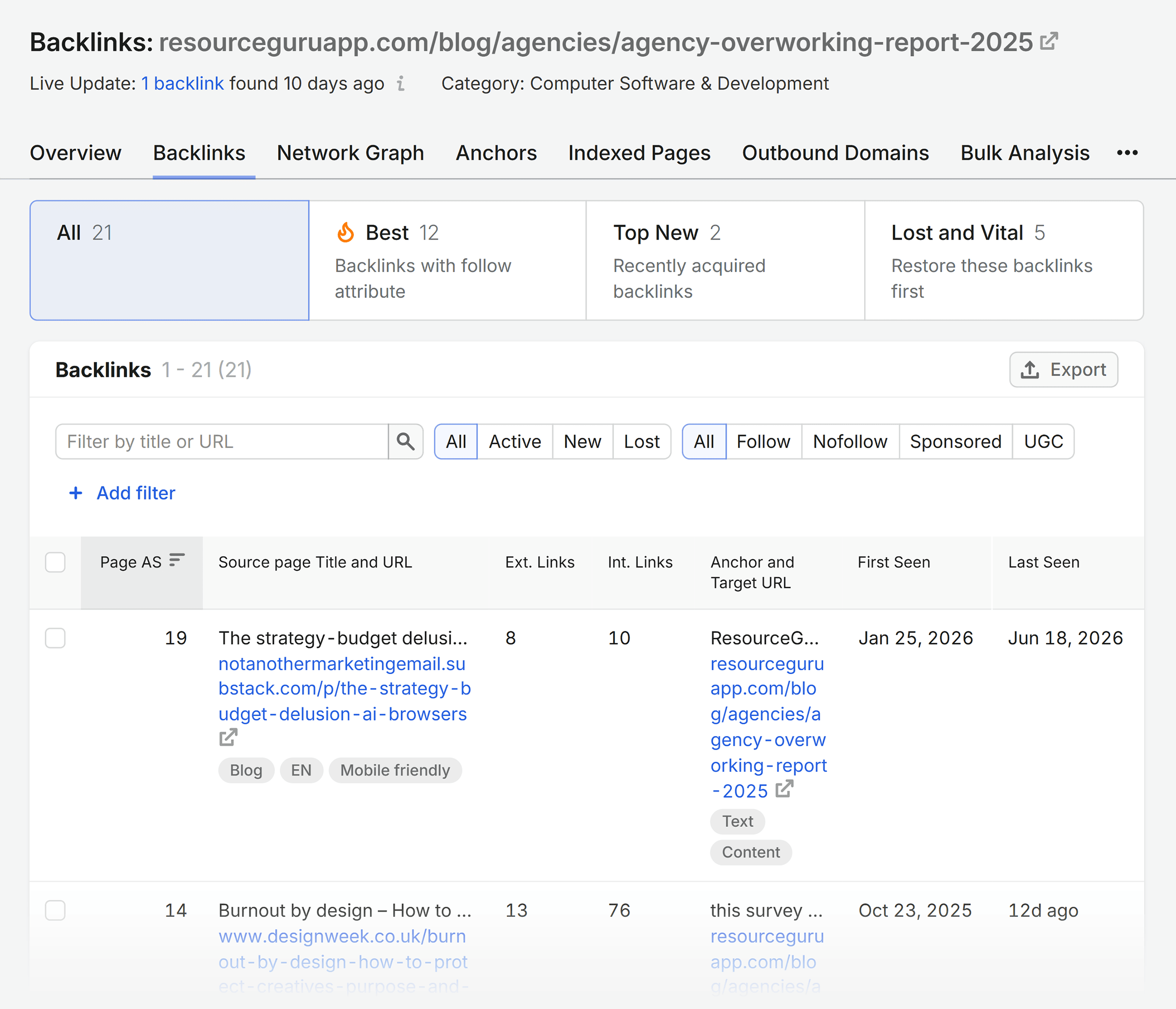
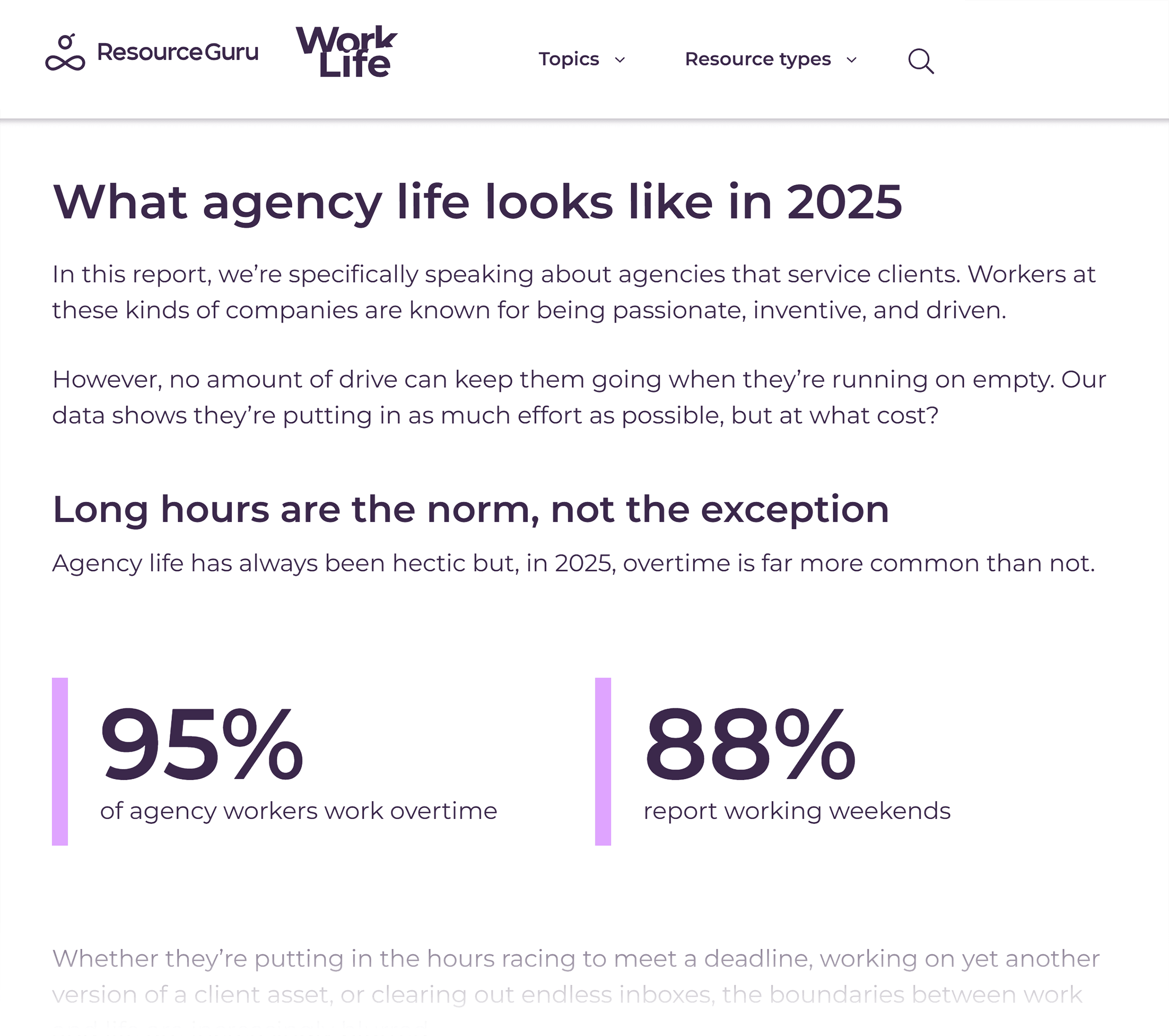
Industry experts, such as Vahan Poghosyan, Co-founder of Loopex Digital, emphasize that original data serves as a "magnet" for AI models. For instance, the "Agency Overworking Report 2025," published by Resource Guru, generated over 20 natural backlinks from high-tier outlets like Forbes. Because this data was unique and widely cited by human journalists, it was subsequently integrated into the training sets and real-time search capabilities of LLMs. Today, when users query AI about agency burnout or workplace trends, the Resource Guru report is frequently cited as a primary source.
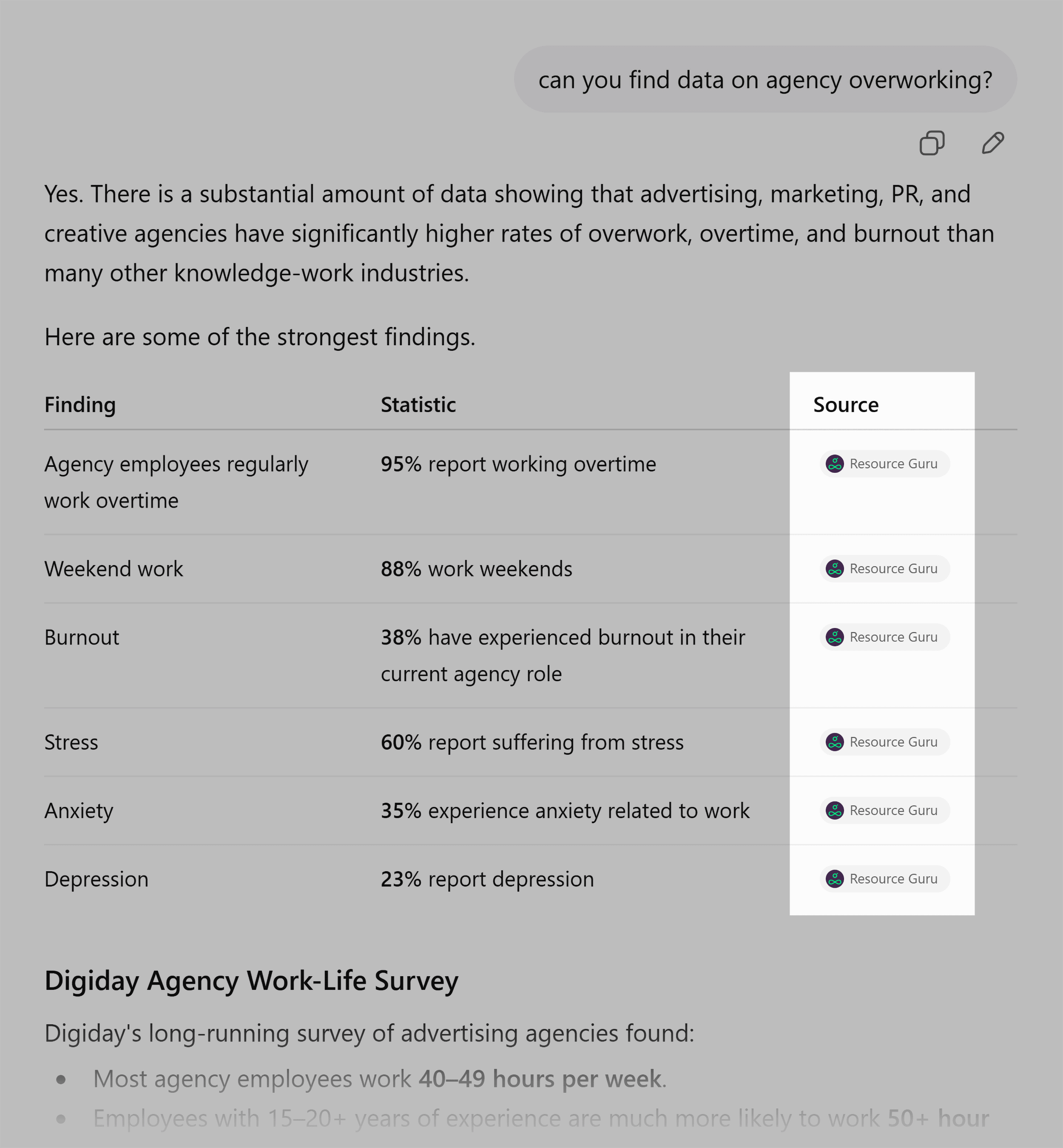
The chronology of a successful data-led campaign typically follows a three-stage process: the collection of proprietary data (via surveys or internal metrics), the publication of a comprehensive "white paper" or report, and proactive outreach to niche journalists who have previously cited outdated statistics. This "replacement" strategy ensures that the brand’s fresh data becomes the new standard for the AI to reference.
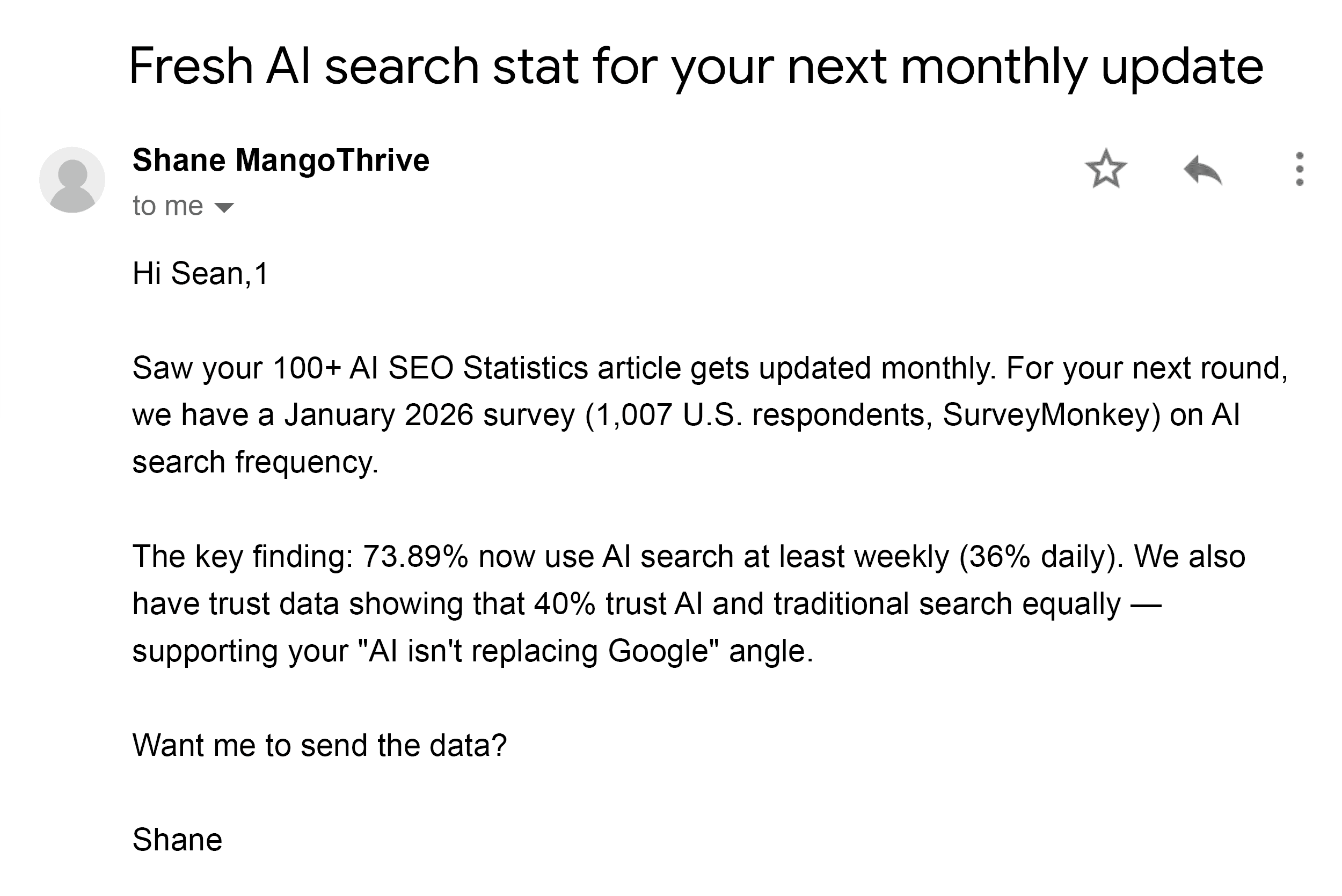
The Rise of Targeted AI Citation Outreach
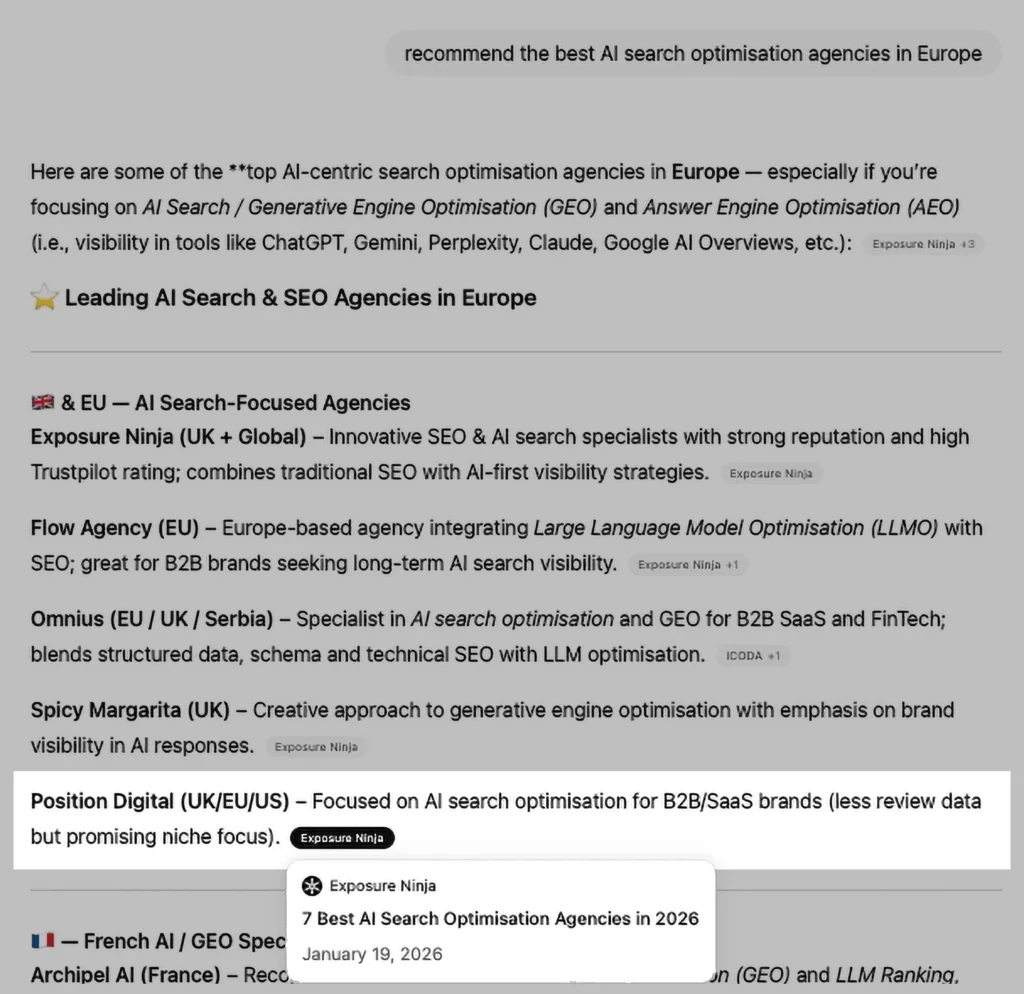
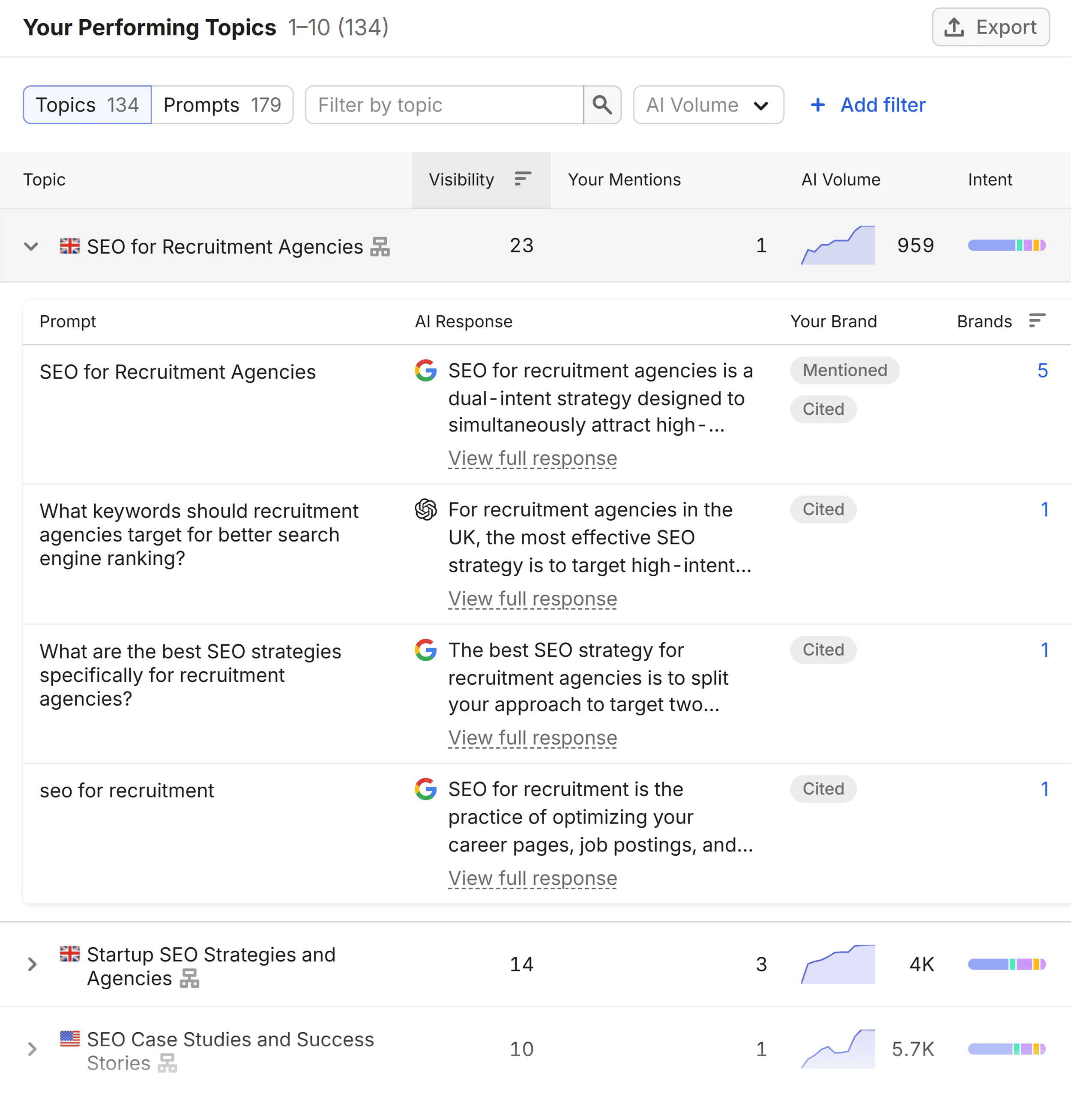
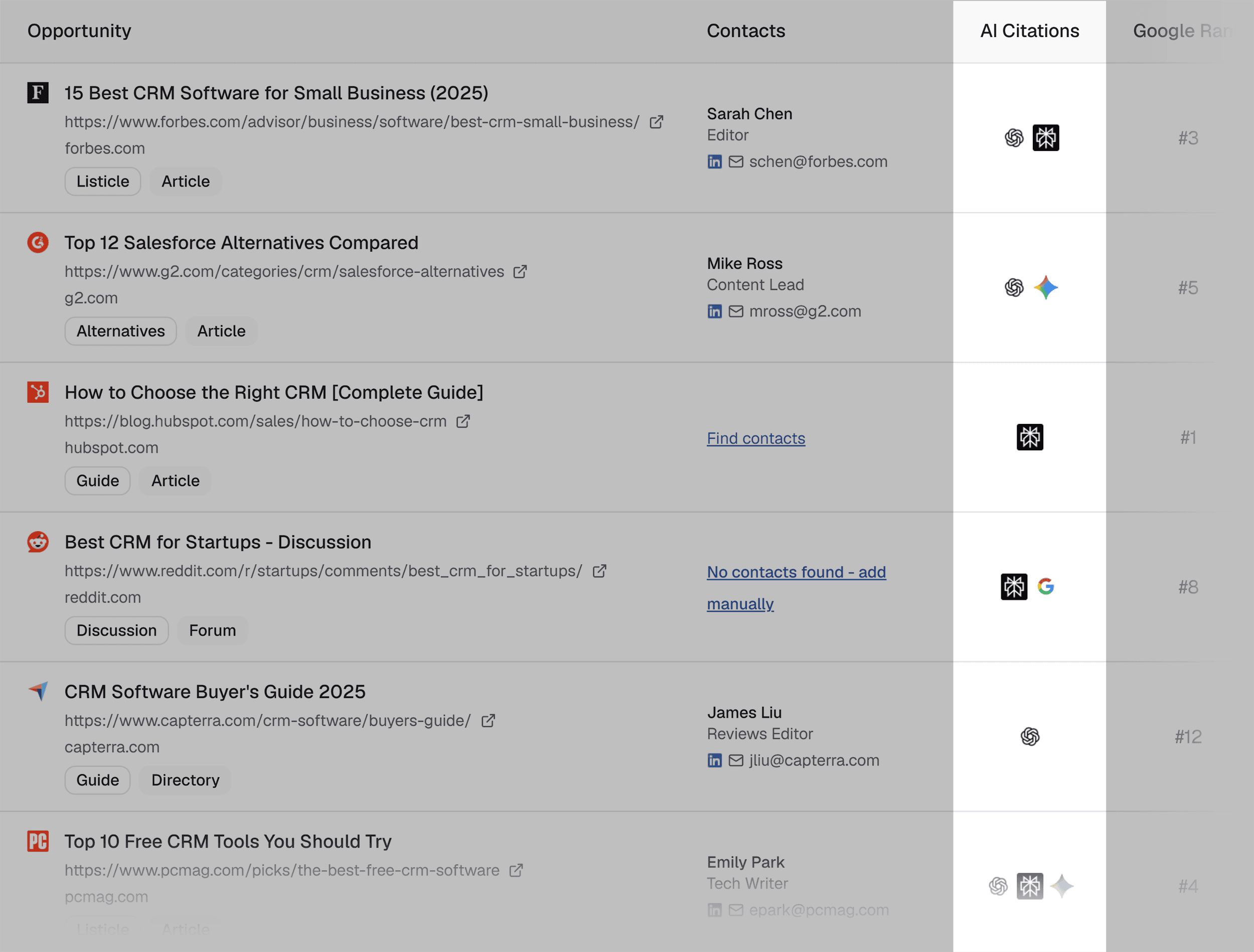
A newer, more specialized discipline within digital PR is "AI Citation Outreach." Unlike traditional PR, which seeks broad brand awareness, this strategy targets the specific pages that AI models are already citing for high-value prompts.
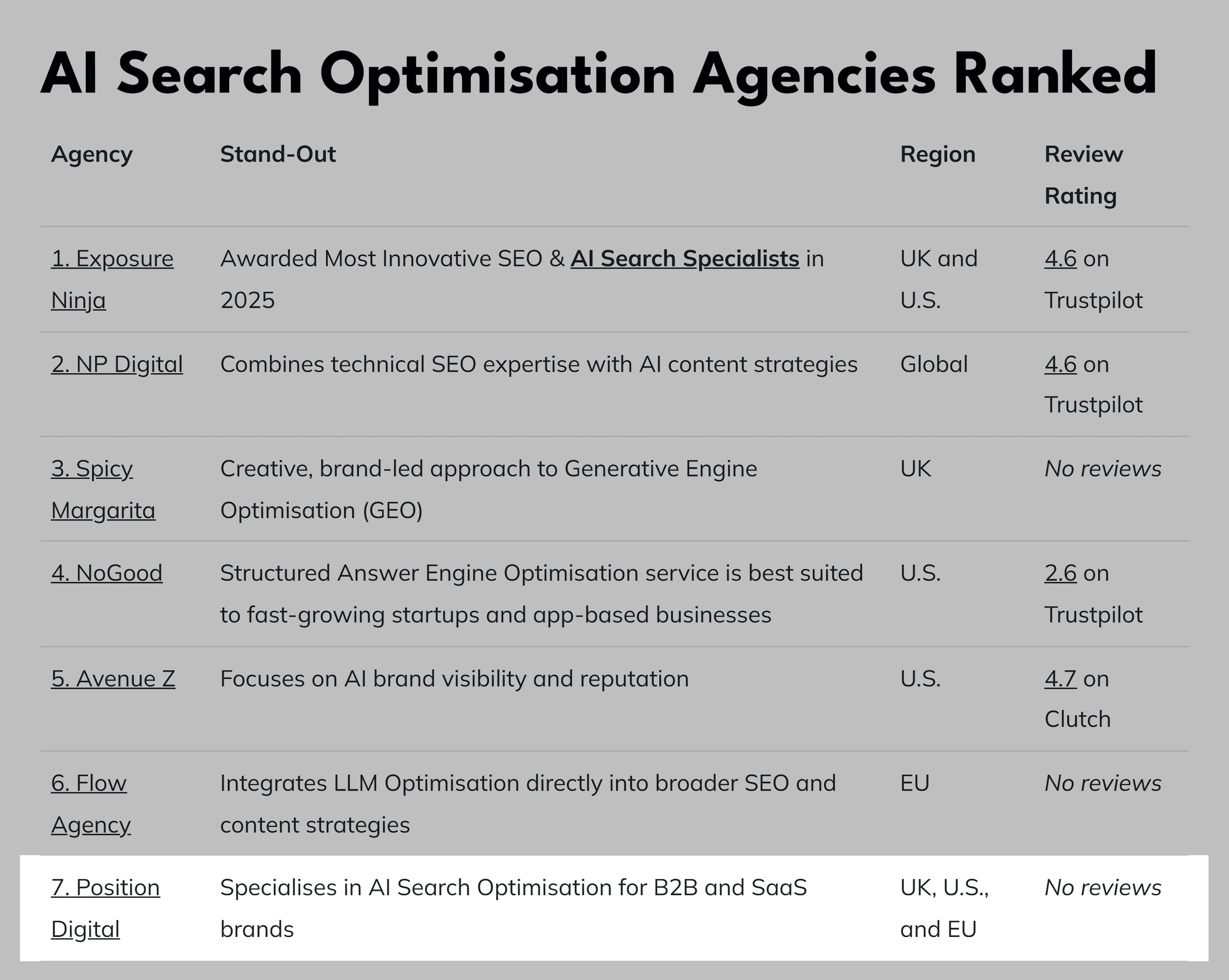
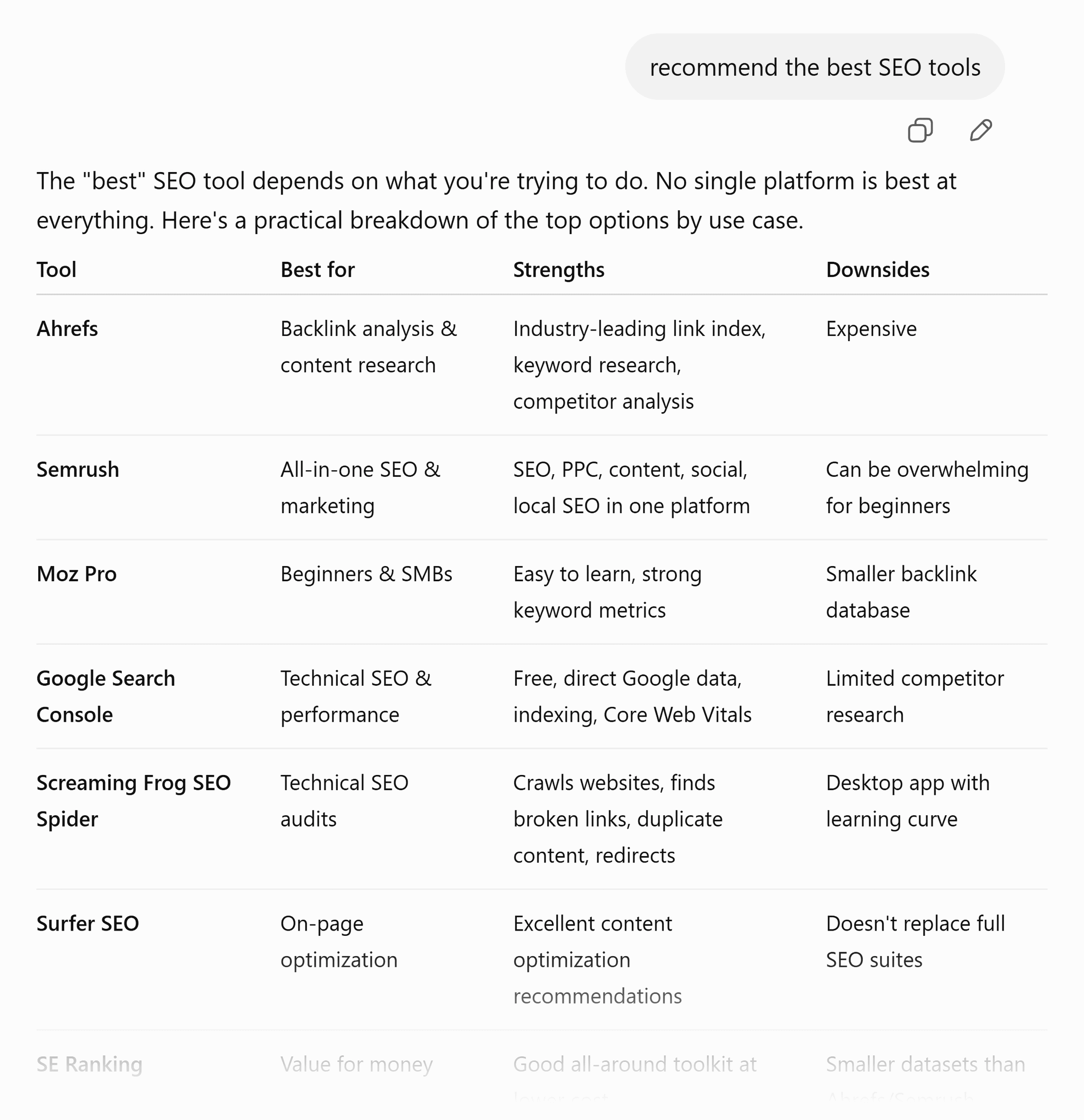
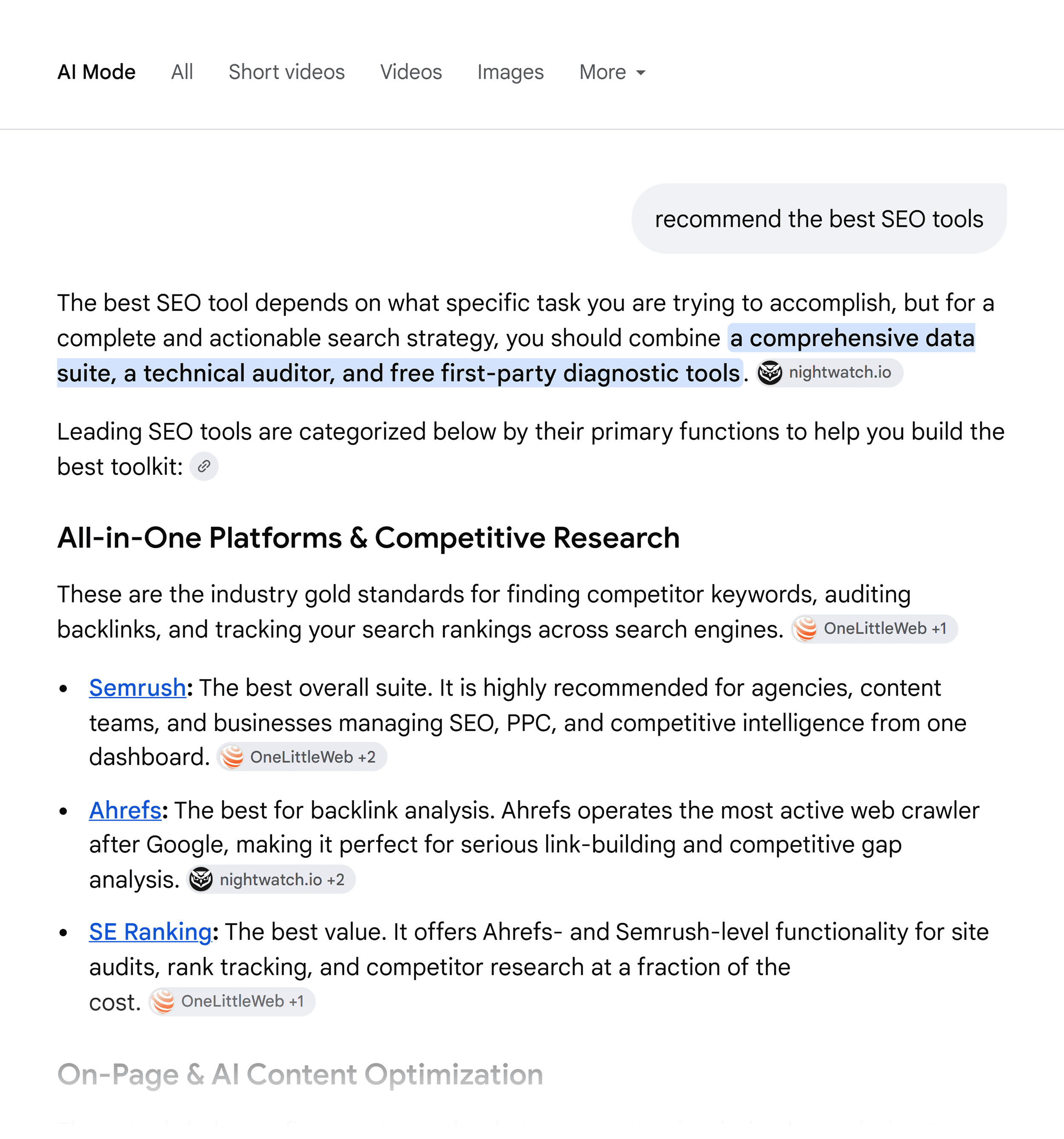
LLMs do not cite sources at random; they show preferences based on the model’s specific training. For example, a prompt regarding the "best SEO tools" may yield different citations in ChatGPT compared to Google’s AI Mode. Marketers are now utilizing tools like the Semrush AI Visibility Toolkit or ListBrew to map out which "listicles" and comparison pages are currently serving as the "knowledge base" for these AI answers.
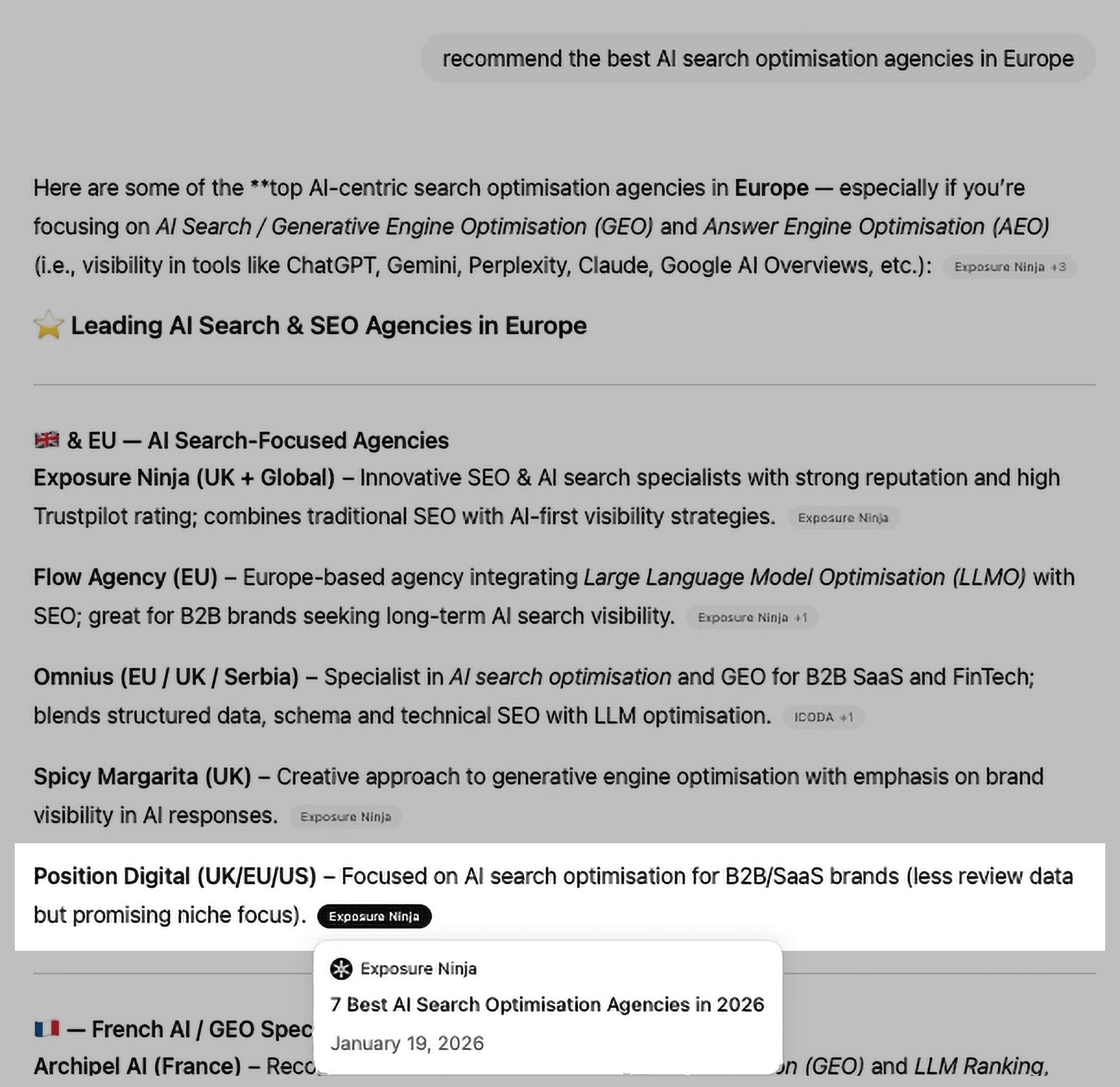
Once these influential pages are identified, PR teams engage in personalized outreach to the authors of those specific articles. The goal is to secure a mention or a product placement on those cited pages. If an AI model trusts a particular listicle as the definitive source for a category, being added to that list is the most direct path to being recommended by the AI itself.
Reactive PR and the "Cutoff Date" Window
The temporal nature of AI training data creates a unique opportunity for "Reactive PR." Most LLMs have a "knowledge cutoff," meaning they are trained on data up to a certain point in time. When a user asks about a breaking news event or a viral trend, the AI must bypass its static training data and perform a real-time web search.
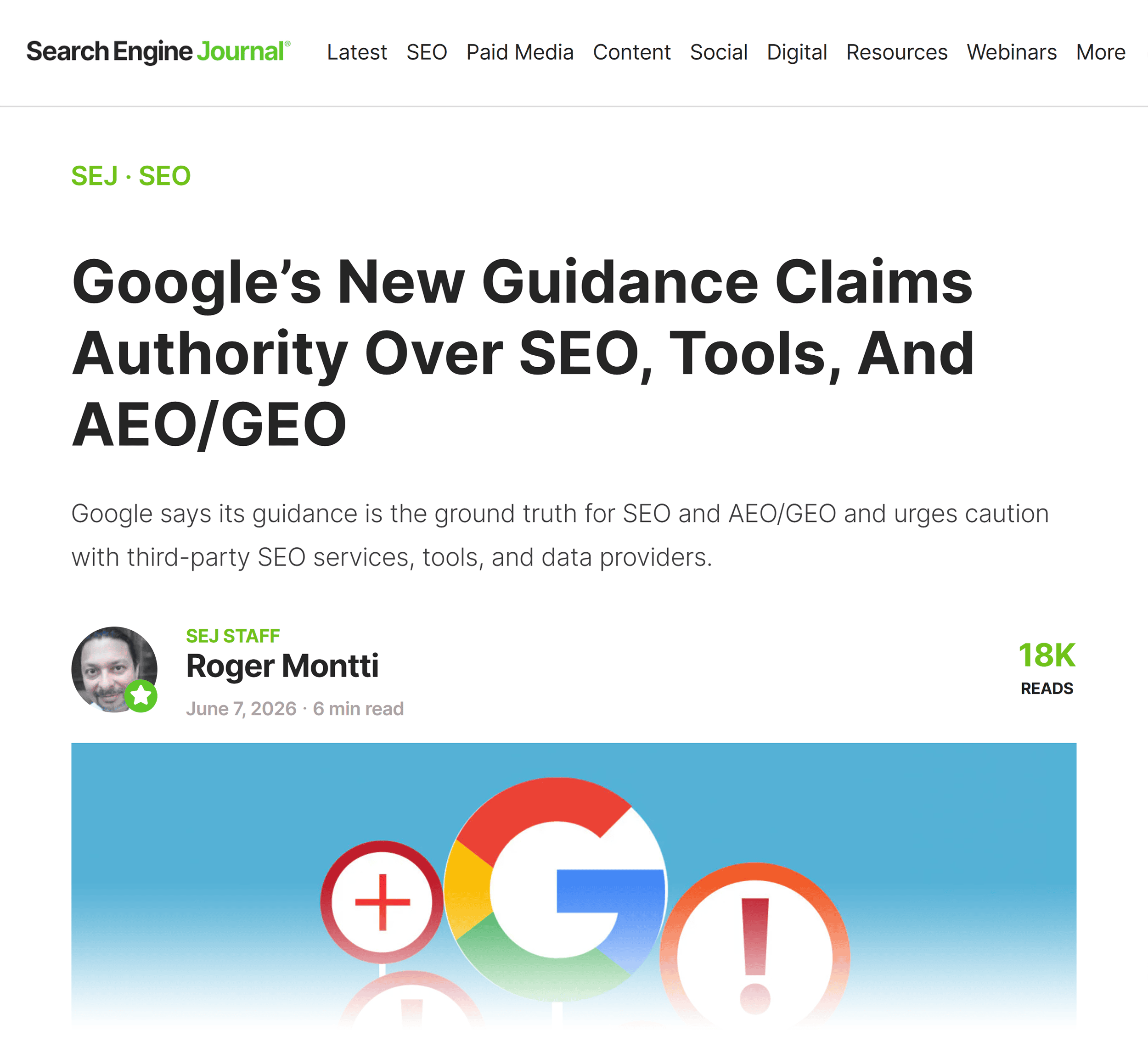
During these "windows of relevance," the AI is often forced to rely on a limited number of credible sources that have reported on the event quickly. Brands that can provide immediate analysis, original reporting, or expert commentary on breaking news have a disproportionately high chance of being cited. This was demonstrated when Search Engine Journal was among the first to report on new Google SEO guidelines; the speed of their reporting led to over 500 backlinks and immediate citation by AI models seeking to answer questions about the update.
The Impact of Expert Integration and "Ego Bait"
The inclusion of recognized industry experts in digital content has also been shown to influence AI behavior. A study on AI SEO statistics found that pages containing expert quotes receive an average of 4.1 citations in ChatGPT, compared to 2.4 for pages without them.
This strategy, often referred to as "Ego Bait," involves featuring industry influencers in roundups, case studies, or success stories. Beyond the direct benefit of expert validation, this creates a powerful distribution channel. Featured experts are highly likely to share the content with their own audiences and link to it from their own professional sites. This creates a network of high-authority mentions that signals to AI models that the content is a cornerstone of the industry conversation.
Community Building and Neutral Platform Validation
Perhaps the most significant shift in AI search is the weight given to community-driven platforms. Data indicates that AI models often trust neutral, third-party forums over brand-owned marketing assets. A Semrush study highlighted that LLMs cite Reddit threads about Microsoft products more frequently than Microsoft’s own official blog.
This has led to a surge in "Community PR," where brands focus on building a positive presence on platforms like Reddit, Quora, and specialized review sites like G2 or Trustpilot. The implications for brand presence are stark: Seer Interactive’s study of 800,000 AI responses found that brands with no Trustpilot profile had a median AI citation rate of just 1%. Conversely, brands with even a small number of reviews saw their citation rates jump to over 53%.
To leverage this, PR teams are increasingly participating as helpful contributors in Reddit communities and hosting "Ask Me Anything" (AMA) sessions. The objective is to foster a volume of independent, positive mentions that the AI can scrape and aggregate.
Fact-Based Analysis of Future Implications
The transition to AI-centric search suggests a future where "brand authority" is a quantifiable metric derived from across the digital ecosystem. For the past two decades, SEO was largely a battle for the "top spot" on a search results page. In the AI era, it is a battle for "mentions" within a synthesized paragraph.
This shift has several implications for the broader marketing industry:
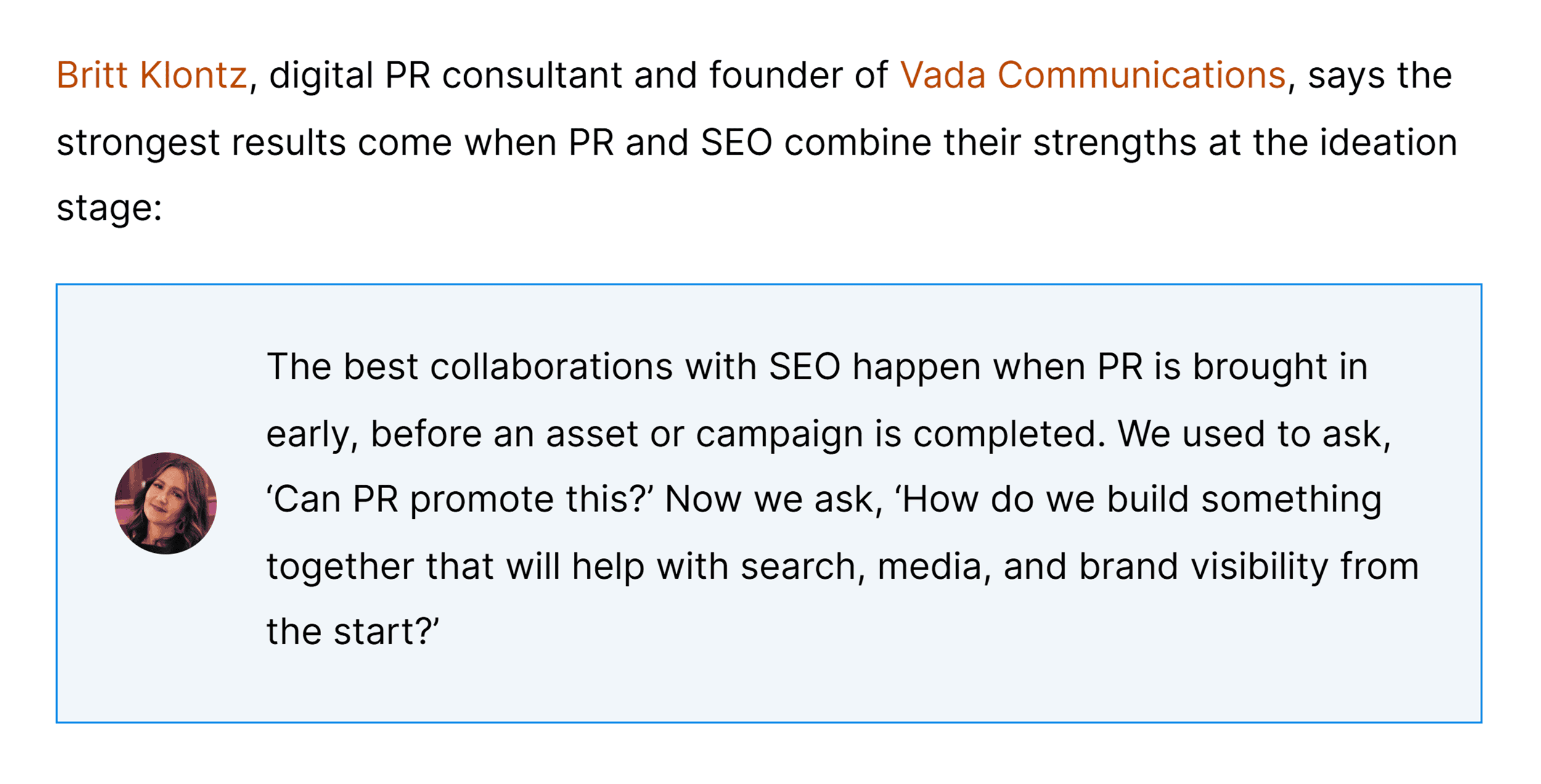
- Convergence of PR and SEO: The silos between public relations and search engine optimization are collapsing. SEO now requires the "earned" credibility that PR provides, and PR requires the "data-driven" targeting that SEO provides.
- Emphasis on Accuracy: Because AI models are prone to hallucination, they are being programmed to favor sources that are cited by multiple, independent outlets. This places a premium on factual accuracy and original reporting.
- Diversification of Channels: Brands can no longer rely solely on their own websites. A robust presence on LinkedIn, Medium, podcasts, and niche forums is now a prerequisite for AI discovery.
As AI models become more sophisticated, they will likely become better at distinguishing between paid promotion and genuine editorial interest. Consequently, the core tenets of traditional journalism—originality, expertise, and relevance—are becoming the most valuable assets in a brand’s digital marketing arsenal. The brands that win in the era of AI search will be those that prioritize being "talked about" by the world, rather than simply "talking" to it.