
The rapid evolution of search technology, characterized by the integration of Large Language Models (LLMs) into mainstream discovery engines, has fundamentally altered the landscape of digital marketing. Recent industry data and market analysis indicate that traditional search engine optimization (SEO) is being superseded by a new paradigm: Generative Engine Optimization (GEO). Within this new framework, digital public relations (PR) has emerged as the most critical variable for brands seeking to maintain visibility in AI-generated answers.
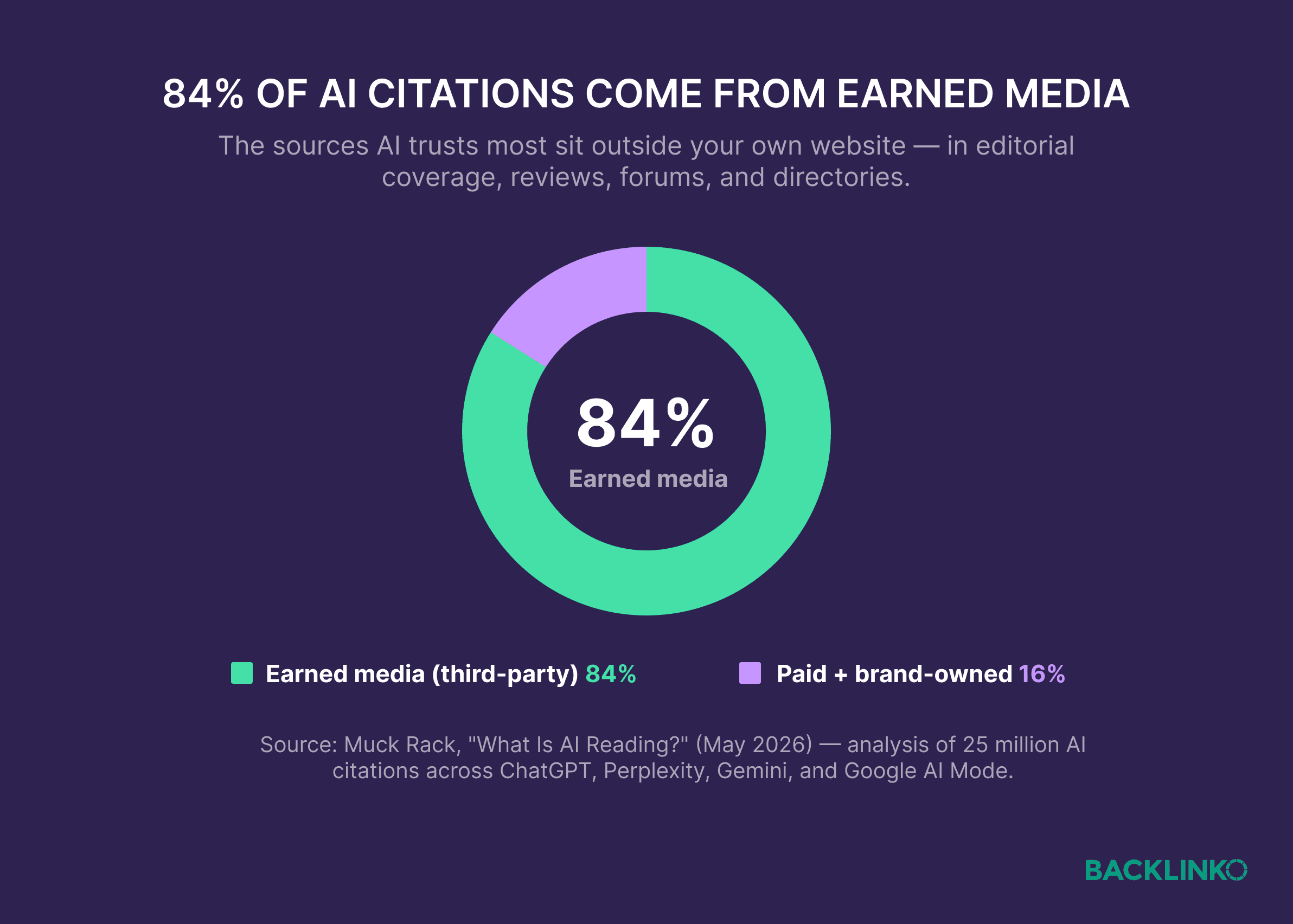
A comprehensive study conducted by Muck Rack recently revealed that 84% of citations in AI search results are derived from earned media. This includes editorial coverage, independent reviews, and forum discussions—sources that exist outside a brand’s own digital ecosystem. The findings suggest that for modern AI systems, third-party validation has become the primary metric for determining brand authority, effectively outperforming self-published content and traditional advertising.
The Structural Shift from Onsite Content to Offsite Authority
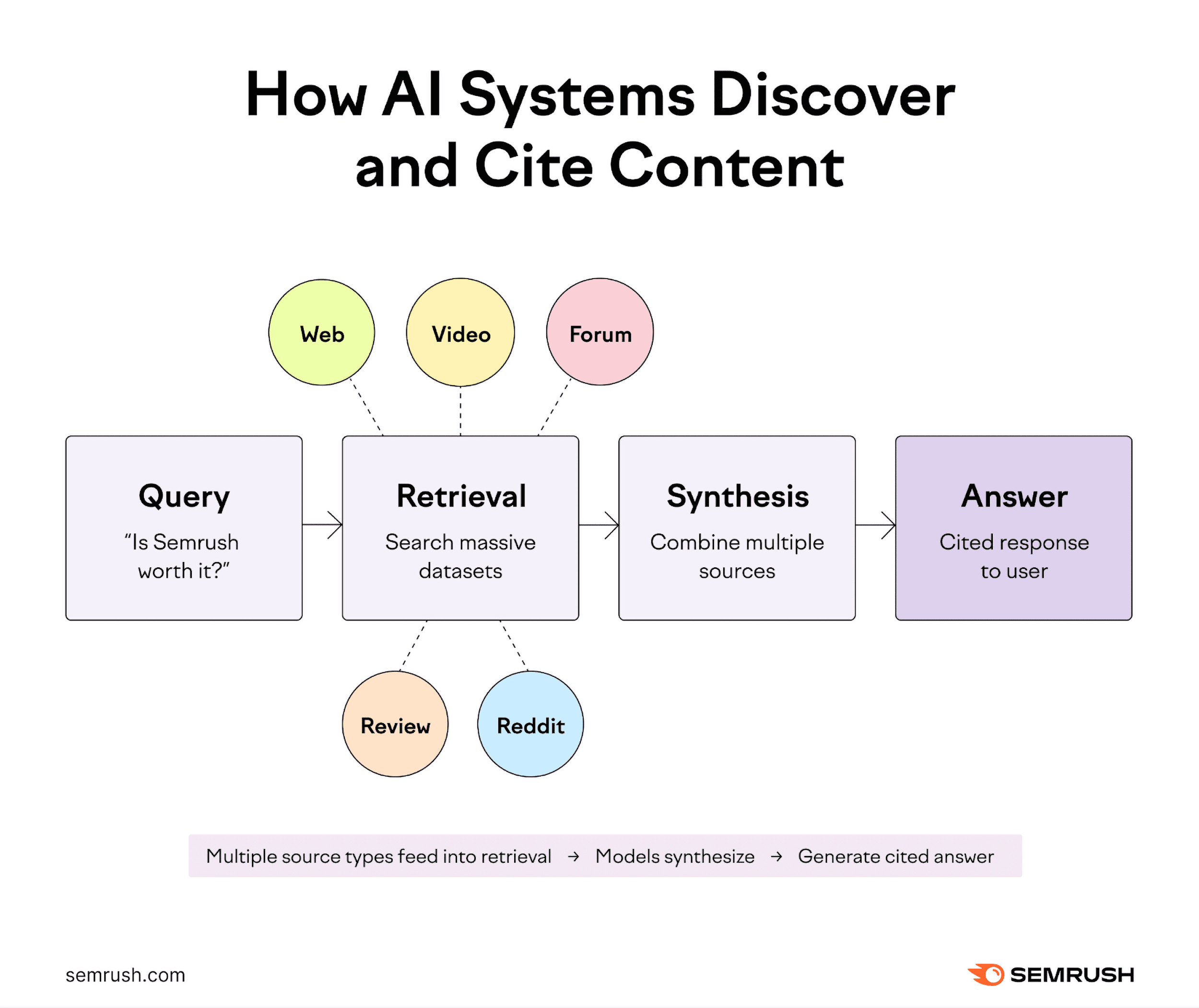
For over two decades, digital marketing focused heavily on "onsite" optimization—the practice of refining a brand’s own website to satisfy search engine algorithms. However, as Google, OpenAI, and Perplexity transition toward generative summaries, the "walled garden" of a corporate website is no longer sufficient. AI models do not merely index pages; they aggregate information from a vast array of global sources to synthesize a single, authoritative answer.
Industry analysts note that LLMs are designed to prioritize "consensus" and "trust." When a brand name appears frequently and positively across a variety of high-authority publications, AI models recognize this as a signal of credibility. Consequently, visibility in the age of AI search is dictated not by what a brand says about itself, but by what the broader internet says about the brand.
Chronology of the AI Search Revolution
The transition to AI-led discovery has occurred in several distinct phases over the past three years:
- Late 2022: The public launch of ChatGPT introduced the concept of conversational search, though it lacked real-time web access.
- Early 2023: Microsoft integrated GPT-4 into Bing, marking the first major attempt to combine LLMs with live search indexing.
- Mid 2023: Google announced Search Generative Experience (SGE), now known as AI Overviews, signaling a permanent shift in how the world’s most popular search engine presents information.
- 2024: Market data confirmed that "zero-click" searches were rising, as AI summaries began providing immediate answers, reducing the necessity for users to visit individual websites.
This timeline highlights a shrinking window for traditional SEO tactics and underscores the necessity for a robust digital PR strategy that secures mentions in the third-party sources that these AI models use as their primary training and citation data.
Strategic Pillars of AI Visibility
As the industry adapts, six core strategies have been identified as essential for building the offsite authority required to "win" in AI search results.
1. Data-Led Public Relations and Original Research
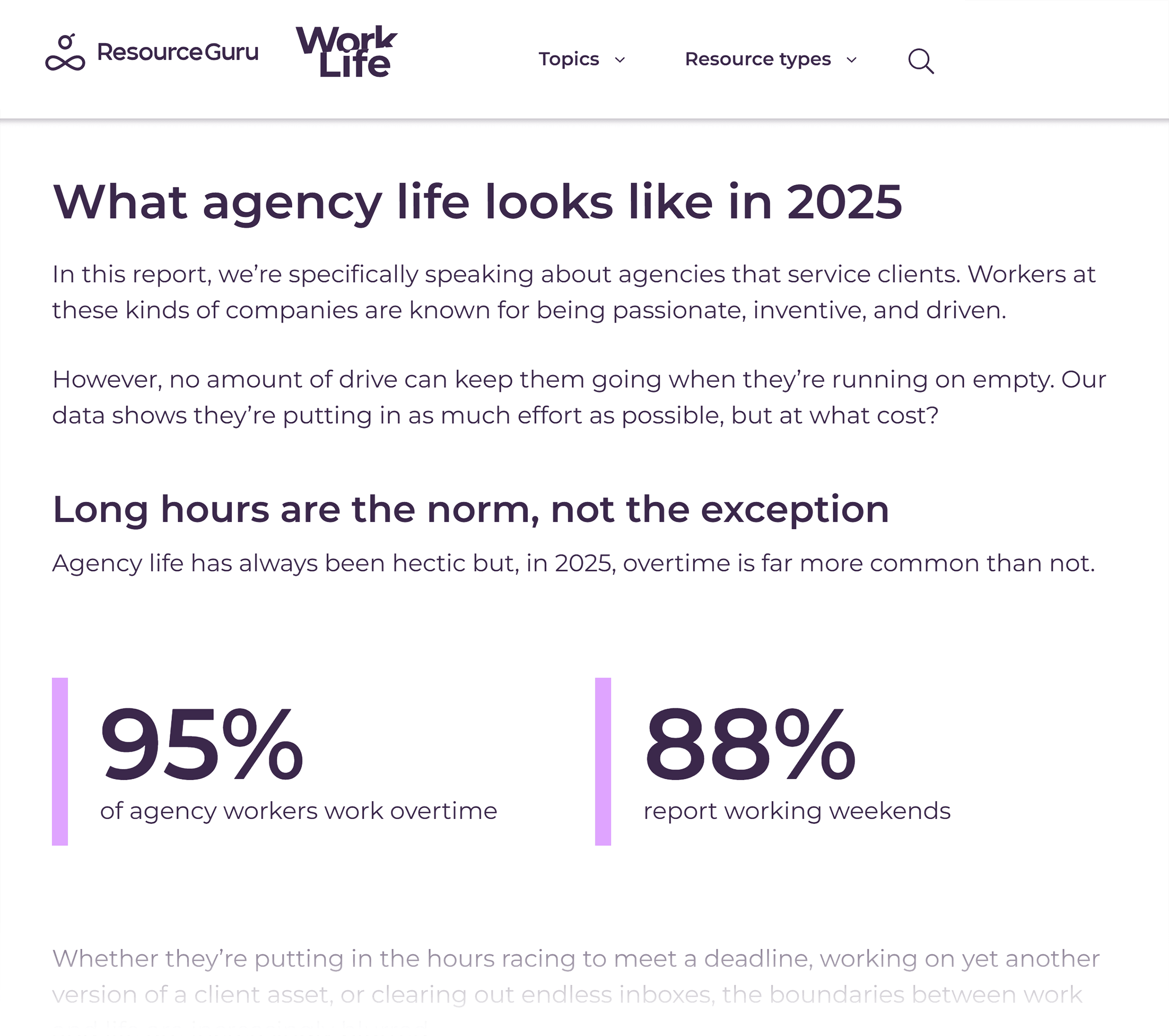
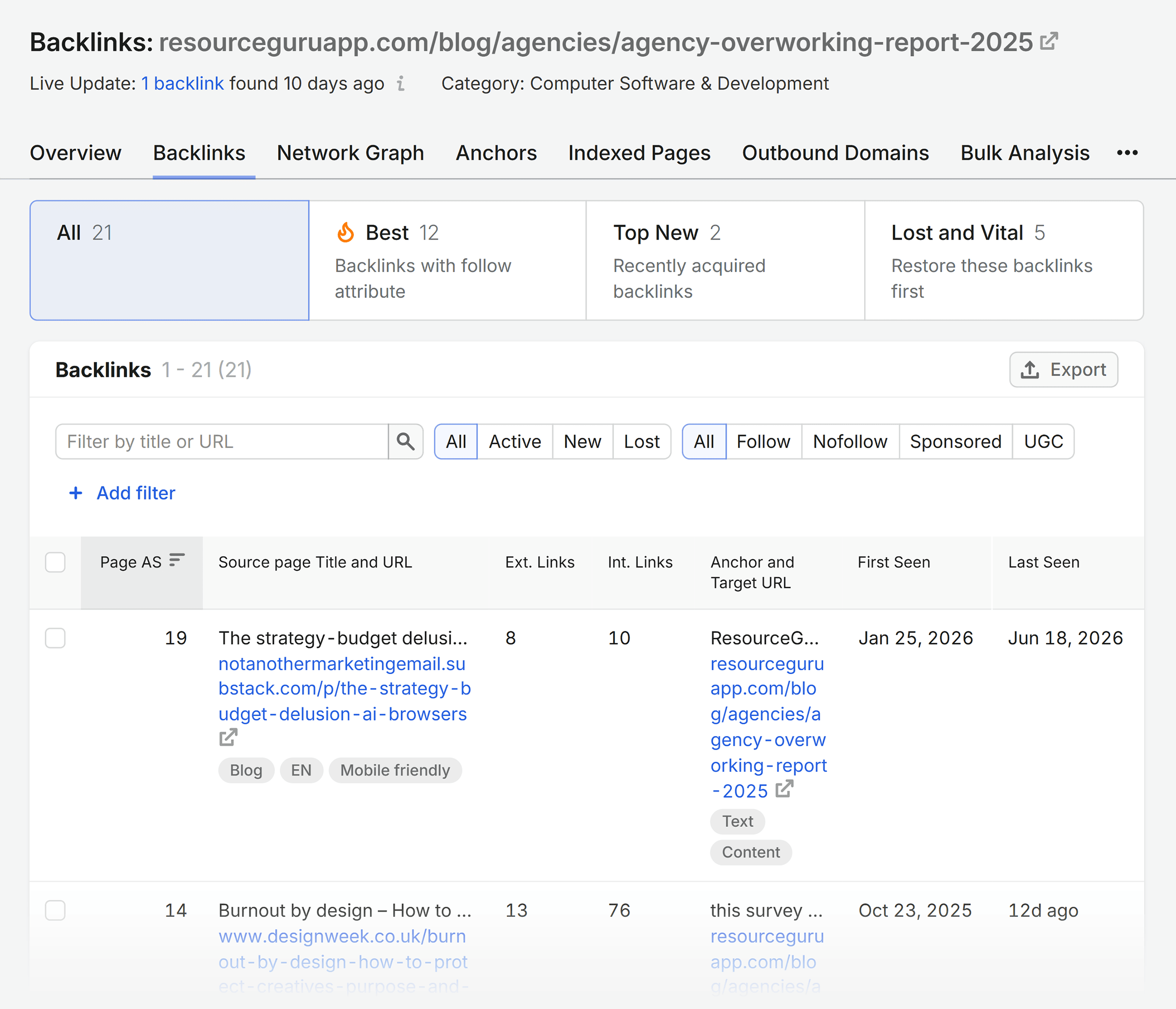
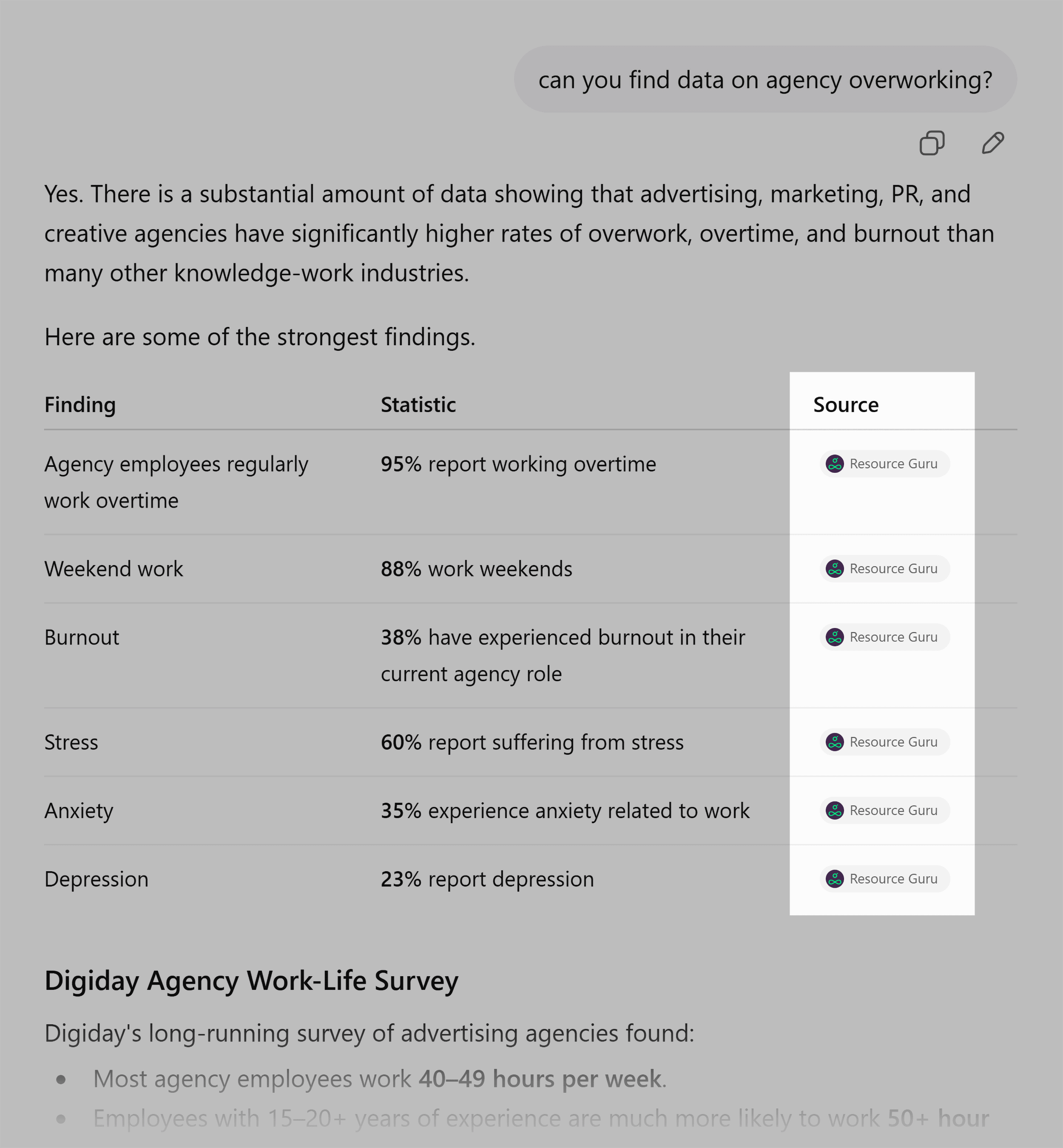
Original research remains the most potent "currency" in the digital ecosystem. Journalists, bloggers, and industry analysts are perpetually in search of fresh statistical data to support their narratives. When a brand publishes original studies—such as the "Agency Overworking Report" released by Resource Guru—it creates a magnet for high-authority backlinks.
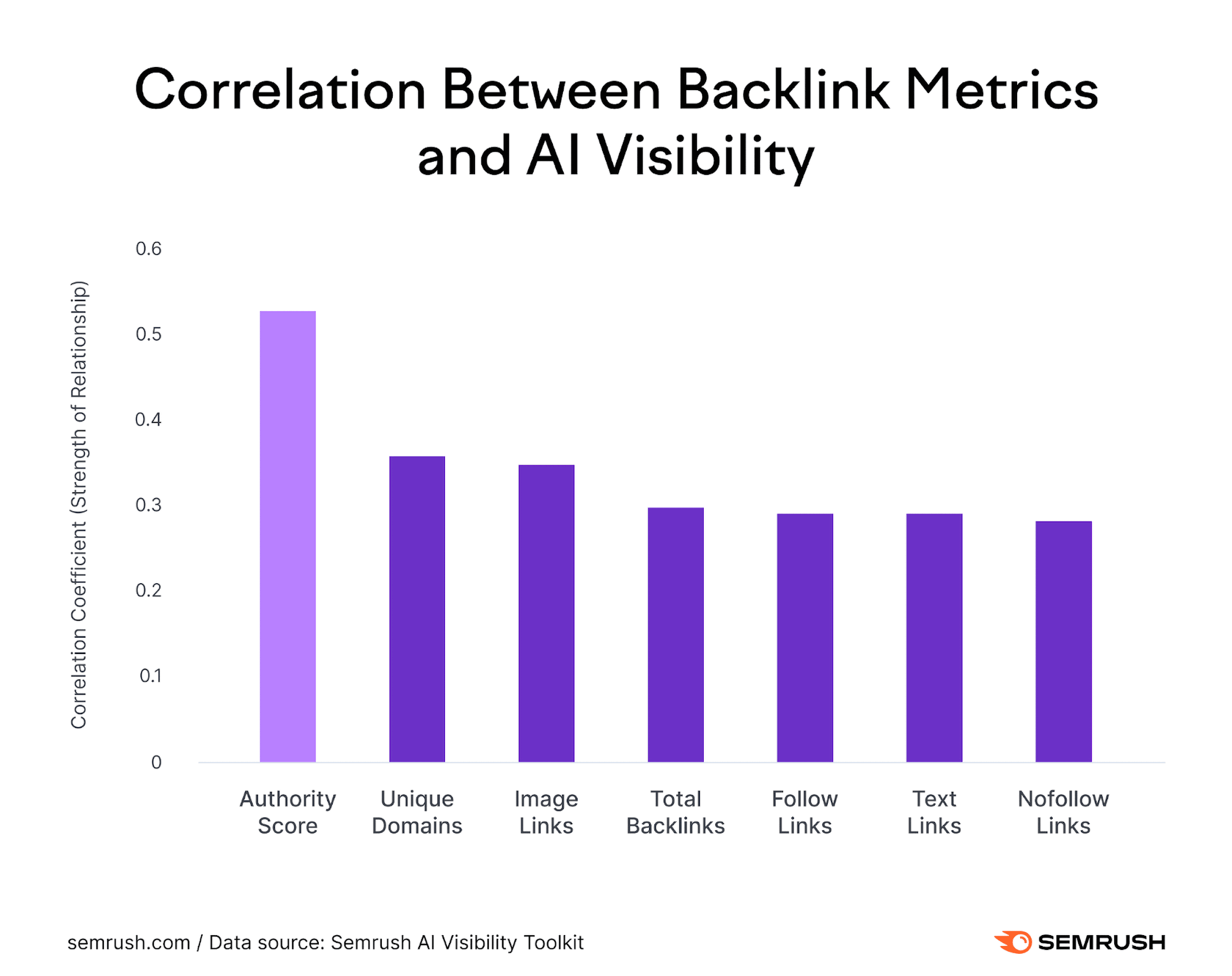
Supporting data from Semrush indicates a strong correlation between backlink authority and AI visibility. Specifically, brands with a high volume of links from domains with a Domain Authority (DA) score of 60 or higher are significantly more likely to be cited by AI models. These models treat statistical citations as "factual anchors," making original data a primary driver for inclusion in generative answers.
2. Targeted AI Citation Outreach
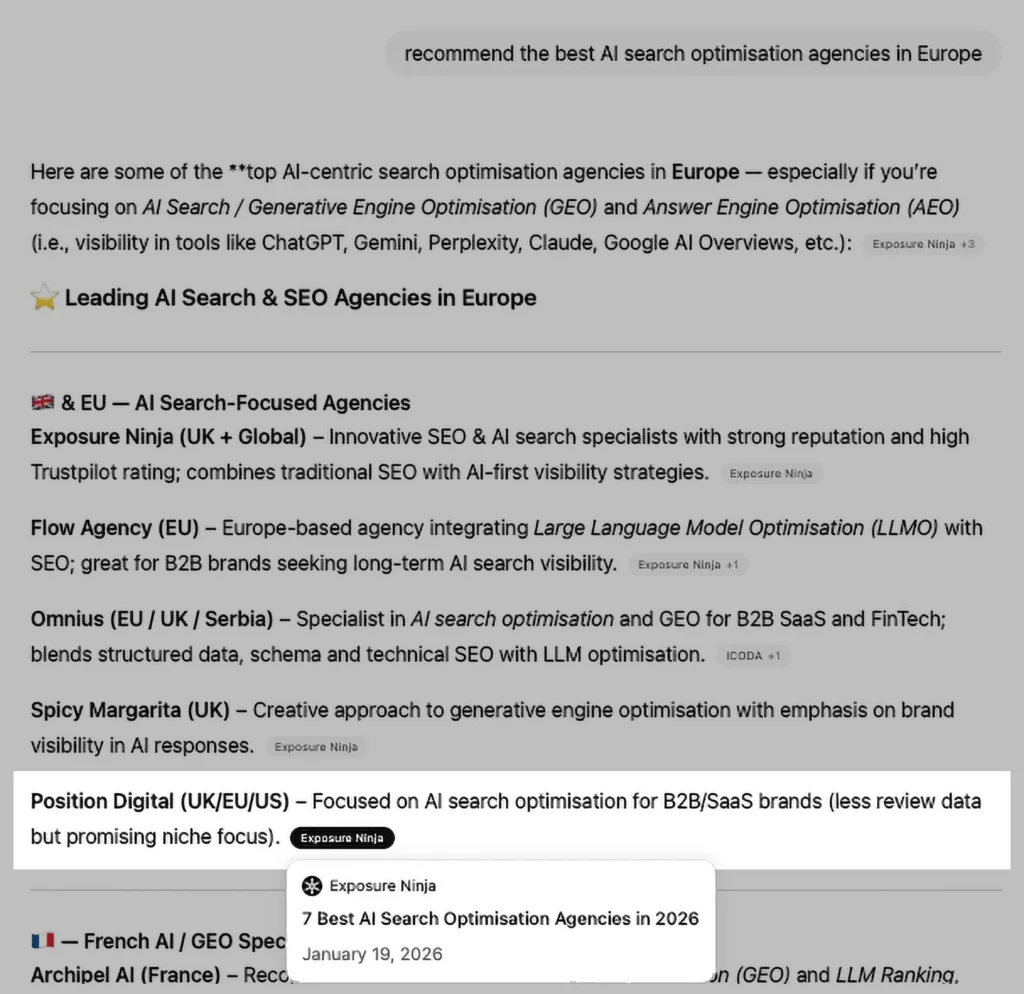
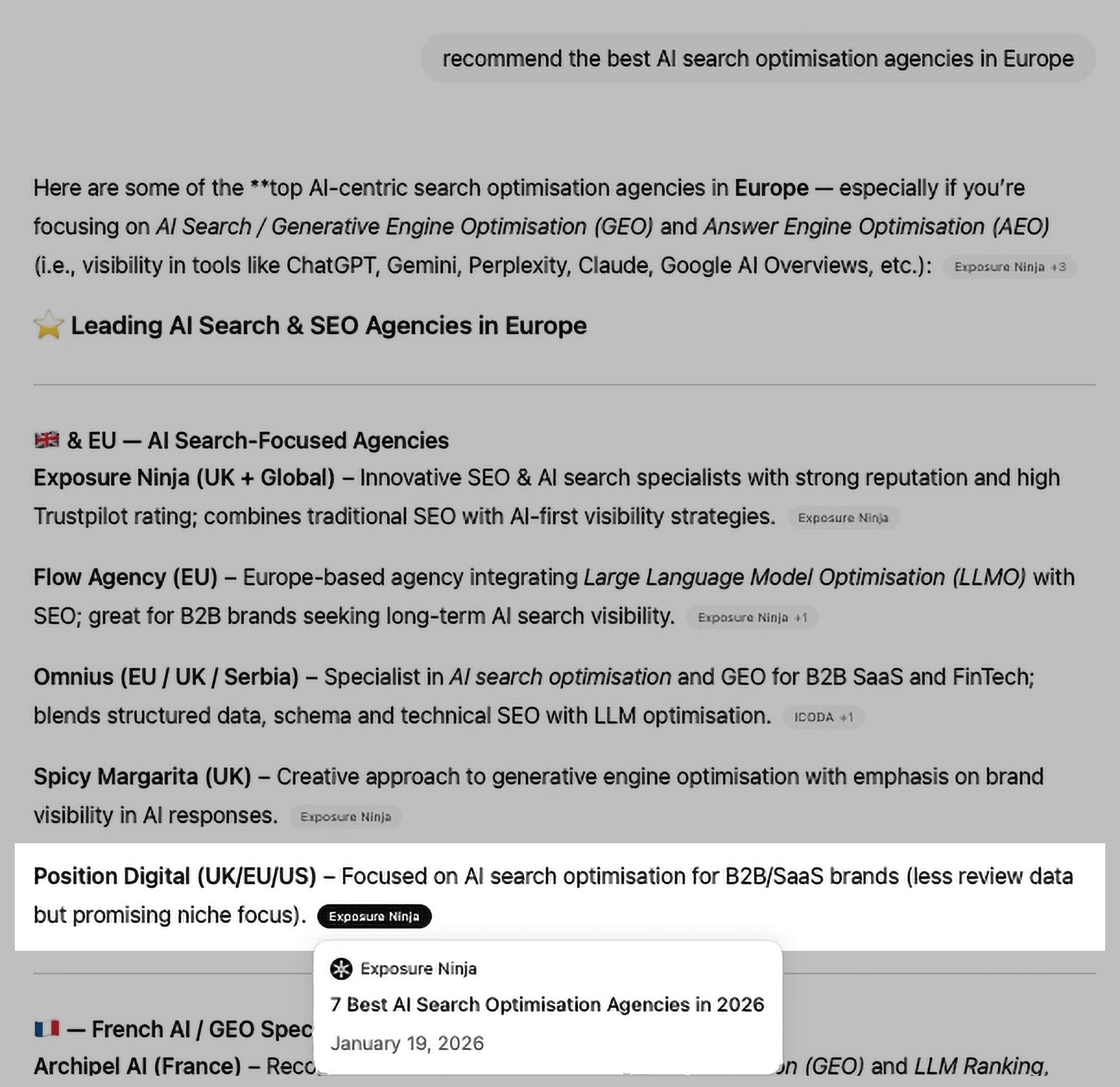
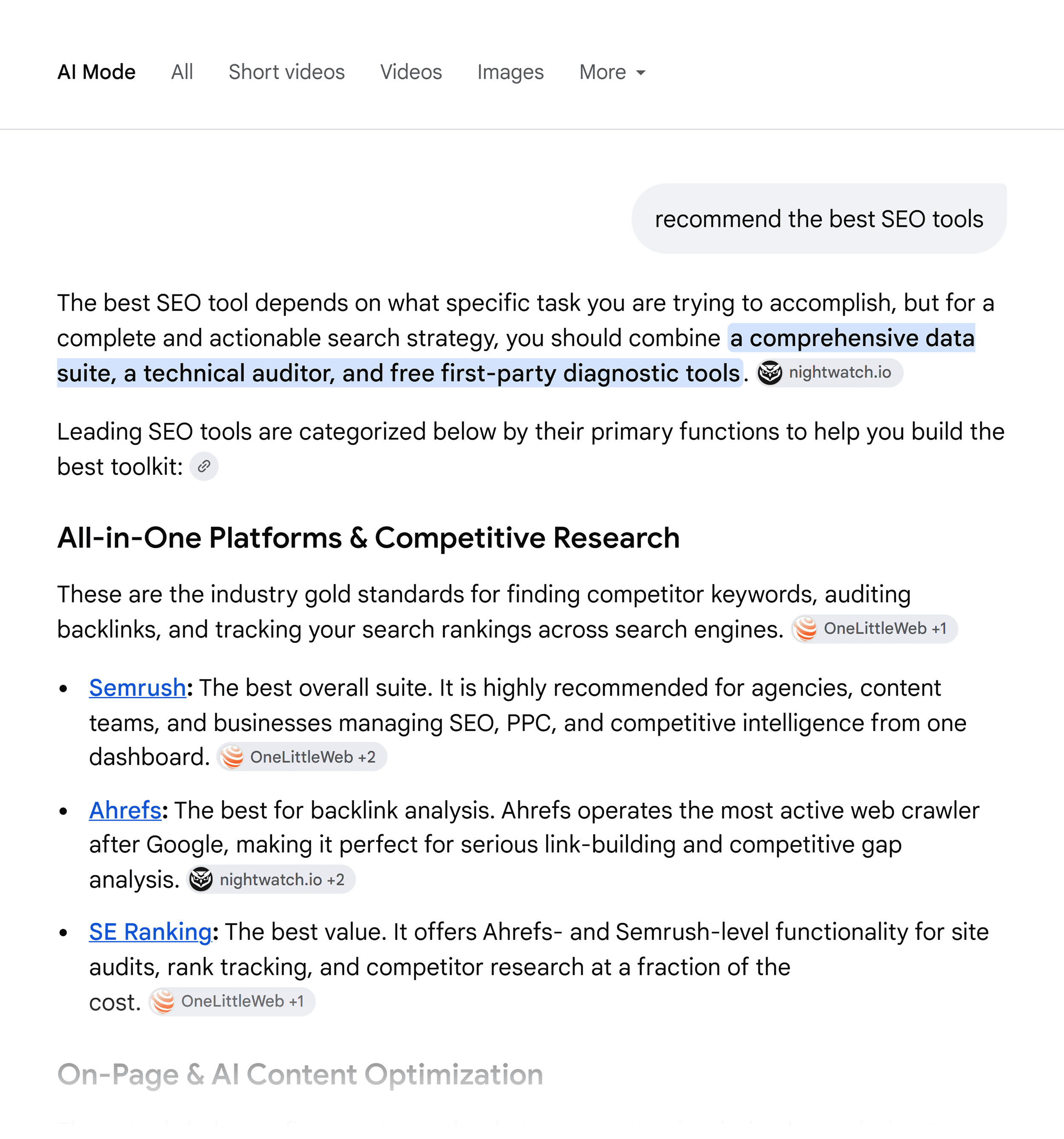
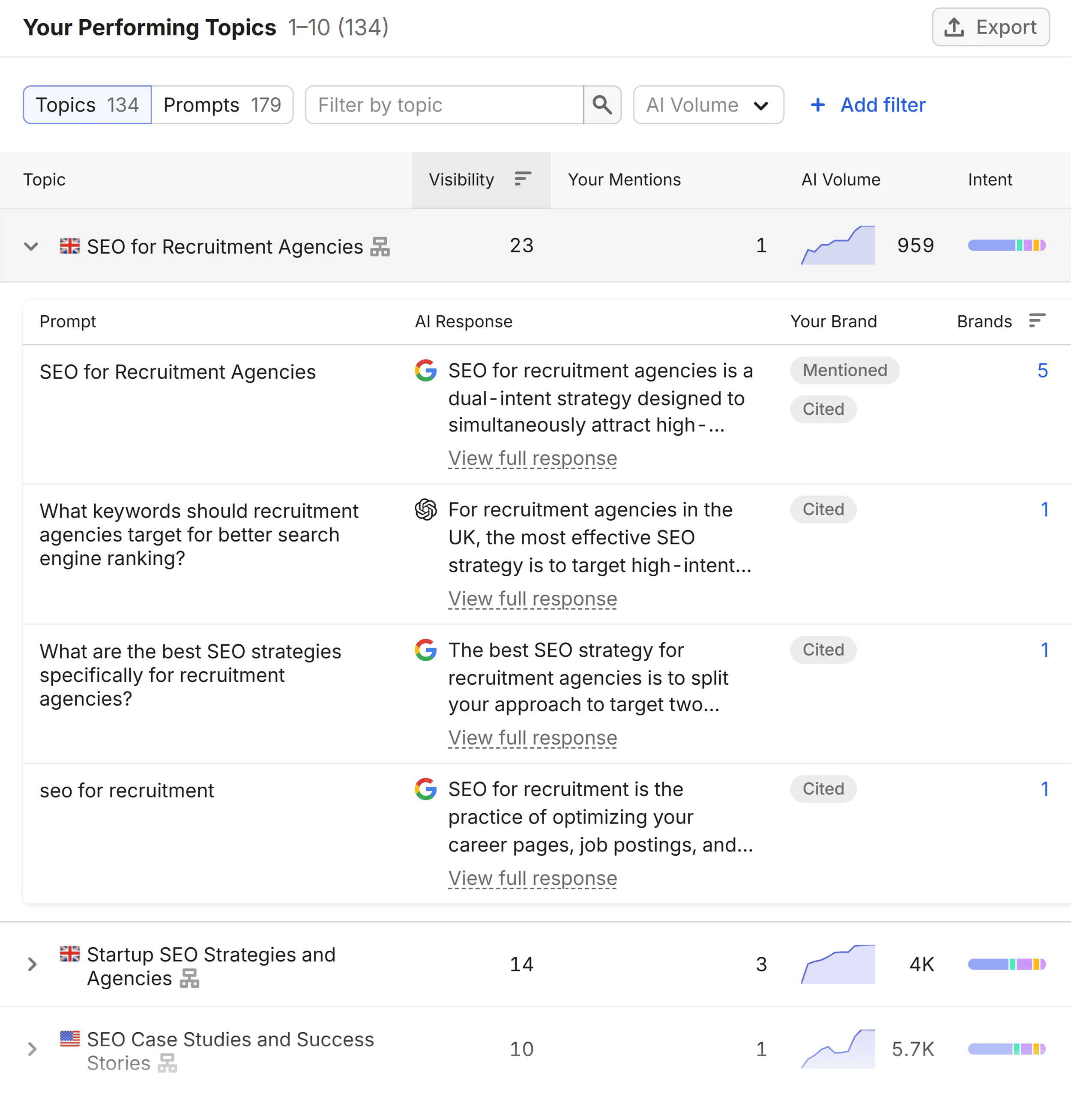
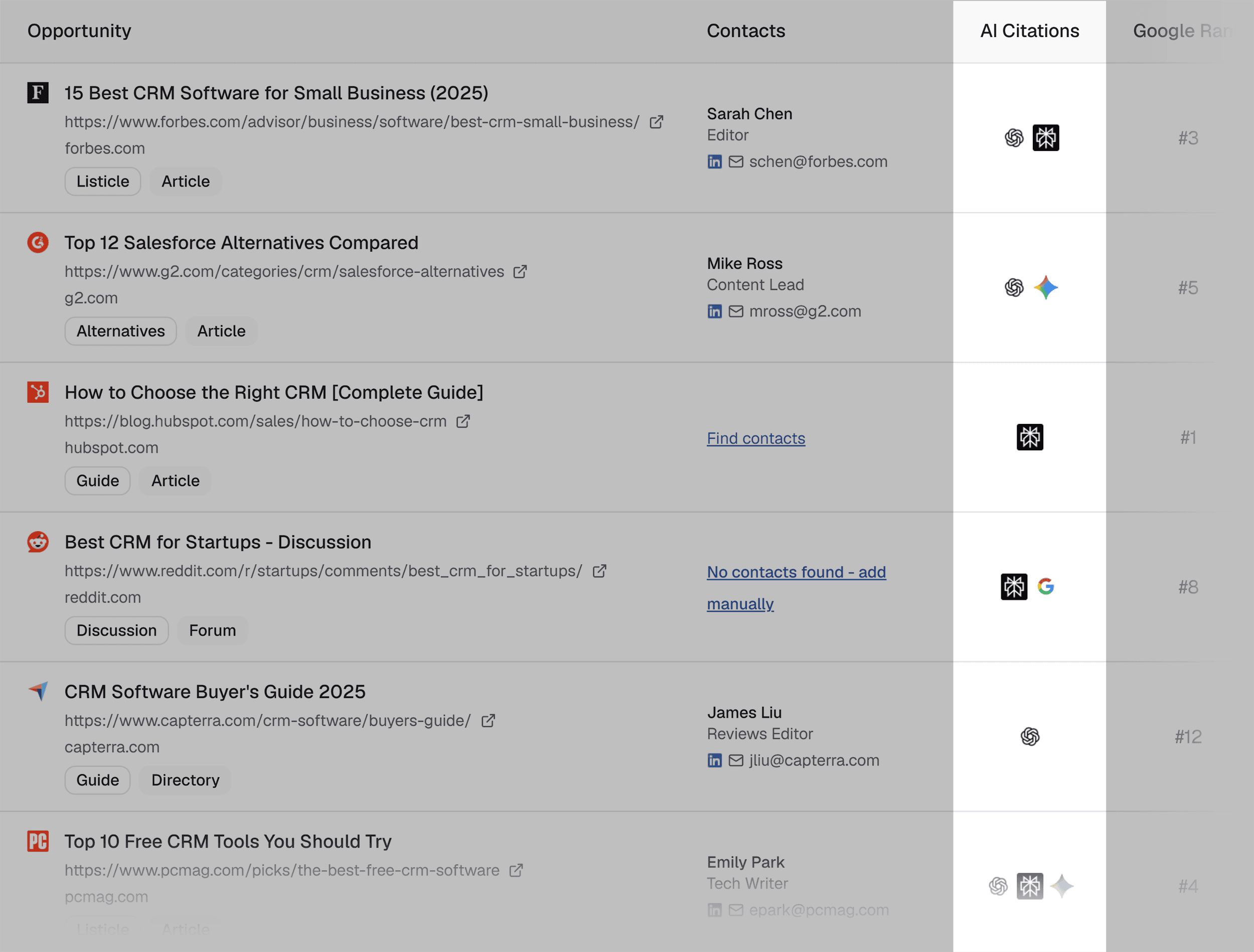
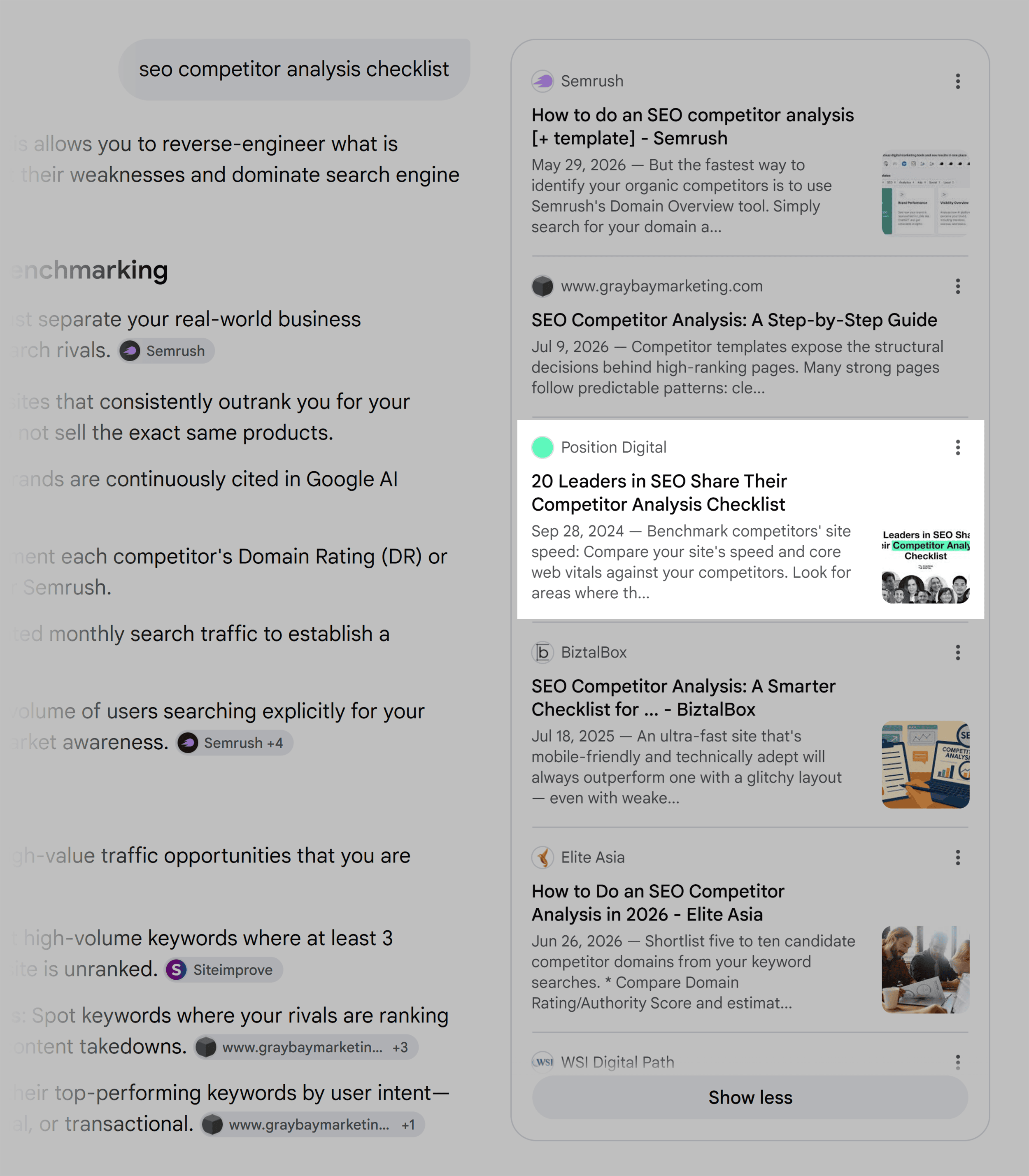
Unlike traditional search engines that rank pages, AI models cite specific sources to justify their synthesized responses. Strategic citation outreach involves identifying the specific pages that LLMs currently reference for high-value industry prompts. By securing placements on these "cited pages," brands can effectively "piggyback" on existing AI trust.
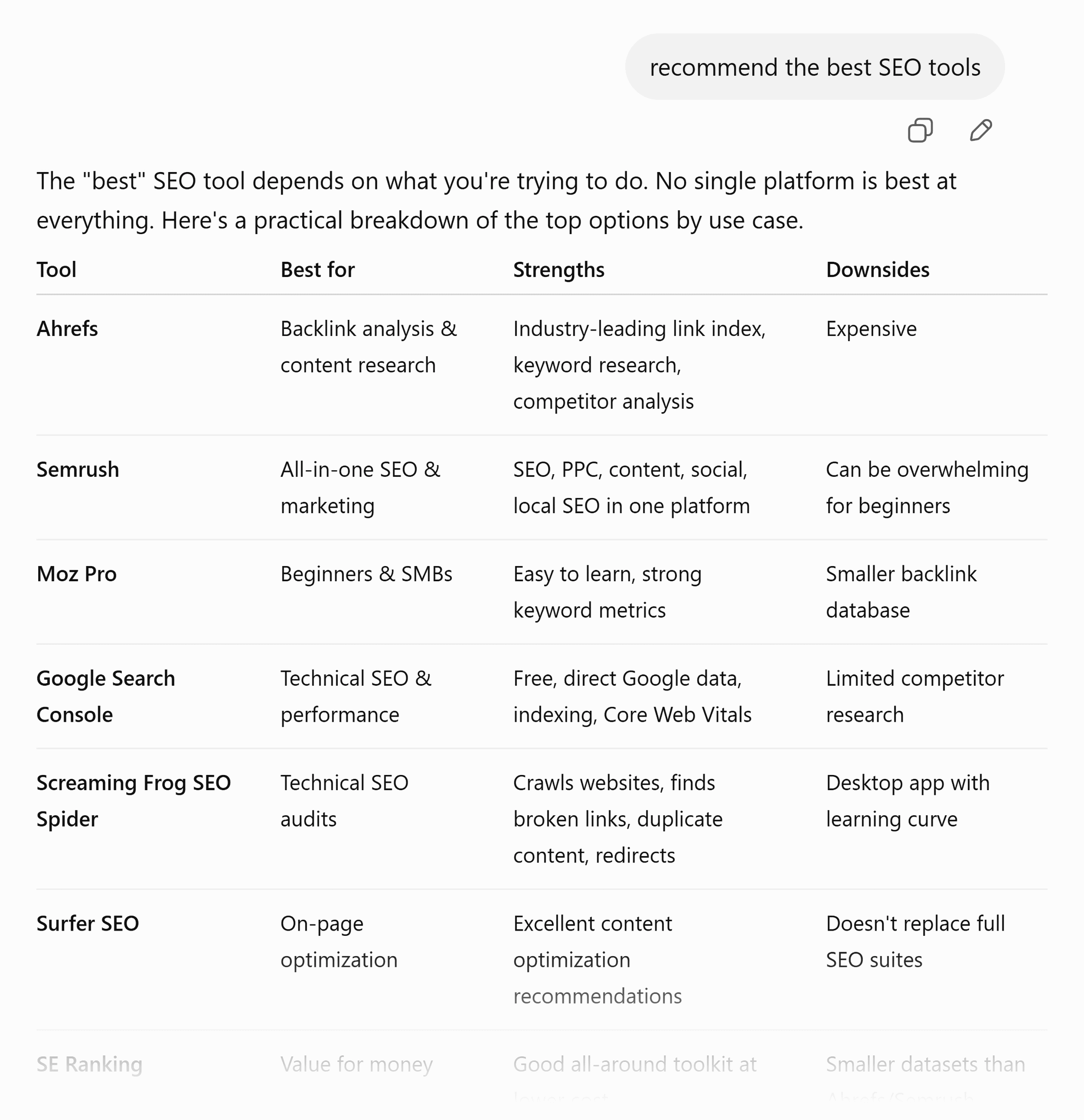
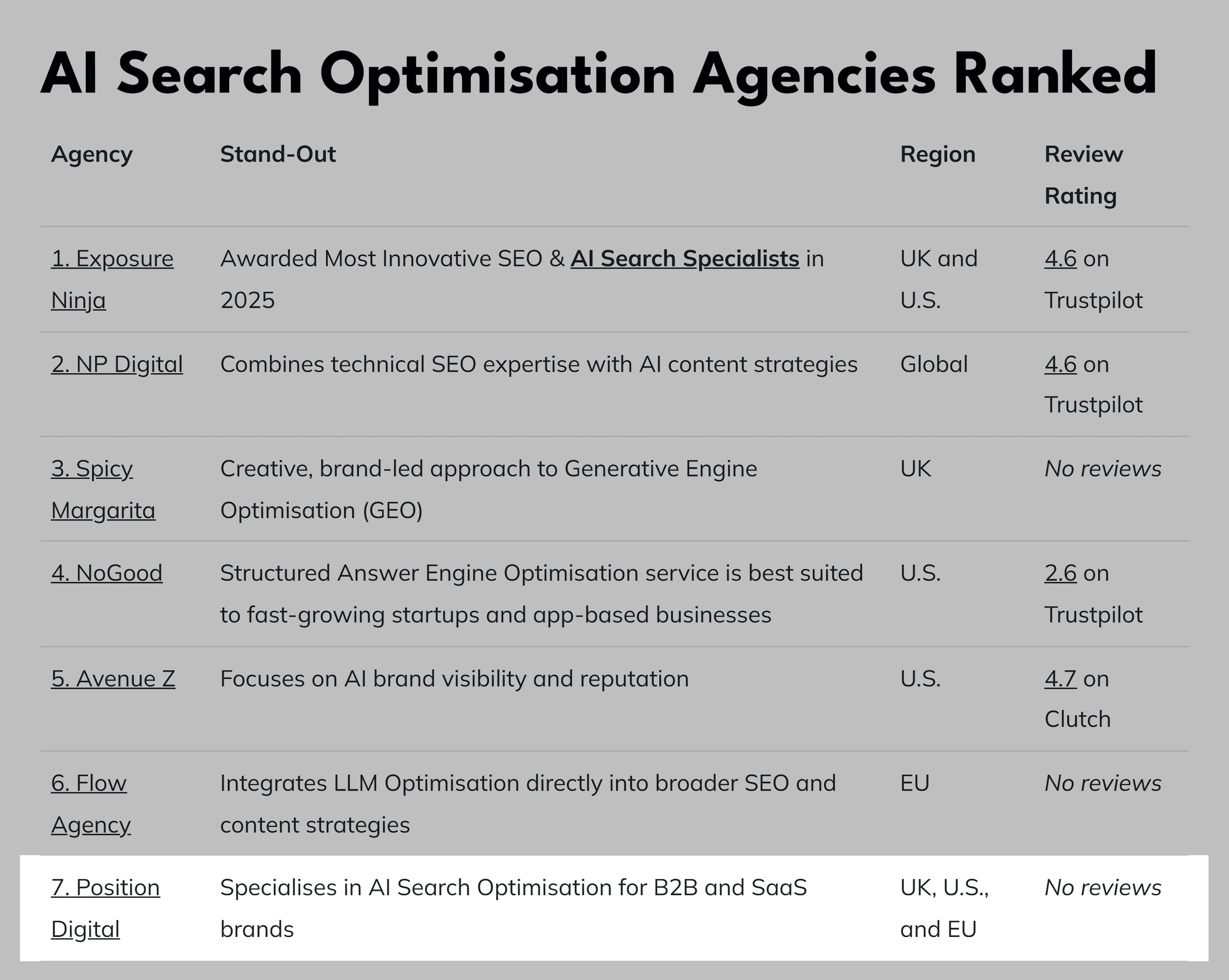
Tools such as the AI Visibility Toolkit and ListBrew have become essential for marketers to reverse-engineer the citation patterns of models like ChatGPT and Google Gemini. If a brand is featured in a "top ten" listicle that AI consistently cites, that brand’s likelihood of being recommended in a conversational prompt increases exponentially.
3. Reactive PR and Newsjacking
LLMs often have a "knowledge cutoff" or a delay in processing new information unless they are connected to a real-time search index. When breaking news occurs, AI systems must rely on the most recent, high-authority reporting available. Brands that employ reactive PR—providing immediate commentary or analysis on emerging trends—can capture a significant share of AI citations during the initial "information vacuum" of a news cycle.
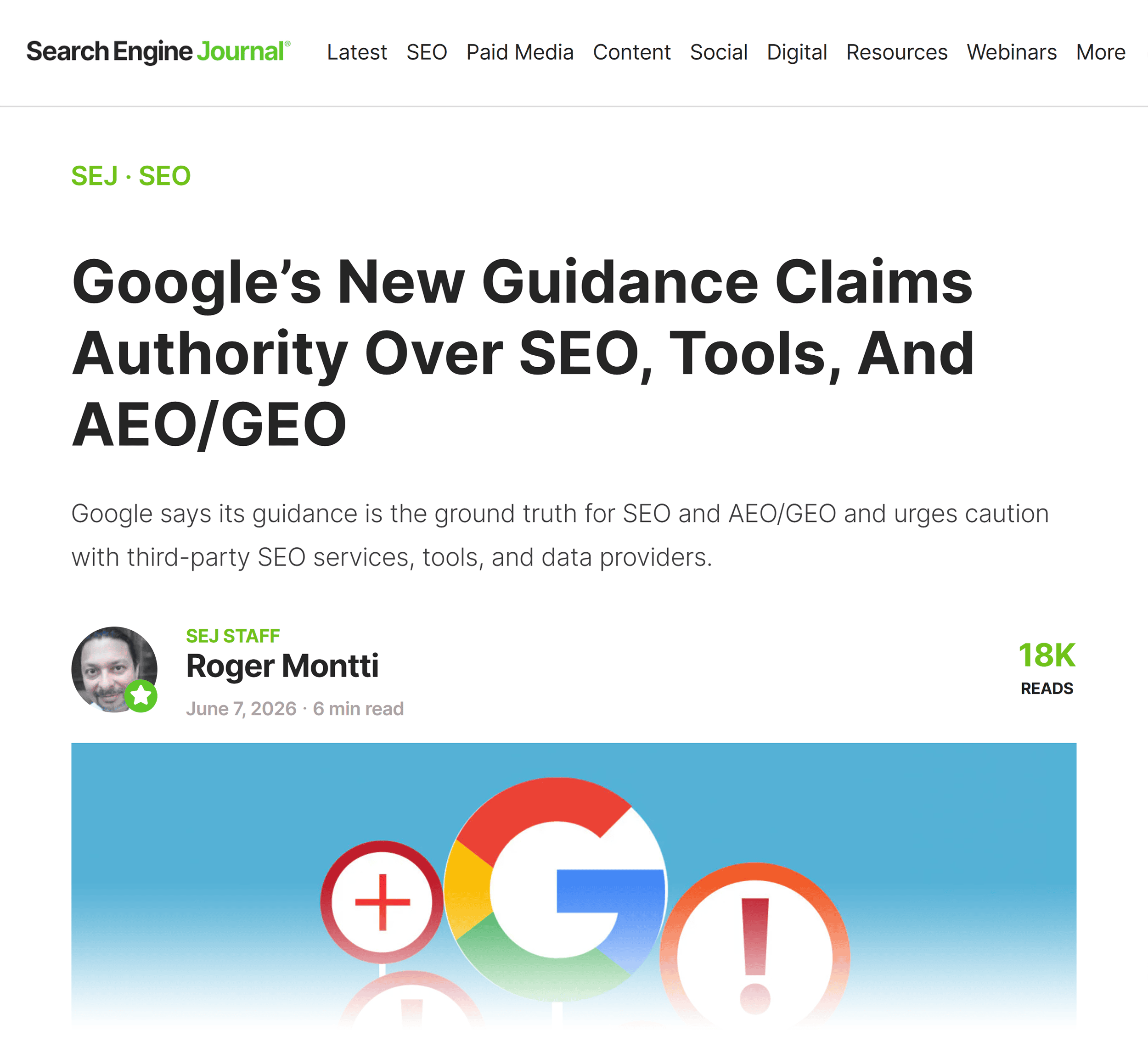
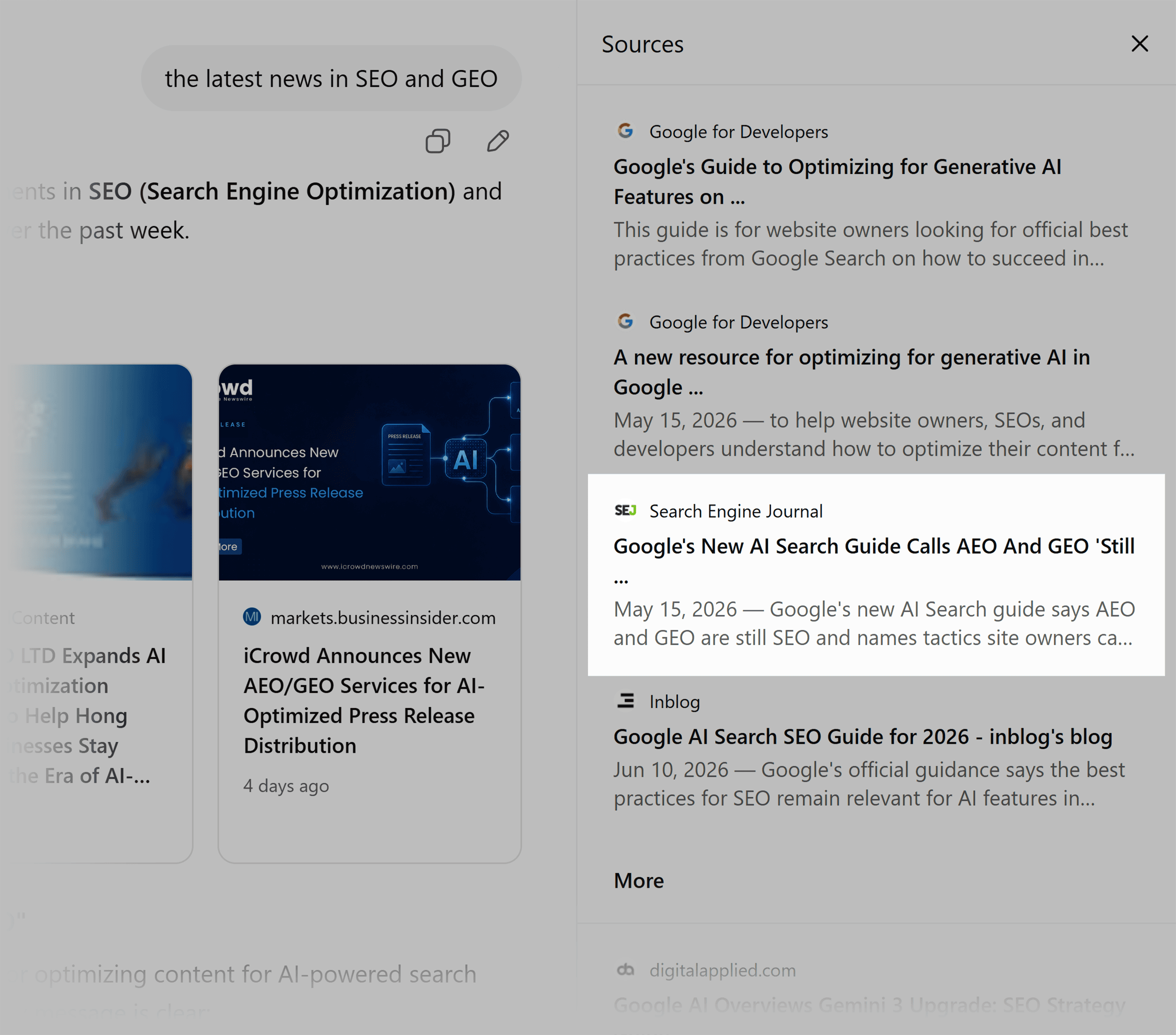
For instance, when Google releases new search guidelines, media outlets like Search Engine Journal that report on the news immediately often see their content cited by AI systems for months afterward as the "definitive" source of the event.
4. The Role of Expert Ego Bait
AI models are increasingly programmed to look for signals of "Experience, Expertise, Authoritativeness, and Trustworthiness" (E-E-A-T). Content that features insights from recognized industry experts acts as a trust signal for both human readers and AI scrapers.
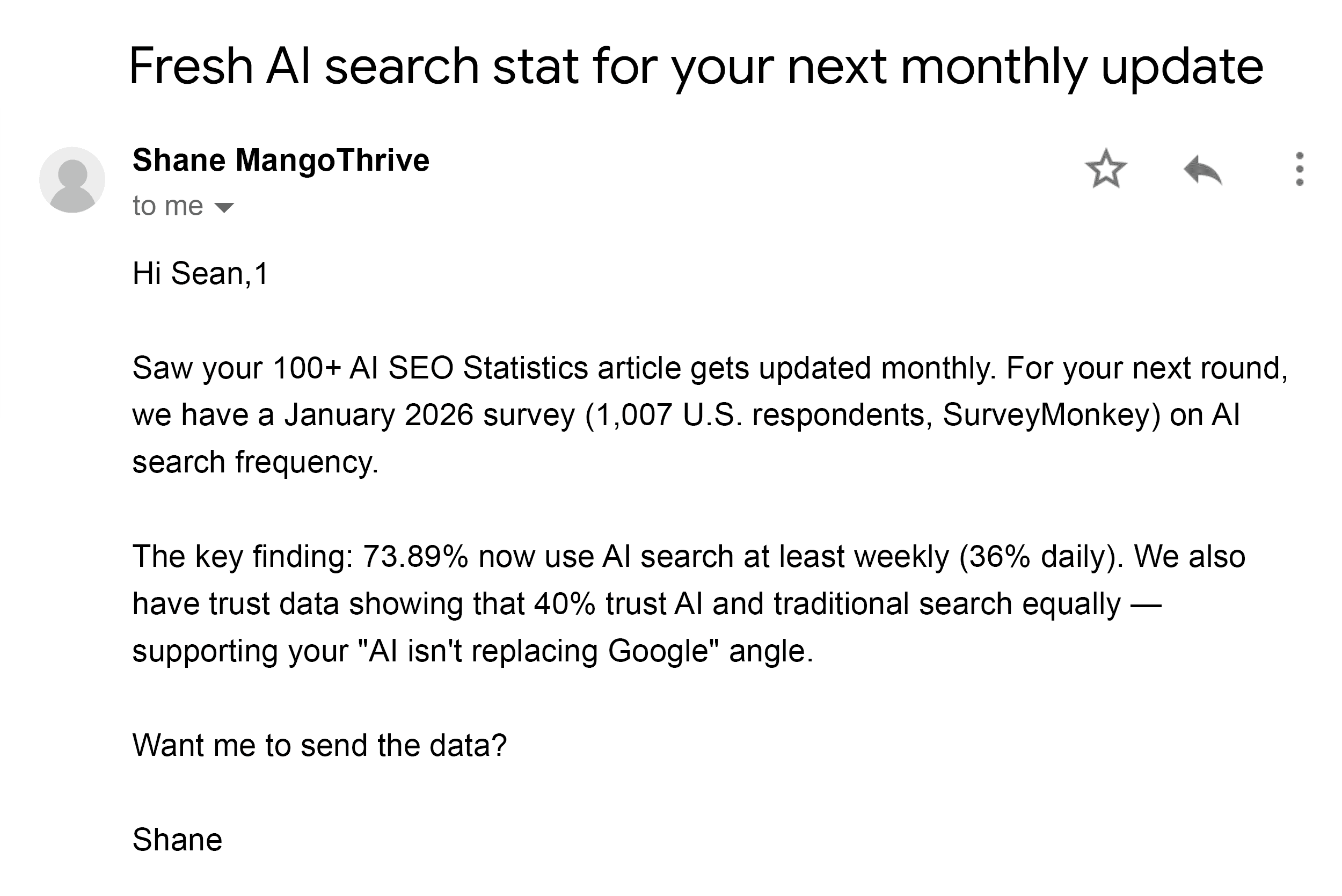
A study on AI SEO statistics found that pages containing expert quotes receive an average of 4.1 citations in ChatGPT, compared to only 2.4 for pages without expert input. By featuring external experts, brands not only improve the quality of their content but also create a distribution network, as those experts are likely to share the content, further increasing offsite mentions.
5. Thought Leadership and Platform Dominance
To be recognized as an authority by an LLM, a brand or its leadership must have a footprint on the platforms the LLM trusts most. Data shows that LinkedIn and Medium are among the most frequently cited domains in AI search.
The "Guest Post Engine" framework—whereby a brand publishes a core idea on its own site and then distributes variations of that idea across high-authority guest posting platforms—has proven effective. When an AI model sees the same authoritative perspective repeated across multiple trusted domains, it identifies that perspective as the "consensus" answer.
6. Community Building and Neutral Validation
Perhaps the most significant finding in recent AI visibility studies is the weight given to neutral, community-driven platforms. LLMs frequently prioritize information from Reddit, Quora, and independent review sites like G2 and Trustpilot over a company’s own marketing materials.
Research by Seer Interactive involving 800,000 AI responses found that brands with no profile on review platforms like Trustpilot had a median AI citation rate of just 1%. However, brands with even a minimal profile (1 to 13 reviews) saw their citation rate jump to 53.5%. This suggests that AI models are specifically designed to look for independent consumer sentiment to validate the claims made by brands.
Implications for the Future of Information Discovery
The shift toward Digital PR as a search strategy represents a maturation of the internet. The "gaming" of algorithms through technical loopholes is becoming less effective than the genuine cultivation of brand reputation and third-party trust.
For small and medium-sized enterprises (SMEs), this shift presents both a challenge and an opportunity. While they may not have the massive SEO budgets of global corporations, they can compete by building niche authority and fostering genuine community engagement on platforms like Reddit or through localized digital PR efforts.
For the broader marketing industry, the message is clear: the era of "self-proclaimed authority" is ending. In the age of AI, a brand’s visibility is a reflection of its earned reputation across the digital world. To be found by the AI of tomorrow, brands must be talked about by the humans of today.