
In the fast-paced world of digital marketing, the ability to rapidly diagnose underperforming web pages is a critical skill for SEO professionals and site owners alike. Whether a product page has unexpectedly plummeted in search rankings, a competitor has surged ahead for a primary keyword, or a landing page is failing to meet conversion benchmarks, the time-to-diagnosis often determines the speed of recovery. While comprehensive site-wide crawls are essential for long-term health, they are often too time-consuming for immediate triage.
SEOquake, a free Chrome extension developed by Semrush, has emerged as a standard tool for instantaneous, on-page technical analysis. By providing a granular view of technical signals, on-page SEO factors, link architecture, and core performance metrics directly within the browser, it allows practitioners to bypass lengthy reporting cycles. This guide details a strategic three-minute workflow designed to transition from initial triage to actionable diagnosis, ensuring that SEO professionals can maintain optimal performance without the overhead of enterprise-level software.
The Mechanism of Rapid Triage
The core functionality of SEOquake relies on its ability to pull real-time data from a webpage’s Document Object Model (DOM) and overlay it with external performance data provided by Semrush’s backend infrastructure. When a user navigates to a target URL, the extension serves as a bridge, parsing metadata, header structures, and internal/external link health.
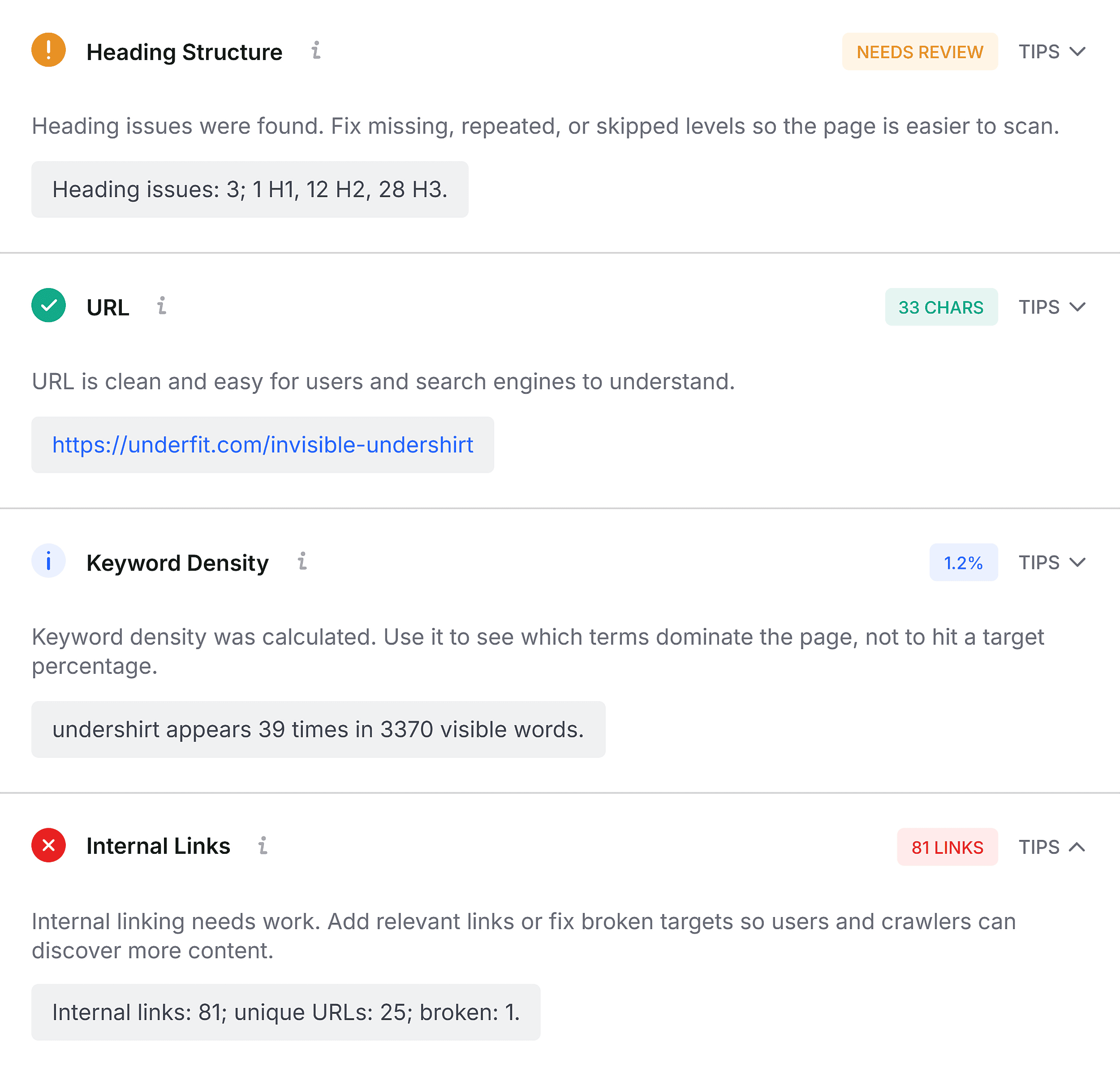
The diagnostic process is facilitated through a color-coded reporting system: green indicates adherence to standard best practices, orange suggests areas that require professional judgment or optimization, and red highlights critical errors that potentially hinder search engine indexing or user experience. By utilizing these visual cues, auditors can filter out "noise" and focus exclusively on the elements that most significantly impact a page’s visibility and conversion capability.
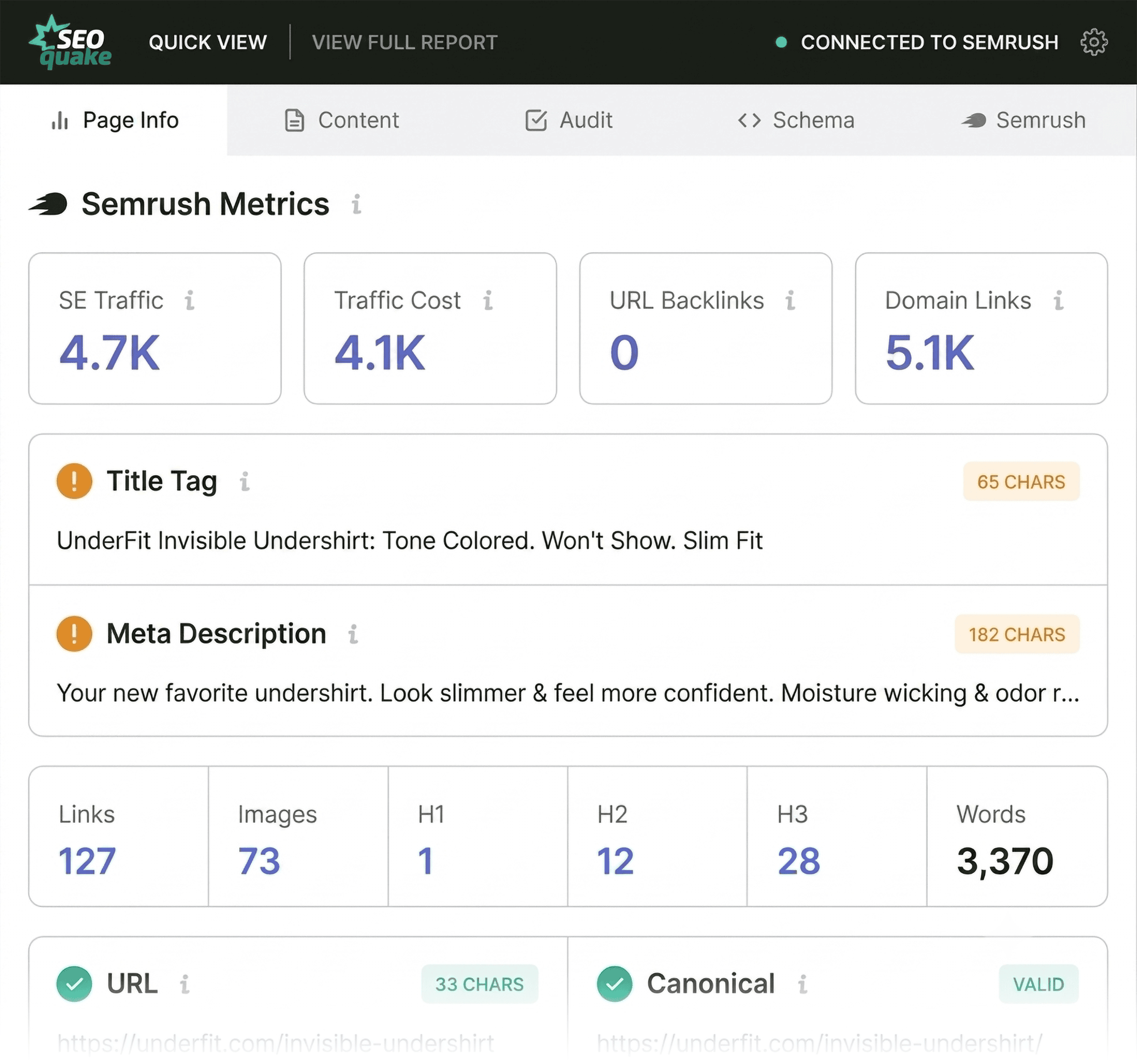
Minute One: The Quick View Pop-Up
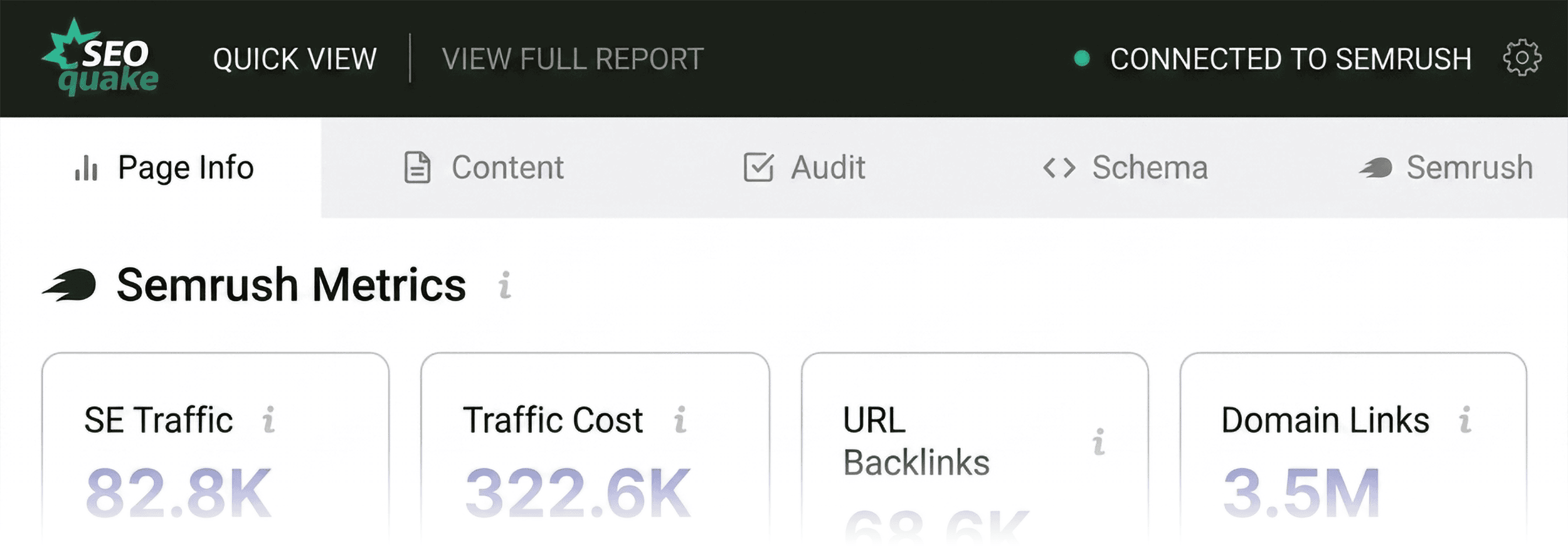
The first 60 seconds of the audit are dedicated to a high-level triage. Upon activating the SEOquake icon, the Quick View pop-up presents five primary tabs: Page Info, Diagnosis, Internal Links, External Links, and Density.
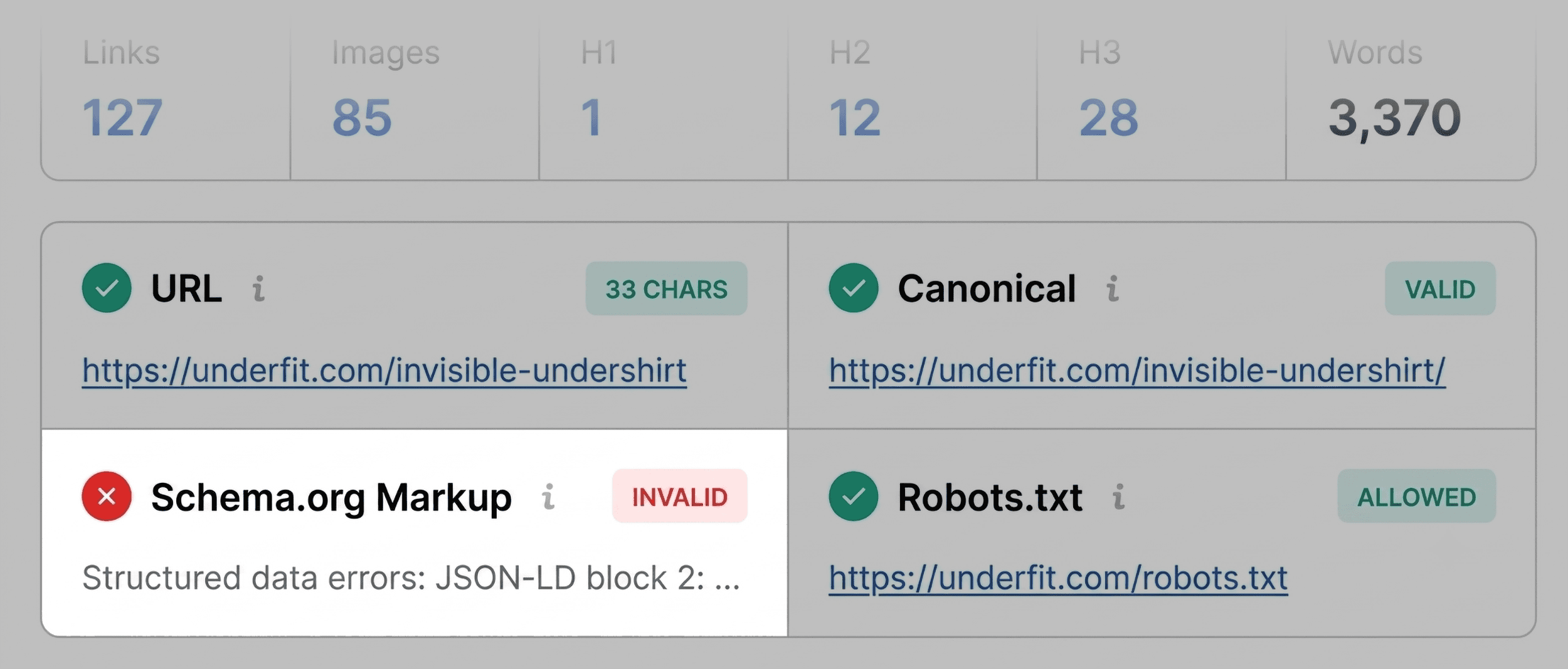
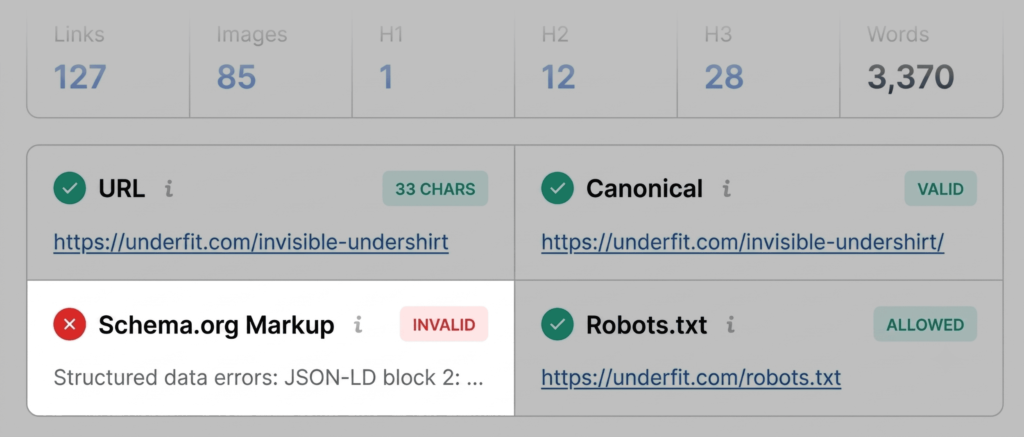
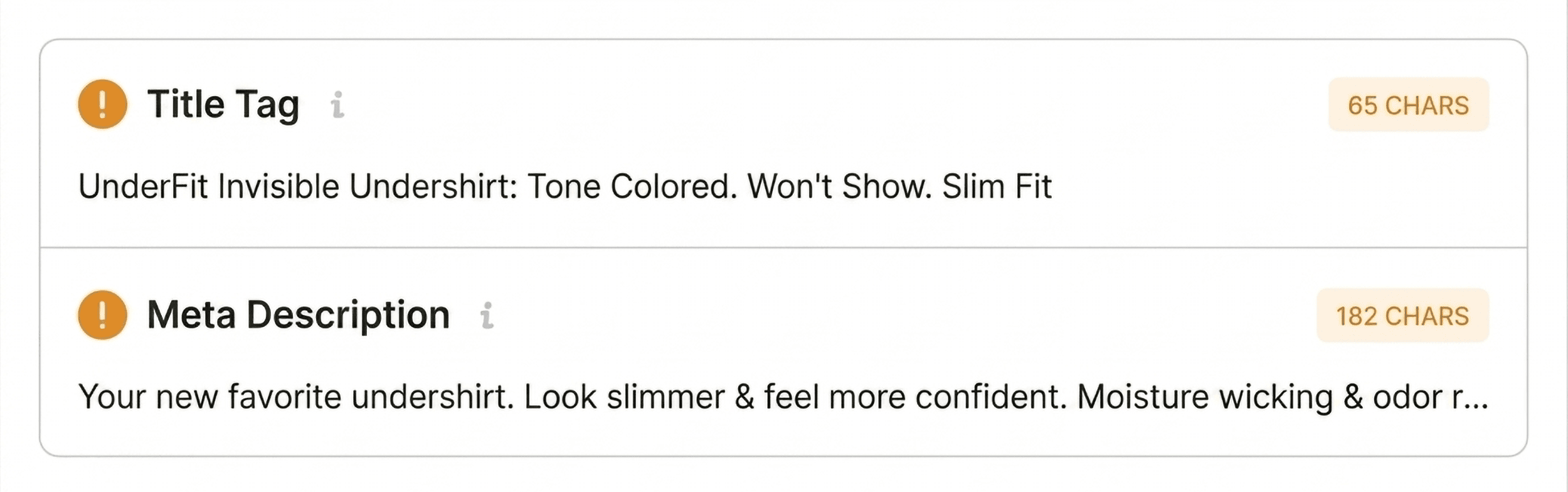
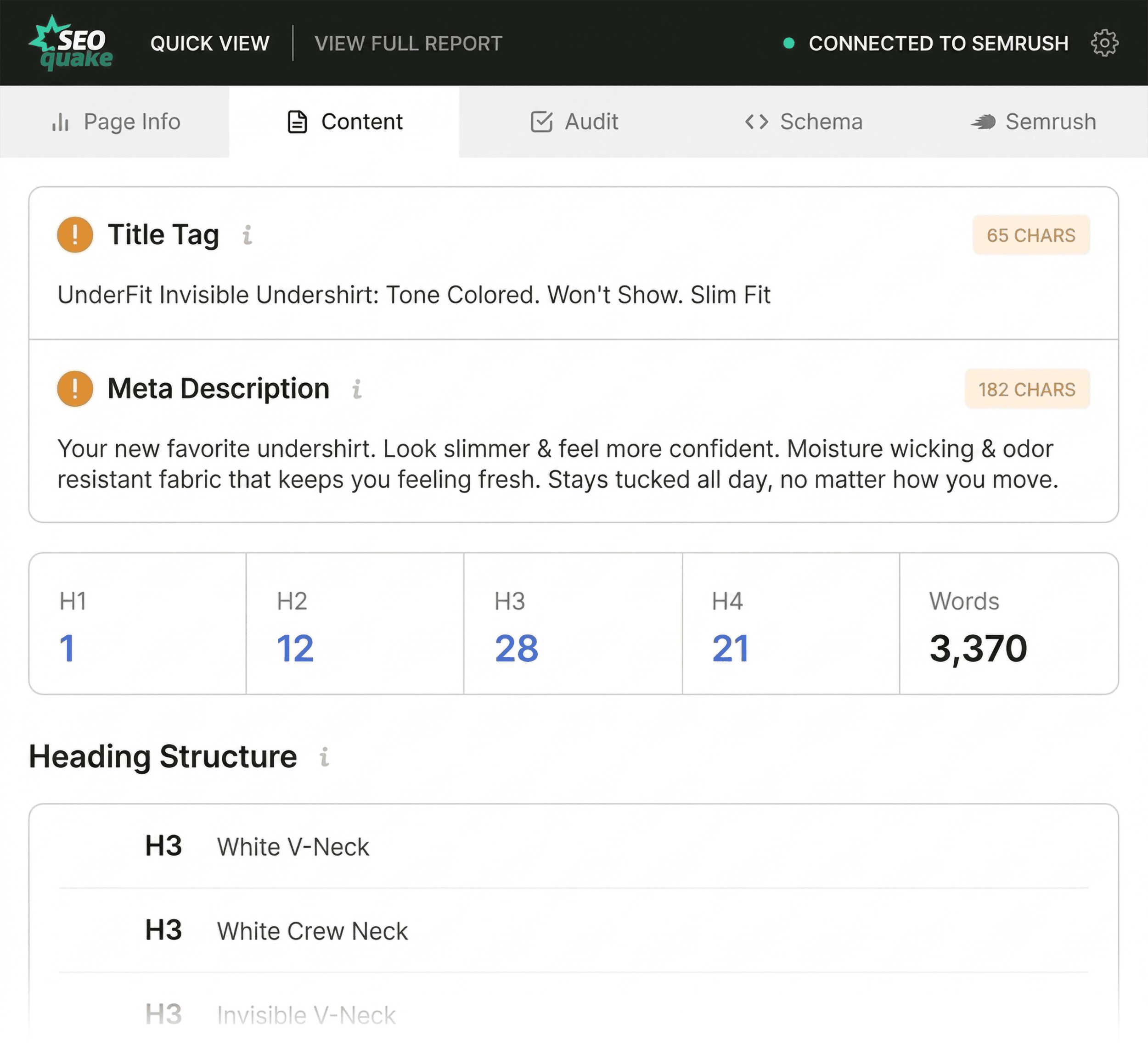
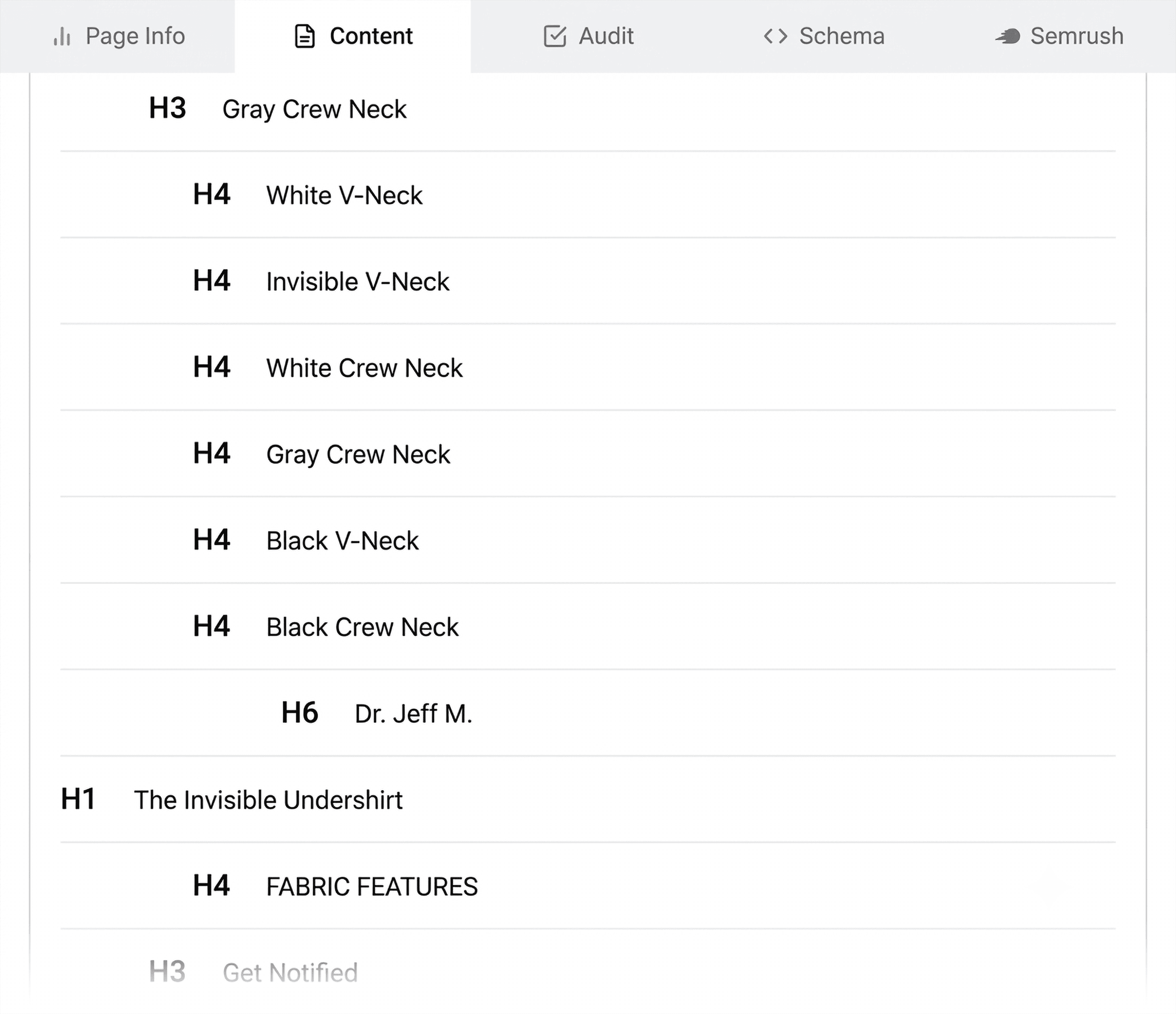
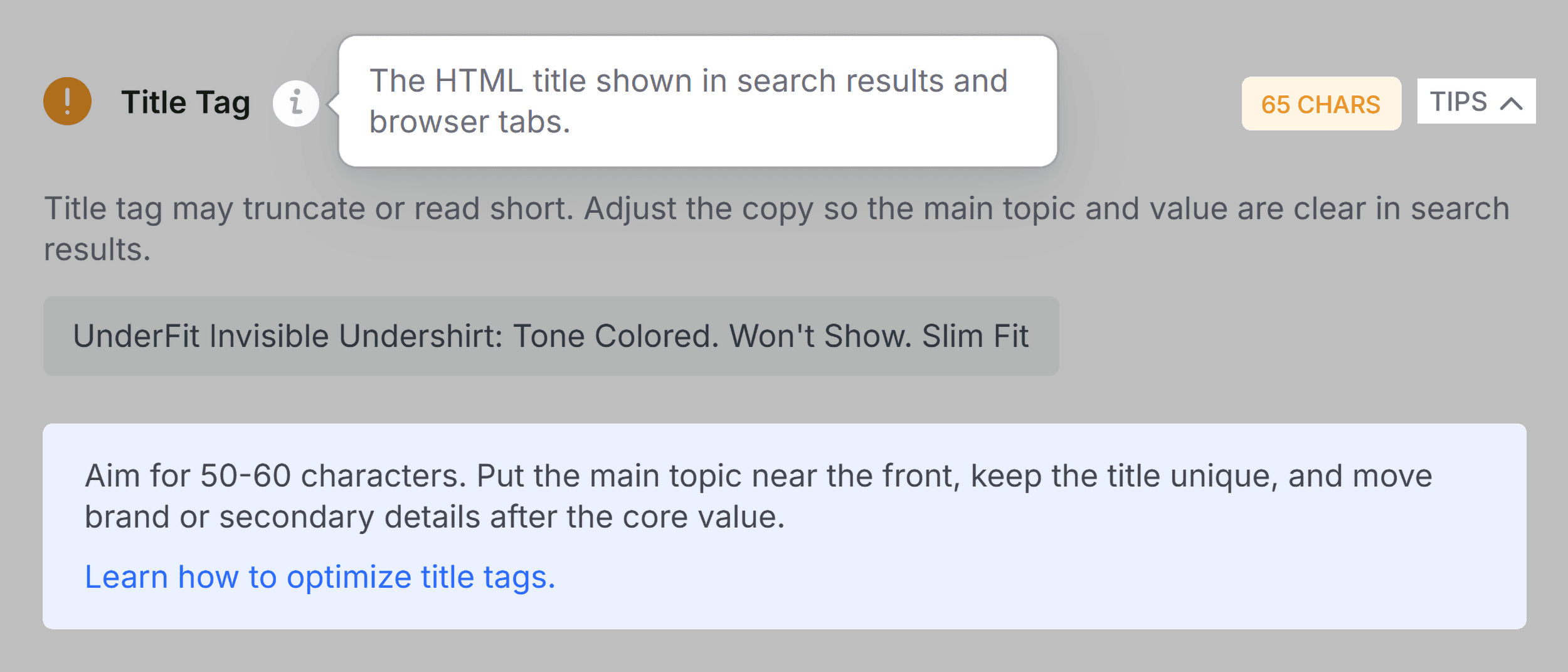
For a baseline audit, focus exclusively on the Page Info, Diagnosis, and Content tabs. In the Page Info tab, an auditor should prioritize five core elements: the title tag, the meta description, the canonical URL, the robots meta tag, and the presence of Schema.org structured data. A common issue often identified here is invalid or malformed JSON-LD, which frequently results in the loss of rich snippets—such as price, stock status, or star ratings—in search results.
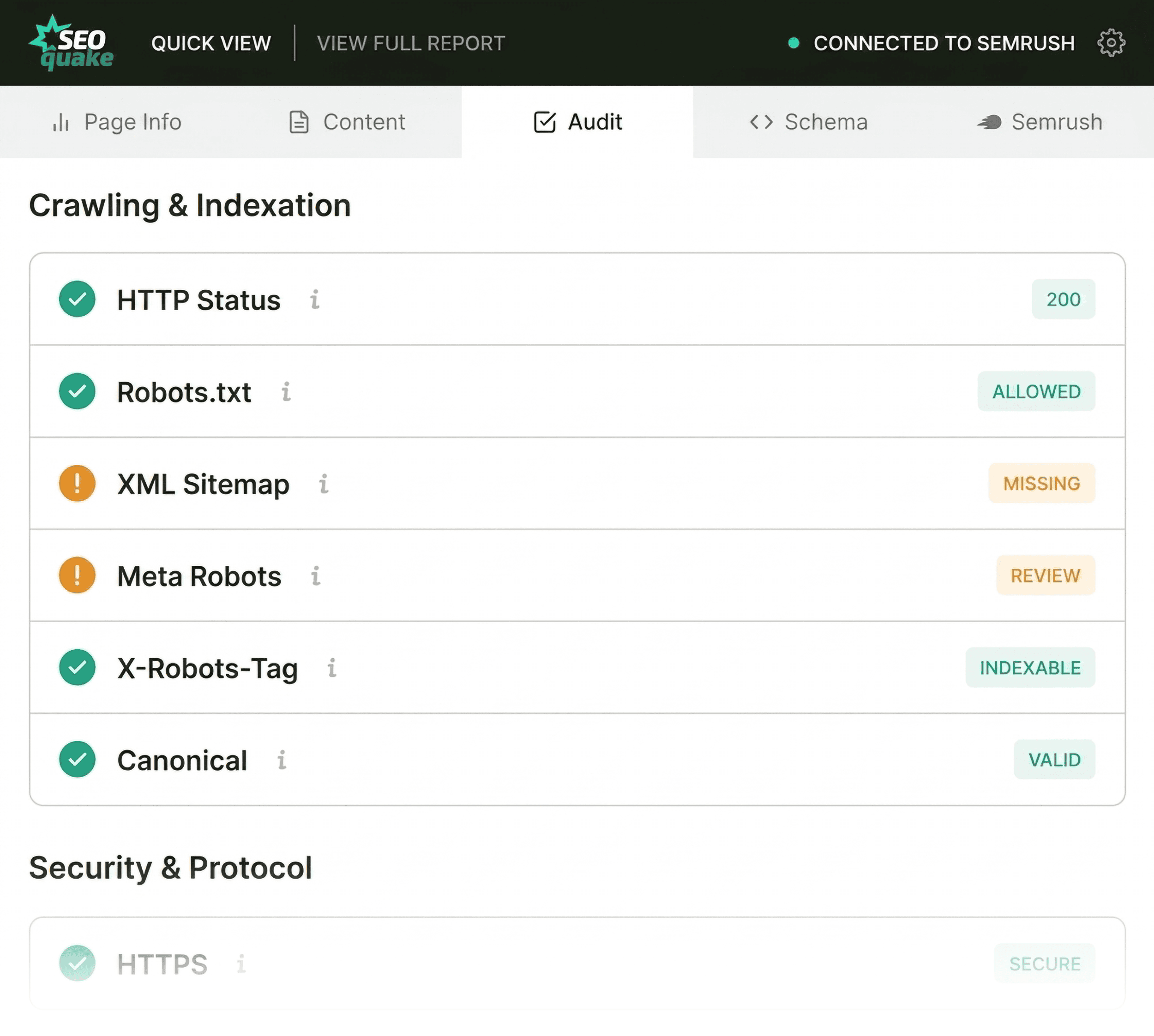
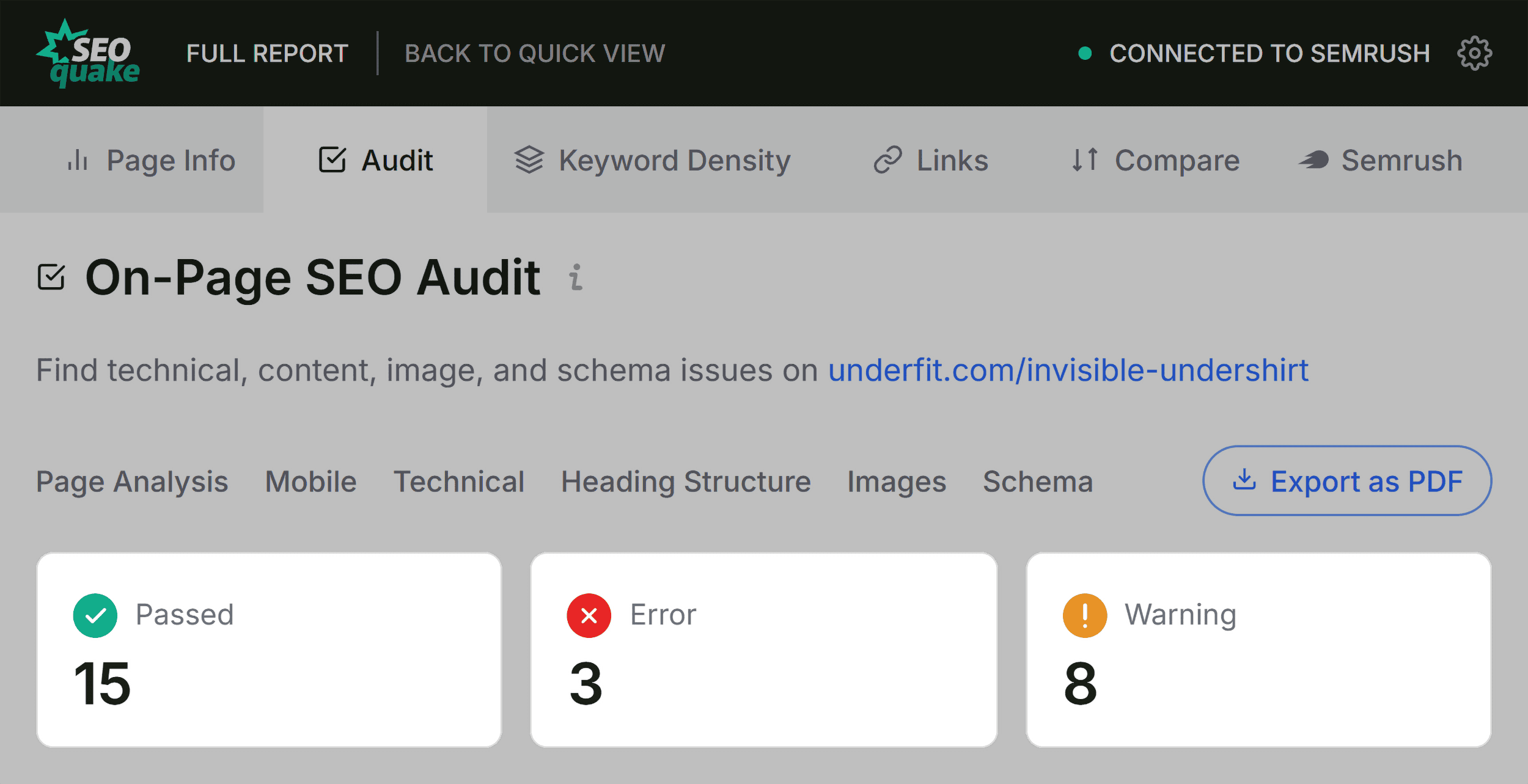
Transitioning to the Audit tab, the focus shifts to technical infrastructure. This section checks for essential configurations, including HTTPS security, sitemap accessibility, and mobile-friendliness. While these metrics are often binary, the "orange" warnings in this section often require context. For instance, a missing Hreflang tag might be trivial for a single-language site but constitutes a critical failure for an international e-commerce domain.
Minutes Two and Three: Deep-Dive Diagnosis
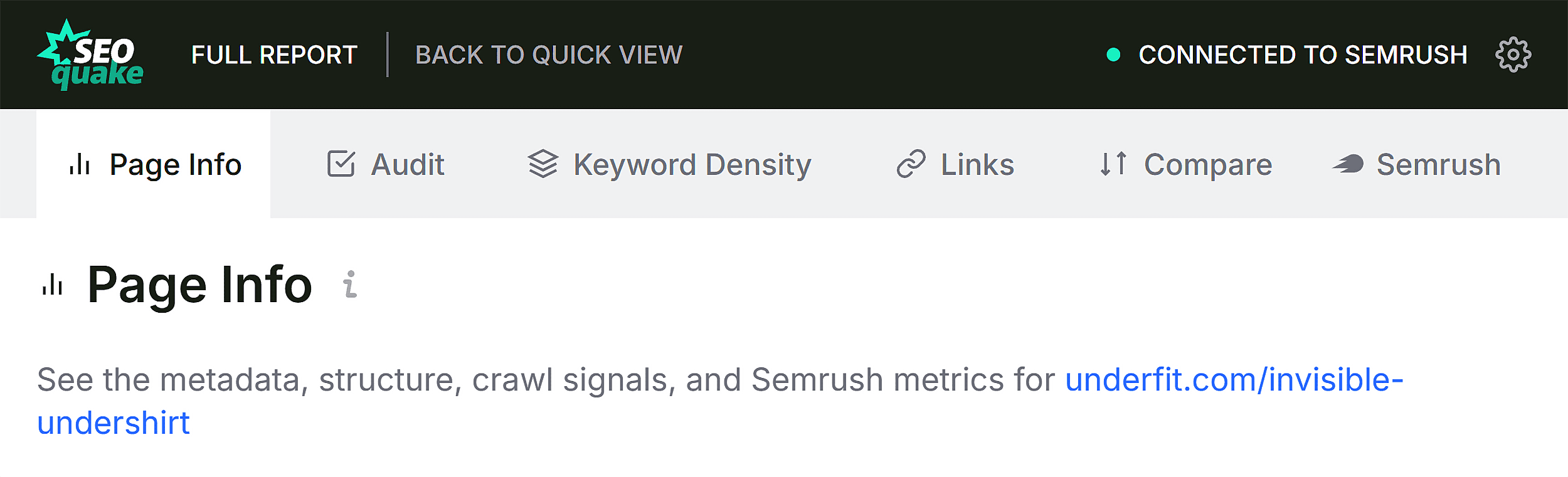
Once the initial flags are identified, the remaining two minutes should be spent in the Full Report, which provides deeper, panel-based insights. The Full Report consists of six distinct panels: Audit, Density, Internal Links, External Links, Compare, and Semrush data.

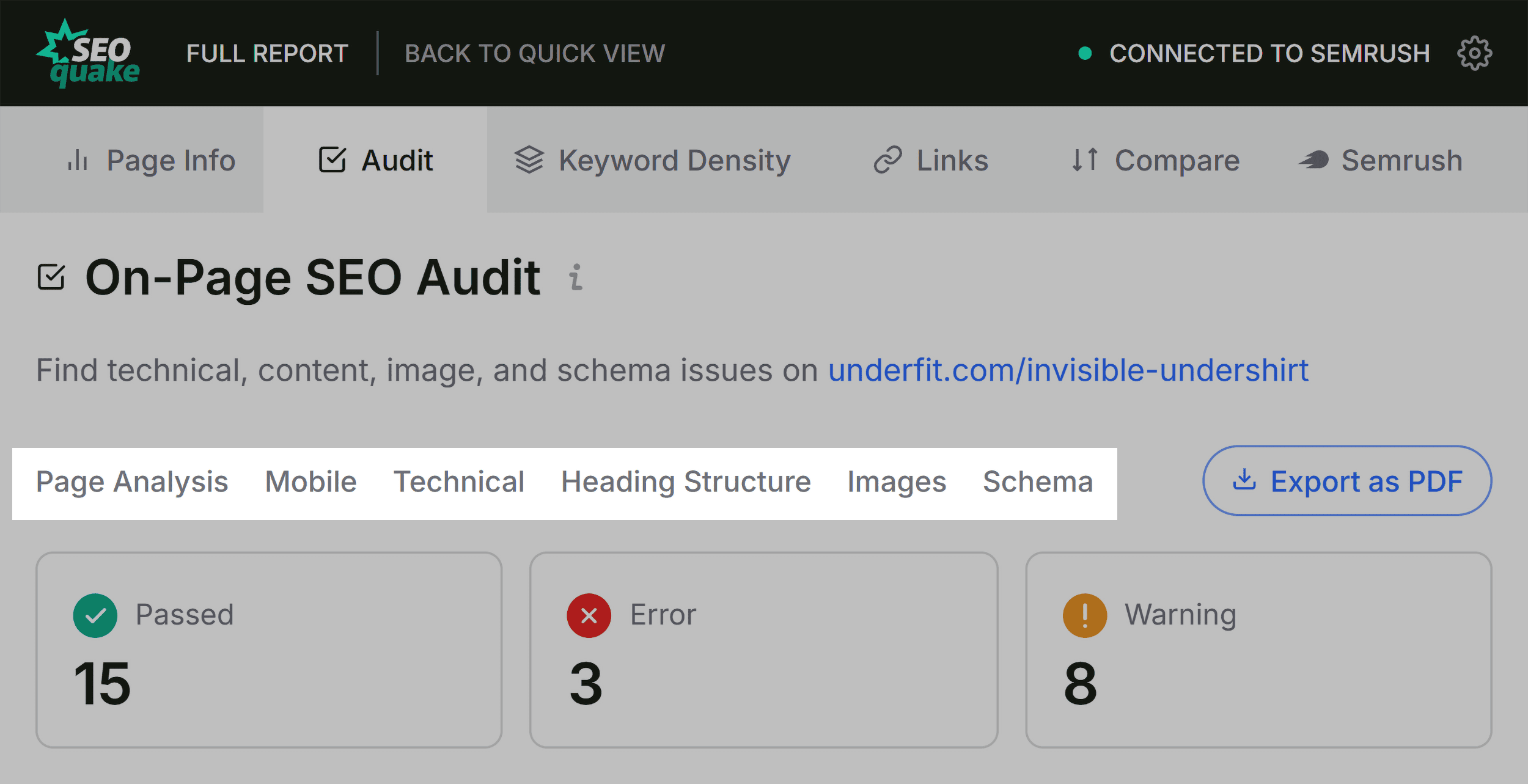
In the Audit panel, users should not scroll through every line item but rather jump directly to the flagged sections. For example, if the triage identified issues with schema, navigating directly to the Schema section allows the user to see the exact nature of the error. Integrating this with external tools, such as the Google Rich Results Test, allows the user to confirm whether the issue is a simple syntax error or a fundamental structural problem within the page template.
The Keyword Density panel serves a different function: assessing topic relevance. By examining the keyword cloud, an auditor can quickly verify whether the page is optimized for the intended search intent. If a page for "ergonomic office chairs" shows a keyword cloud dominated by generic terms like "shipping" or "account" rather than product-specific descriptors, it suggests a lack of sufficient thematic content. This insight allows for a rapid pivot in content strategy, suggesting that the page may require a more robust copy update to better satisfy search engine algorithms.
Link Health and External Context
A frequently overlooked aspect of page-level SEO is the state of the link graph. The Links panel in the Full Report offers a comprehensive inventory of all internal and external links. Broken external links—often referred to as "link rot"—can degrade the perceived quality of a page by search crawlers.
During the third minute, auditors should evaluate the proportion of dofollow versus nofollow links. An unusually high volume of external links on a single page can lead to "page rank sculpting" issues, where authority is diluted across too many outgoing nodes. By exporting these results to CSV, auditors can perform a rapid audit of the outbound link profile, ensuring that every citation adds value rather than detracting from the page’s authority.
Strategic Implications and Decision-Making
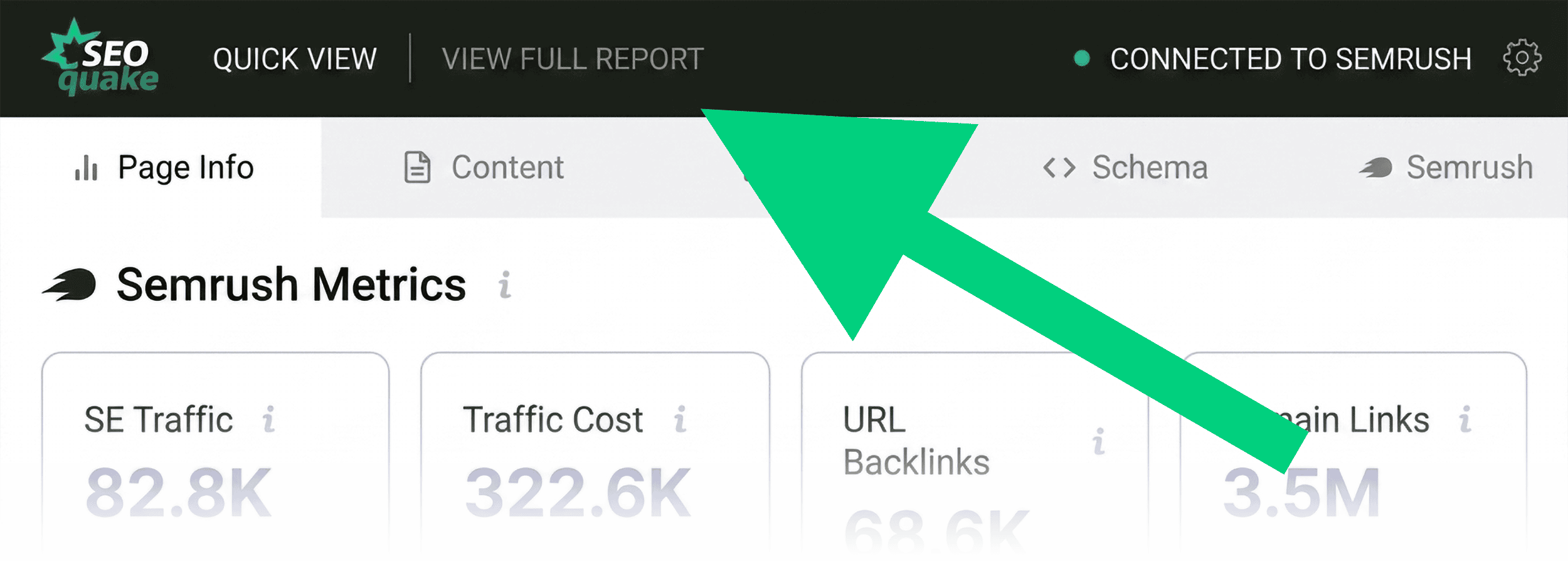
The final phase of the three-minute audit involves determining the scope of the fix. The Semrush panel provides the necessary context: is the problem localized to this specific URL, or is it a systemic issue?
If a page has a high domain authority but poor page-level metrics, the solution is typically localized—adjusting the meta tags, fixing the header hierarchy, or updating the schema markup. However, if the issue involves site-wide configuration, such as a malformed XML sitemap or a global template error affecting JSON-LD, the audit acts as a "canary in the coal mine." In these instances, the three-minute audit serves as the precursor to a full-scale site crawl.
The Role of Data-Driven Maintenance
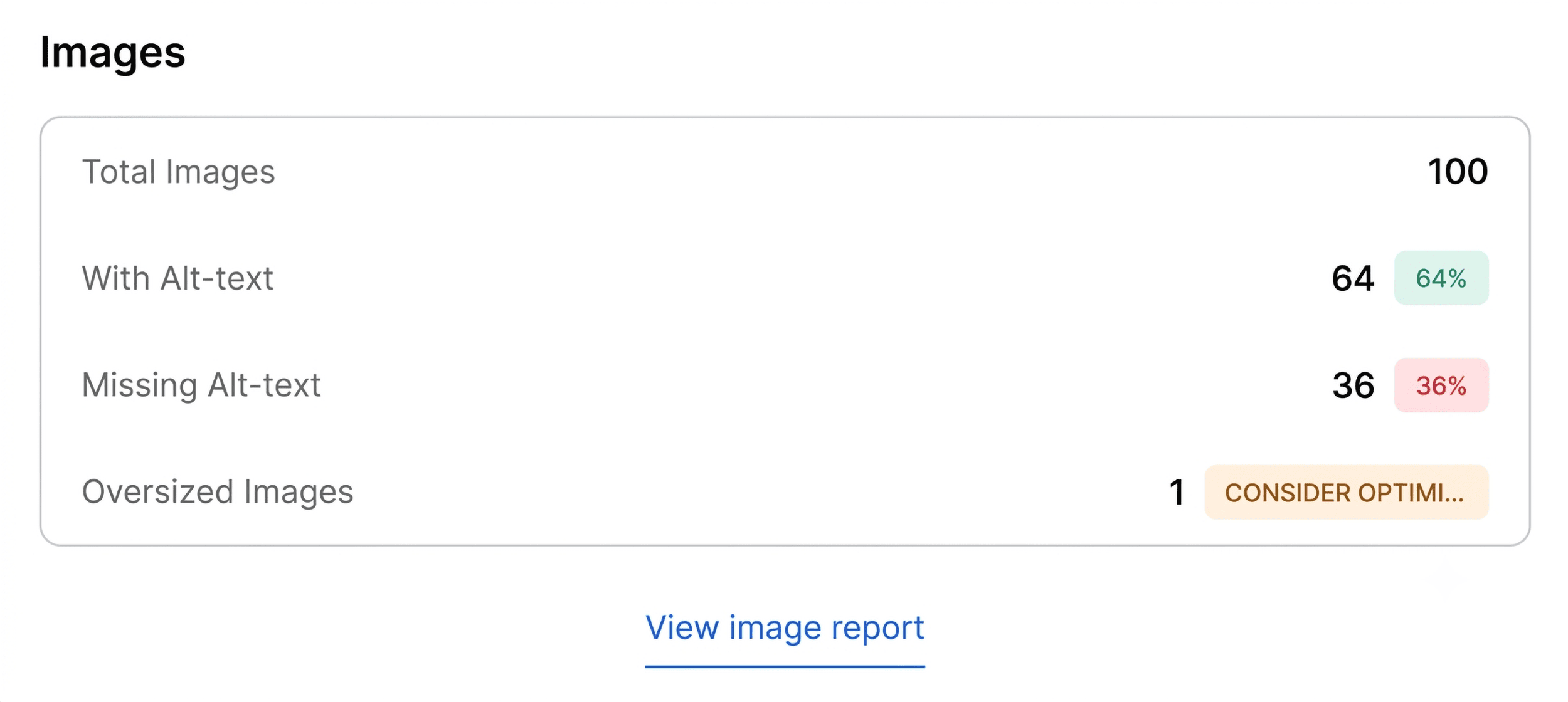
The necessity of this rapid diagnostic approach is underscored by the volatility of modern search engine results pages (SERPs). With the integration of AI-driven search results and increasingly complex ranking factors, the margin for technical error has narrowed. A single missing alt tag across a site with thousands of product images, while seemingly minor, can aggregate into a significant accessibility and SEO deficit.
By incorporating SEOquake into a weekly or even daily maintenance routine, marketing teams can ensure that their technical debt remains manageable. The tool does not replace deep-dive audits, which involve log file analysis and comprehensive crawl data, but it effectively democratizes SEO diagnostics. It allows content creators, developers, and junior SEO specialists to identify high-impact issues without waiting for the results of a week-long site audit.
Ultimately, the three-minute audit is an exercise in prioritization. It acknowledges that not all SEO issues are created equal and that, in a resource-constrained environment, the goal is to resolve the problems that offer the highest potential return on investment. By focusing on technical hygiene, content structure, and link integrity, professionals can maintain a competitive edge, ensuring their pages remain compliant, accessible, and ready to rank in an increasingly automated search ecosystem.