
The digital landscape has undergone a seismic shift as video content establishes itself as the primary medium for communication, marketing, and personal branding. As of 2024, industry data suggests that video accounts for over 80% of all internet traffic, a statistic that has forced creators and businesses alike to adopt aggressive production schedules. However, the primary obstacle to consistency remains the technical barrier of video editing. To address this, a new generation of Artificial Intelligence (AI) video editors has emerged, promising to bridge the gap between creative vision and technical execution. These tools are no longer mere novelties; they represent a fundamental change in the content production workflow, moving from manual frame-by-frame manipulation to intent-based automation.
The Bifurcation of AI Video Technology: Enabled vs. Led
In the current market, AI video editors are broadly categorized into two distinct groups: AI-enabled editors and AI-led editors. Understanding the distinction between these two is critical for creators determining their specific needs for control versus speed.
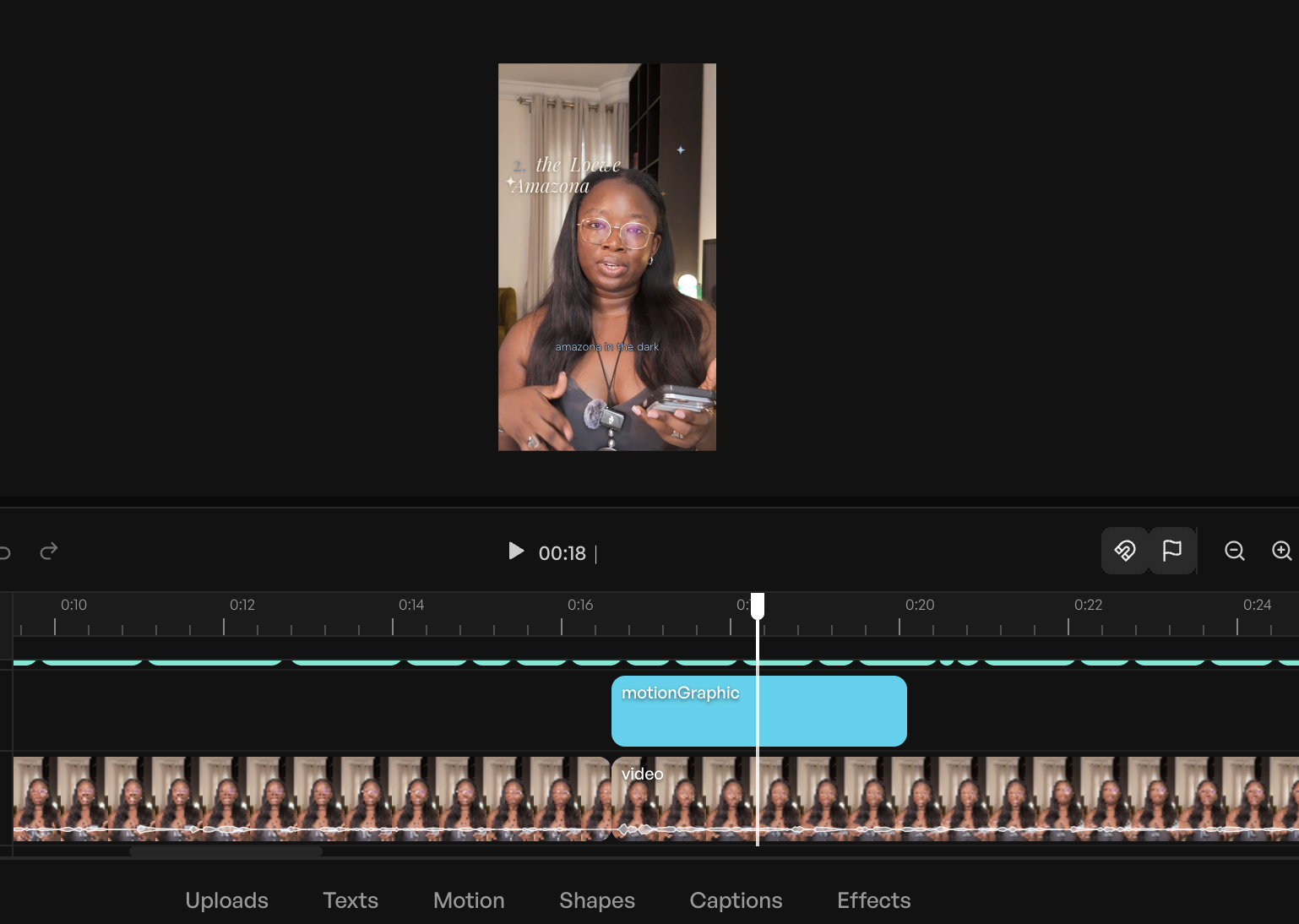
AI-enabled editors are traditional timeline-based platforms that have integrated AI features to streamline repetitive tasks. Major players in this space include CapCut, Adobe Express, and Veed. In these environments, the human editor remains the primary operator of the timeline, utilizing AI for specific surgical tasks such as generating accurate captions, removing filler words like "um" and "uh," cleaning background noise, or automatically reframing horizontal footage for vertical platforms like TikTok and Instagram Reels.
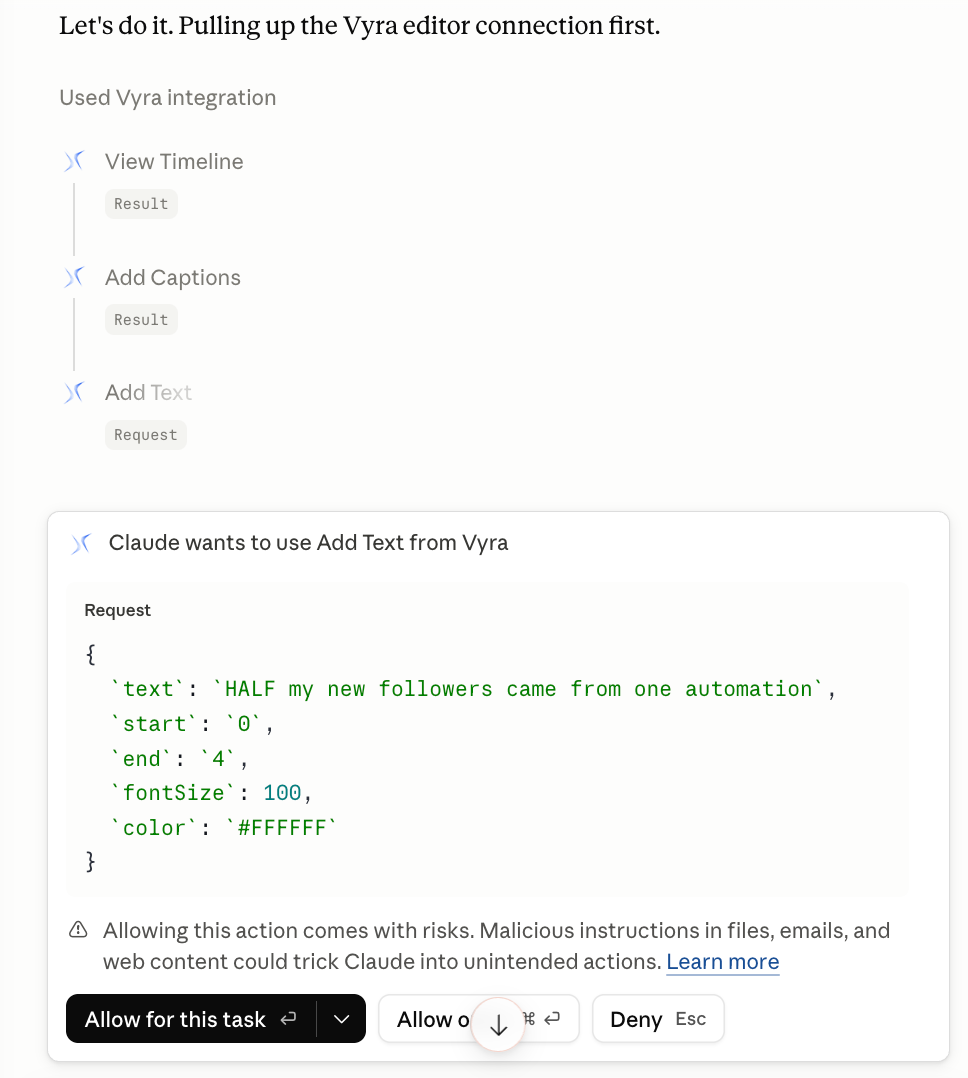
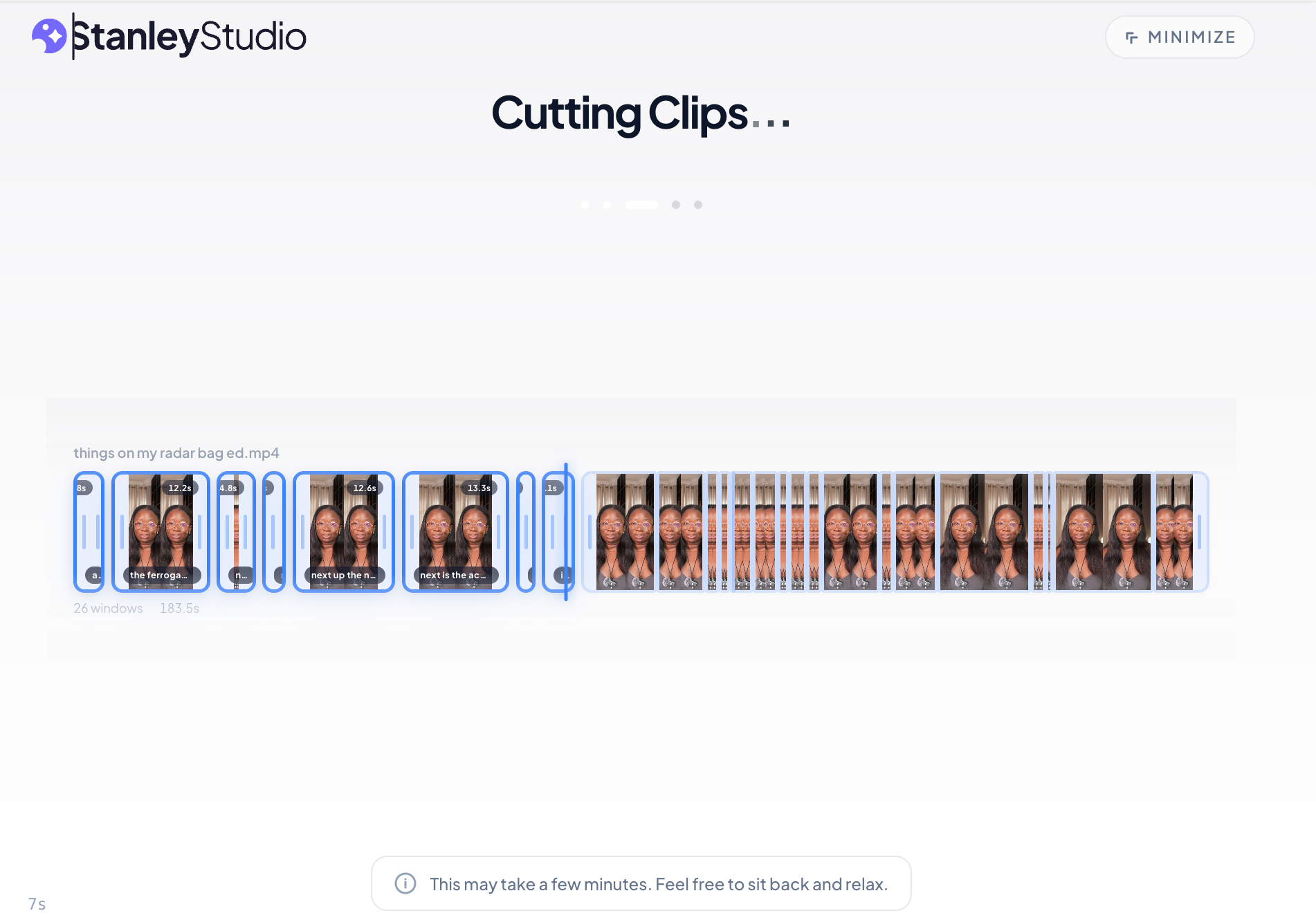
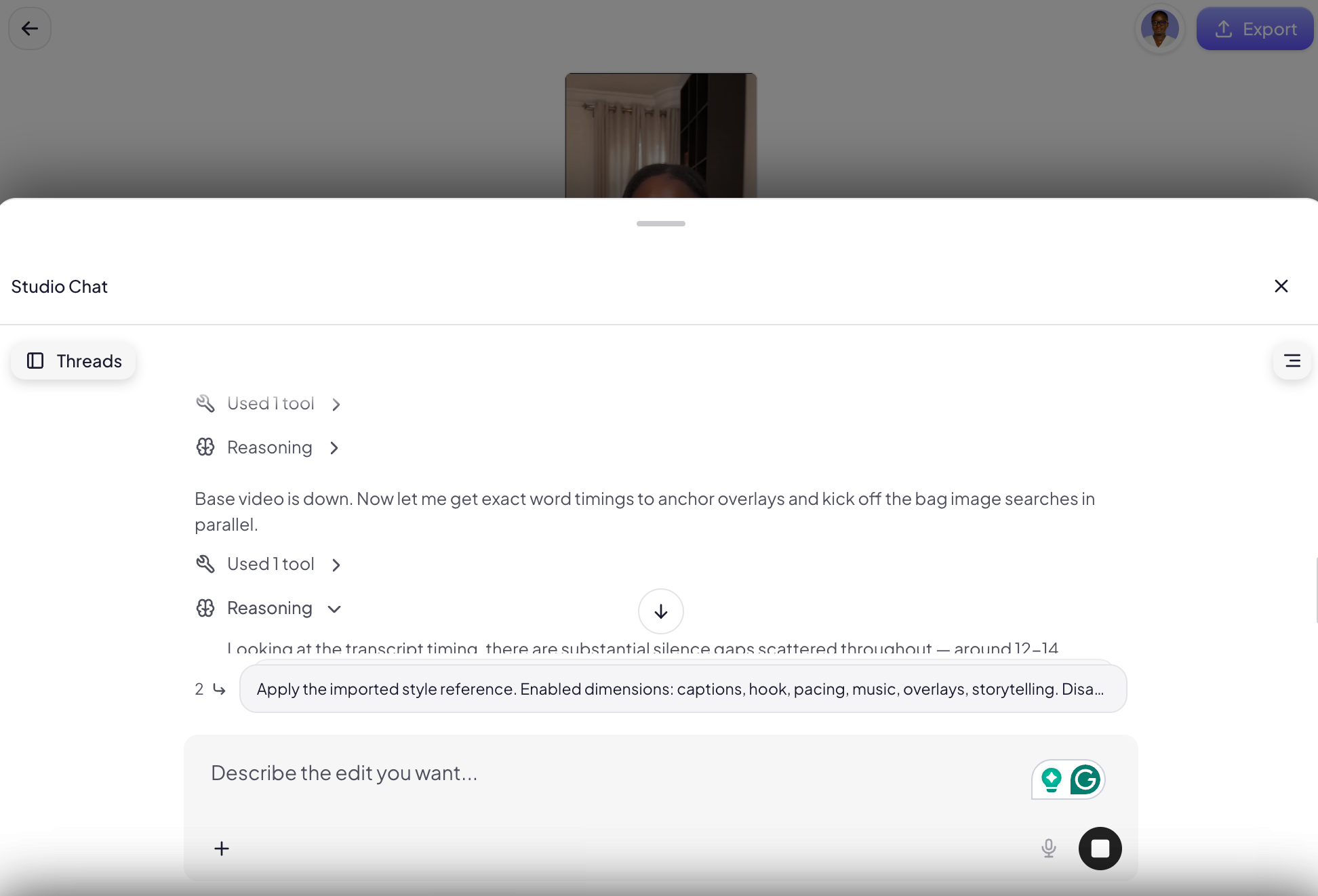
Conversely, AI-led editors represent a more radical shift toward automation. These platforms, such as Vyra and Stanley Studio, utilize "agentic" AI to execute edits based on natural language instructions. Rather than manipulating clips manually, the user provides a brief—such as "cut the pauses and pull the best 30 seconds for a reel"—and the AI agent performs the work. This category is increasingly leveraging the Model Context Protocol (MCP), a standard that allows AI assistants like Claude or ChatGPT to connect directly to editing software, effectively turning a chat window into a professional editing suite.
The Evolution of the Editing Workflow: A Chronology
The transition toward AI integration in video has followed a clear chronological path over the last decade:
- 2010–2018 (The Manual Era): Editing required specialized knowledge of software like Adobe Premiere Pro or Final Cut Pro. High-quality production was reserved for those with significant time or financial resources.
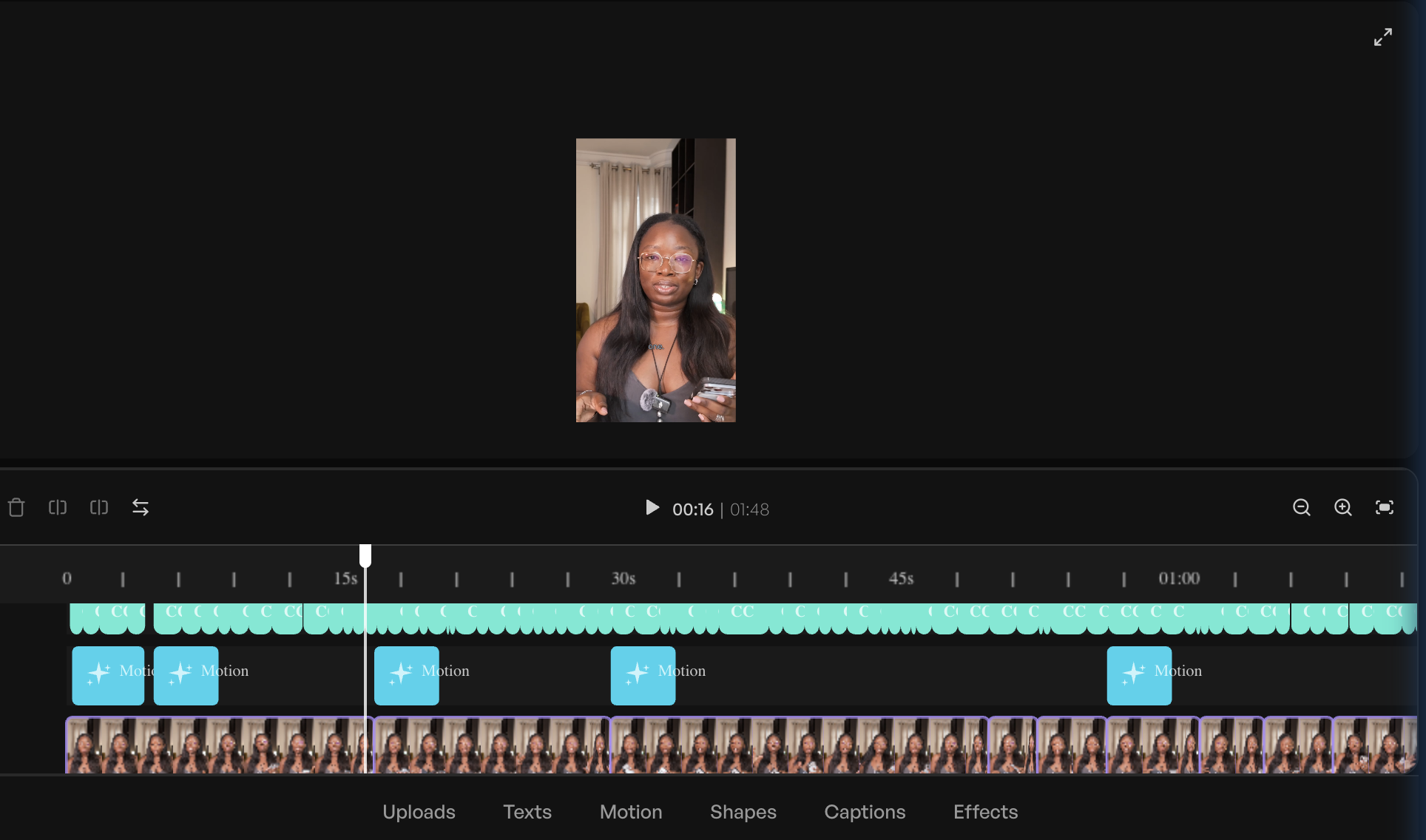
- 2019–2022 (The Feature Integration Era): Mobile-first editors like CapCut introduced basic automation, such as "auto-cut" templates, while Descript revolutionized the industry by introducing transcript-based editing.
- 2023 (The Generative Explosion): The rise of Large Language Models (LLMs) led to the development of tools capable of generating B-roll, AI avatars, and synthetic voiceovers from text prompts.
- 2024–2026 (The Agentic Era): The current phase focuses on "co-editors" and MCP-enabled workflows, where AI understands creative intent and can manage complex project files across different software ecosystems.
Comprehensive Analysis of Market-Leading AI Editors
Vyra: The Innovation Leader in AI-Led Editing
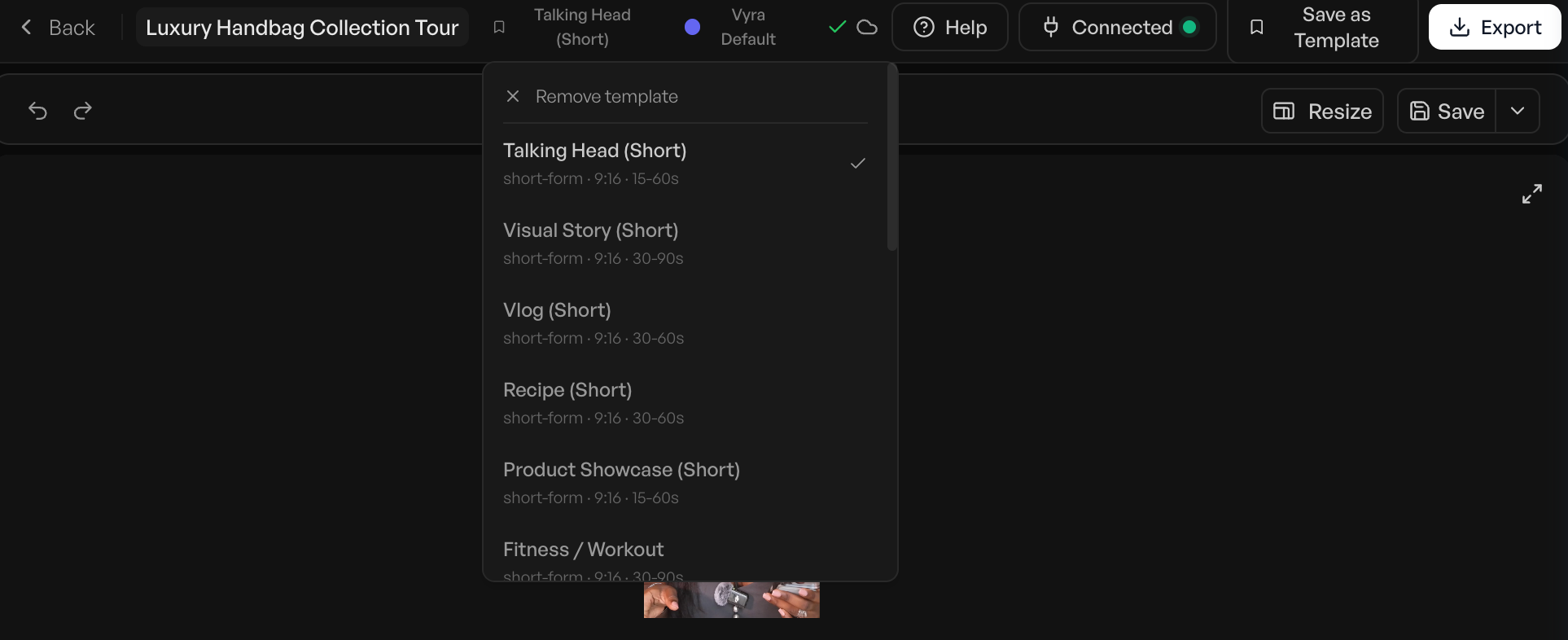
Vyra has positioned itself as a pioneer in the AI-led space by building its architecture around AI from the ground up rather than retrofitting an existing timeline. The platform functions primarily through a chat interface. Upon uploading footage, Vyra analyzes clips to detect scenes, transcribe speech, and identify visual elements.
A standout feature is its support for MCP, allowing users to connect external LLMs to run edits. In industry testing, a standard talking-head video can be processed into a finished product in approximately 20 minutes. While cloud-based processing remains a bottleneck compared to local software, Vyra’s ability to model edits after reference videos provides a level of stylistic consistency previously unavailable in automated tools.
Descript: The Hybrid Standard
Descript remains the industry standard for speech-heavy content, such as podcasts and interviews. Its unique value proposition is transcript-based editing: deleting a word from the text automatically removes the corresponding footage. Its AI assistant, "Underlord," handles complex tasks like "Studio Sound" (which uses AI to make phone audio sound like it was recorded in a professional studio) and eye-contact correction. As of mid-2026, its integration with MCP servers allows users to export finished videos via external AI agents without ever opening the Descript application interface.
CapCut and Adobe Express: The Ecosystem Giants
For creators who prefer a traditional editing experience with AI "superpowers," CapCut remains the most accessible entry point. Owned by ByteDance, CapCut’s AI toolkit includes speaker-ID captions, background removal, and a "script-to-video" feature that sources stock footage and syncs it to trending audio.
Adobe Express serves a similar role but targets those already embedded in the Adobe Creative Cloud. It leverages Adobe Firefly for generative tasks and provides a seamless hand-off to Premiere Pro for high-end professional finishing. These tools are preferred by users who require granular control over every frame but want to automate the "grunt work" of captioning and resizing.
Specialized Solutions: Riverside and OpusClip
Specific niches have seen the rise of highly specialized AI tools. Riverside, primarily a remote recording studio, now features an agentic editor called "Co-Creator" that works on high-quality local recordings. It is particularly effective for multi-track editing where different speakers must be balanced and switched automatically.
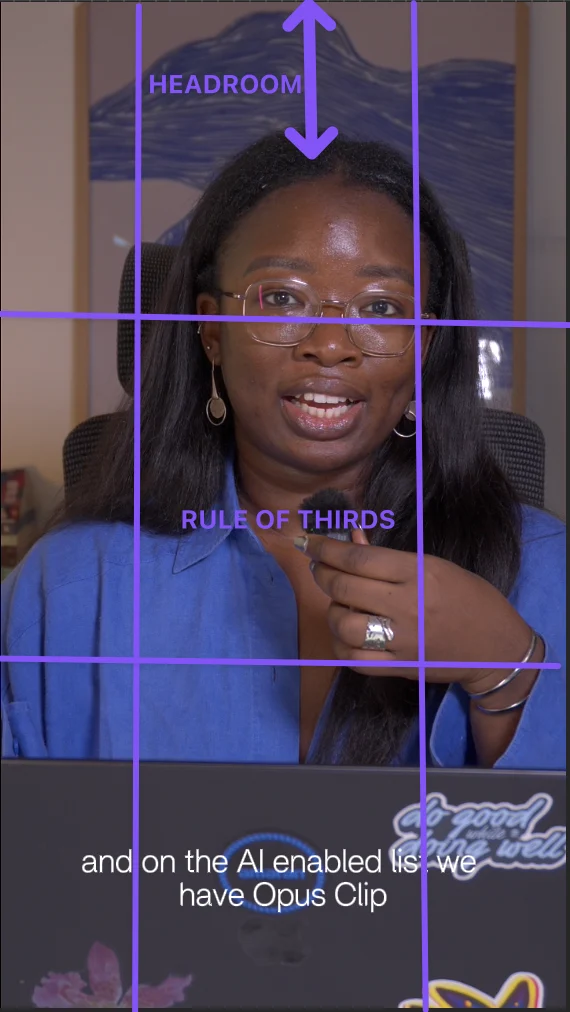
OpusClip focuses exclusively on the "repurposing" market. It uses a "ClipAnything" model to analyze long-form videos for virality potential based on facial expressions and narrative hooks. Data shows that such tools can reduce the time spent on social media clipping by up to 90%, providing creators with a "virality score" for each generated snippet.
Technical Requirements and the "Lingo" Barrier
Despite the advancement of natural language processing, industry experts emphasize that the "bottleneck" has shifted from technical skill to "prompt engineering." To get the most out of AI-led editors, creators must understand basic cinematography and editing terminology.
Briefs that use specific terms like "J-cuts" (where audio from the next scene starts before the video), "B-roll" (supplemental footage), and "safe zones" (areas not covered by social media UI) result in significantly higher-quality outputs. A brief such as "Make the intro punchier" is often too vague for current AI agents, whereas "Cut the first four seconds, open on a medium shot, and add hook text in the top safe zone" yields immediate, usable results.
Supporting Data and Market Implications
The economic impact of these tools is significant. According to a 2023 report on the creator economy, the average YouTuber spends between 10 and 30 hours editing a single 10-minute video. AI-enabled workflows are reportedly cutting this time by 25% to 50%.
Furthermore, the democratization of high-quality editing tools is expected to saturate the market with professional-looking content, shifting the competitive advantage back to "human" elements: personality, unique perspectives, and storytelling "taste." While AI can execute the mechanical parts of an edit—such as cutting silences and adding captions—it currently lacks the emotional intelligence to determine which "take" of a performance feels the most authentic or when a pause should be kept for dramatic effect.
Official Responses and Industry Sentiment
The reception toward AI in the professional editing community is mixed but leaning toward cautious optimism. Representatives from major software firms, including Adobe, have stated that AI is intended to "enhance, not replace" the human editor. The general consensus among professional guilds is that AI will eliminate entry-level "assistant editor" tasks, such as syncing audio and logging footage, allowing lead editors to focus on the narrative arc.
However, concerns regarding the "uncanny valley" of AI-generated B-roll and avatars remain. Many creators, as noted in recent industry surveys, still prefer filming their own footage while using AI strictly for the organizational and post-production phases of the workflow.
Conclusion: The Path Forward for Creators
As AI video editors continue to evolve, the barrier to entry for high-quality video production will continue to drop. For the modern creator, the choice is no longer whether to use AI, but which "camp" to join. Those seeking maximum creative control will likely gravitate toward AI-enabled suites like CapCut or Adobe Express, while those prioritizing volume and speed will find success with AI-led agents like Vyra or OpusClip.
The ultimate takeaway from the current state of the industry is that while the tools have changed, the fundamentals of engagement remain the same. AI can provide the "how" of video production, but the "why"—the message and the creative spark—remains a uniquely human endeavor. Creators who master the vocabulary of editing and the prompts of AI will be the ones to define the next era of digital media.