
The advent of artificial intelligence in design workflows has promised unprecedented speed and efficiency, yet AI-generated prototypes frequently fall short of delivering consistently decent results. This shortfall is often attributed to a multitude of subtle inconsistencies embedded within design systems, ranging from undocumented design decisions and persistent hard-coded values to an over-reliance on AI’s ability to independently interpret complex mock-ups and design flows. Addressing these pervasive issues is critical for unlocking the full potential of AI in design, a challenge recently tackled by Hardik Pandya from Atlassian, who published a practical guide on how to reduce design drifts, minimize errors, maintain crucial context, and ultimately elevate the quality of AI-generated prototypes. This comprehensive framework offers a roadmap for designers and developers seeking to optimize their AI-assisted design processes.
The Evolution of AI in Design and Prototyping
The integration of AI into the design ecosystem marks a significant shift, moving beyond traditional manual processes and even component-based design systems. Over the past few years, the design industry has witnessed a rapid acceleration in the adoption of AI tools, with major players like Figma, Adobe, and various startups incorporating machine learning capabilities into their platforms. This technological leap aims to automate repetitive tasks, suggest design variations, and even generate entire prototypes from textual prompts or sketches. Industry reports indicate a substantial growth in the AI in design market, with projections suggesting continued expansion as designers seek innovative ways to meet escalating demands for faster iteration cycles and personalized user experiences. However, this rapid adoption has also exposed inherent vulnerabilities. While AI excels at pattern recognition and data processing, it often struggles with the nuanced, context-dependent decision-making that is the hallmark of human design. This gap frequently leads to prototypes that, while technically functional, lack the desired consistency, brand adherence, or accessibility standards, necessitating significant human intervention and correction. Hardik Pandya’s guide emerges as a timely response to these emerging challenges, providing a structured approach to bridge the gap between AI’s generative power and human design rigor.
Design Decisions as Fundamental Infrastructure
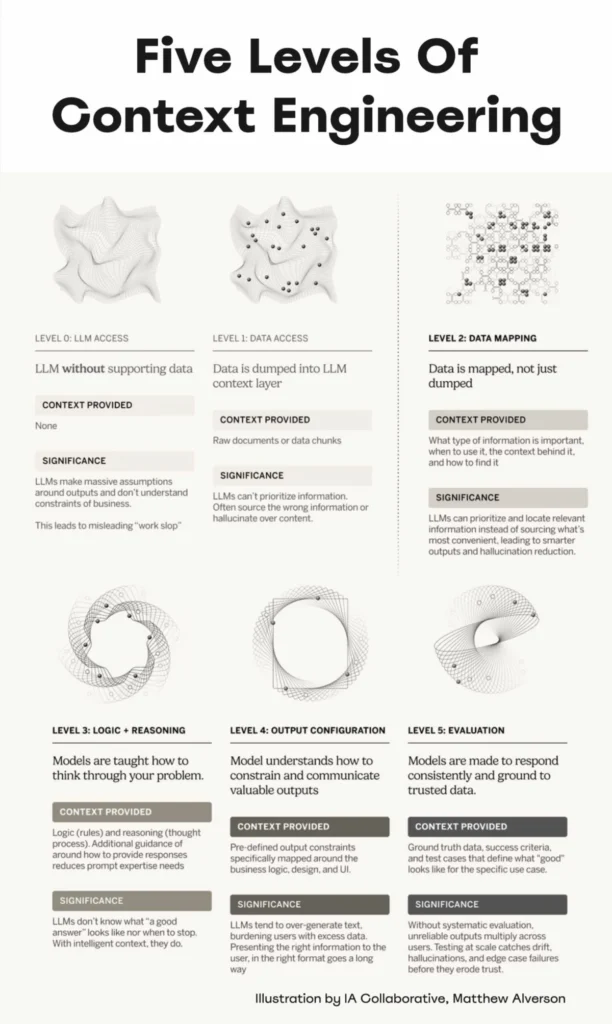
A cornerstone of improving AI-generated prototypes lies in recognizing that better outputs stem not only from superior data but, crucially, from superior human guidance. It is a misconception to assume that AI inherently understands the intricacies of component selection, accessibility requirements, or brand-specific design principles. Instead, AI requires explicit instructions: clear priorities, well-defined decision-making paths, established design principles, illustrative examples, and definitive "do’s and don’ts." The guide posits that design decisions must be treated as fundamental infrastructure, akin to the foundational code that underpins any software application. This means every decision, whether pertaining to a specific design element or the broader organizational workflow and prioritization strategy, must be formally documented. These documented decisions are then codified into "spec files" — structured, machine-readable documents that AI systems can consume and interpret directly. This approach fundamentally shifts the paradigm from AI attempting to infer patterns from visual mock-ups to AI operating on a precise, explicit set of rules. By embedding these foundational guidelines, designers ensure that AI’s generative capabilities are constrained and directed by established best practices, thereby minimizing "design drift" — the gradual deviation from established design standards. This infrastructure-centric view also empowers design teams to scale their operations more effectively, as the documented decisions become a single source of truth for both human designers and AI agents.
Leveraging Auditing Tools for Design System Integrity
Maintaining the integrity and consistency of a design system is paramount, especially when introducing AI into the workflow. Inconsistencies, such as undeclared tokens, detached components, or hard-coded values, can severely undermine AI’s ability to generate accurate and compliant prototypes. A key recommendation in Pandya’s guide is the utilization of robust auditing tools. FigmaLint, a free and highly effective Figma plugin, is highlighted as an indispensable asset in this regard. FigmaLint serves as a comprehensive auditor for design systems, capable of identifying a wide array of inconsistencies. It systematically checks for proper token usage, validates interactive states, ensures accessibility compliance, detects detached instances of components, flags missing interactive states, and, critically, pinpoints hard-coded values that should instead reference design tokens.

The plugin also aids in standardizing layer naming conventions and preparing robust design documentation. For organizations collaborating with external vendors or integrating third-party component libraries, FigmaLint proves invaluable. It enables teams to quickly assess the quality and adherence of external assets to internal standards, facilitating their integration into an AI-ready design system. By proactively identifying and rectifying these inconsistencies, designers can significantly enhance the quality of prototypes, the accuracy of AI-generated code snippets, and the clarity of AI-written documentation. This auditing process is not merely a one-time cleanup but an ongoing practice essential for maintaining a healthy and AI-optimised design system.
A Multi-Layered Approach: Spec Files, Token Layer, and Audit Scripts
To truly achieve high-quality, AI-generated prototypes, Pandya’s guide advocates for a three-layered approach: structured spec files, a comprehensive token layer, and an intelligent audit script.
-
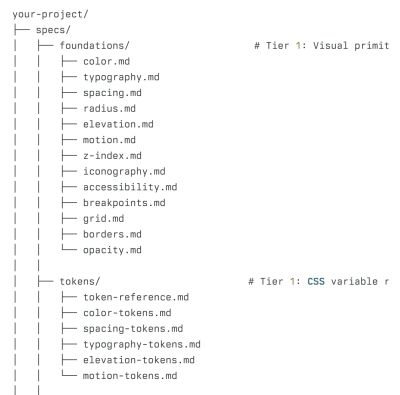
Spec Files: These are formalized, structured Markdown files that serve as the primary source of truth for AI. They meticulously document design principles, guidelines, and specific rules for components. This includes granular details such as spacing rules, approved color choices, specific component usage guidelines, prioritization hierarchies, and even design principles related to user experience and accessibility. The critical advantage here is that AI directly reads and reuses these text-based spec files for every prototype generation. This method is not only significantly more cost-effective than relying on AI to "learn" patterns from complex visual mock-ups, but also far more accurate. By providing explicit instructions, the ambiguity inherent in visual interpretation is eliminated, leading to more predictable and compliant outputs. In essence, extending existing code based on these explicit specifications proves more efficient and reliable than generating code from scratch based solely on visual cues.

-
Token Layer: This layer is a meticulously maintained list of all design tokens used throughout the design system. Design tokens are the single source of truth for all design decisions, such as colors, typography, spacing, and animation values. By ensuring that AI exclusively chooses from a closed set of named variables (e.g.,
$color-primary-brand-blue,$spacing-md) instead of inventing plausible, ad-hoc values, the system guarantees consistency across all generated outputs. This prevents AI from introducing subtle variations that can accumulate into significant design drift. The token layer acts as a crucial control mechanism, enforcing brand identity and design consistency at a fundamental level. -
Audit Script: This final layer acts as a quality assurance mechanism, designed to catch errors and inconsistencies that AI might introduce. The audit script is an automated process that scans the AI-generated prototype for deviations from the established spec files and token layer. It specifically flags any hard-coded values that should have referenced a design token or any design choices that violate documented principles. This script can be a conventional software program, providing feedback to the AI system, which then adjusts its generation process. This feedback loop is vital for continuous improvement, allowing the AI to learn from its mistakes and refine its generative capabilities over time.
Maintaining Relevance: The Sync Routine and Continuous Governance
The effectiveness of an AI-ready design system is not static; it demands continuous maintenance and governance. Design systems are living entities, constantly evolving with new components, updated brand guidelines, and refined user experience principles. A critical element of Pandya’s framework is the implementation of a "sync routine." This routine is an automated process that monitors updates within the core design system. When changes are introduced — for example, a new component is added, an existing one is modified, or a color palette is updated — the sync routine automatically flags the corresponding spec files that require updating. This ensures that the AI always operates with the most current and accurate information. Without such a mechanism, AI could inadvertently generate prototypes based on outdated specifications, leading to inconsistencies and the reintroduction of design debt.
This continuous governance model underscores a fundamental principle: AI cannot magically resolve technical debt or design debt. Its capabilities are intrinsically tied to the clarity, completeness, and currency of the guidance it receives. The ongoing effort to clean up, improve, and meticulously document design systems, ensuring that every decision trickles down into machine-readable Markdown files, represents a long-term investment. This commitment is essential for cultivating an environment where AI acts as a true accelerator for design, rather than a source of new inconsistencies.
Broader Implications for the Design Landscape
The strategic approach to AI-ready design systems outlined by Hardik Pandya carries significant implications for the broader design landscape. It suggests a fundamental shift in the role of designers, moving them from purely execution-focused tasks to more strategic roles centered on defining and governing design principles. Designers will increasingly become "AI trainers" or "system architects," responsible for crafting the explicit guidance that enables AI to perform effectively. This shift necessitates a deeper understanding of structured data, documentation, and the mechanics of AI systems.
Furthermore, it highlights the growing importance of design operations (DesignOps) in managing the complexity of AI-assisted workflows. The need for robust tools like FigmaLint and sophisticated sync routines will drive innovation in design tool development, pushing towards more intelligent, integrated, and self-correcting platforms. Ultimately, this framework accelerates the evolution of design systems themselves, establishing "AI-readiness" as a new benchmark for their maturity and effectiveness. The ability of an organization to effectively leverage AI in its design process will increasingly depend on the maturity and maintainability of its underlying design system infrastructure.

Expert Perspectives and Resources
Industry thought leaders are increasingly recognizing the necessity of this structured approach. Vitaly Friedman, a prominent voice in UX and interface design, further elaborates on these principles in his new video course, "Design Patterns For AI Interfaces." This course, featuring hundreds of real-life examples and UX guidelines, aims to equip designers with the knowledge to create AI features that users genuinely adopt and appreciate. Friedman’s work complements Pandya’s guide by focusing on the practical application of design patterns in an AI context, reinforcing the idea that deliberate, human-centric guidance is paramount for successful AI integration.
Conclusion
In conclusion, the journey toward consistently high-quality AI-generated prototypes is not one of magical automation but of deliberate, precise human guidance. AI is a powerful tool, capable of accelerating design processes and generating novel solutions, but its effectiveness is directly proportional to the clarity and quality of the data and instructions it receives. The framework proposed by Hardik Pandya, emphasizing design decisions as infrastructure, rigorous auditing, and a multi-layered system of spec files, token layers, and audit scripts, offers a robust pathway to achieving this. By embracing these principles, design teams can mitigate inconsistencies, reduce design drift, and ensure that AI functions as a true extension of human creativity and strategic intent, paving the way for a more efficient, consistent, and innovative future in design. This ongoing commitment to refining and documenting design systems will undoubtedly keep designers and developers engaged for years to come.