

In the rapidly evolving landscape of digital communication, the role of the social media manager is undergoing a fundamental transformation, shifting from purely creative output toward a more rigorous, logistics-oriented discipline. Dustin Kuhns, a Quakertown, Pennsylvania-based consultant, has emerged as a leading proponent of this shift, managing a diverse portfolio of arts and culture organizations through a methodology he defines as "arts and culture supply chain management." By utilizing specialized tools like Buffer’s Insights, Kuhns has established a workflow that prioritizes operational consistency and aesthetic integrity over the aggressive, data-chasing tactics that often characterize modern digital marketing. His approach highlights a growing trend among boutique agencies and independent consultants who seek to balance the quantitative demands of social media algorithms with the qualitative mission of cultural institutions.
Defining the Arts and Culture Supply Chain
The core of Kuhns’ methodology lies in his rejection of the traditional "social media manager" label. Instead, he views his work through the lens of logistics and infrastructure. In the context of a cultural organization—be it a film festival, a historic theater, or a religious nonprofit—the "supply chain" refers to the trajectory of an idea from its inception to its public consumption. This process typically begins with a leadership vision, moves through a creative team for production, and eventually reaches the audience via social media, email, websites, or paid advertising.
Kuhns identifies a recurring bottleneck in this chain: the gap between creative excellence and operational consistency. For many small-to-medium-sized arts organizations, the primary obstacle to growth is rarely a lack of high-quality content. Rather, it is the inability to maintain a steady, reliable presence across multiple platforms. By framing social media as a logistical challenge, Kuhns allows these organizations to view their digital presence as a series of manageable systems rather than an exhausting creative burden. This systemic approach is designed to grow alongside the institution, providing a framework that supports long-term engagement rather than short-term viral spikes.
A Chronology of Professional Evolution and Tool Adoption
Dustin Kuhns’ professional trajectory provides significant context for his current focus on "taste-led" data. His career began in the music industry, where he performed and produced shows for various bands. This early immersion in the arts was followed by a tenure in the design and construction sectors, industries that demand strict adherence to blueprints and project management timelines. Eventually, these disparate experiences converged when he transitioned into professional communications and fine art curation.

By the time Kuhns integrated Buffer into his workflow in 2023, he had already developed a rigorous set of criteria for his software stack. His business model required a tool that could handle more than 10 social media channels across a roster of clients ranging from two-person teams to large-scale institutions. The decision to remain with Buffer as his consultancy scaled was rooted in a philosophy of functional minimalism. Kuhns advocates for tools that excel at a specific set of core tasks rather than those that offer an overwhelming array of features that may complicate the user experience. This "75 percent rule"—preferring a tool that meets 75 percent of needs perfectly over one that meets 200 percent of needs while introducing unnecessary friction—has become a cornerstone of his operational efficiency.
The Role of Data in Cultural Programming
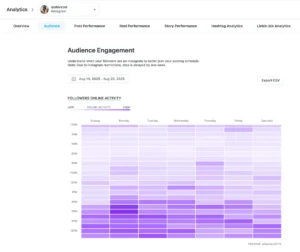
The introduction of the "Insights" feature within the Buffer platform marked a significant turning point in Kuhns’ ability to provide strategic value to his clients. Prior to this, deep social media analytics often required external workarounds or manual data entry. The new functionality allowed for a unified view of performance metrics across multiple platforms, a necessity when reporting for a dozen distinct accounts simultaneously.
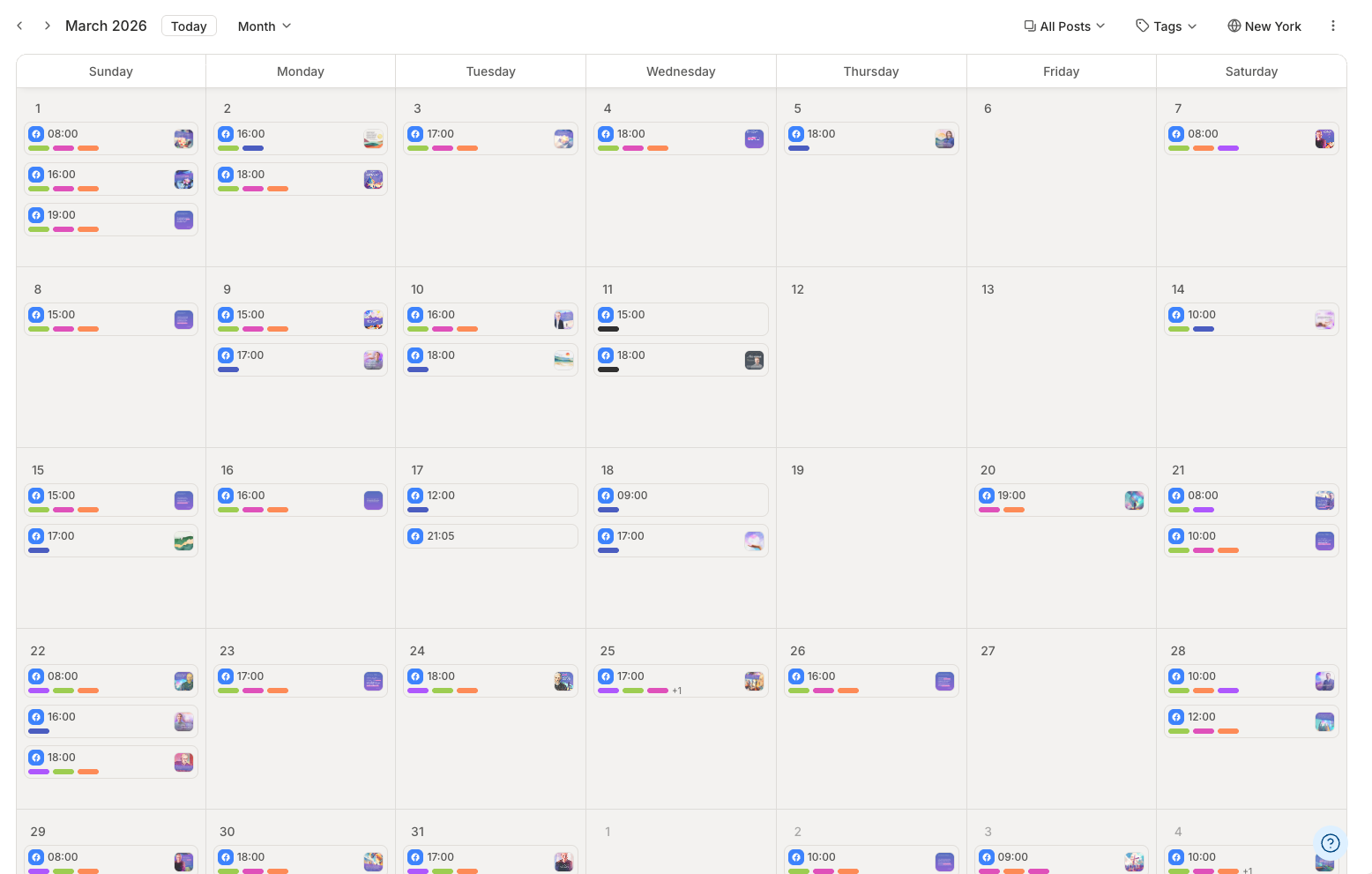
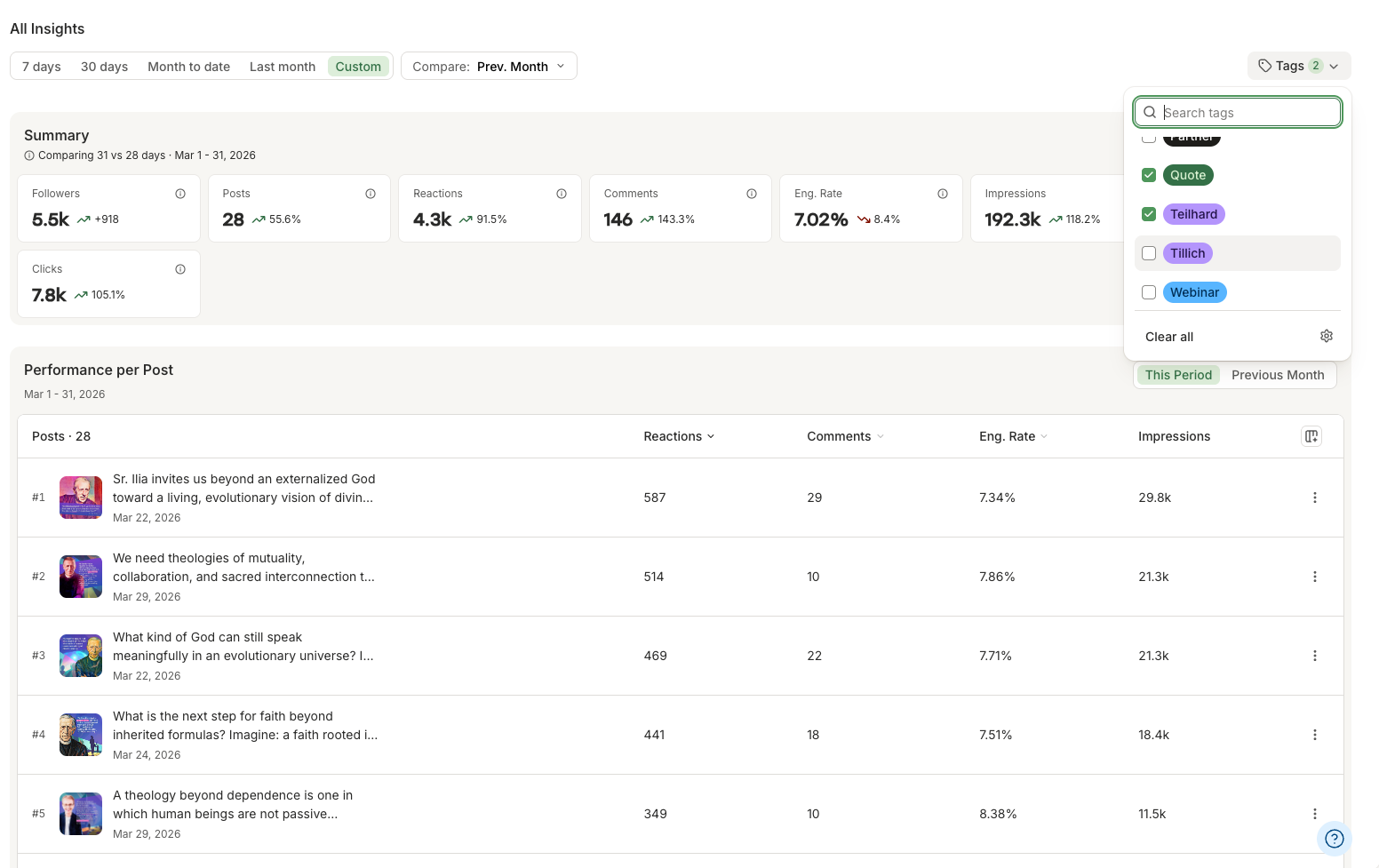
A critical component of this data strategy is the use of color-coded tagging. By categorizing posts by campaign, theme, or subject matter, Kuhns can conduct longitudinal studies of audience behavior. For instance, in his work with a religious nonprofit, he implemented a series of quote graphics featuring various thinkers and theologians. By tagging these posts individually, he was able to determine within minutes which specific subjects or authors resonated most deeply with the audience over the course of a year.
The implications of this data extend far beyond social media metrics. Kuhns uses these findings to influence the broader programming of his clients. If a particular thinker generates high engagement on social media, he might recommend that the client host a webinar on that subject, write a specialized newsletter, or produce a long-form blog post. In this model, social media serves as a real-time focus group, providing a "read" on the audience that informs the organization’s overall strategic direction.
The Primacy of Taste Over Algorithmic Engagement
Despite his reliance on data, Kuhns maintains that analytics should never be the sole driver of content strategy. He argues that the modern digital landscape suffers from a "taste deficit," where organizations prioritize engagement metrics at any cost, often to the detriment of their brand and mission. This is particularly relevant for cultural and religious organizations, where controversial content might drive high view counts and comments but alienate the core community or misrepresent the institution’s values.
"Taste never entered the conversation when we started using data to drive engagement at any cost," Kuhns observes. This perspective serves as a critique of the "engagement bait" tactics that have become prevalent on platforms like X (formerly Twitter) and Meta’s Instagram. For a cultural institution, hostile engagement or superficial popularity is often counterproductive. Kuhns uses data to understand how an audience responds, but he relies on his curated sense of taste—honed through years of art curation and music production—to decide what the organization should do next.
This philosophy also informs his stance on the integration of Artificial Intelligence (AI) in social media management. While many platforms are aggressively pushing generative AI features to automate post creation, Kuhns expresses a preference for systems where intelligence operates in the background. For his clients, whose audiences value authenticity and a specific institutional voice, AI-generated content can often feel impersonal or out of touch. By keeping AI as a background tool for pattern recognition rather than a foreground tool for content creation, Kuhns ensures that the human element remains central to the communication strategy.
Supporting Data and Market Context
The challenges faced by Kuhns’ clients reflect broader trends in the nonprofit and cultural sectors. According to recent industry reports, while social media remains a top priority for 87 percent of nonprofits, nearly half struggle with a lack of dedicated staff and consistent scheduling. The shift toward "logistics-first" management addresses these pain points by treating social media as a repeatable business process rather than an ad-hoc creative task.
Furthermore, the rise of "micro-agencies" and independent consultants like Kuhns mirrors a shift in the broader marketing industry. Organizations are increasingly moving away from large, all-encompassing agencies in favor of specialists who offer deep expertise in specific niches. In the arts and culture sector, where brand voice and community trust are paramount, this specialized approach is becoming the gold standard.
Broader Implications for Digital Strategy
The success of the "arts and culture supply chain" model suggests a future where social media management is increasingly integrated with business intelligence. As platforms become more saturated and organic reach becomes harder to sustain, the ability to extract actionable insights from data will be the primary differentiator for successful organizations.
However, the human element—specifically the "taste" and "vision" Kuhns emphasizes—remains the essential filter for that data. The move toward unified reporting and sophisticated tagging allows managers to zoom out and view the entire digital ecosystem of a brand, facilitating a more holistic approach to communication. For agency owners and creators, the lesson of Kuhns’ workflow is clear: the most effective tools are those that adapt to the user’s existing expertise, providing the data necessary to make informed decisions without dictating the creative process.
As the digital landscape continues to fragment, the demand for "supply chain" experts who can navigate the complexities of content distribution while maintaining a high standard of aesthetic quality is expected to grow. By focusing on consistency, logistics, and the strategic use of analytics, consultants like Dustin Kuhns are setting a new precedent for how cultural institutions engage with the modern world.