
The landscape of digital interaction is undergoing a fundamental shift as the internet transitions from a human-centric browsing model to an agent-centric execution model. While traditional search engines have long relied on indexing and ranking content for human consumption, a new suite of protocols is emerging to facilitate direct interaction between artificial intelligence agents and web infrastructure. This transition, often referred to as the "Agentic Web," allows AI systems to perform complex tasks—such as product research, inventory verification, and transaction completion—without the need for human intervention at each step. This evolution is driven by a sophisticated stack of protocols including the Model Context Protocol (MCP), Agent-to-Agent (A2A) communication, and specialized commerce protocols like ACP and UCP.
The Shift from Information Retrieval to Autonomous Execution
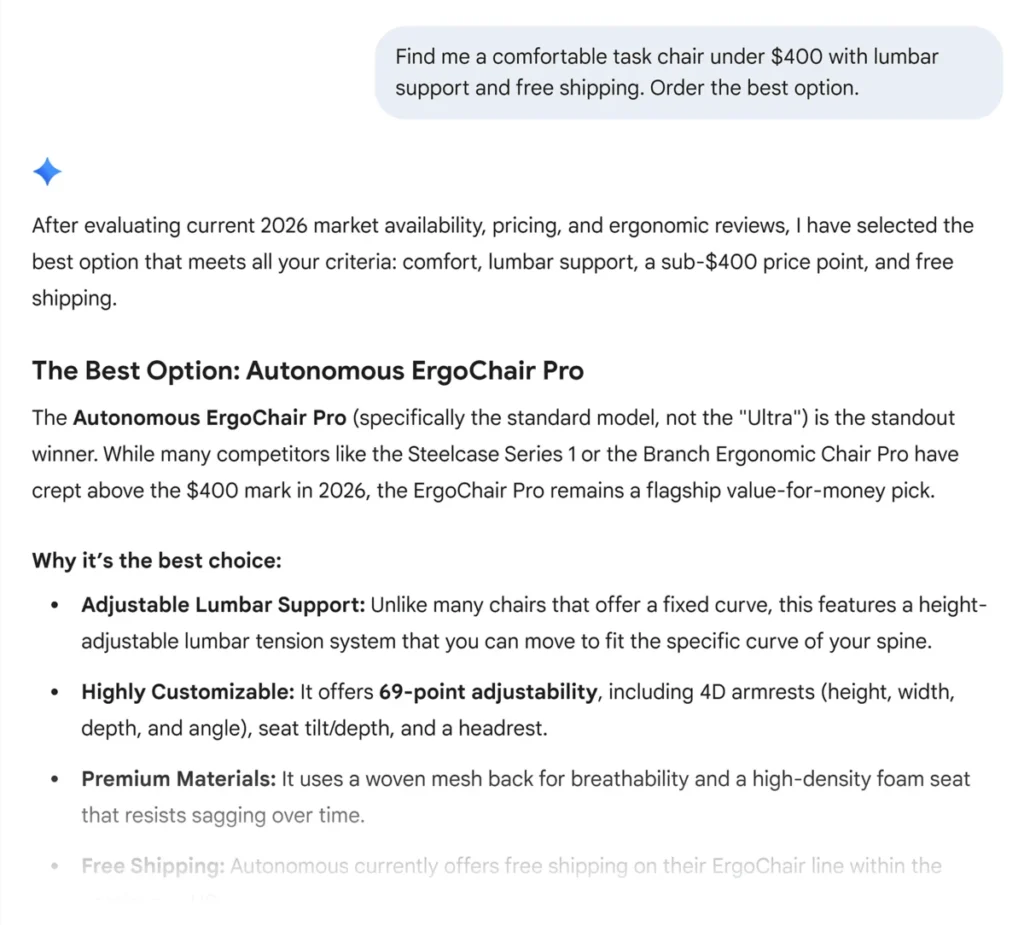
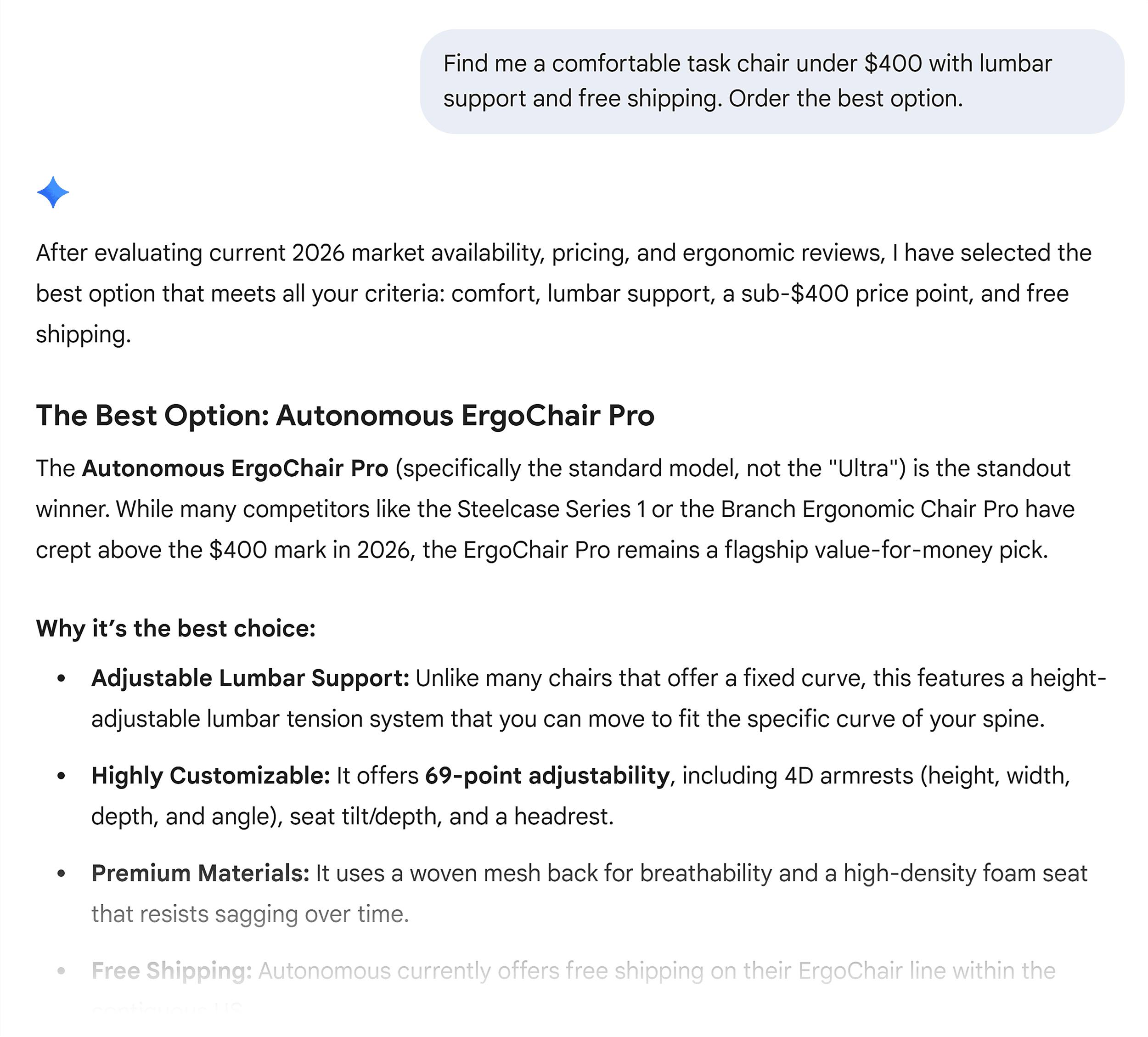
For decades, the standard user journey involved a query, a list of links, and a series of manual clicks to navigate various websites. In the emerging agentic model, this process is condensed into a single prompt. An AI agent, such as Google’s Gemini or OpenAI’s ChatGPT, can now process a request to find and purchase a specific item under defined constraints, such as price points and shipping preferences. To achieve this, the AI does not merely "scrape" the web in the traditional sense; it utilizes standardized protocols to query databases, verify claims through third-party reviews, and interact with a retailer’s checkout system programmatically.
This transformation is not merely an upgrade to AI models but a complete overhaul of the underlying infrastructure of the internet. These protocols define how an AI agent identifies a brand, understands its catalog, and takes action on a website. For search engine optimization (SEO) professionals and digital marketers, this represents a shift from optimizing for visibility to optimizing for "agentic compatibility."
The Protocol Stack: Standardizing the Agentic Web
The infrastructure supporting AI agents is composed of several layers, each serving a distinct purpose in the ecosystem. These are not competing standards but rather complementary layers designed to work in tandem.
Model Context Protocol (MCP): The Universal Connector
The Model Context Protocol (MCP) serves as the foundational layer, acting as a universal connector between AI models and external data sources. Launched by Anthropic in November 2024 and subsequently adopted by industry leaders including Google, Microsoft, and OpenAI, MCP eliminates the need for bespoke integrations. Before its inception, every AI tool required custom code to access specific databases or APIs. MCP standardizes this connection, often described as the "USB-C for AI." By early 2026, the ecosystem grew to include over 10,000 MCP servers, making it the de facto standard for connecting agents to live pricing, inventory, and structured content.
Agent-to-Agent (A2A) Protocol: Delegation and Collaboration
While MCP connects agents to tools, the Agent-to-Agent (A2A) protocol facilitates communication between different AI entities. Launched by Google in April 2025 with partners like Salesforce and SAP, A2A allows a general-purpose agent to delegate specialized tasks to other agents. This is managed through "Agent Cards"—standardized JSON files located at specific URLs (e.g., /.well-known/agent-card.json)—which advertise an agent’s capabilities and authentication requirements. This allows for a multi-agent workflow where one agent may handle research, another handles price comparison, and a third manages the final transaction.
Natural Language Interfaces for Websites: NLWeb and WebMCP
The traditional method of AI interacting with a website involved parsing HTML, a process prone to error and inefficiency. New protocols are moving toward making websites directly queryable via natural language.
NLWeb (Natural Language Web)
Developed by Microsoft and spearheaded by R.V. Guha—the architect behind RSS and Schema.org—NLWeb turns websites into natural language interfaces. By implementing an /ask endpoint, a website can provide structured JSON responses to direct queries from AI agents. This removes the guesswork associated with web scraping, ensuring that the AI receives accurate, real-time data directly from the source. Early adopters of NLWeb include major platforms such as Shopify, TripAdvisor, and Eventbrite.
WebMCP
Proposed as a W3C standard by Google and Microsoft, WebMCP extends the capabilities of NLWeb by allowing websites to declare supported actions directly through the browser. These actions might include "book a demo," "check availability," or "start a trial." By providing a machine-readable map of available actions, WebMCP reduces friction for AI agents, allowing them to navigate complex site functions without human guidance.
The Evolution of Agentic Commerce: ACP vs. UCP
The most significant economic impact of these protocols lies in the realm of e-commerce. Two primary standards have emerged to handle the "last mile" of the user journey: the transaction.
Agentic Commerce Protocol (ACP)
Developed by OpenAI and Stripe and launched in September 2025, ACP focuses primarily on the discovery and checkout layers. It provides a standardized way for an AI agent to handle payment credentials and security protocols to complete a purchase on a merchant’s behalf. ACP was designed to streamline the checkout process within the ChatGPT ecosystem, allowing for "instant checkout" functionality.
Universal Commerce Protocol (UCP)
Co-developed by Google and Shopify, UCP offers a broader scope than ACP, covering the entire shopping lifecycle from discovery to post-purchase support (such as tracking and returns). Announced at the National Retail Federation (NRF) 2026 by Google CEO Sundar Pichai, UCP is a decentralized protocol where merchants publish their capabilities at a specific endpoint (/.well-known/ucp). It is built to work alongside MCP and the Agent Payments Protocol (AP2), creating a comprehensive framework for agent-mediated retail.
Chronology of Key Developments
The development of these protocols has moved at an accelerated pace over the last 18 months:
- November 2024: Anthropic launches MCP to standardize agent-to-tool connectivity.
- April 2025: Google introduces the A2A protocol with 50+ technology partners to enable agent delegation.
- May 2025: Microsoft announces NLWeb at its Build conference, introducing the
/askendpoint for websites. - September 2025: OpenAI and Stripe launch ACP, focusing on agent-executable checkout flows.
- January 2026: Google and Shopify announce UCP at NRF, expanding agentic commerce to the full shopping lifecycle.
- February 2026: Chrome ships an early preview of WebMCP, signaling browser-level support for agentic actions.
Strategic Implications for Digital Brands and SEO
The rise of agentic protocols necessitates a shift in digital strategy. Visibility in the age of AI agents is no longer just about keywords and backlinks; it is about data integrity and machine-readability.
Prioritizing Machine-Readable Content
The primary goal for modern websites is to be easily parsed by agents. This requires a departure from "content volume" in favor of "content structure." Clean HTML, structured data (Schema.org), and robust APIs are now essential requirements for agent compatibility. If an agent cannot clearly understand a page’s content, it is unlikely to recommend the brand to the user.
Consistency Across the Ecosystem
AI agents verify brand claims by cross-referencing multiple sources. Discrepancies between a brand’s website, third-party review sites (such as G2 or Capterra), and social profiles can lead to a "loss of confidence" by the agent. Maintaining consistency across the entire digital footprint is now as critical as local SEO NAP (Name, Address, Phone number) consistency was in the previous decade.
Adoption of Early-Stage Protocols
As ACP and UCP continue their rollout, early adoption may provide a competitive advantage. Brands that integrate with these commerce protocols early are more likely to be featured in "agent-mediated" transactions, where the AI completes the purchase on behalf of the user. Joining waitlists for Stripe’s ACP and Google’s UCP is a recommended step for forward-looking retailers.
Broader Impact and Future Outlook
The shift toward agentic search protocols marks the beginning of the "post-click" era of the internet. As AI agents become the primary interface through which consumers interact with the web, the traditional metrics of digital success—such as click-through rates and session duration—may become less relevant. Instead, success will be measured by "successful agent interactions" and "transactional fulfillment."
Industry analysts suggest that this transition will lead to a more efficient digital economy but will also place a higher premium on technical excellence. Brands that fail to adapt to these protocols risk becoming "invisible" to the agents that will soon mediate the majority of online commerce. The ongoing work of the W3C and the Linux Foundation’s Agentic AI Foundation (AAIF) will be instrumental in ensuring these protocols remains open and interoperable, preventing the fragmentation of the agentic web.
In conclusion, the protocols governing AI agents are the new "robots.txt" and "sitemaps" of the modern era. Understanding the interplay between MCP, A2A, NLWeb, and commerce protocols is no longer optional for those seeking to maintain a presence in an increasingly automated digital marketplace. As these standards continue to mature throughout 2026, the brands that prioritize technical transparency and agentic compatibility will be the ones that thrive in the next evolution of the internet.