

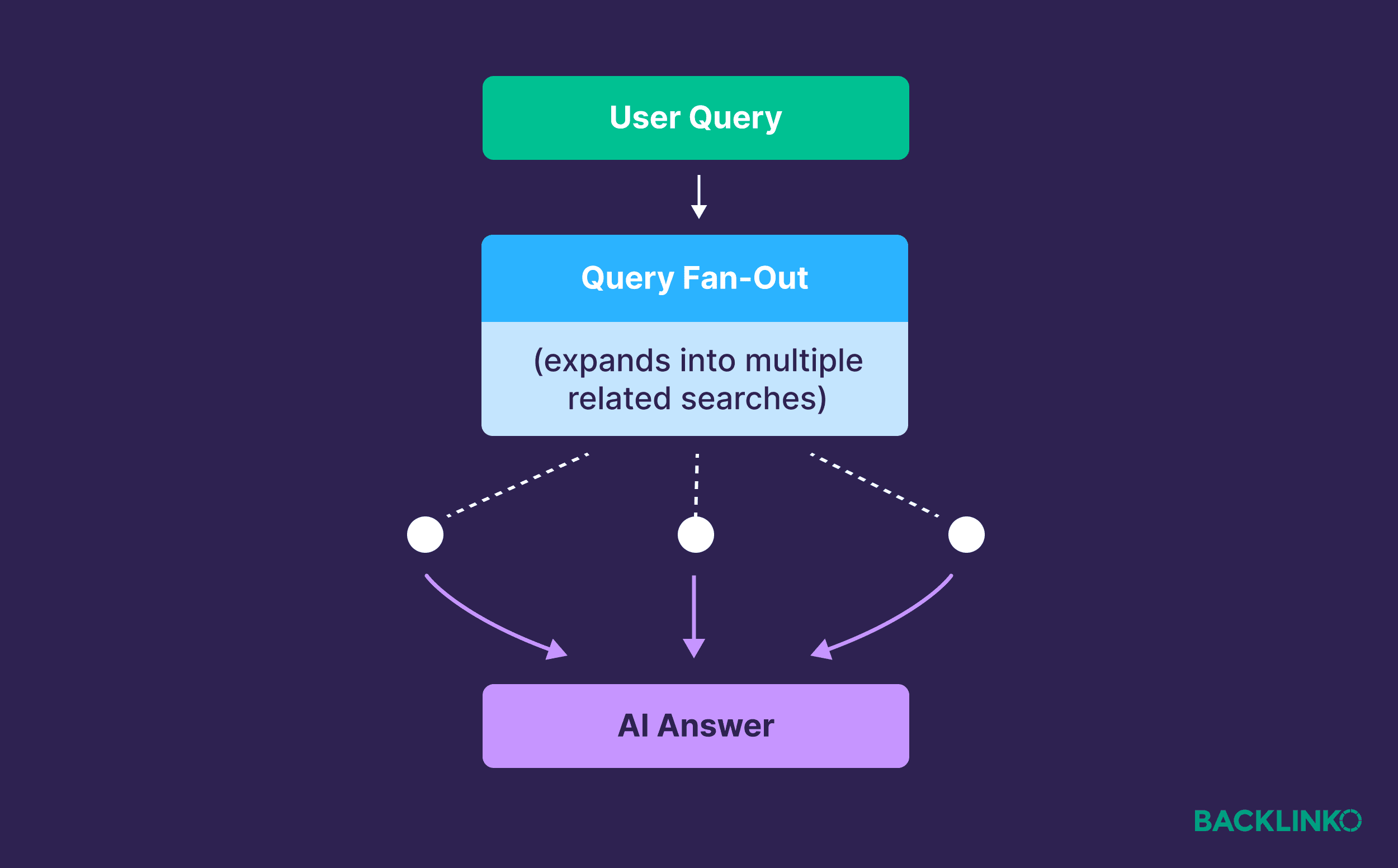
The digital marketing landscape is currently undergoing a fundamental shift as search engines transition from traditional link-based indexing to generative, answer-based systems. Central to this transformation is a background process known as query fan-out, a mechanism that allows large language models (LLMs) such as ChatGPT, Perplexity, and Google’s Gemini to decompose a single user inquiry into a multifaceted research mission. For digital strategists and content creators, the emergence of query fan-out represents a departure from the traditional "first page of Google" objective, revealing that content can maintain a top-tier organic ranking while remaining entirely invisible to the AI systems that now mediate user information.
Understanding the Mechanics of Query Fan-Out
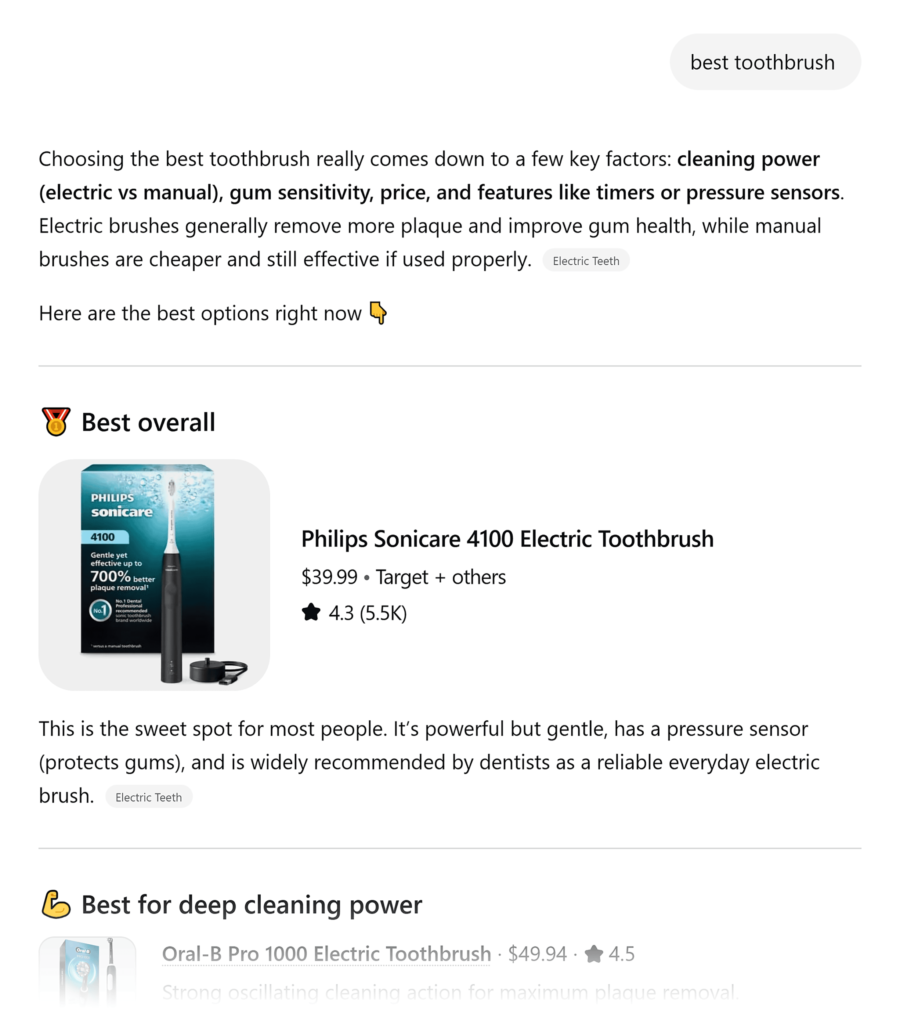
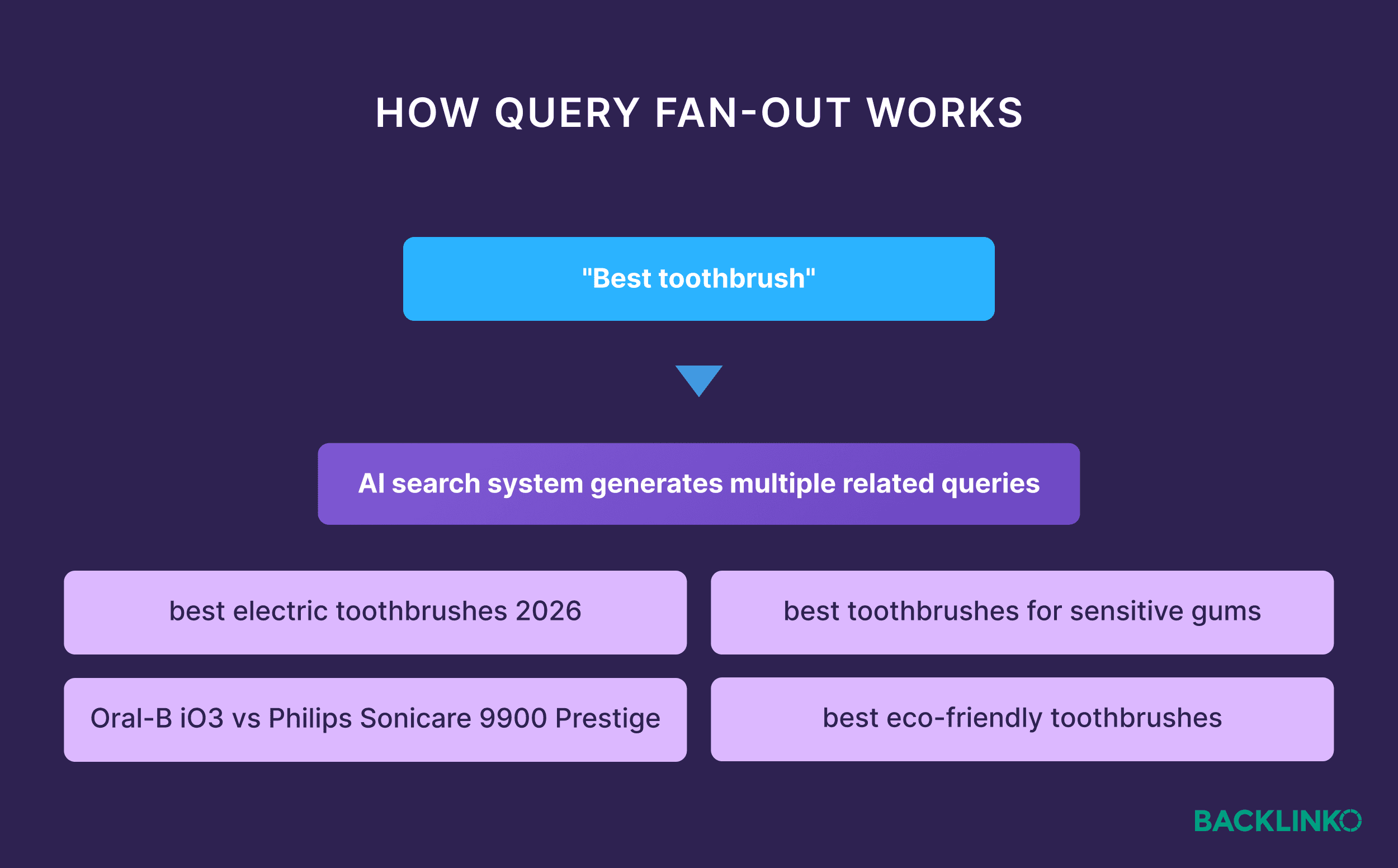
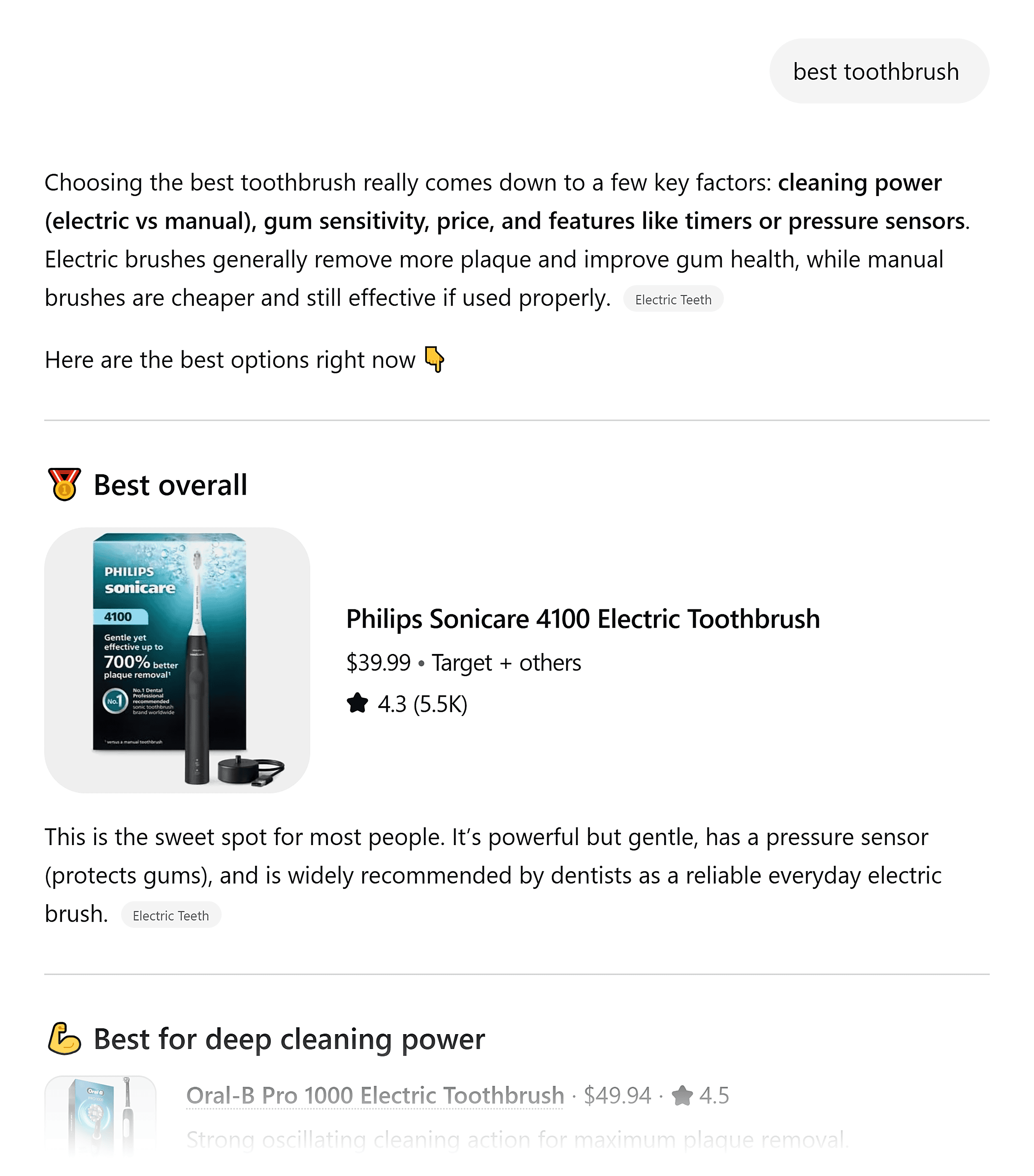
Query fan-out is the technical process by which an AI system takes a singular, often broad, user prompt and generates multiple sub-queries to build a comprehensive and accurate response. In traditional search, a user types "best electric toothbrush," and the engine provides a list of pages that match those keywords. In an AI-driven environment, the system "fans out" that query into several specific sub-searches, such as "top-rated electric toothbrushes 2024," "electric toothbrushes for sensitive gums," "Oral-B vs. Philips Sonicare comparison data," and "eco-friendly toothbrush options."
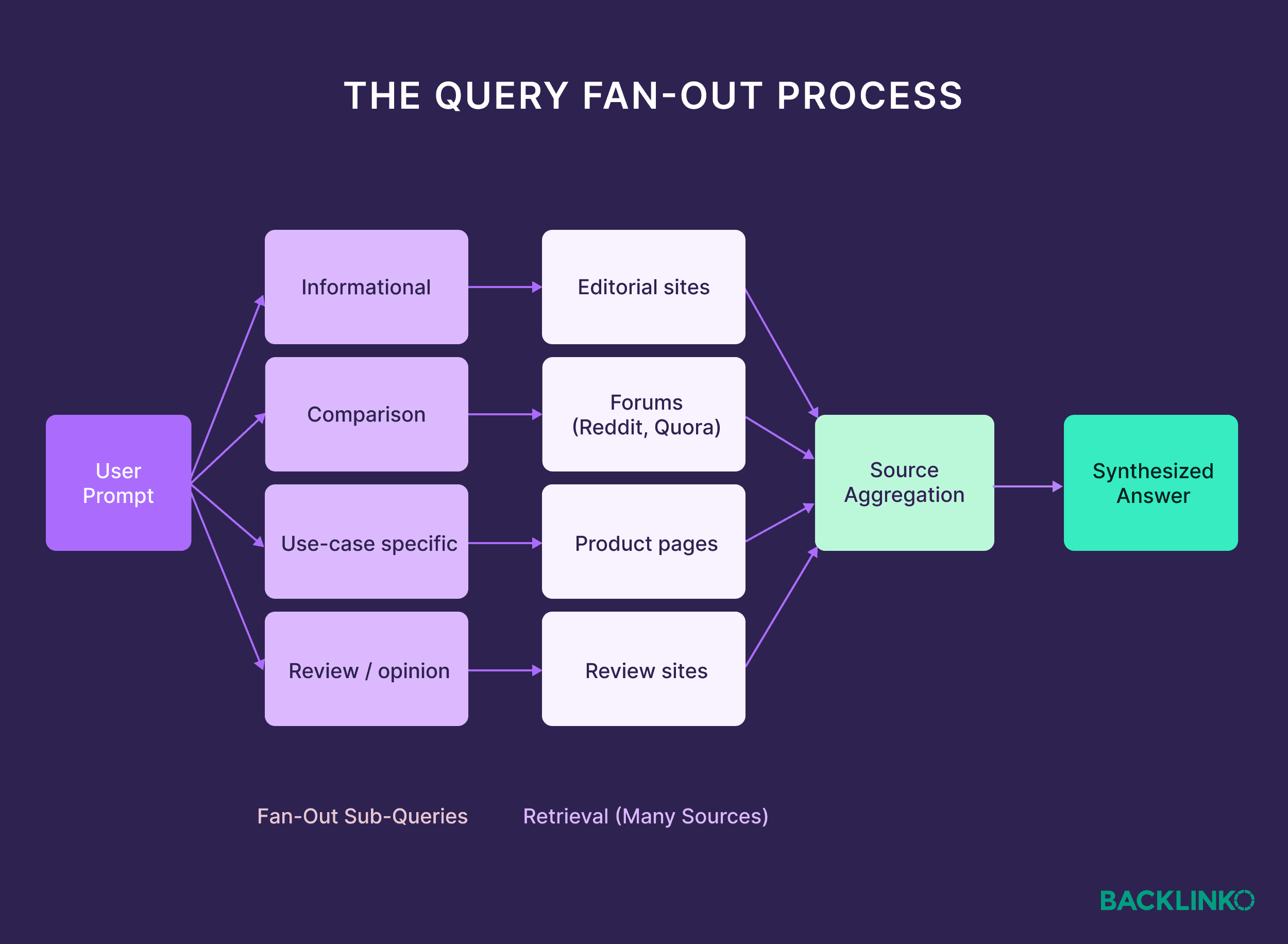
By executing these searches behind the scenes, the AI gathers a mosaic of information from various sources—including editorial reviews, community discussions on platforms like Reddit, and technical product pages—to synthesize a singular, authoritative answer. This process ensures that the final response is not merely a reflection of one high-ranking page but a curated summary of the most relevant and reliable data points available across the web.
The Disconnect Between Search Rankings and AI Citations
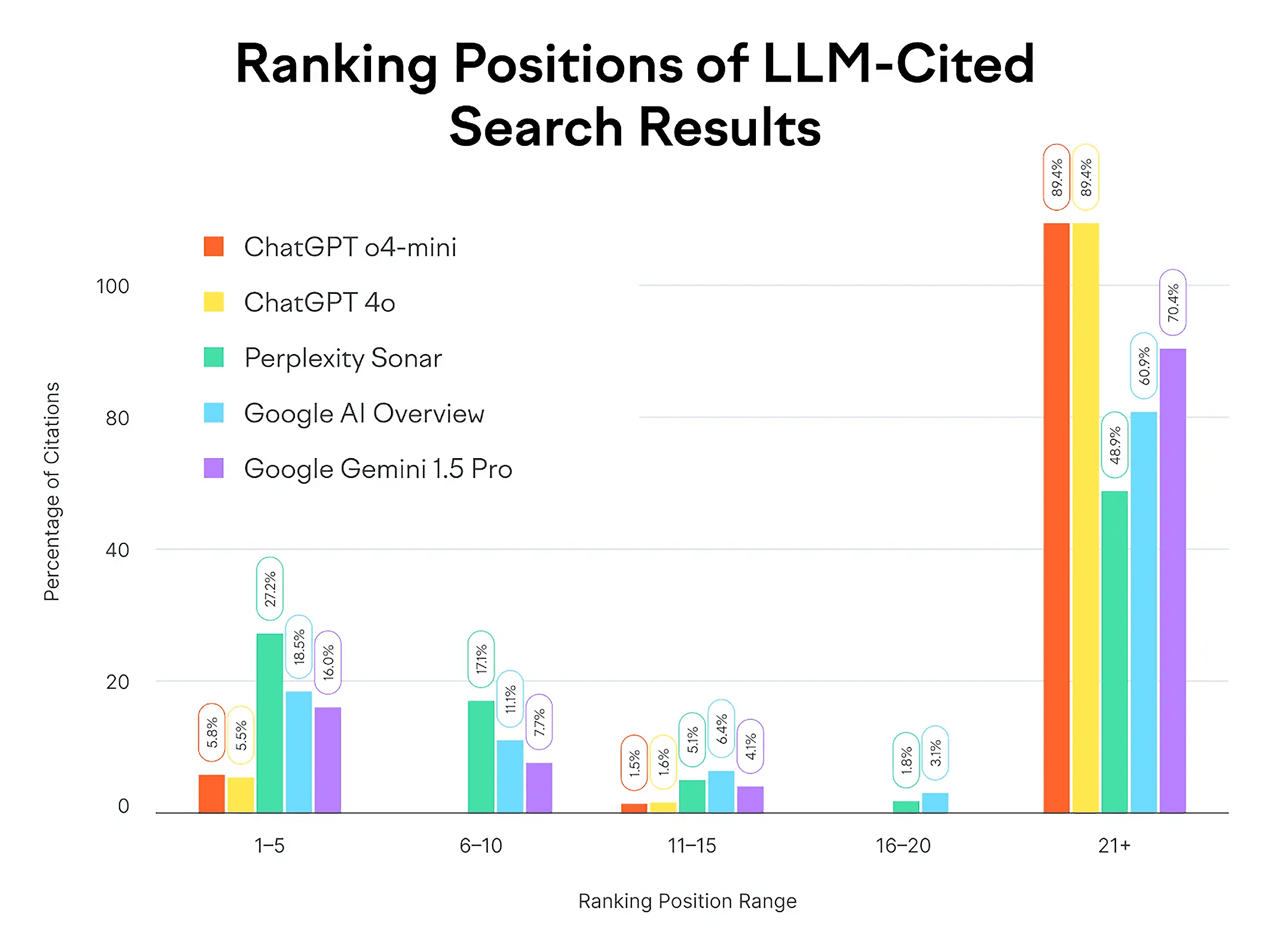
One of the most significant findings in recent digital visibility studies is the lack of correlation between high search engine result page (SERP) positions and AI citations. Data from a recent Semrush study indicates that ChatGPT cites pages in the 21st position or lower nearly 90% of the time. This suggests that AI systems are not prioritized by a site’s general authority or its ability to rank for broad keywords, but rather by the specificity and "retrievability" of the information contained within the content.
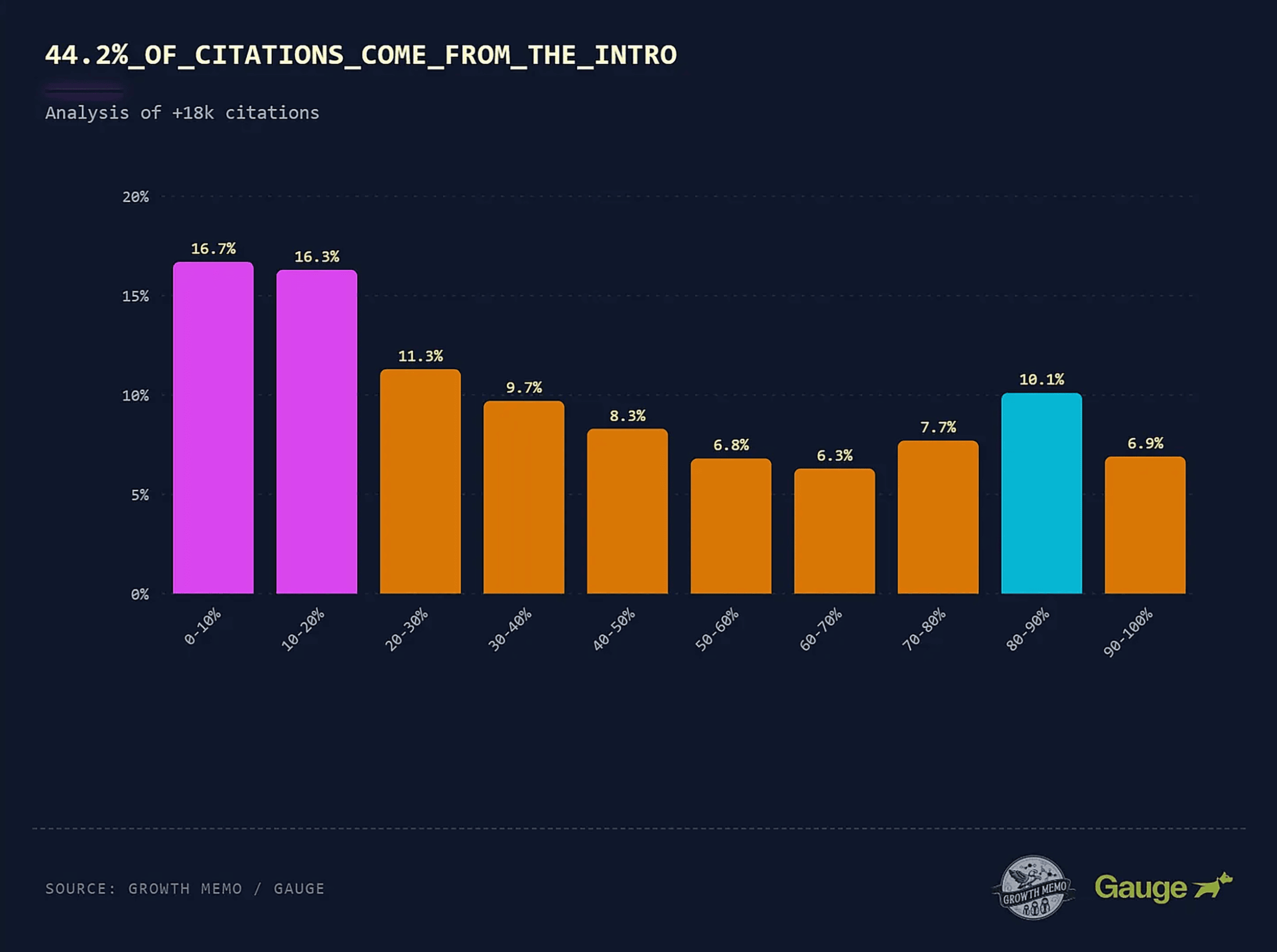
Further analysis by growth advisor Kevin Indig, who examined over 1.2 million ChatGPT responses, found a distinct pattern in how AI "pays attention" to content. According to the data, 44.2% of citations are derived from the first 30% of a page. The middle third of a page accounts for 31.1% of citations, while the final third contributes only 24.7%. This indicates that for content to be "retrievable" by an AI system during the fan-out process, it must front-load essential facts and resolve queries early in the text.
The Collapse of the Linear Buying Journey
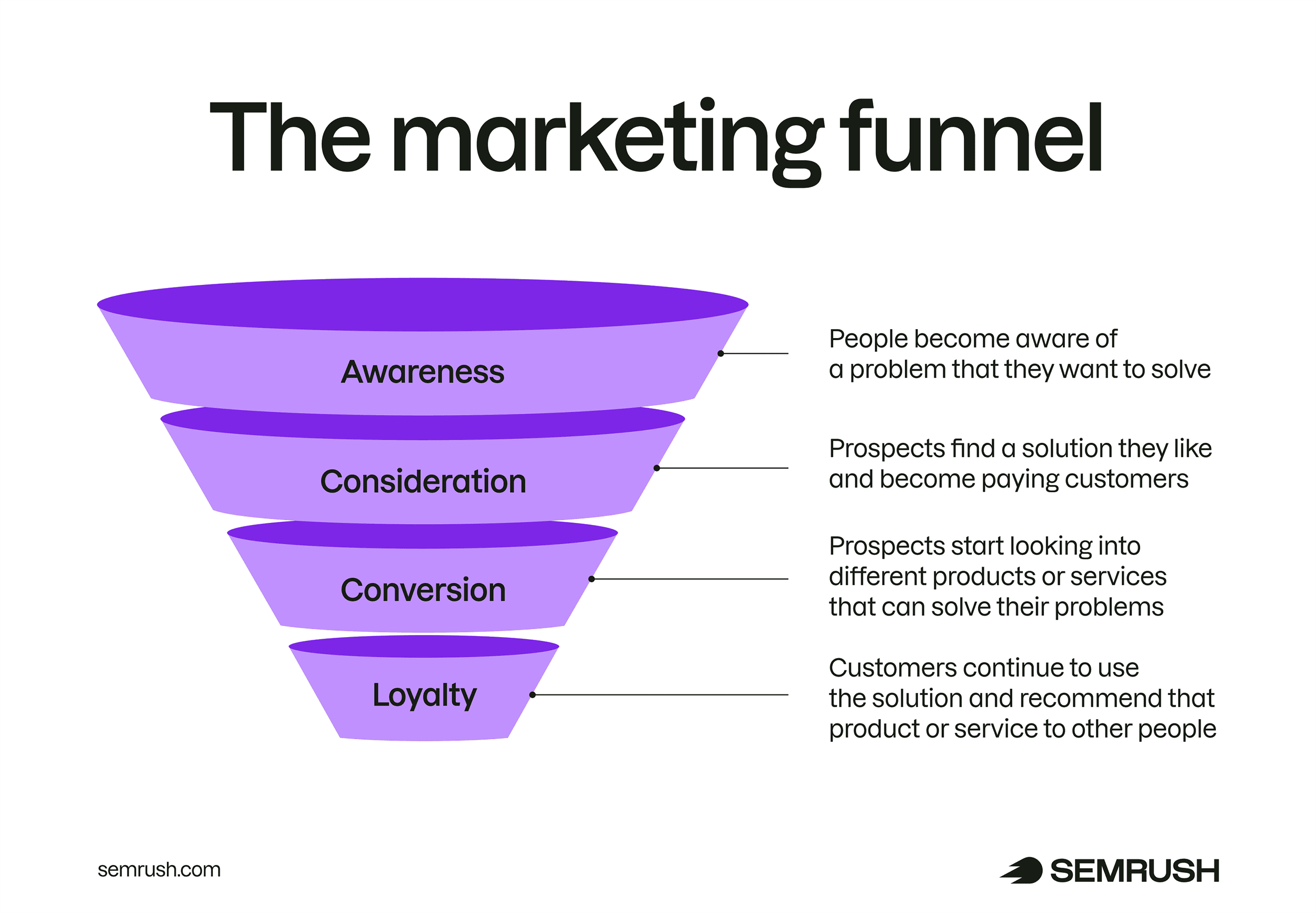
Historically, marketers have mapped the consumer journey as a linear funnel: awareness, consideration, and decision. Content was traditionally siloed to address these stages separately. However, query fan-out effectively collapses this funnel into a single interaction. When a user asks a high-intent question, the AI’s fan-out process simultaneously retrieves awareness-level context, consideration-level comparisons, and decision-level pricing or specs.
Consequently, a single AI-generated response can move a consumer from curiosity to a purchase decision in seconds. This shift necessitates a "full-funnel" approach to individual content pieces. For a brand to be mentioned in the final AI answer, its content must be present in the specific sub-queries generated during the fan-out process, regardless of which stage of the funnel those sub-queries represent.
A Strategic Framework for AI Visibility
To navigate this new reality, organizations are adopting a six-step workflow designed to align content strategy with the logic of query fan-out. This framework prioritizes "money prompts"—the conversational questions ideal customers ask AI—over traditional keywords.
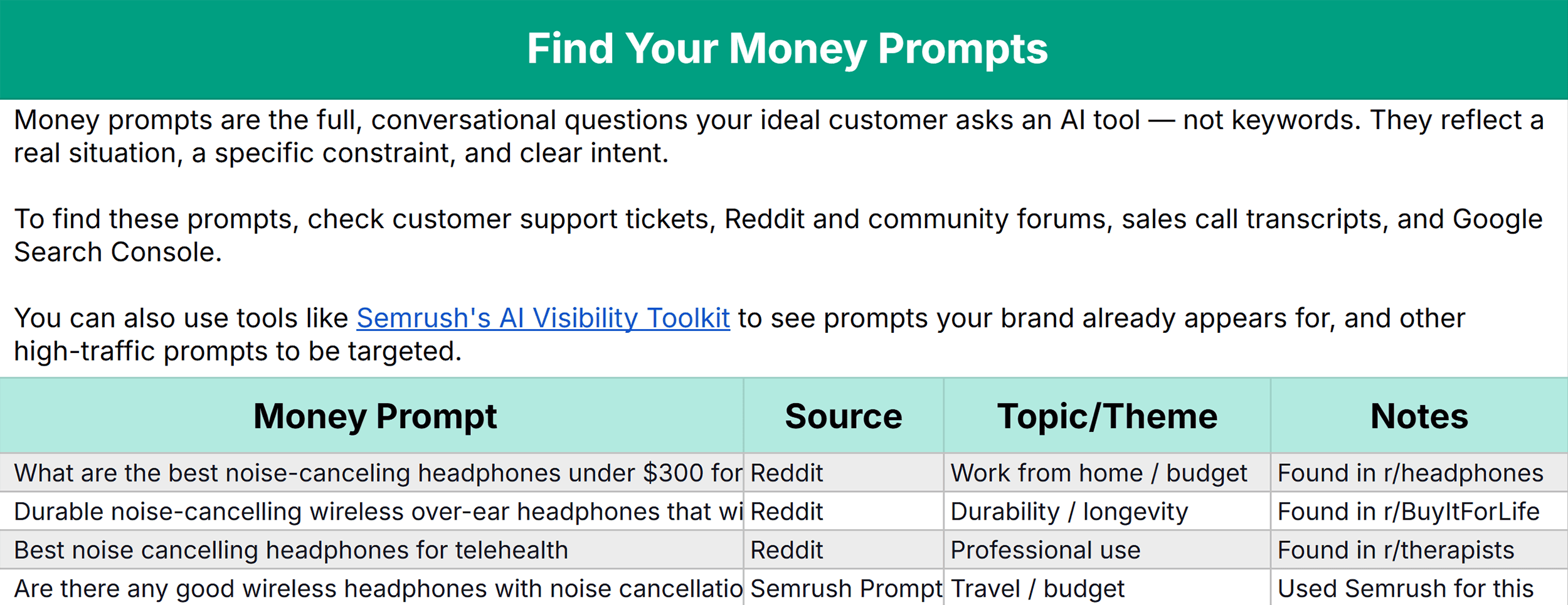
1. Identifying Money Prompts
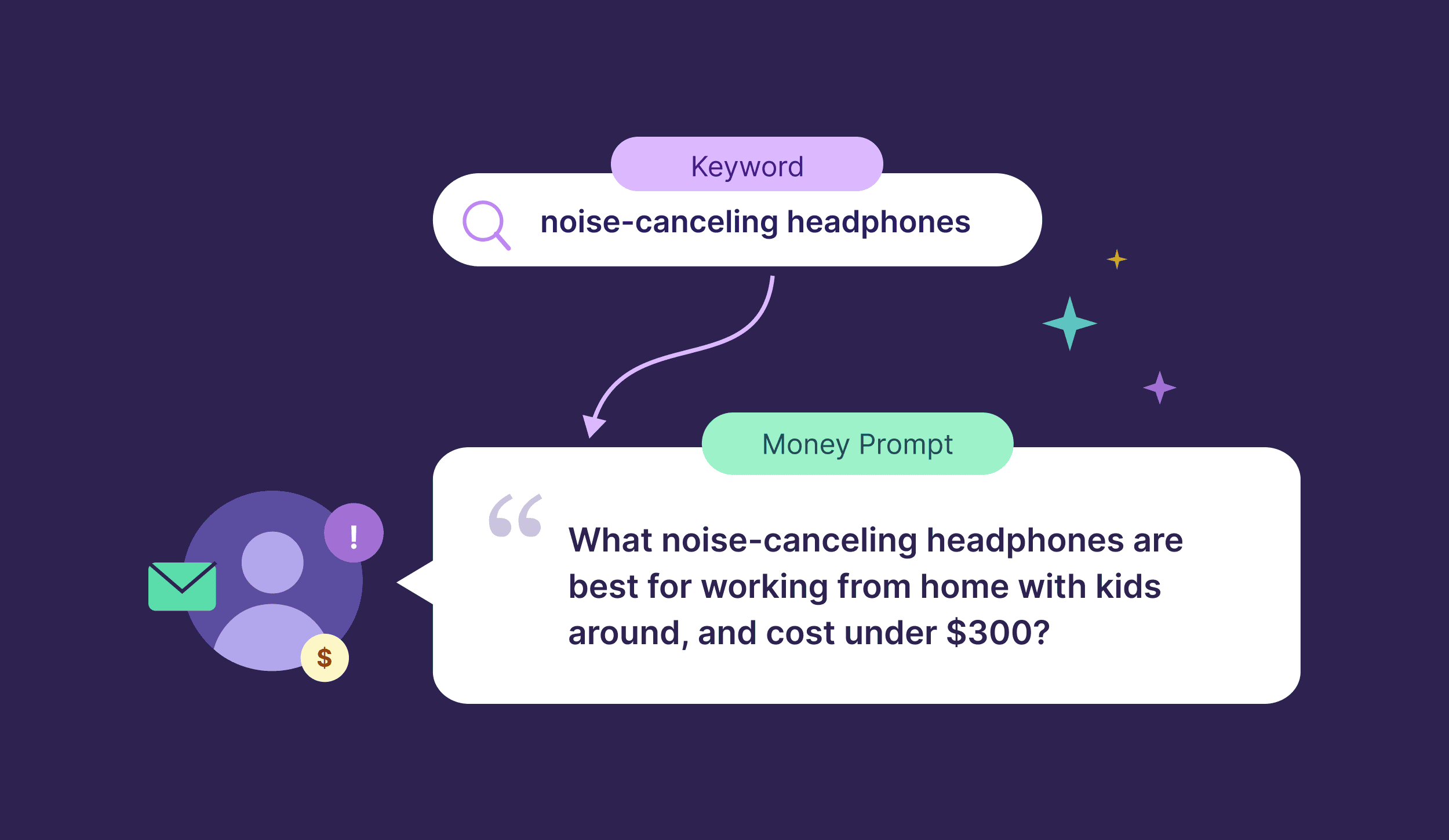
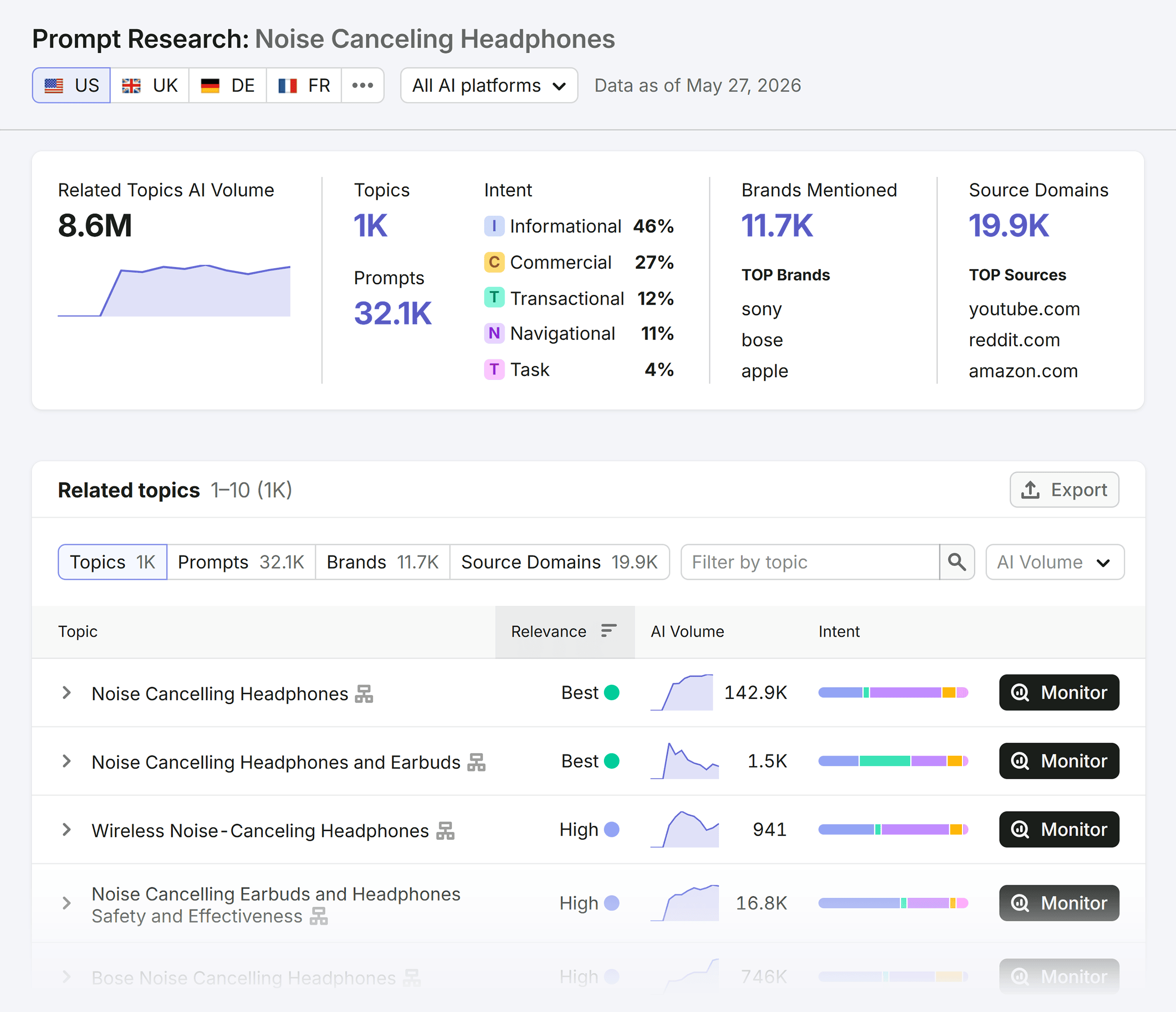
The first step involves identifying the specific, long-tail questions that drive commercial intent. Unlike keywords, which are often fragments, money prompts are complete thoughts, such as: "What are the most durable noise-canceling headphones for a daily commute under $300?" These prompts are often discovered by analyzing community forums like Reddit or using specialized AI visibility tools that track real-world LLM interactions.
2. Generating the Fan-Out Set
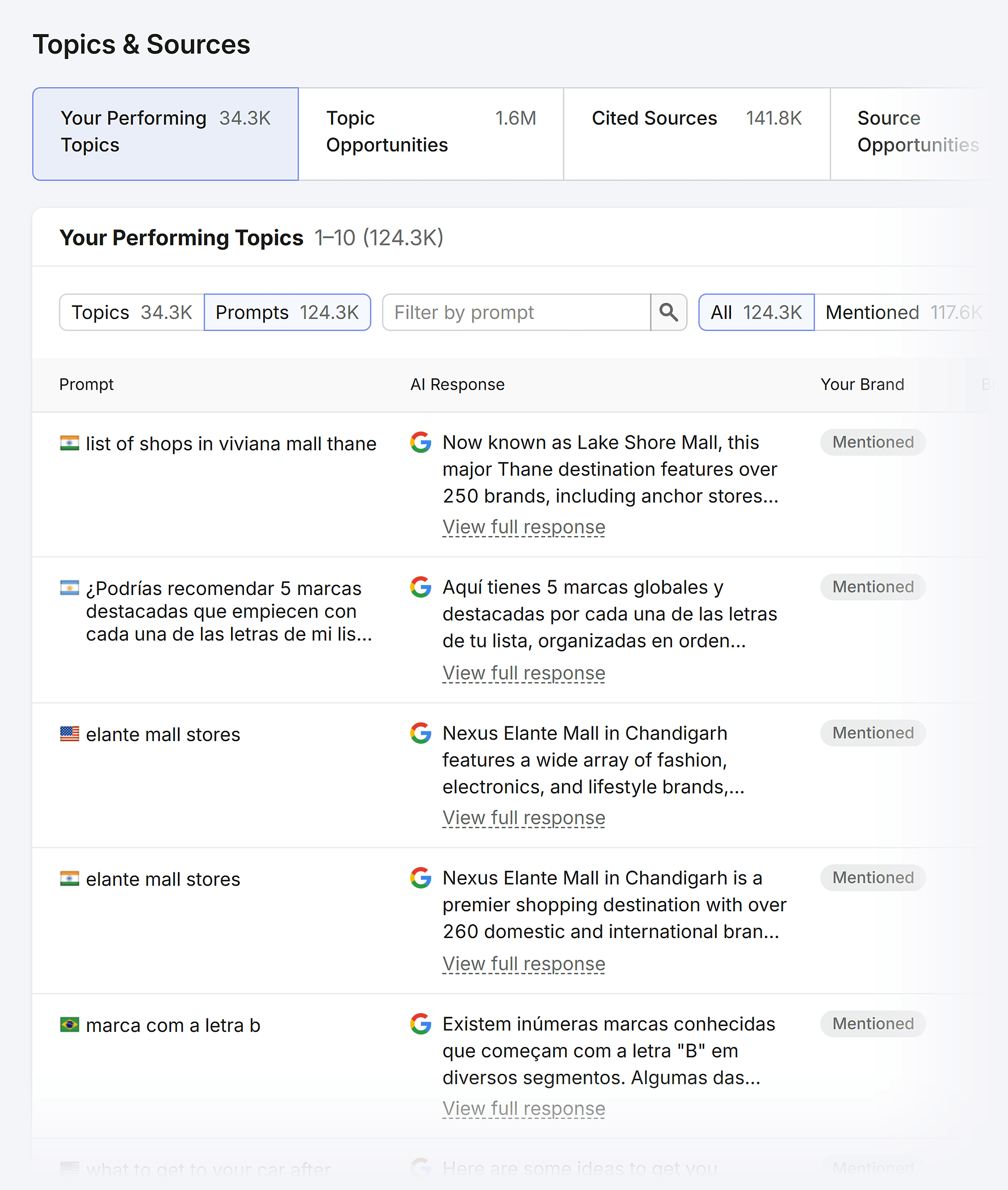
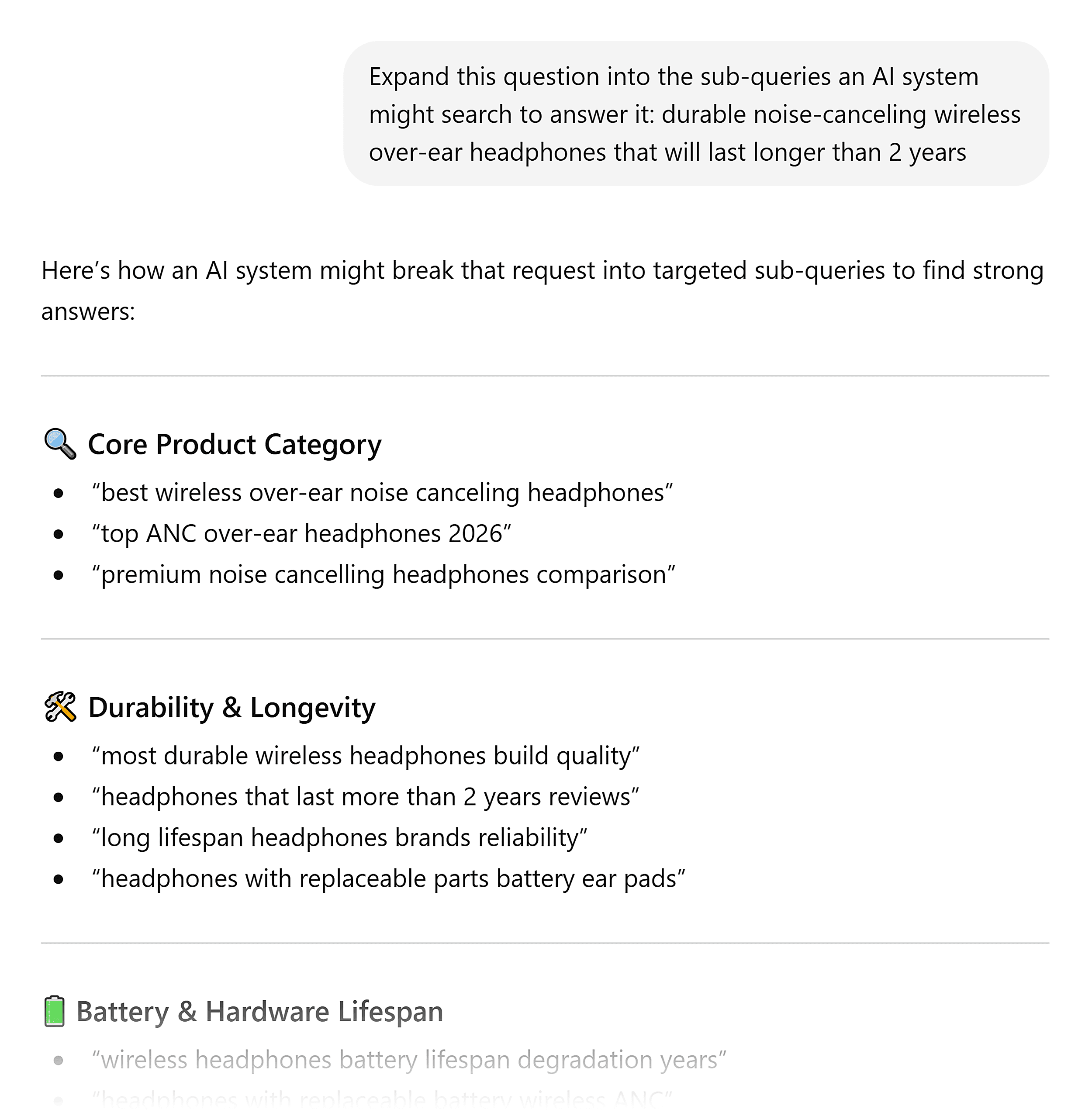
Once a money prompt is identified, strategists must determine how an AI will likely deconstruct it. This can be done manually by prompting an LLM to "act as a query rewriter" or by using technical tools that intercept the background searches performed by ChatGPT. Understanding these sub-queries allows creators to see the "hidden" requirements for appearing in the final answer.

3. Categorizing by Intent
Sub-queries generally fall into several categories: reformulations, comparative queries, implicit needs (addressing unstated requirements), and entity expansions (drilling down into specific brands). By bucketing these queries, marketers can determine the necessary content format, whether it be a technical table, a "how-to" guide, or a social-proof-heavy review.

4. Conducting a Gap Audit
Organizations must then audit their existing digital footprint against the identified sub-queries. This involves checking if the site currently has content that fully resolves the specific sub-tasks the AI is performing. If a competitor is cited for a "comparison" sub-query while the brand is only cited for a "definition" query, a clear content gap exists that must be closed to maintain authority.
5. Structuring for Extraction
Structure is paramount in the age of RAG (Retrieval-Augmented Generation). AI systems do not "read" pages in the traditional sense; they extract passages. Content must be formatted with descriptive H2 and H3 headings, bulleted lists for technical specs, and self-contained paragraphs that provide value even when stripped of the surrounding context.
6. Measuring Performance
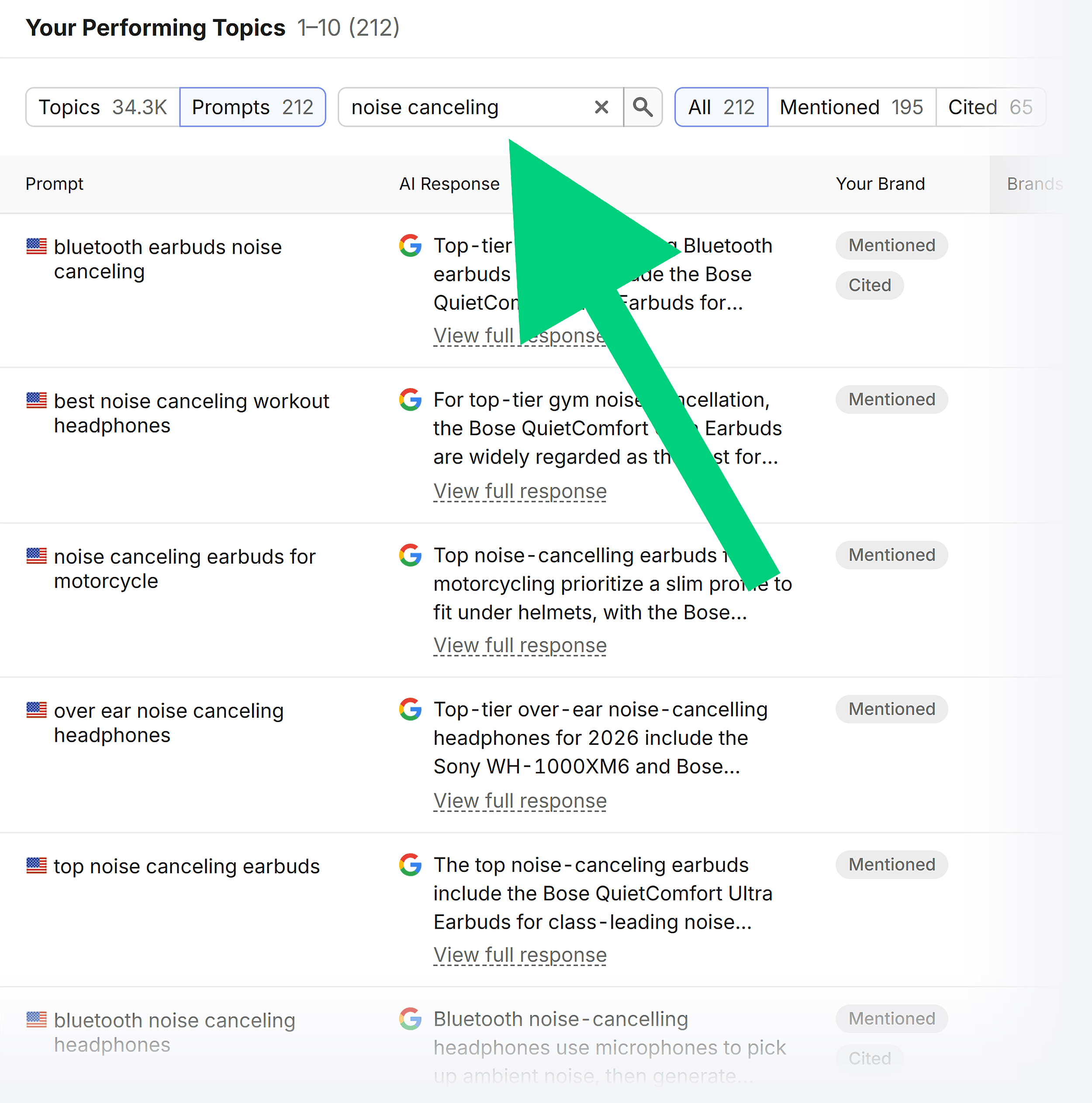
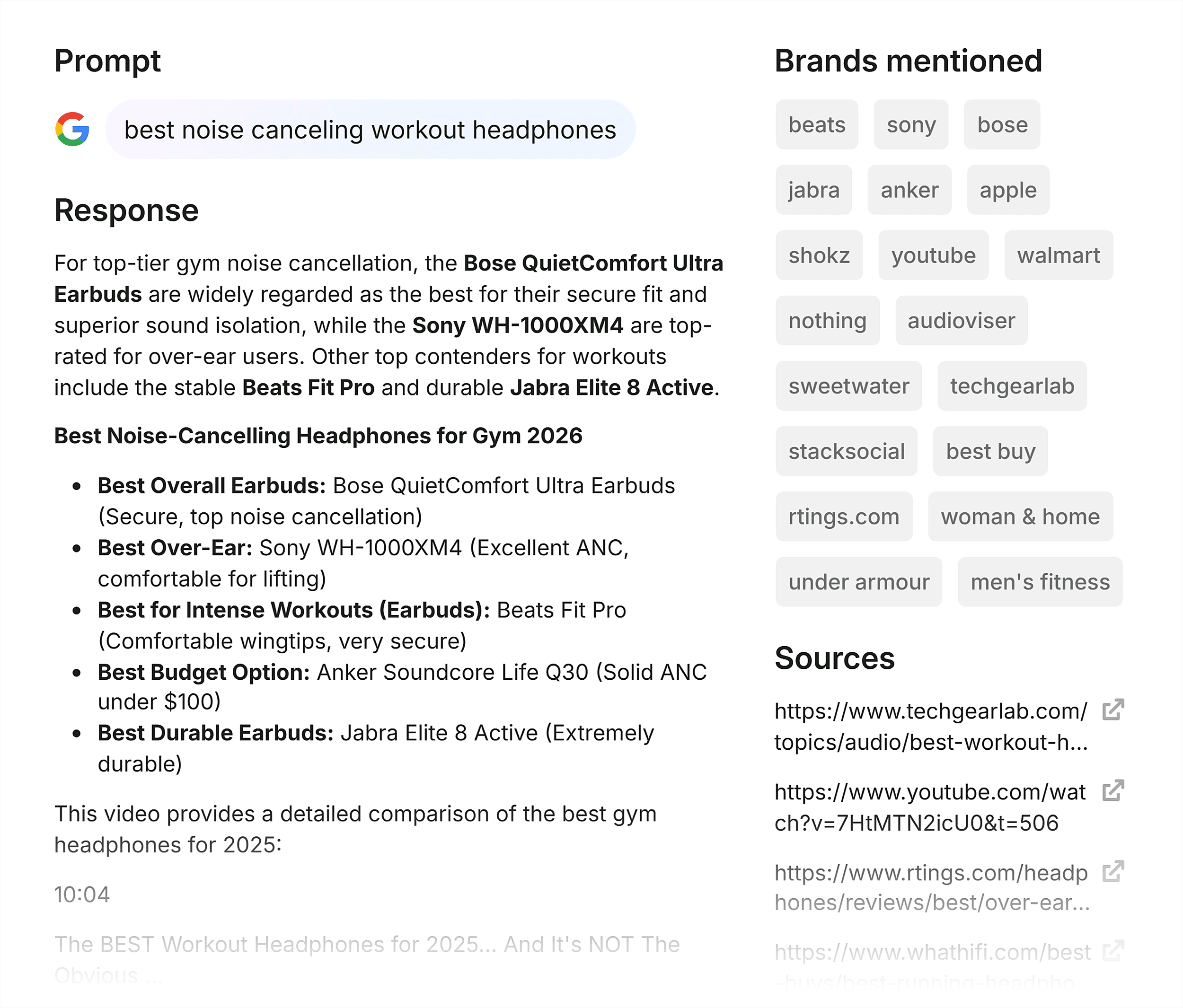
Finally, tracking visibility in LLMs requires new metrics. Traditional rank tracking is being supplemented by "AI Visibility Scores" and "Sentiment Analysis." These tools monitor how often a brand is mentioned in AI responses and whether the tone of those mentions is positive, neutral, or negative compared to competitors.
Platform-Specific Variations in Fan-Out Behavior
While the general concept of query fan-out applies across the industry, different platforms execute the process with varying logic.
- ChatGPT: Uses a "reasoning" model. For fresh data or complex comparisons, it triggers live web searches, often pulling from dozens of sources simultaneously to build a consensus.
- Perplexity: Focuses on a hybrid of conversational context and real-time search. It often performs an internal scan of the user’s previous questions to tailor the fan-out sub-queries to the individual’s specific preferences.
- Claude: Takes a more cautious approach, often asking clarifying questions to the user before initiating its research process, resulting in fewer but more targeted sub-queries.
- Google AI Overviews: Synthesizes Google’s massive search index into condensed summaries. It relies heavily on structured data and the existing "Featured Snippet" logic to populate its responses.
Broader Implications for the Information Economy
The rise of query fan-out signals a move toward a "zero-click" internet, where the goal of the search provider is to satisfy the user without ever sending them to a third-party website. This creates a paradox for content creators: they must provide high-quality data for AI to consume, yet that consumption may reduce direct traffic to their sites.
However, the analysis suggests that being the "cited source" remains the most viable path to brand authority. As LLMs become the primary interface for the internet, a brand that is not cited in the fan-out process effectively ceases to exist in the mind of the consumer. The focus of SEO is therefore shifting from "Search Engine Optimization" to "Generative Engine Optimization" (GEO), where coverage, retrievability, and factual density are the primary drivers of success.
The shift toward query fan-out is not merely a technical update but a redefinition of how information is curated and delivered. For brands to survive this transition, they must move beyond the vanity metrics of traditional search and embrace a strategy rooted in the granular, conversational, and highly structured logic of artificial intelligence. In this new era, visibility is no longer about being at the top of a list; it is about being the essential piece of evidence that an AI uses to build its truth.